Homepage
Treatments
Dental Implants
Oral & Jaw Surgery
Aesthetic Smile Design
Crowns, Bridges & Dentures
General & Restorative
Gum & Jaw Joint Care
Comfort & Children
See all treatments →
Smile Gallery Package List Dental Events About Us Blog Contact

Teeth Whitening

How It Works

3 Steps to a Healthy Smile

From your first message to your final check-up, we're with you at every stage of your treatment journey.

1

Online Consultation & Planning

Share your details and photos with us. Our patient advisors evaluate your case with our dentists and prepare a personalised treatment plan with clear timelines and pricing.

2

Arrival & Treatment

We help organise your travel and stay. Once you arrive, all examinations and treatments are carried out in our fully equipped clinic in Antalya.

Book Appointment
3

Your New Smile & Aftercare

Your treatment is completed as planned. Enjoy your healthy, confident smile, relax in Antalya — and stay in touch with us for aftercare once you're home.

Teeth Whitening

Teeth whitening is a cosmetic dental treatment that lightens the colour of your natural teeth by reducing stains and discoloration. It is considered when teeth look yellow, brown or dull due to age, smoking, coffee, tea, red wine, or some previous dental conditions. Professional whitening at a dental clinic uses controlled whitening gels and specific techniques to brighten the teeth safely and predictably. At home, only milder options are recommended under a dentist’s guidance.

On this page you will learn what teeth whitening is, how it works, who is suitable for it and when it should be avoided or postponed. You will also find a step-by-step description of the procedure, what kind of sensitivity or side effects you might expect, what you can eat and drink afterwards and how long the results usually last. Finally, you can read about alternatives such as veneers, crowns and composite bonding, and how teeth whitening can be planned if you are visiting Antalya from abroad.

What Is Teeth Whitening and How Does It Work?

Teeth whitening is a dental procedure that lightens the colour of your natural teeth by using whitening gels to break down stains within the enamel and dentine. The aim is to make the teeth appear brighter without removing tooth structure. Professional whitening is usually carried out in a dental clinic, at home under a dentist’s supervision, or with a combination of both.

To understand how it works, it helps to know the structure of a tooth. The outer layer is enamel, a hard, mineral-rich tissue. Beneath it is dentine, which has a more yellow tone. Over time, coloured molecules from food, drinks and tobacco can penetrate the enamel and accumulate in the dentine. Ageing, some developmental conditions and previous trauma can also change tooth colour from the inside.

Whitening gels used by dentists contain active ingredients that release oxygen-based molecules. These molecules react with the coloured stain particles, breaking them into smaller, less pigmented fragments. As a result, less light is absorbed and the tooth appears lighter. The basic mechanism is the same whether done in the clinic or at home, but professional treatments use carefully controlled concentrations and contact times.

There are two main types of dental whitening:

  • In-office whitening: Performed in the dental chair. A stronger gel is applied and monitored closely. A lamp or laser may be used, not to “bleach” the tooth by itself, but to activate or warm the gel in some systems.
  • Dentist-supervised home whitening: A milder gel is used in custom-made trays, usually worn for several hours a day or overnight for a set period. The dentist adjusts the plan based on your response.

Toothpastes and mouthrinses labelled as “whitening” usually remove surface stains by gentle abrasives or chemicals, but they cannot significantly change the internal colour of teeth like proper bleaching treatments. Only a dentist can assess which type of whitening, if any, is suitable for your mouth and expectations.

Who Is a Good Candidate for Teeth Whitening?

A good candidate for teeth whitening is generally someone with healthy teeth and gums who is unhappy with the colour of their natural teeth and has realistic expectations about what whitening can achieve. The dentist will check your mouth, discuss your goals and decide if whitening is safe and likely to give a visible improvement.

Teeth whitening works best on natural teeth that are yellowish or light brown. Common good candidates include:

  • Adults with surface and internal stains from coffee, tea, red wine or smoking, but with no major decay or gum disease.
  • People whose teeth have darkened slightly with age, but who still have enough healthy enamel.
  • Patients who plan other cosmetic treatments, such as a smile makeover, and want a lighter base shade before veneers or crowns are chosen.

Stable oral health is important. Cavities, broken fillings, cracked teeth and untreated gum inflammation (gingivitis) or periodontitis (a deeper gum and bone infection) should be treated before whitening. Whitening gel can irritate exposed dentine or inflamed gums and cause more discomfort if these conditions are ignored.

Good candidates also understand that:

  • Existing fillings, crowns, veneers and bridges will not change colour with whitening and might need to be replaced later for a good colour match.
  • Whitening can cause temporary sensitivity, especially to cold, and this is usually manageable and short-lived.
  • Results vary from person to person; some teeth respond quickly, while others lighten only a few shades.

Age is another factor. Whitening is usually reserved for adults. In young patients whose teeth and jaws are still developing, dentists are more cautious and may recommend waiting or using very conservative methods. For people with severe internal discoloration from childhood illness, injury or certain medical treatments, standard whitening may have limited effect and alternatives such as laminate veneers or crowns may be more appropriate.

The final decision is always made after a full examination, medical history review and discussion of your expectations and lifestyle habits.

Everything You Need to Know

More about Teeth Whitening

When Should Teeth Whitening Be Postponed or Avoided?

Teeth whitening should be postponed or avoided when there are untreated dental problems, certain medical conditions, or situations where the risks are higher than the possible benefits. A careful examination helps your dentist decide if it is safe to continue or better to wait.

Common reasons to postpone whitening include:

  • Active tooth decay or broken fillings: Whitening gel can seep into cavities or cracks and irritate the inner part of the tooth, increasing pain or sensitivity. These areas should be repaired first.
  • Gum disease: Inflamed or bleeding gums are more vulnerable to irritation from whitening products. Treatment of gingivitis or periodontitis should come before cosmetic procedures.
  • Severe tooth wear or erosion: When enamel is thin and dentine is exposed, whitening may cause marked sensitivity. Protective treatments may be needed first, and sometimes whitening is not recommended at all.
  • Recent dental surgery or extractions: It is usually safer to wait until tissues are healed before exposing them to whitening agents.

There are also situations where whitening may be avoided or limited:

  • Pregnancy and breastfeeding: There is limited research on the safety of whitening in these periods. Many dentists prefer to delay elective whitening until after pregnancy and breastfeeding.
  • Uncontrolled diabetes, bleeding disorders or serious systemic illness: These conditions can affect healing and gum response. The dentist may request clearance from your physician and may decide whitening is not a priority.
  • Allergy or strong sensitivity to whitening ingredients: If you have had a previous allergic reaction to similar products, whitening might not be suitable.
  • Extensive restorations in the front teeth: If most visible teeth are already covered by crowns, veneers or large fillings, bleaching will not change these materials. Other cosmetic approaches might be more logical.

Certain types of discoloration, such as dark grey stains from some childhood medications or trauma-related internal staining, can be resistant to whitening. Trying to bleach these teeth aggressively can lead to sensitivity without much colour change. In such cases, the dentist may suggest alternatives like dental crowns or internal bleaching for root-treated teeth.

If you experience severe, persistent tooth pain, facial swelling, fever or difficulty swallowing or breathing around the time of whitening, you should contact a dentist or seek emergency care, as these symptoms are not typical side effects of simple cosmetic whitening.

How Is the Shade of Your Teeth Assessed Before Whitening?

The shade of your teeth is assessed before whitening by comparing them to a standard shade guide and, in many clinics, by using digital photographs or shade-measuring devices. This step is essential, because it provides a starting point, helps set realistic expectations and guides the dentist when planning how strong or how long the whitening should be.

During the shade assessment, you are usually seated in a chair with good, neutral lighting. The dentist or dental team cleans the tooth surfaces gently so that surface stains and plaque do not distort the colour. Then a shade guide, which looks like a fan of small tooth-coloured tabs, is held next to your teeth. Each tab represents a specific combination of lightness and colour tone, from light to dark and from more yellow to more grey.

The dentist selects the tab that most closely matches the middle part of your front teeth, as this area generally reflects the true tooth colour best. Sometimes a combination is recorded, for example, darker near the gum and lighter at the edge, if your teeth are not uniform. The chosen shade is noted in your dental record as the “before” colour.

Many clinics also take clear photographs of your teeth with a shade tab visible in the image. This allows both you and the dentist to see changes more objectively after the treatment. In some cases, electronic shade-measuring tools are used. These devices project a safe light onto the tooth surface and analyse the reflected light to give a colour reading.

During the discussion, your dentist will ask what kind of result you are hoping for. For example, some people want a very bright smile, while others want only a subtle refresh. The gap between your starting shade and your target shade helps the dentist decide if in-office, at-home, or combined whitening is more appropriate and how many sessions might realistically be needed. It also helps identify teeth that are darker for specific reasons, such as a previous trauma, which might need a different approach from the rest of the mouth.

What Happens During a Professional Teeth Whitening Procedure?

During a professional teeth whitening procedure, your teeth are isolated, a whitening gel is applied under close supervision, left to act for a controlled period and then removed and evaluated. The process focuses on safety and comfort while trying to achieve a noticeable but natural-looking lightening of the teeth.

The typical steps are:

  1. Initial check and cleaning: The dentist confirms that your gums and teeth are suitable for whitening on that day. Loose plaque and surface stains are removed with a gentle polish so that the gel can act evenly.
  2. Isolation of gums and lips: Your lips and cheeks are held away from the teeth with retractors. A protective gel or rubber-like material is placed carefully around the gum line and hardened with a light to shield the soft tissues from the whitening gel.
  3. Application of whitening gel: A controlled layer of gel is placed on the visible tooth surfaces, usually from premolar to premolar in the upper and lower arches. The gel is spread evenly to avoid streaks or patches.
  4. Activation and waiting period: Depending on the system used, a special light may be directed at the teeth to activate the gel. You usually sit or recline in the chair for about 10–20 minutes per application, while the dentist monitors your comfort and checks for any gum irritation.
  5. Rinsing and repeating: The gel is suctioned off and the teeth are rinsed. The process may be repeated during the same visit, usually 2–3 times, depending on your sensitivity and how the colour is changing.
  6. Final rinse and shade check: At the end, all protective materials are removed, your mouth is rinsed, and the dentist compares your teeth to the initial shade. Photos may be taken to document the change.

Throughout the appointment, you can usually signal if you feel significant discomfort or sensitivity, in which case the dentist may shorten the contact time or stop the procedure. A desensitising product may be applied at the end to help calm the teeth.

Professional whitening is tailored to each mouth. For example, if one tooth is noticeably darker due to a previous injury or root canal treatment, the dentist might use separate whitening methods for that tooth, or plan an additional procedure, instead of simply applying more gel to the entire arch. The aim is a balanced, harmonious result rather than just maximum lightening.

How Long Does Teeth Whitening Take and How Many Visits Are Needed?

Teeth whitening usually takes from about 60 to 120 minutes per in-office visit, and many people see a noticeable change after one appointment; however, some cases benefit from 1–3 visits or a combination of in-office and at-home whitening spread over several weeks. The exact number of visits depends on your starting shade, how your teeth respond and how bright you want them to be.

For a typical in-office teeth whitening session, you can expect:

  • Preparation and isolation: Around 15–30 minutes for examination, cleaning and protecting your gums and lips.
  • Active whitening cycles: Often 2–3 cycles of gel application, each lasting 10–20 minutes, with short breaks between cycles.
  • Final checks and instructions: Another 10–20 minutes to compare shades, take photos and explain aftercare.

Some patients reach a result they are happy with in one visit. Others, especially those with darker starting shades or resistant stains, may prefer a second in-office session spaced about 1–2 weeks apart. This allows the dentist to monitor sensitivity and adjust the plan.

Dentist-supervised home whitening usually takes longer overall but uses shorter daily or nightly sessions. It might involve:

  • An initial visit to examine your teeth, take impressions and provide custom trays.
  • Several days to a few weeks of wearing the trays with a whitening gel for a specified time each day or night.
  • A review visit to assess progress and decide whether to continue, stop or combine with in-office treatment.

Many patients combine methods: one in-office session to start, followed by at-home tray whitening to fine-tune the shade over 1–3 weeks.

Because each mouth is different, there is no fixed number of visits that suits everyone. The dentist measures the results at each step and balances your wishes, the condition of your teeth and any sensitivity you may feel when planning the next stage.

Does Teeth Whitening Hurt or Cause Sensitivity?

Teeth whitening does not usually cause sharp pain, but it often leads to temporary tooth sensitivity and mild gum irritation in some people. These effects are generally short-lived and tend to settle within a few hours to a few days after treatment.

The most common sensation is a sudden, brief discomfort in the teeth, often described as a “zing,” especially when air passes over them or when you drink something cold. This happens because the whitening gel can make the enamel slightly more permeable for a short time, allowing external stimuli to reach the inner dentine and nerves more easily.

Several factors can increase the chance of sensitivity:

  • Existing tooth wear, erosion or gum recession exposing root surfaces.
  • Cracks, leaky fillings or untreated cavities that let the gel reach deeper tissues.
  • Very frequent or very long whitening sessions without enough breaks.

During a professional whitening session, the dentist reduces these risks by protecting the gums carefully, controlling the contact time and adjusting the strength of the gel to your situation. If you feel strong sensitivity during the procedure, the gel can be removed earlier, or fewer cycles can be used.

After whitening, common self-care measures include:

  • Avoiding very hot or very cold food and drinks for the first 24–48 hours.
  • Brushing gently with a soft toothbrush and a non-abrasive toothpaste.
  • Using any recommended desensitising products as advised by the dentist.

Gum irritation may appear as temporary redness or white patches where the gel touched the soft tissues. This usually heals on its own within a day or two. If discomfort is more than mild, persists, or is accompanied by swelling, fever, or strong, constant pain, you should contact a dentist promptly, as this might indicate another dental problem rather than simple whitening sensitivity.

People with very sensitive teeth or worn enamel may still be able to have whitening, but often with gentler products, shorter sessions and more careful monitoring, or they may be advised to consider alternative cosmetic options.

What Can You Eat and Drink After Teeth Whitening?

After teeth whitening, you are usually advised to choose foods and drinks that are light in colour and non-acidic for the first 24–48 hours, because your teeth can be more prone to taking up stains during this early period. Avoiding strong pigments and extremes of temperature helps maintain your new shade and reduces the chance of sensitivity.

Many dentists refer to this as a “white diet” for a short time. Suitable choices often include:

  • Plain water at room temperature.
  • Milk and light-coloured dairy products, if you tolerate them.
  • White rice, plain pasta, potatoes without heavy coloured sauces.
  • Chicken or fish without dark marinades or spices.
  • Bananas, peeled apples or pears, and other pale fruits that are not highly acidic.
  • Yoghurt and mild cheese.

Foods and drinks to limit or avoid at first include:

  • Coffee, tea (especially black tea), red wine and coloured soft drinks.
  • Dark sauces such as soy sauce, tomato-based sauces and curry-based dishes.
  • Strongly coloured berries, beetroot and similar pigmented vegetables.
  • Very acidic items like citrus fruits and fruit juices, which may increase sensitivity.
  • Very hot or very cold drinks if your teeth feel sensitive.

If you do choose a staining drink after the initial period, using a straw can reduce contact with the front teeth. Rinsing your mouth with water afterwards can also help reduce staining. Good daily cleaning, with gentle brushing and flossing, remains important to keep the teeth bright.

Avoid smoking or using tobacco products, especially in the first days after whitening, as tobacco is one of the main causes of new stains and can quickly dull the result.

For example, if you normally drink several cups of dark coffee a day, you might switch to a lighter-coloured drink or shorten contact time by drinking it a bit quicker and rinsing with water afterwards. These small adjustments can make a noticeable difference in how long the whitening effect remains visible.

How Long Do Teeth Whitening Results Last?

Teeth whitening results typically last from several months up to about 1–3 years, depending mainly on your diet, oral hygiene, lifestyle habits and natural tooth colour. Whitening does not make teeth stain-proof, but it can reset them to a lighter shade that you maintain with good care and, if needed, occasional touch-ups.

Factors that help whitening results last longer include:

  • Good oral hygiene: Brushing twice a day with a soft toothbrush, flossing daily and attending a regular routine oral check up help prevent new surface stains and plaque buildup.
  • Moderate consumption of staining drinks and foods: Limiting coffee, tea, red wine and dark sauces, or rinsing with water after consuming them, can slow down re-staining.
  • Not smoking: Avoiding tobacco products helps keep teeth brighter for longer and benefits your overall oral health.

On the other hand, frequent exposure to staining substances will gradually darken the teeth again. This does not mean the whitening “failed”; it is simply part of the natural ageing and staining process. Some people notice slight changes within a few months, while others keep a noticeably lighter shade for a longer period.

Many patients choose to have gentle maintenance whitening. For example, after an in-office procedure, a dentist might suggest home trays for short touch-up periods every few months or before a special event. The exact schedule is individual and should not be excessive, as repeated strong whitening without supervision can increase sensitivity or irritate the gums.

Because restorations such as crowns, veneers and fillings do not change colour with whitening, their shade remains constant while the surrounding teeth may gradually darken again. Over the years, you might decide to refresh whitening and, in some cases, replace old visible restorations so that the colour match stays harmonious.

Your dentist can advise you at each check-up about the current condition of your enamel, your staining risk and whether another whitening session is advisable or if other cosmetic approaches would be better at that time.

What Are the Risks and Side Effects of Teeth Whitening?

The main risks and side effects of teeth whitening are temporary tooth sensitivity, mild gum irritation and, in some cases, uneven or less-than-expected colour change. Serious complications are uncommon when whitening is carried out under professional supervision and when instructions are followed.

The most frequently reported issues include:

  • Tooth sensitivity: Often felt as short, sharp discomfort triggered by cold air or drinks. It usually begins during or shortly after treatment and settles within a few days. People with exposed root surfaces, worn enamel or previous sensitivity are more prone to this effect.
  • Gum and soft tissue irritation: Whitening gel that accidentally touches the gums, lips or cheeks can cause temporary redness, a burning feeling or white patches. This typically heals on its own once the gel is removed.
  • Uneven whitening: Teeth may not lighten evenly if there are areas of thicker enamel, pre-existing white spots, or different types of stains. In such cases, additional treatments or alternative cosmetic procedures may be needed to balance the appearance.

Less common, but possible, problems include:

  • Increased risk of damage with overuse: Using high-strength products too frequently or without supervision may weaken the outer enamel surface over time, making teeth more vulnerable to wear or sensitivity.
  • Worsening of existing dental problems: Cracks, caries or leaking fillings can become symptomatic if whitening gel enters these areas, emphasizing the importance of a prior examination.

Professional whitening attempts to reduce these risks by examining the teeth first, treating active disease, using protective barriers and selecting appropriate gel strengths. Over-the-counter or unsupervised whitening products, especially those obtained from non-dental sources, may be less controlled in concentration, quality and application method. This can increase the chance of side effects or unpredictable results.

If, after whitening, you experience severe, continuous pain, swelling of the face or gums, fever, or difficulty swallowing or breathing, you should seek urgent dental or medical care. These symptoms are not expected from simple cosmetic whitening and may indicate infection or another dental emergency that needs prompt attention.

Discussing your full medical and dental history with your dentist before whitening helps identify risk factors and tailor the treatment to your individual situation.

What Are the Alternatives to Teeth Whitening?

Alternatives to teeth whitening include treatments that change the appearance of the teeth without relying on bleaching gels, such as veneers, crowns, composite bonding and professional cleaning. The most suitable option depends on the cause, depth and pattern of your discoloration, as well as your overall dental health.

Common alternatives include:

  • Professional cleaning and polishing: For surface stains from food, drinks or tobacco, a thorough cleaning and polish may significantly improve brightness without any bleaching. This is often the first step before deciding if further cosmetic work is needed.
  • Laminate veneers: Thin shells of porcelain or similar materials bonded to the front surface of the teeth. They can mask deeper stains that do not respond well to whitening and can also correct minor shape or alignment issues. You can read more on the dedicated page for laminate veneers.
  • Dental crowns: When a tooth is heavily filled, worn or structurally compromised, a crown can provide strength and a new external colour at the same time. Crowns cover the entire visible part of the tooth and are often used in combination with other restorative work.
  • Composite bonding: Tooth-coloured composite material is applied to the front of the teeth to mask discoloration, close small gaps or adjust shape. This is less invasive than crowns but may not last as long and can stain over time.
  • Internal bleaching: For a single tooth that has darkened after root canal treatment, whitening may be performed from inside the tooth, rather than on its outer surface, in some cases.

In certain situations, correcting the underlying dental condition is more important than changing the colour. For example, if discoloration is linked to decay, enamel defects or old restorations, treating these issues first may improve appearance and health together.

In more complex cases with missing, broken or severely worn teeth, a comprehensive approach involving dental bridges, implants or other restorative options may be considered instead of or alongside whitening.

Your dentist will discuss the advantages and limitations of each approach, including how much tooth structure needs to be removed, expected longevity, maintenance needs and how easily they can be repaired or replaced in the future. This helps you decide whether whitening alone, or whitening combined with other cosmetic and restorative treatments, best fits your situation.

Planning Teeth Whitening in Antalya: Visits, Stay and Follow-Up

Planning teeth whitening in Antalya usually requires at least one main dental visit, with the stay length and any follow-up depending on whether you choose in-office treatment only or combine it with other dental procedures. Teeth whitening on its own is relatively quick, making it convenient to fit into a short trip.

For many international patients, a typical schedule may look like this:

  • Pre-travel consultation: Photos, dental history and, if available, recent X-rays are shared online so the dentist can assess whether whitening seems appropriate and discuss possible options. At Umut Dental Clinic Antalya, patients can share their details and X-rays for an online consultation before planning travel.
  • First in-person visit: On arrival in Antalya, you attend an examination. The dentist checks your gums and teeth, performs any necessary cleaning, records your initial shade and confirms the whitening plan.
  • Whitening session: In many cases, in-office whitening is completed during the same or next day, taking about 60–120 minutes in the chair.

If your mouth is healthy and you are having only in-office whitening, a short stay of a few days is often enough to allow for the consultation, treatment and a quick follow-up check if needed. If other treatments such as fillings, dental implants or orthodontic work are planned together with whitening, your stay will need to be longer and carefully coordinated.

After you return home, follow-up usually involves:

  • Continuing good oral hygiene and the recommended diet habits after whitening.
  • Contacting the clinic by email or messaging if you have questions or notice unexpected changes.
  • Seeing your local dentist for routine checks and any maintenance that may be needed over time.

Whitening results will gradually change with normal eating and drinking habits, so some patients choose to return to Antalya for occasional refresh treatments, sometimes in combination with holidays or other dental care. Others maintain results with dentist-supervised home whitening provided during the initial visit and monitored remotely.

Clear communication with the clinic in advance about your travel dates, general health and treatment expectations helps structure a realistic plan that fits both your stay and your long-term dental care at home.

The information on this page is for general education only and does not replace an examination, diagnosis or treatment. See a dentist for any concerns about your oral health.

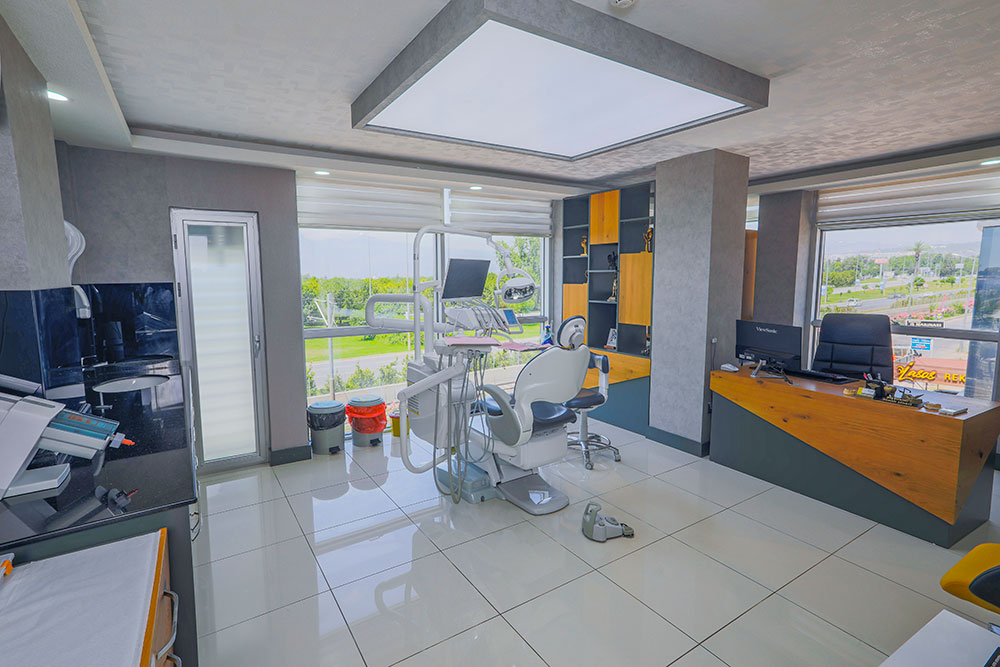
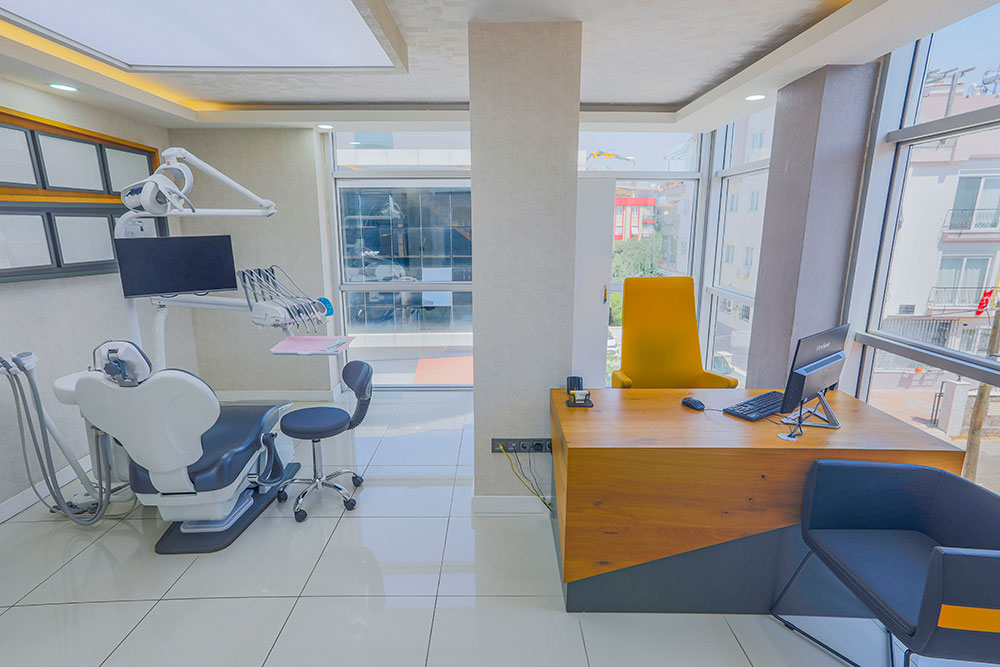
Umut Dental Clinic Antalya – clinic photo 1
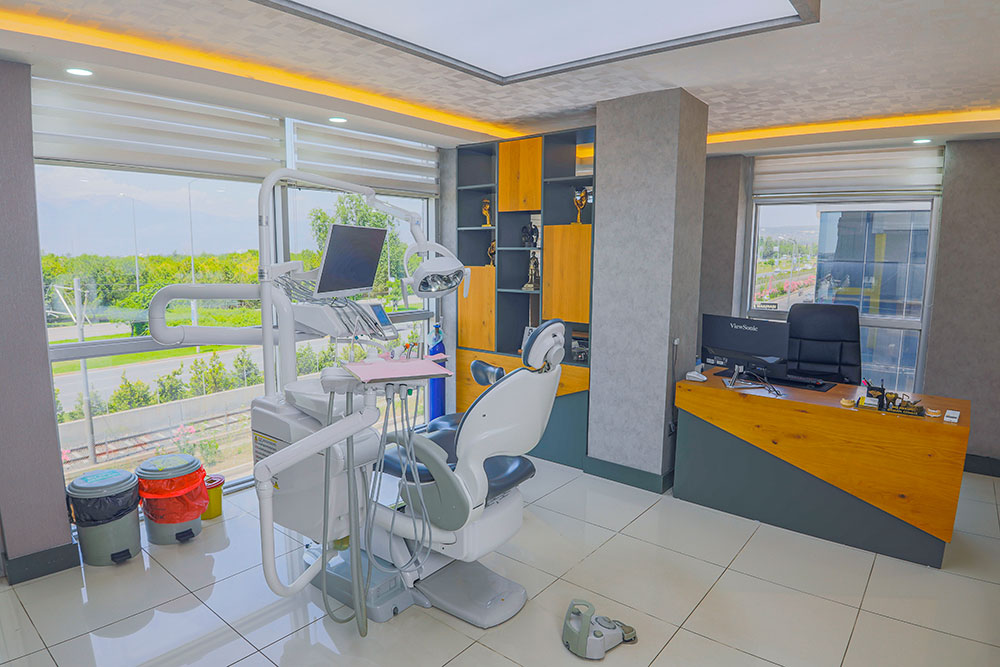
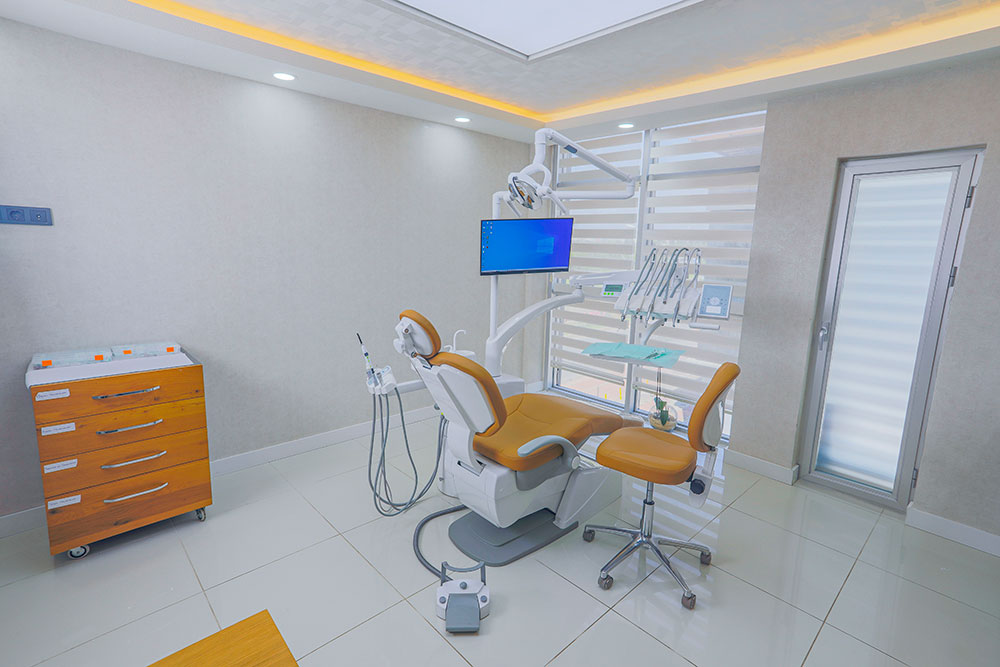
Umut Dental Clinic Antalya – clinic photo 2
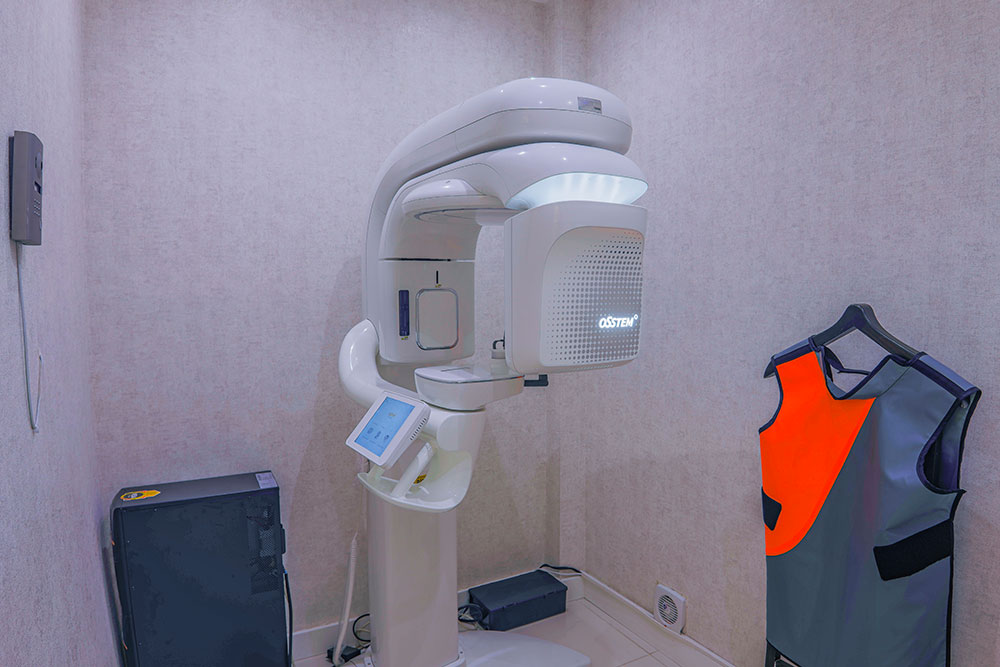
Umut Dental Clinic Antalya – clinic photo 3
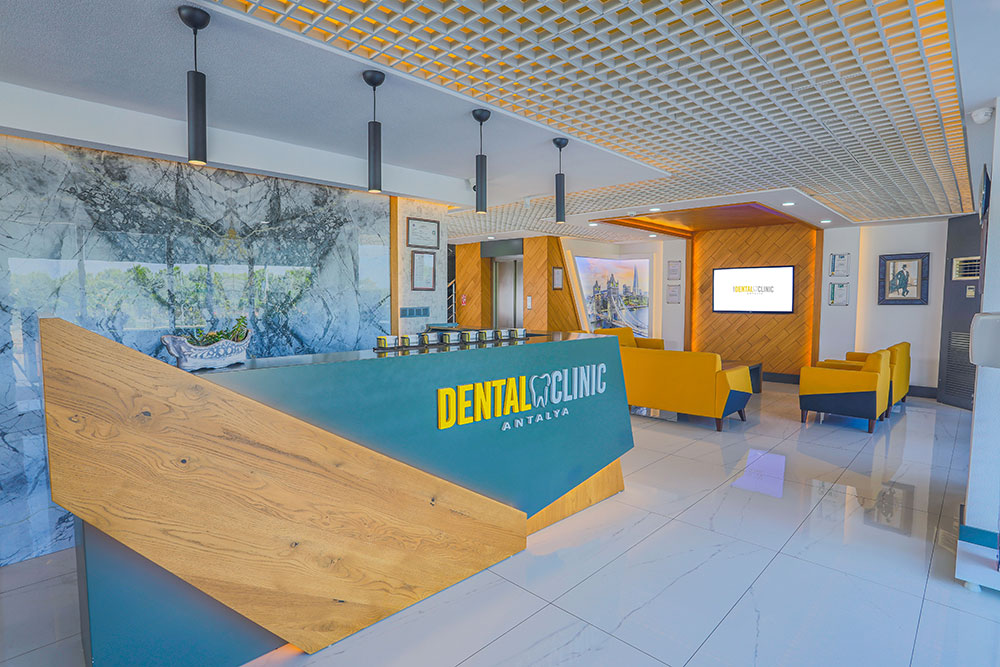
Umut Dental Clinic Antalya – clinic photo 4
Umut Dental Clinic Antalya – clinic photo 5
Umut Dental Clinic Antalya – clinic photo 6
Welcome to Umut Dental

Our Clinic

Every smile tells a story — and we've been part of thousands of them for over 17 years.

Located in the heart of Antalya, our clinic combines trusted experience with the latest dental technology. Our skilled and caring dentists create healthy, natural and long-lasting results — and from your first consultation to your final check-up, you'll feel cared for not just as a patient, but as part of our family.

  • Specialist Dentists
  • Latest Technology
  • Modern, Hygienic Clinic
  • Patient Coordinators
Testimonials

By Your Side at Every Step

At Umut Dental Clinic Antalya, we're by your side through every stage of your smile journey — with care, honesty, and expertise.

Umut Dental Clinic patient

The whole process from getting picked up friendly service from taxi driver to staying in hotel provided excellent friendly staff, appointments on time very lovely staff at clinic experience dental advice. Obviously its never a good experience to have your teeth out but never the less after care and advice on any issues is excellent and if you need to talk or chat can be done via WhatsApp, cant fault the service in my opinion.

Umut Dental Clinic patient

The overall service is very good. We were supported by Ibru who spoke good English. I had top and bottom teeth done. It includes sinus uplift, bone graft, German implants and porcelain veneers. The transfers from Airport were included as well as hotel and medication. They have the lab in the same location where the technicians make the teeth and crowns. Very pleased for the all round service.

Umut Dental Clinic patient

I simply must thank you for making my dental experience as painless as possible. You were exactly what I was looking for in a dentist. Thank you for keeping me at ease during my appointment. The communication throughout my time at the clinic and at the hotel was fantastic and any questions I had were answered swiftly. I'm looking forward to returning in April for more treatment. — Annmarie 🇬🇧

Umut Dental Clinic patient

Me and my partner had a fantastic experience here. Both of our dentists were perfectionists and gave us exactly what we wanted. We wouldn't change a thing about our teeth now. We are so confident and delighted with our smiles now. We also got to bring our 2 year old with us, which was so convenient for us, and everybody was great with him! I highly recommend this place!

Umut Dental Clinic patient

Couldn't be more pleasant. Great atmosphere, lovely people working there and they won't give up — they will get your teeth done no matter what obstacle they may encounter. I recommend Umut Dental for great results. Thank you to all staff there.

Patient Stories

Trusted by Patients Around the World

Real experiences from real Umut Dental Clinic patients.

What our patients say on Trustpilot
JD
John DunbarNew Zealand · Sep 14, 2026

This is by far the easiest review I have ever done. Umut Dental Clinic is the one stop shop for everything dental which is so very important. These people are true professionals from the front door to the engine room and beyond. I have made friends with my dentist Dr Osman the head of Umut Dental Clinic and he leads by example and creates a fantastic experience and outcome for us their clients. I am more than happy to recommend Umut Dental Clinic for all your dental works and answer any of your questions. Make the right call. Call Umut Dental Clinic.

A
AnnetteUnited Kingdom · Apr 21, 2026

My visit to Umut dental clinic was amazing.
FATIH SUNAR was my dentist he is an amazing dentist, i wasn't the easiest of patients through nerves.
I couldn't be happier with the overall service i received.
I would whole heartily recommend this clinic for any treatments.
Thankyou

TH
Thomas Trevor HoweGermany · Apr 1, 2026

I was quite nervous before I sat in the chair, but once there i was made feel comfortable and relaxed.
I had quite a bit of work done and what I really liked was the speed my dentist worked at,, I was out of the chair with 7 implants in less than 2 hours ..
The place is spotless , the equipment is more than up to date.
The price I was quoted was the price I paid. I will return for yearly check ups as I wouldnt want anyone else looking after me.
Well done to a very professional team !!

CT
Christine ThomasUnited Kingdom · Jan 19, 2026

My doctor was Faith Sunar, I'm very pleased with how professional he was and how much care he took in his work to make sure I was happy with my new teeth.
They corrected my problems and give me a new set as my old ones were not fitting properly, which was under my gaurentee.
I was seen each day for 4 days , they made sure everything was perfect before I flew back home to England uk.
The clinic was exceptionally clean and spotless.
Beyza was very helpfull to our needs and spoke very good English , she was very kind from start to finish.
Is definitely 100./. Recommend this dentist practice to anyone I'd give them 10/10.

TE
Theresa EnglishUnited Kingdom · Nov 14, 2025

Had excellent treatment with UMUT - extremely well organised and professional. I was talked through the procedure all the way through, given medication which made the process pain free and bearable. My dentist was lovely and only happy when everything was absolutely perfect. When you have so much choice of dentistry in Antalya, it can feel like a very hard decision to make but I would totally recommend this clinic. Thanks again to my fabulous dentist Tugce Aricetin

JR
Jason RobertsonUnited Kingdom · Nov 8, 2025

What a perfect clinic from start to finish I would recommend them to anyone around the world so professional hygiene is amazing on my life you would think you was in a clinic were the famous people go the United Kingdom doesn't even come close to Umut dental clinic I couldn't be happier 12 out of 10 best thing I've ever done so happy thank you umut thank thank you and thank you Dentist Tugce and thank you to the whole team

A
ArieNetherlands · Oct 29, 2025

it was great service and very helpfull friendly team also the transport to clinic was excellent. the hotel also was nice and friendly people and nice breakfast. i'm looking forward to visit Antalya and all the nice people in april again, very beutifull beach also. thank you for helping me and i hope to see you in april for finishing

O
OlgaGermany · Jul 11, 2025

I had dental treatment at Umut Clinic Antalya, and I can confidently say—three years later—that this clinic truly delivers on its promise of quality and guarantee. The results of my treatment have remained excellent over time, and I'm still very happy with everything they did.
The entire team is extremely friendly, professional, and caring. The dentists are highly trained and very experienced, which immediately gave me a sense of trust and security. They took time to explain everything clearly and made sure I felt comfortable throughout the process.
What also sets Umut Zahnklinik apart is their exceptional service for international patients. From airport pickup to accommodation support, everything was well-organized and stress-free. You really feel taken care of from start to finish.
I can highly recommend Umut Zahnklinik to anyone looking for high-quality dental care in Turkey. A great clinic with lasting results and a warm, welcoming team!

Our Team

Meet Our Doctors

Experienced clinicians dedicated to natural, healthy and long-lasting smile outcomes.

Dr. Osman Cengiz – Umut Dental Clinic Antalya

Dr. Osman Cengiz

Clinic Founder
Dr. Ayşe Dilara Yüzgeç – Umut Dental Clinic Antalya

Dr. Ayşe Dilara Yüzgeç

Dentist
Dr. Fatih Sunar – Umut Dental Clinic Antalya

Dr. Fatih Sunar

Dentist
Dr. Tuğba Taş Mammadov – Umut Dental Clinic Antalya

Dr. Tuğba Taş Mammadov

Dentist
Dr. Melisa Köse – Umut Dental Clinic Antalya

Dr. Melisa Köse

Dentist
Dr. Abdullah Zeki Ceylan – Umut Dental Clinic Antalya

Dr. Abdullah Zeki Ceylan

Dentist
Dr. Merve Yıldırım – Umut Dental Clinic Antalya

Dr. Merve Yıldırım

Dentist
Dr. Samet Dönmez – Umut Dental Clinic Antalya

Dr. Samet Dönmez

Dentist

Online Consultation

Leave your contact information and we will contact you soon.