Homepage
Treatments
Dental Implants
Oral & Jaw Surgery
Aesthetic Smile Design
Crowns, Bridges & Dentures
General & Restorative
Gum & Jaw Joint Care
Comfort & Children
See all treatments →
Smile Gallery Package List Dental Events About Us Blog Contact

All on 4

How It Works

3 Steps to a Healthy Smile

From your first message to your final check-up, we're with you at every stage of your treatment journey.

1

Online Consultation & Planning

Share your details and photos with us. Our patient advisors evaluate your case with our dentists and prepare a personalised treatment plan with clear timelines and pricing.

2

Arrival & Treatment

We help organise your travel and stay. Once you arrive, all examinations and treatments are carried out in our fully equipped clinic in Antalya.

Book Appointment
3

Your New Smile & Aftercare

Your treatment is completed as planned. Enjoy your healthy, confident smile, relax in Antalya — and stay in touch with us for aftercare once you're home.

All on 4

All on 4 is a dental implant technique that replaces a full arch of missing or failing teeth using four strategically placed implants that support a fixed bridge of artificial teeth. It is usually considered when you have lost most or all teeth in one jaw, have severe damage or decay, or are struggling with loose or uncomfortable dentures. During All on 4 treatment, implants are inserted into the jawbone, and a temporary fixed bridge is often attached the same day or shortly after, so you do not remain without teeth during healing. On this page, you will learn what All on 4 is, who it suits, the steps of the procedure, expected treatment time, recovery, eating advice and long-term care. You will also find information about risks, how success is influenced by bone quality and oral hygiene, and what to consider if you plan to have All on 4 treatment in Antalya as an international patient.

What Is All on 4 and How Does It Work?

All on 4 is a full-arch dental implant solution where four implants are placed in one jaw to support a fixed bridge of replacement teeth. Instead of placing one implant for each missing tooth, four implants are positioned in specific areas of the jaw, and a full set of attached teeth (a prosthetic bridge) is connected to them. This creates a stable, non-removable restoration that aims to look and function more like natural teeth than a removable denture.

The principle behind All on 4 is to use available bone efficiently. Two implants are usually placed in the front region of the jaw, where bone tends to be thicker. The other two implants are placed towards the back at a carefully planned angle. Angling the posterior implants can help avoid certain anatomical structures, such as the sinus in the upper jaw or the nerve in the lower jaw, and can often reduce the need for extensive bone grafting.

After detailed imaging and planning, the dentist inserts the implants into the jawbone. In many cases, a temporary fixed bridge is attached to these implants during the same visit or within a short period. This is sometimes called “immediate loading”, meaning the implants begin to support teeth early, while still healing under controlled conditions. You use this temporary bridge during the healing phase, which usually lasts several months.

During healing, the bone grows around the implants in a process called osseointegration. Once the dentist confirms that the implants are stable and properly integrated, the temporary bridge is replaced with a custom-made final bridge. This final bridge is designed to match your facial features, bite and speech, and is screwed onto the implants for a secure fit. The dentist can remove it at check-ups if adjustments or repairs are needed, but you treat it as fixed teeth in daily life.

All on 4 can be used in the upper jaw, the lower jaw or both jaws, depending on your needs. It is one of several full-arch implant options, alongside solutions like traditional All-on-6 implant bridges or implant-supported dentures. The best choice depends on your bone condition, overall health and expectations.

Who Is a Good Candidate for All on 4?

You may be a good candidate for All on 4 if you are missing most or all teeth in one jaw and want a fixed, implant-supported solution instead of removable dentures. The technique is often considered for people whose remaining teeth in an arch are badly damaged, extensively decayed or very loose due to advanced gum disease, and for whom saving individual teeth is no longer predictable.

Good candidates typically share several characteristics:

  • Multiple missing or failing teeth: All on 4 is designed for full arch restoration, not for replacing just one or two teeth.
  • Desire for fixed teeth: Many people choose All on 4 because they want teeth that stay in place during speaking and eating, without adhesive or removal.
  • Sufficient bone for implants: You need enough quality bone in key areas of the jaw to hold the four implants. Even with some bone loss, the angled implant approach can often make treatment possible, but this must be confirmed with imaging.
  • Good oral hygiene habits: Daily cleaning around the implants and under the bridge is essential to prevent inflammation and implant complications.
  • Stable general health: Conditions such as well-managed diabetes or blood pressure usually do not exclude treatment, as long as they are controlled and your physician approves.

All on 4 may be especially attractive if you struggle with loose dentures, sore spots, difficulty chewing or embarrassment because dentures move when you speak. For example, someone who has worn an upper denture for years and cannot tolerate the plate covering the palate may prefer a fixed bridge on implants that leaves the palate uncovered.

The dentist will evaluate not only your mouth, but also your expectations, lifestyle and ability to attend check-ups. If you smoke, are under significant stress or have difficulty maintaining daily oral hygiene, these factors will be discussed because they can affect healing and long-term success. Age alone is usually not a barrier; both younger adults with extensive tooth loss and older adults may be considered, as long as bone and health conditions allow for implant surgery.

Everything You Need to Know

More about All on 4

When Is All on 4 Not Suitable or Delayed?

All on 4 may not be suitable or may need to be delayed if your general health, jawbone condition or oral environment does not support safe implant surgery and healing. The decision is always made after a thorough examination, medical history review and imaging.

Certain situations often require postponing treatment:

  • Uncontrolled systemic diseases: Conditions like poorly controlled diabetes, severe cardiovascular disease or immune system disorders can interfere with healing and increase infection risk. In these cases, the dentist will usually request coordination with your physician and may delay surgery until better control is reached.
  • Recent heart events or surgery: If you have had a recent heart attack, stroke or major surgery, implant treatment is typically delayed until your physician confirms that elective dental surgery is safe.
  • Active gum or oral infections: Active periodontitis (advanced gum inflammation) or untreated dental infections need to be treated first. Performing All on 4 in an infected mouth can raise the risk of implant failure.
  • Very inadequate bone in critical areas: In some jaws, even the All on 4 approach cannot find enough stable bone to support four implants. In those cases, other solutions such as bone grafting, sinus lifting or alternative implant designs might be discussed.
  • Heavy smoking: Smoking reduces blood supply, delays healing and increases the chance of implant complications. Many dentists recommend stopping or at least significantly reducing smoking before and after surgery. If a person cannot change this habit, the dentist may judge the risk too high.
  • Pregnancy: Elective implant surgery, including All on 4, is usually postponed during pregnancy to avoid unnecessary stress and exposure to certain medications and imaging.

Some medications that affect bone metabolism or blood clotting can also influence planning. The dentist may consult with your physician to decide if temporary adjustments are needed or if implants are not recommended.

In a few cases, psychological factors play a role. Severe dental anxiety, unrealistic expectations or difficulty committing to hygiene and follow-up visits may lead the dentist to suggest alternative or staged treatment. For example, someone who cannot tolerate longer appointments might begin with extractions and temporary dentures, and consider All on 4 later.

Even when All on 4 is not possible or is delayed, you usually still have options, such as conventional removable dentures, partial dentures, or other implant-supported solutions like an implant-retained overdenture using two or more implants. The dentist will discuss the pros and cons of each choice in relation to your specific situation.

How Are the Teeth, Gums and Jawbone Assessed Before All on 4?

Before All on 4 treatment, the teeth, gums and jawbone are assessed through a detailed clinical examination, imaging and medical history review to determine if four implants can safely support a full arch bridge. This planning phase is essential for reducing risks and designing a restoration that functions well and suits your appearance.

The assessment usually includes:

  • Medical and dental history: The dentist asks about ongoing illnesses, medications, allergies, smoking, prior surgeries and past dental experiences. This helps estimate healing capacity and plan anesthesia and aftercare.
  • Oral examination: The mouth is checked for decayed teeth, failing restorations, loose or infected teeth, gum disease, sores, tongue and cheek problems, and signs of teeth grinding (bruxism). Any treatable infections or lesions should be managed before implant surgery.
  • Gum evaluation: The dentist measures pocket depths around remaining teeth and assesses bleeding and swelling to identify gingivitis or periodontitis. Healthy gums or well-managed gum disease reduce the risk of peri-implantitis (inflammation around implants).
  • Bite and jaw joint analysis: How your upper and lower teeth come together (occlusion) and how the jaw joints move are checked. This helps plan the future bite so that forces on the implants are balanced.

Imaging plays a central role:

  • Panoramic X-ray: This gives an overview of both jaws, sinuses, remaining roots, previous extractions and the general level of bone.
  • 3D cone beam CT (CBCT): A 3D scan is usually needed for All on 4. It shows bone height, width and density in detail and allows the dentist to visualize important structures like the maxillary sinus and the mandibular nerve. Using this data, ideal implant positions and angles can be planned.

Often, diagnostic models or digital scans of your mouth are taken. These help in designing a wax-up or digital mock-up of the future teeth, which guides the position and size of the bridge and can be used to produce surgical guides. Surgical guides are templates used during surgery to place implants at the planned angles and depths with greater precision.

If you still have remaining teeth in the arch planned for All on 4, the dentist will evaluate whether any can or should be saved, or if full extraction is a more predictable route. For example, a few teeth with poor prognosis may be extracted to allow a straightforward full-arch implant bridge instead of a complex partial solution.

Altogether, this assessment leads to a personalized All on 4 plan that considers both functional needs—chewing, speaking, joint comfort—and aesthetic goals such as tooth shape, position, and gum display when you smile.

How Is the All on 4 Procedure Done Step by Step?

The All on 4 procedure is typically carried out in several stages, beginning with planning and ending with the placement of a final fixed bridge on four implants. While details can vary from person to person, the overall sequence usually follows clear steps.

1. Initial consultation and planning

The process starts with a consultation, oral examination and imaging, as described earlier. Digital scans, photographs and sometimes bite registrations are taken. Using this information, the dentist plans implant positions and designs a provisional (temporary) bridge. A surgical guide may be prepared to assist with precise implant placement.

2. Pre-surgery preparation

Before surgery, you receive instructions such as fasting if sedation is planned, stopping certain habits like smoking if possible, and arranging someone to accompany you after the procedure. Any necessary extractions or gum treatments might be done beforehand or during the same surgical visit.

3. Anesthesia and sedation

On the surgery day, local anesthesia is used to numb the jaw where implants will be placed. Depending on your needs and medical status, conscious sedation or general anesthesia may be recommended. The choice is made after discussing options, risks and medical history.

4. Tooth extractions and site preparation

If you still have teeth in the arch to be restored and they are not salvageable, they are gently extracted. The dentist then cleans any infected tissue and prepares the bone. Sometimes minor bone reshaping is done to create an even base for the future bridge.

5. Implant placement

The dentist places four implants in the pre-planned positions: usually two near the front of the jaw, inserted vertically, and two further back, inserted at an angle to use denser bone and avoid anatomical structures. Each implant is inserted into a prepared channel in the bone and tightened to a specific stability level. The gum tissue may be sutured (stitched) around the implants.

6. Connection of abutments and temporary bridge

Abutments—small connector pieces—are attached to the implants. Based on your case, a temporary fixed bridge may then be secured to these abutments on the same day or within a short time. The bridge is adjusted for bite and comfort, and you leave with fixed teeth rather than a removable denture in most All on 4 protocols.

7. Healing and follow-up visits

Over the next several weeks to months, the implants integrate with the bone. You attend follow-up appointments so the dentist can check healing, adjust the bite and review cleaning techniques. If sutures were used, they are removed or checked according to the dentist’s instructions.

8. Fabrication of the final bridge

Once the implants are stable and fully integrated, impressions or digital scans are taken to design the final bridge. You and the dentist discuss tooth shape, colour and size. The dental laboratory then fabricates the definitive bridge.

9. Placement of the final bridge

The temporary bridge is removed, and the final bridge is fitted and secured. The bite is checked carefully, and you receive detailed instructions for cleaning around and under the bridge. Regular review visits are scheduled to monitor the implants and surrounding tissues over time.

How Long Does All on 4 Treatment Take?

All on 4 treatment generally takes from a few days to several months from initial assessment to final bridge placement, depending on your oral condition, healing response and planning. The timeline includes preparation, surgery, healing and the fabrication of the final restoration.

1. Diagnostic and planning phase

The first stage usually takes from one to several appointments over 1–3 weeks. During this time, consultations, X-rays, 3D scans and digital or physical impressions are taken. If there are urgent issues such as painful infections or broken teeth, these may be handled at the same time or shortly before the main surgery.

2. Surgical visit and immediate restoration

The actual implant surgery for one jaw typically lasts a few hours, including anesthesia, extractions, implant placement and fitting a temporary bridge. Many All on 4 protocols aim to provide a fixed temporary bridge on the same day or within 24–72 hours, so you do not remain without teeth. In some complex cases, a slightly longer interval may be needed to fabricate the temporary.

3. Healing and osseointegration

After implant placement, the bone needs time to heal and fuse with the implants (osseointegration). This period commonly ranges from about 3 to 6 months. During this time, you wear the temporary fixed bridge and follow dietary and hygiene instructions to protect the implants while they integrate. Follow-up visits are scheduled to monitor healing, adjust the bridge if needed and reinforce cleaning techniques.

4. Final bridge fabrication and fitting

Once the dentist confirms that the implants are stable, impressions or digital scans are taken to create the final bridge. The design, trial stages (if needed) and final fitting can take several weeks, depending on laboratory schedules and how many adjustments are necessary to fine-tune aesthetics and bite. Some patients complete this phase in 2–4 weeks; others may need a bit longer.

Overall, if healing goes smoothly, many people complete All on 4 treatment—from first consultation to final bridge—within about 4–8 months. Those with more complex medical histories, significant bone deficiencies or the need for additional preliminary procedures may need longer timelines. The dentist will outline an estimated schedule tailored to your situation and may adapt it if healing is slower or if any issues arise.

For international patients, planning is often organized so that the surgical phase and delivery of a fixed temporary bridge can be completed within a single stay in Antalya, with remote follow-up and a second visit later for the final bridge if required.

Does All on 4 Surgery Hurt and What Type of Anesthesia Is Used?

During All on 4 surgery you should not feel pain because local anesthesia is used to numb the treatment area, and various sedation options can be added to help you relax. Some soreness and swelling afterward are expected, but these are usually manageable and decrease over several days as healing starts.

Local anesthesia

Local anesthesia is the standard for All on 4. It blocks pain in the gums and jaw where implants are placed, so you may feel pressure and vibration but not sharp pain. Numbing is checked before surgery begins. If at any point you feel discomfort, more anesthetic can be applied.

Sedation options

Depending on your anxiety level, medical history and the length of the procedure, the dentist or an anesthesiologist may recommend:

  • Minimal or moderate sedation: Medication helps you feel calmer or drowsy but usually able to respond to instructions. Many patients remember little of the procedure.
  • Deeper sedation or general anesthesia: In selected cases, such as very anxious patients or complex surgeries, you may be asleep or nearly asleep. This requires careful medical assessment and monitoring by trained providers.

The choice of anesthesia is always individualized and discussed in advance, considering safety, comfort and any systemic illnesses. You will receive instructions about eating, drinking and medication use before sedation or general anesthesia.

After-surgery discomfort

Once the anesthetic wears off, you can expect some degree of:

  • Soreness or tenderness in the gums and jaw
  • Mild to moderate swelling of the cheeks or lips
  • Occasional bruising in the face or under the jaw

The dentist may recommend appropriate pain relief and, if necessary, other medications, always chosen individually. Cold compresses applied externally in the first 24–48 hours can help reduce swelling. Most people find that discomfort is strongest in the first 2–3 days and then steadily improves.

Warning signs

While some discomfort is normal, you should contact a dentist or seek urgent care if you experience severe pain that does not improve with prescribed measures, significant facial swelling that worsens, prolonged bleeding, fever, or difficulty swallowing or breathing. These may indicate infection or other complications and require prompt evaluation.

Good communication before and after surgery, along with following the dentist’s instructions, plays a major role in keeping discomfort under control and supporting smooth healing.

What Is Recovery Like After All on 4?

Recovery after All on 4 usually involves a few days of acute healing with swelling and tenderness, followed by several weeks to months of gradual adaptation to the new fixed bridge and careful protection of the implants as they integrate with the bone. Many people are able to return to light daily activities within a few days, while full bone healing takes longer.

First 24–72 hours

In the first days after surgery you can expect some swelling, minor bleeding or oozing from the gums, and soreness in the jaw and cheeks. Cold compresses applied externally in intervals can help reduce swelling. The dentist will explain how to manage gauze, when to start gentle rinsing, and which pain relief methods are appropriate in your case.

You are usually advised to rest with your head slightly elevated, avoid physical exertion and not to disturb the surgical area with your tongue or fingers. Smoking and alcohol should be avoided because they can slow healing and increase the risk of complications.

First 1–2 weeks

Swelling typically peaks in the first 48–72 hours, then gradually decreases. Any bruising around the cheeks or under the eyes fades over one to two weeks. Sutures, if not dissolvable, are checked or removed at a follow-up visit. You will start to adapt to your temporary fixed bridge, and speech usually improves as you become familiar with the new tooth positions.

Oral hygiene is very important during this period. The dentist will show you how to gently clean the bridge and surrounding gums using a soft toothbrush, possibly a smaller brush for edges, and recommended rinses. Aggressive brushing directly over sutures or implant sites should be avoided until permitted.

First 1–3 months

Healing continues under the gums as bone integrates with the implants. You typically follow a soft or modified diet to limit chewing forces on the implants. The dentist may adjust the temporary bridge to improve comfort, bite and aesthetics as swelling subsides and tissues change shape.

Regular check-ups during this phase are essential. At each visit, the dentist evaluates gum health, implant stability and your cleaning routine, making adjustments to reduce plaque accumulation and irritation.

3–6 months and beyond

By this stage, implants are usually well integrated if healing has progressed normally. Impressions for the final bridge may be taken, and you may go through trial appointments to fine-tune tooth shape and colour. After the final bridge is fitted, you receive updated cleaning instructions and are encouraged to attend routine maintenance visits, often every 6–12 months.

Long-term recovery focuses on maintaining stable gums, preventing peri-implant disease and monitoring the bite. Any new pain, swelling, loosening sensation or difficulty cleaning should be reported promptly, as early intervention often leads to better outcomes.

What Can You Eat After All on 4?

After All on 4 surgery you should start with very soft foods and gradually progress to a wider range of textures as healing advances and your dentist confirms that it is safe. The main goal is to protect the implants from excessive forces during the early integration phase while still allowing you to nourish yourself comfortably.

First 24–72 hours

Immediately after surgery and during the first days, cool or room-temperature soft foods are usually recommended. Examples include:

  • Yogurts and smooth dairy products
  • Soups and broths (not too hot)
  • Mashed potatoes or pureed vegetables
  • Smoothies (avoiding seeds or hard pieces)
  • Scrambled eggs or soft omelettes

Extremely hot foods and drinks should be avoided initially because they can increase bleeding and swelling. Using a straw is often discouraged early on, as the suction can disturb the surgical area.

First 2–6 weeks

As tenderness and swelling decrease, you can usually introduce more soft and slightly textured foods, always following your dentist’s guidance. Suitable options might include:

  • Well-cooked pasta or soft rice
  • Soft fish without bones
  • Soft, ripe fruits without tough skins or seeds
  • Stewed or finely chopped vegetables
  • Soft cheeses and gentle casseroles

You should avoid hard, sticky or chewy foods that require strong biting forces, such as nuts, hard crusty bread, tough meats, hard candies, and chewing gum. Biting directly with the front teeth on your temporary bridge is usually discouraged; instead, food can be cut into small pieces and chewed gently toward the sides if permitted.

After initial healing and with dentist approval

Once the dentist confirms that implants are integrating well and the bridge and bite are stable, you can typically expand your diet gradually. Many patients return to eating a wide variety of foods with their final All on 4 bridge, though very hard items like ice cubes or cracking nutshells with the teeth should still be avoided to protect both the implants and the bridge.

Some people need extra time to adapt due to long-standing habits with dentures or missing teeth. For example, someone who has avoided biting into apples for years may reintroduce such foods cautiously, slicing them and chewing slowly until confident.

Throughout all phases, hydration and balanced nutrition are important for healing. If you have specific dietary needs or medical conditions, you can discuss personalized nutrition advice with your dentist and, when necessary, your physician.

What Are the Risks and Possible Complications of All on 4?

All on 4 is a well-established technique, but like any surgical and prosthetic treatment it carries risks and potential complications. Understanding these helps you recognize warning signs and follow aftercare instructions carefully.

Surgical risks

  • Pain, swelling and bruising: These are common after implant surgery and usually temporary. They tend to improve within days to a couple of weeks.
  • Infection: Infection around the surgical site or implants can occur. Good oral hygiene, following prescribed medications and attending follow-ups reduce this risk. Signs include increasing pain, swelling, pus or fever.
  • Bleeding: Mild bleeding or oozing is typical soon after surgery. Persistent or heavy bleeding is less common and requires prompt attention.
  • Nerve or sinus involvement: In the lower jaw, implants placed too close to the nerve canal can cause numbness, tingling or altered sensation in the lip, chin or tongue. In the upper jaw, implants may come close to the sinus. Thorough 3D planning aims to avoid these issues, but they remain recognized risks.

Implant-related complications

  • Implant failure (lack of integration): A small number of implants may not bond properly with the bone, especially in smokers, people with uncontrolled systemic diseases or poor bone quality. If an implant fails, it may be removed and later replaced, or alternative plans may be considered.
  • Peri-implant mucositis and peri-implantitis: These are inflammatory conditions of the gums and bone around implants, often related to plaque buildup and sometimes smoking. Without treatment, they can lead to bone loss and implant instability. Regular professional cleaning and careful home care are key in prevention.

Prosthetic (bridge) complications

  • Chipping or fracture of bridge material: The bridge can chip or wear, especially if exposed to strong biting forces, teeth grinding or biting on very hard objects.
  • Loosening of screws: Screws that hold the bridge to the implants can occasionally loosen. This is usually fixable by tightening or replacing components.
  • Bite or speech issues: It may take time to adapt to new tooth positions, and sometimes adjustments are required to optimize the bite and phonetics.

General and medical risks

As with any surgery, there are general risks related to anesthesia and systemic responses. People with heart disease, respiratory conditions or blood clotting disorders may have elevated risk, which is addressed through medical assessment and, when necessary, consultation with physicians.

When to seek urgent help

Contact a dentist or emergency service quickly if you notice severe persistent pain not relieved by recommended measures, rapidly increasing swelling, high fever, difficulty swallowing or breathing, or continuous bleeding that does not stop with pressure. Early management often prevents more serious problems.

Careful planning, clear communication about medical history, quitting or reducing smoking, and committed oral hygiene all play a major role in lowering the chance of complications and supporting the long-term success of All on 4 treatment.

How Long Does All on 4 Last and What Affects Its Success?

All on 4 restorations can last for many years when implants integrate well and you follow a careful maintenance routine, but their lifespan varies from person to person. Both the implants in the bone and the bridge attached to them are subject to wear, biological changes and lifestyle influences over time.

Implant longevity

Once implants have successfully integrated with the bone, they can remain functional for a long period, often many years, provided the surrounding bone and gums stay healthy. Some people keep their implants for decades. However, no implant can be guaranteed to last a specific number of years because outcomes depend on individual factors.

Bridge lifespan

The fixed bridge (the visible teeth and supporting structure) experiences chewing forces and everyday wear. Chipping, staining, or wear may occur after some years. In some cases, the bridge can be repaired or relined; in others, it might eventually be replaced while keeping the same implants. The timing depends on material properties, bite forces, grinding habits and diet.

Key factors affecting success

  • Oral hygiene: Thorough daily cleaning around and under the bridge, combined with regular professional maintenance, is one of the most important factors. Plaque left around implants can lead to inflammation and bone loss.
  • Smoking: Smoking is associated with higher rates of implant complications and peri-implant disease. Reducing or stopping smoking supports better long-term outcomes.
  • Systemic health: Well-controlled diabetes, balanced nutrition and management of other systemic diseases promote better bone and gum health around implants.
  • Bite forces and grinding: Strong clenching or grinding can overload implants and the bridge. The dentist may recommend a night guard or specific design modifications if you show signs of bruxism.
  • Regular check-ups: Professional monitoring allows early detection of small problems, such as minor inflammation, loose screws or bite imbalances, before they develop into larger failures.
  • Treatment planning and surgical accuracy: Proper initial placement, based on detailed imaging and planning, sets a foundation for long-term stability. This emphasizes the importance of the diagnostic phase.

Maintenance schedule

After fitting the final All on 4 bridge, many dentists suggest follow-up visits every 6–12 months, adapted to your risk profile. During these appointments, the bridge can be unscrewed if needed for thorough cleaning and inspection, X-rays may be taken to check bone levels, and your home-care techniques can be refined.

By understanding that All on 4 is not a one-time event but a treatment that benefits from ongoing care, you can help extend the life of both the implants and the bridge and maintain good function and aesthetics over the long term.

What Should International Patients Know Before Having All on 4 in Antalya?

International patients considering All on 4 in Antalya should know how to coordinate dental planning, travel logistics, healing time and follow-up care across borders. Careful preparation helps make the experience smoother and supports good treatment outcomes.

Pre-travel assessment

Before booking flights, it is useful to share your dental history, any existing X-rays or scans, and information about general health and medications with the clinic. Many clinics, including Umut Dental Clinic Antalya, offer online consultations to review this information and discuss whether All on 4 appears suitable and how many visits may be required.

Planning travel dates

All on 4 surgery and the placement of a fixed temporary bridge usually require a stay of several days to a couple of weeks, depending on the complexity of your case and the clinic’s protocol. It is wise to avoid scheduling intense tourism activities in the first days after surgery, as you may feel tired and need rest. Having a companion with you can be helpful, especially if sedation is used.

Medical and language considerations

Prepare an up-to-date list of your medications, allergies and medical conditions in English, and bring relevant reports from your physician if you have complex health issues. Ask in advance about language support so you can comfortably understand explanations, consent forms and aftercare instructions.

Post-treatment follow-up

After returning home, you will still need routine dental maintenance. Clarify how communication will continue after you leave Antalya, such as through email or online calls, and whether your local dentist can help with minor adjustments or urgent issues. If a second trip is necessary for the final bridge, discuss the expected interval between visits so you can plan travel and accommodation.

Recovery and activities

During the first days after surgery, prioritize rest and avoid swimming pools, high-intensity sports or activities with risk of facial impact. Sun exposure and heat may increase swelling, so moderate your time outdoors immediately after surgery. Antalya’s climate is generally pleasant, but remember that your main focus will be healing.

Documentation and records

Request copies of relevant X-rays or digital files and details about the type of restoration you received. These documents can be useful for your local dentist if you need care in the future. Keep emergency contact information for the clinic accessible in case you experience significant pain, swelling, fever or other concerns after travelling home.

At Umut Dental Clinic Antalya, patients can share their details and radiographs in advance for an online consultation before deciding on travel for full-arch treatments such as All on 4 or other options like single dental implants or a combined smile makeover.

The information on this page is for general education only and does not replace an examination, diagnosis or treatment. See a dentist for any concerns about your oral health.

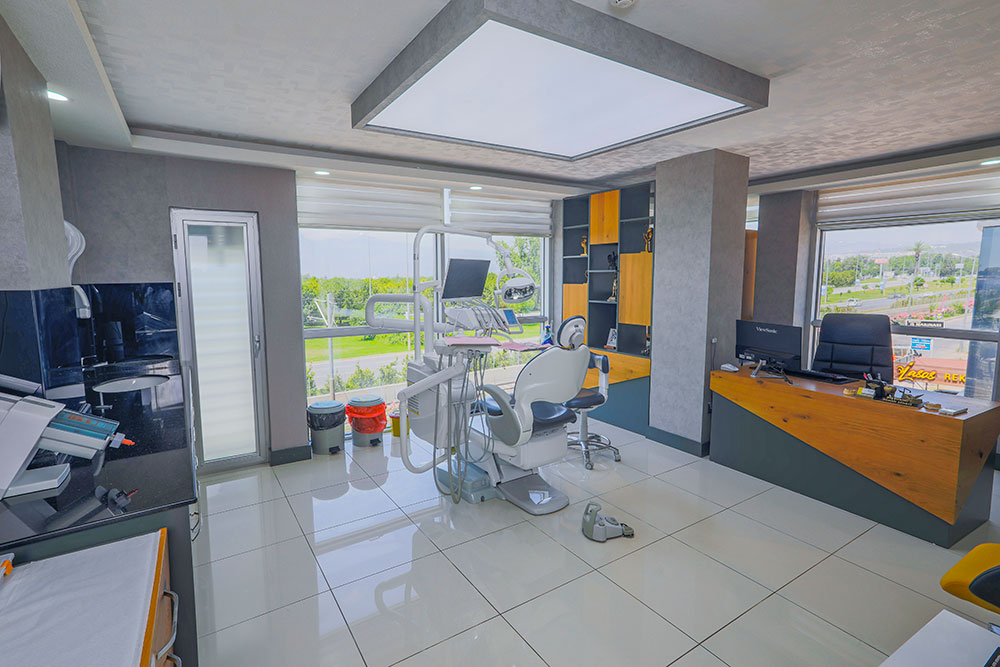
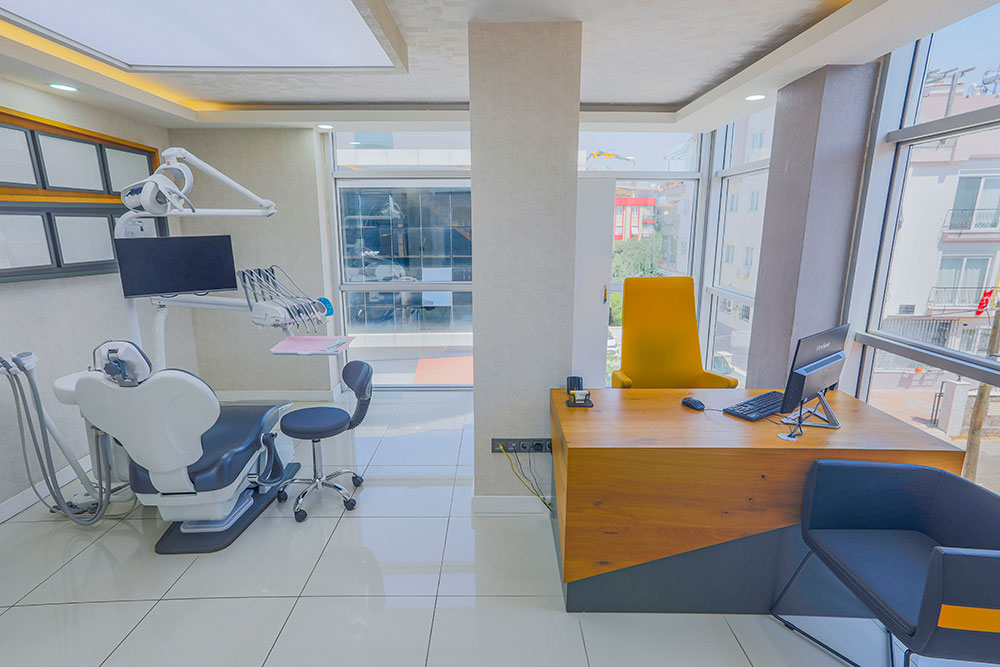
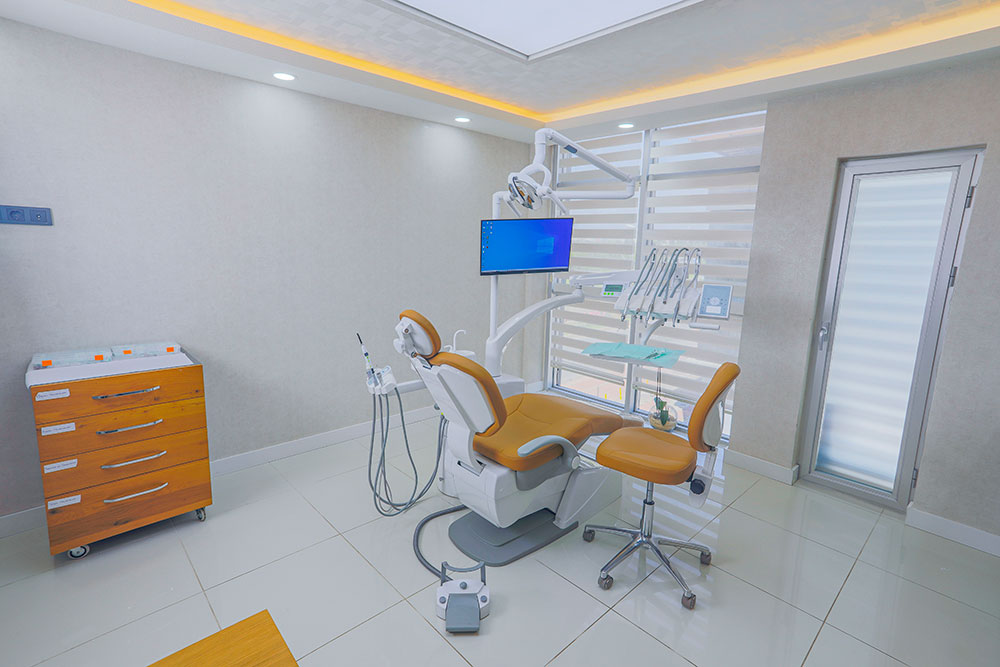
Umut Dental Clinic Antalya – clinic photo 1
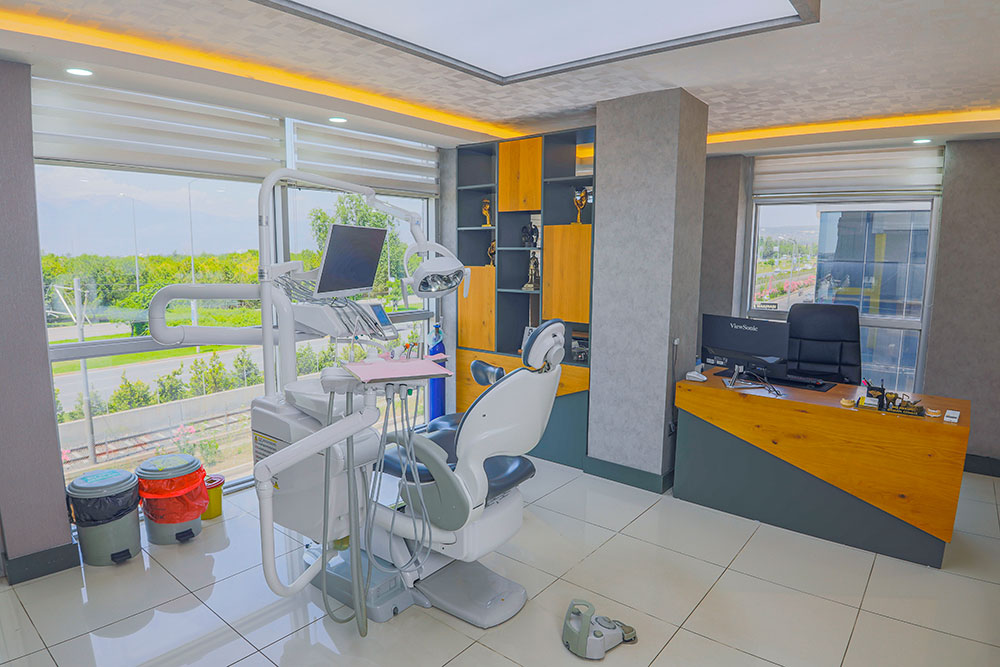
Umut Dental Clinic Antalya – clinic photo 2
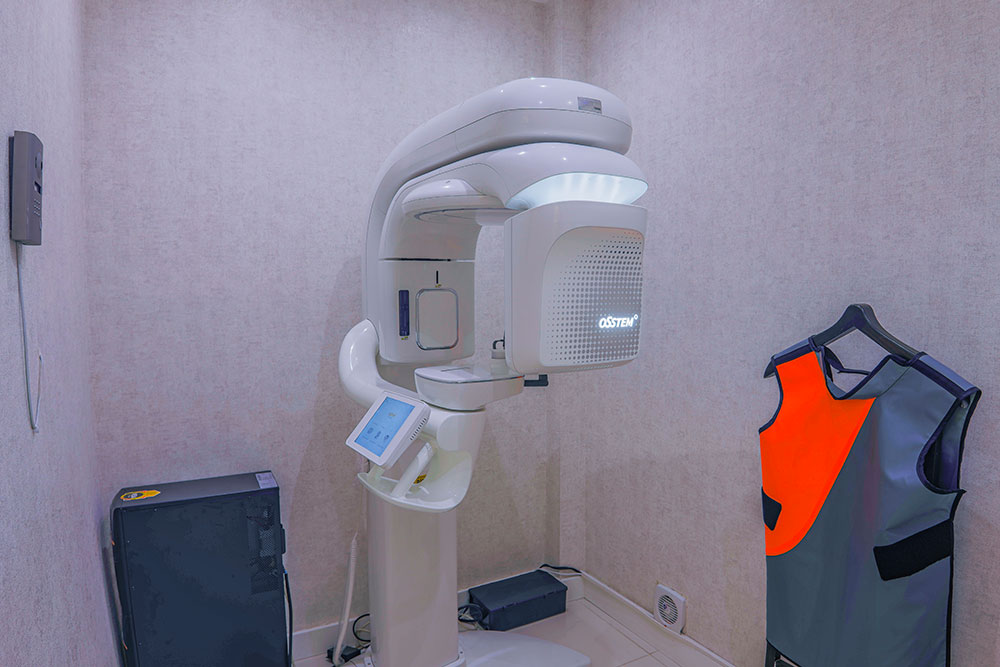
Umut Dental Clinic Antalya – clinic photo 3
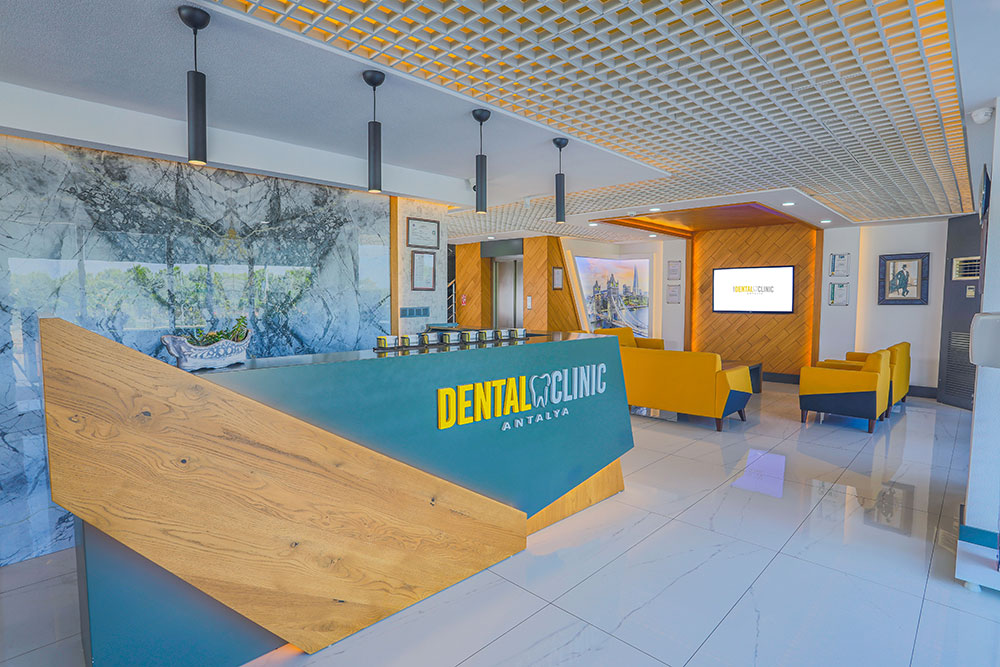
Umut Dental Clinic Antalya – clinic photo 4
Umut Dental Clinic Antalya – clinic photo 5
Umut Dental Clinic Antalya – clinic photo 6
Welcome to Umut Dental

Our Clinic

Every smile tells a story — and we've been part of thousands of them for over 17 years.

Located in the heart of Antalya, our clinic combines trusted experience with the latest dental technology. Our skilled and caring dentists create healthy, natural and long-lasting results — and from your first consultation to your final check-up, you'll feel cared for not just as a patient, but as part of our family.

  • Specialist Dentists
  • Latest Technology
  • Modern, Hygienic Clinic
  • Patient Coordinators
Testimonials

By Your Side at Every Step

At Umut Dental Clinic Antalya, we're by your side through every stage of your smile journey — with care, honesty, and expertise.

Umut Dental Clinic patient

The whole process from getting picked up friendly service from taxi driver to staying in hotel provided excellent friendly staff, appointments on time very lovely staff at clinic experience dental advice. Obviously its never a good experience to have your teeth out but never the less after care and advice on any issues is excellent and if you need to talk or chat can be done via WhatsApp, cant fault the service in my opinion.

Umut Dental Clinic patient

The overall service is very good. We were supported by Ibru who spoke good English. I had top and bottom teeth done. It includes sinus uplift, bone graft, German implants and porcelain veneers. The transfers from Airport were included as well as hotel and medication. They have the lab in the same location where the technicians make the teeth and crowns. Very pleased for the all round service.

Umut Dental Clinic patient

I simply must thank you for making my dental experience as painless as possible. You were exactly what I was looking for in a dentist. Thank you for keeping me at ease during my appointment. The communication throughout my time at the clinic and at the hotel was fantastic and any questions I had were answered swiftly. I'm looking forward to returning in April for more treatment. — Annmarie 🇬🇧

Umut Dental Clinic patient

Me and my partner had a fantastic experience here. Both of our dentists were perfectionists and gave us exactly what we wanted. We wouldn't change a thing about our teeth now. We are so confident and delighted with our smiles now. We also got to bring our 2 year old with us, which was so convenient for us, and everybody was great with him! I highly recommend this place!

Umut Dental Clinic patient

Couldn't be more pleasant. Great atmosphere, lovely people working there and they won't give up — they will get your teeth done no matter what obstacle they may encounter. I recommend Umut Dental for great results. Thank you to all staff there.

Patient Stories

Trusted by Patients Around the World

Real experiences from real Umut Dental Clinic patients.

What our patients say on Trustpilot
JD
John DunbarNew Zealand · Sep 14, 2026

This is by far the easiest review I have ever done. Umut Dental Clinic is the one stop shop for everything dental which is so very important. These people are true professionals from the front door to the engine room and beyond. I have made friends with my dentist Dr Osman the head of Umut Dental Clinic and he leads by example and creates a fantastic experience and outcome for us their clients. I am more than happy to recommend Umut Dental Clinic for all your dental works and answer any of your questions. Make the right call. Call Umut Dental Clinic.

A
AnnetteUnited Kingdom · Apr 21, 2026

My visit to Umut dental clinic was amazing.
FATIH SUNAR was my dentist he is an amazing dentist, i wasn't the easiest of patients through nerves.
I couldn't be happier with the overall service i received.
I would whole heartily recommend this clinic for any treatments.
Thankyou

TH
Thomas Trevor HoweGermany · Apr 1, 2026

I was quite nervous before I sat in the chair, but once there i was made feel comfortable and relaxed.
I had quite a bit of work done and what I really liked was the speed my dentist worked at,, I was out of the chair with 7 implants in less than 2 hours ..
The place is spotless , the equipment is more than up to date.
The price I was quoted was the price I paid. I will return for yearly check ups as I wouldnt want anyone else looking after me.
Well done to a very professional team !!

CT
Christine ThomasUnited Kingdom · Jan 19, 2026

My doctor was Faith Sunar, I'm very pleased with how professional he was and how much care he took in his work to make sure I was happy with my new teeth.
They corrected my problems and give me a new set as my old ones were not fitting properly, which was under my gaurentee.
I was seen each day for 4 days , they made sure everything was perfect before I flew back home to England uk.
The clinic was exceptionally clean and spotless.
Beyza was very helpfull to our needs and spoke very good English , she was very kind from start to finish.
Is definitely 100./. Recommend this dentist practice to anyone I'd give them 10/10.

TE
Theresa EnglishUnited Kingdom · Nov 14, 2025

Had excellent treatment with UMUT - extremely well organised and professional. I was talked through the procedure all the way through, given medication which made the process pain free and bearable. My dentist was lovely and only happy when everything was absolutely perfect. When you have so much choice of dentistry in Antalya, it can feel like a very hard decision to make but I would totally recommend this clinic. Thanks again to my fabulous dentist Tugce Aricetin

JR
Jason RobertsonUnited Kingdom · Nov 8, 2025

What a perfect clinic from start to finish I would recommend them to anyone around the world so professional hygiene is amazing on my life you would think you was in a clinic were the famous people go the United Kingdom doesn't even come close to Umut dental clinic I couldn't be happier 12 out of 10 best thing I've ever done so happy thank you umut thank thank you and thank you Dentist Tugce and thank you to the whole team

A
ArieNetherlands · Oct 29, 2025

it was great service and very helpfull friendly team also the transport to clinic was excellent. the hotel also was nice and friendly people and nice breakfast. i'm looking forward to visit Antalya and all the nice people in april again, very beutifull beach also. thank you for helping me and i hope to see you in april for finishing

O
OlgaGermany · Jul 11, 2025

I had dental treatment at Umut Clinic Antalya, and I can confidently say—three years later—that this clinic truly delivers on its promise of quality and guarantee. The results of my treatment have remained excellent over time, and I'm still very happy with everything they did.
The entire team is extremely friendly, professional, and caring. The dentists are highly trained and very experienced, which immediately gave me a sense of trust and security. They took time to explain everything clearly and made sure I felt comfortable throughout the process.
What also sets Umut Zahnklinik apart is their exceptional service for international patients. From airport pickup to accommodation support, everything was well-organized and stress-free. You really feel taken care of from start to finish.
I can highly recommend Umut Zahnklinik to anyone looking for high-quality dental care in Turkey. A great clinic with lasting results and a warm, welcoming team!

Our Team

Meet Our Doctors

Experienced clinicians dedicated to natural, healthy and long-lasting smile outcomes.

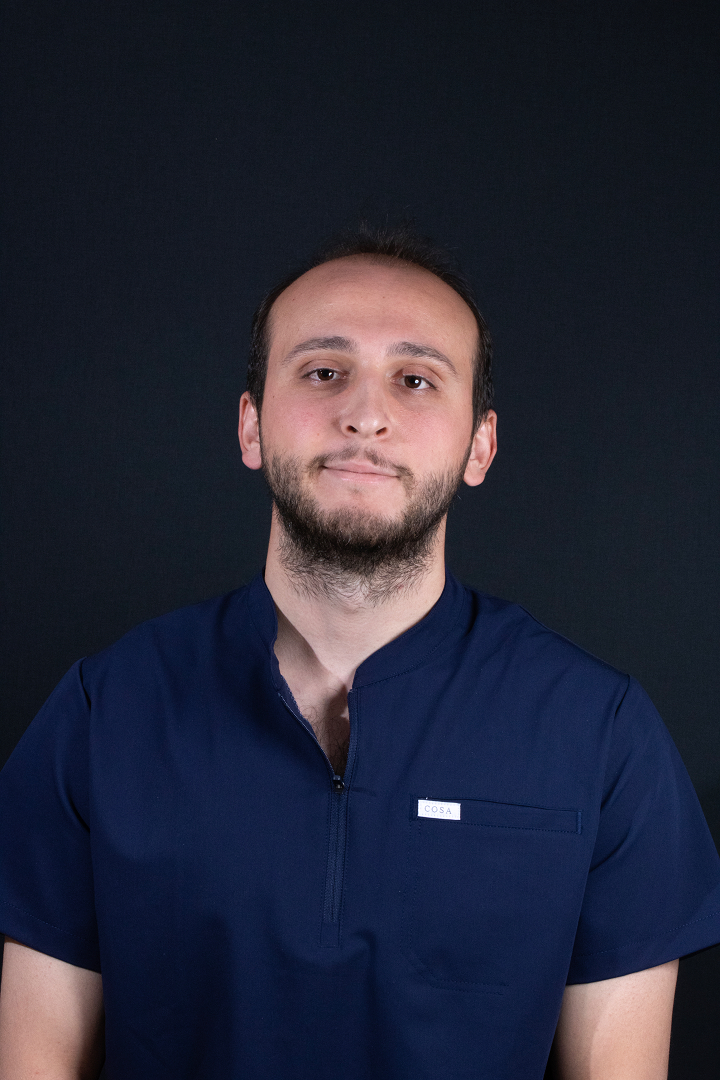
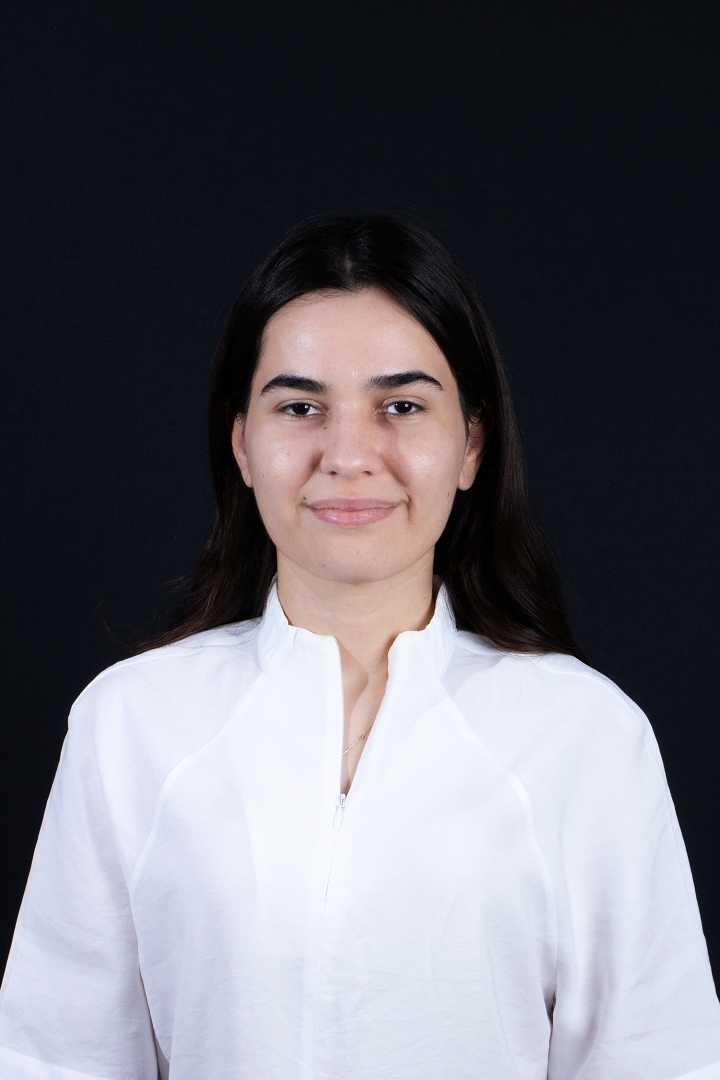
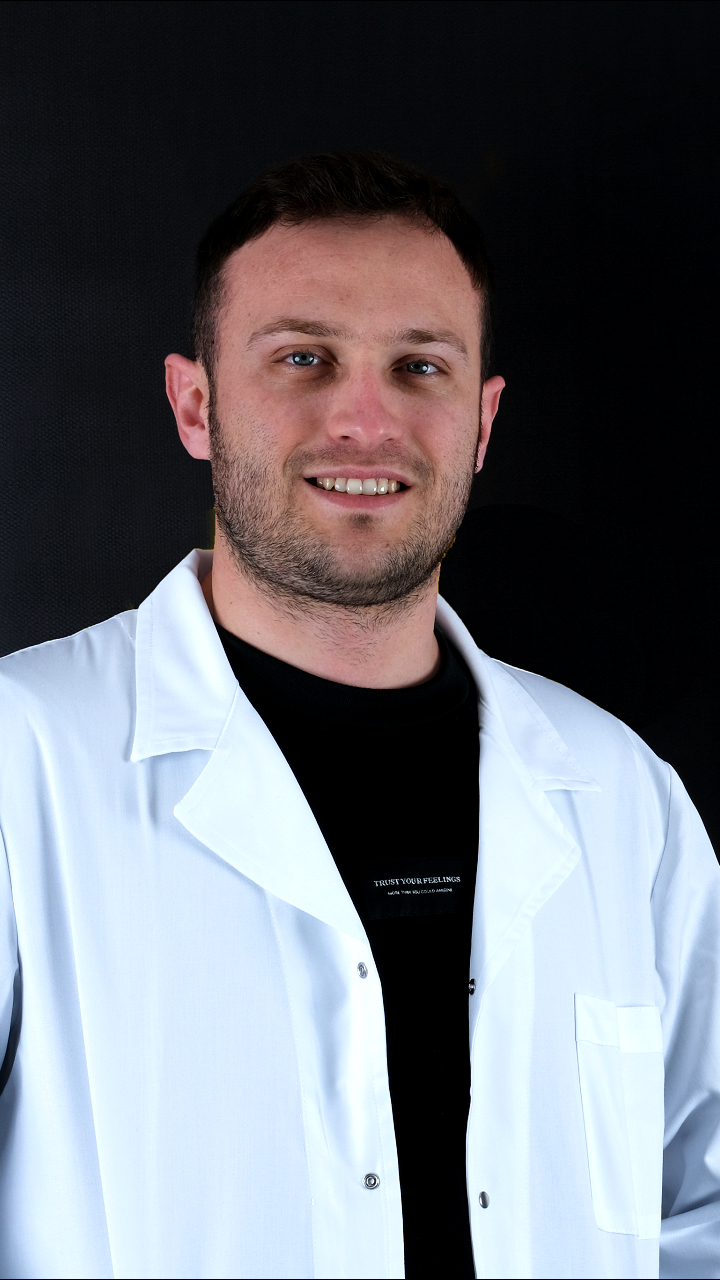
Dr. Osman Cengiz – Umut Dental Clinic Antalya

Dr. Osman Cengiz

Clinic Founder
Dr. Ayşe Dilara Yüzgeç – Umut Dental Clinic Antalya

Dr. Ayşe Dilara Yüzgeç

Dentist
Dr. Fatih Sunar – Umut Dental Clinic Antalya

Dr. Fatih Sunar

Dentist
Dr. Tuğba Taş Mammadov – Umut Dental Clinic Antalya

Dr. Tuğba Taş Mammadov

Dentist
Dr. Melisa Köse – Umut Dental Clinic Antalya

Dr. Melisa Köse

Dentist
Dr. Abdullah Zeki Ceylan – Umut Dental Clinic Antalya

Dr. Abdullah Zeki Ceylan

Dentist
Dr. Merve Yıldırım – Umut Dental Clinic Antalya

Dr. Merve Yıldırım

Dentist
Dr. Samet Dönmez – Umut Dental Clinic Antalya

Dr. Samet Dönmez

Dentist

Online Consultation

Leave your contact information and we will contact you soon.