Homepage
Treatments
Dental Implants
Oral & Jaw Surgery
Aesthetic Smile Design
Crowns, Bridges & Dentures
General & Restorative
Gum & Jaw Joint Care
Comfort & Children
See all treatments →
Smile Gallery Package List Dental Events About Us Blog Contact

Gingivectomy

How It Works

3 Steps to a Healthy Smile

From your first message to your final check-up, we're with you at every stage of your treatment journey.

1

Online Consultation & Planning

Share your details and photos with us. Our patient advisors evaluate your case with our dentists and prepare a personalised treatment plan with clear timelines and pricing.

2

Arrival & Treatment

We help organise your travel and stay. Once you arrive, all examinations and treatments are carried out in our fully equipped clinic in Antalya.

Book Appointment
3

Your New Smile & Aftercare

Your treatment is completed as planned. Enjoy your healthy, confident smile, relax in Antalya — and stay in touch with us for aftercare once you're home.

Gingivectomy

A gingivectomy is a dental procedure where a dentist or periodontist (gum specialist) removes and reshapes part of the gum tissue around your teeth. It is usually done to treat advanced gum disease, to make it easier to clean deep pockets, or to correct excess gum tissue that affects your bite or smile line. Gingivectomy can be performed on one tooth, several teeth or the entire mouth, depending on your needs. During this page, you will learn what a gingivectomy involves, when it is recommended, who may benefit, what happens during the procedure, and how recovery and aftercare work. You will also find information about eating after gingivectomy, possible risks, and how treatment can be planned if you are travelling to Antalya for dental care.

What Is a Gingivectomy?

A gingivectomy is a surgical procedure that involves removing and reshaping part of the gum tissue (gingiva) around the teeth to improve gum health, access for cleaning, or appearance. The goal is to eliminate diseased or excess gum tissue and create a gum contour that is easier to keep clean and more harmonious with your teeth.

During a gingivectomy, the dentist carefully marks the area to be reshaped and then removes a controlled amount of gum tissue using instruments such as a scalpel, laser or other surgical tools. The underlying tooth surfaces and roots can then be cleaned more thoroughly, and the remaining gums are shaped to follow the natural curve of your teeth.

Gingivectomy can be used for both functional and cosmetic reasons:

  • Functional: Treating deep periodontal pockets that trap plaque and bacteria, helping manage periodontitis (advanced gum disease).
  • Cosmetic: Reducing a “gummy smile” where too much gum shows, or evening out an irregular gum line.

This procedure is different from a gingivoplasty, which focuses mainly on cosmetic reshaping of otherwise healthy gum tissue. In many treatment plans, both techniques are combined: gingivectomy to remove diseased or excessive tissue and gingivoplasty to fine-tune the contour.

A dentist will decide if gingivectomy is appropriate only after a full gum examination, measuring pocket depths, and often taking X-rays to assess the bone around your teeth. The amount of tissue removed is carefully calculated so that the gums remain healthy and protective around the teeth.

When Is a Gingivectomy Recommended?

A gingivectomy is usually recommended when gum tissue is either diseased or overgrown and cannot be managed properly with non-surgical treatments such as regular cleanings and deep scaling. The decision is always based on an individual examination and diagnosis by a dentist or periodontist.

Common situations where a gingivectomy may be advised include:

  • Persistent deep gum pockets: When periodontitis (advanced gum infection) causes deep pockets between teeth and gums that remain even after professional cleaning and good home care, gingivectomy may be used to remove the pocket walls and reduce their depth.
  • Overgrown gum tissue: Some people develop excess gum tissue due to genetics, chronic inflammation, orthodontic appliances, or certain systemic conditions. This can trap plaque and make cleaning difficult, leading to bleeding, bad breath and discomfort.
  • Gummy smile: If a large amount of gum shows when you smile and your teeth look small, gingivectomy can expose more tooth surface and adjust the gum line, sometimes as part of a larger smile makeover plan.
  • Uneven gum line: When gum margins are higher on some teeth and lower on others, the dentist may recommend gingivectomy to even them out for a more symmetrical look and easier cleaning.
  • Access to decayed or broken tooth structure: Sometimes gum tissue must be removed to properly restore a tooth with a filling or crown, especially if decay or fracture extends below the gum margin.

For example, if you have a back tooth with deep periodontal pockets that bleed and trap food despite regular deep cleanings, your dentist may suggest gingivectomy to remove the pocket wall so that you can clean the area more effectively at home.

Gingivectomy is not always the first-line treatment. Often, non-surgical periodontal therapy (deep cleaning, improved home care, and regular routine oral check ups) is tried first. If these measures do not resolve the problem and pockets or overgrown tissue remain, gingivectomy may then be considered as part of your treatment plan.

Everything You Need to Know

More about Gingivectomy

Who Is a Good Candidate for Gingivectomy?

A good candidate for gingivectomy is someone with stable general health and specific gum problems that can be improved by removing and reshaping excess or diseased gum tissue. The dentist will evaluate both your oral condition and your overall health before recommending this procedure.

You may be a suitable candidate if:

  • You have persistent deep gum pockets: After professional cleanings and good home care, your gums still show deep pockets that trap bacteria and cause bleeding, bad breath or sensitivity.
  • Your gums are enlarged or swollen: Chronic gum inflammation or certain systemic conditions can lead to gum overgrowth, making brushing and flossing difficult. Gingivectomy can reduce this excess tissue.
  • You have a “gummy smile” or uneven gum line: If your teeth look short or the gum contour is irregular and this bothers you, gingivectomy may be part of a cosmetic reshaping plan.
  • You can maintain good oral hygiene: After gingivectomy, the exposed tooth surfaces need careful daily cleaning. Candidates should be willing and able to brush and clean between teeth thoroughly as instructed.
  • Your bone support is adequate: Clinical and X-ray examination should show that the underlying bone around the teeth is sufficient, so that removing some gum tissue will not leave teeth unsupported.

General health factors are also important:

  • You do not have uncontrolled systemic diseases such as uncontrolled diabetes or severe immune problems.
  • Any blood-thinning medications or bleeding disorders are assessed and, if needed, coordinated with your physician.
  • You are not pregnant or planning pregnancy in the very near future, or your obstetrician has clearly approved elective dental surgery.

For example, a person with mildly enlarged gums around front teeth, stable general health, and strong motivation to improve appearance and oral hygiene is usually a better candidate than someone with uncontrolled medical conditions or poor oral hygiene.

The final decision is made only after a detailed periodontal examination, medical history review and discussion of your expectations, possible alternatives, and the level of improvement that can realistically be achieved.

When Is Gingivectomy Not Suitable or Delayed?

Gingivectomy is not suitable or is delayed when the potential risks outweigh the benefits or when underlying issues must be stabilised first. The dentist will carefully review your medical and dental history to decide on timing or to suggest alternative treatments.

Situations where gingivectomy may be postponed or avoided include:

  • Uncontrolled systemic diseases: Conditions such as poorly controlled diabetes, serious heart disease or immune disorders can increase the risk of infection and delay healing. Treatment is usually delayed until these conditions are stabilised in cooperation with your physician.
  • Bleeding disorders or blood-thinning medications: If you have a bleeding tendency or you use strong blood thinners, gum surgery can carry a higher risk of prolonged bleeding. In such cases, your dentist and physician may adjust your treatment plan or choose less invasive options.
  • Pregnancy: Elective gum surgery is often postponed during pregnancy, especially in the first and third trimesters. Only urgent treatment for infection or severe discomfort may be considered, and always in consultation with your obstetrician.
  • Active, uncontrolled gum infection: If there is acute infection, abscess or severe inflammation, initial non-surgical cleaning and sometimes medication may be needed first. Gingivectomy is performed later when the gums are less inflamed.
  • Insufficient remaining gum or bone support: When too much gum or bone has already been lost, removing more tissue could destabilise the teeth. In such cases, alternative periodontal procedures or restorative options such as dental bridges or dental implants may be discussed.
  • Poor oral hygiene or low motivation: If plaque control is inadequate, surgery may not heal well and the problem can quickly return. Dentists often delay gingivectomy until home care improves.
  • Heavy smoking: Smoking negatively affects blood flow and healing of gum tissue. Some dentists recommend reducing or stopping smoking before scheduling surgery.

For example, if you have deep gum pockets but also uncontrolled high blood sugar and irregular dental cleaning habits, the dentist is likely to first coordinate your care with your physician and work with you to improve oral hygiene before considering gingivectomy.

In some cases, alternative treatments may be more suitable, such as ongoing periodontal maintenance, different types of flap surgery, or restorative approaches if teeth are severely compromised. The safest decision comes from a careful risk–benefit assessment tailored to your individual health status.

How Is a Gingivectomy Planned and Diagnosed?

A gingivectomy is planned and diagnosed through a detailed periodontal examination, assessment of your medical history, and careful evaluation of your expectations. The aim is to confirm that gum removal will improve health or aesthetics without harming tooth support.

The planning process usually includes the following steps:

  • Medical and dental history: The dentist asks about your general health, medications, allergies, smoking habits, and any previous dental or gum treatments. These details help identify risks such as delayed healing or bleeding.
  • Clinical gum examination: The gums are checked for colour, texture, bleeding, swelling, and recession. A periodontal probe is gently used to measure pocket depths around each tooth to see how far the gum has detached from the tooth surface.
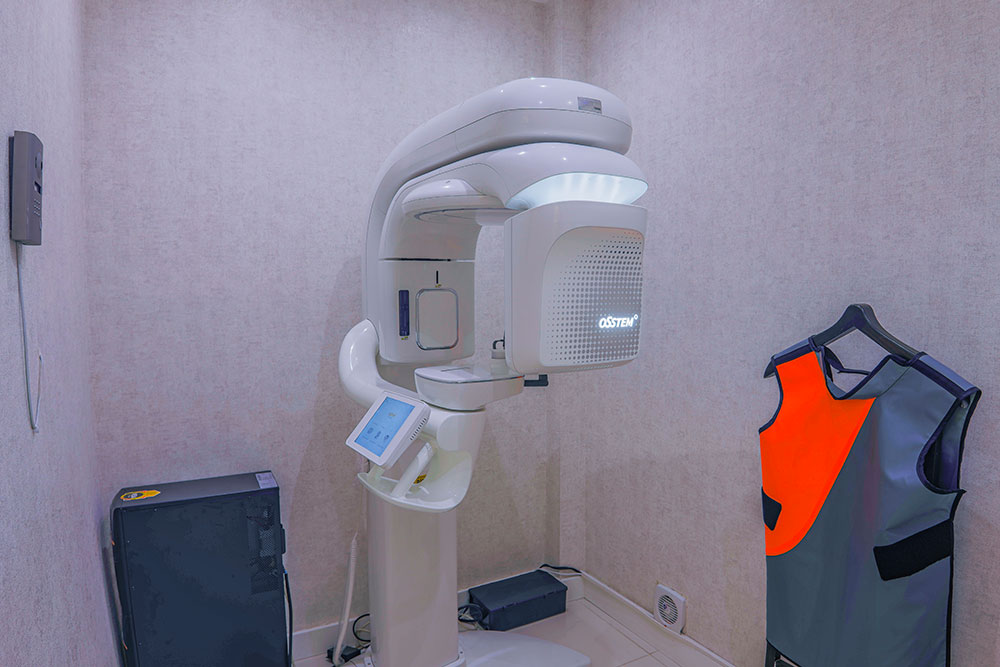
  • X-rays: Dental radiographs are taken to assess the level and shape of the underlying bone and to check for decay or other problems that could affect treatment.
  • Assessment of plaque and tartar: The amount and location of deposits are recorded, as they contribute to gum disease and may need to be removed in a deep cleaning before surgery.
  • Smile and gum line analysis: In cosmetic cases, the dentist evaluates how much gum shows when you talk and smile, the length and shape of your teeth, and the symmetry of the gum margins.
  • Photography and, sometimes, models: Photos or digital scans can help plan the new gum contour and allow before-and-after comparison.

Based on this information, the dentist will explain:

  • Whether gingivectomy is likely to benefit your condition.
  • How many teeth or areas need treatment.
  • What amount of gum tissue might be removed.
  • Possible alternatives and their pros and cons.

You will also receive instructions to prepare for surgery, such as improving your brushing and interdental cleaning technique, having a professional cleaning if needed, and asking your physician about any necessary adjustments to existing medical treatments. Clear planning helps reduce risks and supports a smoother healing process.

How Does the Gingivectomy Procedure Work?

The gingivectomy procedure works by carefully numbing the gums, marking the new gum line, removing excess or diseased tissue, and then shaping the remaining gums so they can heal in a healthier position. The exact method can vary, but the basic steps are similar.

A typical sequence is as follows:

  1. Local anaesthesia: The dentist numbs the area with local anaesthetic, so you should feel pressure and vibration but no sharp pain during the procedure.
  2. Marking the gum line: The dentist identifies and marks the new desired gum margin. In pocket reduction cases, this is guided by pocket depth measurements. In cosmetic cases, it is based on tooth proportions and smile analysis.
  3. Tissue removal: Using a scalpel, laser or other instruments, the dentist removes the gum tissue above the marked line. This removes either the pocket wall (in periodontal cases) or the excess tissue that creates a gummy or uneven smile.
  4. Cleaning the exposed tooth surfaces: Once the gum is trimmed, the roots and tooth surfaces are carefully cleaned to remove plaque, tartar and inflamed tissue so the area can heal more easily.
  5. Shaping and smoothing: The cut edges of the gums are refined to create smooth, natural-looking contours that follow the shape of the teeth.
  6. Dressing or sutures if needed: In many gingivectomy procedures, sutures are not necessary. In some cases, a protective periodontal dressing (a soft “bandage”) is placed over the area to protect it during the first healing days.

During the procedure, you will be lying comfortably in the dental chair. You may hear scraping or cutting sounds, which is normal, but you should not feel pain because the area is numb. If you ever feel discomfort, you can signal the dentist, who can pause and give more anaesthetic.

Once the surgery is completed, the dentist will rinse the area, check for bleeding, and give you specific instructions for home care and follow-up visits. The gums will start to form a new attachment to the teeth as they heal over the next days and weeks.

Does a Gingivectomy Hurt?

A gingivectomy should not hurt during the procedure itself because the gums are numbed with local anaesthesia, but it is normal to feel some soreness and sensitivity for several days after the treatment as the tissue heals.

During the procedure, local anaesthetic is injected into the gums around the treated area. This blocks pain sensations, so you may feel pressure, gentle tugging or vibration, but you should not feel sharp pain. If you are anxious or have a low pain threshold, tell the dentist before treatment. Sometimes the anaesthetic can be adjusted or extra time can be taken to help you feel more comfortable.

After the anaesthetic wears off, it is common to experience:

  • Mild to moderate soreness: The gums may feel tender, especially when eating, brushing, or talking.
  • Sensitivity to hot, cold or sweet foods: Exposed tooth surfaces can temporarily react more strongly to temperature and taste.
  • Slight swelling of the gums: This is part of the normal inflammatory healing response.

Your dentist may suggest appropriate pain relief options and, in some cases, other medications, tailored to your medical history. Always follow the instructions provided, and never take medication without checking that it is safe for you.

Simple measures at home can also help reduce discomfort:

  • Use a cold compress on the outside of your cheek in short intervals within the first 24 hours, unless your dentist advises otherwise.
  • Rest and avoid intense physical activity on the day of surgery.
  • Follow the recommended diet of soft, cool or lukewarm foods and avoid chewing directly on the treated area.
  • Keep the area clean as instructed to reduce irritation from plaque.

If you experience strong pain that does not improve with recommended pain relief, significant swelling, fever, or difficulty swallowing or breathing, you should seek prompt dental or medical attention because these can be signs of complications that require urgent care.

How Long Does a Gingivectomy Take and How Many Visits Are Needed?

A gingivectomy usually takes between 30 minutes and 2 hours per session, depending on how many teeth and areas are treated, and most patients need between one and three visits including planning and follow-up.

The total time is influenced by several factors:

  • Number of teeth involved: Treating a small area around one or two teeth takes less time than reshaping gums around many teeth or the full upper or lower jaw.
  • Severity of gum disease or overgrowth: Deep pockets with significant tartar and inflamed tissue require more careful cleaning and contouring.
  • Type of instruments used: Different techniques (scalpel, laser or other tools) can slightly change the duration, but this is usually less important than the size of the area.

A typical treatment timeline might look like this:

  • Visit 1 – Assessment and planning: Comprehensive examination, X-rays, pocket measurements and discussion of options. If needed, a professional cleaning or deep scaling may be done at this visit or scheduled separately.
  • Visit 2 – Gingivectomy procedure: Local anaesthesia is given and the gum reshaping is performed. The length of this appointment can range from 30–120 minutes.
  • Visit 3 – Follow-up and suture/dressing check: Usually within 7–14 days, the dentist checks healing, removes any sutures or dressings if present, and reinforces cleaning instructions.

In some cases, especially when large areas are involved, the dentist may divide the mouth into sections and treat each section in separate sessions to improve comfort and healing. For example, the upper right and left front teeth might be treated on one day, and the lower front teeth on another.

Full healing of the gums often takes from 2 to 6 weeks, although surface healing may be faster. During this period, short review visits might be scheduled to ensure that the gum contours are stabilising well and that you can clean effectively at home.

What Can I Eat After a Gingivectomy?

After a gingivectomy, you should eat soft, cool or lukewarm foods and avoid hard, crunchy, spicy or very hot items that could disturb the healing gums or cause discomfort. The first few days are the most sensitive time, so a gentle diet helps protect the surgical area.

General dietary guidelines include:

  • Immediately after surgery: While your mouth is still numb, avoid chewing to prevent accidentally biting your cheek or tongue. Stick to cool liquids or very soft foods that do not require chewing.
  • First 24–72 hours: Choose soft foods that are easy to swallow and do not press strongly on the gums. Examples can include yogurt, smooth soups (not very hot), mashed potatoes, scrambled eggs, well-cooked pasta, and soft bananas.
  • After a few days: Gradually reintroduce slightly firmer foods as long as chewing does not cause pain. Try to chew on the side of the mouth that was not treated, if possible.

Foods and habits to avoid during early healing:

  • Hard, sharp or crunchy foods (such as nuts, crisps, hard bread crusts) that could scratch the gum surface.
  • Very hot foods and drinks, which may increase bleeding and sensitivity.
  • Strongly spicy or acidic foods that can irritate the tissue and cause stinging.
  • Alcohol and tobacco, which can interfere with healing and irritate the gums.

Drink sufficient water throughout the day to stay hydrated, but avoid sucking strongly through a straw in the first days, as this may disturb the clot and delicate tissue.

As healing progresses, your dentist will let you know when you can return to a more normal diet. Everyone heals at a different pace, so it is important to listen to your body; if a particular food causes pain or irritation, leave it out for a few more days before trying again.

Recovery and Aftercare After Gingivectomy

Recovery after a gingivectomy usually takes a few weeks, and careful aftercare is essential for comfortable healing and long-term success. The gums go through phases of initial clotting, tissue repair and reshaping, so what you do at home can make a significant difference.

Typical recovery features include mild soreness, swelling and sensitivity in the treated area, especially during the first week. These gradually reduce as the tissue matures. You may also notice that your teeth feel slightly longer or more exposed due to the reduced gum coverage; this is expected and usually becomes less noticeable over time.

Key aftercare recommendations often include:

  • Oral hygiene: Keep your mouth as clean as possible to prevent infection. Brush the non-treated areas normally. On the treated area, follow the dentist’s specific instructions; usually, gentle brushing with a soft toothbrush is introduced gradually. Avoid aggressive scrubbing.
  • Interdental cleaning: Floss or use interdental brushes in areas away from the surgery as usual. Around the surgical site, your dentist may ask you to wait a few days before resuming interdental cleaning.
  • Rinsing: You may be advised to rinse gently with a recommended mouth rinse or warm salt water after the first 24 hours, depending on the dentist’s instructions. Rinsing should be gentle to avoid disturbing the healing tissue.
  • Pain and swelling control: Follow the instructions regarding pain relief and, if prescribed, any other medications. Cold compresses in the first 24 hours and then, if advised, warm compresses later can help with swelling.
  • Activity level: Rest on the day of surgery and avoid intense exercise for a short period, as increased blood pressure can promote bleeding from the gums.
  • Avoid harmful habits: Refrain from smoking and alcohol during healing as they can slow recovery and increase the risk of complications.

Follow-up appointments are important to check that healing is progressing well, remove any sutures or dressings, and adjust your oral hygiene routine. If you notice heavy or persistent bleeding, increasing pain after the first few days, bad taste or odour, facial swelling, fever, or difficulty swallowing or breathing, you should contact a dentist or seek emergency care, as these may indicate complications.

Once healing is complete, maintaining regular professional cleanings and home care will help preserve the new gum contour and reduce the risk of future gum problems.

What Are the Risks and Possible Complications of Gingivectomy?

Gingivectomy, like any surgical procedure, carries some risks and possible complications, although most are manageable when the treatment is planned carefully and aftercare instructions are followed. Understanding these risks helps you make an informed decision and recognise when to seek help.

Common or expected side effects include:

  • Pain and discomfort: Mild to moderate soreness in the treated area for a few days is normal and usually controlled with recommended pain relief.
  • Swelling and minor bleeding: Slight gum swelling and oozing of blood or pink saliva may occur during the first 24–48 hours.
  • Tooth sensitivity: Exposed tooth surfaces can be more sensitive to hot, cold, sweet foods or touch for a period after surgery.

Less common but more serious potential complications may include:

  • Infection: If bacteria enter the surgical area, infection can develop, with symptoms like increasing pain, swelling, pus, bad taste, or fever. This usually requires prompt dental evaluation and treatment.
  • Significant bleeding: Most bleeding is minor, but in rare cases it can be prolonged, especially in patients with bleeding disorders or on certain medications.
  • Delayed or poor healing: Smoking, uncontrolled systemic conditions or poor oral hygiene can slow healing or lead to unsatisfactory tissue response.
  • Gum recession or black triangles: Removing tissue can sometimes expose more of the tooth or create spaces between teeth that were previously hidden by the gums. The dentist tries to plan to minimise this, but it may not be fully predictable.
  • Relapse of gum overgrowth: In some cases, especially when the cause of gum enlargement is ongoing (for example, a systemic condition), the tissue may gradually overgrow again.

Very rarely, neighbouring teeth or structures can be affected, although careful planning and technique aim to avoid this. Before your procedure, your dentist will discuss the likely benefits and these potential risks in relation to your specific health and gum condition.

If after gingivectomy you experience severe pain not eased by recommended measures, heavy bleeding that does not stop after gentle pressure, sudden facial swelling, high fever, or difficulty swallowing or breathing, you should contact a dentist or urgent medical service immediately, as these symptoms can indicate an emergency that requires prompt treatment.

Gingivectomy in Antalya: Trip Planning and Follow-Up

Gingivectomy in Antalya can be combined with a short dental trip, but it requires careful planning of timing, communication and follow-up care. The key is to allow enough time for the procedure, initial healing, and at least one control visit before you return home.

When organising treatment abroad, you can expect the process to include:

  • Pre-travel assessment: Before booking flights, you are often asked to share medical and dental information, photos and, if available, X-rays. This helps the dental team estimate whether gingivectomy is appropriate and how many days you might need in Antalya.
  • Scheduling: Many patients plan to stay for several days to one or two weeks, depending on how extensive the treatment is and whether other procedures such as dental crowns or cosmetic work are also being done.
  • On-site examination: At your first in-person visit, the dentist confirms the diagnosis with a full examination and X-rays. The treatment plan and timing are then finalised and discussed with you.
  • Procedure and check visits: Gingivectomy is usually carried out in one session, with a follow-up appointment within about a week to check healing and reinforce aftercare instructions.

For the period after you return home, you should:

  • Know how to contact the clinic if you have questions or concerns.
  • Arrange ongoing care with a local dentist for routine check-ups and cleanings.
  • Keep copies of X-rays, treatment notes or discharge summaries for your local dentist.

When flying after dental surgery, mild swelling or pressure changes can occur. It is generally sensible to avoid very short turnaround times and to plan your return flight at least a few days after the procedure, depending on the dentist’s advice and how extensive your surgery is.

At Umut Dental Clinic Antalya, patients can share their details and X-rays for an online consultation before planning travel, so that the likely number of visits, approximate stay and follow-up needs can be discussed in advance.

The information on this page is for general education only and does not replace an examination, diagnosis or treatment. See a dentist for any concerns about your oral health.

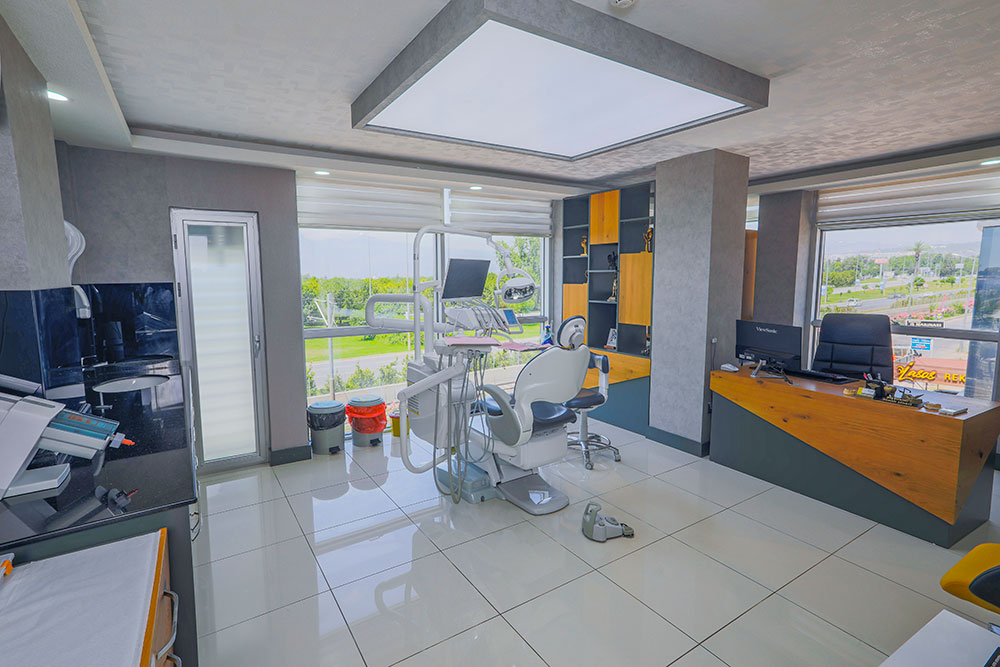
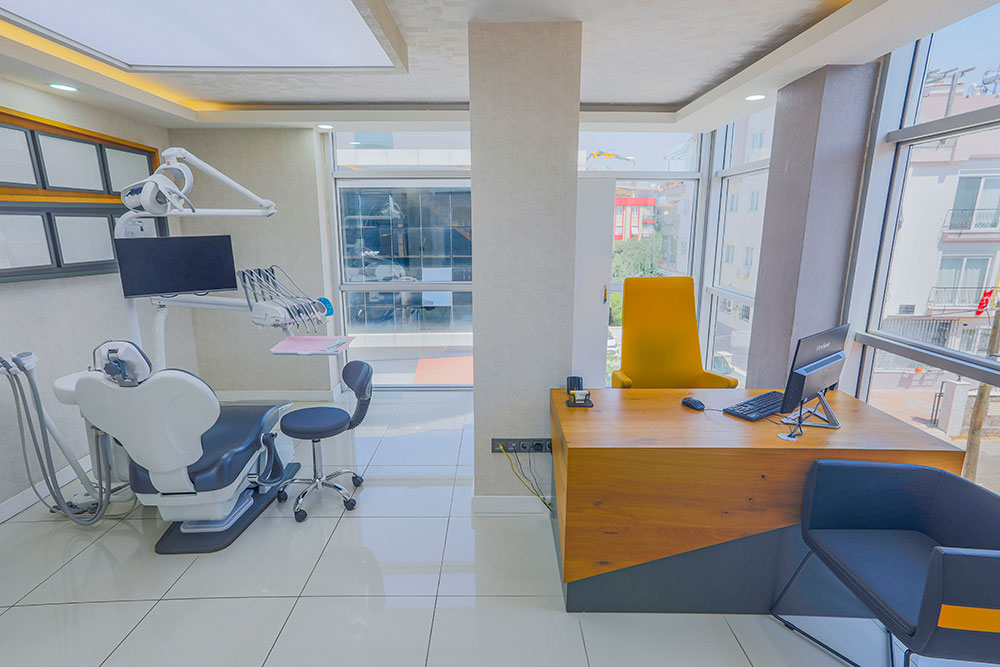
Umut Dental Clinic Antalya – clinic photo 1
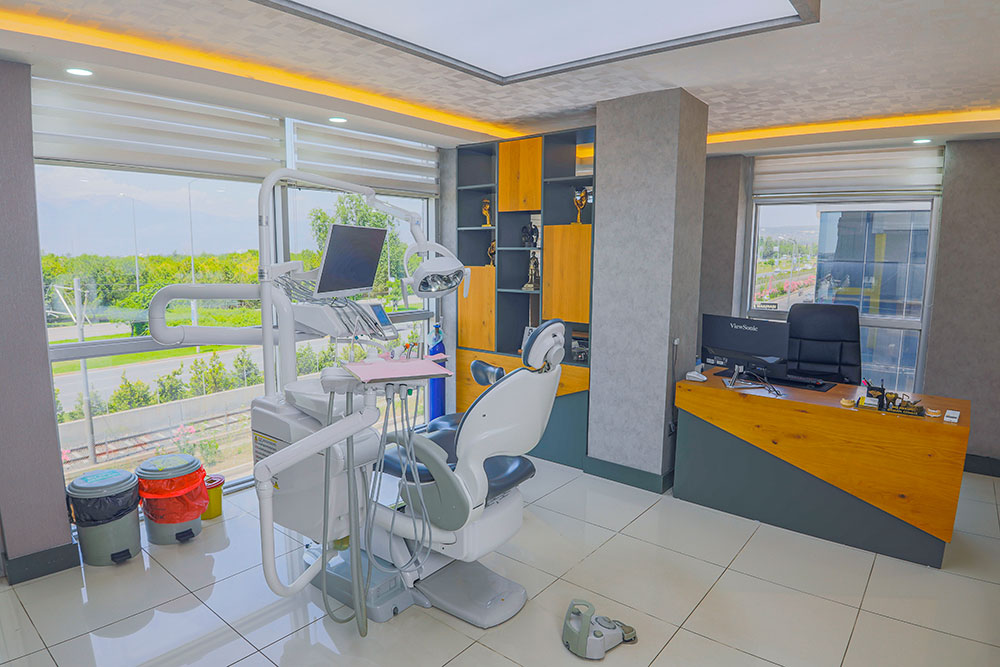
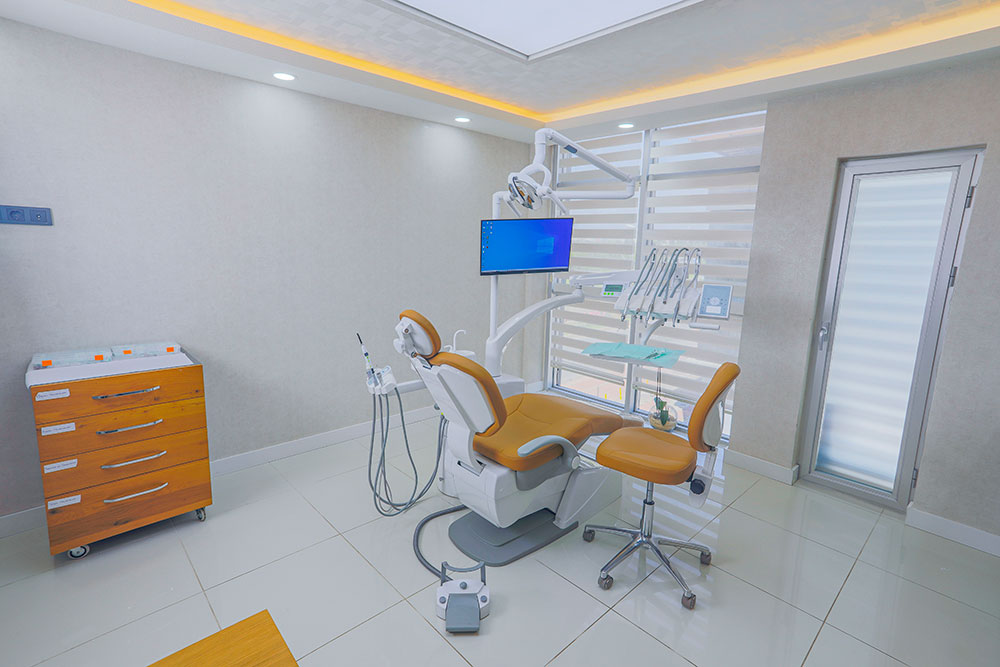
Umut Dental Clinic Antalya – clinic photo 2
Umut Dental Clinic Antalya – clinic photo 3
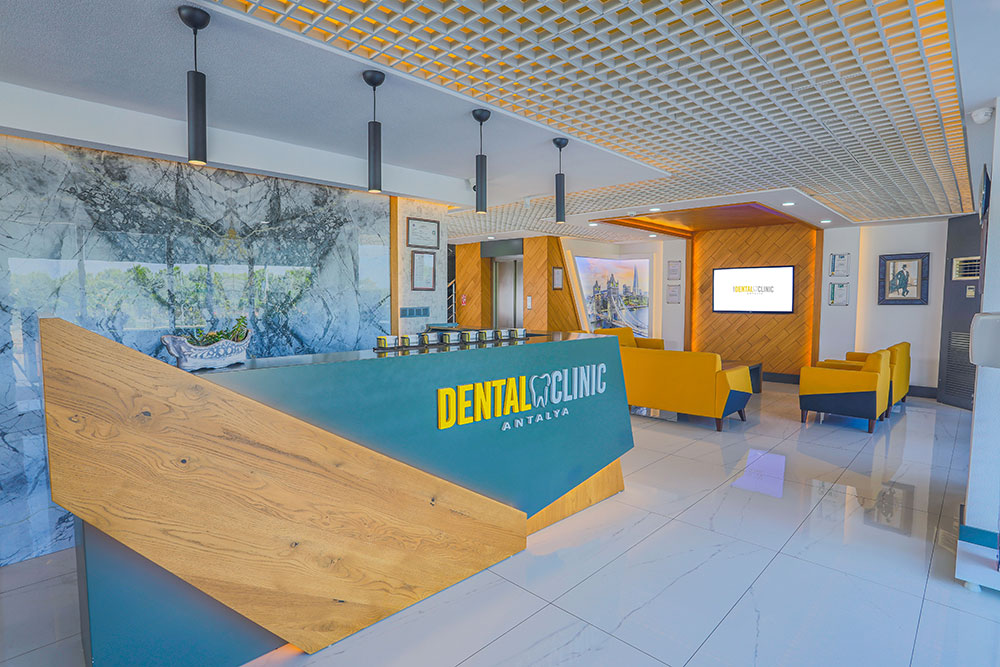
Umut Dental Clinic Antalya – clinic photo 4
Umut Dental Clinic Antalya – clinic photo 5
Umut Dental Clinic Antalya – clinic photo 6
Welcome to Umut Dental

Our Clinic

Every smile tells a story — and we've been part of thousands of them for over 17 years.

Located in the heart of Antalya, our clinic combines trusted experience with the latest dental technology. Our skilled and caring dentists create healthy, natural and long-lasting results — and from your first consultation to your final check-up, you'll feel cared for not just as a patient, but as part of our family.

  • Specialist Dentists
  • Latest Technology
  • Modern, Hygienic Clinic
  • Patient Coordinators
Testimonials

By Your Side at Every Step

At Umut Dental Clinic Antalya, we're by your side through every stage of your smile journey — with care, honesty, and expertise.

Umut Dental Clinic patient

The whole process from getting picked up friendly service from taxi driver to staying in hotel provided excellent friendly staff, appointments on time very lovely staff at clinic experience dental advice. Obviously its never a good experience to have your teeth out but never the less after care and advice on any issues is excellent and if you need to talk or chat can be done via WhatsApp, cant fault the service in my opinion.

Umut Dental Clinic patient

The overall service is very good. We were supported by Ibru who spoke good English. I had top and bottom teeth done. It includes sinus uplift, bone graft, German implants and porcelain veneers. The transfers from Airport were included as well as hotel and medication. They have the lab in the same location where the technicians make the teeth and crowns. Very pleased for the all round service.

Umut Dental Clinic patient

I simply must thank you for making my dental experience as painless as possible. You were exactly what I was looking for in a dentist. Thank you for keeping me at ease during my appointment. The communication throughout my time at the clinic and at the hotel was fantastic and any questions I had were answered swiftly. I'm looking forward to returning in April for more treatment. — Annmarie 🇬🇧

Umut Dental Clinic patient

Me and my partner had a fantastic experience here. Both of our dentists were perfectionists and gave us exactly what we wanted. We wouldn't change a thing about our teeth now. We are so confident and delighted with our smiles now. We also got to bring our 2 year old with us, which was so convenient for us, and everybody was great with him! I highly recommend this place!

Umut Dental Clinic patient

Couldn't be more pleasant. Great atmosphere, lovely people working there and they won't give up — they will get your teeth done no matter what obstacle they may encounter. I recommend Umut Dental for great results. Thank you to all staff there.

Patient Stories

Trusted by Patients Around the World

Real experiences from real Umut Dental Clinic patients.

What our patients say on Trustpilot
JD
John DunbarNew Zealand · Sep 14, 2026

This is by far the easiest review I have ever done. Umut Dental Clinic is the one stop shop for everything dental which is so very important. These people are true professionals from the front door to the engine room and beyond. I have made friends with my dentist Dr Osman the head of Umut Dental Clinic and he leads by example and creates a fantastic experience and outcome for us their clients. I am more than happy to recommend Umut Dental Clinic for all your dental works and answer any of your questions. Make the right call. Call Umut Dental Clinic.

A
AnnetteUnited Kingdom · Apr 21, 2026

My visit to Umut dental clinic was amazing.
FATIH SUNAR was my dentist he is an amazing dentist, i wasn't the easiest of patients through nerves.
I couldn't be happier with the overall service i received.
I would whole heartily recommend this clinic for any treatments.
Thankyou

TH
Thomas Trevor HoweGermany · Apr 1, 2026

I was quite nervous before I sat in the chair, but once there i was made feel comfortable and relaxed.
I had quite a bit of work done and what I really liked was the speed my dentist worked at,, I was out of the chair with 7 implants in less than 2 hours ..
The place is spotless , the equipment is more than up to date.
The price I was quoted was the price I paid. I will return for yearly check ups as I wouldnt want anyone else looking after me.
Well done to a very professional team !!

CT
Christine ThomasUnited Kingdom · Jan 19, 2026

My doctor was Faith Sunar, I'm very pleased with how professional he was and how much care he took in his work to make sure I was happy with my new teeth.
They corrected my problems and give me a new set as my old ones were not fitting properly, which was under my gaurentee.
I was seen each day for 4 days , they made sure everything was perfect before I flew back home to England uk.
The clinic was exceptionally clean and spotless.
Beyza was very helpfull to our needs and spoke very good English , she was very kind from start to finish.
Is definitely 100./. Recommend this dentist practice to anyone I'd give them 10/10.

TE
Theresa EnglishUnited Kingdom · Nov 14, 2025

Had excellent treatment with UMUT - extremely well organised and professional. I was talked through the procedure all the way through, given medication which made the process pain free and bearable. My dentist was lovely and only happy when everything was absolutely perfect. When you have so much choice of dentistry in Antalya, it can feel like a very hard decision to make but I would totally recommend this clinic. Thanks again to my fabulous dentist Tugce Aricetin

JR
Jason RobertsonUnited Kingdom · Nov 8, 2025

What a perfect clinic from start to finish I would recommend them to anyone around the world so professional hygiene is amazing on my life you would think you was in a clinic were the famous people go the United Kingdom doesn't even come close to Umut dental clinic I couldn't be happier 12 out of 10 best thing I've ever done so happy thank you umut thank thank you and thank you Dentist Tugce and thank you to the whole team

A
ArieNetherlands · Oct 29, 2025

it was great service and very helpfull friendly team also the transport to clinic was excellent. the hotel also was nice and friendly people and nice breakfast. i'm looking forward to visit Antalya and all the nice people in april again, very beutifull beach also. thank you for helping me and i hope to see you in april for finishing

O
OlgaGermany · Jul 11, 2025

I had dental treatment at Umut Clinic Antalya, and I can confidently say—three years later—that this clinic truly delivers on its promise of quality and guarantee. The results of my treatment have remained excellent over time, and I'm still very happy with everything they did.
The entire team is extremely friendly, professional, and caring. The dentists are highly trained and very experienced, which immediately gave me a sense of trust and security. They took time to explain everything clearly and made sure I felt comfortable throughout the process.
What also sets Umut Zahnklinik apart is their exceptional service for international patients. From airport pickup to accommodation support, everything was well-organized and stress-free. You really feel taken care of from start to finish.
I can highly recommend Umut Zahnklinik to anyone looking for high-quality dental care in Turkey. A great clinic with lasting results and a warm, welcoming team!

Our Team

Meet Our Doctors

Experienced clinicians dedicated to natural, healthy and long-lasting smile outcomes.

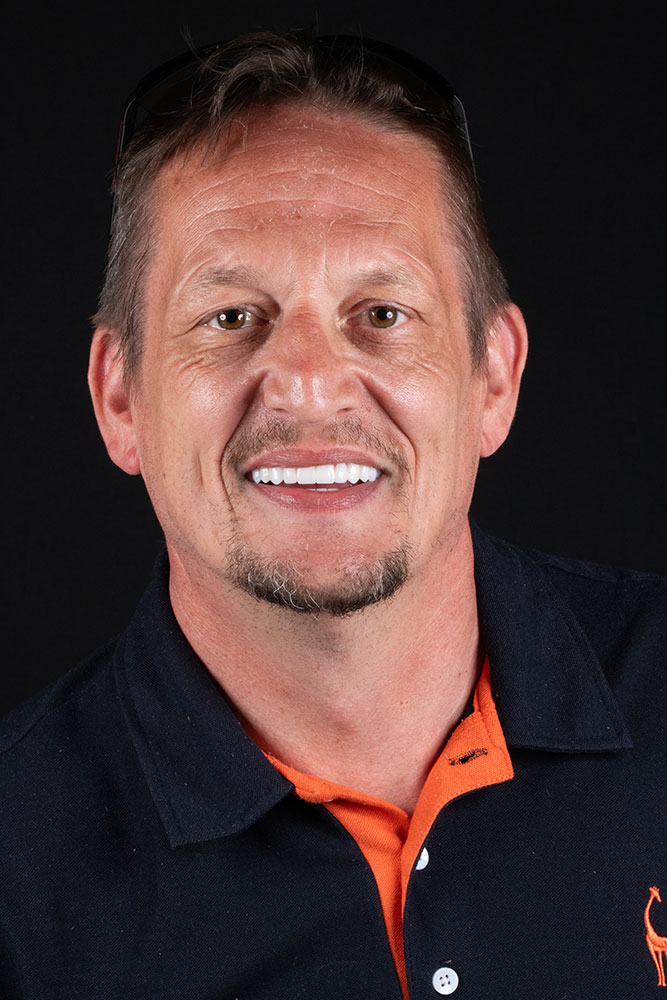
Dr. Osman Cengiz – Umut Dental Clinic Antalya

Dr. Osman Cengiz

Clinic Founder
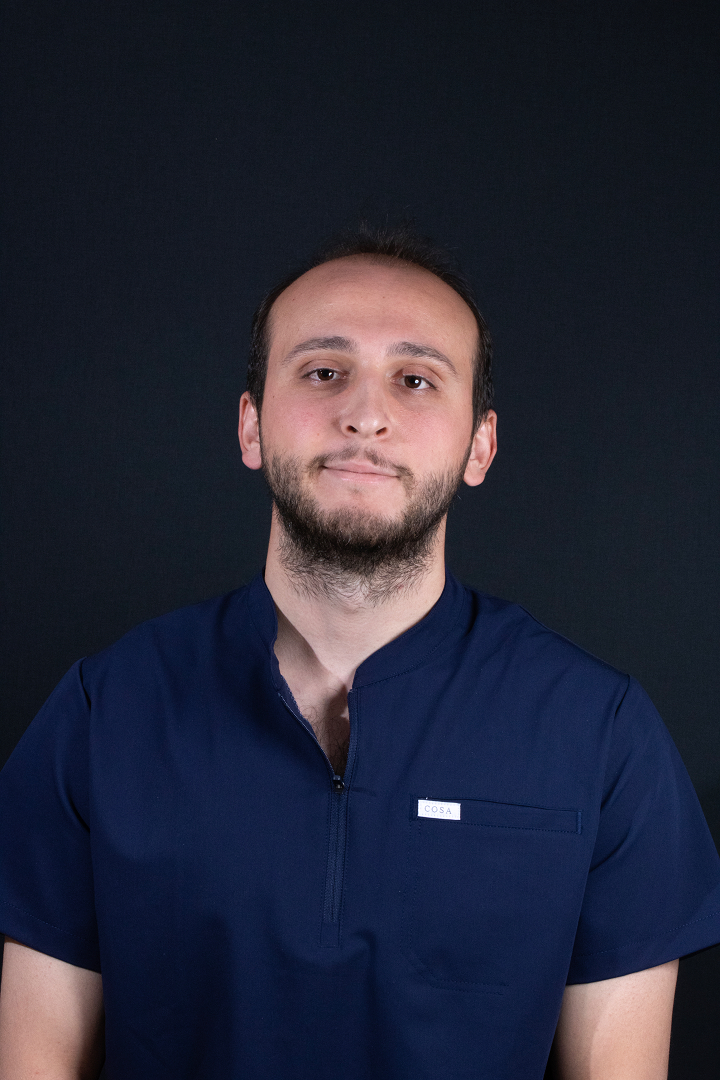
Dr. Ayşe Dilara Yüzgeç – Umut Dental Clinic Antalya

Dr. Ayşe Dilara Yüzgeç

Dentist
Dr. Fatih Sunar – Umut Dental Clinic Antalya

Dr. Fatih Sunar

Dentist
Dr. Tuğba Taş Mammadov – Umut Dental Clinic Antalya

Dr. Tuğba Taş Mammadov

Dentist
Dr. Melisa Köse – Umut Dental Clinic Antalya

Dr. Melisa Köse

Dentist
Dr. Abdullah Zeki Ceylan – Umut Dental Clinic Antalya

Dr. Abdullah Zeki Ceylan

Dentist
Dr. Merve Yıldırım – Umut Dental Clinic Antalya

Dr. Merve Yıldırım

Dentist
Dr. Samet Dönmez – Umut Dental Clinic Antalya

Dr. Samet Dönmez

Dentist

Online Consultation

Leave your contact information and we will contact you soon.