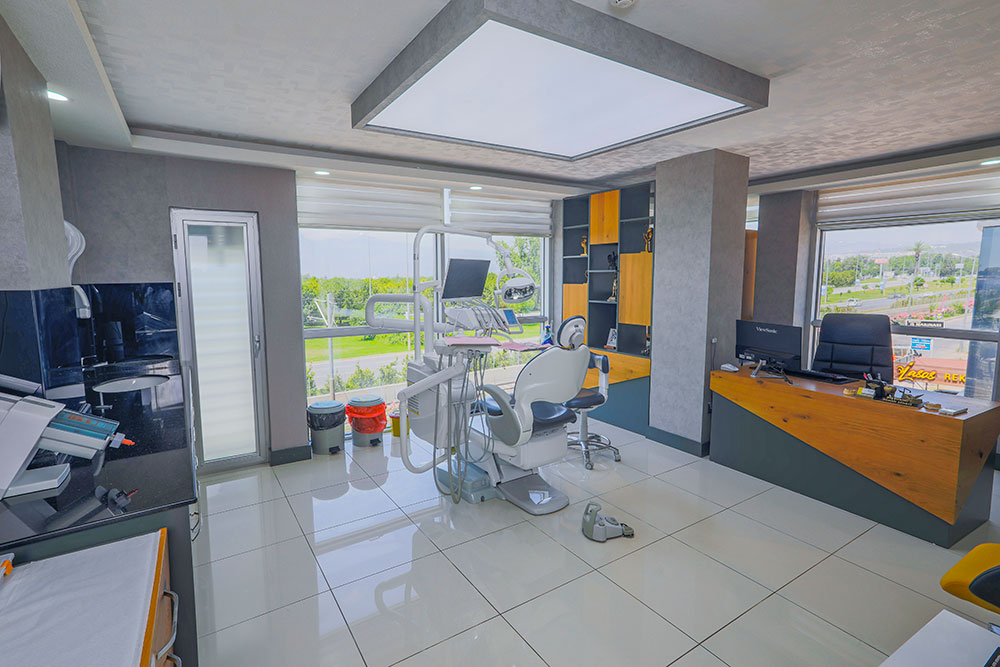
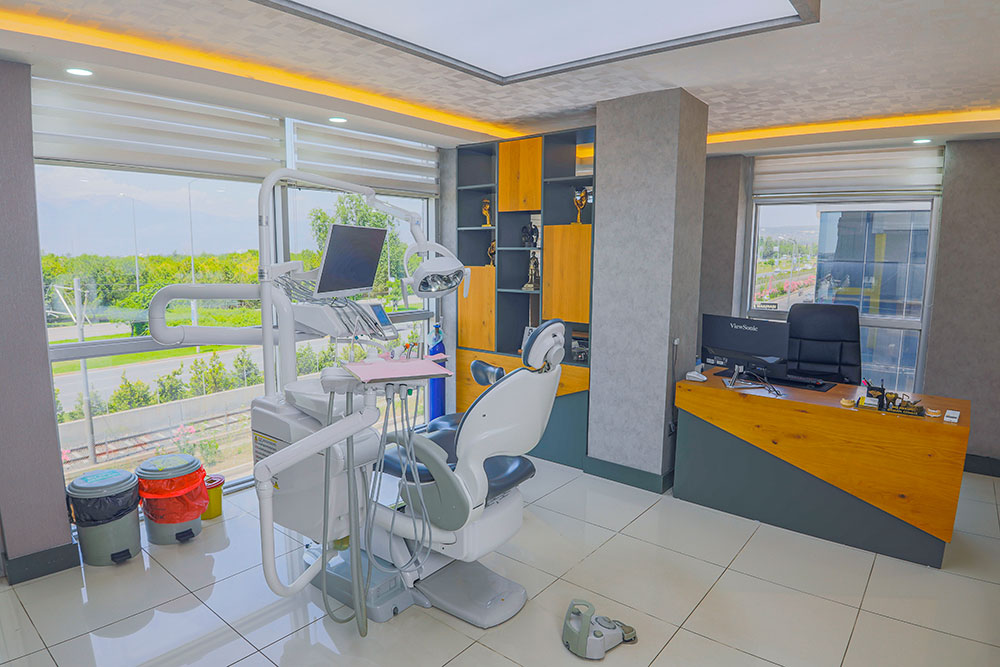
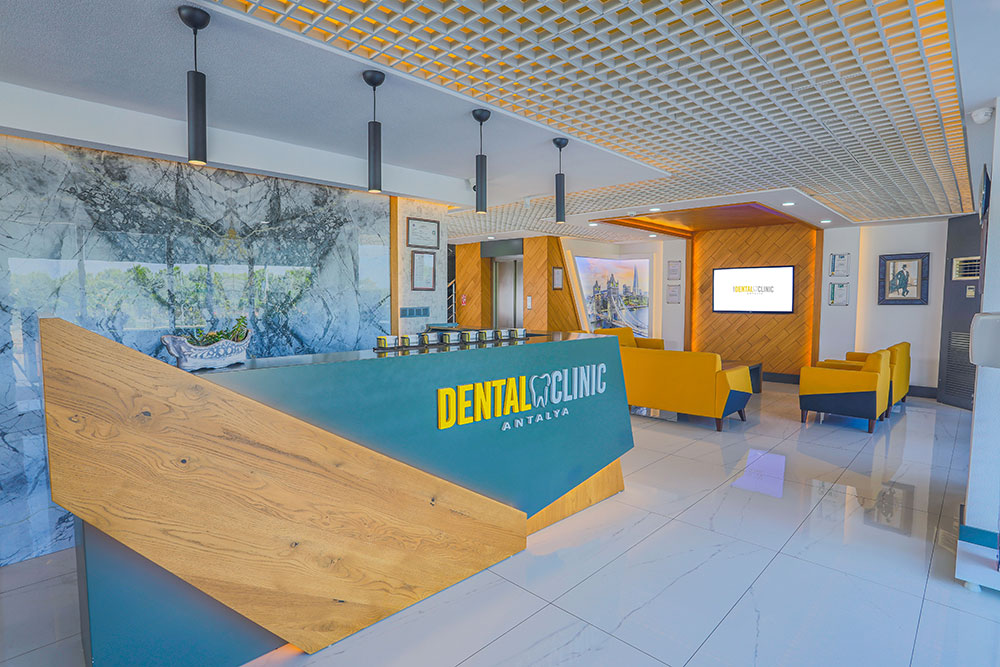
This is by far the easiest review I have ever done. Umut Dental Clinic is the one stop shop for everything dental which is so very important. These people are true professionals from the front door to the engine room and beyond. I have made friends with my dentist Dr Osman the head of Umut Dental Clinic and he leads by example and creates a fantastic experience and outcome for us their clients. I am more than happy to recommend Umut Dental Clinic for all your dental works and answer any of your questions. Make the right call. Call Umut Dental Clinic.
Pink Aesthetics
3 Steps to a Healthy Smile
From your first message to your final check-up, we're with you at every stage of your treatment journey.
Online Consultation & Planning
Share your details and photos with us. Our patient advisors evaluate your case with our dentists and prepare a personalised treatment plan with clear timelines and pricing.
Arrival & Treatment
We help organise your travel and stay. Once you arrive, all examinations and treatments are carried out in our fully equipped clinic in Antalya.
Book AppointmentYour New Smile & Aftercare
Your treatment is completed as planned. Enjoy your healthy, confident smile, relax in Antalya — and stay in touch with us for aftercare once you're home.
Get a Free Quote
Pink aesthetics refers to cosmetic dental treatments that reshape, even out or restore the gum tissue (the “pink” part of your smile) so it looks healthier and more harmonious with your teeth. It is considered when gums look too long or too short, when the gum line is uneven, or when gaps, black triangles or gum defects affect the look of your smile. Depending on your needs, pink aesthetic procedures may involve gentle gum contouring, adding gum-like material to replace missing tissue, or correcting a “gummy smile”. On this page, you will learn what pink aesthetics is, who may benefit, how the dentist evaluates your gums, what happens during the procedure, expected healing times and how long the results may last. You will also read about possible risks, aftercare tips and when treatment might not be recommended.
What Is Pink Aesthetics?
Pink aesthetics is a group of dental procedures that focus on the appearance and health of the gums and surrounding soft tissues, helping your teeth and gums look balanced and natural together. While many cosmetic treatments focus on the teeth (the “white aesthetics”), pink aesthetics pays attention to the frame around the teeth, which has a strong effect on how your smile looks overall.
The aim of pink aesthetics is to create a harmonious relationship between tooth size, shape and position, and the level and contour of the gums. If the gums are too visible, uneven, swollen, receded or missing between teeth, they can draw unwanted attention even if the teeth themselves look good. By carefully adjusting gum height, thickness and shape, the dentist can guide the eye to see a more even smile.
Pink aesthetic procedures can include:
- Gum contouring or recontouring – reshaping excess gum tissue to reduce a “gummy smile” or to even the gum line.
- Crown lengthening – exposing more tooth surface by adjusting gum and sometimes bone levels, usually for teeth that look very short or need restorations.
- Treatment of gum recessions – covering exposed tooth roots when gums have receded.
- Soft tissue grafts or substitutes – adding tissue where gums are thin or missing.
- Pink restorative materials – using gum-colored ceramics or composite to fill black triangles or large tissue defects when surgery alone is not enough.
Treatment planning often combines pink aesthetics with other options such as laminate veneers, crowns or orthodontics to reach a balanced, healthy-looking smile that matches your face, lips and bite.
Who Is a Good Candidate for Pink Aesthetics?
You may be a good candidate for pink aesthetics if you have healthy or treatable gums and are concerned about how your gum line or pink tissues affect the appearance of your smile. The decision is always made after a detailed clinical examination and any necessary imaging, but there are several common situations where pink aesthetic treatment is considered.
Typical candidates include people who:
- Feel their teeth look too short because a lot of gum shows when they smile (“gummy smile”).
- Have an uneven gum line, where some teeth appear longer or shorter than neighbors.
- Have gum recessions (gums pulled away from the tooth) that make teeth look too long or show yellowish roots.
- Notice “black triangles” between teeth due to loss of the little gum points (papillae) between teeth.
- Have missing gum tissue after extractions, trauma or gum disease, creating depressions above or between teeth or implants.
- Are planning ceramic crowns, bridges or a smile makeover and want the gum line designed to complement the new tooth shapes.
Other factors that support candidacy include:
- Good general health, without uncontrolled medical conditions that could affect healing.
- Healthy or stabilised gums, meaning gum inflammation and periodontitis (advanced gum disease) have been treated before cosmetic procedures.
- Non-smoking or willingness to reduce/stop smoking, because smoking can slow healing and worsen gum problems.
- Realistic expectations about what can and cannot be changed. For example, not every black triangle can be completely closed with pink aesthetic treatments; some may need combined tooth and gum approaches.
For example, if you show a lot of gum on smiling but have thick, healthy gums and stable bone levels, minor gum recontouring may be enough. If you had teeth removed in the past and now have a sunken area under a bridge, you may be a candidate for soft tissue augmentation or pink porcelain to smooth the line between teeth and gums. A thorough evaluation by a dentist is essential to confirm whether pink aesthetics is suitable for your particular case.
More about Pink Aesthetics
When Is Pink Aesthetics Not Recommended?
Pink aesthetics is not recommended when gum or general health conditions make surgery or cosmetic manipulation of the gums unsafe, unpredictable, or likely to give unsatisfactory results. The dentist’s first priority is to control disease and protect your overall health before considering cosmetic changes.
Pink aesthetic procedures are usually postponed or avoided in cases such as:
- Active gum disease – bleeding, swollen gums, deep pockets from periodontitis, or uncontrolled plaque and tartar. Cosmetic work on unhealthy gums tends to fail or relapse quickly.
- Poor oral hygiene – if daily brushing and interdental cleaning are not effective, the risk of infection and relapse after gum surgery is higher.
- Uncontrolled systemic conditions – such as uncontrolled diabetes, certain blood disorders, or immune problems that can delay healing or increase the chance of complications.
- Use of some blood-thinning medicines – especially if they cannot be adjusted safely. In these cases, the dentist and physician may need to coordinate, or surgery may be limited.
- Pregnancy – elective cosmetic gum surgery is usually postponed until after birth unless there is a strong medical reason.
- Heavy smoking or vaping – which can compromise blood flow to the gums, leading to delayed healing and less stable results.
- Insufficient bone or soft tissue support – in very advanced gum or bone loss, the anatomical limits might prevent achieving the desired cosmetic change.
- Unrealistic expectations – for example, expecting gums to look like edited photos regardless of anatomical limits or existing restorations.
Pink aesthetics may also be limited if you are undergoing or have recently completed radiotherapy in the head and neck area, or some forms of chemotherapy, because healing capacity may be altered. Any surgical plan must be coordinated with your medical team in such cases.
For example, if you have deep periodontal pockets and loose teeth from advanced periodontitis, the priority is to stabilise the disease and consider functional treatments such as dental implants or periodontal therapy. Only once the mouth is stable, and if there is enough remaining tissue, can the dentist review whether gentle pink aesthetic improvements are reasonable. An individual assessment is always required to decide if the benefits outweigh the risks.
How Are the Gums and Smile Assessed Before Treatment?
Before any pink aesthetics procedure, the gums and overall smile are assessed with a detailed clinical examination, photos and, when needed, X-rays to understand both appearance and health. This planning phase is essential to decide what is safe, what is realistic and which techniques should be used.
The assessment usually includes:
- Medical and dental history – your general health, medications, smoking habits, previous dental treatments and current concerns are discussed.
- Clinical examination of gums – the dentist checks for redness, swelling, bleeding, gum recessions and pocket depths to detect gingivitis or periodontitis.
- Tooth and bite evaluation – tooth size, shape, alignment, wear and the way teeth meet are recorded, because these factors influence the final smile design.
- Smile and lip line analysis – the dentist observes how much gum shows when you speak and smile naturally and how the lips frame the teeth.
- Photographs and digital scans – pictures from multiple angles and sometimes digital impressions help with planning and communication.
- X-rays or 3D imaging – to evaluate bone levels, tooth root lengths and the relationship between bone and gum, which guides how much tissue can be safely removed or repositioned.
In many cases, the dentist will create a digital or wax mock-up to simulate potential changes. For example, the proposed new gum line can be drawn on photos or visualised with software, so you can understand what is realistically achievable. This planning can also involve checking how pink aesthetic procedures would work alongside crowns, veneers or orthodontic treatment.
If any disease is found, such as active gum inflammation, this must be treated first with professional cleaning, instruction on home care and sometimes more advanced periodontal therapy. Only once the gums are stable, typically over several weeks to months depending on severity, is final pink aesthetic planning confirmed.
This careful evaluation stage helps reduce risks, set clear expectations and create a step-by-step plan tailored to your needs, whether the goal is subtle gum contouring or more complex reconstruction of missing gum tissue.
How Does Pink Aesthetics Work?
Pink aesthetics works by carefully reshaping, adding or mimicking gum tissue so that the visible pink frame around your teeth looks balanced, healthy and in harmony with your facial features. The dentist uses surgical, micro-surgical and restorative techniques to adjust how much gum shows, how evenly it frames each tooth and how smoothly it blends around natural teeth, crowns, bridges or implants.
Depending on your situation, pink aesthetics can function in several ways:
- Reducing excess gum display – when you have a “gummy smile”, the dentist may remove small amounts of gum tissue and sometimes adjust the underlying bone to expose more tooth surface and move the gum margin higher.
- Evening out the gum line – if some teeth look shorter because their gums sit lower, selective contouring brings the gum margins into a more symmetrical arch.
- Covering exposed roots – in gum recession, tissue from nearby areas or from a donor site in the mouth can be repositioned to cover part of the exposed root, improving both sensitivity and appearance.
- Rebuilding missing gum contours – where gum has been lost after extractions or disease, soft tissue grafts or gum-colored materials can fill depressions so the transition from tooth to gum looks more natural.
- Masking black triangles – if the small gum points between teeth are reduced, the dentist may use microsurgery, orthodontics or pink ceramic/composite to visually close or soften the gaps.
These techniques are often combined with “white aesthetic” treatments, such as dental crowns, bridges or veneers, to coordinate tooth shape and gum line. The process is guided by biologic principles: the gums must have enough blood supply, attach properly to the tooth and be supported by adequate bone. Removing too much tissue or placing it incorrectly can cause long-term problems, so careful measurements and imaging are used.
For example, if you have short-looking front teeth and a gummy smile, the dentist evaluates how much tooth is hidden under the gums and how close the roots are to the bone edge. A controlled crown lengthening or gingivectomy is then planned to expose more enamel without harming the stability of the tooth. Over several weeks of healing, the gums adapt to their new shape, creating a different smile line.
What Happens During the Pink Aesthetics Procedure?
During a pink aesthetics procedure, the dentist follows a planned sequence of steps to reshape, reposition or supplement your gum tissue while keeping you as comfortable as possible. The exact process depends on whether you are having simple contouring or more advanced soft tissue surgery, but several elements are common.
Typical steps include:
- Preparation and anaesthesia – the treatment area is cleaned, and local anaesthesia is usually given so you do not feel pain during the procedure. For extensive work or very anxious patients, the dentist may discuss additional calming options.
- Marking the new gum line – the dentist may draw the planned gum margins on the teeth or use digital guides so that the changes are precise and respect natural proportions.
- Tissue removal or reshaping – for gummy smile correction or contouring, small amounts of gum tissue are gently removed or sculpted using fine instruments. In some cases, a thin layer of bone is adjusted to maintain a healthy distance between bone and gum margin.
- Tissue repositioning or grafting – in recession coverage or volume enhancement, a flap of gum tissue is carefully lifted, and tissue from another area or from a prepared site is placed and sutured to cover exposed roots or fill depressions.
- Use of pink restorative material – where surgery alone cannot restore the contour, gum-colored ceramic or composite may be shaped on teeth or prosthetic restorations to mimic missing tissue.
- Suturing and dressing – very fine stitches may be used to stabilise the gum in its new position. Sometimes a protective dressing is applied over the gums to shield them during early healing.
- Post-operative instructions – you receive guidance about eating, cleaning, activity level and follow-up appointments. The dentist may prescribe or recommend medication if needed.
The duration can range from a short appointment for minor contouring to longer sessions for multiple teeth or complex grafting. Throughout, the dentist monitors bleeding, tissue handling and your comfort. For example, if only minor gum reshaping is planned on two front teeth, the visit may be relatively brief with minimal suturing. By contrast, covering several recessions or rebuilding soft tissue around implants may involve more time and careful microsurgical techniques.
At the end of the procedure, the gums usually appear different immediately, but the final appearance only becomes clear after swelling has reduced and tissues have matured over several weeks.
How Long Does Pink Aesthetics Take?
Pink aesthetics can take from a single short visit for minor gum contouring to several appointments spread over weeks or months for more complex soft tissue reconstruction. The exact length of treatment depends on how many teeth are involved, whether bone reshaping or grafting is needed, your healing response and whether other treatments such as crowns or orthodontics are included in the plan.
As a general idea:
- Simple gum contouring on a few front teeth may take about 30–60 minutes in one visit.
- Crown lengthening involving both gum and a small amount of bone on several teeth may last 60–120 minutes.
- Recession coverage or soft tissue grafts on multiple teeth can require 60–150 minutes depending on the number of sites and technique used.
- Extensive pink aesthetic reconstruction around implants or large defects often needs staged procedures, with healing periods of 6–12 weeks or more between steps.
Healing times also vary:
- Initial healing of the gum surface usually occurs within about 1–2 weeks.
- Deeper tissue remodelling and stabilisation of the final gum contour may take 6–12 weeks or longer.
If your pink aesthetic treatment is part of a larger plan, such as combining gum reshaping with dental bridges or a full smile makeover, the timeline will be coordinated so that tooth restorations are made after the gums have reached a stable position. For example, gum recontouring may be done first, followed by a healing period of several weeks before taking final impressions for crowns or veneers.
Your dentist will explain an estimated schedule for your specific case, including the number of visits, their approximate length and the expected intervals between procedures. These estimates can change slightly if healing is slower or if adjustments are needed, so some flexibility is usually built into the plan.
Does Pink Aesthetics Hurt?
Pink aesthetics is generally performed under local anaesthesia, so you should not feel pain during the procedure itself, but it is normal to experience some soreness, tenderness or mild swelling in the treated area afterwards. The intensity and duration of discomfort depend on the type and extent of treatment and on your individual sensitivity.
For minor gum contouring that affects only the surface tissue, many people describe the sensation after the procedure as similar to a grazed area in the mouth. Any discomfort commonly peaks in the first 24–48 hours and then decreases steadily. For procedures involving deeper tissue manipulation or grafting, such as recession coverage or extensive crown lengthening, you may feel more pronounced soreness for a few days, especially when chewing or brushing near the area.
To manage discomfort safely:
- The dentist can recommend or prescribe appropriate pain-relief medication based on your medical history.
- Applying a cold compress to the outside of the face intermittently on the first day can help reduce swelling.
- Sleeping with your head slightly elevated the first night may lessen throbbing.
- Avoiding hot, spicy, acidic or hard foods in the first days can prevent extra irritation.
Most people can return to light daily activities within a day, although you may wish to avoid intense exercise for a short period if advised. If you experience severe pain that does not improve with recommended measures, strong throbbing with swelling, fever, bleeding that does not slow down, or any difficulty swallowing or breathing, you should contact a dentist or seek urgent medical attention, as these can be signs of complications.
Discussing your pain tolerance, anxieties and previous experiences with dental treatments during the planning stage helps the dentist choose an approach that supports your comfort as much as possible.
What Is Recovery Like After Pink Aesthetics?
Recovery after pink aesthetics usually involves a few days of mild to moderate gum soreness, followed by several weeks of gradual tissue maturation as the gums stabilise in their new position. With good oral care and by following the dentist’s instructions, most people find that daily activities are only minimally affected.
In the first 24–72 hours, you may notice:
- Swelling or puffiness of the gums and sometimes the lips or cheeks near the treated area.
- Sensitivity when eating, drinking or brushing near the surgical site.
- Mild oozing or spotting of blood from the gums, especially in the first day.
Typical early-care recommendations include:
- Avoid touching or pulling the lips and cheeks to look at the area, as this can disturb stitches or healing tissue.
- Use a very soft toothbrush and follow instructions on where and how to brush, sometimes avoiding the surgical area for a short time.
- Rinse gently as directed by the dentist, often with plain water or a recommended mouthwash, avoiding vigorous swishing or spitting in the first hours.
- Stick to soft, cool or lukewarm foods and adequate hydration.
- Avoid smoking and alcohol, as both can slow healing and irritate tissues.
Stitches, if present, may dissolve on their own over 1–3 weeks, or the dentist may remove them at a follow-up visit. The visible gum line often looks different immediately after surgery, but some swelling and colour changes are expected as it heals. The final contour and colour usually become more natural over 6–12 weeks.
You will usually have at least one follow-up appointment so the dentist can check healing, clean any plaque that may have accumulated near the area you have been avoiding and adjust instructions. During this time, it is important to maintain careful cleaning of the rest of your mouth to prevent new gum inflammation while the treated area is protected.
If during recovery you notice increasing rather than decreasing pain, significant swelling, persistent bad taste, pus, fever, or bleeding that does not reduce with gentle pressure, contact a dentist promptly, as these signs can indicate infection or another complication needing attention.
What Can I Eat After Pink Aesthetics?
After pink aesthetics, you should eat soft, non-irritating foods and avoid chewing directly on the treated area for a period recommended by your dentist, usually several days to a couple of weeks depending on the procedure. The aim is to protect the healing gums from mechanical trauma, extreme temperatures and irritating substances while still providing enough nutrition and hydration.
Commonly advised choices in the early days include:
- Soft dairy such as yogurt (not too cold) and soft cheeses.
- Well-cooked pasta, rice, mashed potatoes, scrambled eggs.
- Soft fruits such as ripe bananas or stewed fruits without seeds.
- Blended soups or vegetable purees that are warm, not hot.
- Protein sources like finely minced or shredded meat, fish or plant-based alternatives, cooked until tender.
Foods and habits to avoid initially often include:
- Very hot food and drinks, which can increase bleeding and discomfort.
- Crunchy, hard or sharp foods such as nuts, crisps or crusty bread that can injure the gums or disturb stitches.
- Spicy or highly acidic foods that may sting the healing tissues.
- Chewing on the surgical side; try to use the opposite side when possible.
- Using straws in the first days if advised, as strong suction can disturb clots and delicate tissues.
As healing progresses and the dentist confirms that the gums are stable, you can gradually reintroduce more solid foods, starting with softer textures and avoiding anything that causes discomfort. Drinking enough water is important, and sugary snacks or drinks should be limited to reduce the risk of plaque build-up and gum inflammation near the healing area.
For example, in the first two days after a gum graft, you might choose yogurt, mashed potatoes and soft fruit eaten on the side opposite the surgery. By the end of the first week, if healing is on track, you may be able to include finely chopped vegetables and softer breads, still avoiding very crunchy or sticky items. Your dentist will give you individualised guidance based on the exact procedure you had and your healing progress.
What Are the Risks and Possible Complications of Pink Aesthetics?
Pink aesthetics, like all surgical and restorative dental treatments, carries potential risks and complications, although serious problems are not common when procedures are well planned and executed. Understanding these risks helps you make an informed decision and recognise when to seek help during healing.
Possible risks include:
- Pain and swelling – some discomfort and swelling are expected, but they usually decrease within days. Excessive or worsening symptoms can signal a problem.
- Bleeding – mild bleeding or oozing is normal in the first 24 hours. Persistent or heavy bleeding requires prompt attention.
- Infection – any surgical site can become infected, especially if oral hygiene is poor or instructions are not followed. Signs include increasing pain, swelling, pus, bad taste or fever.
- Gum recession or relapse – in some cases, gums may recede again over time or move slightly from their intended position, especially in thin gum types or with continued trauma from aggressive brushing or clenching.
- Asymmetry or unsatisfactory appearance – despite careful planning, final gum contours may differ slightly from expectations due to individual healing patterns or anatomical limitations.
- Sensitivity – teeth may become temporarily more sensitive to hot, cold or touch, particularly after crown lengthening or recession coverage.
- Graft failure or partial loss – when tissue grafts are used, they may not fully integrate, leading to partial coverage or the need for additional procedures.
- Changes near restorations – adjustments around crowns, veneers or implants may reveal margins or require modification of existing restorations.
Systemic risks related to medical conditions or medications are managed by careful planning, medical consultation if necessary and adapting the technique to your situation. Informing the dentist about all health issues and medicines is essential to reduce complications.
You can help lower risks by:
- Following pre- and post-operative instructions closely.
- Keeping good overall oral hygiene while respecting any temporary brushing restrictions near the surgical site.
- Avoiding smoking and minimising alcohol during healing.
- Attending scheduled follow-up visits so the dentist can monitor healing and intervene early if needed.
If you experience severe pain that does not ease, facial swelling, fever, difficulty swallowing or breathing, or bleeding that does not slow with gentle pressure, you should contact a dentist or seek emergency care without delay, as these can indicate more serious complications.
How Long Do Pink Aesthetics Results Last?
The results of pink aesthetics can last for many years when the underlying gums and bone remain healthy and you maintain good oral care, but they are not completely immune to change over time. How long the results last depends on the type of procedure performed, your anatomy, medical conditions, bite forces and daily habits such as cleaning technique and smoking.
In general:
- Simple gum contouring or crown lengthening can provide a relatively stable new gum line, especially when enough bone support is preserved and there is no ongoing gum disease. Some minor reshaping of the gum margin can occur in the first months as tissues mature.
- Recession coverage and soft tissue grafts often maintain significant improvement for years, but a small degree of shrinkage or relapse is possible, particularly in thin gum types or if trauma from brushing or orthodontic movement continues.
- Pink restorative materials such as gum-colored ceramics or composites can retain shape and colour for many years, but they may need maintenance or replacement over time due to wear, staining or changes in neighboring tissues.
To support long-lasting results:
- Keep plaque under control with careful brushing using an appropriate technique and tools advised by the dentist.
- Use interdental brushes or floss as recommended to clean between teeth without injuring the gums.
- Limit smoking, which is strongly linked to gum problems and poorer healing.
- Manage habits like teeth grinding or clenching, which can contribute to gum recession and tooth wear; a night guard may be suggested if needed.
- Attend routine check-ups and professional cleanings at intervals advised by your dentist.
For example, someone who has gummy smile correction and then maintains excellent hygiene, avoids aggressive brushing and has regular routine oral check-ups is more likely to enjoy stable gum contours for many years than someone who continues smoking and rarely sees a dentist. At Umut Dental Clinic Antalya, patients can share their details and X-rays for an online consultation before planning travel, so the likely longevity and maintenance needs of pink aesthetic treatment in their specific case can be discussed in advance.
The information on this page is for general education only and does not replace an examination, diagnosis or treatment. See a dentist for any concerns about your oral health.
Our Clinic
Every smile tells a story — and we've been part of thousands of them for over 17 years.
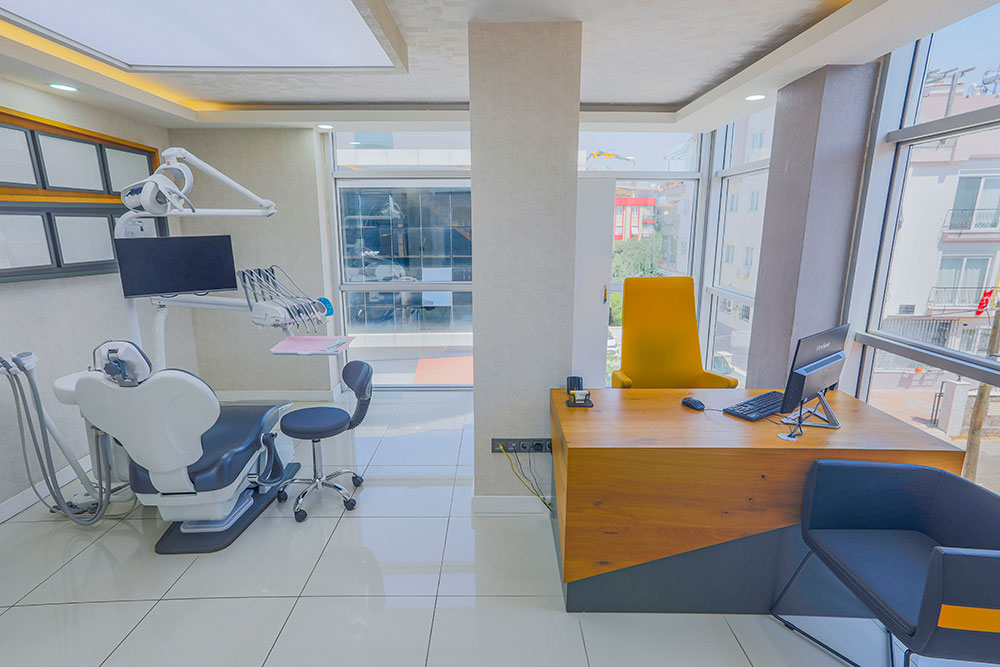
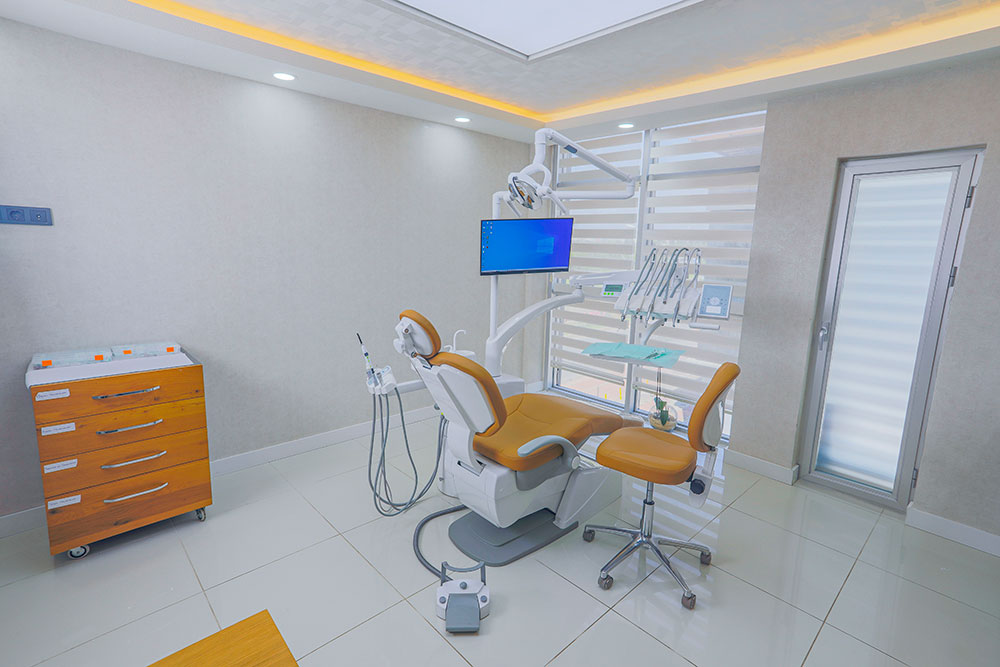
Located in the heart of Antalya, our clinic combines trusted experience with the latest dental technology. Our skilled and caring dentists create healthy, natural and long-lasting results — and from your first consultation to your final check-up, you'll feel cared for not just as a patient, but as part of our family.
- Specialist Dentists
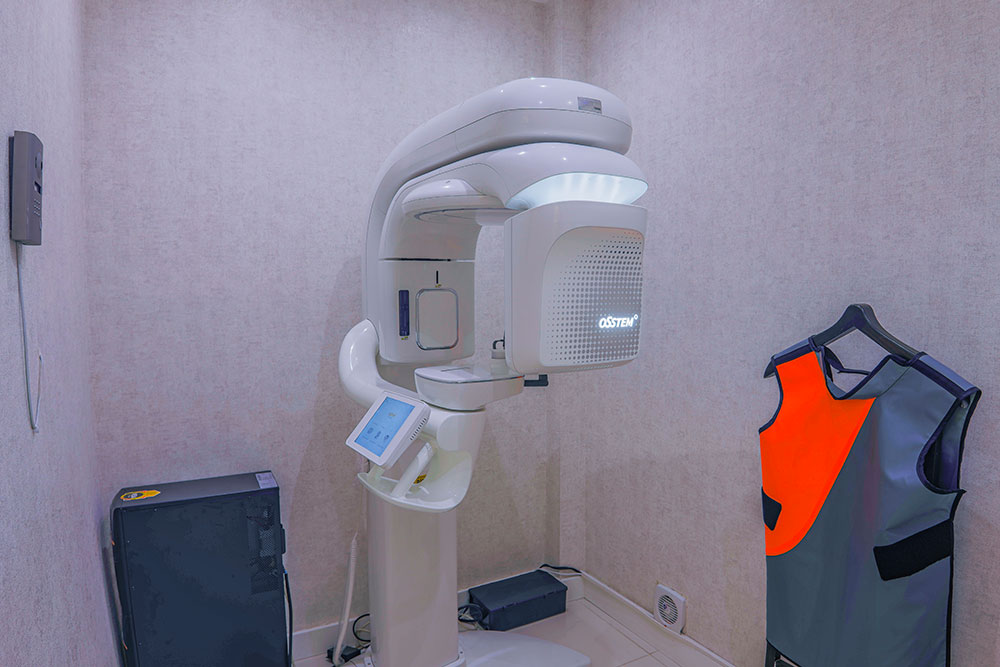
- Latest Technology
- Modern, Hygienic Clinic
- Patient Coordinators
Our Services
Comprehensive cosmetic and restorative dentistry, planned around you.

Smile Makeover
A complete, natural-looking smile design planned around your face and goals.
Learn more
Dental Implants
A permanent replacement for missing teeth with a titanium root and natural crown.
Learn more
All-on-4 Implants
A full fixed arch of teeth supported by just four implants.
Learn more
All-on-6 Implants
A full fixed arch on six implants for extra stability and support.
Learn more
Laminate Veneers
Ultra-thin porcelain shells that refine the shape and shade of your teeth.
Learn more
Dental Crowns
Strong, aesthetic caps that protect and restore damaged teeth.
Learn more
Dental Bridges
A fixed solution that fills the gap left by one or more missing teeth.
Learn more
Teeth Whitening
A safe, professional treatment for a brighter, fresher smile.
Learn moreBehind Every Smile, a Story
Hundreds of patients have walked through our doors and left with far more than a new smile — they left with confidence. Let us write your story, too.
Trusted by Patients Around the World
Real experiences from real Umut Dental Clinic patients.
My visit to Umut dental clinic was amazing.
FATIH SUNAR was my dentist he is an amazing dentist, i wasn't the easiest of patients through nerves.
I couldn't be happier with the overall service i received.
I would whole heartily recommend this clinic for any treatments.
Thankyou
I was quite nervous before I sat in the chair, but once there i was made feel comfortable and relaxed.
I had quite a bit of work done and what I really liked was the speed my dentist worked at,, I was out of the chair with 7 implants in less than 2 hours ..
The place is spotless , the equipment is more than up to date.
The price I was quoted was the price I paid. I will return for yearly check ups as I wouldnt want anyone else looking after me.
Well done to a very professional team !!
My doctor was Faith Sunar, I'm very pleased with how professional he was and how much care he took in his work to make sure I was happy with my new teeth.
They corrected my problems and give me a new set as my old ones were not fitting properly, which was under my gaurentee.
I was seen each day for 4 days , they made sure everything was perfect before I flew back home to England uk.
The clinic was exceptionally clean and spotless.
Beyza was very helpfull to our needs and spoke very good English , she was very kind from start to finish.
Is definitely 100./. Recommend this dentist practice to anyone I'd give them 10/10.
Had excellent treatment with UMUT - extremely well organised and professional. I was talked through the procedure all the way through, given medication which made the process pain free and bearable. My dentist was lovely and only happy when everything was absolutely perfect. When you have so much choice of dentistry in Antalya, it can feel like a very hard decision to make but I would totally recommend this clinic. Thanks again to my fabulous dentist Tugce Aricetin
What a perfect clinic from start to finish I would recommend them to anyone around the world so professional hygiene is amazing on my life you would think you was in a clinic were the famous people go the United Kingdom doesn't even come close to Umut dental clinic I couldn't be happier 12 out of 10 best thing I've ever done so happy thank you umut thank thank you and thank you Dentist Tugce and thank you to the whole team
it was great service and very helpfull friendly team also the transport to clinic was excellent. the hotel also was nice and friendly people and nice breakfast. i'm looking forward to visit Antalya and all the nice people in april again, very beutifull beach also. thank you for helping me and i hope to see you in april for finishing
I had dental treatment at Umut Clinic Antalya, and I can confidently say—three years later—that this clinic truly delivers on its promise of quality and guarantee. The results of my treatment have remained excellent over time, and I'm still very happy with everything they did.
The entire team is extremely friendly, professional, and caring. The dentists are highly trained and very experienced, which immediately gave me a sense of trust and security. They took time to explain everything clearly and made sure I felt comfortable throughout the process.
What also sets Umut Zahnklinik apart is their exceptional service for international patients. From airport pickup to accommodation support, everything was well-organized and stress-free. You really feel taken care of from start to finish.
I can highly recommend Umut Zahnklinik to anyone looking for high-quality dental care in Turkey. A great clinic with lasting results and a warm, welcoming team!
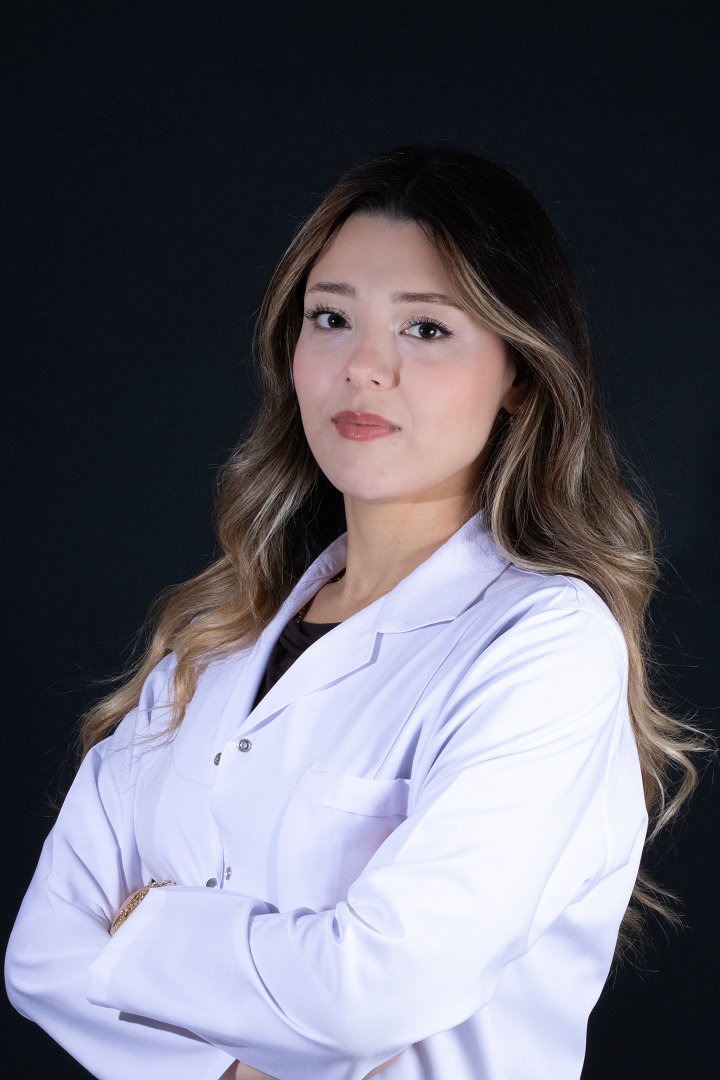
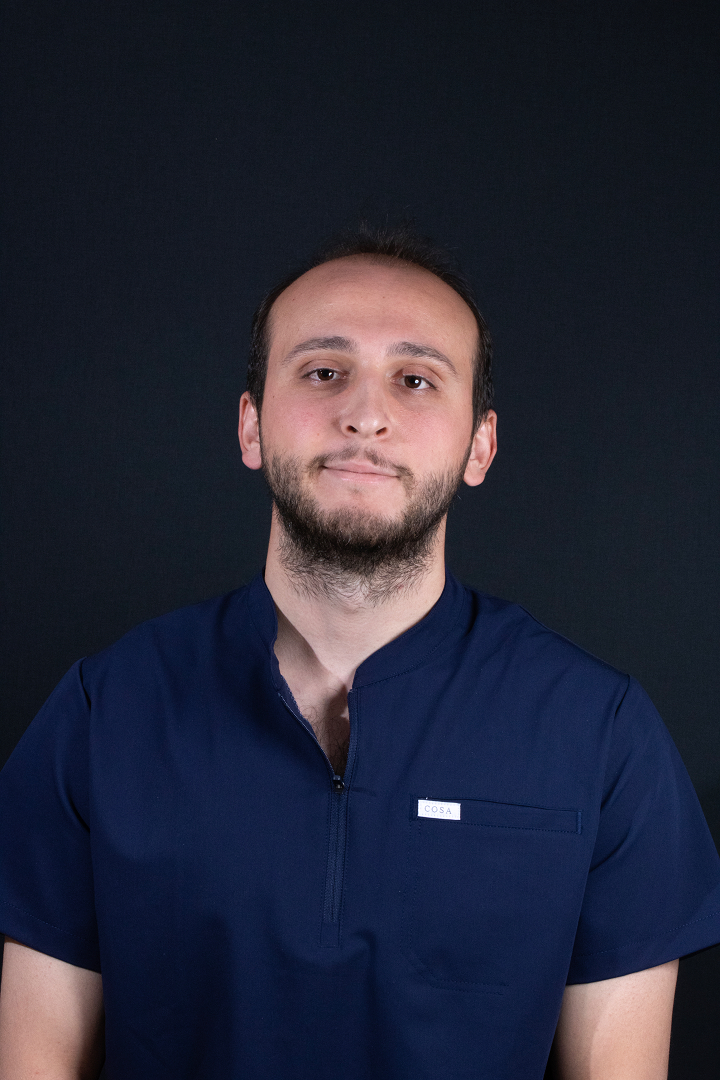
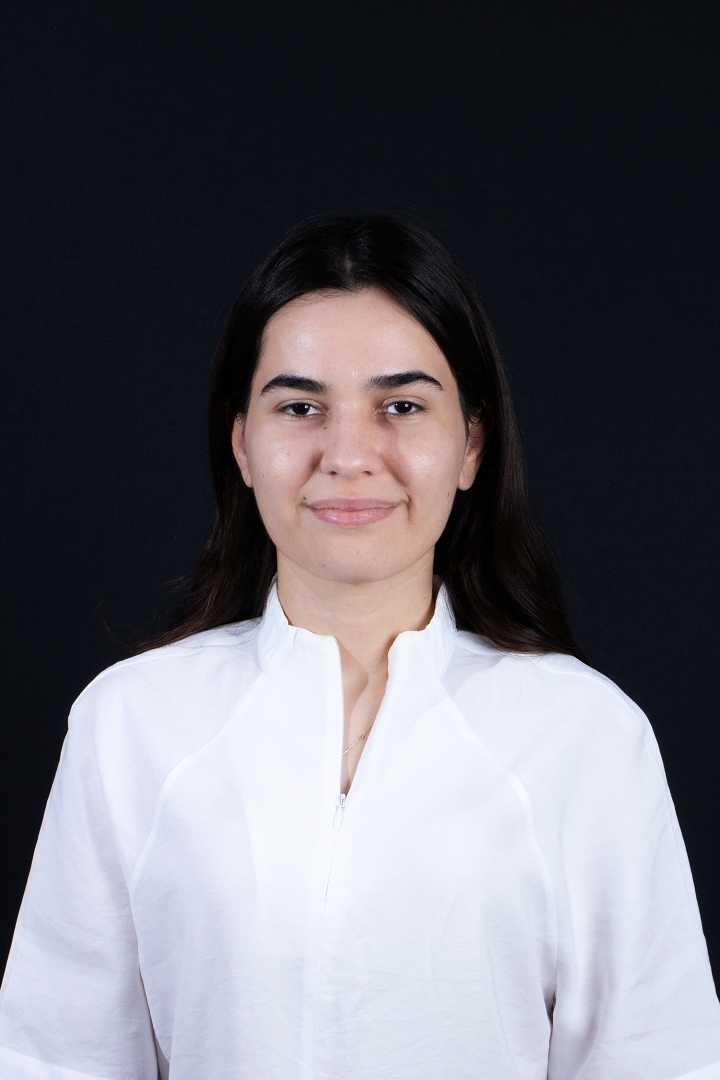
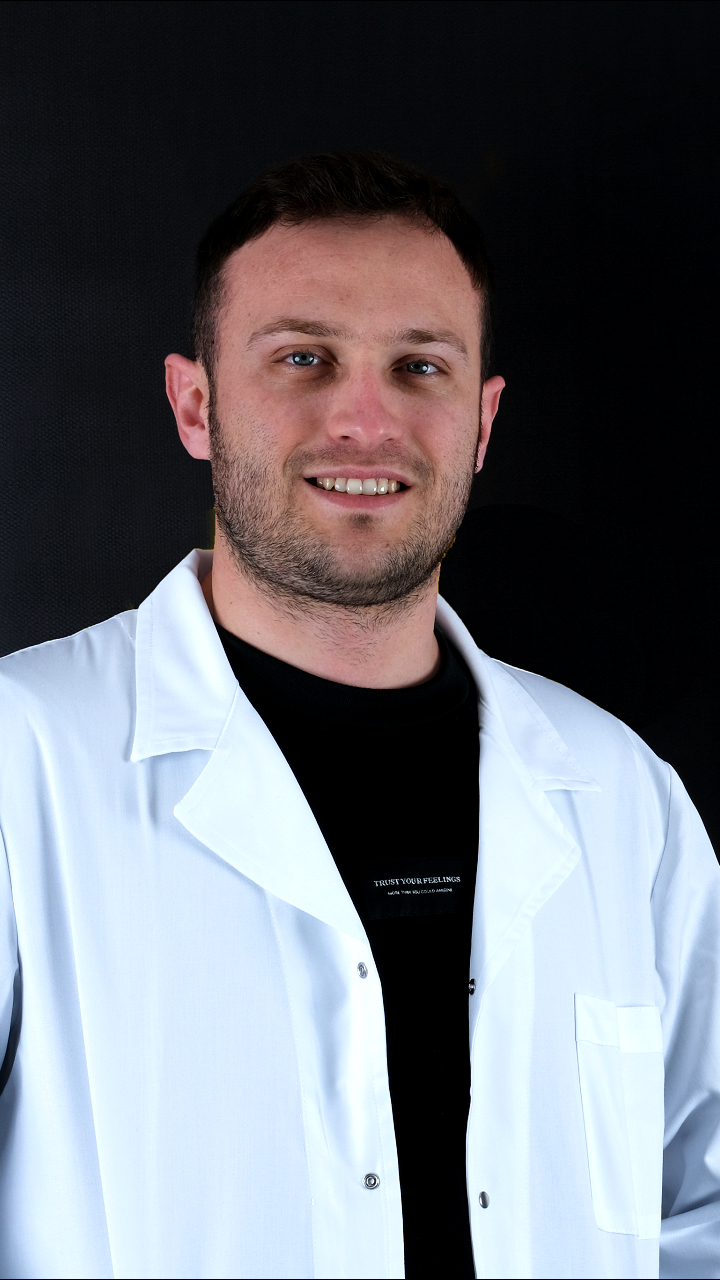
Meet Our Doctors
Experienced clinicians dedicated to natural, healthy and long-lasting smile outcomes.

Dr. Osman Cengiz
Clinic Founder
Dr. Ayşe Dilara Yüzgeç
Dentist
Dr. Fatih Sunar
Dentist
Dr. Tuğba Taş Mammadov
Dentist
Dr. Melisa Köse
Dentist
Dr. Abdullah Zeki Ceylan
Dentist
Dr. Merve Yıldırım
Dentist
Dr. Samet Dönmez
DentistOnline Consultation
Leave your contact information and we will contact you soon.