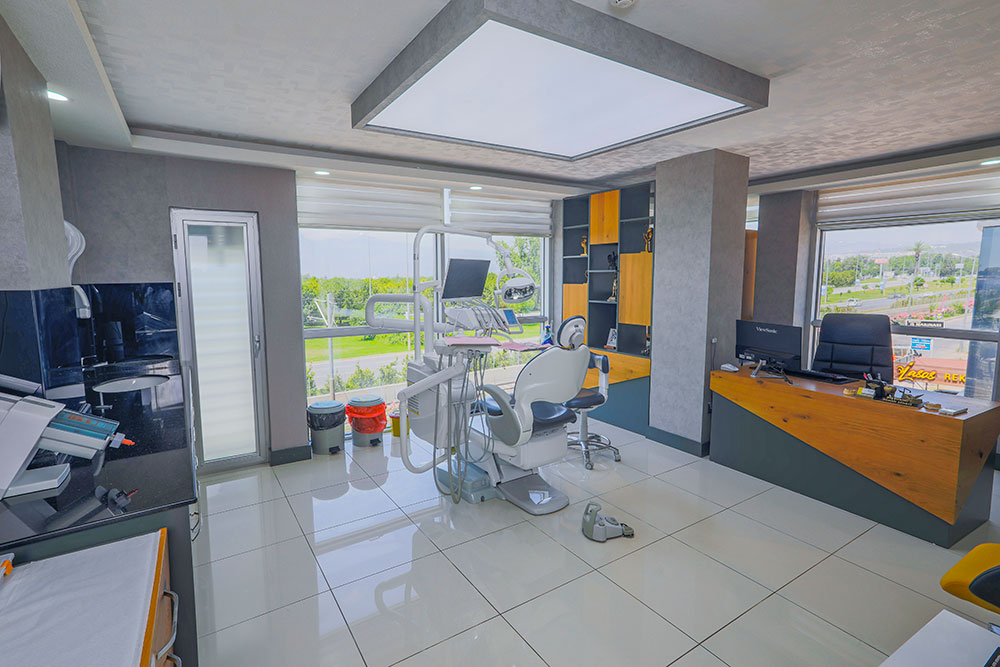
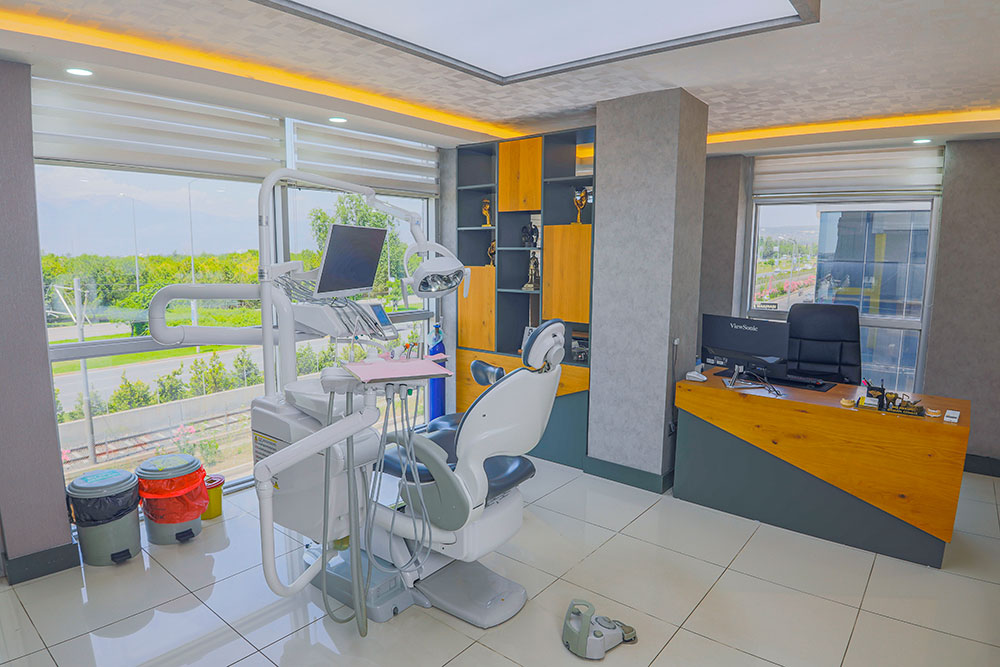
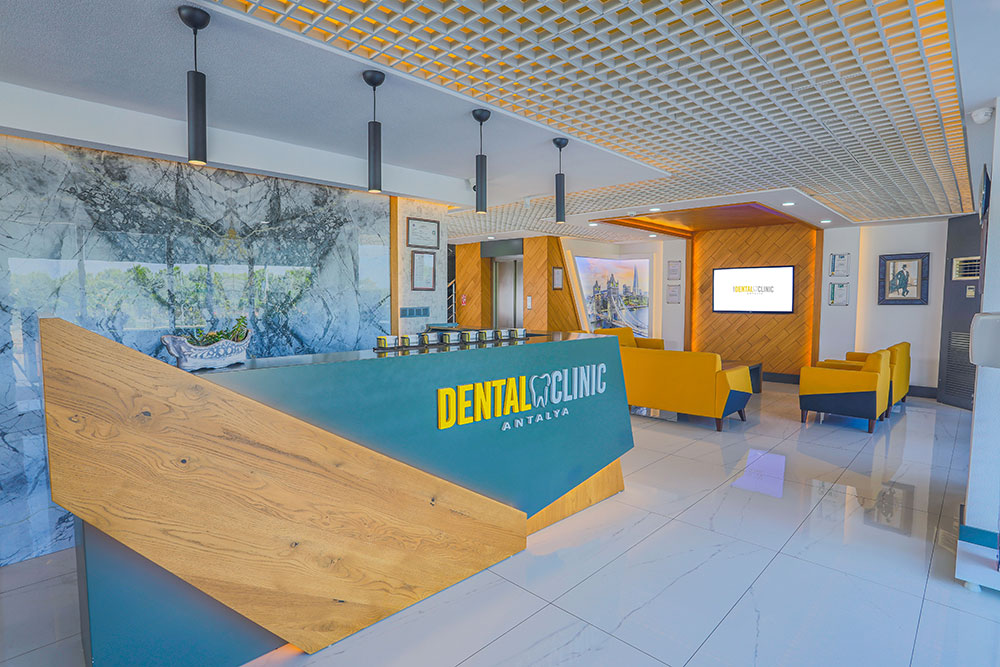
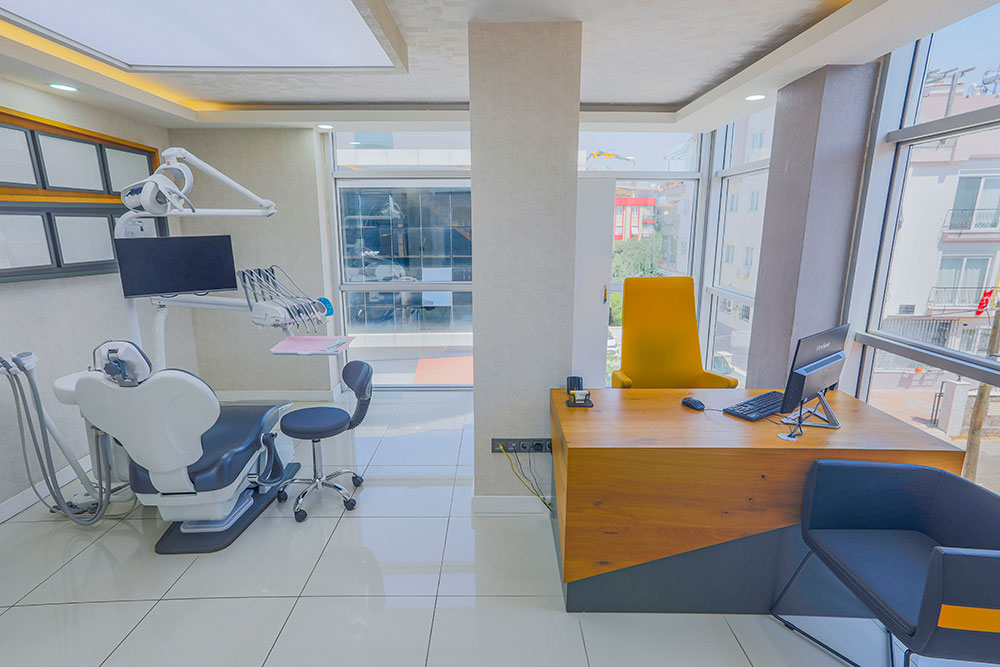
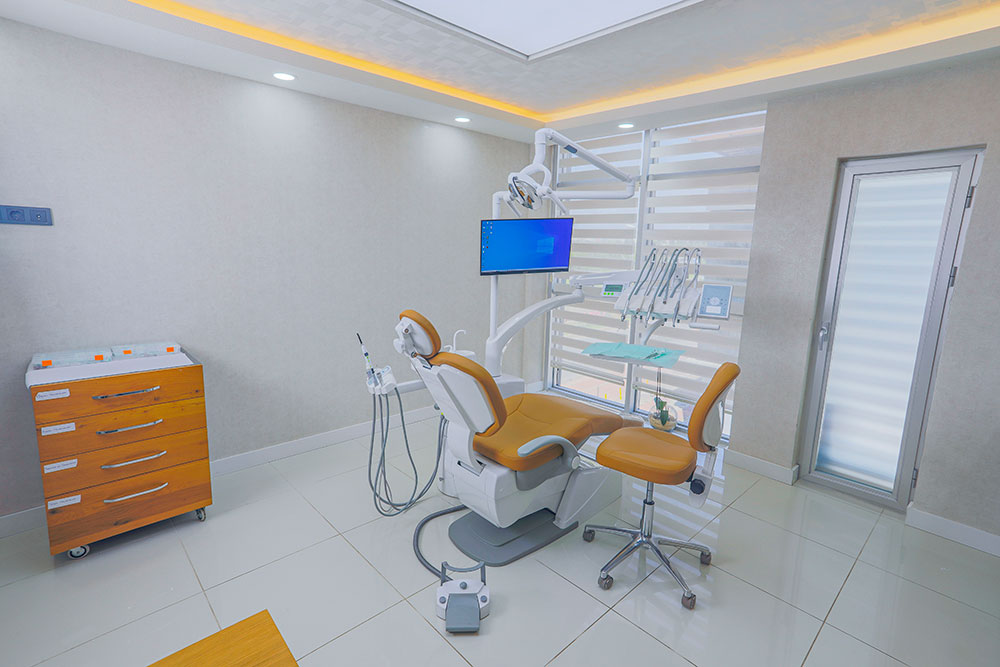
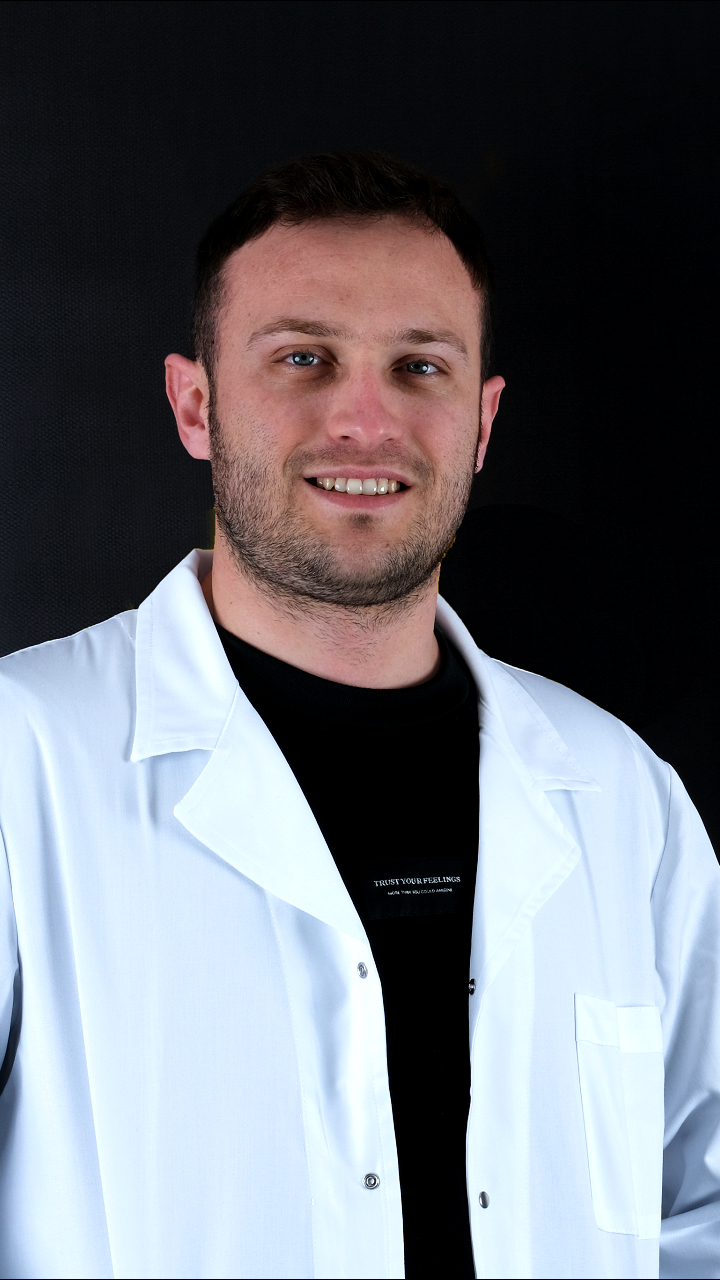
This is by far the easiest review I have ever done. Umut Dental Clinic is the one stop shop for everything dental which is so very important. These people are true professionals from the front door to the engine room and beyond. I have made friends with my dentist Dr Osman the head of Umut Dental Clinic and he leads by example and creates a fantastic experience and outcome for us their clients. I am more than happy to recommend Umut Dental Clinic for all your dental works and answer any of your questions. Make the right call. Call Umut Dental Clinic.
Lumineers
3 Steps to a Healthy Smile
From your first message to your final check-up, we're with you at every stage of your treatment journey.
Online Consultation & Planning
Share your details and photos with us. Our patient advisors evaluate your case with our dentists and prepare a personalised treatment plan with clear timelines and pricing.
Arrival & Treatment
We help organise your travel and stay. Once you arrive, all examinations and treatments are carried out in our fully equipped clinic in Antalya.
Book AppointmentYour New Smile & Aftercare
Your treatment is completed as planned. Enjoy your healthy, confident smile, relax in Antalya — and stay in touch with us for aftercare once you're home.
Get a Free Quote
Lumineers are ultra-thin, custom-made porcelain shells that are bonded to the front surface of your teeth to improve colour, shape and alignment with minimal alteration of the natural tooth. They are a type of “no-prep” or “minimal-prep” veneer, often used when you want cosmetic improvement but your existing teeth are already relatively healthy and straight. Lumineers may be considered for teeth that are discoloured, slightly chipped, spaced, mildly misaligned or worn, when whitening or simple bonding is not enough. On this page, you will learn what Lumineers are, who is suitable, how the assessment and procedure work, what to expect during recovery, how to care for them, and when other options such as conventional veneers or a full smile makeover may be more appropriate.
What are Lumineers and how are they different from veneers?
Lumineers are very thin porcelain coverings applied to the front of teeth to improve their appearance, and they differ from traditional veneers mainly in thickness and the amount of tooth preparation usually required. They are designed to be as thin as a contact lens, while still being strong enough for everyday biting and speaking. Because of this thin structure, they often allow the dentist to keep more of your natural tooth enamel.
Traditional porcelain veneers are also shell-like restorations, but they are usually slightly thicker. To make space for them and to avoid a bulky look, a small amount of tooth enamel is typically removed from the front and sometimes the edge of the tooth. This preparation is permanent and cannot be reversed. Lumineers, by contrast, may be placed with little or no enamel removal in suitable cases, which can be appealing if you prefer a more conservative approach.
Both Lumineers and conventional veneers aim to correct similar cosmetic issues, such as discolouration that does not respond well to teeth whitening, small gaps, slight misalignment, and minor chips or wear. The choice between them depends on your bite, tooth position, enamel thickness, the degree of colour change needed and your expectations. In some mouths, ultra-thin veneers can look slightly bulkier or may not mask very dark stains as effectively as thicker veneers. In others, they provide a natural outcome with minimal drilling.
Lumineers are permanently bonded using special dental adhesives. They are not clip-on or removable covers. Once bonded, they function much like regular veneers: you can eat, speak and clean your teeth normally, with appropriate care. A dentist will explain whether your tooth structure and bite allow for a “no-prep” approach, or whether some gentle contouring or a different veneer style would provide a healthier and more balanced result.
Who is a good candidate for Lumineers?
A good candidate for Lumineers is someone with generally healthy teeth and gums who wants to improve the shape, colour or alignment of front teeth with minimal alteration of enamel. The ideal situation is when the teeth are mostly straight, with minor cosmetic issues rather than major structural or bite problems.
You may be suitable for Lumineers if you have:
- Persistent tooth discolouration that does not respond enough to professional whitening, such as deep internal stains or uneven colour.
- Small chips or cracks on the front surfaces of teeth that are cosmetic, not large fractures involving most of the tooth.
- Minor gaps or spaces between teeth, especially between the upper front teeth, when orthodontic treatment is not desired.
- Mild crowding or alignment issues where teeth are slightly rotated or uneven but the overall bite is reasonably balanced.
- Worn or short-looking teeth where you want a more even or proportionate smile line.
Your gums should be healthy, without active gingivitis or periodontitis (inflammation and bone loss around teeth). If there is gum disease, it usually needs to be treated first, often with professional cleaning and ongoing home care, before any type of veneer can be considered.
Good candidates also have enough natural enamel for bonding. Even though Lumineers are thin, they need a stable, clean enamel surface for long-term adhesion. If your teeth have large fillings on the front, or significant enamel loss from erosion or grinding, the dentist may advise different restorations, such as dental crowns, which wrap around the tooth and provide more strength.
Expectation management is important. Lumineers can significantly improve appearance, but they have limitations. For example, they usually cannot correct severe crookedness, large overbites or underbites, or very dark discolouration as predictably as thicker veneers or orthodontic treatment. A good candidate understands these limits and is willing to accept a realistic, natural-looking change rather than an artificial effect.
Finally, good candidates are ready to maintain excellent oral hygiene and attend regular check-ups. Daily brushing and flossing, avoiding habits like nail biting or opening packages with teeth, and attending a routine oral check-up and professional cleaning at recommended intervals help protect both the Lumineers and the underlying teeth.
More about Lumineers
When are Lumineers not suitable?
Lumineers are not suitable when there are significant underlying dental or bite problems, or when the cosmetic goals cannot be safely achieved with ultra-thin porcelain. The dentist’s responsibility is to protect your oral health first, even when the main reason for treatment is cosmetic.
Situations where Lumineers may not be appropriate include:
- Moderate to severe crowding or misalignment where teeth are rotated, overlapping or out of the dental arch. In these cases, orthodontic treatment such as braces or clear aligners is usually considered first.
- Very dark staining from conditions affecting tooth development, old restorations shining through, or internal discoloration after trauma. Ultra-thin porcelain may not block these colours sufficiently, leading to a less satisfying result.
- Heavily restored or damaged teeth with large fillings, cracks running through the tooth, or big pieces missing. Such teeth often need stronger coverage, such as crowns or onlays, rather than thin veneers.
- Active tooth decay or gum disease. Any cavities, infected roots or periodontal issues must be treated and stabilised before considering any cosmetic covering. Simply bonding Lumineers over diseased teeth does not solve the underlying problem and can make it harder to access later.
- Very strong bite forces or grinding/clenching (bruxism). People who grind heavily are at higher risk of chipping or debonding any type of veneer. Sometimes a night guard can be used, or a different restorative plan is advised.
- Severely worn-down teeth or very thin enamel. If the enamel is already significantly lost, bonding may be less predictable. Thicker restorations or crowns might be safer.
Certain medical situations can affect timing. Uncontrolled diabetes, immune conditions affecting healing, recent head and neck radiotherapy, or some blood-thinning treatments may require dental work to be carefully coordinated with your physician. Pregnancy is not an absolute barrier, but elective cosmetic procedures are often postponed, especially in the first trimester, unless there is a functional need.
Very high expectations or a desire for a result that does not match the facial features and bite can also make Lumineers an unsuitable choice. For example, asking for extremely white, thick-looking teeth that do not fit the lips or jaw can lead to a less natural appearance and functional issues. In those cases, the dentist may suggest a broader treatment plan, possibly involving orthodontics, gum contouring or different types of veneers to reach a balanced outcome.
The final decision is always made after a full examination, X-rays and sometimes digital planning. The dentist will explain why Lumineers might not be recommended and will outline safer or more predictable alternatives.
How are teeth assessed before Lumineers?
Before Lumineers are planned, the dentist carries out a detailed assessment of your teeth, gums and bite to check whether ultra-thin veneers are suitable and safe for you. This evaluation is essential to avoid problems later and to design a result that fits your smile and facial features.
The assessment usually includes the following steps:
- Medical and dental history: You will be asked about general health, medications, allergies, habits like smoking or grinding your teeth, and previous dental treatments. This information helps identify any risks or issues that may influence healing or bonding.
- Clinical examination: The dentist checks each tooth for decay, cracks, existing fillings, enamel thickness and sensitivity. Gums are examined for signs of inflammation, bleeding, pockets or recession. The way your upper and lower teeth meet (occlusion) is also evaluated to see how forces are distributed when you bite and chew.
- Imaging: X-rays are often taken to assess roots, bone levels, any hidden decay and previous root canal treatments. In some complex cases, other imaging methods may be recommended to better understand the bone and tooth structure.
- Photographs and digital scans or impressions: Photos of your face, smile and teeth from different angles help with planning and communication. Digital scans or traditional impressions are used to create 3D models of your teeth, which can be used to design the Lumineers.
During this stage, the dentist and patient usually discuss goals and expectations in detail. For example, you may be asked what you dislike about your current teeth (colour, shape, gaps, length) and what kind of change you are hoping for. The dentist may show shade guides, sample photos, or digital simulations to clarify possible outcomes and limitations.
Sometimes a diagnostic wax-up or mock-up is made. This is a temporary model or material placed on the teeth to preview potential changes in length and shape. You can look in the mirror, speak and smile to see how the planned design works for you. This step does not represent the final result exactly, but it helps you and the dentist agree on a realistic plan.
If any problems such as gum disease, decay or inadequate oral hygiene are found during assessment, these are usually treated first. Only after the foundation is healthy is it sensible to invest in Lumineers or any other type of veneer.
How does the Lumineers procedure work step by step?
The Lumineers procedure typically follows a clear sequence of assessment, planning, preparation, try-in and final bonding, spread over at least two visits. The exact steps can vary slightly between patients, but the general process is similar.
A typical step-by-step process looks like this:
- Initial consultation and examination: Your first visit focuses on a full check of teeth and gums, X-rays if needed, photographs, and a discussion of your expectations. The dentist explains what Lumineers can and cannot do in your case.
- Impressions or digital scans: If you are suitable, detailed records of your teeth are taken. These provide the information needed to design your custom Lumineers in a dental laboratory.
- Treatment planning and shade selection: You and the dentist select an appropriate colour and general shape range. The aim is usually a natural result that suits your skin tone, lips and age, unless you request a brighter look within safe limits.
- Tooth preparation if required: Many Lumineers cases involve little or no drilling. In some situations, very small adjustments to the enamel are made for better fit or to avoid a bulky appearance. Local anaesthesia may or may not be used, depending on sensitivity and the amount of work needed.
- Laboratory fabrication: The records are sent to a specialised dental lab, where technicians create the ultra-thin porcelain shells. This can take several days to a few weeks, depending on logistics and case complexity.
- Try-in appointment: At a second visit, the Lumineers are placed temporarily on the teeth without final cement. You can see the colour and shape, and the dentist checks the fit, bite and contact points between teeth. Minor adjustments may be made.
- Bonding: Once you and the dentist are satisfied, the teeth are cleaned and prepared for bonding. A special adhesive is applied, and each Lumineer is set in position. Excess bonding material is removed, and the adhesive is hardened with a curing light.
- Final checks and polishing: The dentist evaluates your bite carefully, making sure you can close, chew and speak comfortably. Edges are polished for smoothness, and any necessary fine-tuning is carried out.
You are usually given instructions about eating, cleaning and any short-term precautions. In some cases, a follow-up visit after a week or two is recommended to re-check the bite and gum response, and to address any small adjustments or questions you may have.
How long does it take to get Lumineers?
Getting Lumineers usually takes between 1 and 3 weeks from the first treatment visit to final placement, depending on the number of teeth involved, the complexity of your case and laboratory schedules. The overall process includes initial consultation, planning, impression taking, lab fabrication and the fitting appointment.
Most patients need at least two main visits after the initial assessment. During the first working visit, the dentist performs any needed tooth preparation, takes precise impressions or scans, photographs, and finalises the design and colour choices. This appointment can last from 60 minutes to a few hours, depending on how many Lumineers are planned.
After this visit, the dental laboratory requires time to create your custom porcelain shells. This stage usually takes several days to a couple of weeks. If you are travelling from abroad, your treatment can often be scheduled so that the laboratory work fits within your stay, but the exact timing must be confirmed in advance.
The second main visit involves trying in and bonding the Lumineers. For a few teeth, this may take around an hour; for a full set on upper and lower teeth, it can take longer. During this time, the dentist carefully checks the fit, adjusts where necessary and bonds the veneers using adhesive materials.
If minor gum treatments, fillings or other preparatory procedures are needed before Lumineers, this can extend the timeline. For example, if you need gum inflammation addressed or old restorations replaced first, more visits spaced over several days or weeks may be necessary. Healing periods are sometimes required between certain treatments and cosmetic work.
Follow-up after bonding is often scheduled within 1 to 2 weeks. This appointment is usually shorter and is used to ensure everything is comfortable, the bite is balanced and you are cleaning the new surfaces properly. Long-term, you will still need regular check-ups and cleanings based on your individual risk for decay and gum disease.
Do Lumineers require tooth preparation or shaving?
Lumineers often require little or no tooth preparation compared to traditional veneers, but some gentle enamel contouring may still be necessary in certain cases to achieve a natural and functional result. The key idea is to be as conservative as possible while avoiding a bulky or over-contoured appearance.
In ideal situations where teeth are slightly set back, not crowded and relatively even, Lumineers can sometimes be bonded directly onto the existing enamel. Because the porcelain is very thin, it can blend with the tooth without adding excessive thickness. This “no-prep” approach helps preserve enamel, which is beneficial for tooth strength and sensitivity.
However, many mouths are not perfectly suited to completely no-prep placement. If teeth are already protrusive, very wide, or have uneven surfaces, adding porcelain on top without any adjustment could create a thick, unnatural look, or could interfere with your bite or speech. In such cases, the dentist may recommend minimal preparation. This typically means smoothing or shaving a very small layer of enamel from specific areas rather than heavy drilling around the entire tooth.
The amount of preparation is determined individually, based on models, photos and sometimes mock-ups. The aim is to remove only what is necessary to provide room for the porcelain and ensure the edges of the Lumineers transition smoothly into the natural tooth. Local anaesthesia may or may not be used, depending on your sensitivity and the scale of the work.
Even though the preparation for Lumineers is usually less than for conventional veneers, it is still considered an irreversible procedure if any enamel is removed. Once enamel has been shaved or reshaped, it does not grow back. For this reason, it is important to be completely informed about the benefits, alternatives and long-term implications before deciding to proceed.
If your dentist believes that the amount of preparation needed would be similar to full traditional veneers because of your tooth position or colour, they may recommend standard veneers instead. In other situations, orthodontic movement or other treatments might be suggested prior to any kind of veneer to limit the amount of enamel adjustment required.
What is recovery like after Lumineers?
Recovery after Lumineers is usually straightforward, with most people returning to normal daily activities the same day, but it is still common to experience short-term sensitivity or mild discomfort as your mouth adjusts. Because Lumineers are bonded to the outer surface of the teeth, there is no surgical wound, and healing mainly involves the gums and teeth adapting to the new surfaces.
In the first few days after placement, you may notice:
- Increased tooth sensitivity to hot or cold foods and drinks. This usually decreases over days to a few weeks as the teeth settle.
- Slight gum soreness or inflammation around the margins where the Lumineers meet the gums, especially if the area was kept dry and retracted during bonding.
- Minor changes in speech, particularly with “s” and “t” sounds, as your tongue learns the new shape of the teeth. This usually improves quickly.
- A different bite feeling when your teeth come together. A precise adjustment is important, and your dentist will check this carefully; sometimes a small adjustment at a follow-up visit is helpful.
Simple measures often help with these early sensations. Eating softer foods on the first day or two, avoiding extreme temperatures, and chewing slowly can reduce discomfort while you get used to the Lumineers. If soreness or sensitivity is more noticeable, your dentist may recommend suitable pain relief or sensitivity management options.
Daily cleaning is vital from the first day. You should brush gently but thoroughly with a soft-bristled toothbrush and non-abrasive toothpaste, and clean between the teeth using floss or interdental brushes as advised. The edges where the Lumineers meet the teeth and gums need special attention to reduce the risk of plaque build-up, decay or gum inflammation.
You should contact a dentist promptly if you experience strong persistent pain, facial swelling, fever, ongoing bleeding, or any difficulty swallowing or breathing, as these are not typical after Lumineers and may indicate another dental or general health issue that needs urgent evaluation.
A routine review visit is often suggested within the first couple of weeks. This allows your dentist to confirm that the gum tissue is healthy, the bite is balanced, and there are no areas of roughness or excess bonding material. Many minor concerns, such as a small rough edge or slight bite interference, can be quickly corrected at this stage.
What can you eat after Lumineers?
After Lumineers are bonded, you can usually eat a wide variety of foods, but it is sensible to be cautious for the first few days and to avoid habits that place excessive stress on the new porcelain surfaces. The goal is to protect both the veneers and the underlying teeth while you adjust.
Immediately after the bonding appointment, your mouth may still feel numb if local anaesthesia was used. While you are numb, it is safer to avoid chewing hard foods or drinking very hot liquids, as you could accidentally bite your cheek or tongue, or fail to notice temperature that could burn the tissues. Once sensation has returned, you can gradually return to a normal diet.
During the first days, many people prefer softer foods such as yoghurt, soups that are not too hot, pasta, fish, eggs, cooked vegetables and soft fruits. These place less pressure on teeth while any initial tenderness or sensitivity settles. As you become more comfortable, you can reintroduce a wider range of foods.
In the longer term, you do not need a special diet for Lumineers, but certain behaviours are best avoided:
- Avoid biting directly into very hard items such as ice, hard sweets or nutshells.
- Do not use your teeth as tools to open packages, cut thread or hold hard objects.
- Be cautious with very sticky sweets that can tug at the edges of veneers.
- If you grind your teeth, especially at night, talk to your dentist about a protective night guard.
Strongly pigmented foods and drinks such as coffee, tea, red wine, dark sauces and highly coloured berries can stain natural teeth and any bonding material at the margins. Porcelain itself is quite stain-resistant, but the edges where it meets your natural enamel may become discoloured over time if exposed frequently to staining substances and if oral hygiene is not ideal. Rinsing with water after such foods and maintaining regular brushing helps reduce this effect.
Good hydration, a balanced diet rich in vitamins and minerals, and limiting sugary snacks also support gum health and help protect the underlying teeth from decay. If you are unsure whether a particular food could harm your Lumineers, discuss it during your follow-up appointment so advice can be tailored to your bite and lifestyle.
What are the possible risks and complications of Lumineers?
Lumineers, like all dental treatments, carry potential risks and complications, even though many patients tolerate them well. Understanding these possibilities helps you make an informed decision and notice early signs if something is not quite right.
Common or possible issues include:
- Tooth sensitivity: Some people experience increased sensitivity to hot, cold or pressure after Lumineers are placed, especially if any enamel was removed. This often improves over days to weeks, but in a minority of cases, sensitivity can persist and may need further evaluation.
- Gum irritation or inflammation: If the margins of the Lumineers extend too close to or under the gum line, or if plaque accumulates around them, the gums can become red, swollen or bleed when brushing. Careful design and good hygiene help minimise this.
- Chipping or fracture of the porcelain: Veneers are strong but brittle. Biting on hard objects, trauma, or uncontrolled grinding can chip or crack them. Small chips can sometimes be polished or repaired with composite, but larger fractures may require replacement.
- Debonding or loosening: Over time, a Lumineer can detach partially or fully from the tooth if the bond fails. This may be related to biting forces, trauma, or underlying tooth issues. A loose veneer should be assessed quickly to avoid inhaling or swallowing it and to protect the tooth.
- Colour mismatch or dissatisfaction with appearance: If expectations are not clear, or if the underlying tooth is darker than expected, you might feel the colour or shape is not quite right. Thorough planning and communication reduce this risk, but small differences can occur.
- Decay at the margins: The tooth structure beneath and around Lumineers is still vulnerable to decay if plaque is not properly removed or if a high-sugar diet continues. Decay at the edge of a veneer may require repair or replacement.
- Bite problems or jaw discomfort: If the veneers slightly alter the way teeth meet, you may develop localised tenderness or jaw muscle fatigue. These problems can sometimes be resolved through bite adjustments; ongoing symptoms need investigation.
Rarely, extensive sensitivity or pulpal inflammation (irritation of the tooth nerve) may require root canal treatment on a veneered tooth, particularly if the tooth was already compromised or heavily restored before Lumineers were placed. This possibility should be discussed as part of the consent process.
Certain habits and conditions, such as smoking, untreated grinding, or poor oral hygiene, increase the risk of complications. Regular check-ups allow small issues to be identified early. You should seek prompt dental advice if you notice sudden pain, a change in bite, a visible crack or chip, a veneer that feels loose, or gum swelling or bleeding that does not improve with careful cleaning.
How long do Lumineers last and what affects durability?
Lumineers can last many years, often in the range of 5–15 years or longer, but their durability varies widely between individuals and depends on your oral habits, bite forces, underlying tooth health and how well they were planned and maintained. No veneer can be promised to last a specific number of years in every case.
Several factors influence how long Lumineers may last:
- Oral hygiene: Regular, thorough brushing and flossing help protect the tooth structure around the Lumineers from decay and gum disease. Clean, healthy gums also support the margins of the veneers and reduce the risk of inflammation or recession that can expose edges.
- Bite and chewing forces: People with balanced bites and no heavy grinding forces tend to have fewer chips, cracks or debonding events. Untreated bruxism (clenching or grinding) can significantly reduce the life of any porcelain restoration.
- Habits: Chewing ice, biting nails, opening bottles or packaging with teeth, or regularly eating very hard items can damage or shorten the lifespan of Lumineers.
- Underlying tooth and restoration quality: Teeth that are structurally sound and well-restored provide a stable base. If the natural tooth or older fillings under or near the veneer deteriorate over time, the Lumineer may need to be replaced even if the porcelain itself is intact.
- Gum changes: Gums can recede with age, brushing technique, or periodontal disease. Recession may expose the edge of the veneer or root surface, affecting appearance and possibly requiring replacement or additional treatment.
- Regular dental check-ups: Professional assessment and cleaning help detect small issues before they become major problems, extending the useful life of your veneers.
Over years, some natural wear and tiny surface scratches may occur, but well-made porcelain usually maintains its colour better than composite bonding. If minor cosmetic issues develop, such as light staining at the margins or small chips, they may be improved with polishing or bonding without full replacement.
Eventually, many patients choose or need to have their Lumineers replaced due to changes in the underlying teeth, gums, bite, or personal preferences. Replacement normally involves carefully removing the old veneers, assessing the teeth and then planning new restorations, which may be Lumineers again or another type of veneer or crown, depending on your situation at that time.
Because Lumineers involve some level of alteration or bonding to enamel, the treatment is considered a long-term commitment. Discussing expected longevity, maintenance, and possible future replacement with your dentist before starting helps you understand the full life cycle of this type of cosmetic treatment.
Getting Lumineers in Antalya: visits, stay and follow-up
Getting Lumineers in Antalya usually involves planning your visit carefully so that consultation, impressions, laboratory work and fitting can be completed within your stay. Many international patients choose this option to combine dental care with time in a coastal city, but it is important to allow enough days and keep some flexibility in your schedule.
Typically, you will first have an online discussion or share photos, dental history and any recent X-rays. This allows the dental team to make a preliminary assessment and outline a likely treatment plan and estimated length of stay. At Umut Dental Clinic Antalya, patients can share their details and X-rays for an online consultation before planning travel.
Once you arrive in Antalya, the first in-clinic appointment usually includes a full examination, X-rays if needed, photographs, scans or impressions, and a detailed discussion of your wishes and options. If you are confirmed as a good candidate for Lumineers, this visit may also involve minimal tooth preparation and final shade selection.
The laboratory phase then follows. For many cases, you should expect to stay in Antalya for at least several working days to 2 weeks to allow for fabrication and any trial stages. The exact time depends on how many teeth are involved, whether any other treatments are needed first (such as fillings or gum therapy), and the dental laboratory’s schedule. During this waiting period, you are usually free to enjoy the city, while respecting any basic care instructions your dentist gives.
The fitting appointment is scheduled once the Lumineers are ready. On this day, you try them in, and after your approval and the dentist’s checks, they are bonded permanently. Occasionally, a short additional visit is planned for fine-tuning or bite adjustments, ideally within a few days.
Before you return home, you should receive written or verbal instructions about care, what to watch for, and how to handle any issues that might arise later. It is sensible to arrange follow-up with a local dentist in your home country for ongoing check-ups and cleanings, as regular maintenance remains important wherever the original treatment was done.
If, after returning home, you notice problems such as a chipped or loose Lumineer, increasing pain, or gum swelling, you should contact a dentist promptly. Some non-urgent questions can sometimes be discussed remotely with the clinic that performed the work, using photos or video calls, but hands-on examination by a local professional is often necessary to solve mechanical or biological issues safely.
The information on this page is for general education only and does not replace an examination, diagnosis or treatment. See a dentist for any concerns about your oral health.
Our Clinic
Every smile tells a story — and we've been part of thousands of them for over 17 years.
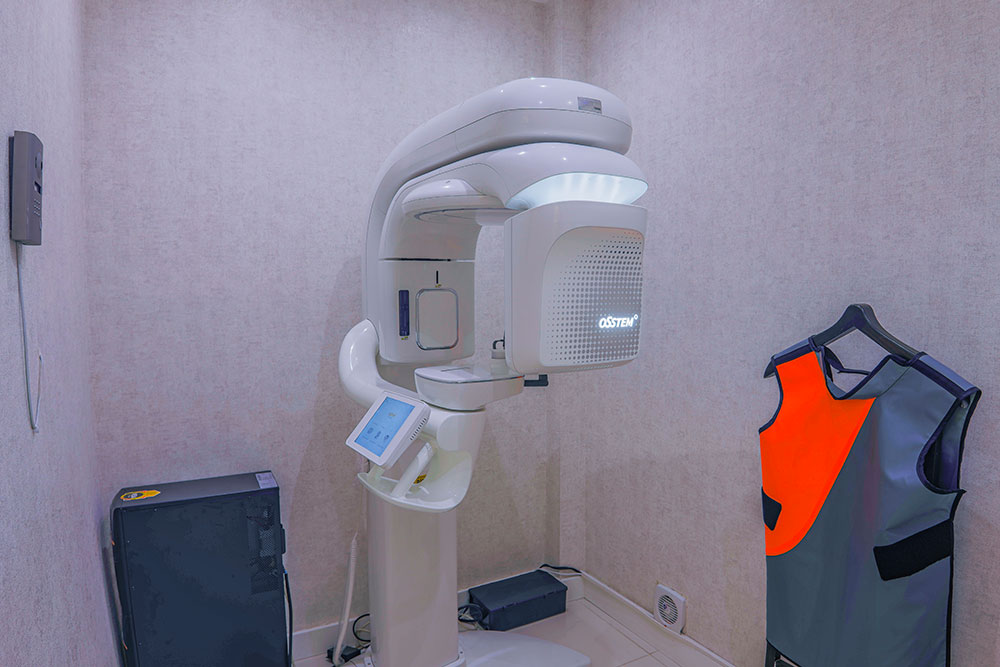
Located in the heart of Antalya, our clinic combines trusted experience with the latest dental technology. Our skilled and caring dentists create healthy, natural and long-lasting results — and from your first consultation to your final check-up, you'll feel cared for not just as a patient, but as part of our family.
- Specialist Dentists
- Latest Technology
- Modern, Hygienic Clinic
- Patient Coordinators
Our Services
Comprehensive cosmetic and restorative dentistry, planned around you.

Smile Makeover
A complete, natural-looking smile design planned around your face and goals.
Learn more
Dental Implants
A permanent replacement for missing teeth with a titanium root and natural crown.
Learn more
All-on-4 Implants
A full fixed arch of teeth supported by just four implants.
Learn more
All-on-6 Implants
A full fixed arch on six implants for extra stability and support.
Learn more
Laminate Veneers
Ultra-thin porcelain shells that refine the shape and shade of your teeth.
Learn more
Dental Crowns
Strong, aesthetic caps that protect and restore damaged teeth.
Learn more
Dental Bridges
A fixed solution that fills the gap left by one or more missing teeth.
Learn more
Teeth Whitening
A safe, professional treatment for a brighter, fresher smile.
Learn moreBehind Every Smile, a Story
Hundreds of patients have walked through our doors and left with far more than a new smile — they left with confidence. Let us write your story, too.
Trusted by Patients Around the World
Real experiences from real Umut Dental Clinic patients.
My visit to Umut dental clinic was amazing.
FATIH SUNAR was my dentist he is an amazing dentist, i wasn't the easiest of patients through nerves.
I couldn't be happier with the overall service i received.
I would whole heartily recommend this clinic for any treatments.
Thankyou
I was quite nervous before I sat in the chair, but once there i was made feel comfortable and relaxed.
I had quite a bit of work done and what I really liked was the speed my dentist worked at,, I was out of the chair with 7 implants in less than 2 hours ..
The place is spotless , the equipment is more than up to date.
The price I was quoted was the price I paid. I will return for yearly check ups as I wouldnt want anyone else looking after me.
Well done to a very professional team !!
My doctor was Faith Sunar, I'm very pleased with how professional he was and how much care he took in his work to make sure I was happy with my new teeth.
They corrected my problems and give me a new set as my old ones were not fitting properly, which was under my gaurentee.
I was seen each day for 4 days , they made sure everything was perfect before I flew back home to England uk.
The clinic was exceptionally clean and spotless.
Beyza was very helpfull to our needs and spoke very good English , she was very kind from start to finish.
Is definitely 100./. Recommend this dentist practice to anyone I'd give them 10/10.
Had excellent treatment with UMUT - extremely well organised and professional. I was talked through the procedure all the way through, given medication which made the process pain free and bearable. My dentist was lovely and only happy when everything was absolutely perfect. When you have so much choice of dentistry in Antalya, it can feel like a very hard decision to make but I would totally recommend this clinic. Thanks again to my fabulous dentist Tugce Aricetin
What a perfect clinic from start to finish I would recommend them to anyone around the world so professional hygiene is amazing on my life you would think you was in a clinic were the famous people go the United Kingdom doesn't even come close to Umut dental clinic I couldn't be happier 12 out of 10 best thing I've ever done so happy thank you umut thank thank you and thank you Dentist Tugce and thank you to the whole team
it was great service and very helpfull friendly team also the transport to clinic was excellent. the hotel also was nice and friendly people and nice breakfast. i'm looking forward to visit Antalya and all the nice people in april again, very beutifull beach also. thank you for helping me and i hope to see you in april for finishing
I had dental treatment at Umut Clinic Antalya, and I can confidently say—three years later—that this clinic truly delivers on its promise of quality and guarantee. The results of my treatment have remained excellent over time, and I'm still very happy with everything they did.
The entire team is extremely friendly, professional, and caring. The dentists are highly trained and very experienced, which immediately gave me a sense of trust and security. They took time to explain everything clearly and made sure I felt comfortable throughout the process.
What also sets Umut Zahnklinik apart is their exceptional service for international patients. From airport pickup to accommodation support, everything was well-organized and stress-free. You really feel taken care of from start to finish.
I can highly recommend Umut Zahnklinik to anyone looking for high-quality dental care in Turkey. A great clinic with lasting results and a warm, welcoming team!
Meet Our Doctors
Experienced clinicians dedicated to natural, healthy and long-lasting smile outcomes.

Dr. Osman Cengiz
Clinic Founder
Dr. Ayşe Dilara Yüzgeç
Dentist
Dr. Fatih Sunar
Dentist
Dr. Tuğba Taş Mammadov
Dentist
Dr. Melisa Köse
Dentist
Dr. Abdullah Zeki Ceylan
Dentist
Dr. Merve Yıldırım
Dentist
Dr. Samet Dönmez
DentistOnline Consultation
Leave your contact information and we will contact you soon.