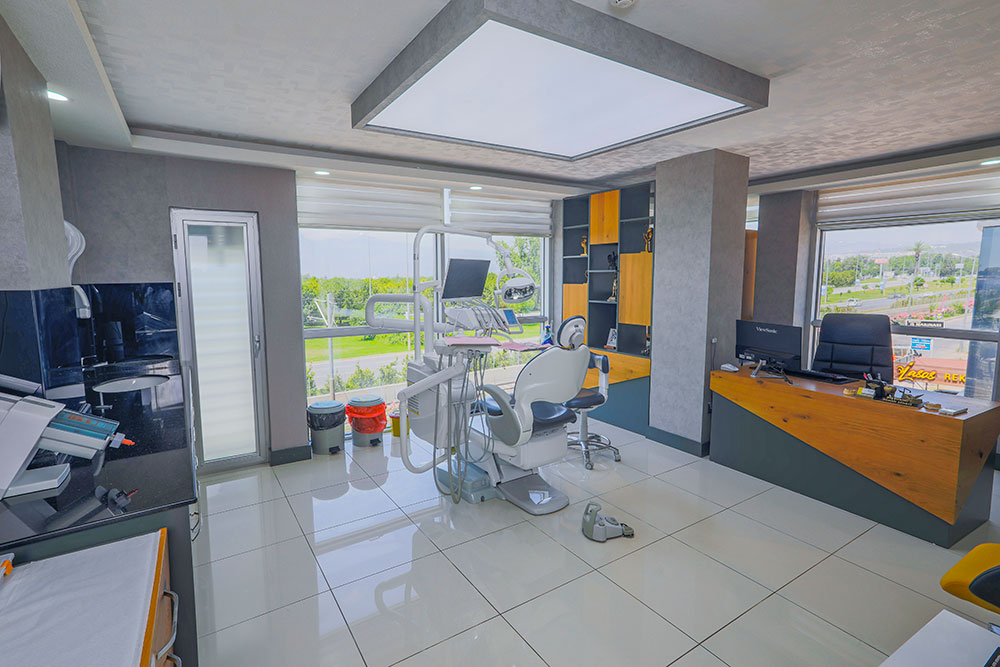
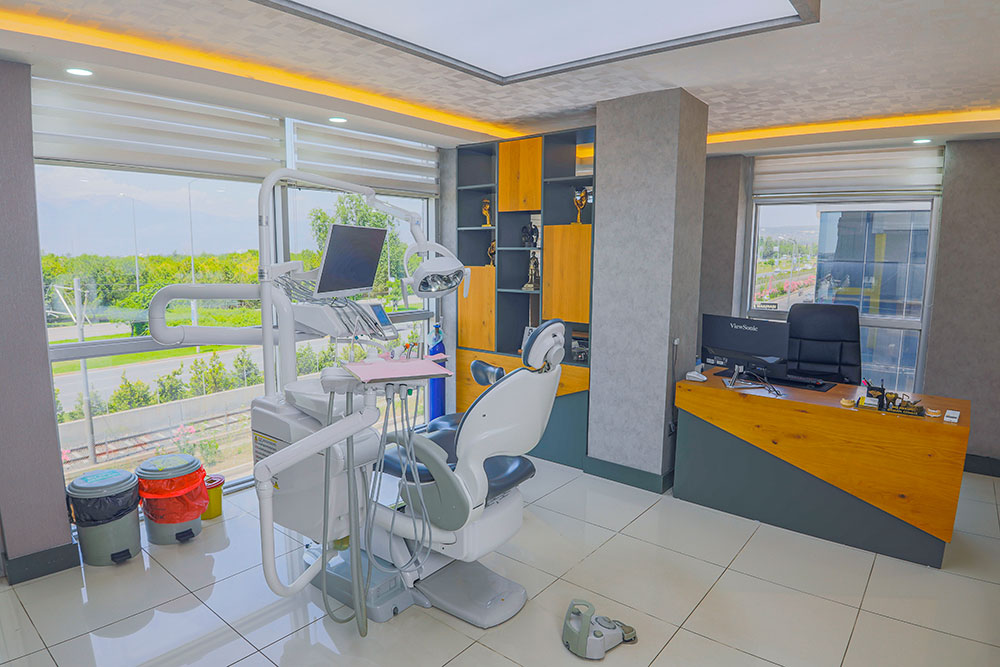
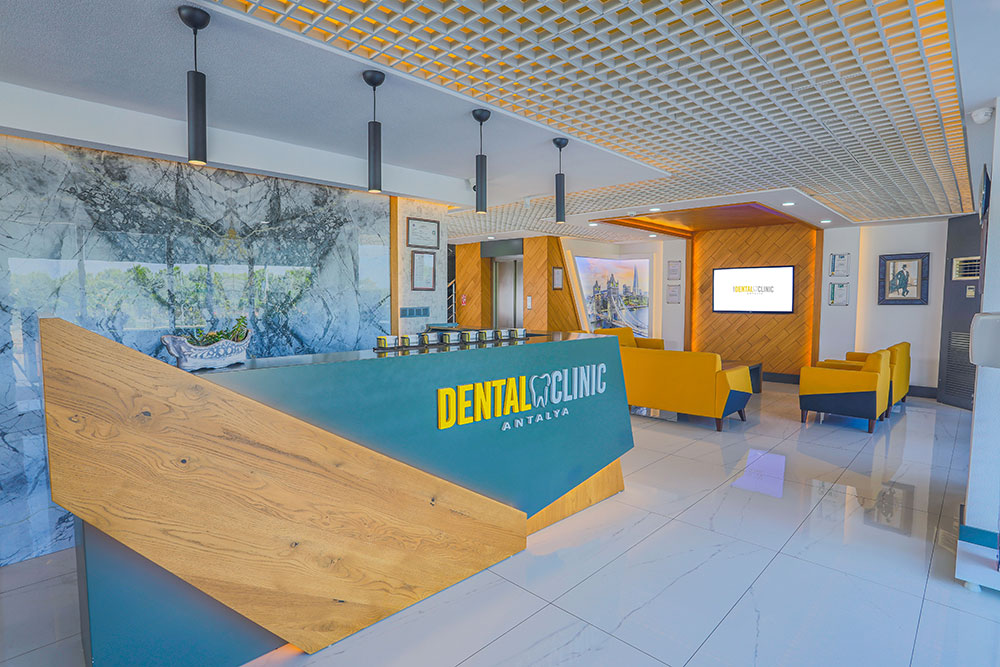
This is by far the easiest review I have ever done. Umut Dental Clinic is the one stop shop for everything dental which is so very important. These people are true professionals from the front door to the engine room and beyond. I have made friends with my dentist Dr Osman the head of Umut Dental Clinic and he leads by example and creates a fantastic experience and outcome for us their clients. I am more than happy to recommend Umut Dental Clinic for all your dental works and answer any of your questions. Make the right call. Call Umut Dental Clinic.
Periodontology
3 Steps to a Healthy Smile
From your first message to your final check-up, we're with you at every stage of your treatment journey.
Online Consultation & Planning
Share your details and photos with us. Our patient advisors evaluate your case with our dentists and prepare a personalised treatment plan with clear timelines and pricing.
Arrival & Treatment
We help organise your travel and stay. Once you arrive, all examinations and treatments are carried out in our fully equipped clinic in Antalya.
Book AppointmentYour New Smile & Aftercare
Your treatment is completed as planned. Enjoy your healthy, confident smile, relax in Antalya — and stay in touch with us for aftercare once you're home.
Get a Free Quote
Periodontology is the field of dentistry that focuses on the gums, the bone around your teeth and the structures that support your smile. Periodontal treatment includes professional cleaning, gum therapy and sometimes surgery to control gum disease and protect the jawbone. It is considered when you have bleeding gums, bad breath, gum recession, loose teeth or when X‑rays show bone loss. Without care, gum disease can gradually damage the tissues that hold your teeth in place and may lead to tooth loss. On this page, you will learn what periodontology covers, how the gums, teeth and bone are connected, who is suitable for treatment, how diagnosis is made and what to expect during and after procedures. You will also read about recovery, food choices, risks, how long results can last, possible alternatives and how treatment can be planned if you are travelling to Antalya for dental care.
What Is Periodontology and What Problems Does It Treat?
Periodontology is the branch of dentistry that prevents, diagnoses and treats diseases of the gums and the supporting structures around the teeth. These supporting structures include the gum tissue, the ligament that connects the tooth to bone and the jawbone itself, all together called the “periodontium”. A periodontist is a dentist who has special training in these tissues and their diseases.
The most common problem treated in periodontology is periodontal disease, often called gum disease. It usually starts as gingivitis, which is inflammation of the gums caused mainly by bacterial plaque. Gingivitis often shows as red, swollen gums that bleed easily when brushing or flossing. At this early stage, there is usually no damage to the bone and the condition can often be reversed with professional cleaning and good daily care.
If gingivitis is not controlled, it can progress to periodontitis, a more serious infection affecting the deeper supporting structures. In periodontitis, the gums pull away from the teeth, forming pockets where bacteria can multiply. Over time, the bone around the teeth can be lost, teeth may become loose and chewing may be affected. Treatment at this stage often needs deeper cleaning under the gums, sometimes combined with surgical procedures.
Periodontology also deals with other conditions such as gum recession (where the gum margin moves away from the tooth, exposing the root), gum overgrowth, infections around existing dental implants and aesthetic gum problems such as an uneven gum line or a “gummy smile”. In some cases, periodontal surgery is carried out to prepare the mouth for restorative treatments such as dental crowns or dental bridges. The exact diagnosis and suitable treatment are decided after a detailed periodontal examination and imaging.
How Are the Gums, Teeth and Jawbone Connected?
The gums, teeth and jawbone form a closely linked support system that allows you to chew, speak and smile. Each part has a specific role, and problems in one area can easily affect the others. Understanding how they are connected can help you see why periodontal care is so important for long‑term oral health.
The visible white part of your tooth above the gum is the crown, and the part anchored in the jaw is the root. The tooth root does not sit directly in the bone; it is surrounded by a thin, fibrous tissue called the periodontal ligament. This ligament works like tiny shock absorbers, connecting the root to the surrounding jawbone (the alveolar bone) and allowing small movements when you bite.
The gums (gingiva) are soft tissues that cover and protect the bone and the upper part of the tooth roots. Where the gum meets the tooth, there is a shallow natural groove. In a healthy mouth, this groove is small and easy to keep clean. Underneath the gum, the ligament and bone hold the tooth firmly in place.
When plaque, a sticky film of bacteria, is not removed effectively, it hardens into tartar on and under the gum line. Bacterial toxins and the body’s inflammatory response can cause the gum to detach from the tooth, forming deeper pockets. As these pockets deepen, bacteria move closer to the ligament and bone. Over time, the supporting bone can be resorbed, the ligament can be damaged and the tooth may start to loosen.
For example, someone with long‑standing bleeding gums may not feel pain, but X‑rays can show that the bone around several teeth has already been affected. This is why regular routine oral check-ups are important, even if you do not have obvious symptoms. Healthy gums create a tight seal around the teeth, protecting the underlying structures from bacteria and helping to stabilise the entire system.
More about Periodontology
Who Is a Good Candidate for Periodontal Treatment?
A good candidate for periodontal treatment is anyone with signs of gum disease or other gum-related problems that need professional care. Even mild symptoms should be taken seriously, because early treatment is usually simpler and more comfortable than care at an advanced stage.
You may be a suitable candidate if you notice one or more of the following:
- Gums that bleed when you brush or floss
- Red, swollen or tender gums
- Persistent bad breath or a bad taste in the mouth
- Gum recession, where teeth look longer or roots show
- Spaces developing between teeth that were not there before
- Loose teeth or changes in the way your teeth bite together
- Discomfort when chewing, especially around certain teeth
Certain general health conditions and lifestyle factors increase the risk of gum disease and make periodontal evaluation especially important. These include diabetes, smoking, a weakened immune system, long‑term stress and a family history of periodontal problems. Hormonal changes, such as during pregnancy or menopause, can also affect gum sensitivity and inflammation.
People planning complex dental treatments, such as implants, crowns or bridges, are also candidates for periodontal assessment. Stable, healthy gums and bone are necessary to support these restorations. For example, before placing implants for missing teeth, a periodontist may need to treat active gum disease to reduce the risk of infection around the new implants.
Age alone does not decide whether you are a candidate. Young adults can develop aggressive forms of periodontitis, while some older adults maintain relatively healthy gums. The key factor is the condition of your periodontal tissues at examination. A dentist or periodontist will look at your gums, measure any pockets, take X‑rays and review your medical history to confirm if periodontal treatment is indicated and to choose the most appropriate level of care for you.
When Is Periodontal Treatment Delayed or Not Recommended?
Periodontal treatment may be delayed or not recommended when certain medical or dental conditions make the procedures unsafe or less likely to succeed. The aim is always to balance the benefits of treatment with any potential risks to your overall health.
Treatment is often postponed in cases of uncontrolled systemic diseases. For example, if you have poorly controlled diabetes, your ability to heal after surgery can be reduced and infections may be harder to manage. In such situations, your dentist may discuss the need to improve blood sugar control with your physician before planning more advanced periodontal procedures. Similarly, if you have serious heart disease, recent heart surgery or a history of stroke, your medical team may need to be consulted to decide on timing and precautions.
Certain blood‑thinning medications can increase the risk of bleeding during and after gum surgery. This does not always mean treatment cannot be done, but the periodontist might coordinate with your doctor about whether adjustments are needed. You should never change or stop any medication on your own; this decision is made jointly by your medical and dental providers.
During pregnancy, non‑emergency periodontal surgery is usually postponed, especially in the first and third trimesters. Professional cleaning and treatment of infection may still be carried out if necessary, but more complex procedures are often scheduled after childbirth if possible.
Active infections such as uncontrolled dental abscesses, untreated cavities or acute gum infections may also need to be stabilised before deeper periodontal therapy or surgery. In some cases, heavy smoking can reduce healing capacity and long‑term results; your periodontist may advise you to cut down or stop smoking in advance, and in rare cases may advise against certain surgical procedures until this changes.
Severe anxiety or certain psychiatric conditions can also influence timing, as safe and comfortable care may require special arrangements such as treating under sedation, which itself needs medical clearance. Each case is considered individually, and the final decision about when and what type of periodontal treatment is appropriate is made after a full medical and dental evaluation.
How Is Gum Disease Diagnosed?
Gum disease is diagnosed through a combination of clinical examination, measurements around the teeth, X‑rays and a review of your medical and dental history. The process is usually straightforward and does not involve painful tests.
The dentist or periodontist first asks about your symptoms, such as bleeding during brushing, bad breath, sensitivity, loose teeth or any past gum treatment. They also review your general health, medications, smoking habits and family history, because these factors can influence both the development of gum disease and the treatment plan.
Next, your gums and teeth are examined visually. The dentist looks for redness, swelling, changes in gum shape, recession and any pus or discharge from around the teeth. Plaque and tartar deposits are noted because they are major contributors to periodontal problems.
A key part of diagnosis is periodontal probing. Using a thin measuring instrument called a periodontal probe, the dentist gently measures the depth of the natural space between your tooth and gum at several points around each tooth. In a healthy mouth, these measurements are usually shallow. Deeper measurements suggest periodontal pockets, which indicate loss of attachment of the gum to the tooth and possible bone loss.
Dental X‑rays are then used to assess the level and shape of the bone around your teeth. They help show whether bone loss is present, how advanced it is and which areas are most affected. In some complex cases, more detailed imaging may be requested.
The dentist combines these findings to classify the stage and grade of your gum disease. This classification takes into account how much bone has been lost, how quickly the disease seems to be progressing, and any risk factors you may have, such as smoking or diabetes. This structured diagnosis is important, because it guides the choice of treatment, the expected healing time and the intensity of follow‑up care needed to stabilise the condition.
How Does Periodontal Treatment Work Step by Step?
Periodontal treatment usually follows a structured sequence of steps, starting with diagnosis and non‑surgical care, and moving to surgical procedures only when necessary. The exact plan depends on the severity of your gum disease and your overall health, but the general pathway is similar for many patients.
1. Initial assessment and planning
The first step is a thorough periodontal examination, including probing measurements and X‑rays. Your dentist or periodontist explains the findings, the stage of your gum disease and the options available. Together, you discuss your medical history, lifestyle factors and expectations, and a tailored treatment plan is prepared.
2. Initial (non‑surgical) periodontal therapy
The primary goal is to control infection and reduce inflammation. This usually includes:
- Professional cleaning above and below the gum line
- Scaling and root planing (deep cleaning) to remove tartar and smooth root surfaces so bacteria attach less easily
- Instructions on brushing, interdental cleaning and possibly special mouthrinses
This phase often takes one to several visits, depending on the number of teeth and the extent of disease.
3. Re‑evaluation
After allowing several weeks for healing, your gums are re‑examined. Pocket depths are re‑measured and mobility of the teeth is checked. In some cases, deep cleaning alone is enough to stabilise the disease, and you can move into a maintenance phase with regular check‑ups and cleanings.
4. Surgical periodontal treatment (when needed)
If significant pockets or bone defects remain, surgical procedures may be recommended. These can include:
- Flap surgery, where the gum is gently lifted to clean deeper tartar deposits and reshape bone if needed
- Guided tissue or bone regeneration in selected defects, aiming to support the regrowth of some lost tissues
- Gum grafts to cover exposed roots in cases of recession
- Procedures to reshape excess gum tissue for better health or aesthetics
These surgeries are usually done under local anaesthesia and may be scheduled in stages if several areas need attention.
5. Maintenance and follow‑up
After active treatment, ongoing periodontal maintenance is essential. This includes regular professional cleanings at intervals recommended by your dentist, monitoring of pocket depths, and reinforcement of home care techniques. For example, you may be advised to attend maintenance visits every 3–6 months to keep the disease under control and reduce the risk of further bone loss.
How Long Does Periodontal Treatment Take?
The duration of periodontal treatment varies widely and depends on the severity of your gum disease, the type of procedures needed, your general health and how well you follow home care instructions. It is helpful to think of timing in phases: active treatment and long‑term maintenance.
For mild to moderate gum disease treated mainly with non‑surgical care, the active phase often involves one to several deep cleaning sessions spread over 1–4 weeks. Each session may last from 45 minutes to a couple of hours, depending on how many teeth are treated and how much tartar is present. After this initial therapy, a healing period of about 4–8 weeks is usually allowed before re‑evaluation.
For more advanced periodontitis requiring surgical treatment, the total treatment time extends. You may need one or several surgical appointments, often scheduled a few weeks apart. Healing after gum surgery typically progresses over 2–6 weeks for the soft tissues, although the bone and ligament continue to remodel for several months. During this period, you usually attend follow‑up visits for suture removal, cleaning and monitoring.
When planning treatment around other dental procedures such as implants or extensive restorative work, your dentist may spread visits over a longer period to allow proper healing between stages. For example, active periodontal therapy might be completed, then your gums monitored for stability over a few months before inserting implants or new crowns.
Long‑term, periodontal care does not really have a fixed end point. Gum disease is often a chronic condition that can be controlled but may not be completely “cured”. Regular maintenance visits, commonly every 3–6 months, help keep your gums stable and allow early intervention if any sites start to deteriorate. The exact frequency of these visits is tailored to your personal risk factors, such as smoking, diabetes control and your ability to maintain daily plaque control at home.
Does Periodontal Treatment Hurt?
Periodontal treatment is designed to be as comfortable as reasonably possible, and local anaesthesia is usually used to minimise pain during deeper procedures. Some sensations such as pressure or vibration may still be felt, but sharp pain is not expected while the area is numb.
During non‑surgical treatments like scaling and root planing, sensitive areas can be numbed with local anaesthetic, especially where pockets are deep or roots are exposed. Many patients describe these sessions as uncomfortable rather than painful. Feeling some scraping or pressure is common as tartar is removed from tooth surfaces and root areas.
For surgical periodontal procedures, such as flap surgery or gum grafts, local anaesthesia is routinely applied to the area being treated. In certain situations and depending on your general health, conscious sedation may be considered to help you relax, but this is not always necessary. The choice of anaesthesia or sedation is decided by the dentist or anaesthesia provider after reviewing your medical history.
After treatment, especially after surgery or deep cleaning, it is normal to experience mild to moderate discomfort, slight swelling and sensitivity of the teeth or gums. Your dentist can recommend suitable pain relief medication if needed. The intensity and duration of discomfort vary, but many people find that symptoms improve significantly within several days.
You might also notice increased sensitivity to hot, cold or sweet foods once tartar and inflamed tissue are removed and the roots are cleaner. This sensitivity usually decreases over a few weeks as the gums heal and you follow recommended desensitising strategies provided by your dentist.
Good communication is important. If you are anxious or have a low pain threshold, you can inform your dentist in advance so that extra measures, such as dividing treatment into shorter visits or using numbing gels before injections, can be considered. Any severe, unexpected or worsening pain after treatment, especially if combined with swelling, fever or difficulty swallowing, should be reported promptly, as it may indicate a complication that needs attention.
What Is Recovery Like After Periodontal Treatment?
Recovery after periodontal treatment depends on the type and extent of procedures performed, but most people can resume routine daily activities fairly quickly. The body needs time to heal the gums and supporting tissues, and following the advice given by your dentist helps this process go more smoothly.
After scaling and root planing (deep cleaning), you may experience mild soreness of the gums and temporary tooth sensitivity. These sensations often improve within a few days to a week. Your gums may look slightly red at first, then gradually become less swollen and firmer as inflammation decreases. Good oral hygiene during this time is important, but brushing around treated areas may need to be gentler at first as advised by your dentist.
After surgical procedures, such as flap surgery, bone reshaping or gum grafts, recovery is more noticeable. The numbing effect of local anaesthesia usually wears off within a few hours. Some swelling, minor bleeding or oozing, and discomfort on the day of surgery and the following few days are common. You might receive instructions on using cold compresses on the outside of your face for short periods to reduce swelling during the first 24–48 hours.
The dentist will usually provide guidance on:
- How to clean your mouth without disturbing stitches or healing tissues
- When and how to start rinsing, often with a gentle antiseptic mouthwash if recommended
- Activities to avoid initially, such as heavy exercise that could increase bleeding
Stitches, if used, may be removed after about 7–14 days, or they may be of a type that dissolves gradually. The surface of the gums tends to heal within 1–3 weeks, but deeper healing of the ligament and bone can continue for several months. During this period, your dentist monitors specific areas for pocket reduction, stability of teeth and signs of healthy reattachment.
You should contact your dentist promptly if you notice strong pain that does not improve with recommended measures, heavy bleeding that does not stop with gentle pressure, increasing facial swelling, fever or difficulty swallowing or breathing. These may signal complications that need urgent attention. Most patients, however, experience a gradual improvement in comfort and function as healing progresses and feel more comfortable chewing and cleaning once inflammation has settled.
What Can I Eat After Periodontal Treatment?
After periodontal treatment, it is generally advisable to choose soft, non‑irritating foods and avoid chewing directly on treated areas for a period recommended by your dentist. The aim is to protect healing tissues, reduce discomfort and maintain good nutrition while your mouth recovers.
Immediately after treatment, especially while your mouth is still numb, it is safer to avoid hot foods and drinks to prevent accidentally burning or biting your lips, cheeks or tongue. Once the anaesthetic has worn off, soft foods that require minimal chewing are usually most comfortable. Examples include yoghurt, soft cheese, mashed potatoes, scrambled eggs, soup at a moderate temperature, smoothies (without seeds), soft pasta, well‑cooked vegetables and tender fish.
In the first days after surgical procedures, you may be advised to chew mainly on the side of the mouth that was not treated, or on back teeth that were less affected. Hard, crunchy or sticky foods such as nuts, chips, crusty bread, chewy sweets and tough meat can disturb stitches, injure the gums or trap in healing pockets, so they are often best avoided until your dentist confirms that the area is stable.
Very spicy or acidic foods and drinks, such as hot peppers, citrus juices and carbonated soft drinks, can irritate sensitive tissues and increase discomfort. Cooler or lukewarm options are usually better tolerated. Drinking enough water helps keep your mouth moist and supports general healing.
As your comfort improves and your dentist confirms that healing is progressing well, you can gradually return to a more normal diet, still focusing on balanced meals that support immune function and tissue repair. Good long‑term dietary habits, with limited sugary snacks and drinks, also help control plaque build‑up and protect the outcomes of your periodontal therapy.
If you have specific medical conditions such as diabetes, your diet may also be guided by your physician, and dental recommendations need to be harmonised with your overall meal plan. If you are unsure whether a certain food is suitable at a particular stage, you can ask your dentist for personalised advice during your follow‑up visits.
What Are the Risks and Possible Complications of Periodontal Treatment?
Like any medical or dental procedure, periodontal treatment carries some risks and potential complications, although serious problems are relatively uncommon when care is properly planned and performed. Understanding these possibilities helps you recognise what is normal and what needs prompt attention.
Common temporary side effects include soreness of the gums, mild swelling, slight bleeding and tooth sensitivity, especially to cold or sweet foods. These usually improve over days to weeks as the tissues heal. After deep cleaning, your teeth may even feel a little looser at first because swollen gum tissue has shrunk; this often stabilises as healthier attachment forms.
With surgical treatment, small bruises or swelling on the face, minor bleeding at the surgical site and discomfort when chewing are expected for a short time. Very rarely, more significant bleeding can occur, especially in people with clotting problems or those on certain medications. This is why your medical history and drug use are reviewed in detail before surgery.
In some cases, infection can develop at treated sites. Signs include increasing pain after a few days, growing swelling, discharge of pus, bad taste, fever or feeling unwell. These symptoms require prompt contact with your dentist or, in severe situations with spreading swelling or difficulty breathing or swallowing, urgent medical attention.
Another possible effect of periodontal therapy, particularly when gum recession is present, is increased visibility of tooth roots. This may change the appearance of your smile in some areas and can lead to longer‑lasting sensitivity. In selected cases, further procedures such as gum grafting might be discussed if aesthetics or discomfort become a concern.
Loss of a tooth or teeth is uncommon as a direct complication, but if teeth are already severely compromised by bone loss, they may not be salvageable despite treatment. In such cases, your dentist can explain restorative options such as implants, bridges or removable prostheses.
Allergic reactions to materials used in treatment are rare but possible, so you should mention any known allergies before procedures. As with all surgery, there is also a small risk related to anaesthesia or sedation, which is why careful medical evaluation is important. The dental team works to minimise these risks through detailed planning, sterile technique and clear after‑care instructions, but some degree of uncertainty is always present in any medical treatment.
What Affects How Long the Results Last?
The longevity of periodontal treatment results depends on both professional care and your daily habits. Gum disease is often a chronic condition, so the aim is long‑term control rather than a permanent cure. Several factors strongly influence how stable your gums and bone remain over time.
Oral hygiene at home is one of the most important factors. Effective brushing and interdental cleaning remove plaque, the main trigger for inflammation. If plaque and tartar build up again, pockets can deepen and bone loss may progress, even after successful initial treatment. Your dentist or hygienist can show you specific techniques and tools adapted to your mouth, such as interdental brushes or floss holders.
Regular professional maintenance also plays a key role. Periodontal maintenance visits, typically every 3–6 months, allow for thorough cleaning of areas that are difficult to reach at home and for early detection of any relapse. Skipping these visits increases the risk that disease will become active again before it is noticed.
General health conditions significantly affect outcomes. Well‑controlled diabetes, for example, is associated with better healing and stability than poorly controlled diabetes. Immune disorders, certain medications and long‑term stress can also influence how your body responds to bacterial plaque.
Smoking is a major negative factor. It can reduce blood flow to the gums, delay healing, mask signs of inflammation and increase the risk of further bone loss. People who stop smoking before or during periodontal treatment generally have better long‑term results than those who continue.
Existing damage at the time of treatment matters too. Teeth with severe bone loss or deep, complex defects may remain more vulnerable even after therapy. For example, a tooth that has already lost a large portion of its supporting bone can sometimes be maintained for many years with careful care, but it usually has a more guarded long‑term prognosis than a tooth treated at an earlier stage.
Bite forces and tooth position can also influence stability. Grinding or clenching (bruxism) may overload already weakened teeth. In such cases, bite adjustment or protective devices such as night guards may be suggested to help reduce stress on the periodontal structures.
By understanding these factors and working with your dental team on a personalised maintenance plan, you can significantly improve the chances that the benefits of periodontal treatment will be preserved for as long as possible.
What Are the Alternatives to Periodontal Treatment?
The main alternative to active periodontal treatment is not recommended: leaving gum disease untreated usually leads to ongoing bone loss, gum recession and, in many cases, tooth loss. Still, it is important to understand the range of options, including different levels of intervention and alternative approaches when standard treatments are not suitable.
For early or mild disease, one alternative to more intensive procedures is conservative non‑surgical care combined with rigorous home hygiene. This may mean limiting treatment to professional cleanings and careful monitoring, especially if pockets are shallow. However, if signs of progression appear, more active periodontal therapy is usually advised.
When advanced periodontitis affects certain teeth with very poor prognosis, one option is extraction of those teeth instead of complex periodontal surgery. Removing severely compromised teeth can sometimes simplify the overall treatment and reduce infection risk. Missing teeth can then be replaced with solutions such as All-on-4 implant restorations, All-on-6 implant restorations, conventional implants, bridges or removable dentures, depending on your situation.
In cases where medical conditions or medications make surgical periodontal treatment too risky, dentists may focus on palliative or stabilising care. This might include frequent professional cleanings, topical treatments, gentle plaque control measures and adjustments to biting surfaces to reduce stress on weakened teeth. The goal is to slow progression and maintain comfort rather than fully restore lost structures.
Some people ask about natural or home remedies as alternatives. Good diet, stress management and careful cleaning are helpful for overall health and supportive care, but they cannot replace professional removal of hardened tartar or treat deep pockets on their own. Methods that involve harsh or acidic substances can harm your enamel and gums and are generally not recommended.
If you are undecided between saving teeth through periodontal therapy and replacing them with implants or other prostheses, your dentist can explain the advantages and limitations of each approach for your specific mouth. For example, preserving natural teeth often maintains chewing sensation and jawbone function, while replacing hopeless teeth with well‑planned restorations can sometimes offer a more predictable long‑term solution. A thorough examination and open discussion of expectations, medical background and oral hygiene capacity is essential before choosing among these alternatives.
Planning Periodontal Treatment in Antalya: Visits, Stay and Follow-Up
Planning periodontal treatment in Antalya involves coordinating your clinical visits with your travel schedule, especially if you are coming from abroad. The number and timing of appointments depend on the complexity of your gum condition and whether surgical procedures are needed.
For initial assessment and non‑surgical therapy, you might need an examination visit followed by one or more deep cleaning sessions. These can sometimes be grouped within a stay of several days to one or two weeks, allowing for a re‑check before you travel home. If only mild to moderate disease is present and your general health is good, this schedule is often manageable for international patients.
When surgical periodontal treatments are required, planning becomes more detailed. You may need to stay long enough to allow for surgery, an early post‑operative check and removal of stitches if non‑dissolving sutures are used. Many procedures allow you to move around Antalya and carry on light activities during recovery, but you should avoid intense sports or very long flights immediately after surgery if your dentist advises against them.
Follow‑up after you return home is also important. Your local dentist can often handle routine maintenance visits, with communication between clinics if necessary. At Umut Dental Clinic Antalya, patients can share their details and X‑rays for an online consultation before planning travel. This helps estimate how many visits may be required and what kind of healing period to expect between stages.
You should also consider practical aspects such as accommodation close to the clinic, transport for the day of surgery, and having enough time in your schedule to rest after procedures. Bringing a summary of your medical history, medication list and contact details for your physician supports safe planning. With realistic timing and clear communication, periodontal treatment can usually be integrated smoothly into a stay in Antalya while still respecting the healing needs of your gums and jawbone.
The information on this page is for general education only and does not replace an examination, diagnosis or treatment. See a dentist for any concerns about your oral health.
Our Clinic
Every smile tells a story — and we've been part of thousands of them for over 17 years.
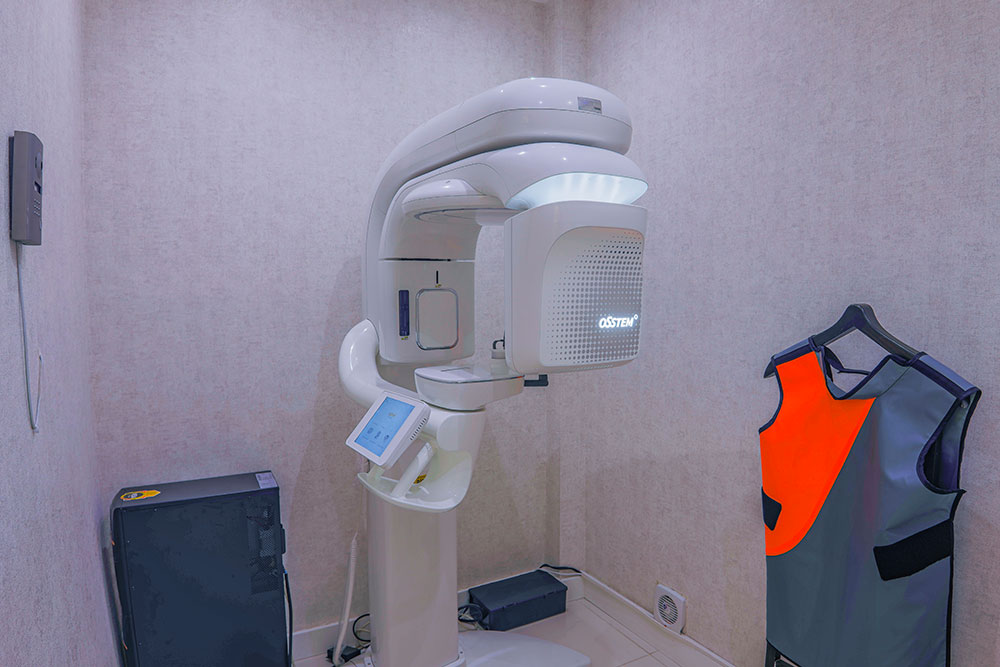
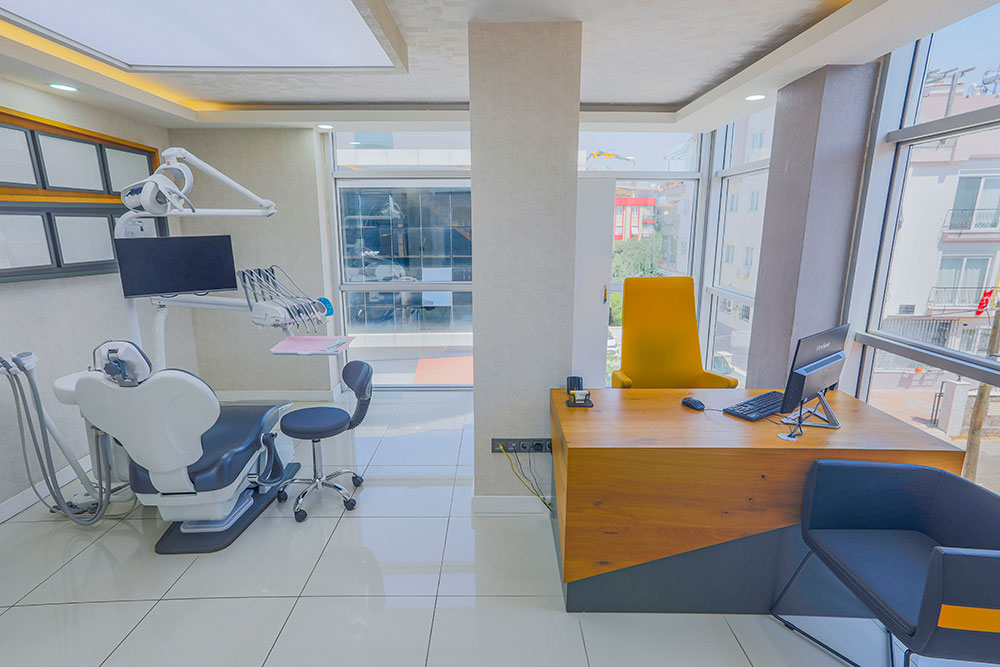
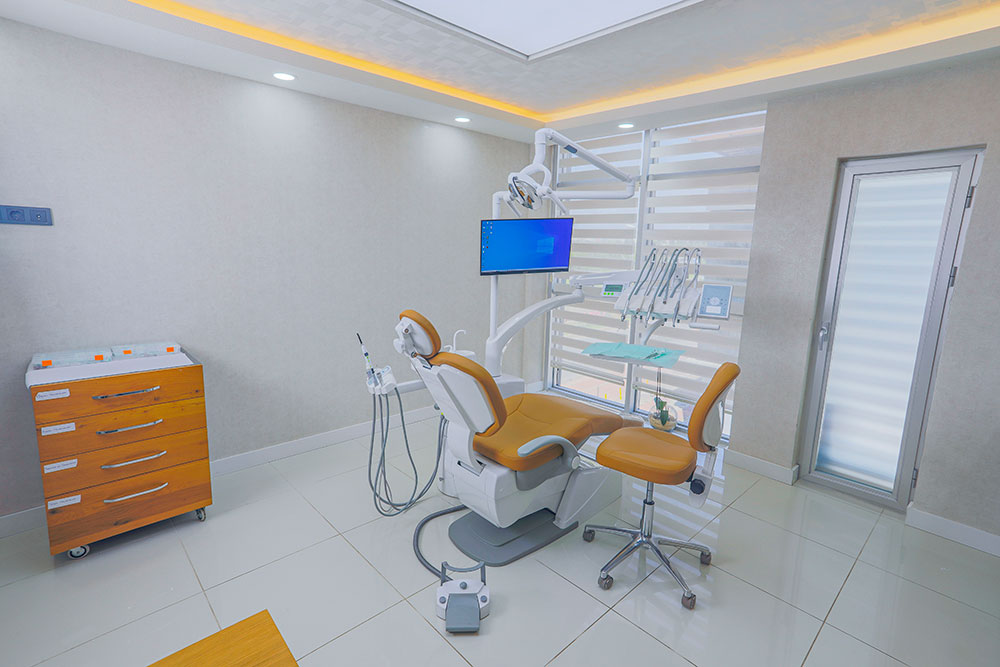
Located in the heart of Antalya, our clinic combines trusted experience with the latest dental technology. Our skilled and caring dentists create healthy, natural and long-lasting results — and from your first consultation to your final check-up, you'll feel cared for not just as a patient, but as part of our family.
- Specialist Dentists
- Latest Technology
- Modern, Hygienic Clinic
- Patient Coordinators
Our Services
Comprehensive cosmetic and restorative dentistry, planned around you.

Smile Makeover
A complete, natural-looking smile design planned around your face and goals.
Learn more
Dental Implants
A permanent replacement for missing teeth with a titanium root and natural crown.
Learn more
All-on-4 Implants
A full fixed arch of teeth supported by just four implants.
Learn more
All-on-6 Implants
A full fixed arch on six implants for extra stability and support.
Learn more
Laminate Veneers
Ultra-thin porcelain shells that refine the shape and shade of your teeth.
Learn more
Dental Crowns
Strong, aesthetic caps that protect and restore damaged teeth.
Learn more
Dental Bridges
A fixed solution that fills the gap left by one or more missing teeth.
Learn more
Teeth Whitening
A safe, professional treatment for a brighter, fresher smile.
Learn moreBehind Every Smile, a Story
Hundreds of patients have walked through our doors and left with far more than a new smile — they left with confidence. Let us write your story, too.
Trusted by Patients Around the World
Real experiences from real Umut Dental Clinic patients.
My visit to Umut dental clinic was amazing.
FATIH SUNAR was my dentist he is an amazing dentist, i wasn't the easiest of patients through nerves.
I couldn't be happier with the overall service i received.
I would whole heartily recommend this clinic for any treatments.
Thankyou
I was quite nervous before I sat in the chair, but once there i was made feel comfortable and relaxed.
I had quite a bit of work done and what I really liked was the speed my dentist worked at,, I was out of the chair with 7 implants in less than 2 hours ..
The place is spotless , the equipment is more than up to date.
The price I was quoted was the price I paid. I will return for yearly check ups as I wouldnt want anyone else looking after me.
Well done to a very professional team !!
My doctor was Faith Sunar, I'm very pleased with how professional he was and how much care he took in his work to make sure I was happy with my new teeth.
They corrected my problems and give me a new set as my old ones were not fitting properly, which was under my gaurentee.
I was seen each day for 4 days , they made sure everything was perfect before I flew back home to England uk.
The clinic was exceptionally clean and spotless.
Beyza was very helpfull to our needs and spoke very good English , she was very kind from start to finish.
Is definitely 100./. Recommend this dentist practice to anyone I'd give them 10/10.
Had excellent treatment with UMUT - extremely well organised and professional. I was talked through the procedure all the way through, given medication which made the process pain free and bearable. My dentist was lovely and only happy when everything was absolutely perfect. When you have so much choice of dentistry in Antalya, it can feel like a very hard decision to make but I would totally recommend this clinic. Thanks again to my fabulous dentist Tugce Aricetin
What a perfect clinic from start to finish I would recommend them to anyone around the world so professional hygiene is amazing on my life you would think you was in a clinic were the famous people go the United Kingdom doesn't even come close to Umut dental clinic I couldn't be happier 12 out of 10 best thing I've ever done so happy thank you umut thank thank you and thank you Dentist Tugce and thank you to the whole team
it was great service and very helpfull friendly team also the transport to clinic was excellent. the hotel also was nice and friendly people and nice breakfast. i'm looking forward to visit Antalya and all the nice people in april again, very beutifull beach also. thank you for helping me and i hope to see you in april for finishing
I had dental treatment at Umut Clinic Antalya, and I can confidently say—three years later—that this clinic truly delivers on its promise of quality and guarantee. The results of my treatment have remained excellent over time, and I'm still very happy with everything they did.
The entire team is extremely friendly, professional, and caring. The dentists are highly trained and very experienced, which immediately gave me a sense of trust and security. They took time to explain everything clearly and made sure I felt comfortable throughout the process.
What also sets Umut Zahnklinik apart is their exceptional service for international patients. From airport pickup to accommodation support, everything was well-organized and stress-free. You really feel taken care of from start to finish.
I can highly recommend Umut Zahnklinik to anyone looking for high-quality dental care in Turkey. A great clinic with lasting results and a warm, welcoming team!
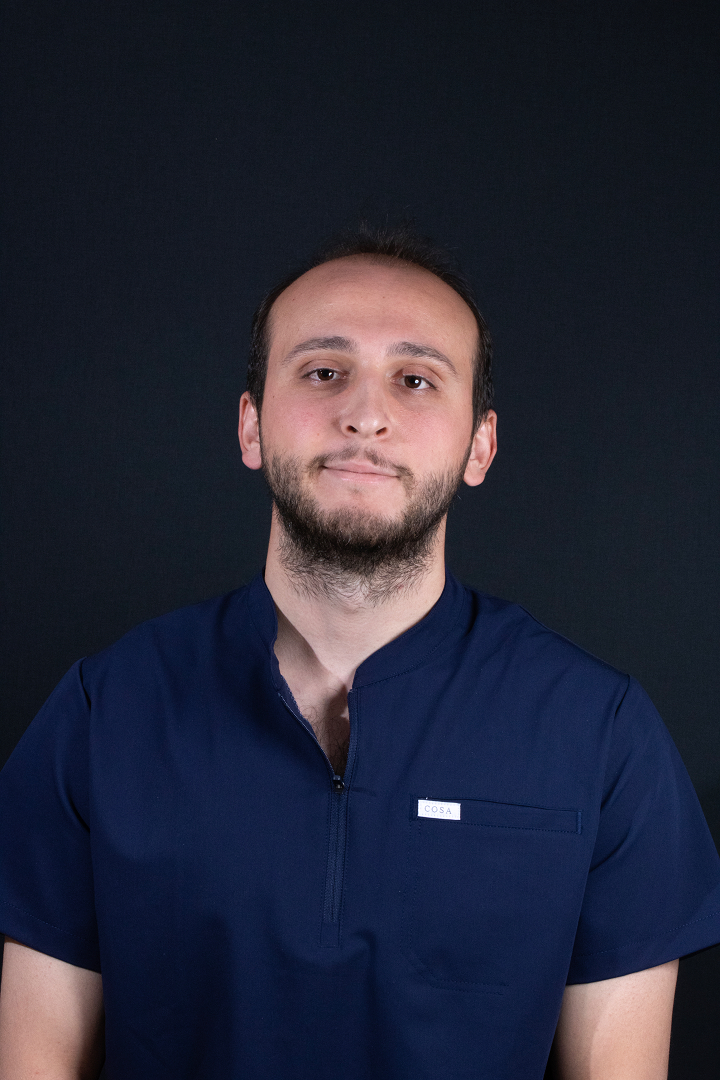
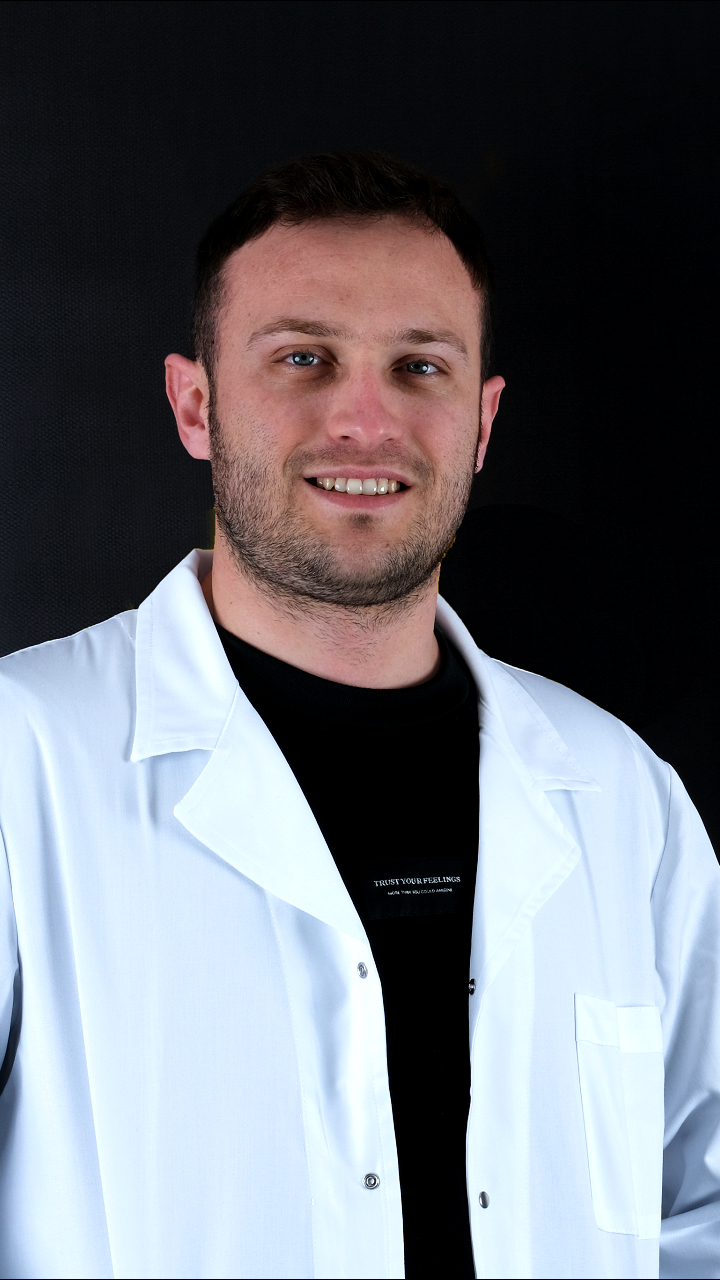
Meet Our Doctors
Experienced clinicians dedicated to natural, healthy and long-lasting smile outcomes.

Dr. Osman Cengiz
Clinic Founder
Dr. Ayşe Dilara Yüzgeç
Dentist
Dr. Fatih Sunar
Dentist
Dr. Tuğba Taş Mammadov
Dentist
Dr. Melisa Köse
Dentist
Dr. Abdullah Zeki Ceylan
Dentist
Dr. Merve Yıldırım
Dentist
Dr. Samet Dönmez
DentistOnline Consultation
Leave your contact information and we will contact you soon.