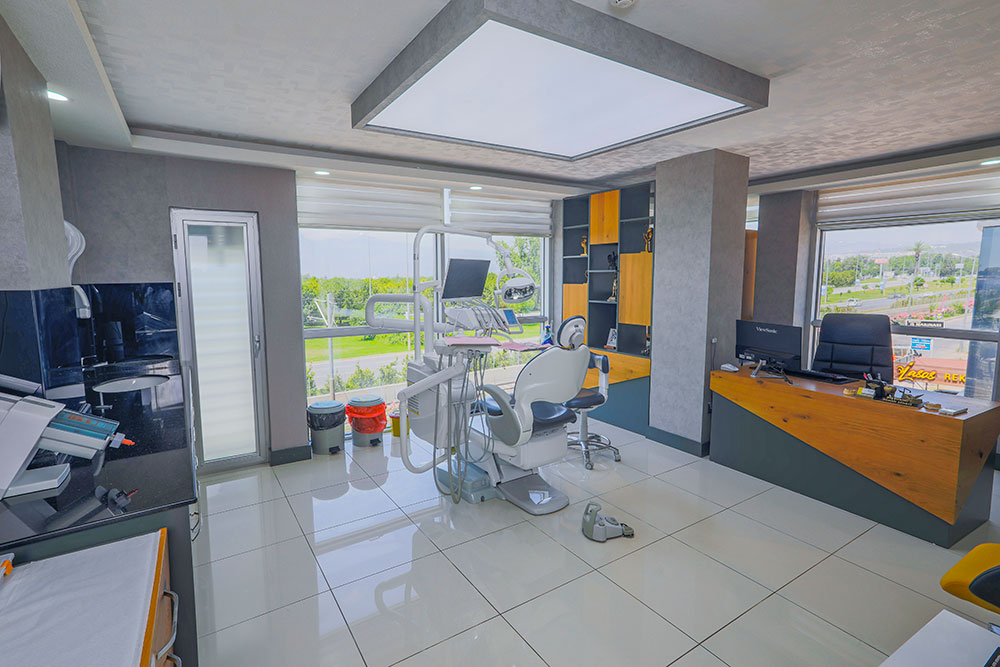
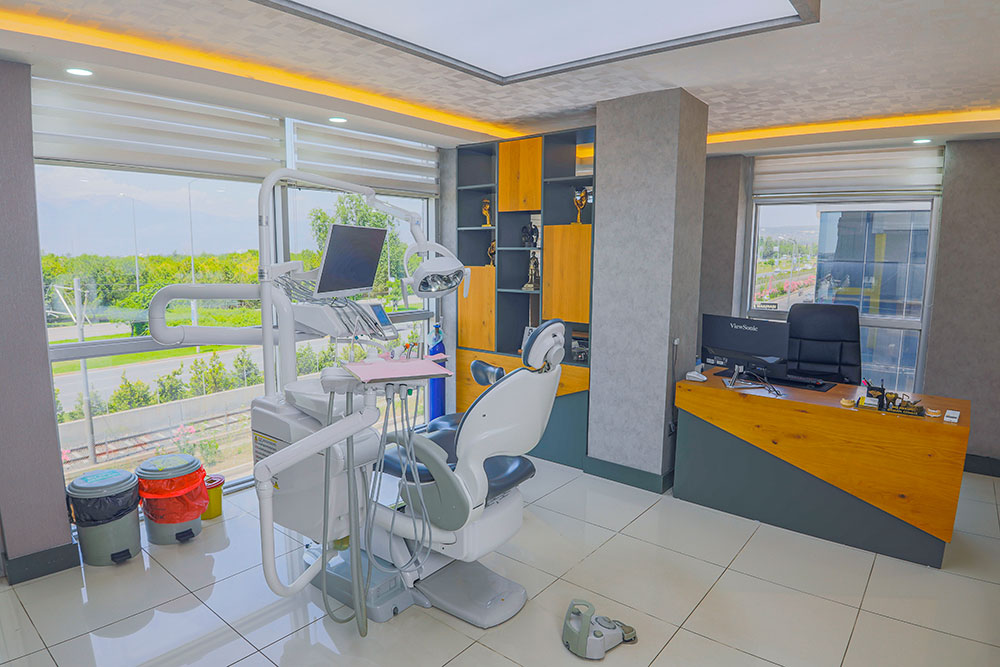
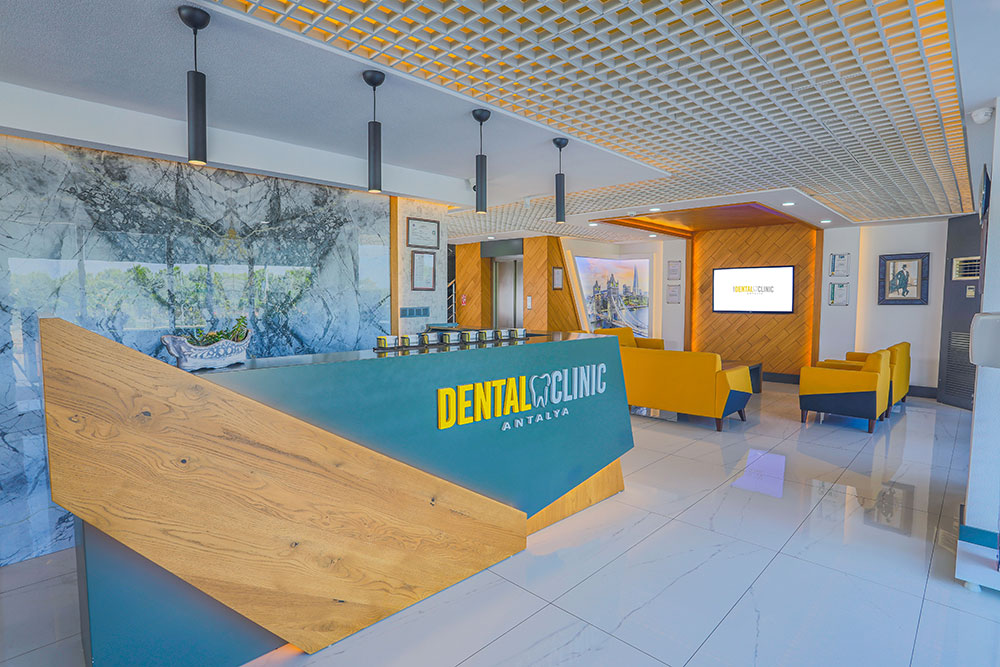
This is by far the easiest review I have ever done. Umut Dental Clinic is the one stop shop for everything dental which is so very important. These people are true professionals from the front door to the engine room and beyond. I have made friends with my dentist Dr Osman the head of Umut Dental Clinic and he leads by example and creates a fantastic experience and outcome for us their clients. I am more than happy to recommend Umut Dental Clinic for all your dental works and answer any of your questions. Make the right call. Call Umut Dental Clinic.
Prepless Laminate Veneers
3 Steps to a Healthy Smile
From your first message to your final check-up, we're with you at every stage of your treatment journey.
Online Consultation & Planning
Share your details and photos with us. Our patient advisors evaluate your case with our dentists and prepare a personalised treatment plan with clear timelines and pricing.
Arrival & Treatment
We help organise your travel and stay. Once you arrive, all examinations and treatments are carried out in our fully equipped clinic in Antalya.
Book AppointmentYour New Smile & Aftercare
Your treatment is completed as planned. Enjoy your healthy, confident smile, relax in Antalya — and stay in touch with us for aftercare once you're home.
Get a Free Quote
Prepless laminate veneers are very thin custom-made porcelain shells that are bonded to the front surface of your teeth without, or with minimal, drilling of the natural enamel. They are usually considered when you want to improve the colour, shape or small alignment issues of your front teeth while keeping as much natural tooth structure as possible. This treatment can help with gaps, minor chips, mild crowding, and discolouration that does not respond well to teeth whitening. On this page, you will learn what prepless laminate veneers are, how they work, who is suitable, how the procedure is done, how long they last, and how to care for them. You will also read about the possible risks, what you can expect during recovery, and what to consider if you are travelling to Antalya for veneer treatment.
What Are Prepless Laminate Veneers?
Prepless laminate veneers are ultra-thin porcelain coverings placed on the front of the teeth with little to no removal of the natural enamel. They are designed to blend with your existing teeth while improving aesthetics such as colour, shape and minor position. The word “prepless” means that the dentist either does not need to file the enamel at all or only needs to make very minimal adjustments compared with traditional veneers.
These veneers are usually made from high-strength ceramic materials that mimic the translucency and shine of natural tooth enamel. They are custom fabricated in a dental laboratory based on detailed impressions or scans of your teeth. Because they are so thin, they can often be added directly on top of the existing enamel while still looking natural, without making the teeth look bulky when the case is chosen correctly.
Prepless veneers are often considered in cases where the teeth are relatively straight and not heavily filled or damaged. They are commonly used to address:
- Discolouration that does not improve enough with whitening
- Slight gaps between teeth (diastemas)
- Teeth that are too short, slightly worn, or mildly chipped
- Minor rotation or unevenness, when the misalignment is not severe
Because some or all of the enamel is preserved, the tooth usually remains structurally stronger compared with more invasive treatments that require extensive drilling. However, prepless veneers are not simply “stick-on” solutions. Careful planning is needed to ensure that they fit harmoniously with your bite and do not interfere with your chewing or speaking. A dentist evaluates your teeth, gums, and bite before deciding if prepless veneers are a suitable option for your mouth.
How Do Prepless Laminate Veneers Work?
Prepless laminate veneers work by bonding a very thin layer of porcelain to the front surface of your teeth, changing how the teeth look while keeping most or all of the underlying enamel intact. The porcelain acts like a new façade that can improve colour, shape, and minor alignment, while the strong adhesive layer connects it securely to the enamel.
The key to how they work lies in the bond between the veneer and the tooth. Enamel is an excellent surface for bonding. The dentist first cleans and lightly conditions the enamel so that the adhesive materials can attach strongly. A special dental adhesive and resin cement are then used to glue the veneer to the tooth. When cured with a light, this creates a firm connection that allows you to bite and chew normally within a short time after placement.
Because prepless veneers are thinner than many traditional veneers, the dentist plans their thickness and shape very carefully. The aim is to add just enough material to correct cosmetic issues without making the teeth appear large or protruded. For example, a slightly inward-positioned tooth might be a good candidate, because the veneer can build it out to line up with its neighbours. On the other hand, a tooth that already sticks out might need some minimal reshaping even in a “prepless” case.
Prepless veneers also work by reflecting and transmitting light in a way that is similar to natural teeth. This is important for a natural appearance, especially under different lighting conditions. The technician in the dental laboratory selects the porcelain shade and translucency based on your existing teeth and your preferences, discussed with the dentist in advance. When everything is planned correctly, prepless veneers can provide a noticeable aesthetic improvement with relatively conservative treatment of the teeth.
More about Prepless Laminate Veneers
Who Is a Good Candidate for Prepless Laminate Veneers?
A good candidate for prepless laminate veneers is someone with generally healthy teeth and gums, mild cosmetic concerns at the front teeth, and realistic expectations about what thin porcelain shells can achieve. The teeth should typically be well aligned or only slightly misaligned, without large fillings or extensive damage.
Prepless veneers are often suitable if you:
- Have healthy enamel with no major cracks or fractures
- Want to change the colour of teeth that are resistant to whitening
- Have small gaps, slightly short teeth, or minor chips
- Have mild crowding or rotation that does not require full orthodontic treatment
- Do not grind or clench your teeth excessively, or are willing to wear a night guard if recommended
Good gum health is also important. If you have gingivitis or periodontitis (gum disease that affects the supporting bone), this usually needs to be treated first. The edges of the veneers lie close to the gum line, so inflamed or bleeding gums can affect both the fit and the long-term stability of the veneers.
Your bite (how your upper and lower teeth meet) is another factor. Prepless veneers are quite thin, so they rely on a stable bite to avoid excessive forces or chipping. If your bite is very deep, or if your front teeth hit together in an unusual way, the dentist may need to adjust your bite or suggest a different treatment plan.
Psychological readiness is also part of candidacy. For example, someone who expects veneers to solve functional issues like jaw pain, or who expects their teeth to look identical to a photo from the internet, may need more detailed counselling. Veneers are mainly an aesthetic treatment with some functional benefits, not a cure for every dental or jaw problem. A careful discussion with the dentist during consultation helps you decide if prepless laminate veneers match your goals and lifestyle.
When Are Prepless Laminate Veneers Not Suitable?
Prepless laminate veneers are not suitable when the teeth are badly damaged, heavily filled, very misaligned, or when the bite and gum health do not allow safe bonding of ultra-thin porcelain layers. They are also not recommended if your cosmetic goals would require removing a lot of tooth structure, because in such cases other options may be more predictable.
Situations where dentists often avoid or postpone prepless veneers include:
- Severe misalignment or crowding: If your teeth are significantly rotated, overlapping or protruding, orthodontic treatment such as braces or clear aligners is usually considered first.
- Large fillings or weakened teeth: Teeth with big fillings, cracks or root canal treatment may be better restored with dental crowns that cover and support more of the tooth.
- Active decay or gum disease: Any cavities, infections or inflamed gums need to be treated before thinking about veneers.
- Very thin or worn enamel: If almost no enamel remains, bonding to the tooth becomes less predictable.
- Strong clenching or grinding (bruxism): Heavy forces can crack or debond thin veneers, especially if not protected with a night guard.
Certain general health conditions can also affect candidacy. Uncontrolled diabetes, some immune disorders, or recent head and neck radiotherapy may influence healing and the response of the gums. People on certain blood thinners or those who are pregnant may still have veneers, but the timing and procedure details might be tailored, or elective cosmetic work might be postponed depending on medical advice.
Unrealistic expectations are another reason veneers may not be recommended. For example, if someone expects prepless veneers to drastically change very dark teeth to an extremely bright shade without any compromise, the porcelain may have to be made thicker, which can push the case out of the “prepless” category. In such situations, the dentist will explain the limitations and suggest alternative approaches such as traditional veneers, crowns, or a staged plan that includes whitening and minor reshaping.
The final decision about suitability is always made after a thorough clinical examination, discussion of your goals, and any necessary X-rays or scans.
How Are Teeth Examined Before Prepless Laminate Veneers?
Before prepless laminate veneers are planned, the dentist performs a detailed examination of your teeth, gums, and bite to ensure that the treatment can be done safely and predictably. This examination checks both the health of your mouth and the feasibility of achieving the aesthetic changes you want with thin veneers.
The assessment typically starts with a clinical examination using a mirror and small instruments. The dentist looks for cavities, worn areas, cracks, or older restorations that might need attention before veneers. The thickness and quality of the enamel are evaluated, because bonding works best on sound, clean enamel. The gum tissues are checked for signs of inflammation, recession, or pockets that might indicate gum disease.
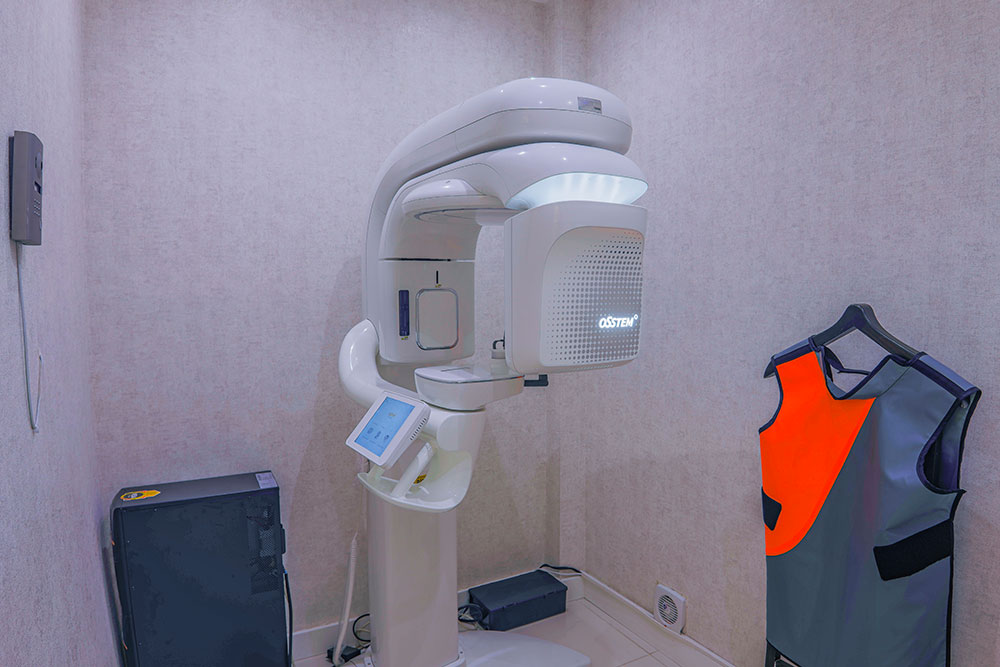
In many cases, X-rays are taken to assess the roots of the teeth, the surrounding bone, and existing fillings or root canal treatments. These images help the dentist detect hidden decay, infections, or bone loss that are not visible during the visual examination. If serious problems are found, such as deep decay or advanced periodontitis, those are treated first.
The dentist also assesses your bite and jaw movements. You may be asked to bite together, move your jaw side to side, and forward and backward. This helps identify any abnormal contacts that could put excessive pressure on planned veneers. For example, if your lower teeth hit the back of your upper front teeth very hard when you close, thin prepless veneers on the upper front teeth might be at risk unless adjustments are made.
Photographs and impressions or digital scans are usually part of the planning. These records allow the dentist and the dental laboratory to study your teeth from different angles and to design veneers that fit your facial features. Sometimes a mock-up is created—either digitally or directly on the teeth with temporary material—so you can preview an approximate outcome. This step also helps the dentist confirm whether a truly prepless approach is possible, or whether minimal reshaping of certain teeth is needed.
Throughout the examination, the dentist will ask about your medical history, any medications, and your habits such as tooth grinding, nail biting, or chewing on hard objects. All this information contributes to a treatment plan tailored to your situation.
How Is the Prepless Laminate Veneer Procedure Done?
The prepless laminate veneer procedure is usually carried out in several stages: assessment and planning, possible minimal tooth preparation, impression or digital scanning, laboratory fabrication, and final bonding of the veneers. Each step is important to achieve a natural look and a durable result while keeping tooth reduction to a minimum.
After the initial examination and discussion of your goals, the dentist may create a mock-up or trial smile. This can be done by placing temporary material on the teeth or using digital simulation. The mock-up helps you understand the expected changes in length, shape and alignment before any permanent work is done.
If the case is suitable, the teeth may require no drilling at all, or very slight reshaping to smooth sharp edges or create space so the veneers do not look bulky. This is often done under local anaesthetic if needed, depending on your sensitivity and the amount of adjustment. In many prepless cases, the enamel is simply cleaned and polished.
The next step is to take impressions or digital scans of your teeth. These records are sent to a dental laboratory, where a technician designs and fabricates the veneers from ceramic materials chosen to match your desired colour and translucency. This process usually takes a few days to a couple of weeks, depending on the schedule and the complexity of the case. During this time, your teeth may not need temporary coverings if almost no enamel was removed, but in some cases temporary veneers are placed to protect sensitive spots or to test aesthetics.
When the veneers are ready, a try-in appointment is scheduled. The dentist places the veneers on your teeth without permanent cement to check their fit, colour and shape. You may look in the mirror and discuss any small adjustments. Minor modifications to the edges or surface texture can be done chairside.
Once both you and the dentist are satisfied, the teeth are cleaned and conditioned for bonding. The inner surface of each veneer is also prepared according to the material’s requirements. A special adhesive and resin cement are applied, and each veneer is carefully placed, positioned, and then cured with a dental light. Excess cement is removed, and the bite is checked to ensure you close comfortably without high spots.
At the end of the procedure, you receive instructions on how to care for your new veneers and when to attend follow-up visits to monitor their adaptation and your oral health.
How Long Do Prepless Laminate Veneers Take?
Prepless laminate veneers usually take from several days to a few weeks from the first planning appointment to final placement, depending on the number of teeth involved, the complexity of the case, and the dental laboratory schedule. The actual chair time is spread over at least two main visits, sometimes more.
The initial consultation and examination often last about 30–60 minutes. During this visit, the dentist evaluates your teeth and gums, discusses your expectations, and explains whether a prepless approach seems appropriate. If you decide to proceed, planning records such as photographs, impressions, or digital scans may be taken either at this appointment or at a separate planning session.
The second visit is typically for any minimal reshaping needed and for taking precise impressions or scans for the laboratory. This appointment can take roughly 60–90 minutes, depending on how many teeth are involved and whether a mock-up is tried in your mouth. After this visit, the dental laboratory usually needs several days up to about two weeks to fabricate the custom veneers.
Once the veneers are ready, a fitting and bonding visit is scheduled. This appointment commonly lasts 60–120 minutes, sometimes longer for extensive cases. During this time, the dentist tries in each veneer, makes fine adjustments, and then bonds them permanently to your teeth. You leave this visit with your final veneers in place.
For patients travelling from abroad, such as those coming to Antalya, the dentist may organise the schedule to fit into a shorter stay, often by coordinating with the laboratory in advance and planning for slightly longer daily appointments. After bonding, a short follow-up visit is often recommended within a few days or weeks to check your bite and gum response. Long term, veneers can last many years, often 10–15 years or more with good care, but this range varies depending on oral hygiene, diet, bite forces and regular routine oral check-ups.
Do Prepless Laminate Veneers Hurt?
Prepless laminate veneers generally cause only mild and temporary discomfort, and many patients report little to no pain, especially because tooth reduction is minimal or not needed. However, every person’s sensitivity is different, and some temporary sensations are normal as the teeth and gums adapt.
During the procedure itself, the dentist may use local anaesthetic if any shaping of the enamel is required or if you have sensitive teeth. The injection can cause brief discomfort, but it prevents you from feeling sharp sensations while the teeth are being worked on. If no enamel is removed, anaesthesia may not be necessary at all, and the appointment feels similar to having a detailed cleaning and impression.
After the appointment, it is common to experience some mild sensitivity to hot or cold drinks, pressure, or air. This usually settles over a few days to a couple of weeks as the teeth recover from the procedure and the bite is fine-tuned. The gums may feel slightly irritated at the edges where the veneers meet the gum line, especially if they were gently moved or dried during bonding.
The dentist may suggest suitable pain relief measures if needed. It is important not to self-prescribe strong medication without medical advice, particularly if you have other health conditions or take regular medicines. If you notice severe pain that does not improve, strong throbbing, or swelling, you should contact a dentist, as these are not typical for simple veneer placement and could indicate another problem, such as a tooth nerve issue or infection.
People who grind or clench their teeth heavily may experience jaw or muscle discomfort around the time of treatment if the bite is being adjusted. In such cases, a night guard may be recommended to protect both your natural teeth and the new veneers and to help reduce muscle strain.
What Is Recovery Like After Prepless Laminate Veneers?
Recovery after prepless laminate veneers is usually quick, with most people returning to normal daily activities immediately or within a day. Since very little or no enamel is removed, the teeth often remain comfortable, and the gums usually adapt within a short time. Some minor adjustments and temporary sensations are common as your mouth gets used to the new restorations.
In the first few days, you may notice slight sensitivity to temperature changes, especially with hot or cold drinks. This often improves as the nerve inside the tooth settles. Gentle brushing with a soft toothbrush and non-abrasive toothpaste is recommended to keep the area clean without irritating the gums. You should brush twice daily and clean between the teeth using floss or interdental brushes, being careful around the veneer edges.
The gums around the veneers can appear a bit red or swollen immediately after bonding because they have been touched and dried during the procedure. Rinsing with lukewarm water and maintaining good oral hygiene help them return to normal. If gum irritation persists for more than a couple of weeks, or if you see bleeding or increasing swelling, you should have this checked by a dentist, as it may indicate plaque build-up or an overhanging margin.
It is normal for the bite to feel slightly “different” at first. Your upper and lower teeth may contact in slightly new positions after the veneers are placed. Most people adapt naturally over several days. If you feel one tooth hitting too hard or if your jaw becomes tired or sore, a small adjustment may be needed. Follow-up visits are useful to refine the bite and to polish any rough spots.
Serious symptoms are not expected. However, if you develop severe pain, significant facial swelling, fever, or difficulty swallowing or breathing, you should seek urgent dental or medical care, as these could be signs of infection or another serious condition not directly caused by simple veneers but needing prompt attention.
Longer term, recovery turns into maintenance. Regular dental check-ups and hygienist visits are important to monitor the veneers, check the gums, and professionally clean areas that are hard to reach at home.
What Can You Eat After Prepless Laminate Veneers?
After prepless laminate veneers, you can usually return to most of your normal eating habits quite quickly, but it is sensible to start with softer foods and avoid very hard or sticky items for at least the first few days. This gives the veneers, cement, and surrounding tissues time to settle while you adapt to your new bite.
Right after the bonding appointment, your mouth may still be numb if local anaesthetic was used. During this time, it is safer to avoid chewing until full feeling returns, to prevent accidentally biting your cheeks, lips, or tongue. Once the numbness wears off, you can start with foods such as yogurt, soft pasta, fish, cooked vegetables, omelettes, and soups that are not too hot.
In the short term, try to limit very hard foods that require biting strongly with the front teeth, such as whole nuts, hard sweets, ice cubes, very hard crusts, or biting directly into hard apples. Cutting these foods into smaller pieces and chewing them on the back teeth reduces stress on the veneers. Sticky foods, such as very chewy sweets, can also put pressure on the veneer edges and are better eaten with care.
Porcelain veneers are stain-resistant, but the bonding line at the edge and the neighbouring natural teeth can still pick up colour over time. Moderating strong staining foods and drinks such as dark tea, coffee, red wine, and some sauces can help maintain a uniform appearance. Rinsing your mouth with water after consuming these items and maintaining good brushing and flossing habits are usually enough for most people.
Grinding or clenching, especially at night, can affect what you should chew on. If you tend to clench, your dentist may recommend a night guard. You should avoid habits such as opening packages with your teeth, biting nails, or chewing on pens, as these can chip or damage veneers.
Over the longer term, most people with prepless veneers can eat a wide variety of foods as long as they treat their teeth sensibly and attend regular dental reviews to ensure that any minor chips or wear are identified early.
What Risks and Complications Can Occur With Prepless Laminate Veneers?
Prepless laminate veneers, like any dental treatment, carry some risks and possible complications, even when planned and performed carefully. Understanding these helps you make an informed decision and recognise when to seek advice.
One of the main risks is veneer chipping or fracture. Although modern ceramics are strong, thin veneers can still crack if exposed to heavy biting forces, such as biting very hard foods, grinding teeth, or experiencing trauma to the mouth. Small chips can sometimes be polished or repaired with composite resin, while larger breaks may require replacing the veneer.
Debonding, where the veneer partially or completely comes off the tooth, is another possible complication. This can occur if bonding was compromised by contamination during placement, if there was insufficient enamel for a strong bond, or if ongoing stresses exceed the adhesive’s strength. In many cases, the veneer can be cleaned and rebonded, but occasionally a new veneer is needed.
Tooth sensitivity is relatively common in the early period. In rare cases, sensitivity can persist or indicate a deeper problem, such as damage to the tooth nerve. Very occasionally, a tooth may later require root canal treatment if the pulp (nerve) becomes inflamed or infected, although this is less common in conservative, prepless cases.
Gum irritation can occur around the edges of veneers if plaque accumulates or if the veneer margin is slightly over-contoured. This can lead to gingivitis or, over a longer time, contribute to gum recession. Careful cleaning at home, professional hygiene visits, and sometimes adjustment or polishing of the veneer margin help reduce this risk.
Colour mismatch or aesthetic dissatisfaction is another possibility. Even with thorough planning, the final result may look slightly different from what you imagined. Good communication with the dentist about shade, length, and shape before fabrication reduces this risk, and minor shape or surface adjustments can often be made after fitting.
Allergic reactions to materials used in veneers or bonding cements are very rare but possible. If you have a known history of reactions to dental materials, this should be discussed before treatment.
Any signs of severe, persistent pain, facial swelling, fever, or difficulty swallowing or breathing after veneer treatment require urgent contact with a dentist or emergency care, as they may indicate infection or other conditions that need prompt treatment, even if they are not directly caused by the veneers themselves.
Prepless Laminate Veneers in Antalya: Travel and Follow-Up
Having prepless laminate veneers in Antalya involves planning both your dental appointments and your travel schedule so that the treatment can be completed comfortably during your stay. Many international patients combine their veneer treatment with a holiday, but it is important to allow enough time for examination, planning, laboratory work, and follow-up checks.
For example, you might arrive in Antalya and attend an initial consultation within the first day or two. During this visit, your teeth and gums are examined, X-rays may be taken if needed, and impressions or digital scans can be recorded. Treatment options, including prepless veneers and alternatives such as traditional laminate veneers or other cosmetic procedures, are discussed. Once a plan is agreed, the schedule for the next visits is organised around your travel dates.
The laboratory typically needs several days to make custom veneers, so many patients stay in or near Antalya during this period. You can usually enjoy local sights and activities, following any guidance from the dentist regarding what to avoid immediately after appointments. When the veneers are ready, a fitting and bonding visit is arranged. A final review appointment before you fly home is often recommended to refine the bite and ensure that you are comfortable with the result.
After you return home, routine care and check-ups can be carried out by your local dentist. It is helpful to provide them with details of your veneer treatment. If minor issues arise, such as slight bite adjustments or polishing needs, these can often be managed locally. If a more significant complication occurs, such as veneer fracture or debonding, your local dentist may manage it or, if necessary, you may consider a planned return visit.
At Umut Dental Clinic Antalya, patients can share their details and X-rays for an online consultation before planning travel, which helps estimate how many visits are likely to be needed and whether a prepless veneer approach is suitable for their situation.
The information on this page is for general education only and does not replace an examination, diagnosis or treatment. See a dentist for any concerns about your oral health.
Our Clinic
Every smile tells a story — and we've been part of thousands of them for over 17 years.
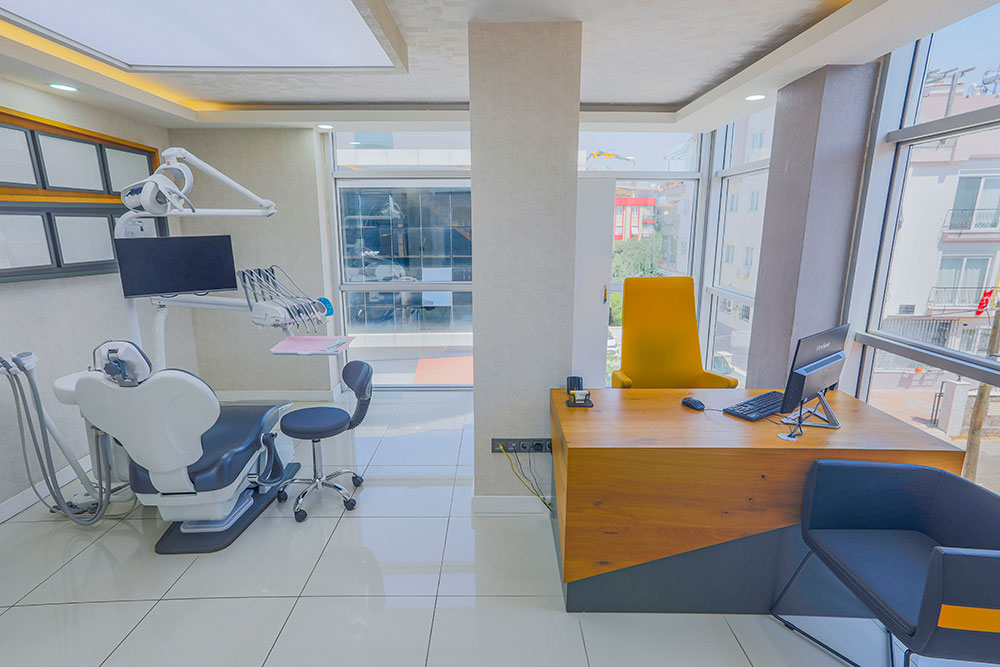
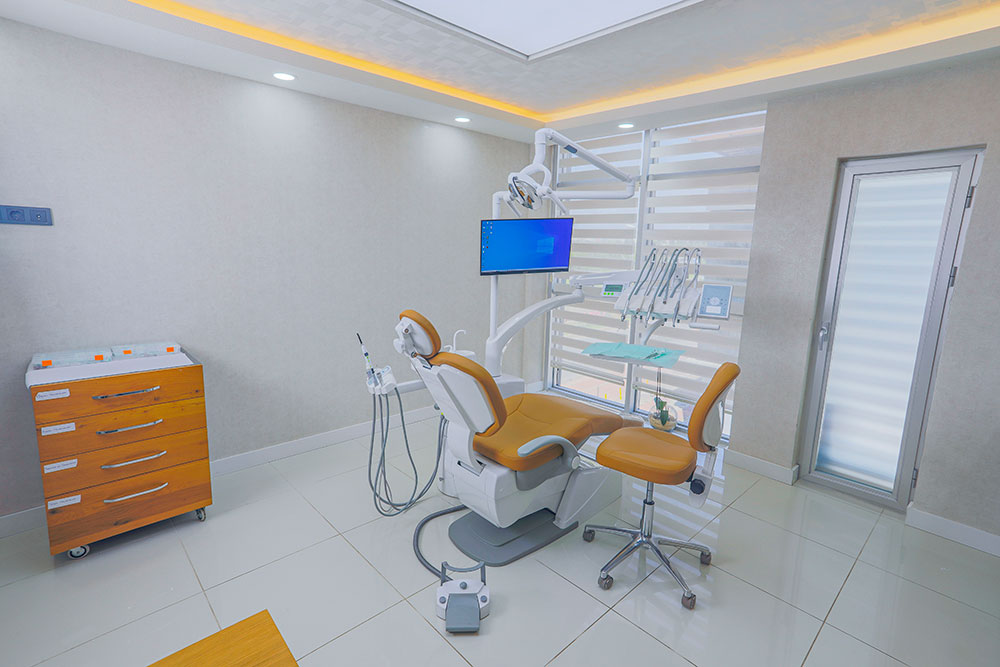
Located in the heart of Antalya, our clinic combines trusted experience with the latest dental technology. Our skilled and caring dentists create healthy, natural and long-lasting results — and from your first consultation to your final check-up, you'll feel cared for not just as a patient, but as part of our family.
- Specialist Dentists
- Latest Technology
- Modern, Hygienic Clinic
- Patient Coordinators
Our Services
Comprehensive cosmetic and restorative dentistry, planned around you.

Smile Makeover
A complete, natural-looking smile design planned around your face and goals.
Learn more
Dental Implants
A permanent replacement for missing teeth with a titanium root and natural crown.
Learn more
All-on-4 Implants
A full fixed arch of teeth supported by just four implants.
Learn more
All-on-6 Implants
A full fixed arch on six implants for extra stability and support.
Learn more
Laminate Veneers
Ultra-thin porcelain shells that refine the shape and shade of your teeth.
Learn more
Dental Crowns
Strong, aesthetic caps that protect and restore damaged teeth.
Learn more
Dental Bridges
A fixed solution that fills the gap left by one or more missing teeth.
Learn more
Teeth Whitening
A safe, professional treatment for a brighter, fresher smile.
Learn moreBehind Every Smile, a Story
Hundreds of patients have walked through our doors and left with far more than a new smile — they left with confidence. Let us write your story, too.
Trusted by Patients Around the World
Real experiences from real Umut Dental Clinic patients.
My visit to Umut dental clinic was amazing.
FATIH SUNAR was my dentist he is an amazing dentist, i wasn't the easiest of patients through nerves.
I couldn't be happier with the overall service i received.
I would whole heartily recommend this clinic for any treatments.
Thankyou
I was quite nervous before I sat in the chair, but once there i was made feel comfortable and relaxed.
I had quite a bit of work done and what I really liked was the speed my dentist worked at,, I was out of the chair with 7 implants in less than 2 hours ..
The place is spotless , the equipment is more than up to date.
The price I was quoted was the price I paid. I will return for yearly check ups as I wouldnt want anyone else looking after me.
Well done to a very professional team !!
My doctor was Faith Sunar, I'm very pleased with how professional he was and how much care he took in his work to make sure I was happy with my new teeth.
They corrected my problems and give me a new set as my old ones were not fitting properly, which was under my gaurentee.
I was seen each day for 4 days , they made sure everything was perfect before I flew back home to England uk.
The clinic was exceptionally clean and spotless.
Beyza was very helpfull to our needs and spoke very good English , she was very kind from start to finish.
Is definitely 100./. Recommend this dentist practice to anyone I'd give them 10/10.
Had excellent treatment with UMUT - extremely well organised and professional. I was talked through the procedure all the way through, given medication which made the process pain free and bearable. My dentist was lovely and only happy when everything was absolutely perfect. When you have so much choice of dentistry in Antalya, it can feel like a very hard decision to make but I would totally recommend this clinic. Thanks again to my fabulous dentist Tugce Aricetin
What a perfect clinic from start to finish I would recommend them to anyone around the world so professional hygiene is amazing on my life you would think you was in a clinic were the famous people go the United Kingdom doesn't even come close to Umut dental clinic I couldn't be happier 12 out of 10 best thing I've ever done so happy thank you umut thank thank you and thank you Dentist Tugce and thank you to the whole team
it was great service and very helpfull friendly team also the transport to clinic was excellent. the hotel also was nice and friendly people and nice breakfast. i'm looking forward to visit Antalya and all the nice people in april again, very beutifull beach also. thank you for helping me and i hope to see you in april for finishing
I had dental treatment at Umut Clinic Antalya, and I can confidently say—three years later—that this clinic truly delivers on its promise of quality and guarantee. The results of my treatment have remained excellent over time, and I'm still very happy with everything they did.
The entire team is extremely friendly, professional, and caring. The dentists are highly trained and very experienced, which immediately gave me a sense of trust and security. They took time to explain everything clearly and made sure I felt comfortable throughout the process.
What also sets Umut Zahnklinik apart is their exceptional service for international patients. From airport pickup to accommodation support, everything was well-organized and stress-free. You really feel taken care of from start to finish.
I can highly recommend Umut Zahnklinik to anyone looking for high-quality dental care in Turkey. A great clinic with lasting results and a warm, welcoming team!
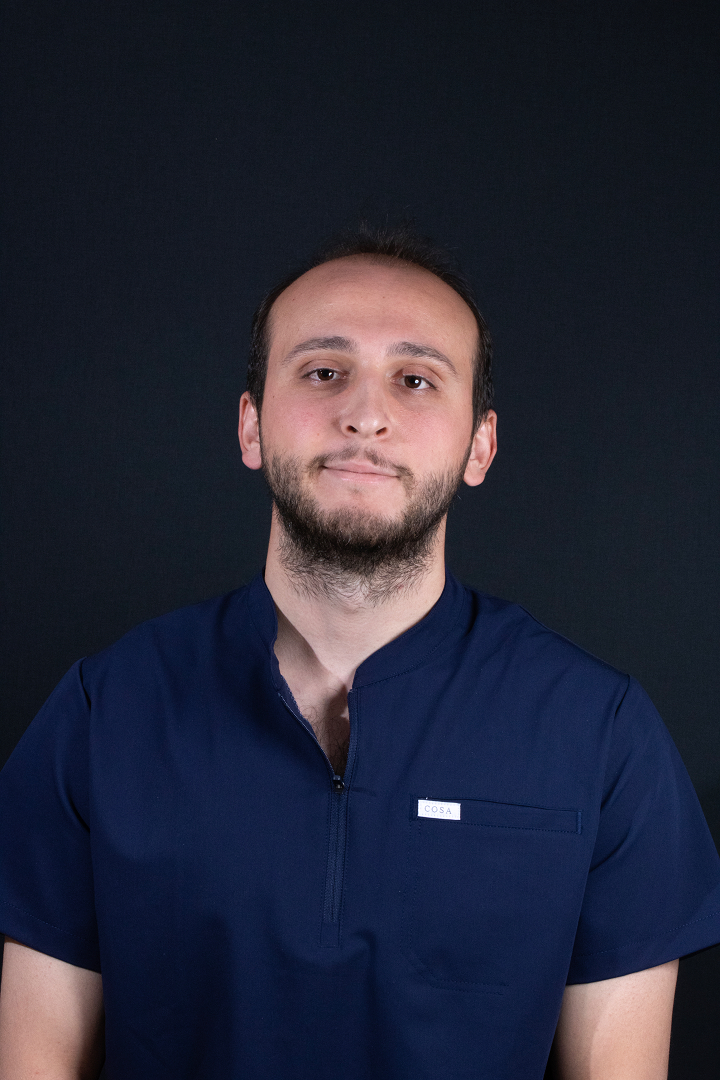
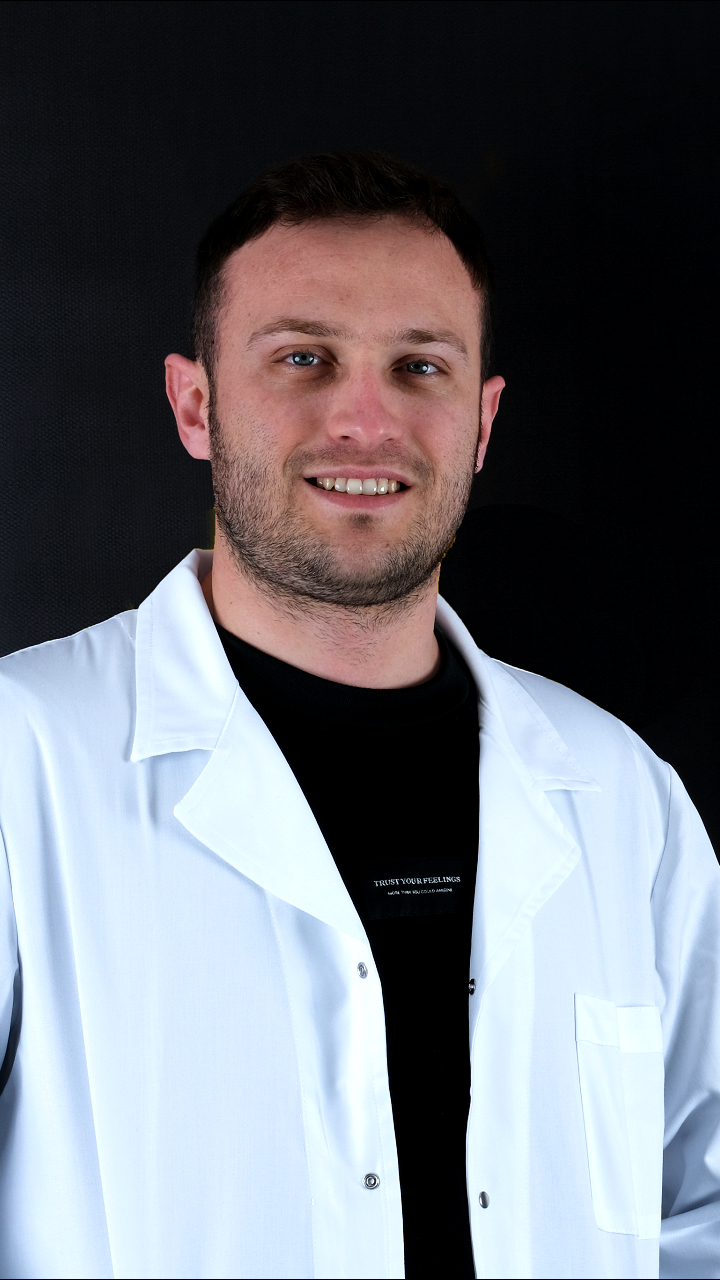
Meet Our Doctors
Experienced clinicians dedicated to natural, healthy and long-lasting smile outcomes.

Dr. Osman Cengiz
Clinic Founder
Dr. Ayşe Dilara Yüzgeç
Dentist
Dr. Fatih Sunar
Dentist
Dr. Tuğba Taş Mammadov
Dentist
Dr. Melisa Köse
Dentist
Dr. Abdullah Zeki Ceylan
Dentist
Dr. Merve Yıldırım
Dentist
Dr. Samet Dönmez
DentistOnline Consultation
Leave your contact information and we will contact you soon.