Homepage
Treatments
Dental Implants
Oral & Jaw Surgery
Aesthetic Smile Design
Crowns, Bridges & Dentures
General & Restorative
Gum & Jaw Joint Care
Comfort & Children
See all treatments →
Smile Gallery Package List Dental Events About Us Blog Contact

Hygienist Appointments

How It Works

3 Steps to a Healthy Smile

From your first message to your final check-up, we're with you at every stage of your treatment journey.

1

Online Consultation & Planning

Share your details and photos with us. Our patient advisors evaluate your case with our dentists and prepare a personalised treatment plan with clear timelines and pricing.

2

Arrival & Treatment

We help organise your travel and stay. Once you arrive, all examinations and treatments are carried out in our fully equipped clinic in Antalya.

Book Appointment
3

Your New Smile & Aftercare

Your treatment is completed as planned. Enjoy your healthy, confident smile, relax in Antalya — and stay in touch with us for aftercare once you're home.

Hygienist Appointments

Hygienist appointments are professional teeth and gum cleaning visits carried out to remove plaque, tartar and surface stains, and to support your daily home care. They are considered for almost everyone, from children to adults, to help prevent gum disease and tooth decay and to keep dental treatments such as fillings, implants and crowns in better condition for longer. During a hygienist visit, your mouth is examined, soft and hard deposits are gently removed, and you receive tailored advice on brushing, flossing and other cleaning tools. On this page, you will learn what happens at a hygienist appointment, why regular visits are important, who may need them more often, when they might be postponed, how long they take, and what to expect after the cleaning, including possible short-term sensitivity or soreness.

What Are Hygienist Appointments?

Hygienist appointments are planned dental visits focused on cleaning your teeth, protecting your gums and supporting your overall oral health, rather than repairing a specific tooth. During these visits, a dental hygienist or dentist removes soft plaque (a sticky film of bacteria) and hard tartar (calculus) from tooth surfaces and around the gumline, then polishes the teeth and offers practical advice on home care techniques and products.

Professional dental cleaning is called “prophylaxis” or “scaling and polishing”. Scaling means removing tartar and plaque from tooth surfaces, especially in places that a toothbrush, floss or interdental brushes cannot easily reach. Polishing helps smooth the tooth surface, making it slightly harder for new plaque to stick and improving the appearance of surface stains from tea, coffee, smoking or certain foods.

Hygienist appointments are usually preventive, but they can also be part of treatment for gum disease. For example, if you have gingivitis (inflammation of the gums) or periodontitis (deeper inflammation affecting the bone and supporting tissues), hygienist care often works alongside deeper gum treatments planned by a dentist.

These appointments are suitable for people with their own natural teeth and for those with restorations such as dental implants, crowns, bridges or veneers. Special instruments and techniques can be used to clean around these restorations without damaging them.

Hygienist visits are not a replacement for routine dental examinations. A routine oral check up is still necessary to diagnose problems such as cavities, cracked teeth or oral lesions. In many treatment plans, a dental examination and a hygienist visit are combined or scheduled close together so that cleaning and diagnosis support each other.

Why Are Regular Hygienist Visits Important for Teeth and Gums?

Regular hygienist visits are important because they remove plaque and tartar that daily brushing and flossing usually cannot fully control, helping to prevent gum disease, tooth decay and bad breath. Even with very careful home care, some deposits tend to remain in hard-to-reach areas, especially between teeth, behind the lower front teeth and around molars. Over time, these deposits harden into tartar, which cannot be removed safely at home and needs professional instruments.

If tartar and plaque stay on your teeth, the bacteria within them irritate the gums, leading first to gingivitis. Gingivitis often shows as red, swollen gums that may bleed when you brush or floss. At this stage, the condition is usually reversible with good cleaning and improved daily care. If ignored, gingivitis can progress into periodontitis, in which the supporting bone around the teeth starts to break down. This may eventually cause gum recession, tooth looseness and tooth loss.

Regular cleanings also help reduce the risk of tooth decay. When plaque is left in grooves, between teeth or around old fillings and crowns, acids produced by bacteria can attack the enamel, leading to cavities. Removing plaque frequently lowers this risk and makes it easier to keep the tooth surfaces clean with your own toothbrush and floss.

There are benefits beyond the mouth. Poor gum health has been associated with certain general health conditions, such as cardiovascular disease and diabetes. Research is ongoing, and it does not mean gum disease directly causes these problems, but keeping your gums healthy is considered part of good overall health care.

From a practical point of view, regular hygienist care can help you keep existing dental treatments, such as dental bridges or implants, functioning for longer. Clean surfaces and healthy gums reduce the risk of complications around these restorations. Many patients also appreciate the fresher breath and smoother feel of their teeth after professional cleaning, which often encourages more consistent home care habits.

Everything You Need to Know

More about Hygienist Appointments

Who Should Book a Hygienist Appointment?

Most people should book hygienist appointments as part of their routine oral care, but some groups benefit from them especially. If you have signs of gum problems, such as bleeding when brushing, persistent bad breath, gum recession or loose teeth, a hygienist visit is generally recommended after a dental examination. People with a history of gum disease often need regular professional cleanings to keep the condition stable.

Certain medical conditions make professional cleaning more important. For example, people with diabetes can be more prone to gum inflammation and infections, so careful plaque control is a key part of their oral care. Those with reduced manual dexterity, such as arthritis in the hands, may find it difficult to brush and floss effectively and may rely more on hygienist support.

Dental restorations and devices also increase the need for hygienist appointments. If you have crowns, bridges, implants, orthodontic braces, clear aligners or removable dentures, plaque tends to build up around these areas, and special tools may be needed to clean them properly. Professional guidance on using interdental brushes, floss threaders or water-based cleaning devices can be very valuable in these situations.

Children and teenagers also benefit from hygienist care, particularly if they wear braces, consume sugary snacks or drinks frequently or struggle with brushing technique. Regular education and gentle cleaning can reduce the risk of decay and teach good habits for adult life.

Even if you do not have noticeable problems, hygienist appointments are useful for maintenance. For example, if you drink a lot of tea, coffee or red wine, you may develop surface stains that professional polishing can help reduce. Smokers and people who used to smoke often find that regular cleaning helps manage staining and gum health as they work on improving their general health.

When Might a Hygienist Appointment Be Postponed?

A hygienist appointment may be postponed if your dentist or hygienist believes that treatment on that day could be unsafe or less effective for you. The decision is always individual and based on your medical history, current medications and the condition of your mouth.

Uncontrolled systemic conditions can lead to postponement. For example, if you have uncontrolled diabetes or severe cardiovascular problems that are not yet stabilised, your dentist may wish to liaise with your physician before providing any invasive cleaning beneath the gums. This is to reduce the risk of infection, delayed healing or circulation-related complications.

Blood clotting issues or the use of certain blood-thinning medications may also affect timing. Light scaling and polishing are often possible, but more extensive cleaning under the gums can sometimes cause more bleeding. Your dentist may adjust the plan, use extra local measures to control bleeding or choose to reschedule until your medical situation is clarified by your physician.

In pregnancy, routine hygienist care is usually safe and often recommended to help control pregnancy-related gum inflammation. However, if you feel very unwell with severe nausea, dizziness or pregnancy complications, your appointment might be rescheduled to a time when you are more comfortable and medically stable. The dentist will also consider the safest timing within your pregnancy stage for any needed X-rays or longer procedures.

Active infections or severe pain can change the order of treatment. For instance, if you arrive with facial swelling, high fever, difficulty swallowing or intense pain, the priority is emergency assessment and treatment by a dentist or physician, not routine cleaning. In such situations, hygienist care usually waits until the acute problem is brought under control.

Sometimes postponement is as simple as having recent oral surgery, extractions or implant placement. Cleaning directly over fresh wounds may be uncomfortable and could disturb healing, so your dentist normally advises an interval, often a few weeks, before full hygienist cleaning is resumed. Always share up-to-date information about your health and any recent hospital or dental treatments so that your hygienist appointment can be planned safely.

How Are Teeth and Gums Checked Before Treatment?

Before any hygienist treatment begins, your teeth and gums are checked carefully to decide which type of cleaning is appropriate and to identify any issues that need a dentist’s attention. This assessment usually starts with a conversation about your medical history, medications, allergies and any current symptoms such as bleeding gums, sensitivity, bad breath or looseness of teeth.

Next, a visual examination of your mouth is carried out. The hygienist or dentist looks at the colour, shape and firmness of your gums, checking for redness, swelling, recession or areas that bleed easily. They also look for visible plaque and tartar deposits, tooth wear, cavities, fractures, exposed root surfaces and the condition of any fillings, crowns, implants or dentures.

A small measuring instrument called a periodontal probe is often used to gently measure the depth of the space between the tooth and gum, known as the gum pocket. Shallow pockets are usually a sign of healthy gums, while deeper pockets can indicate gum disease. The probing should be gentle, but some slight discomfort or bleeding may occur if the gums are inflamed. These findings are usually recorded in your chart so that changes can be monitored over time.

If necessary, your dentist may recommend dental X-rays to assess bone levels around the teeth, check for tartar hidden under the gums or identify decay between teeth that cannot be seen directly. X-rays are not required at every hygienist visit, but they are helpful in certain cases, especially if you have a history of gum disease or complex restorative work.

The examination phase is also a chance for you to ask questions. For example, you might point out areas that always feel rough, sensitive or difficult to clean. Based on all the information collected, the dental professional will explain what kind of cleaning is needed—such as routine scaling and polishing or more detailed cleaning under the gums—and whether any other treatments or referrals are recommended before, during or after your hygienist care.

What Happens During a Hygienist Appointment?

During a hygienist appointment, your teeth and gums are professionally cleaned and you receive personalised advice on how to keep them healthy at home. After the initial assessment, the hygienist usually starts by removing visible and hidden deposits from your teeth using hand instruments, ultrasonic devices or a combination of both.

Hand instruments are small metal tools with fine tips that allow careful removal of tartar and plaque from the tooth surface and beneath the gumline. Ultrasonic scalers use gentle vibrations and a stream of water to break up tartar and wash away debris. The choice of instruments depends on your needs, gum condition and any sensitivity you may have.

Once the scaling part is complete, the teeth are often polished using a rotating rubber cup or brush with a special polishing paste. This step smooths the enamel and helps reduce surface stains from foods, drinks or smoking. In some cases, air-polishing systems that use a fine powder and water may be used to remove more stubborn external stains, if suitable for your teeth and gums.

If you have gum disease or deeper pockets, the hygienist may carry out more detailed cleaning under the gumline, sometimes referred to as root planing or deep cleaning. This involves removing deposits from the root surfaces, which can help reduce inflammation and support healing of the gum tissue. For this type of cleaning, local anaesthetic may be used to make the procedure more comfortable.

Towards the end of the appointment, the hygienist usually demonstrates cleaning techniques tailored to your mouth. This can include showing you how to angle your toothbrush, how to use floss or interdental brushes correctly and which areas need extra attention. You may also discuss diet, smoking, and products such as fluoride toothpaste or mouth rinses that might be suitable for you. The visit typically finishes with an explanation of the findings and recommendations for how often to return.

Does a Hygienist Appointment Hurt?

A hygienist appointment does not usually cause strong pain, but you may feel some temporary discomfort, especially if you have sensitive teeth or inflamed gums. Many people describe the sensation as pressure, tickling from the instruments or brief sharp feelings when tartar is removed from tight areas.

If your gums are already inflamed or infected, they may be more likely to bleed and feel sore during cleaning. This is because the tissues are swollen and the nerve endings are more reactive. As the gums become healthier with regular cleaning and better home care, most patients notice that each subsequent hygienist visit becomes more comfortable.

For people with very sensitive teeth or deep gum pockets, local anaesthetic is sometimes used in specific areas so that cleaning beneath the gums can be carried out with less discomfort. The need for anaesthetic is assessed individually. If you are anxious about sensitivity, it helps to mention this before the cleaning starts so that the hygienist can adapt their technique, use desensitising products where appropriate or take more frequent breaks.

The type of instruments used can also affect how the appointment feels. Ultrasonic scalers often produce a buzzing vibration and a cooling water spray, which some patients find unusual but tolerable. Hand instruments may give more of a scraping sensation. Neither should damage the teeth when used correctly, but it is normal to hear and feel them.

After the appointment, it is common for teeth to feel slightly tender or “different” for a few hours to a few days, especially if you had heavy tartar buildup or deeper gum cleaning. This usually settles as the gums heal and tighten around the teeth. If you experience severe pain, swelling, fever, or bleeding that does not stop, you should contact a dentist promptly, as these symptoms may indicate something more serious that needs attention.

How Long Does a Hygienist Appointment Take?

A typical hygienist appointment takes around 30 to 60 minutes, but the exact length depends on how much cleaning is needed, how many teeth are present, whether you have gum disease and how easily you tolerate treatment. For a first visit or after a long break from care, more time may be required to assess your gums and remove accumulated deposits carefully.

If your mouth is generally healthy with only light plaque and tartar, a shorter session may be enough to clean and polish all teeth and review your home care. On the other hand, if you have extensive tartar, deep gum pockets, multiple restorations or implants, the hygienist may suggest a longer appointment or divide the treatment into more than one visit to keep each session comfortable and thorough.

Deep cleaning procedures, such as root planing for periodontitis, often take longer than a routine scale and polish. These sessions may be planned for half of the mouth at a time, for example cleaning the right side on one day and the left side on another. This allows the hygienist to work carefully under the gums and gives you a chance to rest between appointments.

Time is also needed at the start and end of your appointment for discussion and advice. The dental professional will usually review your medical history, ask about any changes since the last visit and carry out a quick gum and tooth check before starting the cleaning. At the end, they provide feedback, demonstrate cleaning tools and plan future visits. Factoring in these elements, you may wish to allow some extra time in your schedule around the appointment so that you do not feel rushed.

If you are planning treatment as part of a visit to Antalya from abroad, the clinic may try to coordinate hygienist sessions with other dental treatments, such as dental crowns or implants. In such cases, the total chair time is planned across several days and explained in advance based on your individual treatment plan.

What Should You Do After a Hygienist Appointment?

After a hygienist appointment, you should continue gentle but thorough oral hygiene at home, while being aware that your teeth and gums may feel slightly sensitive for a short time. Brushing twice a day with a soft-bristled toothbrush and fluoride toothpaste remains essential. If your gums feel tender, use a gentle pressure rather than avoiding the area, because plaque can quickly build up again.

Flossing or using interdental brushes is usually encouraged from the day of treatment, unless your dentist has advised a delay in a specific area. If your gums bleed slightly during cleaning at home in the first few days, this often reflects existing inflammation and usually improves as the tissues heal. Persistent heavy bleeding, strong pain or swelling should be discussed with a dentist.

You may wish to avoid very hot, very cold, spicy or acidic foods and drinks for several hours if your teeth are sensitive. Eating softer foods can feel more comfortable immediately after deeper gum cleaning. Drinking plenty of plain water helps keep the mouth clean and can wash away food particles between brushes.

If polishing or cleaning has been combined with cosmetic treatments such as teeth whitening, your dentist or hygienist may give specific instructions about staining foods and drinks. These might include reducing dark-coloured beverages like tea, coffee or red wine for a certain period to help maintain the appearance of the teeth.

Some patients are given special cleaning aids or recommended mouth rinses depending on their gum condition, braces, implants or other factors. Any rinse or product should be used exactly as directed by your dental professional. If you notice any unusual reaction such as burning, rash, or difficulty breathing after using a new product, stop using it and seek medical advice immediately.

It is also helpful to pay attention to how your teeth feel in the days after cleaning. For example, if you notice a rough area that still catches your floss or a tooth that feels more mobile than before, you can mention it at your next visit or contact the clinic sooner if you are worried. Hygienist appointments are part of an ongoing partnership: your daily care at home and the feedback you provide help your dental team adjust future cleanings to your needs.

Are There Any Risks or Side Effects After Teeth Cleaning?

Teeth cleaning by a hygienist is considered a low-risk procedure, but like any dental treatment it can have some temporary side effects and, rarely, complications. The most common short-term effects are mild sensitivity, gum soreness and slight bleeding, especially if there was already inflammation or heavy tartar buildup before the appointment.

Tooth sensitivity usually appears as brief discomfort with cold air, drinks or certain foods. This happens because removing tartar can expose areas of the tooth or root that were previously covered. In most cases, sensitivity eases within a few days to a couple of weeks as the gums heal and the exposed areas are protected by saliva and good oral hygiene. Using a soft toothbrush and avoiding very extreme temperatures in food and drink for a short period can help.

Gum soreness and minor bleeding often reflect pre-existing gum disease rather than damage from the cleaning itself. When the plaque and tartar are removed, the inflamed tissues may need time to settle down. If the bleeding becomes heavier, lasts a long time or is accompanied by significant swelling, pain, foul taste, fever or difficulty swallowing, you should contact a dentist promptly, as this can indicate infection or another problem that needs attention.

In very rare cases, people with certain heart conditions or weakened immune systems may have a slightly increased risk of infection after procedures that involve bleeding. For such patients, dentists sometimes follow specific guidelines and may coordinate with a physician about whether any special precautions are needed. This is assessed on an individual basis.

There is a common concern that teeth might become loose after tartar removal, but professional cleaning does not loosen healthy teeth. If a tooth feels more mobile after heavy tartar is removed, it is usually because the tooth was already supported by damaged bone and inflamed tissues. The cleaning reveals the true situation rather than causing it. Ongoing gum treatment and careful monitoring are important in such cases.

Allergic reactions to materials used during cleaning, such as polishing pastes or certain gloves or latex products, are possible but uncommon. If you know you have allergies, you should inform the dental team in advance so that alternative products can be selected. Any sudden breathing difficulty, facial swelling or widespread rash after a dental visit requires urgent medical evaluation.

How Often Should You Have a Hygienist Appointment?

The ideal frequency of hygienist appointments varies from person to person, but many adults benefit from a visit every 6 to 12 months, while people with gum disease or high risk of problems often need to come every 3 to 4 months. The exact interval is decided after an assessment of your oral health, lifestyle, and how effectively you are able to clean at home.

If your gums are generally healthy, you do not smoke, and you maintain good brushing and interdental cleaning, yearly or twice-yearly professional cleanings may be enough to control plaque and tartar. During these visits, your dentist or hygienist also checks for early signs of problems so that treatment can be planned before they become more serious.

For patients with a history of periodontitis, more frequent visits are usually recommended. Deep gum pockets, past bone loss, certain medical conditions and smoking can all increase the risk of disease returning. In these situations, professional maintenance every 3 to 6 months helps remove bacteria from areas you cannot easily reach, supporting stability of the gums and teeth.

Children and teenagers may need different intervals depending on their diet, orthodontic treatment and home care habits. For example, a teenager with braces and frequent snacking on sugary foods might benefit from more frequent cleanings and education, while a child with excellent hygiene and low risk of decay might need fewer visits.

People with restorations such as laminate veneers, crowns, bridges or implants also need tailored schedules. These restorations can trap plaque around their edges, and regular professional cleaning can help maintain both the gums and the restorations themselves.

The recommended interval is not fixed for life. It may change if your circumstances change—for example, if you quit smoking, improve your home care habits, develop a new medical condition or have extensive new dental work. The most reliable way to know how often you should see a hygienist is to discuss it at your dental examination, where the dentist or hygienist can review your history, current findings and any concerns you may have.

Planning Hygienist Appointments in Antalya: Visits and Follow-Up

Planning hygienist appointments in Antalya involves coordinating your professional cleanings with routine dental checkups and any other treatments you may be having during your stay. Many international patients choose to schedule a hygienist visit at the beginning of their treatment plan so that the mouth is clean and the gums are healthier before procedures such as fillings, implants or cosmetic dentistry.

For example, if you travel for a course of implant treatment or a smile makeover, your dentist may advise a thorough cleaning and gum evaluation early in the trip. This can help reduce the bacterial load in the mouth, improve the accuracy of shade matching for new restorations and provide a more stable base for any planned procedures. In some cases, hygienist sessions are also scheduled towards the end of your stay to remove any remaining temporary cement or plaque and to review your long-term home care routine.

Because hygienist care is preventive and maintenance-focused, follow-up planning is important once you return home. Your dentist in Antalya can usually provide a written summary of the treatment carried out and suggested intervals for future cleanings. You can share this with your local dentist or hygienist so that ongoing care continues smoothly and any gum disease monitoring is consistent.

Travel patients should allow some flexibility in their schedule for possible adjustments. If during the initial examination the dentist discovers more advanced gum disease than expected, extra cleaning sessions or longer appointments might be advised. Building in an extra day or two in your travel plan can reduce stress if such changes are needed.

Communication before travel is very useful. At Umut Dental Clinic Antalya, patients can share their details and X-rays for an online consultation before planning travel so that likely treatment steps, including hygienist appointments, can be outlined in advance. This helps align your stay in Antalya with both immediate treatment and longer-term oral health maintenance once you return home.

The information on this page is for general education only and does not replace an examination, diagnosis or treatment. See a dentist for any concerns about your oral health.

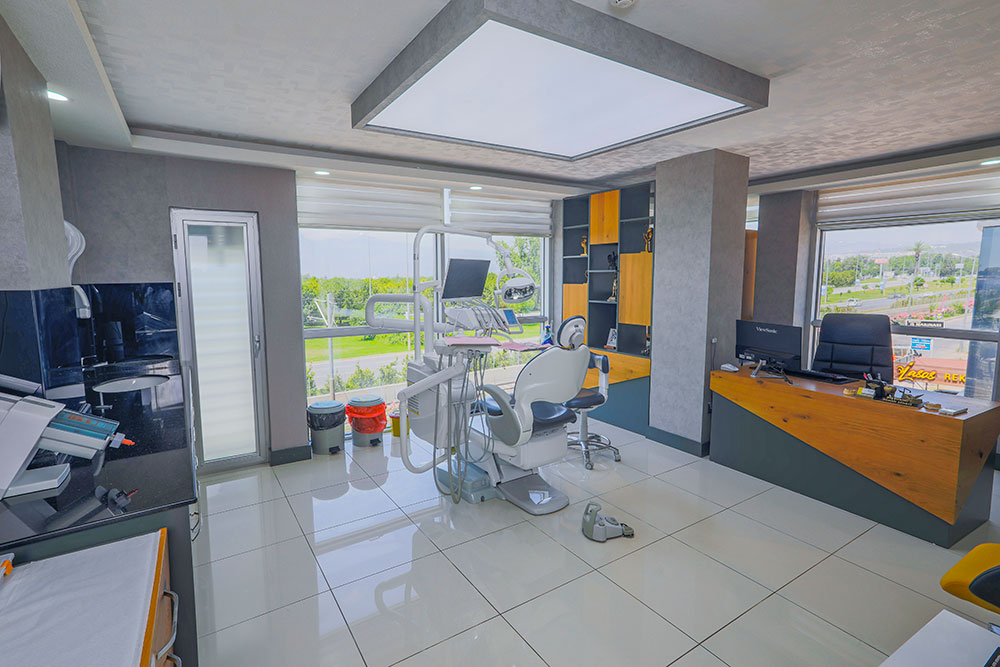
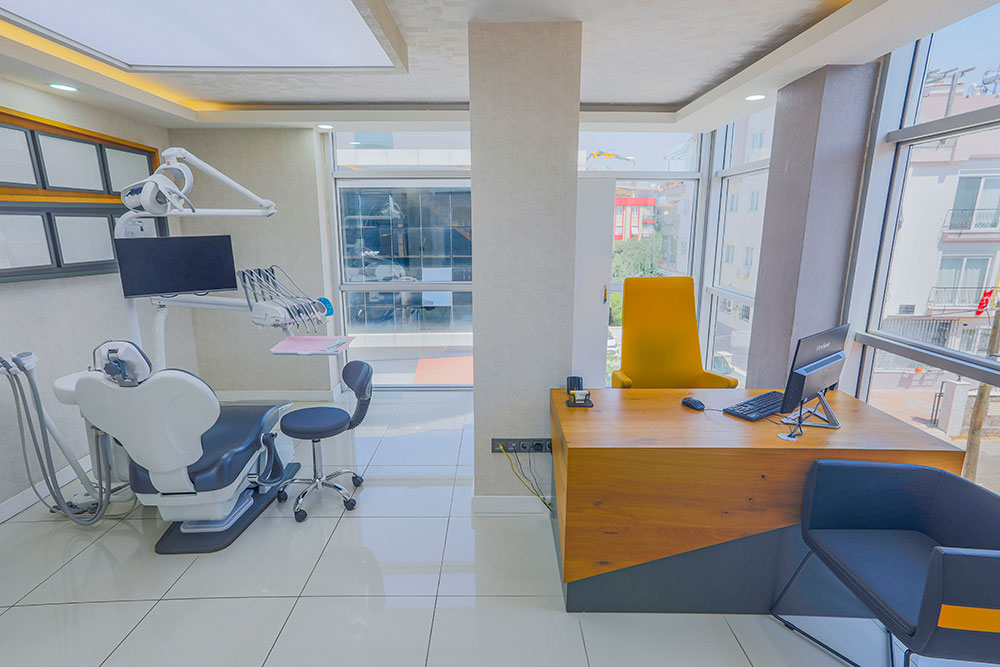
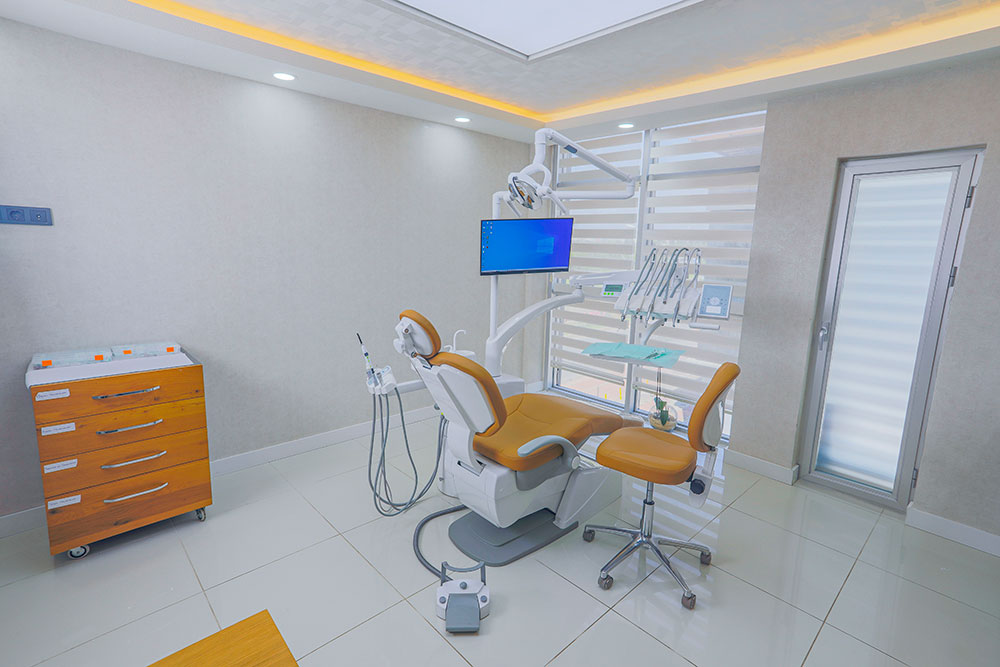
Umut Dental Clinic Antalya – clinic photo 1
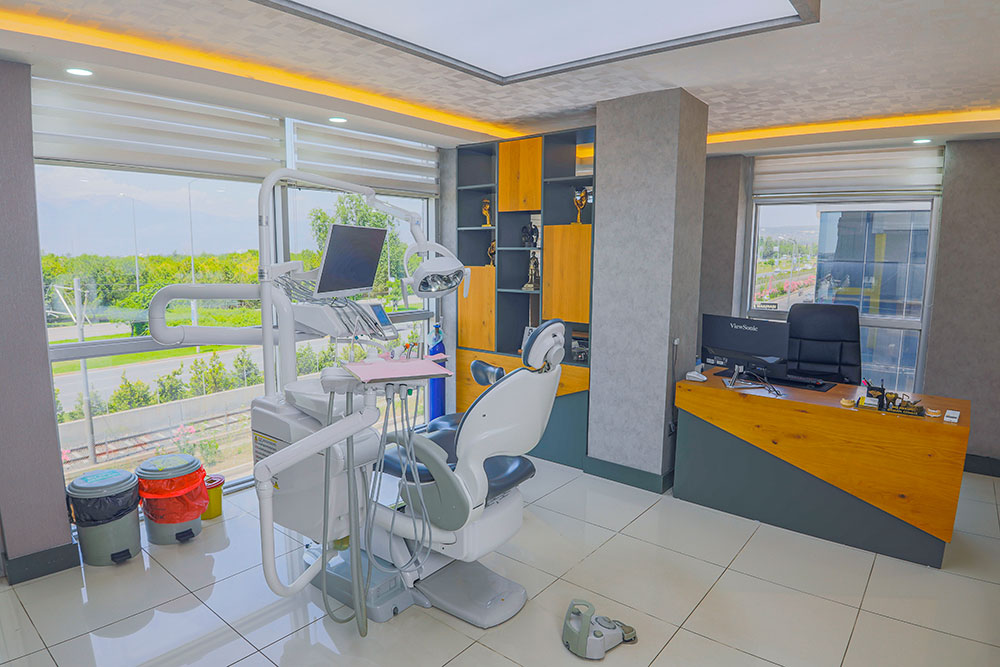
Umut Dental Clinic Antalya – clinic photo 2
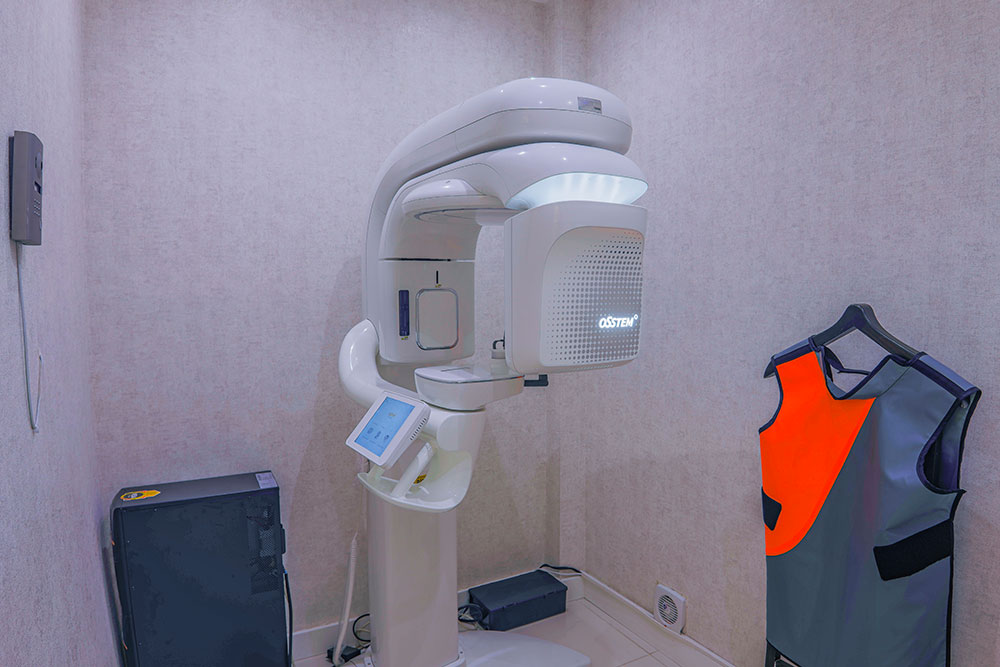
Umut Dental Clinic Antalya – clinic photo 3
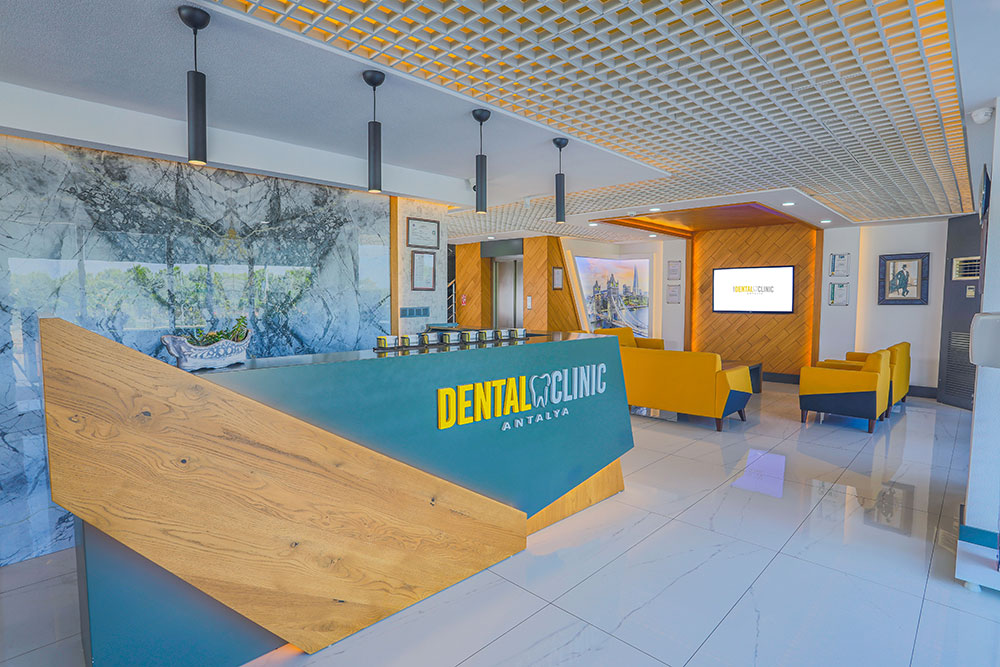
Umut Dental Clinic Antalya – clinic photo 4
Umut Dental Clinic Antalya – clinic photo 5
Umut Dental Clinic Antalya – clinic photo 6
Welcome to Umut Dental

Our Clinic

Every smile tells a story — and we've been part of thousands of them for over 17 years.

Located in the heart of Antalya, our clinic combines trusted experience with the latest dental technology. Our skilled and caring dentists create healthy, natural and long-lasting results — and from your first consultation to your final check-up, you'll feel cared for not just as a patient, but as part of our family.

  • Specialist Dentists
  • Latest Technology
  • Modern, Hygienic Clinic
  • Patient Coordinators
Testimonials

By Your Side at Every Step

At Umut Dental Clinic Antalya, we're by your side through every stage of your smile journey — with care, honesty, and expertise.

Umut Dental Clinic patient

The whole process from getting picked up friendly service from taxi driver to staying in hotel provided excellent friendly staff, appointments on time very lovely staff at clinic experience dental advice. Obviously its never a good experience to have your teeth out but never the less after care and advice on any issues is excellent and if you need to talk or chat can be done via WhatsApp, cant fault the service in my opinion.

Umut Dental Clinic patient

The overall service is very good. We were supported by Ibru who spoke good English. I had top and bottom teeth done. It includes sinus uplift, bone graft, German implants and porcelain veneers. The transfers from Airport were included as well as hotel and medication. They have the lab in the same location where the technicians make the teeth and crowns. Very pleased for the all round service.

Umut Dental Clinic patient

I simply must thank you for making my dental experience as painless as possible. You were exactly what I was looking for in a dentist. Thank you for keeping me at ease during my appointment. The communication throughout my time at the clinic and at the hotel was fantastic and any questions I had were answered swiftly. I'm looking forward to returning in April for more treatment. — Annmarie 🇬🇧

Umut Dental Clinic patient

Me and my partner had a fantastic experience here. Both of our dentists were perfectionists and gave us exactly what we wanted. We wouldn't change a thing about our teeth now. We are so confident and delighted with our smiles now. We also got to bring our 2 year old with us, which was so convenient for us, and everybody was great with him! I highly recommend this place!

Umut Dental Clinic patient

Couldn't be more pleasant. Great atmosphere, lovely people working there and they won't give up — they will get your teeth done no matter what obstacle they may encounter. I recommend Umut Dental for great results. Thank you to all staff there.

Patient Stories

Trusted by Patients Around the World

Real experiences from real Umut Dental Clinic patients.

What our patients say on Trustpilot
JD
John DunbarNew Zealand · Sep 14, 2026

This is by far the easiest review I have ever done. Umut Dental Clinic is the one stop shop for everything dental which is so very important. These people are true professionals from the front door to the engine room and beyond. I have made friends with my dentist Dr Osman the head of Umut Dental Clinic and he leads by example and creates a fantastic experience and outcome for us their clients. I am more than happy to recommend Umut Dental Clinic for all your dental works and answer any of your questions. Make the right call. Call Umut Dental Clinic.

A
AnnetteUnited Kingdom · Apr 21, 2026

My visit to Umut dental clinic was amazing.
FATIH SUNAR was my dentist he is an amazing dentist, i wasn't the easiest of patients through nerves.
I couldn't be happier with the overall service i received.
I would whole heartily recommend this clinic for any treatments.
Thankyou

TH
Thomas Trevor HoweGermany · Apr 1, 2026

I was quite nervous before I sat in the chair, but once there i was made feel comfortable and relaxed.
I had quite a bit of work done and what I really liked was the speed my dentist worked at,, I was out of the chair with 7 implants in less than 2 hours ..
The place is spotless , the equipment is more than up to date.
The price I was quoted was the price I paid. I will return for yearly check ups as I wouldnt want anyone else looking after me.
Well done to a very professional team !!

CT
Christine ThomasUnited Kingdom · Jan 19, 2026

My doctor was Faith Sunar, I'm very pleased with how professional he was and how much care he took in his work to make sure I was happy with my new teeth.
They corrected my problems and give me a new set as my old ones were not fitting properly, which was under my gaurentee.
I was seen each day for 4 days , they made sure everything was perfect before I flew back home to England uk.
The clinic was exceptionally clean and spotless.
Beyza was very helpfull to our needs and spoke very good English , she was very kind from start to finish.
Is definitely 100./. Recommend this dentist practice to anyone I'd give them 10/10.

TE
Theresa EnglishUnited Kingdom · Nov 14, 2025

Had excellent treatment with UMUT - extremely well organised and professional. I was talked through the procedure all the way through, given medication which made the process pain free and bearable. My dentist was lovely and only happy when everything was absolutely perfect. When you have so much choice of dentistry in Antalya, it can feel like a very hard decision to make but I would totally recommend this clinic. Thanks again to my fabulous dentist Tugce Aricetin

JR
Jason RobertsonUnited Kingdom · Nov 8, 2025

What a perfect clinic from start to finish I would recommend them to anyone around the world so professional hygiene is amazing on my life you would think you was in a clinic were the famous people go the United Kingdom doesn't even come close to Umut dental clinic I couldn't be happier 12 out of 10 best thing I've ever done so happy thank you umut thank thank you and thank you Dentist Tugce and thank you to the whole team

A
ArieNetherlands · Oct 29, 2025

it was great service and very helpfull friendly team also the transport to clinic was excellent. the hotel also was nice and friendly people and nice breakfast. i'm looking forward to visit Antalya and all the nice people in april again, very beutifull beach also. thank you for helping me and i hope to see you in april for finishing

O
OlgaGermany · Jul 11, 2025

I had dental treatment at Umut Clinic Antalya, and I can confidently say—three years later—that this clinic truly delivers on its promise of quality and guarantee. The results of my treatment have remained excellent over time, and I'm still very happy with everything they did.
The entire team is extremely friendly, professional, and caring. The dentists are highly trained and very experienced, which immediately gave me a sense of trust and security. They took time to explain everything clearly and made sure I felt comfortable throughout the process.
What also sets Umut Zahnklinik apart is their exceptional service for international patients. From airport pickup to accommodation support, everything was well-organized and stress-free. You really feel taken care of from start to finish.
I can highly recommend Umut Zahnklinik to anyone looking for high-quality dental care in Turkey. A great clinic with lasting results and a warm, welcoming team!

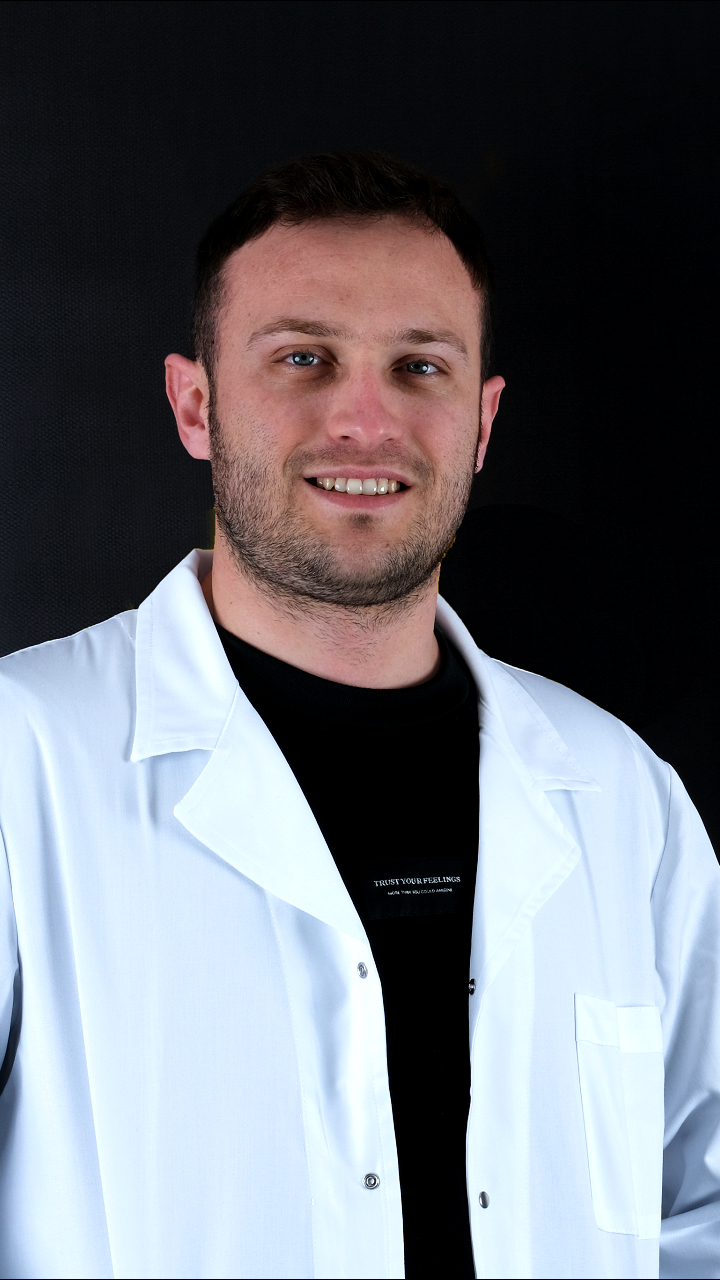
Our Team

Meet Our Doctors

Experienced clinicians dedicated to natural, healthy and long-lasting smile outcomes.

Dr. Osman Cengiz – Umut Dental Clinic Antalya

Dr. Osman Cengiz

Clinic Founder
Dr. Ayşe Dilara Yüzgeç – Umut Dental Clinic Antalya

Dr. Ayşe Dilara Yüzgeç

Dentist
Dr. Fatih Sunar – Umut Dental Clinic Antalya

Dr. Fatih Sunar

Dentist
Dr. Tuğba Taş Mammadov – Umut Dental Clinic Antalya

Dr. Tuğba Taş Mammadov

Dentist
Dr. Melisa Köse – Umut Dental Clinic Antalya

Dr. Melisa Köse

Dentist
Dr. Abdullah Zeki Ceylan – Umut Dental Clinic Antalya

Dr. Abdullah Zeki Ceylan

Dentist
Dr. Merve Yıldırım – Umut Dental Clinic Antalya

Dr. Merve Yıldırım

Dentist
Dr. Samet Dönmez – Umut Dental Clinic Antalya

Dr. Samet Dönmez

Dentist

Online Consultation

Leave your contact information and we will contact you soon.