Homepage
Treatments
Dental Implants
Oral & Jaw Surgery
Aesthetic Smile Design
Crowns, Bridges & Dentures
General & Restorative
Gum & Jaw Joint Care
Comfort & Children
See all treatments →
Smile Gallery Package List Dental Events About Us Blog Contact

Dental Check-Ups

How It Works

3 Steps to a Healthy Smile

From your first message to your final check-up, we're with you at every stage of your treatment journey.

1

Online Consultation & Planning

Share your details and photos with us. Our patient advisors evaluate your case with our dentists and prepare a personalised treatment plan with clear timelines and pricing.

2

Arrival & Treatment

We help organise your travel and stay. Once you arrive, all examinations and treatments are carried out in our fully equipped clinic in Antalya.

Book Appointment
3

Your New Smile & Aftercare

Your treatment is completed as planned. Enjoy your healthy, confident smile, relax in Antalya — and stay in touch with us for aftercare once you're home.

Dental Check-Ups

Dental check-ups are routine visits to a dentist to examine your teeth, gums and mouth, and to prevent or treat problems such as tooth decay, gum disease and damaged restorations. They are considered when you want to maintain healthy teeth, have noticed changes in your mouth, or have specific concerns like sensitivity, bad breath or bleeding gums. During a check-up, the dentist assesses your oral health, discusses your habits and medical history, and may recommend professional cleaning, X‑rays or further treatment if needed. On this page, you will learn what happens during a dental check-up, how often you may need one, which symptoms require urgent attention, and how these visits are organised for patients travelling to Antalya from abroad.

What Are Dental Check-Ups and Why Are They Important?

Dental check-ups are planned appointments where a dentist examines your mouth to prevent problems, detect changes early and keep your teeth and gums as healthy as possible. They are an essential part of general healthcare, similar to regular medical check-ups, because many dental conditions develop slowly and quietly before you notice pain.

During a routine oral check-up, the dentist looks at your teeth, gums, tongue, cheeks, palate (roof of the mouth) and bite. The aim is to find early signs of tooth decay, gum inflammation, worn or cracked teeth, damaged fillings or crowns, and changes in the soft tissues. The dentist also considers how your general health, medications and lifestyle may affect your mouth.

Regular dental examinations are important for several reasons:

  • Prevention: The dentist can remove plaque and tartar, guide you on brushing and flossing, and suggest changes before problems progress.
  • Early detection: Small cavities, mild gum disease and minor cracks are usually easier, faster and more comfortable to treat than advanced disease.
  • Monitoring existing work: Crowns, fillings, bridges, implants and dentures need periodic checks to make sure they are still fitting and functioning well.
  • General health links: Some conditions, such as diabetes or vitamin deficiencies, may show in the mouth, and gum disease has been associated with several systemic illnesses.
  • Oral cancer screening: Dentists look for unusual patches, ulcers or lumps that may require further investigation.

Skipping dental check-ups for long periods can allow plaque to harden, cavities to deepen, gums to recede and bone support to weaken. For example, a small, painless cavity seen on a check-up might be treated with a simple filling, while the same cavity left unchecked could eventually require root canal treatment or extraction. Regular visits are a way to stay in control of your oral health rather than waiting for emergencies.

Who Should Have Regular Dental Check-Ups?

Everyone, from young children to older adults, should have regular dental check-ups, although how often you need to go depends on your individual risk of dental problems. Teeth and gums can be affected at any age, and many changes are not obvious until they are advanced.

Children benefit from dental visits from the first year of life or when the first tooth appears. Early check-ups help monitor tooth eruption, jaw development and habits such as thumb sucking or use of pacifiers. The dentist can guide parents on cleaning, diet and fluoride use in a safe way. Spotting early signs of decay in baby teeth helps protect the permanent teeth that will follow.

Teenagers and young adults often face issues such as cavities from sugary drinks, sports injuries, orthodontic needs and impacted wisdom teeth. Regular dental examinations at this stage allow the dentist to guide mouthguard use, assess crowding and refer for orthodontic treatment if needed, or monitor wisdom teeth that may require removal later.

Adults need continual checks for gum disease, worn or cracked teeth from grinding, acid erosion from diet or reflux, and problems with old fillings or crowns. Pregnancy can also affect the gums, leading to increased bleeding and sensitivity, so check-ups during pregnancy are important, with timing and treatment adjusted as needed.

Older adults often have more complex needs: missing teeth, dry mouth caused by medications, receding gums and long-standing restorations. They may use dentures, implants, bridges or crowns that require monitoring. Regular dental check-ups reduce the risk of soreness, denture-related infections and chewing difficulties that can affect nutrition.

People with certain medical conditions, such as diabetes, heart disease, autoimmune disorders or a history of head and neck radiotherapy, may need closer dental follow-up because these conditions can influence healing and gum health. Smokers and users of tobacco or alcohol also benefit from frequent checks due to higher risks of gum disease and oral cancers.

Even if you have no remaining natural teeth and wear full dentures, you still need periodic dental examinations to check the fit of your dentures, assess the health of your gums and oral tissues, and screen for any suspicious changes.

Everything You Need to Know

More about Dental Check-Ups

When Should a Dental Check-Up Be Postponed?

A dental check-up should sometimes be postponed or adjusted when your general health or specific medical treatments make a routine visit unsafe or less advisable at that moment. The goal is to protect your overall health while still ensuring that urgent dental needs are not ignored.

If you have an acute illness such as a high fever, severe flu-like symptoms or a contagious respiratory infection, it is usually better to reschedule a non-urgent dental examination. Attending while unwell can make you feel worse and may spread infection to others. However, if you also have severe dental pain, facial swelling or difficulty swallowing, you should inform the clinic, as urgent care may still be needed with appropriate precautions.

Certain medical conditions may require stabilisation before a routine check-up. For example, uncontrolled high blood pressure or uncontrolled diabetes can increase the risk of complications. In such situations, dentists often prefer that your physician adjusts your treatment and confirms better control before elective procedures. This does not mean you should ignore serious dental symptoms; instead, communication between your dentist and doctor is important.

People who take blood-thinning medications can usually attend normal check-ups without interruption, but planned invasive procedures, such as extractions or some gum treatments, may need coordination with the prescribing doctor. The dentist will decide whether it is safer to delay or adapt the procedure rather than the entire check-up.

During pregnancy, especially in the first trimester, many dentists prefer to limit dental care to necessary examinations, cleaning and urgent treatments. Non-urgent procedures may be postponed to the second trimester or after birth, depending on your situation and comfort. Routine check-ups are still important, but the timing and type of treatment are carefully considered.

If you have recently undergone major surgery, chemotherapy or radiotherapy, your immune system may be weaker. The dentist may advise postponing non-essential care or planning it in consultation with your medical team. In those who received radiotherapy to the head and neck, dental decisions are especially cautious because healing can be affected.

Finally, if you test positive for a contagious condition that requires isolation according to local regulations, routine dental visits should be delayed until it is safe to attend. Any severe dental pain, swelling, fever, spreading infection or difficulty breathing requires urgent contact with a dentist or emergency service, even if a planned check-up must be adapted to your health status.

What Happens During a Dental Check-Up?

During a dental check-up, the dentist first reviews your medical and dental history, then carefully examines your teeth, gums and mouth, and finally discusses findings and any recommended treatment or preventive measures. The appointment is structured but can be adapted to your needs and concerns.

The visit usually begins with a medical and dental questionnaire. You are asked about medications, allergies, chronic illnesses, past dental treatments and any symptoms such as pain, sensitivity, bad breath or bleeding gums. This information helps the dentist understand your overall health and decide which procedures are safe and appropriate.

The dentist then performs a clinical examination of your mouth, often in this order:

  • Checks the outside of your face and jaw for swelling or tenderness.
  • Looks at your lips, cheeks, tongue, floor of the mouth and palate for ulcers, white or red patches or lumps.
  • Examines the gums for redness, swelling, bleeding and recession (gum pulling away from the tooth).
  • Inspects each tooth for cavities, cracks, wear, loose fillings, exposed roots and plaque or tartar deposits.
  • Evaluates your bite, jaw movement and any signs of grinding or clenching.

If you have crowns, bridges, implants or dentures, the dentist checks how these fit and how easy they are to clean. Any areas that are difficult to reach with a toothbrush or floss are pointed out and cleaning methods are explained.

Depending on what is observed, the dentist may recommend professional cleaning during the same visit or at a separate appointment. This usually includes scale removal (to take away hardened tartar) and polishing to smooth the tooth surfaces. Cleaning helps reduce inflammation and makes it easier for you to maintain oral hygiene at home.

At the end of the check-up, the dentist explains the findings in simple terms. This may include:

  • Confirmation that everything looks healthy but needs continued care.
  • Identification of early problems such as small cavities or mild gum disease.
  • Discussion of treatment options if decay, gum disease or damaged restorations are present.
  • Advice on brushing, flossing, interdental brushes, mouth rinses and diet changes that can support your oral health.

You can use this time to ask questions, express worries or talk about aesthetic goals such as whitening or a smile makeover. The dentist then suggests how often you should return for check-ups based on your personal risk of dental and gum disease.

Do Dental Check-Ups Include X-Rays or 3D Scans?

Dental check-ups may include X-rays or 3D scans, but they are not always necessary at every visit. The decision depends on your dental history, current symptoms, age and the dentist’s clinical findings during the examination.

Dental X-rays (radiographs) provide images of the teeth and surrounding bone that cannot be seen with the naked eye. They help detect cavities between teeth, infections at the root tips, bone loss from gum disease, impacted teeth and problems under fillings or crowns. There are several types, such as small X-rays that focus on one or two teeth, or larger ones that show the upper and lower jaws in one image.

For new patients, or those who have not had X-rays for a long time, the dentist may suggest baseline images to understand the overall condition of the teeth and bone. Later on, X-rays are usually repeated only when there is a clinical reason, such as new symptoms, visible changes or monitoring of a known problem. The time interval can vary widely depending on your risk for decay and gum disease.

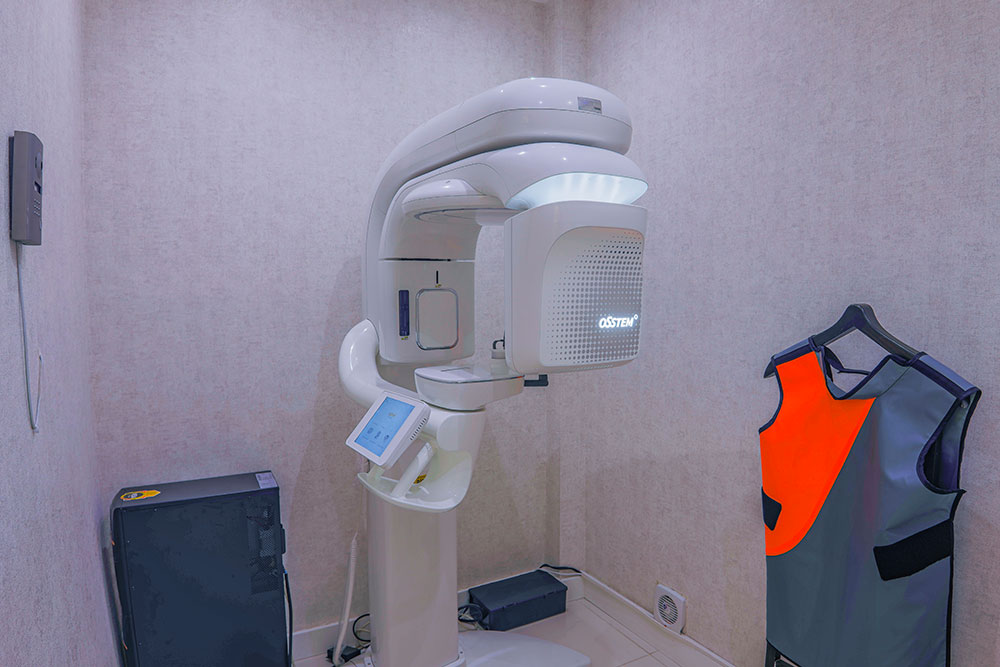
3D scans, often called cone beam CT scans, show the jaws and teeth in three dimensions. These are not used routinely in every check-up but are considered for more complex situations, such as planning dental implants, evaluating certain jaw problems, or assessing complicated root or bone conditions. Because they provide more detailed images, they are reserved for cases where this extra information will clearly help diagnosis or treatment planning.

Radiation exposure from dental imaging is kept as low as reasonably possible. Modern equipment uses controlled doses, and protective measures such as aprons or thyroid collars may be used when appropriate. The dentist weighs the small risk from radiation against the benefit of accurate diagnosis and treatment.

Certain patients, such as pregnant women, require special consideration. In emergency situations, dental X-rays can be taken with precautions, but for routine check-ups, imaging may be delayed or limited. Children receive carefully adjusted doses based on their size and needs.

If you are concerned about X-rays or scans, you can discuss this openly. The dentist will explain why imaging is or is not recommended, what type is suggested, and how often. The aim is always to gather enough information to manage your oral health safely without unnecessary exposure.

How Long Does a Dental Check-Up Take?

A standard dental check-up usually takes between 20 and 45 minutes, but the exact length depends on whether you are a new or returning patient, whether X-rays or cleaning are included, and how complex your dental situation is. Some visits are shorter when everything is stable, while others are longer if several issues need to be discussed.

For a first visit to a new dentist, you can expect more time to be spent on medical and dental history, a detailed examination and, if needed, baseline X-rays. This often takes towards the longer end of the range. The dentist may also discuss your goals, such as preserving teeth, improving appearance or restoring missing teeth, and explain treatment options in more detail.

For a routine check-up when you attend regularly and have few problems, the appointment may be shorter. The dentist confirms your health status, examines your mouth and either confirms that everything is stable or notes small changes that can be managed easily. Questions and advice are still part of the visit.

If a professional cleaning is performed during the same visit, the overall time may extend to around 45–60 minutes. Cleaning includes removing tartar above and below the gumline, polishing and explaining how to reach difficult areas at home. In some cases, especially when there is significant gum disease, cleaning may be divided into several appointments.

More complex situations, such as planning for multiple dental bridges, implants or extensive restorative work, may require separate consultation appointments that last longer. These visits often involve study models, photos, and discussion of different approaches so that you can make informed decisions.

If you are travelling from another city or country, time is also needed to coordinate appointments efficiently. For example, a short first check-up can be followed by a more detailed planning visit the next day. Communicating your time limits in advance helps the clinic schedule enough time for accurate diagnosis without rushing.

Emergency assessments for severe pain, swelling or trauma may be shorter but very focused on identifying the cause quickly and relieving symptoms. Further treatment or follow-up check-ups are then arranged as needed. Always allow a little extra time in your schedule, as some visits can take longer if unexpected findings arise.

Does a Dental Check-Up Hurt?

A routine dental check-up is generally not painful, but you may experience mild discomfort if your teeth or gums are already sensitive or inflamed. The dentist aims to be gentle, and any uncomfortable step can be adjusted or paused if you let them know how you feel.

The visual examination itself, where the dentist looks at your teeth, gums and mouth, does not usually cause pain. You might feel light pressure when the dentist uses a small mirror or dental probe to check tooth surfaces and gum pockets. If there is active decay or very sensitive areas, these touches can feel sharp or uncomfortable, but they are brief and help identify where treatment is needed.

Gums that are swollen or bleeding from gingivitis (mild gum inflammation) or periodontitis (more advanced gum and bone disease) may feel tender during probing or cleaning. Some patients describe this as soreness rather than pain. The dentist can adapt the technique, use thinner instruments, or suggest topical numbing or local anaesthesia if a particular area is very sensitive and more thorough treatment is required.

Professional cleaning during a check-up, especially scale removal, can cause sensitivity when tartar is removed from exposed root surfaces or when cold water is used. This sensitivity usually eases shortly after the procedure. The dentist may recommend desensitising toothpaste or other measures to help reduce this feeling at home.

Anxiety can make sensations feel stronger. If you feel nervous about dental visits, sharing this at the beginning of the appointment can change the pace and approach. Short breaks, clear explanations of each step and focusing on breathing can help many patients feel more in control. For example, some people find it helpful when the dentist counts down how long a step will take.

If any procedure beyond a simple check-up is needed, such as a filling or deep gum cleaning, local anaesthesia is usually offered to keep you comfortable. The effects wear off after a few hours, and you are given instructions about eating and drinking while numb to avoid biting your cheeks or tongue.

What Problems Can a Dental Check-Up Detect Early?

A dental check-up can detect many problems at an early stage, when treatment is usually simpler, more predictable and less invasive. Early diagnosis gives you more options and can often prevent emergencies such as severe pain, swelling or tooth loss.

One of the most common findings is early tooth decay, tiny cavities that may appear as white or brown spots before a hole forms. These are often not painful and may only be visible to the dentist or on X-rays. When caught early, they may be treated with small fillings or sometimes managed with improved hygiene and fluoride, rather than more extensive work.

Gum disease often begins silently. Gingivitis causes redness and bleeding of the gums, especially when brushing or flossing, but little or no pain. If not addressed, it can progress to periodontitis, an inflammation of the tissues and bone around the teeth, leading to pockets, recession and loose teeth over time. Regular check-ups help detect changes in gum depth, bleeding and plaque build-up before serious damage occurs.

Dental examinations can also identify worn or cracked teeth due to grinding, clenching, incorrect bite or habits like nail-biting. Early signs include flattened chewing surfaces, tiny lines or chips. If these are found, the dentist can suggest protective measures such as bite adjustment or a night guard to reduce further damage.

Problems with restorations such as fillings, crowns, bridges or implants are another focus. Margins can leak, materials may chip, and supporting teeth or bone can change. Detecting small gaps or fractures around existing work allows repairs or replacements before decay or infection develops underneath.

A dental check-up is also an opportunity to screen for oral cancer and other mucosal diseases. The dentist looks for persistent ulcers, red or white patches, lumps, thickened areas or unexplained changes in the soft tissues. While many findings are harmless, suspicious areas may need monitoring or referral to a specialist. Early detection of serious conditions can significantly affect treatment options.

In children and teenagers, check-ups can reveal problems with tooth eruption and jaw development. Crowding, missing teeth, extra teeth or impacted canines can often be seen relatively early. Early referral for orthodontic assessment sometimes allows simpler treatments than those needed later on.

Finally, dental check-ups can detect dry mouth, erosion and sensitivity related to diet, medications or systemic illnesses. For example, acid erosion from frequent acidic drinks or reflux can thin enamel, while dry mouth increases the risk of cavities and infections. Addressing these underlying causes helps protect the teeth in the long term.

What Happens If You Have Gum Disease, Decay or Missing Teeth?

If gum disease, tooth decay or missing teeth are found during a dental check-up, the dentist will explain the situation clearly and propose a treatment plan tailored to your needs and general health. The aim is to stabilise your oral condition, relieve symptoms and restore function in a safe, step-by-step way.

For gum disease, treatment depends on how advanced it is. In early gingivitis, professional cleaning, improved brushing and flossing techniques, and sometimes antiseptic mouth rinses are usually enough to reverse inflammation. In more advanced periodontitis, the dentist may recommend deeper cleaning (also called root surface debridement or scaling below the gumline) carried out over one or several appointments. These procedures aim to remove bacteria and tartar from pockets around the teeth so that the gums can reattach more closely.

The dentist may also review general factors that affect gum health, such as smoking, diabetes control and certain medications. Regular follow-up visits are important, because gum disease can return if plaque control is not maintained. In severe cases, referral to a periodontist (gum specialist) may be suggested.

When tooth decay is detected, the size and depth of the cavity guide treatment. Small cavities usually need fillings to remove decayed tissue and restore the tooth shape. Larger decay may require inlays, onlays or dental crowns to protect the remaining tooth. If decay has reached the nerve, root canal treatment or, in some cases, extraction may be needed. The dentist will discuss pros and cons of each option, considering your budget, time and long-term expectations.

If you have missing teeth, the dentist evaluates the condition of neighbouring teeth, gums and bone. Options to replace missing teeth can include removable dentures, fixed bridges supported by adjacent teeth, or dental implants that act as artificial roots. Each method has advantages, limitations and maintenance needs. For example, a bridge may require preparing the teeth next to the gap, while implants need sufficient bone and good oral hygiene.

When several problems coexist, such as multiple cavities, gum disease and missing teeth, the dentist may propose a phased plan. The first phase often addresses infection and pain control, such as treating acute decay or abscesses. The second phase focuses on stabilising gum health and repairing teeth. The final phase deals with more complex restorative or aesthetic treatments if you wish.

Not every tooth can or should be saved in every situation. Sometimes, heavily damaged or loose teeth are recommended for extraction to avoid repeated infections. The dentist will explain why extraction is advised and how the space can be managed in the short and long term. You always have the opportunity to ask questions or request more time to decide on major treatments.

Changes to daily habits, such as diet, smoking cessation and improved cleaning, are often an essential part of managing gum disease and decay. The dentist or hygienist can demonstrate techniques and tools that match your abilities and lifestyle, such as specific interdental brushes or floss aids.

How Often Should You Have a Dental Check-Up?

Most adults and children benefit from a dental check-up every 6 to 12 months, but the exact interval is decided individually based on your risk of tooth decay, gum disease and other oral problems. Some people need more frequent visits, while others with very low risk may safely attend less often, under the guidance of their dentist.

During your visit, the dentist assesses several factors that influence how often you should return:

  • Your history of cavities, gum disease, extractions or root canal treatments.
  • The amount of plaque and tartar build-up and how well you clean your teeth at home.
  • Presence of restorations such as crowns, bridges, implants or dentures that need monitoring.
  • General health conditions like diabetes, dry mouth, or medications that affect saliva or healing.
  • Lifestyle factors including diet high in sugar or acid, smoking or alcohol use.

If you have low risk of dental problems, with healthy gums, minimal plaque, no recent cavities and good hygiene, the dentist may suggest check-ups every 12–18 months, combined with a professional cleaning schedule that suits you. However, this interval may shorten if your situation changes.

People with moderate risk, such as a history of a few cavities, some tartar build-up or mild gum problems, are often advised to attend every 6–12 months. This allows the dentist to catch new issues early and support you in improving daily care.

If you have high risk, for example due to active gum disease, frequent decay, smoking, uncontrolled diabetes or reduced saliva flow, more frequent check-ups are often recommended, sometimes every 3–6 months. These visits can include targeted cleaning, monitoring of specific areas and reinforcement of home care techniques.

Children and teenagers may also require tailored intervals depending on their risk of decay, orthodontic needs and habits. For example, a child with multiple fillings or poor brushing may benefit from more regular monitoring and preventive measures such as fissure sealants, if appropriate.

The recommended interval is not fixed permanently. It can be adjusted at each visit depending on your progress, changes in general health or new treatments. You are encouraged to attend sooner than the planned check-up if you notice symptoms such as persistent pain, swelling, ulcers that do not heal within two weeks, bleeding that worsens, bad taste or broken restorations.

Regular routine oral check-ups are a shared responsibility between you and your dentist, designed to protect your oral health in a realistic and sustainable way.

What Should You Do After a Dental Check-Up?

After a dental check-up, you should follow the advice given by the dentist, maintain good daily oral hygiene and arrange any recommended treatments or follow-up visits. These steps help turn the information from your examination into practical actions that support your oral health.

If you received a professional cleaning during your visit, your teeth and gums may feel smooth and sometimes slightly sensitive, especially to cold. You can usually eat and drink normally right away, unless local anaesthesia was used. In that case, it is safer to wait until the numbness wears off before chewing to avoid biting your cheeks or tongue.

The dentist may suggest short-term measures, such as:

  • Using a soft-bristled toothbrush and gentle technique if your gums are tender.
  • Rinsing with salt water or a prescribed mouth rinse, if recommended, to soothe the gums.
  • Choosing softer foods for a day or two if thorough cleaning was performed around inflamed gums.

Long-term, you are usually advised to brush twice a day with fluoride toothpaste and clean between your teeth daily using floss or interdental brushes. The dentist or hygienist may have shown you specific tools or methods during the check-up; continuing these at home is essential. For example, if you have dental bridges or implants, special threaders or brushes may be needed to clean underneath.

If the dentist detected issues such as cavities, gum disease or damaged restorations, you will likely receive a treatment plan outlining the recommended procedures and their sequence. Try to schedule these appointments within the suggested timeframe, as delays can allow problems to progress. If you are unsure about any part of the plan, you can request clarification before you leave or contact the clinic later.

Pay attention to any changes in your mouth after the visit. Mild soreness after cleaning or probing is common and usually settles within a couple of days. However, if you develop increasing pain, significant swelling, fever, difficulty swallowing or bleeding that does not stop, contact the dentist or seek urgent care, as these could be signs of infection or other complications.

It can also be helpful to reflect on lifestyle habits that may affect your teeth and gums. This might include reducing frequent sugary snacks or acidic drinks, avoiding tobacco and limiting alcohol. Small, steady changes often have a significant impact over time.

Finally, make a note of the recommended date for your next check-up, even if it is many months away. Some people find it useful to book the next appointment immediately or set a reminder in their calendar so that preventive care does not get forgotten among other commitments.

Dental Check-Ups in Antalya: Planning Your Visit and Follow-Up

For patients travelling to Antalya, dental check-ups can be combined with other dental treatments or scheduled as stand-alone preventive visits during your stay. Planning ahead allows you to make the most of your time while ensuring that any necessary follow-up is realistic once you return home.

Before travelling, it is helpful to share your dental history, recent X-rays if available and any specific concerns. This information allows the dentist to understand whether you mainly need a routine examination, evaluation for treatments such as implants, crowns or teeth whitening, or urgent assessment of existing problems. For example, a patient who has noticed bleeding gums and loose teeth may need extra time reserved for gum evaluation and cleaning.

During the dental check-up in Antalya, the dentist will carry out the same steps as for local patients: medical and dental history, clinical examination, and, if needed, X-rays or scans. The difference for international visitors is that the dentist also considers your travel dates, possible language needs and the feasibility of completing treatments within your schedule.

If any issues are found, short-term and long-term options are discussed. Short-term care might include treating active infections, addressing severe decay or stabilising loose restorations so that you can eat comfortably during travel. Longer-term plans, such as placing implants or full-mouth reconstruction, may require staged visits separated by months to allow for healing. The dentist will outline what can be started in Antalya and what can continue with your local dentist at home.

Written reports, copies of X-rays and clear instructions can be provided to help your home dentist understand what was done. This supports continuity of care, for example when stitches need removing, temporary restorations need replacing or gums need ongoing monitoring.

It is wise to allow some flexibility in your travel schedule for dental appointments, especially if you are also undergoing treatments beyond the check-up. Healing responses can vary between individuals, and sometimes an extra review visit is useful to ensure everything is settling as expected before you fly back.

If you experience severe pain, sudden swelling, fever, bleeding that does not stop, or difficulty swallowing or breathing at any time during your stay, you should contact the dental clinic or seek emergency care promptly rather than waiting for your planned appointment. At Umut Dental Clinic Antalya, patients can share their details and X-rays for an online consultation before planning travel, which helps create a realistic and safe timetable for both check-ups and any further treatment.

The information on this page is for general education only and does not replace an examination, diagnosis or treatment. See a dentist for any concerns about your oral health.

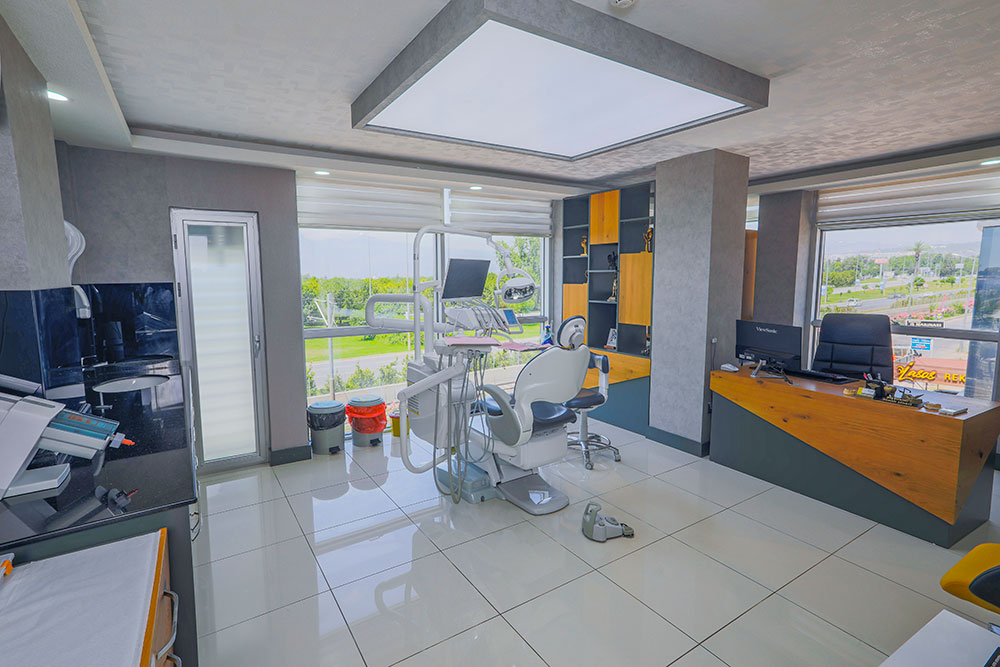
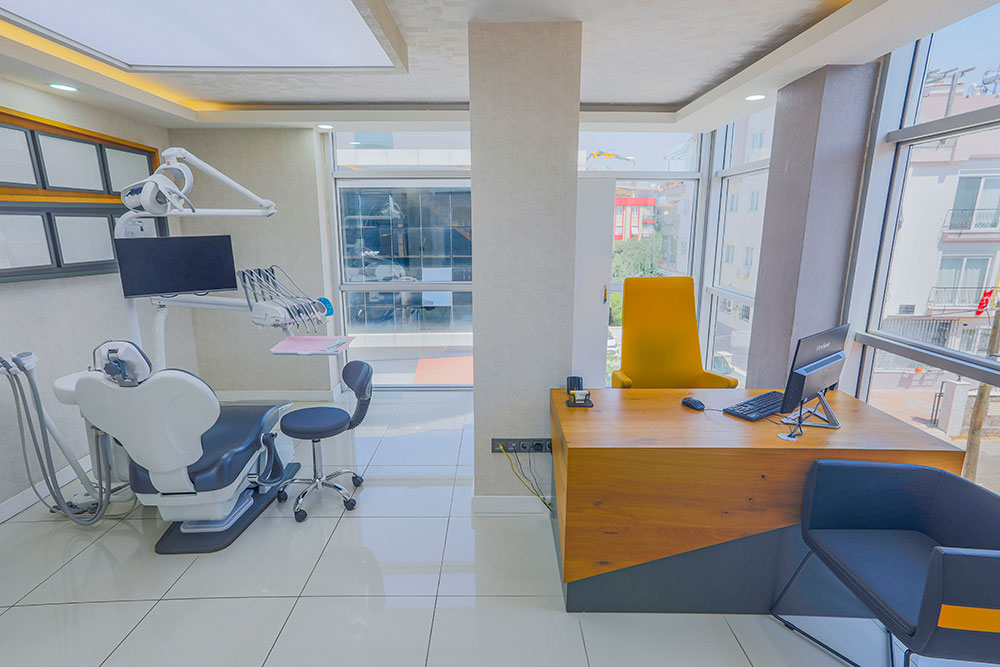
Umut Dental Clinic Antalya – clinic photo 1
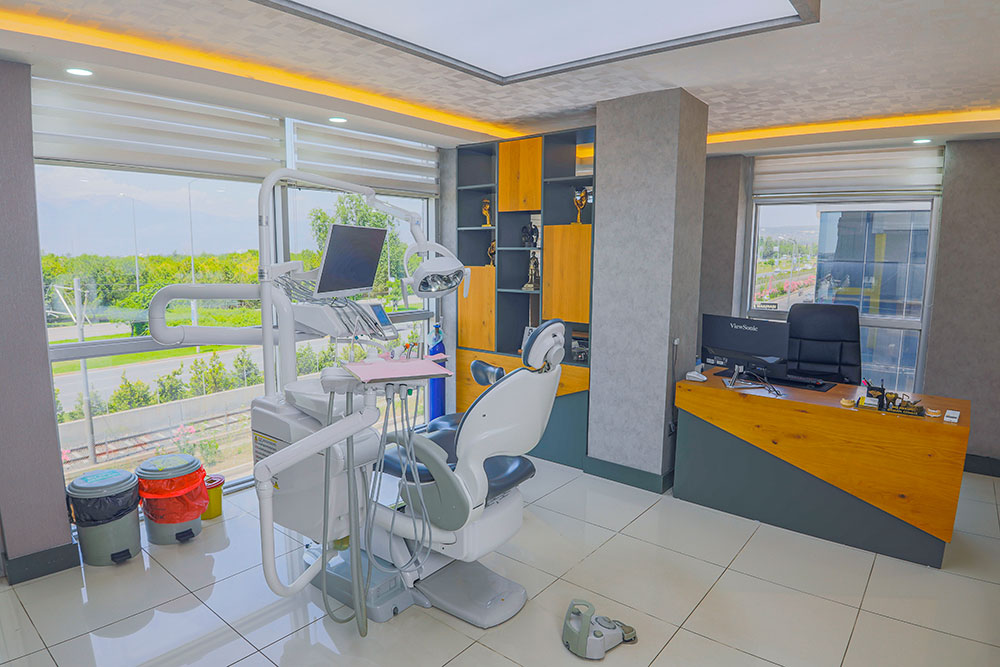
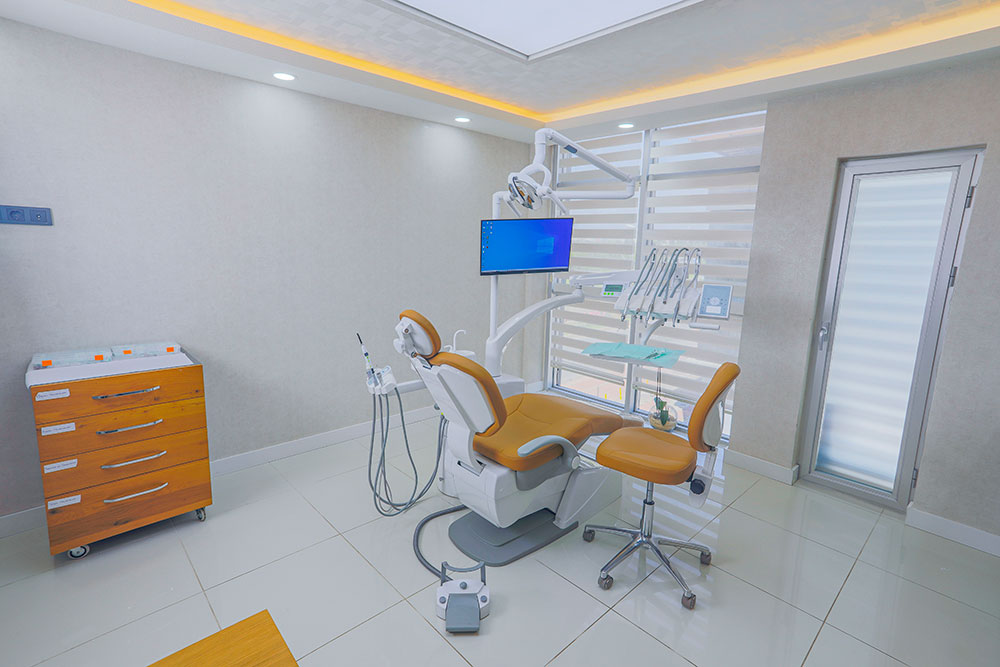
Umut Dental Clinic Antalya – clinic photo 2
Umut Dental Clinic Antalya – clinic photo 3
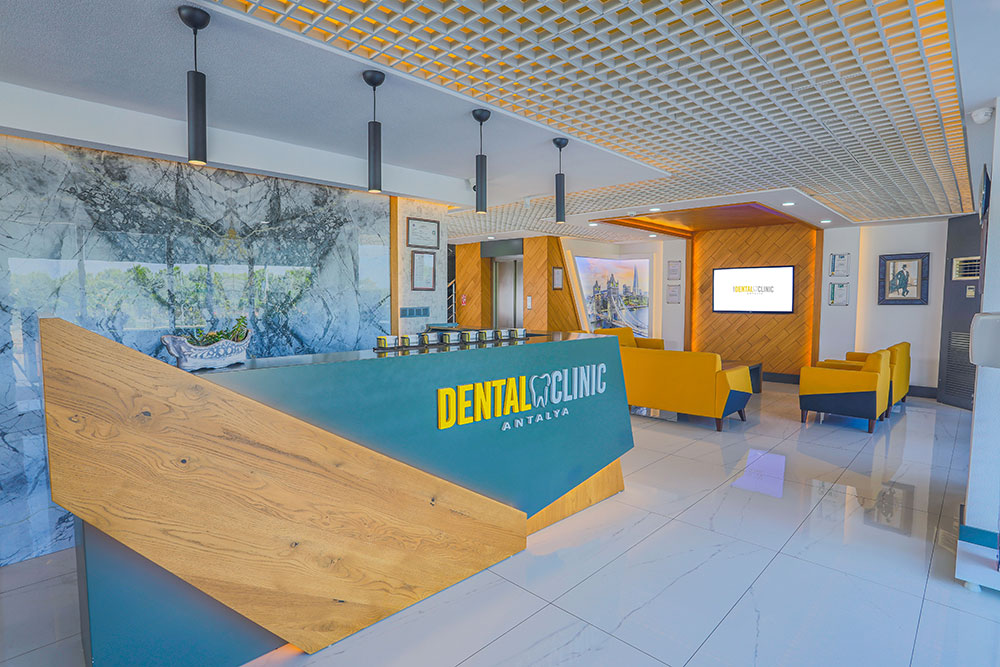
Umut Dental Clinic Antalya – clinic photo 4
Umut Dental Clinic Antalya – clinic photo 5
Umut Dental Clinic Antalya – clinic photo 6
Welcome to Umut Dental

Our Clinic

Every smile tells a story — and we've been part of thousands of them for over 17 years.

Located in the heart of Antalya, our clinic combines trusted experience with the latest dental technology. Our skilled and caring dentists create healthy, natural and long-lasting results — and from your first consultation to your final check-up, you'll feel cared for not just as a patient, but as part of our family.

  • Specialist Dentists
  • Latest Technology
  • Modern, Hygienic Clinic
  • Patient Coordinators
Testimonials

By Your Side at Every Step

At Umut Dental Clinic Antalya, we're by your side through every stage of your smile journey — with care, honesty, and expertise.

Umut Dental Clinic patient

The whole process from getting picked up friendly service from taxi driver to staying in hotel provided excellent friendly staff, appointments on time very lovely staff at clinic experience dental advice. Obviously its never a good experience to have your teeth out but never the less after care and advice on any issues is excellent and if you need to talk or chat can be done via WhatsApp, cant fault the service in my opinion.

Umut Dental Clinic patient

The overall service is very good. We were supported by Ibru who spoke good English. I had top and bottom teeth done. It includes sinus uplift, bone graft, German implants and porcelain veneers. The transfers from Airport were included as well as hotel and medication. They have the lab in the same location where the technicians make the teeth and crowns. Very pleased for the all round service.

Umut Dental Clinic patient

I simply must thank you for making my dental experience as painless as possible. You were exactly what I was looking for in a dentist. Thank you for keeping me at ease during my appointment. The communication throughout my time at the clinic and at the hotel was fantastic and any questions I had were answered swiftly. I'm looking forward to returning in April for more treatment. — Annmarie 🇬🇧

Umut Dental Clinic patient

Me and my partner had a fantastic experience here. Both of our dentists were perfectionists and gave us exactly what we wanted. We wouldn't change a thing about our teeth now. We are so confident and delighted with our smiles now. We also got to bring our 2 year old with us, which was so convenient for us, and everybody was great with him! I highly recommend this place!

Umut Dental Clinic patient

Couldn't be more pleasant. Great atmosphere, lovely people working there and they won't give up — they will get your teeth done no matter what obstacle they may encounter. I recommend Umut Dental for great results. Thank you to all staff there.

Patient Stories

Trusted by Patients Around the World

Real experiences from real Umut Dental Clinic patients.

What our patients say on Trustpilot
JD
John DunbarNew Zealand · Sep 14, 2026

This is by far the easiest review I have ever done. Umut Dental Clinic is the one stop shop for everything dental which is so very important. These people are true professionals from the front door to the engine room and beyond. I have made friends with my dentist Dr Osman the head of Umut Dental Clinic and he leads by example and creates a fantastic experience and outcome for us their clients. I am more than happy to recommend Umut Dental Clinic for all your dental works and answer any of your questions. Make the right call. Call Umut Dental Clinic.

A
AnnetteUnited Kingdom · Apr 21, 2026

My visit to Umut dental clinic was amazing.
FATIH SUNAR was my dentist he is an amazing dentist, i wasn't the easiest of patients through nerves.
I couldn't be happier with the overall service i received.
I would whole heartily recommend this clinic for any treatments.
Thankyou

TH
Thomas Trevor HoweGermany · Apr 1, 2026

I was quite nervous before I sat in the chair, but once there i was made feel comfortable and relaxed.
I had quite a bit of work done and what I really liked was the speed my dentist worked at,, I was out of the chair with 7 implants in less than 2 hours ..
The place is spotless , the equipment is more than up to date.
The price I was quoted was the price I paid. I will return for yearly check ups as I wouldnt want anyone else looking after me.
Well done to a very professional team !!

CT
Christine ThomasUnited Kingdom · Jan 19, 2026

My doctor was Faith Sunar, I'm very pleased with how professional he was and how much care he took in his work to make sure I was happy with my new teeth.
They corrected my problems and give me a new set as my old ones were not fitting properly, which was under my gaurentee.
I was seen each day for 4 days , they made sure everything was perfect before I flew back home to England uk.
The clinic was exceptionally clean and spotless.
Beyza was very helpfull to our needs and spoke very good English , she was very kind from start to finish.
Is definitely 100./. Recommend this dentist practice to anyone I'd give them 10/10.

TE
Theresa EnglishUnited Kingdom · Nov 14, 2025

Had excellent treatment with UMUT - extremely well organised and professional. I was talked through the procedure all the way through, given medication which made the process pain free and bearable. My dentist was lovely and only happy when everything was absolutely perfect. When you have so much choice of dentistry in Antalya, it can feel like a very hard decision to make but I would totally recommend this clinic. Thanks again to my fabulous dentist Tugce Aricetin

JR
Jason RobertsonUnited Kingdom · Nov 8, 2025

What a perfect clinic from start to finish I would recommend them to anyone around the world so professional hygiene is amazing on my life you would think you was in a clinic were the famous people go the United Kingdom doesn't even come close to Umut dental clinic I couldn't be happier 12 out of 10 best thing I've ever done so happy thank you umut thank thank you and thank you Dentist Tugce and thank you to the whole team

A
ArieNetherlands · Oct 29, 2025

it was great service and very helpfull friendly team also the transport to clinic was excellent. the hotel also was nice and friendly people and nice breakfast. i'm looking forward to visit Antalya and all the nice people in april again, very beutifull beach also. thank you for helping me and i hope to see you in april for finishing

O
OlgaGermany · Jul 11, 2025

I had dental treatment at Umut Clinic Antalya, and I can confidently say—three years later—that this clinic truly delivers on its promise of quality and guarantee. The results of my treatment have remained excellent over time, and I'm still very happy with everything they did.
The entire team is extremely friendly, professional, and caring. The dentists are highly trained and very experienced, which immediately gave me a sense of trust and security. They took time to explain everything clearly and made sure I felt comfortable throughout the process.
What also sets Umut Zahnklinik apart is their exceptional service for international patients. From airport pickup to accommodation support, everything was well-organized and stress-free. You really feel taken care of from start to finish.
I can highly recommend Umut Zahnklinik to anyone looking for high-quality dental care in Turkey. A great clinic with lasting results and a warm, welcoming team!

Our Team

Meet Our Doctors

Experienced clinicians dedicated to natural, healthy and long-lasting smile outcomes.

Dr. Osman Cengiz – Umut Dental Clinic Antalya

Dr. Osman Cengiz

Clinic Founder
Dr. Ayşe Dilara Yüzgeç – Umut Dental Clinic Antalya

Dr. Ayşe Dilara Yüzgeç

Dentist
Dr. Fatih Sunar – Umut Dental Clinic Antalya

Dr. Fatih Sunar

Dentist
Dr. Tuğba Taş Mammadov – Umut Dental Clinic Antalya

Dr. Tuğba Taş Mammadov

Dentist
Dr. Melisa Köse – Umut Dental Clinic Antalya

Dr. Melisa Köse

Dentist
Dr. Abdullah Zeki Ceylan – Umut Dental Clinic Antalya

Dr. Abdullah Zeki Ceylan

Dentist
Dr. Merve Yıldırım – Umut Dental Clinic Antalya

Dr. Merve Yıldırım

Dentist
Dr. Samet Dönmez – Umut Dental Clinic Antalya

Dr. Samet Dönmez

Dentist

Online Consultation

Leave your contact information and we will contact you soon.