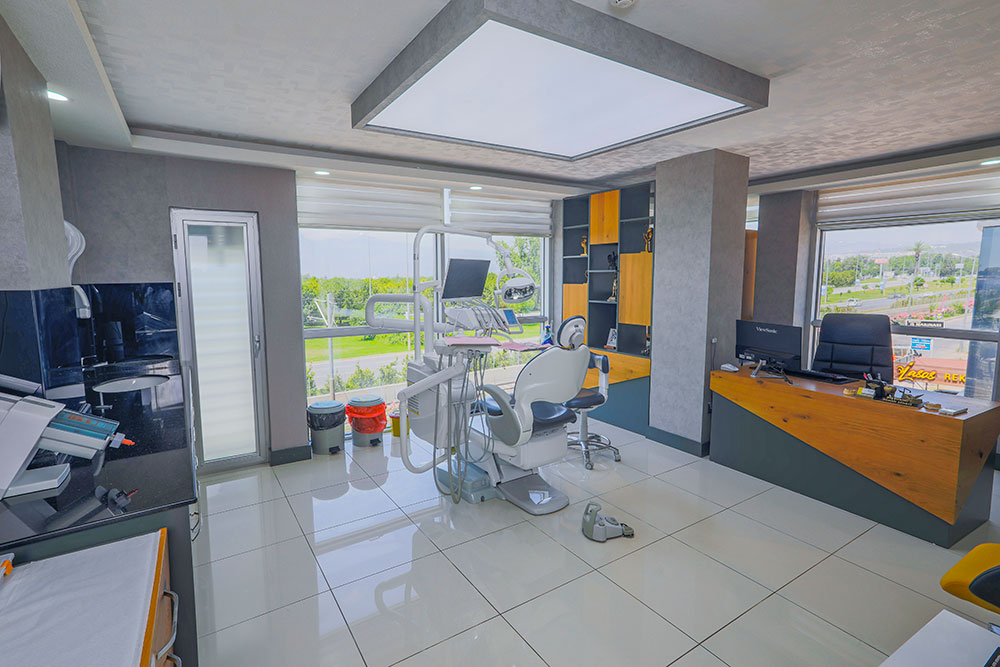
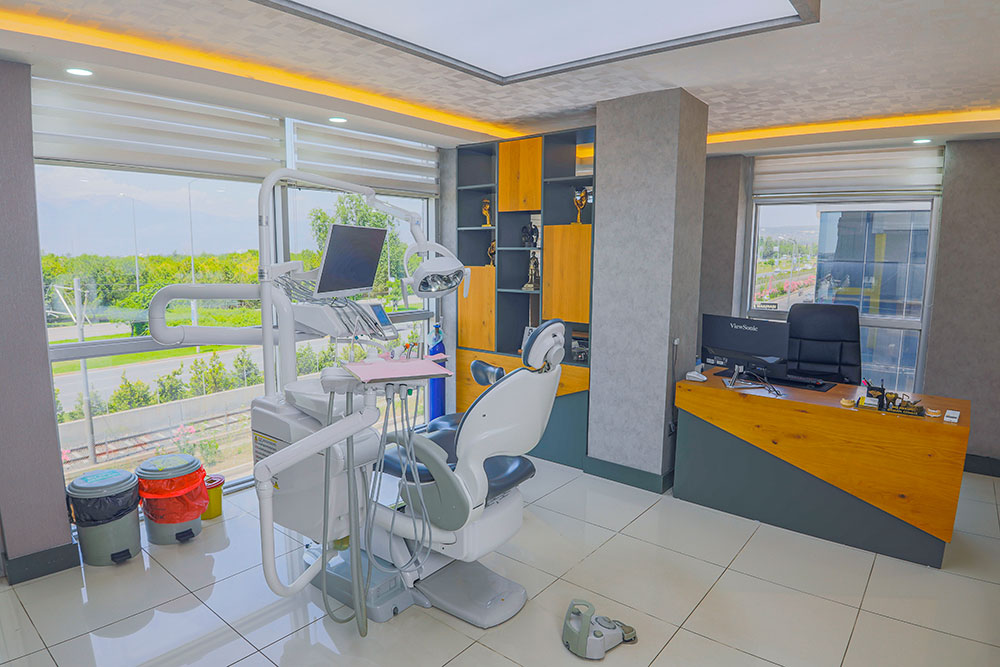
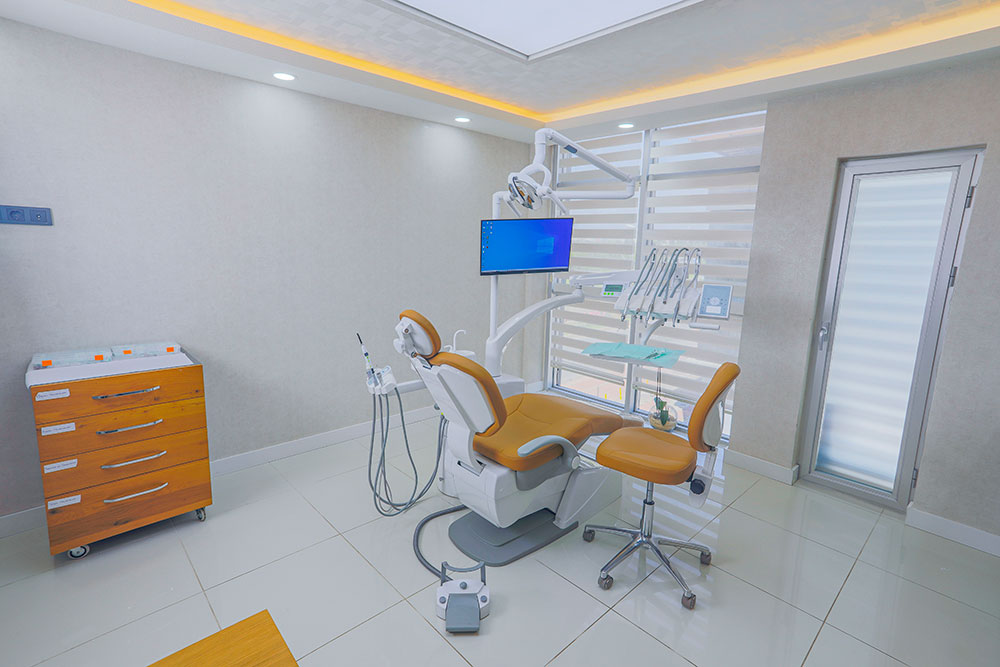
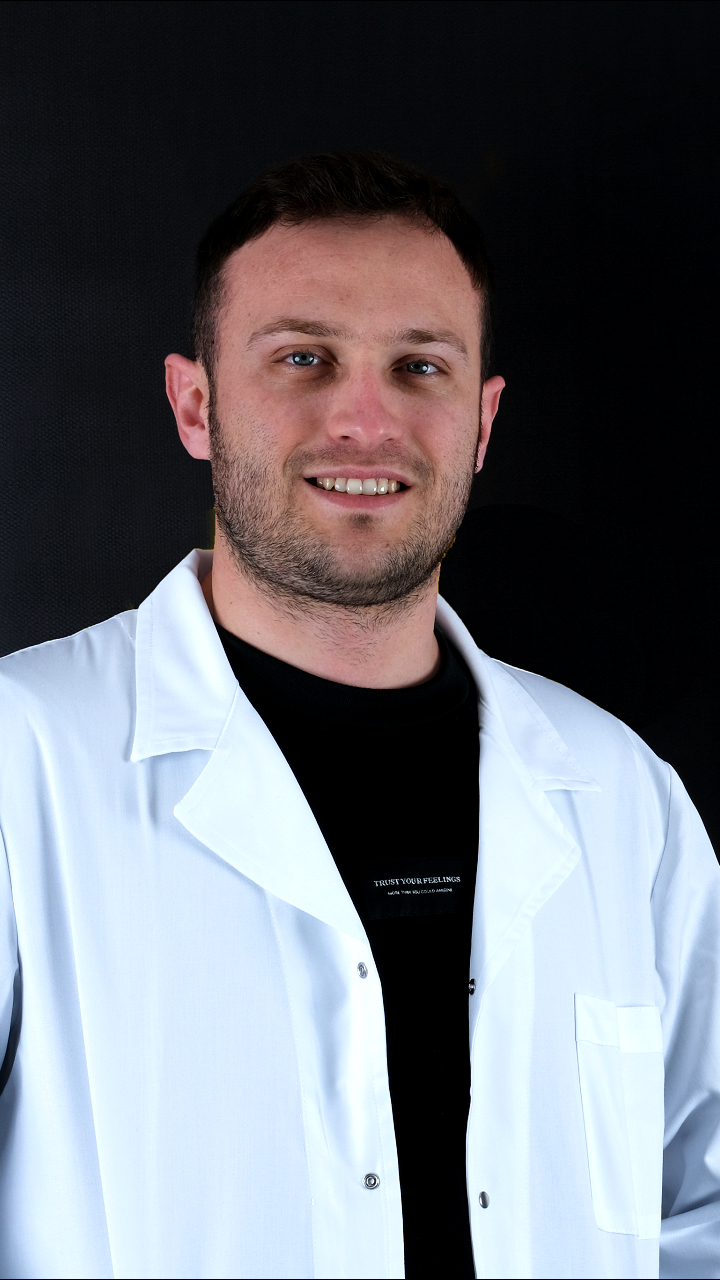
This is by far the easiest review I have ever done. Umut Dental Clinic is the one stop shop for everything dental which is so very important. These people are true professionals from the front door to the engine room and beyond. I have made friends with my dentist Dr Osman the head of Umut Dental Clinic and he leads by example and creates a fantastic experience and outcome for us their clients. I am more than happy to recommend Umut Dental Clinic for all your dental works and answer any of your questions. Make the right call. Call Umut Dental Clinic.
Root Canal Treatment
3 Steps to a Healthy Smile
From your first message to your final check-up, we're with you at every stage of your treatment journey.
Online Consultation & Planning
Share your details and photos with us. Our patient advisors evaluate your case with our dentists and prepare a personalised treatment plan with clear timelines and pricing.
Arrival & Treatment
We help organise your travel and stay. Once you arrive, all examinations and treatments are carried out in our fully equipped clinic in Antalya.
Book AppointmentYour New Smile & Aftercare
Your treatment is completed as planned. Enjoy your healthy, confident smile, relax in Antalya — and stay in touch with us for aftercare once you're home.
Get a Free Quote
Root canal treatment is a dental procedure used to save a tooth when the inner tissue (the pulp) is inflamed, infected or dead, usually because of deep decay, cracks, or trauma. Instead of removing the tooth, the dentist removes the damaged pulp, cleans and shapes the root canals, then fills and seals them to help prevent further infection. This treatment is considered when a tooth is badly damaged but still has enough structure to be kept in the mouth rather than extracted. On this page you will learn what root canal treatment is, when it is needed, who is a suitable candidate, how the procedure is carried out step by step, how long it usually takes, and how to look after the tooth during recovery. You will also find information about possible risks, alternatives such as extraction, and what to expect if you are planning root canal treatment in Antalya as an international patient.
What Is Root Canal Treatment and When Is It Needed?
Root canal treatment is a dental procedure that removes inflamed or infected pulp tissue from inside a tooth, cleans and disinfects the root canals, and then seals them to help protect the tooth from future infection. The pulp is the soft tissue in the center of the tooth that contains nerves, blood vessels and connective tissue. When this tissue is damaged beyond repair, the tooth can often still be saved by treating the canals instead of removing the entire tooth.
You may need a root canal if bacteria reach the pulp and cause irreversible damage. This usually happens because of deep dental decay, a crack or fracture, or trauma such as a blow to the tooth. Sometimes a large or repeated filling, or dental work that is very close to the pulp, can also lead to inflammation that the pulp cannot recover from.
Typical situations where dentists consider root canal treatment include:
- Deep decay that extends close to or into the pulp chamber.
- Persistent toothache, especially pain that lingers after hot or cold.
- Pain when chewing or touching the tooth.
- Swelling of the gum near the tooth, or a pimple-like spot that may drain fluid.
- Darkening of a tooth after trauma, suggesting the pulp may have died.
Some teeth needing root canal treatment cause little or no pain, especially if the pulp is already dead, which is why regular check-ups are important. An X-ray can show changes at the tip of the root, such as a dark area in the bone that suggests infection or inflammation. The final decision for a root canal is made after the dentist evaluates your symptoms, examines the tooth and interprets the imaging. In many cases, root canal treatment helps preserve your natural tooth so it can continue to function for chewing and speaking.
Who Is a Good Candidate for Root Canal Treatment?
A good candidate for root canal treatment is someone with a tooth whose pulp is irreversibly inflamed or infected, but whose outer structure and surrounding bone are healthy enough that the tooth can be restored and function normally. The key goal is to preserve a tooth that would otherwise be lost, provided it has a reasonable long-term outlook.
Your dentist will first check whether the tooth can be properly restored after treatment. For example, if there is enough remaining tooth above the gum line, a filling or a dental crown can usually be placed to protect it. If the tooth is too broken or decayed below the gum line, it may be difficult to secure a strong restoration, which affects whether root canal therapy is appropriate.
Other factors that support being a good candidate include:
- Healthy gums and bone around the tooth: Mild gum disease can often be treated alongside root canal therapy, but severe bone loss around the root can reduce the chances of success.
- Good general health: Most people are suitable, including older adults. Some medical conditions may require special planning or cooperation with your physician.
- Ability to keep up with oral hygiene: Brushing, flossing and regular dental visits help the treated tooth last longer.
- Commitment to final restoration: After root canal treatment, the tooth almost always needs a permanent filling or crown. Skipping this step can lead to fracture or reinfection.
Age alone is rarely a barrier. For example, a young adult with a traumatised front tooth can be an excellent candidate if the root and surrounding bone are intact. An older person with stable general health and manageable gum conditions may also benefit when saving a key tooth used for chewing or supporting a dental bridge.
The dentist will consider all these points, including your expectations and your ability to attend follow-up visits. If the tooth cannot be restored predictably, or if another solution such as a dental implant might offer a more reliable outcome, the dentist will discuss these alternatives with you before you decide.
More about Root Canal Treatment
When Is Root Canal Treatment Delayed or Not Recommended?
Root canal treatment is delayed or not recommended when the tooth or your general health makes the procedure unsafe, unpredictable, or unlikely to provide a stable long-term result. The aim is not simply to treat the canals but to ensure the tooth can function comfortably and reliably after treatment.
Situations where dentists may postpone or avoid root canal therapy include:
- Severe structural damage: If too much of the tooth is missing, especially below the gum line, it may not be possible to place a secure filling or crown. In these cases, extraction followed by a replacement option such as a dental implant might be considered.
- Advanced gum disease: Periodontitis (inflammation and loss of gum and bone around the tooth) can leave the tooth loose or with poor bone support. Even a technically successful root canal may not save such a tooth.
- Cracks extending below the gum: Vertical fractures that run along the root often make the tooth unrestorable, and root canal treatment usually does not solve the problem.
- Uncontrolled medical conditions: For example, uncontrolled diabetes, severe immune problems, or recent serious heart issues can require medical stabilisation before invasive dental treatment. The dentist may coordinate with your physician to find the right timing.
- Recent heart or joint surgery and blood thinners: These do not always prevent treatment, but they may need special precautions and sometimes delay.
- Pregnancy in certain trimesters: Many dental treatments, including root canals, can be done safely during pregnancy, especially when there is infection or pain. However, timing of X-rays and longer procedures may be adjusted, and non-urgent cases may be postponed until after birth.
Sometimes the treatment is not ruled out, but it is staged. For example, in the presence of significant swelling, the dentist may first focus on relieving pressure, draining infection and starting appropriate medical management, then complete the root canal after symptoms settle.
Your dentist will also look at your previous dental history. If a tooth has already had root canal treatment and has failed, a repeat procedure, surgery at the root tip, or removal of the tooth may each be options, depending on the reason for failure. The final decision is made after careful examination and discussion of benefits, risks, and alternatives.
How Is a Tooth Examined Before Root Canal Treatment?
Before root canal treatment, the tooth is examined with a combination of visual inspection, special tests and X-rays to confirm that the pulp is irreversibly damaged and that the tooth can be reasonably saved. This careful diagnosis helps avoid unnecessary treatment and improves the chances of a good outcome.
The assessment usually includes the following steps:
- Medical and dental history: You will be asked about your general health, medications, allergies and previous dental treatments. The dentist will also ask about your symptoms: when the pain started, what makes it better or worse, whether it wakes you at night, and whether you have noticed swelling or bad taste.
- Clinical examination: The dentist looks at the tooth, the surrounding gum and the rest of your mouth. They check for deep decay, large fillings, cracks, fractures, and signs of gum disease.
- Sensitivity tests: Cold or sometimes heat is applied to the tooth to see how the nerve responds. Prolonged or intense pain after removal of the stimulus can suggest irreversible inflammation of the pulp.
- Bite and percussion tests: You may be asked to bite on a small object or the dentist may gently tap the tooth. Pain on biting or tapping can point to inflammation at the root tip or a crack.
- Mobility and gum measurements: The dentist checks if the tooth is loose and may measure the depth of the gum pockets to evaluate the health of supporting tissues.
- X-rays (radiographs): One or more small X-rays are taken to see the roots, the surrounding bone and the extent of decay. These images help identify abscesses, cyst-like lesions, extra roots, or unusual canal shapes.
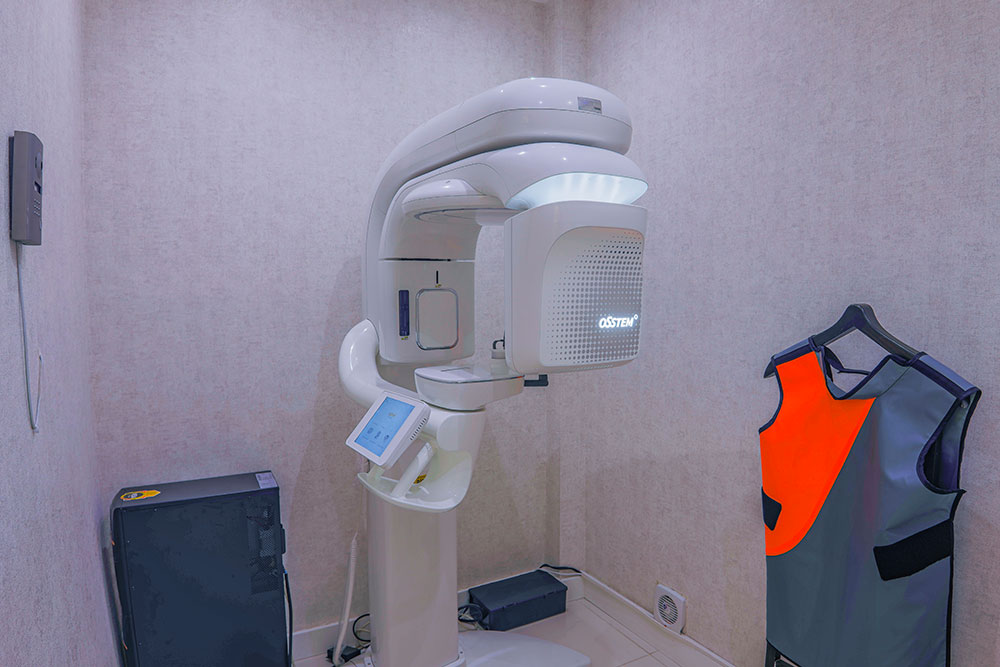
Sometimes, more detailed three-dimensional imaging is recommended, especially for teeth with complex roots, retreatment cases, or when previous restorations limit the information from standard X-rays. This decision depends on individual needs and is not required for every case.
After gathering this information, the dentist will explain whether the pulp appears irreversibly damaged, whether a root canal is advisable, and what other options exist. You can ask about the expected prognosis, how the tooth will be restored afterwards, and what the treatment will involve. This examination phase is crucial, as a tooth with reversible pulp inflammation or pain coming from another source, such as the jaw joint or a sinus issue, should not be treated with root canal therapy.
How Does Root Canal Treatment Work Step by Step?
Root canal treatment works by removing inflamed or infected pulp from inside the tooth, cleaning and shaping the root canals, then sealing them so bacteria are less likely to re-enter. Though the details vary with each case, most treatments follow a structured sequence of steps.
The procedure typically includes:
- Local anaesthesia: The area around the tooth is numbed so you stay as comfortable as possible during the procedure.
- Isolation of the tooth: A rubber sheet (rubber dam) is often placed around the tooth to keep it dry and to prevent instruments or materials from entering your mouth.
- Access opening: The dentist makes a small opening in the tooth, usually through the biting surface of back teeth or the back of front teeth, to reach the pulp chamber.
- Removal of the pulp: Special tiny instruments are used to remove the damaged pulp tissue from within the pulp chamber and canals.
- Cleaning and shaping: The canals are gently enlarged and shaped with fine files and rinsed with disinfecting solutions to reduce bacteria and remove debris. The goal is to create smooth, clean channels that can be filled effectively.
- Temporary medication (in some cases): For teeth with large infections or complex anatomy, the dentist may place an antimicrobial dressing inside the canals and close the tooth with a temporary filling, allowing time for healing before final filling.
- Filling the canals (obturation): Once the canals are clean and dry, they are filled with a rubber-like material and a sealing paste to close the space and help prevent reinfection.
- Sealing the access cavity: A temporary or permanent filling is placed in the opening used to access the canals.
- Final restoration: At a separate visit, the tooth is usually covered with a crown or, less commonly, a large filling to protect it from fracture and restore function.
Throughout the steps, the dentist may take X-rays to check the length of the canals and the quality of the filling. For example, an X-ray is often used to confirm that the instruments and filling materials reach close to, but not beyond, the tip of each root. The exact number of appointments depends on the complexity of your tooth, the presence of infection, and your overall treatment plan.
Does Root Canal Treatment Hurt?
Root canal treatment itself is usually not painful because local anaesthesia is used to numb the tooth and the surrounding area, but you may feel some pressure and mild discomfort during and after the procedure. Many people find that the intense pain they had before treatment actually reduces once the inflamed or infected pulp tissue is removed.
During the procedure, the dentist carefully checks that the area is fully numb before starting work. You might feel vibration from the instruments or gentle pushing sensations, but sharp pain should not occur. If you feel anything uncomfortable, you can signal the dentist to pause. Extra anaesthetic can often be applied, especially in cases where the tooth was very inflamed and harder to numb at first.
After the treatment, it is common for the tooth and surrounding area to feel tender for a few days, especially when biting or touching the tooth. This reaction is usually due to irritation of the tissues around the root and the healing process, not to ongoing infection. Mild soreness can typically be managed with pain-relief medication recommended by your dentist, and it often improves within a few days to a week.
You should contact a dentist promptly if you experience:
- Severe pain that does not improve with recommended pain relief.
- Noticeable swelling of the face or jaw.
- Fever or feeling generally unwell.
- Difficulty swallowing or breathing.
These symptoms can indicate complications or an infection that needs urgent attention. For example, if a swelling rapidly increases or you develop trouble breathing, emergency care is needed. Most root canal treatments, however, are completed without serious problems, and the discomfort is usually manageable and temporary. Discuss any concerns with your dentist in advance, especially if you feel anxious about dental procedures, so that coping strategies and timing can be adjusted to your needs.
How Long Does Root Canal Treatment Take?
Root canal treatment usually takes between one and three visits, with each appointment lasting about 45 to 120 minutes, depending on the tooth and the complexity of the case. The total time needed varies because every tooth and every person is different.
Several factors influence the duration:
- Type of tooth: Front teeth generally have one root canal and are often quicker to treat. Premolars usually have one or two canals, and molars at the back of the mouth can have three or more canals, making them more time-consuming.
- Canal shape and number: Narrow, curved or branching canals are more complex and may require extra time and visits for safe cleaning and filling.
- Presence of infection: If there is a significant infection or an abscess at the root tip, the dentist may prefer to disinfect the canals over more than one visit, placing medication inside the tooth between appointments.
- Previous treatment: Retreatment of a tooth that has already had root canal therapy often takes longer, as old filling materials need to be removed and hidden or blocked canals located.
- Your general comfort: Sometimes, long sessions are avoided to reduce jaw fatigue, especially if you have difficulty keeping your mouth open for extended periods.
In many straightforward cases, the cleaning and filling can be completed in a single visit, followed by a separate appointment for the final crown or large filling. In other situations, your dentist may plan two or more root canal visits to allow medication to work inside the canals and to check that symptoms are improving.
After the internal treatment is finished, the final restoration (often a crown) may require one or more extra visits, which should also be factored into the overall treatment time. Your dentist will explain the expected number of appointments at the start, but this plan can change slightly based on how the tooth responds and any findings during treatment.
What Can I Eat After Root Canal Treatment?
After root canal treatment, you can usually eat soft, non-chewy foods once the numbness wears off, but it is important to avoid biting hard on the treated tooth until it has a strong permanent restoration. This helps protect the tooth from cracking and reduces discomfort during the healing phase.
While your mouth is still numb, it is safest not to eat at all. Chewing while numb can lead to accidentally biting your cheek, tongue or lip. Once sensation returns, choose foods that are gentle on the tooth and easy to chew.
Suitable options often include:
- Yoghurt, soft cheese, scrambled eggs.
- Mashed potatoes, soft cooked vegetables, soups that are warm rather than very hot.
- Soft pasta, rice, and finely chopped or minced meat.
- Bananas, ripe pears, or other soft fruits.
Try to chew on the opposite side of your mouth from the treated tooth, especially if it only has a temporary filling. Avoid for at least several days:
- Hard foods such as nuts, hard sweets, crusty bread or ice cubes.
- Very sticky foods like chewing gum, toffee or certain sweets that might dislodge a temporary filling.
- Very hot or very cold foods if the tooth or surrounding area still feels sensitive.
As the tenderness decreases, you can gradually return to your normal diet, being cautious with the treated tooth until your dentist confirms that the final filling or crown is in place. For example, someone who has had a root canal on a molar might wait until after their crown is fitted before using that side for biting into crusty bread or crunchy snacks.
Drinking plenty of water and maintaining a balanced diet support general healing. If chewing continues to cause sharp pain or if a part of the tooth or filling feels loose or broken, contact a dentist for a review rather than continuing to eat on that side.
Recovery and Aftercare After Root Canal Treatment
Recovery after root canal treatment usually involves mild to moderate tenderness around the treated tooth for a few days, which gradually settles as the tissues heal. Caring properly for the tooth and surrounding gums during this time helps support healing and reduces the risk of complications.
Typical expectations and care steps include:
- Short-term sensitivity: You may feel discomfort when biting, touching the tooth, or sometimes from temperature changes. This is often most noticeable in the first 48–72 hours and then improves.
- Pain relief: Your dentist may recommend suitable pain-relief medication. Take it only as directed, and consult your dentist or physician if you have medical conditions that affect which medicines are safe for you.
- Oral hygiene: Keep brushing and cleaning between your teeth gently around the treated area. Use a soft-bristled toothbrush and avoid snapping floss forcefully into the gum. Good hygiene helps prevent gum inflammation and new decay.
- Chewing habits: Avoid hard or chewy foods on the treated side until your dentist confirms the tooth is stable and the final restoration is complete.
- Temporary fillings: If a temporary filling was used, protect it by avoiding sticky foods that could pull it out. Inform your dentist if it feels loose, cracked, or falls out.
A simple table can help summarise some routine advice:
| Do | Avoid |
|---|---|
| Brush gently twice daily with a soft brush | Chewing hard foods on the treated tooth initially |
| Use floss or interdental cleaners carefully | Sticky sweets or gum that can dislodge fillings |
| Follow all instructions from your dentist | Ignoring persistent or increasing pain |
Contact a dentist promptly if you notice swelling, worsening pain after the first few days, fever, a bad taste that persists, or if a part of the tooth breaks. These may indicate that the tooth or surrounding tissues need further attention.
Once healing has stabilised, schedule and attend regular check-ups to monitor the tooth, the surrounding bone, and your overall oral health. A properly restored root-treated tooth can often serve well for many years, provided it is protected with a suitable crown or filling and you maintain consistent home care and professional cleaning. A periodic routine oral check-up allows early detection of any changes before they become serious.
What Are the Risks and Possible Complications of Root Canal Treatment?
Root canal treatment, like any dental procedure, carries some risks and possible complications, although serious problems are not common when the treatment is carefully planned and performed. Understanding these risks helps you make an informed decision and recognise when to seek follow-up care.
Potential issues include:
- Persistent or recurring infection: Sometimes bacteria remain in hidden or curved canals, or can re-enter later through a leaking filling or new decay. This can lead to ongoing discomfort or a recurring abscess, and may require retreatment, surgery at the root tip, or removal of the tooth.
- Instrument separation: Fine metal instruments used to clean canals can occasionally break inside a canal. In some cases, the piece can be removed or bypassed; in others, it may be left if the canal is otherwise well cleaned and sealed. The long-term effect depends on where and why it occurred.
- Perforation: Creating or enlarging the canal can rarely cause a small hole in the side of the root or tooth. The dentist may seal this, but sometimes it can affect prognosis.
- Cracks or fractures: Teeth needing root canals are often already weakened by decay or large fillings. Without proper final restoration, such as a crown, they can crack more easily during chewing.
- Temporary discomfort: Soreness, tenderness to bite, and sometimes mild swelling can occur as tissues around the root react to treatment. This usually settles with time and appropriate care.
- Changes in tooth colour: A root-treated tooth can darken over time. Cosmetic options such as internal bleaching or a veneer or crown may be considered if appearance is a concern.
Allergic reactions to materials used in root canal therapy are rare but possible. Inform your dentist of any known allergies and previous reactions to dental materials or latex.
There are also limitations: a tooth with severe gum disease, extensive root resorption (breakdown), or an untreatable crack may have a poor outlook even with root canal therapy. The dentist will discuss these factors with you before starting. If you notice severe persistent pain, spreading swelling, fever, or difficulty swallowing or breathing at any time, seek urgent dental or medical attention, as these can indicate a serious infection requiring prompt care.
Root Canal Treatment or Tooth Extraction: How Do They Differ?
Root canal treatment and tooth extraction differ mainly in the goal: root canal therapy aims to preserve your natural tooth by treating the diseased pulp inside it, while extraction removes the entire tooth from your mouth and usually requires a separate solution to replace it. Deciding between them depends on the condition of the tooth, your general health, and your preferences.
With root canal treatment, the dentist cleans and seals the inside of the tooth and then restores it with a filling or crown so that it can continue to function. Keeping a natural tooth often helps maintain chewing efficiency, jawbone stimulation and the position of neighbouring teeth. However, the tooth must be structurally sound enough and the surrounding bone and gum must be healthy enough to justify the effort and cost involved.
Extraction is sometimes the more appropriate choice, for example when:
- The tooth is cracked vertically down the root.
- There is very little tooth structure left to hold a restoration.
- Advanced gum disease has left the tooth loose with significant bone loss.
- Previous root canal treatments have failed and the prognosis of another attempt is poor.
After extraction, gaps can be left, or you can consider options such as bridges, removable dentures or implant-supported restorations. Each has its own advantages and limitations. For example, an implant generally does not decay but does require enough bone and good oral hygiene; a bridge relies on neighbouring teeth; removable dentures can replace multiple teeth at once but may feel bulkier in the mouth.
Your dentist will compare the likely outcome, risks, time frame and costs of saving versus removing the tooth. In some situations, preserving the tooth through root canal therapy offers a stable and functional result; in others, extraction followed by a carefully planned replacement may be more predictable. The final choice is made together after a full examination and discussion.
Root Canal Treatment in Antalya: Visits, Stay and Follow-Up
Root canal treatment in Antalya for international patients is usually organised over one to three dental visits, which can often be completed within a stay of several days to two weeks, depending on the complexity of the tooth and whether a crown or other restoration is planned. The exact schedule is tailored to your dental needs and your travel plans.
For a straightforward root canal on a front tooth, many visitors can have the canals cleaned and filled in one appointment, with a second visit for a permanent filling or crown. Molars or teeth with infection may require extra visits to allow for adequate disinfection and symptom monitoring. If you also need a crown, impressions or digital scans are usually taken after or near completion of the root canal, and the final crown is fitted at a later appointment during the same trip when possible.
A typical schedule might look like this:
- Day 1: Examination, X-rays, treatment planning and, if agreed, starting or completing the root canal procedure.
- Day 2–4: Review of symptoms, further cleaning or medication changes if needed, preparation for a crown or large filling.
- Day 5–10: Fitting of the final crown or restoration, plus checks on bite and comfort.
If you are having several teeth treated, combining root canal therapy with other treatments such as smile makeover planning, or if there are complications, your stay may need to be longer, or a second visit to Antalya may be advised. Discussing your dental records and any recent X-rays in advance helps to estimate the recommended duration more accurately.
After you return home, regular follow-up with a local dentist is important to monitor the treated tooth, especially in the first year. X-rays may be taken periodically to check the healing around the root tip. If you notice pain, swelling, changes in bite, or damage to the crown or filling, seek timely advice rather than waiting. At Umut Dental Clinic Antalya, patients can share their details and X-rays for an online consultation before planning travel, so that likely visit numbers and timing can be outlined as clearly as possible.
The information on this page is for general education only and does not replace an examination, diagnosis or treatment. See a dentist for any concerns about your oral health.
Our Clinic
Every smile tells a story — and we've been part of thousands of them for over 17 years.
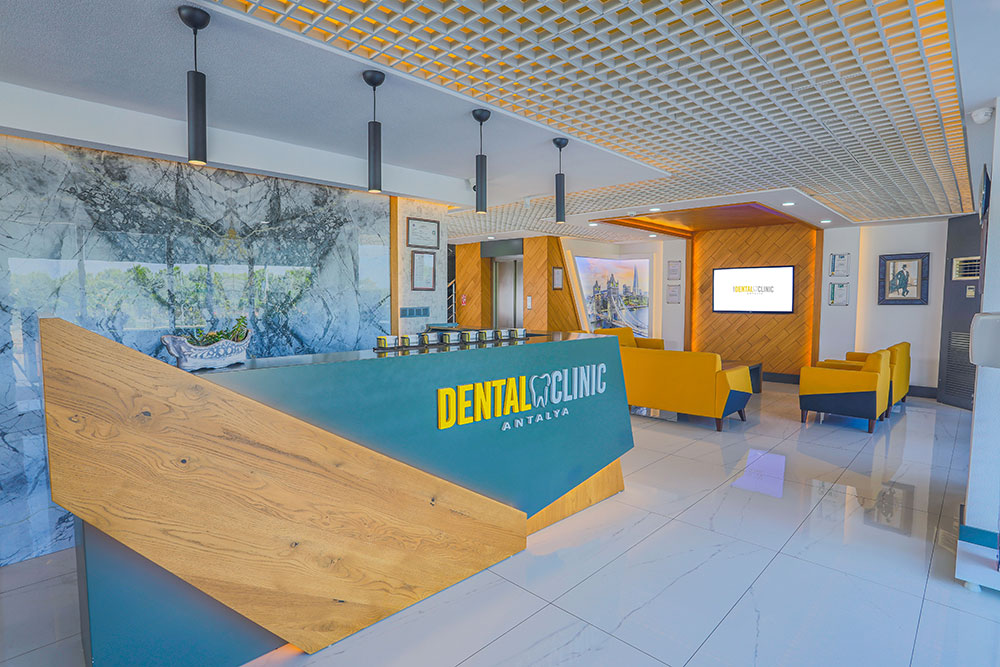
Located in the heart of Antalya, our clinic combines trusted experience with the latest dental technology. Our skilled and caring dentists create healthy, natural and long-lasting results — and from your first consultation to your final check-up, you'll feel cared for not just as a patient, but as part of our family.
- Specialist Dentists
- Latest Technology
- Modern, Hygienic Clinic
- Patient Coordinators
Our Services
Comprehensive cosmetic and restorative dentistry, planned around you.

Smile Makeover
A complete, natural-looking smile design planned around your face and goals.
Learn more
Dental Implants
A permanent replacement for missing teeth with a titanium root and natural crown.
Learn more
All-on-4 Implants
A full fixed arch of teeth supported by just four implants.
Learn more
All-on-6 Implants
A full fixed arch on six implants for extra stability and support.
Learn more
Laminate Veneers
Ultra-thin porcelain shells that refine the shape and shade of your teeth.
Learn more
Dental Crowns
Strong, aesthetic caps that protect and restore damaged teeth.
Learn more
Dental Bridges
A fixed solution that fills the gap left by one or more missing teeth.
Learn more
Teeth Whitening
A safe, professional treatment for a brighter, fresher smile.
Learn moreBehind Every Smile, a Story
Hundreds of patients have walked through our doors and left with far more than a new smile — they left with confidence. Let us write your story, too.
Trusted by Patients Around the World
Real experiences from real Umut Dental Clinic patients.
My visit to Umut dental clinic was amazing.
FATIH SUNAR was my dentist he is an amazing dentist, i wasn't the easiest of patients through nerves.
I couldn't be happier with the overall service i received.
I would whole heartily recommend this clinic for any treatments.
Thankyou
I was quite nervous before I sat in the chair, but once there i was made feel comfortable and relaxed.
I had quite a bit of work done and what I really liked was the speed my dentist worked at,, I was out of the chair with 7 implants in less than 2 hours ..
The place is spotless , the equipment is more than up to date.
The price I was quoted was the price I paid. I will return for yearly check ups as I wouldnt want anyone else looking after me.
Well done to a very professional team !!
My doctor was Faith Sunar, I'm very pleased with how professional he was and how much care he took in his work to make sure I was happy with my new teeth.
They corrected my problems and give me a new set as my old ones were not fitting properly, which was under my gaurentee.
I was seen each day for 4 days , they made sure everything was perfect before I flew back home to England uk.
The clinic was exceptionally clean and spotless.
Beyza was very helpfull to our needs and spoke very good English , she was very kind from start to finish.
Is definitely 100./. Recommend this dentist practice to anyone I'd give them 10/10.
Had excellent treatment with UMUT - extremely well organised and professional. I was talked through the procedure all the way through, given medication which made the process pain free and bearable. My dentist was lovely and only happy when everything was absolutely perfect. When you have so much choice of dentistry in Antalya, it can feel like a very hard decision to make but I would totally recommend this clinic. Thanks again to my fabulous dentist Tugce Aricetin
What a perfect clinic from start to finish I would recommend them to anyone around the world so professional hygiene is amazing on my life you would think you was in a clinic were the famous people go the United Kingdom doesn't even come close to Umut dental clinic I couldn't be happier 12 out of 10 best thing I've ever done so happy thank you umut thank thank you and thank you Dentist Tugce and thank you to the whole team
it was great service and very helpfull friendly team also the transport to clinic was excellent. the hotel also was nice and friendly people and nice breakfast. i'm looking forward to visit Antalya and all the nice people in april again, very beutifull beach also. thank you for helping me and i hope to see you in april for finishing
I had dental treatment at Umut Clinic Antalya, and I can confidently say—three years later—that this clinic truly delivers on its promise of quality and guarantee. The results of my treatment have remained excellent over time, and I'm still very happy with everything they did.
The entire team is extremely friendly, professional, and caring. The dentists are highly trained and very experienced, which immediately gave me a sense of trust and security. They took time to explain everything clearly and made sure I felt comfortable throughout the process.
What also sets Umut Zahnklinik apart is their exceptional service for international patients. From airport pickup to accommodation support, everything was well-organized and stress-free. You really feel taken care of from start to finish.
I can highly recommend Umut Zahnklinik to anyone looking for high-quality dental care in Turkey. A great clinic with lasting results and a warm, welcoming team!
Meet Our Doctors
Experienced clinicians dedicated to natural, healthy and long-lasting smile outcomes.

Dr. Osman Cengiz
Clinic Founder
Dr. Ayşe Dilara Yüzgeç
Dentist
Dr. Fatih Sunar
Dentist
Dr. Tuğba Taş Mammadov
Dentist
Dr. Melisa Köse
Dentist
Dr. Abdullah Zeki Ceylan
Dentist
Dr. Merve Yıldırım
Dentist
Dr. Samet Dönmez
DentistOnline Consultation
Leave your contact information and we will contact you soon.