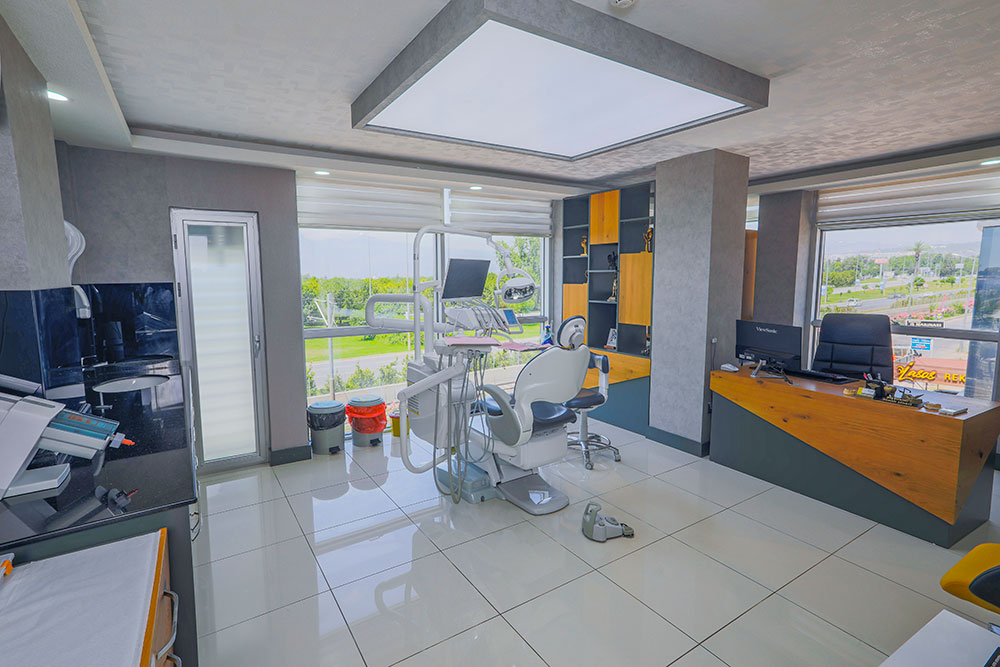
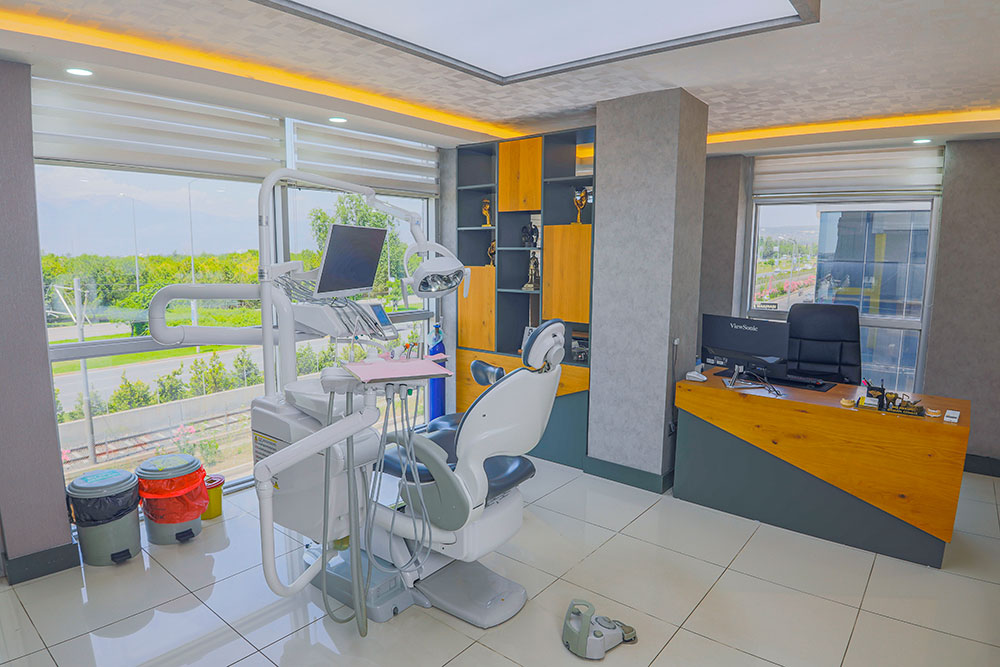
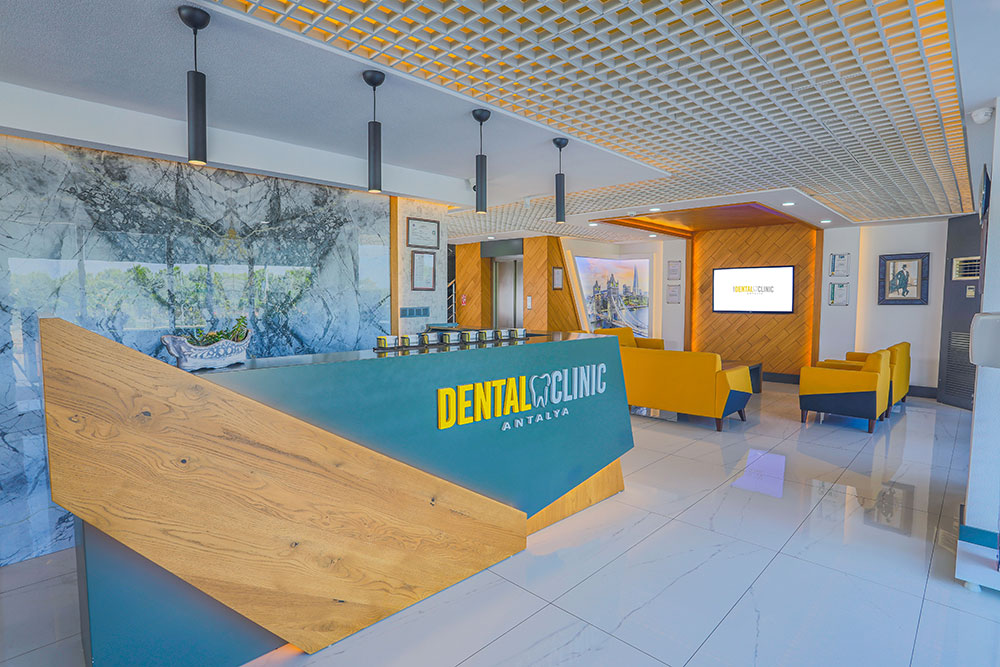
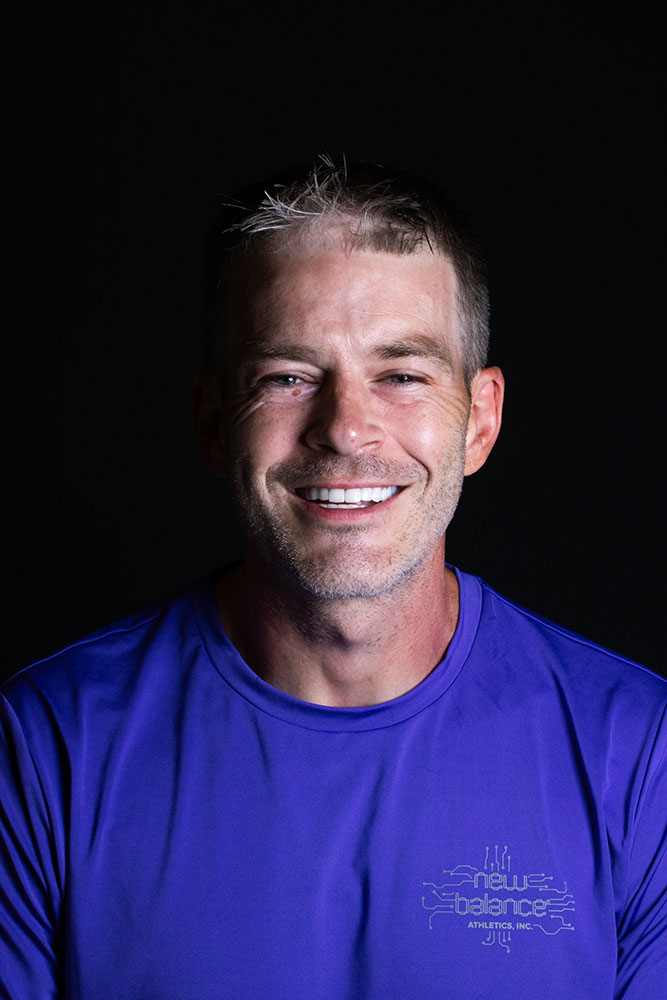
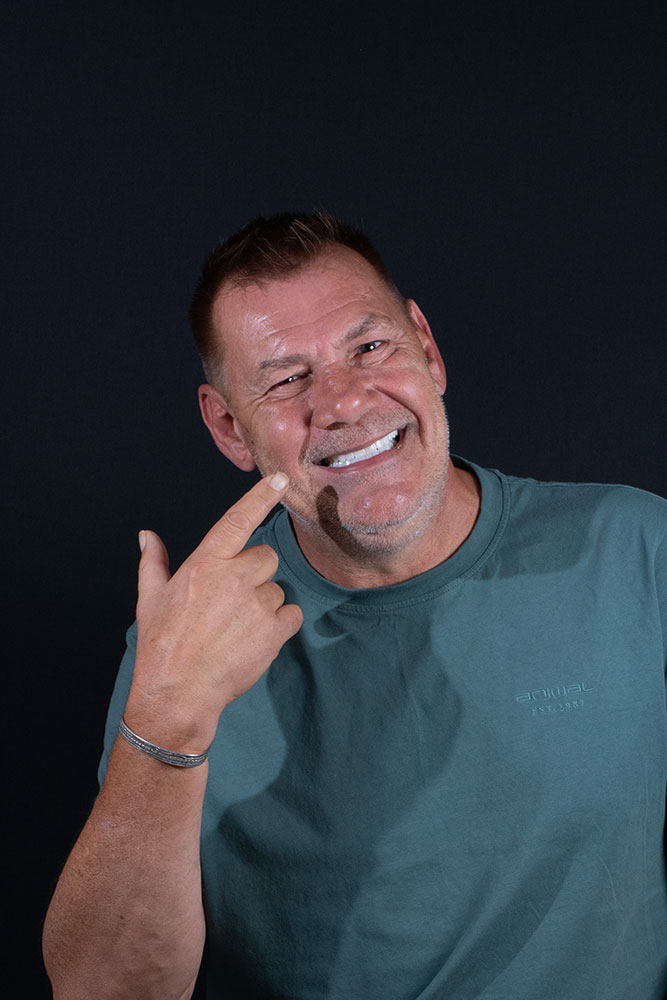
This is by far the easiest review I have ever done. Umut Dental Clinic is the one stop shop for everything dental which is so very important. These people are true professionals from the front door to the engine room and beyond. I have made friends with my dentist Dr Osman the head of Umut Dental Clinic and he leads by example and creates a fantastic experience and outcome for us their clients. I am more than happy to recommend Umut Dental Clinic for all your dental works and answer any of your questions. Make the right call. Call Umut Dental Clinic.
Bruxism Treatment
3 Steps to a Healthy Smile
From your first message to your final check-up, we're with you at every stage of your treatment journey.
Online Consultation & Planning
Share your details and photos with us. Our patient advisors evaluate your case with our dentists and prepare a personalised treatment plan with clear timelines and pricing.
Arrival & Treatment
We help organise your travel and stay. Once you arrive, all examinations and treatments are carried out in our fully equipped clinic in Antalya.
Book AppointmentYour New Smile & Aftercare
Your treatment is completed as planned. Enjoy your healthy, confident smile, relax in Antalya — and stay in touch with us for aftercare once you're home.
Get a Free Quote
Bruxism treatment focuses on protecting your teeth and jaw joints from damage caused by grinding or clenching, usually at night but sometimes during the day. It may involve custom-made night guards, bite adjustments, treatment for jaw joint problems, managing stress, and restoring teeth that have already worn down or fractured. Bruxism is considered when you show signs such as tooth wear, jaw pain, morning headaches, or noises noticed by a partner. On this page, you will learn what bruxism is, how it affects your mouth and jaw, who may benefit from treatment, how dentists diagnose it, and what to expect from treatment, recovery and long-term care. You will also read about situations where treatment might need to be delayed or adapted, possible risks, and how international patients can plan a visit to Antalya for assessment and ongoing care in cooperation with their local dentist.
What Is Bruxism and How Does It Affect Teeth and Jaw Joints?
Bruxism is the medical term for grinding or clenching your teeth involuntarily, often during sleep but sometimes while awake, and it can gradually damage teeth, jaw muscles and jaw joints. Many people are not aware they grind or clench until a partner hears it at night or a dentist spots the signs during an examination.
There are two main types described in simple terms:
- Sleep bruxism – grinding or clenching that happens during sleep, usually without awareness.
- Awake bruxism – clenching, pressing or rubbing the teeth during the day, often linked to concentration or stress.
Bruxism affects the teeth in several ways. Repeated grinding can shorten and flatten the biting surfaces, chip the enamel, and expose the more sensitive inner layer of the tooth (dentin). This can lead to sensitivity to hot, cold or pressure, small fractures, loose teeth in advanced cases, and increased risk of tooth decay because worn areas are harder to clean. Dental work such as dental crowns or fillings may break more easily under strong forces.
The jaw joints (temporomandibular joints or TMJs) and muscles are also affected. Constant overuse can lead to muscle fatigue, stiffness, and pain around the cheeks, temples and neck. Some people notice clicking, popping, or limited opening of the mouth. The joints may become inflamed, a condition often called temporomandibular disorder (TMD). Morning headaches, ear area discomfort and a feeling of pressure in the face are common complaints.
Bruxism is thought to be related to several factors, including stress, disturbed sleep, misaligned teeth or bite, certain neurological conditions, and sometimes medication or substance use. Not every person with grinding needs the same treatment; some have mild wear with no pain, while others develop significant tooth damage and chronic jaw pain. A dentist evaluates how severe the bruxism is and suggests tailored options to protect the teeth, reduce strain on the joints, and address contributing factors where possible.
Who Is a Good Candidate for Bruxism Treatment?
A good candidate for bruxism treatment is usually someone who shows clear signs of tooth wear, jaw discomfort or related symptoms and is motivated to protect their teeth and joints. The dentist decides on candidacy after a full examination and discussion of your general health and daily habits.
You may be a suitable candidate if you have one or more of these features:
- Flattened, chipped or shortened teeth that have changed your bite
- Teeth that are unusually sensitive to temperature or pressure without another clear cause
- Jaw, face or temple pain, especially in the morning
- Clicking, popping or tightness in your jaw joints
- Morning headaches, especially around the temples
- A partner or family member has heard grinding noises at night
- Existing dental work, such as fillings or crowns, that frequently fracture or come loose
People who have recently had extensive restorative work or a smile makeover are often advised to use protective splints or night guards if there is any sign of bruxism. This helps protect new restorations from excessive forces. Patients with orthodontic issues or a deep or uneven bite may also benefit from bruxism management once their dentist or orthodontist evaluates how the bite contributes to the grinding.
Age can play a role. Adults and older teenagers are common candidates for bruxism treatment because permanent teeth are fully formed, and damage can accumulate over time. Children may grind their teeth as part of normal development, especially when new teeth erupt; this sometimes improves naturally. In children, treatment tends to focus on monitoring, simple splints in selected cases, and addressing any breathing or sleep issues in cooperation with medical doctors.
Good candidates are usually able to wear a night guard or splint regularly, attend follow-up appointments, and maintain good oral hygiene. People who are willing to explore stress management, sleep hygiene and lifestyle changes often experience better long-term results, because these factors can significantly influence grinding intensity.
More about Bruxism Treatment
When Should Bruxism Treatment Be Delayed or Adjusted?
Bruxism treatment should be delayed or adjusted when your general health, dental condition or life situation makes standard treatment less safe or less predictable, and your dentist will carefully weigh the risks and benefits before starting.
Some situations where timing or approach may need to change include:
- Uncontrolled systemic diseases: Conditions such as poorly controlled diabetes, severe heart disease or immune disorders can affect healing and tolerance to procedures. Complex restorative work or surgical interventions may be postponed until your medical condition is more stable, although protective night guards may still be considered.
- Pregnancy: Many non-urgent dental treatments are scheduled outside the first trimester when possible. Diagnostic X-rays are usually limited or carefully justified. Simple bruxism measures, like soft night guards and lifestyle advice, may still be used, while extensive bite adjustments or elective procedures may wait until after pregnancy.
- Recent jaw trauma or surgery: If you have had jaw fractures, major joint surgery or severe facial injuries, your jaw position and healing need to stabilise before certain splints or bite changes are considered. Temporary protective measures may be used during recovery.
- Active gum disease: Significant periodontitis (inflammation of the gum and bone around teeth) can make teeth mobile. Intensive bruxism forces on loose teeth may worsen mobility. In such cases, gum and bone treatment is usually prioritised, and any splint or reconstruction is planned with this in mind.
- Severe psychological stress or untreated sleep disorders: If stress, anxiety, sleep apnoea or other sleep problems are a major contributor, your dentist may recommend parallel care with a physician or therapist. Night guards can still protect the teeth but may not fully address symptoms until the underlying issues are managed.
- Heavy smoking or high alcohol use: These habits can worsen sleep quality and healing. Dentists often advise reducing or stopping them, especially before any invasive procedures for damaged teeth or jaw joints.
For example, if you have extensive tooth wear from bruxism but also inflamed gums and many cavities, the dentist may first control infection and stabilise your oral health, then design long-term reconstruction and bite protection. In children, bruxism treatment is usually gentler and often involves watchful waiting, basic splints or behavioural strategies rather than major dental work, because the jaws and teeth are still developing.
Adjustments can also apply to the design of night guards or splints. People with breathing concerns, strong gag reflex, or certain jaw joint disorders may need specially shaped appliances or different materials. The dentist will explain why a more conservative or step-by-step approach might be safer in your case.
How Is Bruxism Diagnosed?
Bruxism is diagnosed through a combination of your medical and dental history, a clinical examination and, when needed, information from sleep partners or sleep studies. There is no single test that proves bruxism on its own, so dentists look at several clues together.
The process usually starts with a detailed discussion. Your dentist will ask about your symptoms, such as jaw or facial pain, morning headaches, tooth sensitivity, and whether anyone has heard you grind your teeth. Questions may cover your sleep quality, stress levels, caffeine and alcohol intake, and any neurological or psychological conditions. Information about past dental treatments or orthodontic work is also important.
Next comes a careful clinical examination. The dentist checks for:
- Wear facets: flat, shiny areas where opposing teeth rub together
- Cracked or chipped enamel, broken fillings or crowns
- Recession or notches near the gum line that might be linked to excessive forces
- Muscle tenderness when the cheeks, temples and jaw muscles are pressed
- Jaw joint sounds, such as clicks or pops, and any limitation or deviation when you open and close your mouth
- Changes in your bite or how your teeth come together
If you share a bed or room, the dentist may ask what your partner has noticed: grinding sounds, jaw movements or episodes of disturbed sleep. Sometimes, smartphone audio recordings made at night can capture grinding noises, although this is not a formal test.
In more complex cases, or when a sleep disorder is suspected, the dentist might refer you to a sleep specialist. A sleep study (polysomnography) can record muscle activity, breathing patterns and movements during the night to distinguish bruxism from other conditions. However, such tests are usually reserved for selected cases, not for every patient with tooth wear.
Bruxism diagnosis also involves ruling out other causes of tooth wear, such as acidic erosion from reflux or diet, and other sources of jaw pain, such as ear infections, sinus problems or arthritis. Only after bringing this information together does the dentist confirm that bruxism is present and decide how active or severe it appears to be.
What Examinations and Scans May Be Needed?
Examinations and scans for bruxism focus on understanding how much damage has occurred, how your jaw joints are functioning, and whether other conditions are contributing, so that a safe and realistic treatment plan can be created. Not every patient needs all tests; your dentist selects those that are appropriate for your situation.
The basic examination includes a thorough visual and tactile check of your teeth, gums, muscles and jaw joints. The dentist uses a dental mirror and light to inspect the biting surfaces, edges and sides of the teeth for wear, cracks or broken restorations. The gums and supporting bone are checked for signs of inflammation or mobility. Palpation (gentle pressing) over the jaw muscles and joints helps identify tender or overworked areas.
Imaging often plays an important role. Common options include:
- Intraoral X-rays: Small dental X-rays that show the roots and surrounding bone, useful for detecting fractures, decay under worn surfaces, and bone changes.
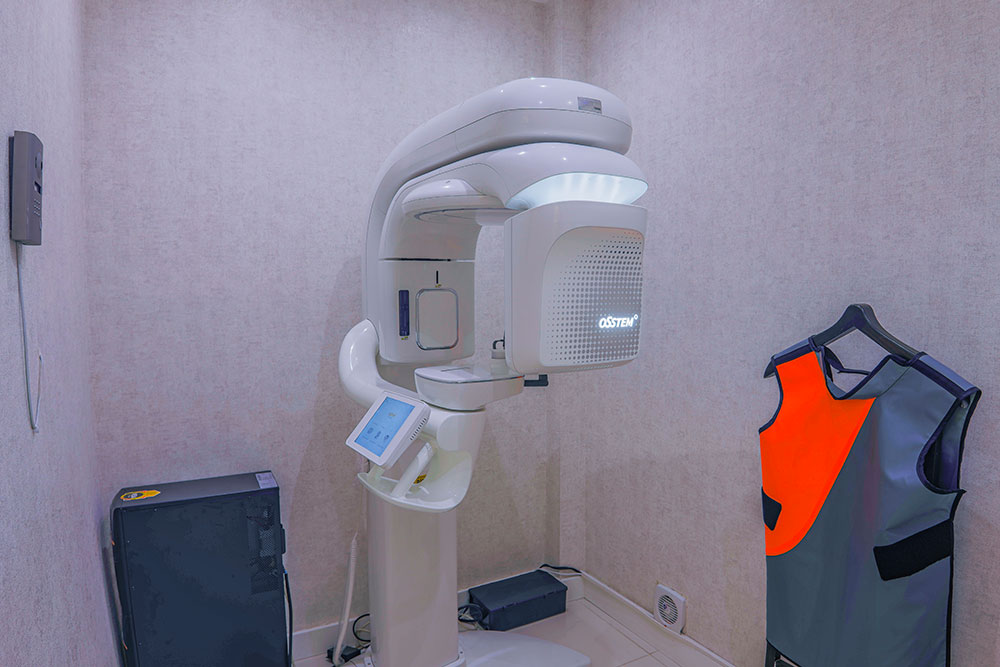
- Panoramic X-ray: A wide view of all teeth, upper and lower jaws, and jaw joints. It can show general bone levels, impacted teeth, and gross changes in the jaw joints.
- 3D scans (CBCT): Cone beam computed tomography provides a detailed three-dimensional view of the jaws and joints when needed, for example, if there is suspected joint degeneration, complex fractures, or planning for advanced restorative work.
Impressions or digital scans of your teeth may also be taken. These create models used to observe how the teeth meet and to design protective splints or restorative work. Digital bite analysis tools, when available, can record how forces are distributed across your teeth during biting and grinding, helping to identify high-stress areas.
For sleep-related bruxism with suspected sleep apnoea or other disorders, the dentist might refer you for medical evaluation. A sleep specialist may suggest:
- Home sleep monitoring with portable devices that record breathing, oxygen levels and movement.
- Full sleep study (polysomnography) in a sleep laboratory, which can measure brain waves, muscle activity, heart rhythm and breathing during the night.
These tests are mainly used to clarify the relationship between bruxism and sleep disorders, not to diagnose simple grinding alone.
Examinations and scans are always balanced against safety, especially in children, pregnant patients or those who have had a lot of previous imaging. The dentist explains why each scan is recommended and how the results will influence your treatment choices. If any findings suggest other medical issues, you may be referred to an appropriate specialist before or alongside bruxism treatment.
How Does Bruxism Treatment Work Step by Step?
Bruxism treatment usually works step by step, starting with protecting your teeth and reducing strain on your jaw, then addressing any damage and contributing factors. The exact sequence depends on your symptoms and overall oral health, but several stages are common.
1. Assessment and planning
First, the dentist completes a detailed examination, takes any necessary X-rays or scans, and listens to your concerns. Together, you discuss your symptoms, habits and medical history. Based on this information, an individual treatment plan is created. This may include a protective appliance, bite adjustments, restorative work, and advice on lifestyle and stress management.
2. Protective appliance (night guard or splint)
For many adults, the main first-line treatment is a custom-made night guard or occlusal splint. The steps are:
- Dental impressions or digital scans are taken of your upper and/or lower teeth.
- A laboratory fabricates a clear or opaque appliance designed to fit snugly over the teeth.
- At a follow-up visit, the dentist checks and adjusts the fit so it feels comfortable and distributes bite forces evenly.
- You receive instructions on when to wear it (usually at night) and how to clean and store it.
3. Managing jaw pain and muscle tension
If you have pain or stiffness, the dentist may suggest gentle jaw exercises, warm or cold compresses, and advice about posture and avoiding habits such as chewing pens or biting nails. In some cases, you may be referred for physical therapy or other supportive care to improve muscle balance and joint function.
4. Restoring damaged teeth
Once grinding is under better control, worn or broken teeth can be rebuilt using fillings, onlays, or crowns, depending on how much structure is lost. For extensive wear, a full bite rehabilitation may be suggested, sometimes involving several visits. In some cases, dental bridges or implants may be needed if teeth are missing.
5. Adjusting the bite if needed
Small selective adjustments to the biting surfaces can sometimes help reduce high spots that trigger muscle overactivity. Any such changes are done carefully and stepwise. If your bite problem is more complex, the dentist may recommend orthodontic treatment with a specialist.
6. Addressing contributing factors
For stress-related or sleep-related bruxism, advice about relaxation techniques, sleep routines, reducing stimulants before bedtime, and possibly counselling or medical assessment can form an important part of long-term management.
7. Regular review
Follow-up appointments allow the dentist to monitor wear patterns, check your appliance, and adjust treatment as needed. For example, if wear marks appear on the splint in new areas, the appliance or bite may be reshaped to keep forces balanced.
How Long Does Bruxism Treatment Take?
Bruxism treatment usually starts within a few appointments over several weeks, but full management is often a long-term process that continues as long as grinding or clenching persists. The duration depends on how severe your bruxism is, how much damage has already occurred, and which treatment options are chosen.
The initial assessment, including examination and basic imaging, often fits into one or two visits. If a custom night guard or splint is recommended, impressions or digital scans are taken at the first visit, and the appliance is typically ready in about 1–3 weeks, depending on the laboratory schedule. A fitting and adjustment visit follows, where you try the appliance, and the dentist makes small changes to improve comfort.
In mild cases, this might be all that is required for some time, apart from periodic checks during your routine oral check up. Those reviews are usually advised every 6–12 months, though your dentist may suggest more frequent visits in the early stages or if you have jaw pain.
If your teeth are significantly worn, cracked or missing, rebuilding them can extend treatment over several months. For example, restoring a few worn front teeth with fillings or veneers might take 2–3 appointments, while full-mouth rehabilitation with crowns or onlays could involve multiple stages spaced over 3–12 months. Healing time between any surgical procedures, such as extractions or implant placement, can add several months, depending on bone and gum conditions.
Jaw joint problems and muscle pain related to bruxism may improve within weeks once a splint is used regularly and habits are modified, but some cases remain chronic and need ongoing care and monitoring. Changes in stress, medications, or general health can cause bruxism to fluctuate over time.
Because bruxism is often a long-term habit or neurological pattern rather than a short-term condition, many patients are advised to use their appliances for years, with adjustments or remakes as teeth and jaws change. The dentist will outline both short-term steps and long-term expectations so you know what kind of timeframe applies in your case.
Does Bruxism Treatment Hurt?
Bruxism treatment itself is usually well tolerated and not typically described as painful, although some procedures may cause temporary discomfort or sensitivity, and every person’s experience is different. Dentists aim to minimise discomfort with gentle techniques and, when needed, local anaesthesia for invasive work.
The most common first step, wearing a custom night guard or splint, should not be painful. It can feel strange or bulky for the first few nights, and some people notice mild jaw or tooth awareness as their muscles adapt to the new position. This usually settles within a few days to a couple of weeks. If the appliance feels too tight, causes sore spots, or makes your jaw feel worse, the dentist can adjust it.
Procedures to restore worn or broken teeth may involve drilling and reshaping, which can be uncomfortable without numbing. Local anaesthesia is typically used for these treatments, so you should not feel sharp pain during the procedure itself. After the anaesthetic wears off, you may notice mild soreness or sensitivity, which generally improves over a few days.
Jaw muscle therapy, bite adjustments and minor polishing are usually associated with minimal discomfort, though tender muscles can feel slightly achy after being pressed or stretched. The dentist will explain what sensations are expected and which ones are a sign to call for advice.
Because bruxism treatment aims to reduce pain and protect structures, ongoing severe or increasing pain is not expected and should be reported. Symptoms such as strong facial swelling, fever, or pain that does not respond to recommended measures need prompt attention from a dentist or, in urgent cases, emergency care.
People with anxiety about dental treatment can discuss this in advance. Short breaks during procedures, clear explanations, and gradual treatment steps often make the process more manageable. In certain cases, your dentist might suggest supportive strategies, and the approach can be adjusted to your comfort level.
What Is Recovery Like and What Aftercare Is Needed?
Recovery from most bruxism treatments is usually straightforward, with mild and short-lived discomfort if any, but aftercare and long-term habits play a major role in protecting your teeth and jaw joints. The exact recovery profile depends on the procedures you have, from simple splint use to complex restorative work.
When you start wearing a night guard or splint, expect an adaptation period. You may produce more saliva at first, have minor speech changes or feel that the appliance is bulky. These effects typically lessen as you become used to it. Aftercare includes cleaning the splint daily with a soft brush and mild soap or recommended cleaning solution, rinsing it well, and keeping it dry in a ventilated container when not in use. Avoid very hot water, which can distort the material.
If you undergo restorative procedures (such as fillings, onlays or crowns) to rebuild worn teeth, the immediate recovery often involves:
- Mild gum or tooth sensitivity for a few days to a couple of weeks
- A recommendation to avoid very hard or sticky foods on new restorations initially
- Careful brushing and flossing to keep the area clean without trauma
Any more invasive steps, such as extractions or implant placement related to bruxism damage, will come with specific instructions. These may include using a cold compress outside the cheek shortly after treatment, sticking to soft foods for a period, avoiding smoking, and not touching the area with your tongue or fingers. Healing times can range from a few days for simple extractions to several months for implants integrating with bone.
General aftercare for bruxism also involves lifestyle and habit changes:
- Monitoring daytime clenching and training yourself to keep the teeth slightly apart when not chewing
- Practising gentle jaw stretching and relaxation exercises if recommended
- Establishing good sleep hygiene, such as regular bedtimes and a calm pre-sleep routine
- Limiting caffeine, nicotine and alcohol, especially in the evening, if they affect your sleep or grinding
Regular dental check-ups allow your dentist to monitor tooth wear, joint health, and the condition of your splint or restorations. If at any point you notice new cracks, increased sensitivity, or jaw symptoms such as locking or severe pain, contact the dentist for reassessment. Signs like facial swelling, difficulty swallowing or breathing, or bleeding that does not stop need urgent medical or dental attention.
What Can I Eat if I Grind or Clench My Teeth?
If you grind or clench your teeth, you can usually eat a varied diet, but it is wise to limit very hard or sticky foods that put extra strain on already stressed teeth and jaw muscles. Food choices become even more important if you have tooth wear, jaw pain, or recent dental work related to bruxism.
On a daily basis, many people with bruxism benefit from:
- Softer textures: foods like pasta, rice, soft-cooked vegetables, yogurt, eggs, tender fish or stewed meats are easier on your jaws.
- Cutting food into smaller pieces so less force is needed to chew.
- Chewing evenly on both sides of the mouth to reduce local overload.
If your teeth are already worn, cracked or sensitive, or if you have restorations such as crowns or bridges, limiting the following helps reduce risk of further damage:
- Very hard foods that require strong biting, such as ice cubes, hard sweets or uncut raw carrots
- Sticky foods, like certain caramels or chewy candies, which can pull on weakened teeth and restorations
- Using your teeth to open packages, crack nuts or bite non-food objects
After new dental work, your dentist may advise a temporarily softer diet, especially for a few days after procedures that involve the gums, jaw joints or major restorations. During this time, soups, mashed vegetables, smoothies, soft fruits such as bananas, and finely minced protein sources can maintain nutrition without excessive chewing.
Hydration and general diet also relate indirectly to bruxism. Limiting caffeinated drinks later in the day may improve sleep quality for some people, which can reduce nighttime grinding intensity. Alcohol, especially in high amounts, can disrupt sleep stages and is sometimes linked to increased tooth grinding episodes.
Listening to your body is important. If a certain food consistently triggers jaw fatigue, pain or sensitivity, consider adjusting its texture or frequency and discuss this with your dentist. They can tailor advice to your specific dental condition and any appliances or restorations you have.
What Risks or Side Effects Can Bruxism Treatment Have?
Bruxism treatment, like any dental care, carries some risks and possible side effects, although many are mild and temporary. It is important to understand these so you can recognise what is normal and when to seek further advice.
With night guards or occlusal splints, common side effects include:
- Initial discomfort, a feeling of bulkiness, or increased saliva production
- Temporary changes in speech while you adjust to wearing the appliance
- Minor sore spots on the gums or cheeks if the edges need polishing or reshaping
These issues often improve as you adapt or after minor adjustments by the dentist. In rare cases, poorly fitting appliances can cause more significant jaw muscle strain or changes in bite if used long-term without monitoring, so regular check-ups are important.
When restorative procedures are used to repair worn or fractured teeth, possible risks include:
- Post-operative sensitivity to hot, cold or biting pressure, usually temporary
- Need for further treatment if a tooth is more deeply cracked than first seen
- Fracture or loosening of restorations over time, especially if grinding forces remain strong
If teeth have been weakened by severe wear, the risk of breakage can be higher, even with careful treatment. In some cases, teeth may eventually require root canal therapy or extraction if internal damage progresses.
For patients with jaw joint problems, splint use or bite adjustments, while often helpful, may occasionally change symptoms rather than fully relieve them. Some people notice new joint noises or different muscular sensations at first. Close communication with your dentist helps adapt the plan if these changes persist or worsen.
Any invasive procedure, such as extractions or implant placement related to bruxism damage, carries general dental risks: bleeding, infection, swelling, bruising, and discomfort during healing. Following the given aftercare instructions helps reduce these risks. Signs such as increasing pain, pronounced swelling, fever, or difficulty swallowing or breathing require prompt professional assessment.
A small number of patients find that their grinding habit continues despite treatment. In these cases, the focus often remains on protection and managing symptoms rather than complete elimination of the habit. The dentist may suggest involvement of medical or psychological support if stress, medication, or sleep disorders appear to play a major role.
What Are the Alternatives to Bruxism Treatment?
Alternatives to bruxism treatment range from simple monitoring and self-care to other ways of managing jaw strain, but completely ignoring significant grinding or clenching is rarely advisable because damage can slowly accumulate. The best alternative depends on how severe your symptoms and tooth wear are.
For mild bruxism with little or no tooth damage, one alternative to a full treatment plan is careful observation combined with lifestyle changes. This may include stress reduction techniques, better sleep habits, limiting late-evening stimulants, and consciously keeping your teeth apart during the day when not eating. Regular dental reviews are important to detect any new wear or cracks early.
If you prefer not to wear a night guard, the dentist might discuss other oral appliances or different splint designs. Some are thinner or cover fewer teeth, though they may offer less protection. Each option has trade-offs between comfort, durability and the degree of protection, and your dentist will explain these clearly.
In some cases, physiotherapy or specific jaw exercises can be an alternative or complement to dental splints, especially where muscle tension and joint function are major concerns. Therapists may use manual techniques, stretches, and posture training to reduce strain. However, these approaches do not shield teeth from grinding forces in the same way protective appliances do.
For people whose bruxism is strongly linked to stress, anxiety or sleep disorders, psychological or medical support can be an important component. Counselling, relaxation training or treatment of underlying sleep conditions may reduce grinding intensity. These are not replacements for dental protection if tooth wear is advanced, but they can sometimes lessen symptoms and improve long-term outcomes.
Another form of “alternative” is simply delaying certain parts of treatment. For example, if you have moderate wear but do not wish to start major restorative work, your dentist may focus on protective measures first and only restore teeth if they become symptomatic or more damaged. This conservative approach is chosen case by case.
Completely declining any intervention carries its own risks: progressive tooth shortening, fractures, loss of fillings or crowns, and worsening jaw pain in some individuals. The dentist’s role is to explain the benefits and limitations of both active treatment and alternatives so that you can make an informed choice that fits your circumstances and preferences.
Can I Plan Bruxism Treatment in Antalya and Continue Follow-Up at Home?
It is often possible to begin bruxism treatment in Antalya and then continue most follow-up care with your local dentist, provided there is good communication and a clear written treatment plan. This approach can work well for international patients who want an initial comprehensive assessment or specific procedures while visiting Turkey.
During your time in Antalya, a dentist can assess your teeth, jaw joints and muscles, take necessary X-rays or scans, and discuss your symptoms and expectations. If a custom night guard or splint is part of the plan, impressions or digital scans can usually be taken early in your visit so that the appliance is ready for fitting before you return home. The dentist can also perform urgent repairs or protective restorations for teeth that are cracked or heavily worn, depending on how long you stay.
You will typically receive information about how to use and care for your splint, what sensations to expect, and which symptoms would mean you should seek local care. A written summary of the diagnosis, completed treatments and any planned future stages can be prepared so you can share it with your home dentist. This may include copies of X-rays or digital records, depending on the clinic’s policies.
Once you are back home, routine checks of your bruxism, jaw comfort, and appliance condition can usually be carried out locally. Your home dentist can make minor adjustments to the splint, monitor tooth wear, and decide when any further restorative work or new appliances are needed. If more complex issues arise, you can discuss by email or remote consultation with the Antalya dentist and decide whether another visit is appropriate.
For example, you may start with a protective splint and initial restorations in Antalya, then complete more extensive crown or bridge work gradually with your local dentist. At Umut Dental Clinic Antalya, patients can share their details and X-rays for an online consultation before planning travel, helping to coordinate care with their own dentist at home.
The information on this page is for general education only and does not replace an examination, diagnosis or treatment. See a dentist for any concerns about your oral health.
Our Clinic
Every smile tells a story — and we've been part of thousands of them for over 17 years.
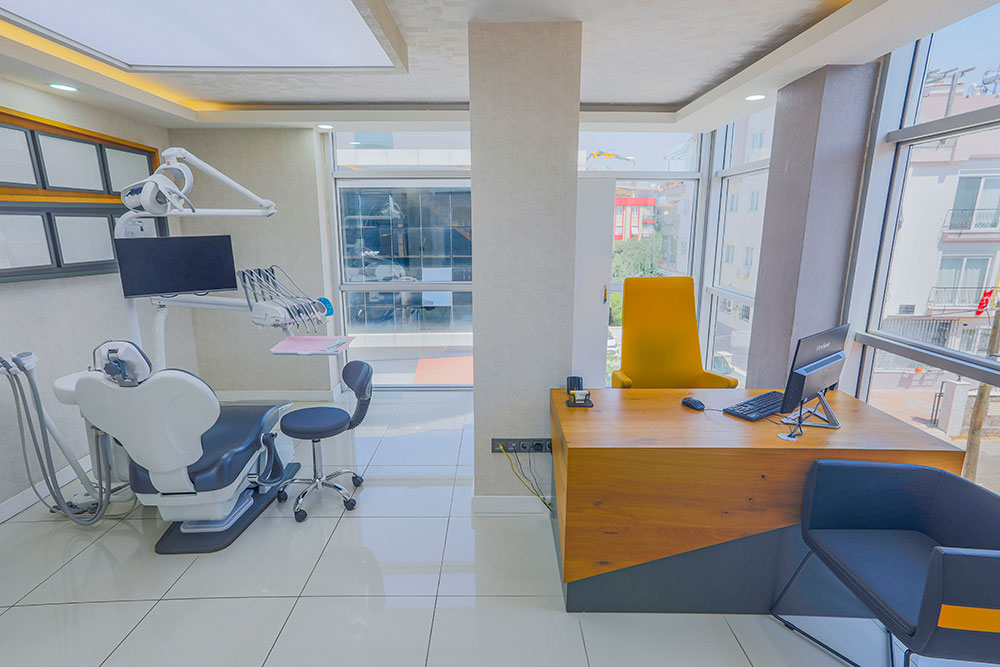
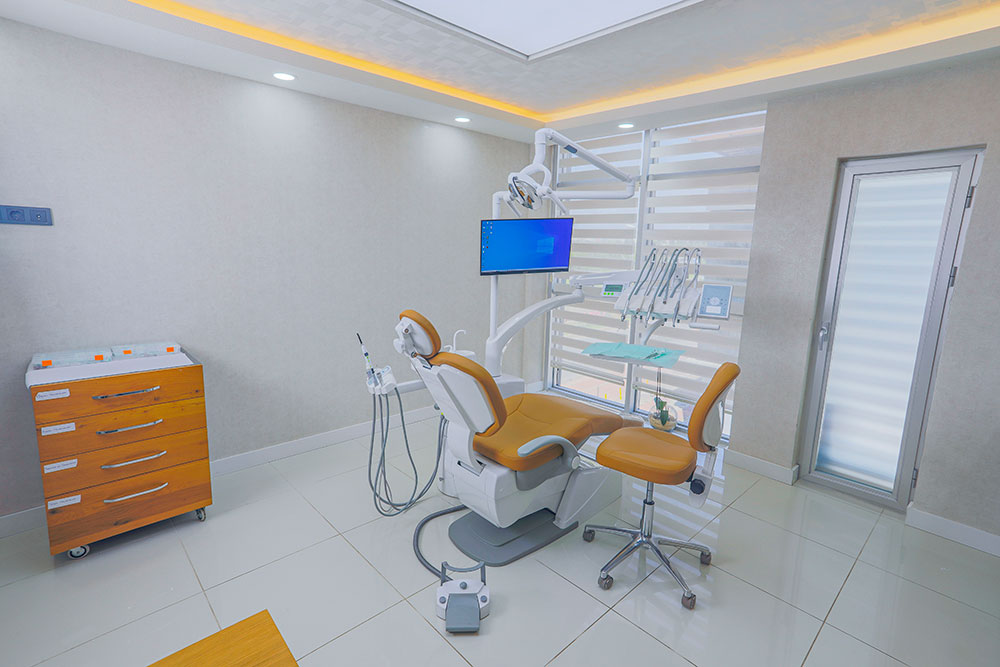
Located in the heart of Antalya, our clinic combines trusted experience with the latest dental technology. Our skilled and caring dentists create healthy, natural and long-lasting results — and from your first consultation to your final check-up, you'll feel cared for not just as a patient, but as part of our family.
- Specialist Dentists
- Latest Technology
- Modern, Hygienic Clinic
- Patient Coordinators
Our Services
Comprehensive cosmetic and restorative dentistry, planned around you.

Smile Makeover
A complete, natural-looking smile design planned around your face and goals.
Learn more
Dental Implants
A permanent replacement for missing teeth with a titanium root and natural crown.
Learn more
All-on-4 Implants
A full fixed arch of teeth supported by just four implants.
Learn more
All-on-6 Implants
A full fixed arch on six implants for extra stability and support.
Learn more
Laminate Veneers
Ultra-thin porcelain shells that refine the shape and shade of your teeth.
Learn more
Dental Crowns
Strong, aesthetic caps that protect and restore damaged teeth.
Learn more
Dental Bridges
A fixed solution that fills the gap left by one or more missing teeth.
Learn more
Teeth Whitening
A safe, professional treatment for a brighter, fresher smile.
Learn moreBehind Every Smile, a Story
Hundreds of patients have walked through our doors and left with far more than a new smile — they left with confidence. Let us write your story, too.
Trusted by Patients Around the World
Real experiences from real Umut Dental Clinic patients.
My visit to Umut dental clinic was amazing.
FATIH SUNAR was my dentist he is an amazing dentist, i wasn't the easiest of patients through nerves.
I couldn't be happier with the overall service i received.
I would whole heartily recommend this clinic for any treatments.
Thankyou
I was quite nervous before I sat in the chair, but once there i was made feel comfortable and relaxed.
I had quite a bit of work done and what I really liked was the speed my dentist worked at,, I was out of the chair with 7 implants in less than 2 hours ..
The place is spotless , the equipment is more than up to date.
The price I was quoted was the price I paid. I will return for yearly check ups as I wouldnt want anyone else looking after me.
Well done to a very professional team !!
My doctor was Faith Sunar, I'm very pleased with how professional he was and how much care he took in his work to make sure I was happy with my new teeth.
They corrected my problems and give me a new set as my old ones were not fitting properly, which was under my gaurentee.
I was seen each day for 4 days , they made sure everything was perfect before I flew back home to England uk.
The clinic was exceptionally clean and spotless.
Beyza was very helpfull to our needs and spoke very good English , she was very kind from start to finish.
Is definitely 100./. Recommend this dentist practice to anyone I'd give them 10/10.
Had excellent treatment with UMUT - extremely well organised and professional. I was talked through the procedure all the way through, given medication which made the process pain free and bearable. My dentist was lovely and only happy when everything was absolutely perfect. When you have so much choice of dentistry in Antalya, it can feel like a very hard decision to make but I would totally recommend this clinic. Thanks again to my fabulous dentist Tugce Aricetin
What a perfect clinic from start to finish I would recommend them to anyone around the world so professional hygiene is amazing on my life you would think you was in a clinic were the famous people go the United Kingdom doesn't even come close to Umut dental clinic I couldn't be happier 12 out of 10 best thing I've ever done so happy thank you umut thank thank you and thank you Dentist Tugce and thank you to the whole team
it was great service and very helpfull friendly team also the transport to clinic was excellent. the hotel also was nice and friendly people and nice breakfast. i'm looking forward to visit Antalya and all the nice people in april again, very beutifull beach also. thank you for helping me and i hope to see you in april for finishing
I had dental treatment at Umut Clinic Antalya, and I can confidently say—three years later—that this clinic truly delivers on its promise of quality and guarantee. The results of my treatment have remained excellent over time, and I'm still very happy with everything they did.
The entire team is extremely friendly, professional, and caring. The dentists are highly trained and very experienced, which immediately gave me a sense of trust and security. They took time to explain everything clearly and made sure I felt comfortable throughout the process.
What also sets Umut Zahnklinik apart is their exceptional service for international patients. From airport pickup to accommodation support, everything was well-organized and stress-free. You really feel taken care of from start to finish.
I can highly recommend Umut Zahnklinik to anyone looking for high-quality dental care in Turkey. A great clinic with lasting results and a warm, welcoming team!
Meet Our Doctors
Experienced clinicians dedicated to natural, healthy and long-lasting smile outcomes.

Dr. Osman Cengiz
Clinic Founder
Dr. Ayşe Dilara Yüzgeç
Dentist
Dr. Fatih Sunar
Dentist
Dr. Tuğba Taş Mammadov
Dentist
Dr. Melisa Köse
Dentist
Dr. Abdullah Zeki Ceylan
Dentist
Dr. Merve Yıldırım
Dentist
Dr. Samet Dönmez
DentistOnline Consultation
Leave your contact information and we will contact you soon.