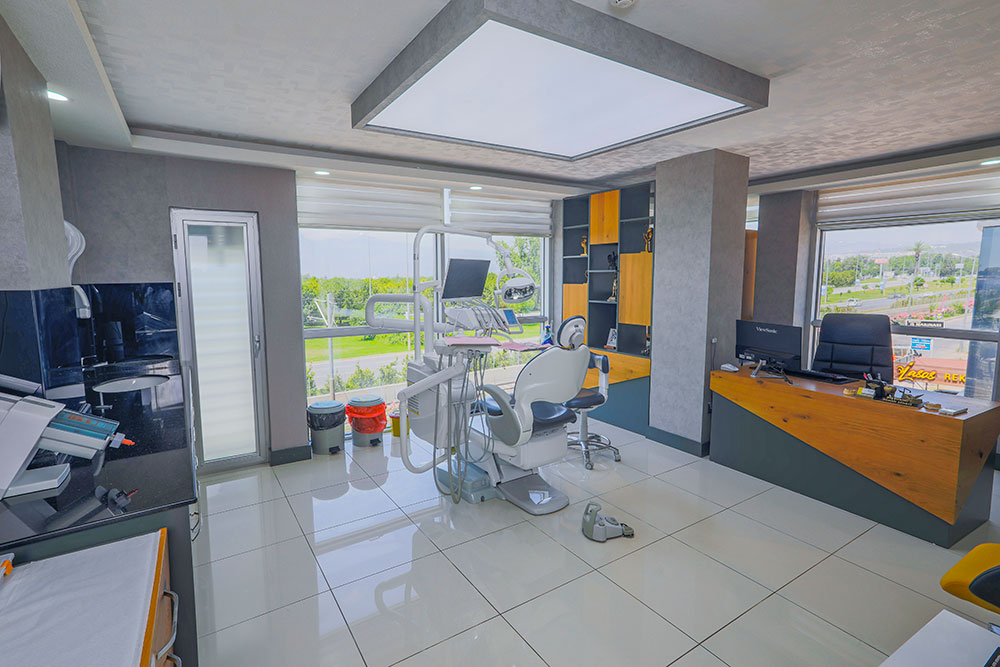
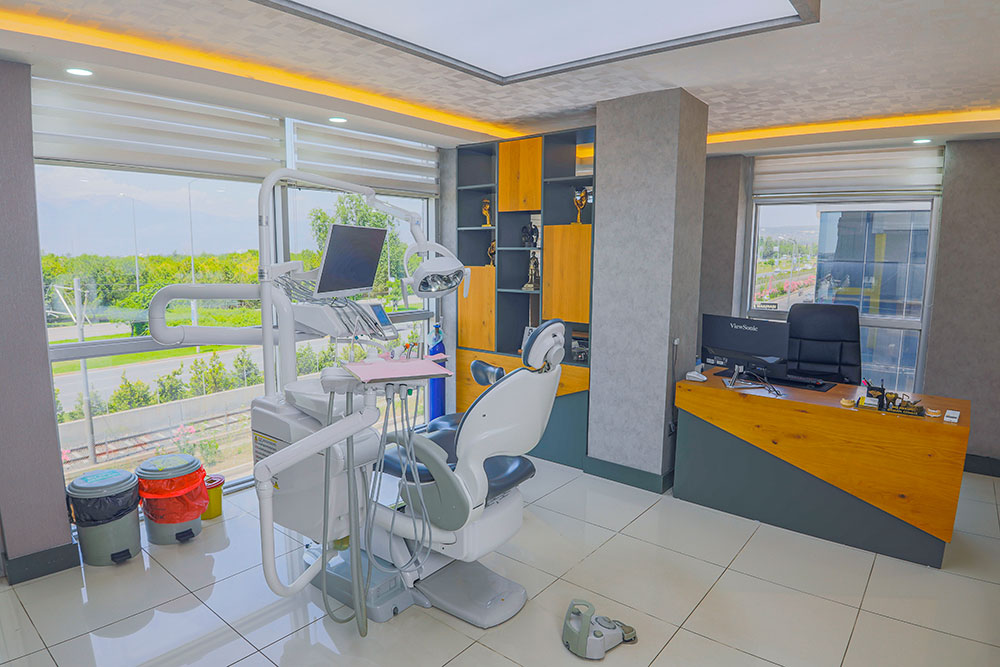
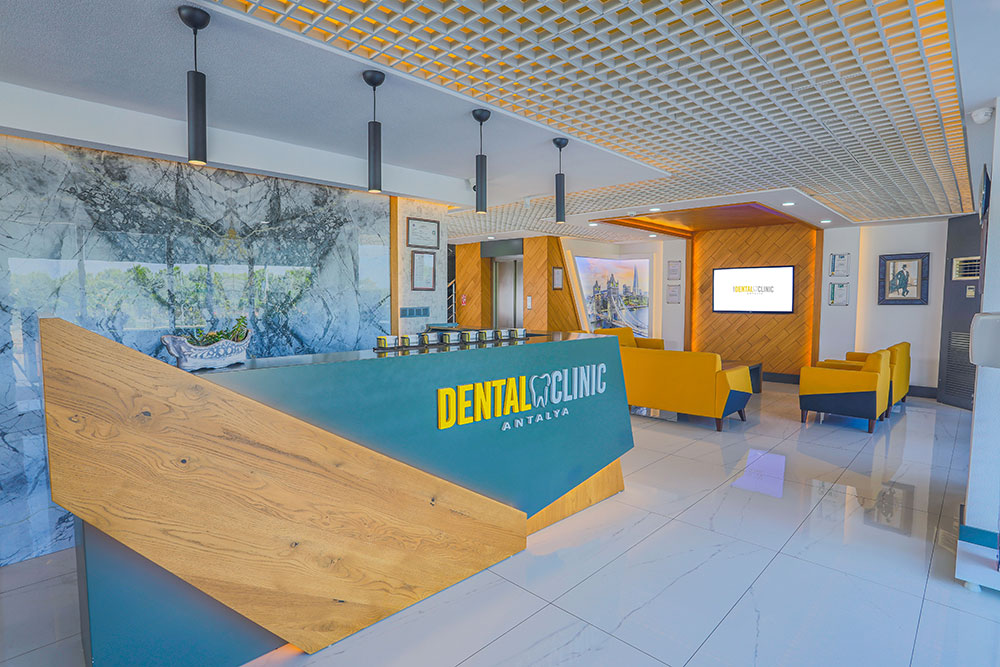
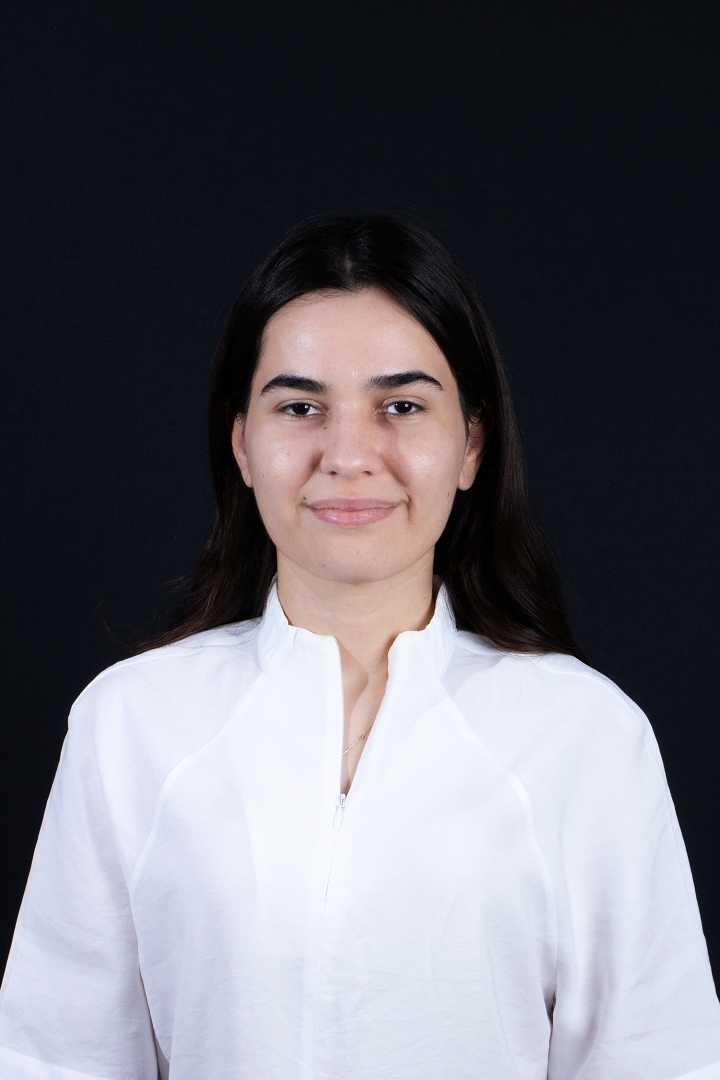
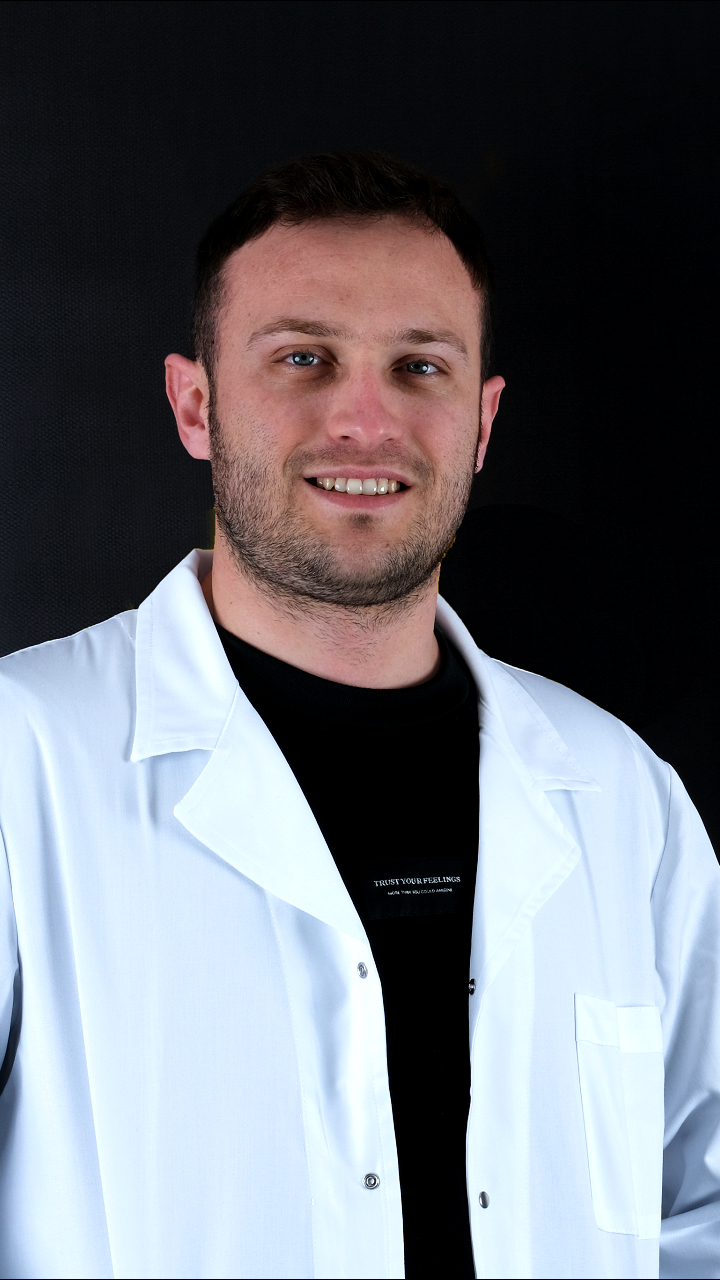
This is by far the easiest review I have ever done. Umut Dental Clinic is the one stop shop for everything dental which is so very important. These people are true professionals from the front door to the engine room and beyond. I have made friends with my dentist Dr Osman the head of Umut Dental Clinic and he leads by example and creates a fantastic experience and outcome for us their clients. I am more than happy to recommend Umut Dental Clinic for all your dental works and answer any of your questions. Make the right call. Call Umut Dental Clinic.
Cosmetic Dentures
3 Steps to a Healthy Smile
From your first message to your final check-up, we're with you at every stage of your treatment journey.
Online Consultation & Planning
Share your details and photos with us. Our patient advisors evaluate your case with our dentists and prepare a personalised treatment plan with clear timelines and pricing.
Arrival & Treatment
We help organise your travel and stay. Once you arrive, all examinations and treatments are carried out in our fully equipped clinic in Antalya.
Book AppointmentYour New Smile & Aftercare
Your treatment is completed as planned. Enjoy your healthy, confident smile, relax in Antalya — and stay in touch with us for aftercare once you're home.
Get a Free Quote
Cosmetic dentures are removable or semi-removable dental prostheses designed to replace missing teeth while also improving the appearance of your smile, lips and facial profile. They may be full dentures that replace all teeth in a jaw, or partial dentures that fill gaps between remaining natural teeth. Cosmetic dentures are considered when you have several missing, loose or badly damaged teeth that cannot be restored with fillings, crowns or bridges alone. They are also an option if you want a more harmonious, whiter or straighter look without extensive individual treatments on every tooth. On this page you will learn what cosmetic dentures are, who they are suitable for, how they are planned and fitted, what to expect at each visit, how long treatment may take, how to eat and speak with dentures, and how to care for them at home to keep your mouth healthy and your prosthesis comfortable for as long as possible.
What Are Cosmetic Dentures?
Cosmetic dentures are removable dental appliances that replace missing teeth and surrounding gum tissue with the goal of restoring both function and appearance. They are designed not only to help you chew and speak more comfortably, but also to support your lips and cheeks and create a more balanced, aesthetic smile.
There are several main types of cosmetic dentures:
- Complete (full) dentures: Replace all teeth in the upper jaw, lower jaw, or both. They rest on the gums and underlying bone.
- Partial dentures: Replace several missing teeth and attach around your remaining natural teeth with clasps or more discreet connectors.
- Immediate dentures: Placed on the same day that teeth are removed so you do not leave the clinic without teeth, then often relined or replaced after healing.
- Implant-supported overdentures: Dentures that clip onto dental implants for improved stability and comfort.
The cosmetic aspect comes from careful design of tooth shape, size and shade, as well as the colour and contour of the artificial gum base. Your dentist will usually select a tooth colour that matches your facial features and any remaining teeth, or plan other cosmetic treatments such as teeth whitening first and then match the dentures to the new shade.
Cosmetic dentures are custom-made in a dental laboratory using impressions and measurements from your mouth. Materials commonly used include acrylic for the base and acrylic or composite for the teeth. In some partial dentures, metal frameworks are used for strength and thinner design. The final choice of type and material depends on your oral condition, expectations, and budget discussed during examination and planning.
Although modern cosmetic dentures can look very natural, they do not feel exactly like natural teeth. They rely on the contours of your gums, palate and sometimes implants for support. With time, most patients adapt well and can speak and eat confidently, especially if they follow the dentist’s instructions and attend recommended check-ups and adjustments.
Who Is a Good Candidate for Cosmetic Dentures?
You are usually a good candidate for cosmetic dentures if you are missing several teeth or all teeth in one or both jaws and your mouth can safely support a denture. The basic requirement is that your gums and the underlying bone are healthy enough, or can be treated to become healthy, so that a denture can sit comfortably and remain stable.
Typical candidates include:
- People who have lost teeth due to decay, gum disease or trauma and now have gaps that affect chewing, speaking or appearance.
- Patients whose remaining teeth are severely worn down, cracked or mobile and are not suitable for long-term restoration with individual crowns.
- Individuals who want a relatively quick way to replace many teeth instead of multiple single treatments such as several dental implants and crowns.
- People who have previously worn dentures and now need a replacement because of wear, loosening or changes in their gums and bone.
Your general health is also important. Many patients with controlled chronic conditions such as high blood pressure or diabetes can safely receive dentures, as long as the dentist is aware of their medical history and medications. Good candidates are usually able to attend several visits, maintain oral hygiene, and return for adjustments when needed.
Cosmetic expectations also matter. A suitable candidate understands that dentures can greatly improve appearance and function, but will not be identical to natural teeth or fixed restorations. For example, you may need some time to adapt your speech, and certain very hard or sticky foods may remain challenging. People who are open to this adaptation period and willing to practice at home generally do well with cosmetic dentures.
If you are missing only one or two teeth with strong neighbouring teeth, the dentist may suggest a dental bridge or a single implant rather than a removable denture. The final decision about your suitability is always made after an examination, X-rays, and a discussion about your goals.
More about Cosmetic Dentures
When Are Cosmetic Dentures Not Suitable Yet?
Cosmetic dentures are not suitable yet when there are untreated oral or general health conditions that would make the denture unstable, uncomfortable or unsafe. In these cases, the dentist usually recommends treating the underlying problem first, then returning to denture planning once the mouth is in a healthier state.
Common situations where dentures are postponed include:
- Active gum disease (periodontitis): Inflammation and bone loss around remaining teeth can make partial dentures difficult to support. The gums need thorough cleaning and treatment before new dentures are made.
- Untreated tooth decay or infection: Teeth with deep cavities, abscesses or severe pain must be treated or removed first. Placing a denture over infected areas can worsen pain and infection.
- Severe oral sores or lesions: Any unexplained ulcer, white or red patch, or sore that does not heal should be examined and, if needed, biopsied before denture work continues.
- Recent extractions or surgery: After teeth are removed, the bone and gums shrink and change for several months. Immediate dentures can be used during this period, but a final denture is usually delayed until the tissues stabilize.
Some medical conditions also influence timing. Uncontrolled diabetes, certain blood clotting problems, strong immune suppression, or ongoing treatments such as head and neck radiotherapy can delay or modify denture treatment. The dentist may wish to speak with your physician to coordinate safe timing.
Smoking and heavy alcohol consumption can affect healing and the condition of your gums, though they are not absolute barriers. You may be advised to reduce or stop these habits to improve comfort and long-term success.
In some patients with strong gag reflexes, severe jaw joint pain, or very limited mouth opening, the dentist may need extra time and special techniques to take impressions and adjust the denture. Sometimes alternative options, such as fewer but strategically placed All-on-4 implants or other implant-supported solutions, are discussed if a conventional denture is unlikely to be tolerated.
The key point is that cosmetic dentures are usually planned once infections are controlled, tissues are stable, and your general health allows safe dental care. Until that point, temporary solutions or partial treatments may be used to keep you comfortable and functioning.
How Are Cosmetic Dentures Planned and Designed?
Cosmetic dentures are planned and designed through a series of clinical and laboratory steps that start with understanding your expectations and end with a custom-made prosthesis that fits your mouth. The planning phase is critical, because it shapes how your final dentures will look, feel and function.
First, the dentist conducts a detailed consultation. You discuss your concerns about missing teeth, your priorities (chewing, appearance, speech comfort) and any previous denture experiences. Photos of your face and smile from different angles may be taken to evaluate lip support, facial symmetry and how much tooth should show when you smile or speak.
Next, the dentist examines your remaining teeth, gums, tongue and jaw joints. They assess the shape and size of your dental arches, the amount of bone support, and the way your upper and lower jaws meet. This information helps determine which type of denture (full, partial, immediate, implant-supported) is most suitable and whether any extractions or pre-treatments are needed.
Impressions of your upper and lower jaws are then taken to create study models. On these models, the dentist and dental technician start planning the arrangement of the artificial teeth. Factors considered include:
- Tooth size and shape that match your face and age.
- Tooth shade that harmonizes with your skin tone and, if present, remaining natural teeth.
- The curve and length of the front teeth to support your lips and create a natural smile line.
- The position of back teeth for stable chewing and jaw joint comfort.
In many cases, a wax trial denture is made. This is a mock-up with teeth set in wax on a base that fits your mouth. You can see and feel this trial denture while the wax is still adjustable. The dentist checks your bite, your speech, how your lips are supported and whether the teeth look natural when you smile.
For example, if you feel that the front teeth are too long or too bright, adjustments can be made in the wax stage before the denture is finalized. Once you both agree on the design, the wax is replaced with the final acrylic or other selected material in the laboratory. This careful planning and trial process helps reduce later complications and gives you more control over the final appearance of your cosmetic dentures.
What Examinations and Scans Are Needed Before Treatment?
Before cosmetic dentures are planned, your dentist needs a clear picture of your teeth, gums and jaw bones, so a combination of clinical examinations and imaging is usually performed. These steps help ensure that your dentures are safe, comfortable and tailored to your specific oral condition.
The process usually begins with a thorough clinical examination. The dentist looks at:
- Remaining teeth: presence of decay, cracks, mobility and existing fillings or crowns.
- Gums: signs of gum disease, redness, swelling or bleeding.
- Oral tissues: tongue, cheeks, palate and floor of the mouth for sores, lesions or irritation.
- Bite and jaw function: how your jaws come together, jaw joint sounds or pain, and any limitations in mouth opening.
Imaging plays an important role as well. Commonly used scans and X-rays include:
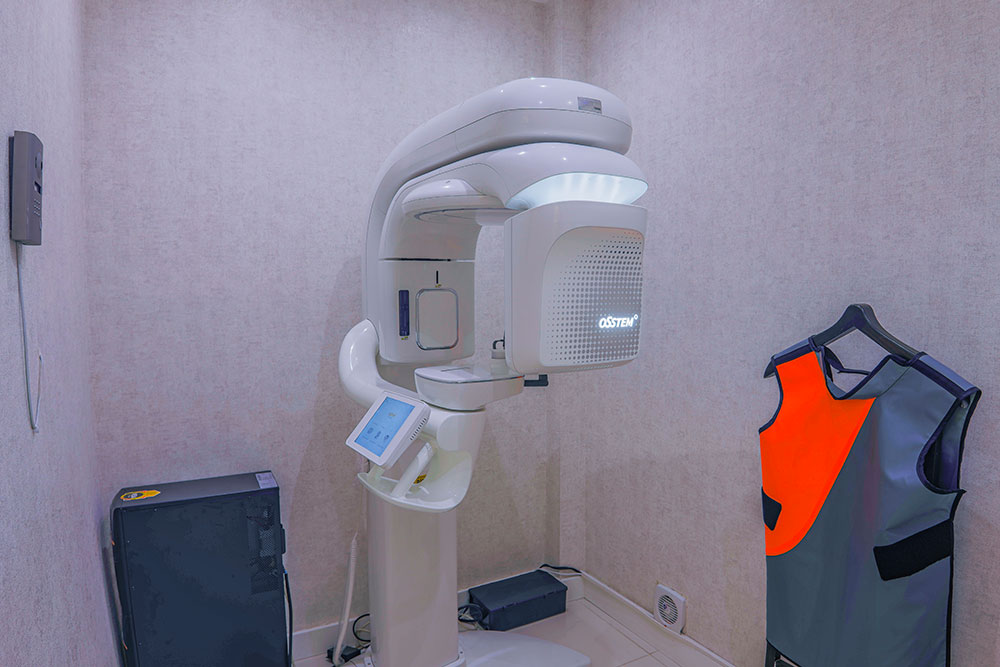
- Panoramic X-ray: A single image showing both jaws, all teeth, and surrounding structures. It helps detect hidden infections, impacted teeth, bone height and sinus position.
- Periapical or bitewing X-rays: Smaller, focused images of specific teeth or regions to assess root health and bone support if some teeth will be kept for a partial denture.
- 3D scans (CBCT): Sometimes used when planning implant-supported dentures to measure bone thickness and position important anatomical structures more precisely.
In some cases, basic medical assessments are recommended. For example, patients with uncontrolled diabetes, heart disease, blood disorders or a history of head and neck cancer treatment may be asked about recent medical tests or reports. The dentist may seek permission to contact your physician if any aspect of your general health can influence healing or bleeding.
Impressions (moulds) of your upper and lower arches are also part of the examination process. These first impressions are usually taken with standard trays and materials to produce study models. From these, custom trays can be made for more accurate second impressions later.
All examination findings are combined to create a treatment plan. This plan may include extractions, gum therapy, or other procedures to prepare the mouth before the final denture is made. The dentist explains the plan, options, expected timelines, and possible alternatives, such as fixed dental crowns or implant-supported restorations, so you can give informed consent and feel prepared for each step.
How Does the Cosmetic Denture Fitting Process Work?
The cosmetic denture fitting process usually takes place over several appointments, each with a specific purpose, from initial impressions to final adjustments. Understanding these steps helps you know what to expect and how to prepare.
1. Initial impressions and records
After examination and X-rays, the first visit for dentures often involves taking primary impressions of your upper and lower jaws using stock trays. The dentist might also record your bite and take photos. These initial records allow the dental laboratory to create custom trays tailored to your mouth for more accurate impressions later.
2. Secondary impressions
With custom trays, a more precise impression material is used to capture fine details of your gums, palate and any remaining teeth. This step is important for denture stability and comfort. The dentist may adjust the tray edges in your mouth (called border moulding) to reflect how your lips, cheeks and tongue move during speaking and chewing.
3. Bite registration and jaw measurements
At another visit, wax blocks or plates are placed in your mouth to record how your upper and lower jaws meet. The dentist measures vertical dimension (how tall your bite should be) and horizontal relationship (how your jaws align). These records help ensure that your dentures will allow natural facial proportions and a stable bite.
4. Wax trial denture try-in
A trial denture with teeth set in wax is tried in your mouth. You can see how the teeth look and feel while your dentist checks your bite, speech and lip support. This is the best time to request changes in tooth colour, length or arrangement if something does not look or feel right.
5. Final denture fitting
Once the design is approved, the laboratory transforms the wax model into the final denture. At the fitting visit, the dentist checks that the denture seats fully, adjusts pressure points and fine-tunes your bite. You receive instructions on insertion, removal, speaking and eating.
6. Follow-up and adjustments
In the first days and weeks, mild sore spots and increased saliva are common. Follow-up visits are scheduled to relieve pressure areas and adjust the bite. Over time, as your gums and bone adapt, additional adjustments or relining may be needed to maintain comfort and stability.
For example, if you notice a specific area becoming red and painful when chewing, you should return for an adjustment rather than trying to fix it at home. This step-by-step fitting process aims to create cosmetic dentures that match your functional needs and aesthetic expectations as closely as possible.
How Long Does It Take to Get Cosmetic Dentures?
The time it takes to get cosmetic dentures usually ranges from a few weeks to several months, depending on your oral condition, whether extractions or other treatments are needed, and the type of denture planned. Your dentist will outline a realistic timeline after the initial examination.
If you do not need extractions or complex pre-treatment, the process for conventional dentures often takes about 3–6 weeks and involves several visits:
- Week 1: Examinations, X-rays, initial impressions and treatment planning.
- Week 2: Secondary impressions with custom trays and functional border moulding.
- Week 3: Bite registration and selection of tooth shade and shape.
- Week 4: Wax trial denture try-in for aesthetic and functional evaluation.
- Week 5–6: Final denture insertion and early adjustments as needed.
If teeth must be removed first, the timeline is longer. You may choose immediate dentures that are placed on the same day as extractions. These act as a temporary solution while gums and bone heal, which usually takes about 3–6 months. During this period, the dentures often need relining to follow the shrinking gums. Once healing stabilizes, a new final denture can be made, or the immediate one can be more permanently relined.
Implant-supported dentures require even more time, because the implants need to integrate with the bone. This phase may last around 3–6 months or more, depending on bone quality and healing speed. Temporary dentures are often used while waiting for the implants to stabilize.
Your general health and availability also play a role. For example, someone visiting from abroad for cosmetic dentures in a short stay might have some steps combined or scheduled closer together, while local patients might spread appointments out more.
It is important to remember that the adaptation period after receiving your dentures is part of the overall timeline. Getting used to speaking, chewing and caring for the dentures may take several weeks, with small adjustments along the way. Regular follow-up helps refine fit and function over time.
Do Cosmetic Dentures Feel Natural and Does It Hurt?
Cosmetic dentures do not feel exactly like natural teeth, but many patients adapt well over time, and with proper fit and adjustments they can feel comfortable and functional. Some temporary discomfort or soreness is common, especially in the first days and weeks, but severe or long-lasting pain is not expected and should be investigated by your dentist.
When dentures are first fitted, your mouth and muscles need to learn a new pattern of movement. You may notice:
- A feeling of bulkiness or fullness, especially with upper dentures covering the palate.
- Mild rubbing or sore spots on the gums where the denture presses more.
- Increased saliva flow, which usually settles within a few days.
- Temporary changes in speech, such as lisping certain sounds.
These feelings are usually part of the adaptation phase. The dentist can make small relief adjustments on the denture’s inner surface to reduce pressure and improve comfort. Trying to adjust the acrylic yourself can damage the denture and should be avoided.
During extractions or implant placement, local anaesthesia is used so that you do not feel sharp pain. After these procedures, it is normal to have some discomfort, swelling or minor bleeding for a short period. The dentist may prescribe or recommend suitable pain control and gives specific instructions on biting, cleaning and diet. If you develop severe persistent pain, swelling that spreads, fever, or difficulty swallowing or breathing, you should contact a dentist or seek emergency care without delay.
With well-planned cosmetic dentures, most people find that speaking and smiling feel much more natural after a few weeks. Chewing also improves, although some very hard or sticky foods might still be less comfortable. Practicing reading aloud, starting with soft foods and following your dentist’s advice help your mouth adjust more quickly.
If, after the initial adaptation period, you continue to feel looseness, rubbing, clicking, or pain in your jaw joints, a review appointment is important. The dentist can modify the denture, adjust your bite, or consider other options such as implant support if conventional dentures remain difficult to tolerate.
What Can You Eat With Cosmetic Dentures?
You can eat a wide range of foods with cosmetic dentures, but you will usually need to start with softer options and gradually progress to firmer textures as your confidence and control improve. The goal is to protect your gums, adapt your chewing muscles and avoid damaging the dentures.
In the first days after receiving your dentures, especially if extractions were recently performed, a soft diet is recommended. Suitable foods include:
- Yogurt, soft cheese and smooth soups.
- Mashed potatoes, well-cooked vegetables and pasta.
- Soft bread without hard crusts, scrambled eggs and minced meat dishes.
- Ripe bananas and other soft fruits, or fruits cooked until tender.
As your comfort increases, you can slowly add firmer foods. Cutting food into small pieces and chewing slowly on both sides of your mouth at the same time helps keep the dentures more stable. Avoid tearing food with your front teeth, as this can dislodge the denture; instead, cut items like apples or sandwiches into bite-sized pieces.
Certain foods are more challenging for many denture wearers and may need caution or avoidance:
- Very hard items such as nuts, hard candy or ice.
- Sticky foods like chewing gum, caramel or very sticky sweets.
- Tough meat that requires strong tearing or prolonged chewing.
- Foods with small hard seeds that can slip under the denture and irritate gums.
Hot drinks and foods should be sipped or tested carefully at first, because the denture base can partially insulate your palate and tongue, making it harder to judge temperature.
Over time, many people can enjoy a diet that is quite varied and satisfying with cosmetic dentures. If you consistently struggle with certain foods, or if dentures move significantly while chewing, a review appointment can help. The dentist may adjust the fit or discuss options such as implant-supported dentures, which can provide extra stability for more demanding chewing tasks.
Pay attention to any sharp pain while eating. Persistent sore spots, ulcers or difficulty swallowing larger pieces of food should be checked, as they may signal pressure points, ill-fitting areas, or other issues that can be improved with adjustments.
How Do You Clean and Care for Cosmetic Dentures?
Cleaning and caring for cosmetic dentures is essential to maintain their appearance, prevent infections and protect your remaining natural teeth and gums. A regular routine helps reduce staining, bad odour and plaque build-up on both the dentures and your oral tissues.
The core daily care steps usually include:
- Rinsing after meals: Remove your dentures and rinse them under cool or lukewarm running water to wash away food particles. Avoid hot water, which can warp the material.
- Brushing the dentures: Use a soft brush designed for dentures or a soft toothbrush. Apply a non-abrasive cleanser recommended for dentures, not regular toothpaste, which can scratch the surface. Gently brush all surfaces, including the parts that contact your gums.
- Cleaning your mouth: Even if you have full dentures, brush your gums, tongue and palate with a soft brush or cloth to remove plaque and stimulate circulation. If you have remaining teeth, brush them carefully and clean between them as advised by your dentist.
- Overnight care: Most dentures are removed at night to rest the tissues and reduce the risk of fungal infections. Store them in water or a suitable denture-soaking solution as directed. Keeping them moist prevents distortion.
Safe handling is important. Hold your dentures over a basin filled with water or a folded towel, so they are less likely to break if dropped. Never bend clasps or metal parts, as this can affect the fit of partial dentures.
Avoid using bleach or harsh chemicals unless specifically instructed by your dentist, as they can weaken or discolour the denture base and teeth. Household cleaners and abrasive powders are not suitable for oral appliances.
Regular check-ups remain important even if you no longer have many natural teeth. Professional examinations allow the dentist to:
- Assess the fit of your dentures and adjust or reline them if they have become loose due to bone changes.
- Inspect the soft tissues for irritation, ulcers or signs of infection such as denture-related stomatitis (a fungal inflammation under the denture).
- Check any remaining teeth and fillings, and provide a routine oral check-up.
If you notice persistent redness, white patches, cracks at the corners of your mouth, or pain under the denture, contact your dentist. Self-adjustment with sharp tools or glues not intended for dentures can cause further damage or harm to your tissues. With consistent home care and periodic professional reviews, cosmetic dentures can serve you more comfortably and stay looking natural for longer.
What Problems Can Happen With Cosmetic Dentures?
Cosmetic dentures can greatly improve function and appearance, but like any dental appliance they can cause certain problems, especially if they do not fit well or are not cared for properly. Recognizing these issues early and seeking professional help usually makes them easier to manage.
Common problems include:
- Sore spots and ulcers: Areas of excessive pressure from the denture can irritate the underlying gums, leading to painful spots or ulcers. These often appear soon after new dentures are fitted or after changes in bone shape. Adjustments by the dentist generally relieve the pressure.
- Looseness and movement: Over time, the jawbone naturally shrinks where teeth are missing, while the denture keeps its original shape. This mismatch can lead to wobbling or slipping, especially when speaking or chewing. Relining (adding material to the inside) or remaking the denture may be needed.
- Difficulty speaking or chewing: Some people experience ongoing problems with certain sounds or with biting into hard foods. Speech exercises, diet adaptation and bite adjustments can often reduce these difficulties.
- Cracks or fractures: Dropping the denture, biting on very hard objects, or long-term wear can cause cracks in the acrylic base or chipping of the artificial teeth. Repairs should be done professionally to maintain correct shape and fit.
Oral health issues under or around dentures can also occur:
- Denture stomatitis: A common fungal infection under the denture, often seen as red, sore areas on the palate or gums. Poor hygiene, continuous wear (including at night) and smoking increase risk. Treatment may involve improved cleaning, leaving dentures out at night, and sometimes prescribed antifungal measures.
- Decay and gum disease in remaining teeth: With partial dentures, plaque can accumulate around clasps and connectors if not cleaned carefully, leading to caries or gum problems.
- Changes in jaw joint comfort: An imbalanced bite or worn denture teeth may strain the jaw joints, causing discomfort or clicking.
In rare cases, sharp broken areas or chronic irritation might injure the soft tissues. Any persistent lump, sore or patch that does not heal within a couple of weeks must be checked by a dentist to exclude more serious conditions.
Some symptoms may require urgent attention. Severe persistent pain, significant facial swelling, difficulty opening the mouth, fever, or issues with swallowing or breathing are signs that you should contact a dentist or seek emergency care promptly, as they may indicate infection or other acute problems not directly caused by the denture alone.
Routine reviews, timely repairs and relines, and careful home care significantly lower the risk of long-term complications. If you notice changes in how your dentures fit or how your mouth feels, it is better to schedule a check rather than waiting until problems become more advanced.
Getting Cosmetic Dentures in Antalya: Visits, Stay and Follow-Up
Getting cosmetic dentures in Antalya typically involves careful planning of appointments, especially if you are travelling from abroad. The number of visits and the length of your stay depend on whether you need extractions, healing time or implant placement in addition to the denture fabrication itself.
For straightforward conventional dentures without extractions, many treatment plans can be organized within a stay of approximately 1–2 weeks. During this period, visits might include the initial examination and impressions, secondary impressions, bite registration, wax try-in and final fitting, along with short follow-up appointments for adjustments. The exact schedule is arranged according to your travel dates and the dental laboratory’s working time.
If several teeth must be removed first, some patients prefer to have extractions and immediate dentures fitted in a first trip, then return months later for the final dentures after healing. Others may choose to have extractions carried out at home, then travel once the gums and bone have stabilized. Discussing your medical history and healing expectations in advance helps set a realistic timetable.
Implant-supported dentures require an even more structured plan. Typically, implants are placed during one visit, followed by a healing phase of several months before the final overdenture is made. Temporary solutions are used while the implants integrate. For example, a patient might come to Antalya for implant placement, return home for the healing period, and come back for final denture fabrication and attachment.
Communication before and after treatment is important. At Umut Dental Clinic Antalya, patients can share their details and X-rays for an online consultation before planning travel. This allows a preliminary overview of options, estimated number of visits, and likely time frames, although the final plan is always confirmed after an in-person examination.
After you return home, regular follow-up with a local dentist is recommended to monitor denture fit, oral health and any needed adjustments. If you experience issues related to your dentures that require more complex work, a future visit to Antalya can sometimes be coordinated, but day-to-day maintenance is usually managed near where you live. Careful planning of visits, realistic expectations about timelines and good communication help make treatment abroad smoother and more predictable.
The information on this page is for general education only and does not replace an examination, diagnosis or treatment. See a dentist for any concerns about your oral health.
Our Clinic
Every smile tells a story — and we've been part of thousands of them for over 17 years.
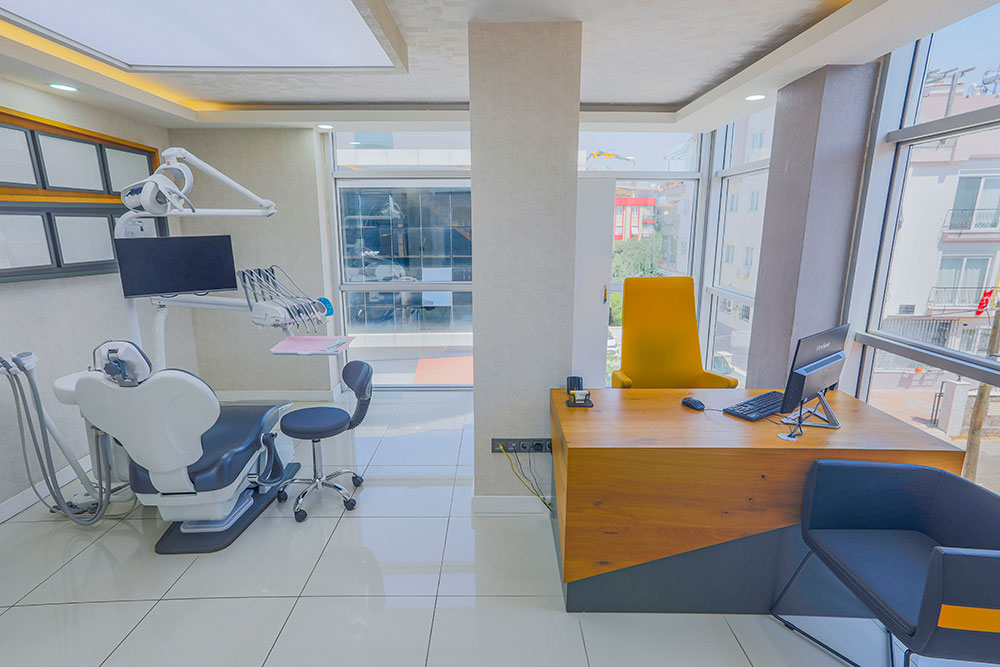
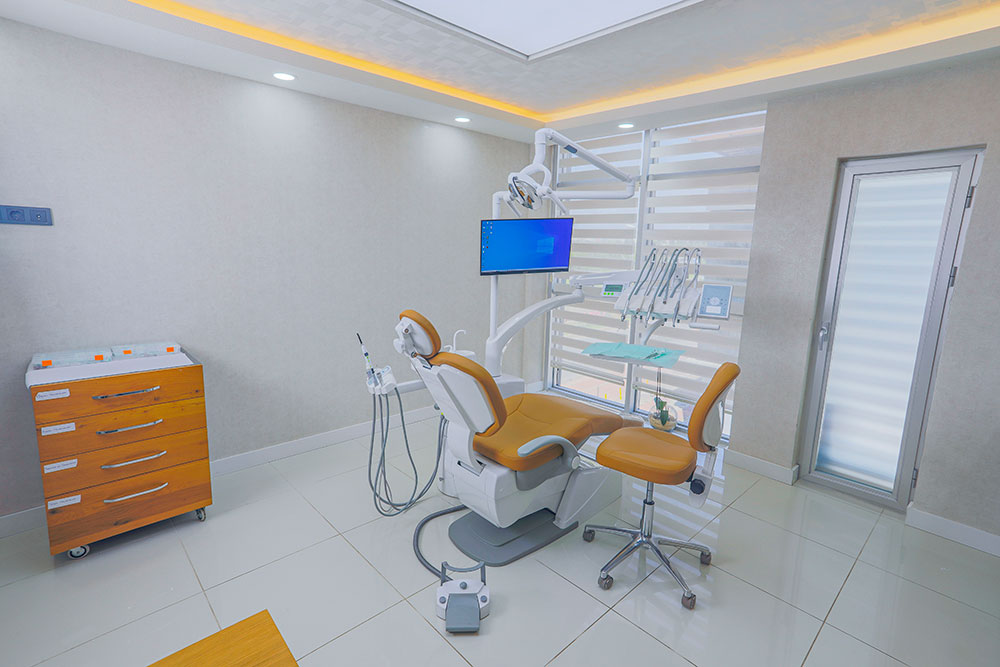
Located in the heart of Antalya, our clinic combines trusted experience with the latest dental technology. Our skilled and caring dentists create healthy, natural and long-lasting results — and from your first consultation to your final check-up, you'll feel cared for not just as a patient, but as part of our family.
- Specialist Dentists
- Latest Technology
- Modern, Hygienic Clinic
- Patient Coordinators
Our Services
Comprehensive cosmetic and restorative dentistry, planned around you.

Smile Makeover
A complete, natural-looking smile design planned around your face and goals.
Learn more
Dental Implants
A permanent replacement for missing teeth with a titanium root and natural crown.
Learn more
All-on-4 Implants
A full fixed arch of teeth supported by just four implants.
Learn more
All-on-6 Implants
A full fixed arch on six implants for extra stability and support.
Learn more
Laminate Veneers
Ultra-thin porcelain shells that refine the shape and shade of your teeth.
Learn more
Dental Crowns
Strong, aesthetic caps that protect and restore damaged teeth.
Learn more
Dental Bridges
A fixed solution that fills the gap left by one or more missing teeth.
Learn more
Teeth Whitening
A safe, professional treatment for a brighter, fresher smile.
Learn moreBehind Every Smile, a Story
Hundreds of patients have walked through our doors and left with far more than a new smile — they left with confidence. Let us write your story, too.
Trusted by Patients Around the World
Real experiences from real Umut Dental Clinic patients.
My visit to Umut dental clinic was amazing.
FATIH SUNAR was my dentist he is an amazing dentist, i wasn't the easiest of patients through nerves.
I couldn't be happier with the overall service i received.
I would whole heartily recommend this clinic for any treatments.
Thankyou
I was quite nervous before I sat in the chair, but once there i was made feel comfortable and relaxed.
I had quite a bit of work done and what I really liked was the speed my dentist worked at,, I was out of the chair with 7 implants in less than 2 hours ..
The place is spotless , the equipment is more than up to date.
The price I was quoted was the price I paid. I will return for yearly check ups as I wouldnt want anyone else looking after me.
Well done to a very professional team !!
My doctor was Faith Sunar, I'm very pleased with how professional he was and how much care he took in his work to make sure I was happy with my new teeth.
They corrected my problems and give me a new set as my old ones were not fitting properly, which was under my gaurentee.
I was seen each day for 4 days , they made sure everything was perfect before I flew back home to England uk.
The clinic was exceptionally clean and spotless.
Beyza was very helpfull to our needs and spoke very good English , she was very kind from start to finish.
Is definitely 100./. Recommend this dentist practice to anyone I'd give them 10/10.
Had excellent treatment with UMUT - extremely well organised and professional. I was talked through the procedure all the way through, given medication which made the process pain free and bearable. My dentist was lovely and only happy when everything was absolutely perfect. When you have so much choice of dentistry in Antalya, it can feel like a very hard decision to make but I would totally recommend this clinic. Thanks again to my fabulous dentist Tugce Aricetin
What a perfect clinic from start to finish I would recommend them to anyone around the world so professional hygiene is amazing on my life you would think you was in a clinic were the famous people go the United Kingdom doesn't even come close to Umut dental clinic I couldn't be happier 12 out of 10 best thing I've ever done so happy thank you umut thank thank you and thank you Dentist Tugce and thank you to the whole team
it was great service and very helpfull friendly team also the transport to clinic was excellent. the hotel also was nice and friendly people and nice breakfast. i'm looking forward to visit Antalya and all the nice people in april again, very beutifull beach also. thank you for helping me and i hope to see you in april for finishing
I had dental treatment at Umut Clinic Antalya, and I can confidently say—three years later—that this clinic truly delivers on its promise of quality and guarantee. The results of my treatment have remained excellent over time, and I'm still very happy with everything they did.
The entire team is extremely friendly, professional, and caring. The dentists are highly trained and very experienced, which immediately gave me a sense of trust and security. They took time to explain everything clearly and made sure I felt comfortable throughout the process.
What also sets Umut Zahnklinik apart is their exceptional service for international patients. From airport pickup to accommodation support, everything was well-organized and stress-free. You really feel taken care of from start to finish.
I can highly recommend Umut Zahnklinik to anyone looking for high-quality dental care in Turkey. A great clinic with lasting results and a warm, welcoming team!
Meet Our Doctors
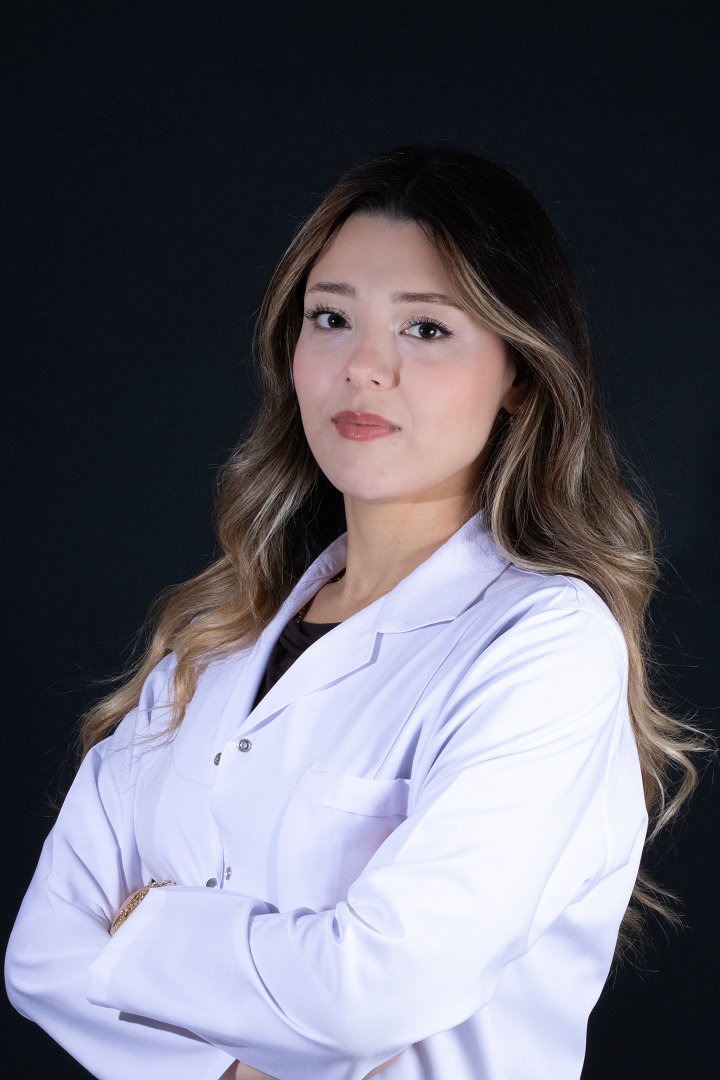
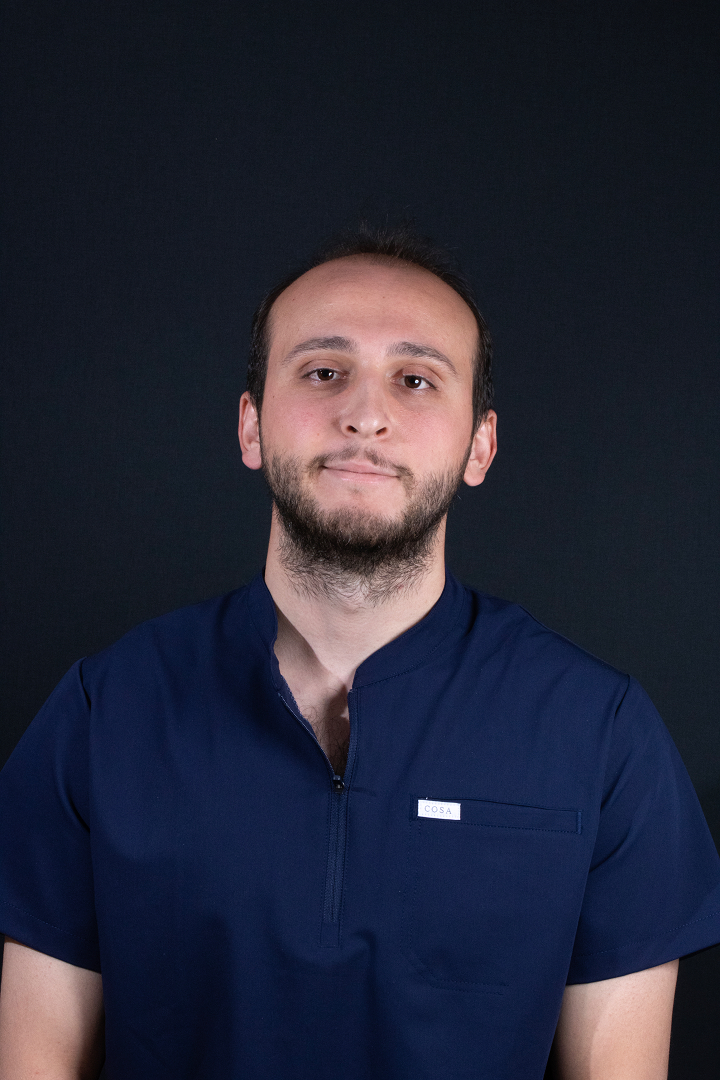
Experienced clinicians dedicated to natural, healthy and long-lasting smile outcomes.

Dr. Osman Cengiz
Clinic Founder
Dr. Ayşe Dilara Yüzgeç
Dentist
Dr. Fatih Sunar
Dentist
Dr. Tuğba Taş Mammadov
Dentist
Dr. Melisa Köse
Dentist
Dr. Abdullah Zeki Ceylan
Dentist
Dr. Merve Yıldırım
Dentist
Dr. Samet Dönmez
DentistOnline Consultation
Leave your contact information and we will contact you soon.