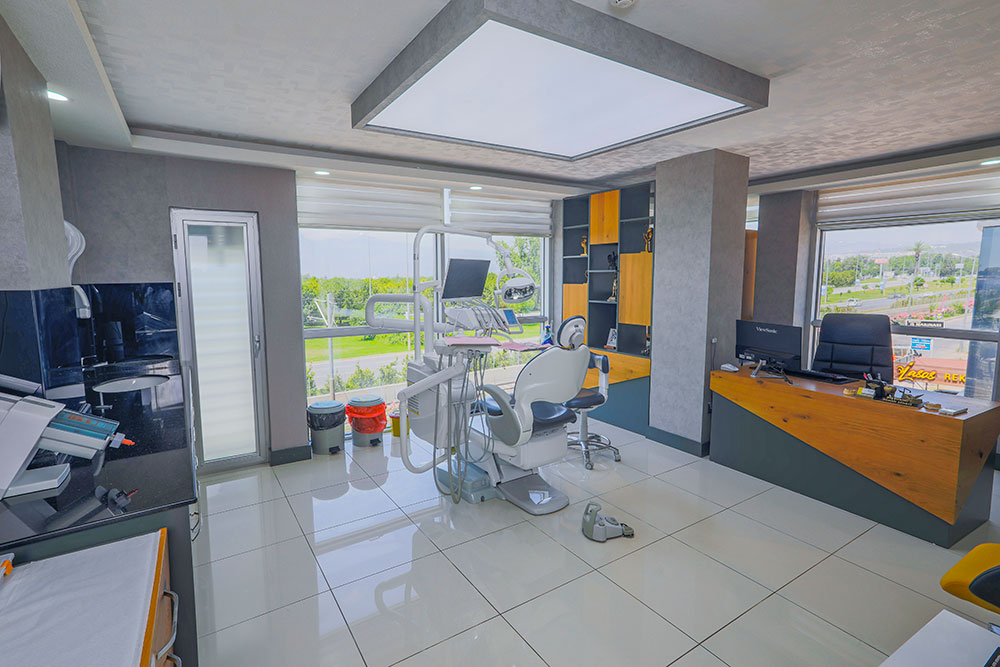
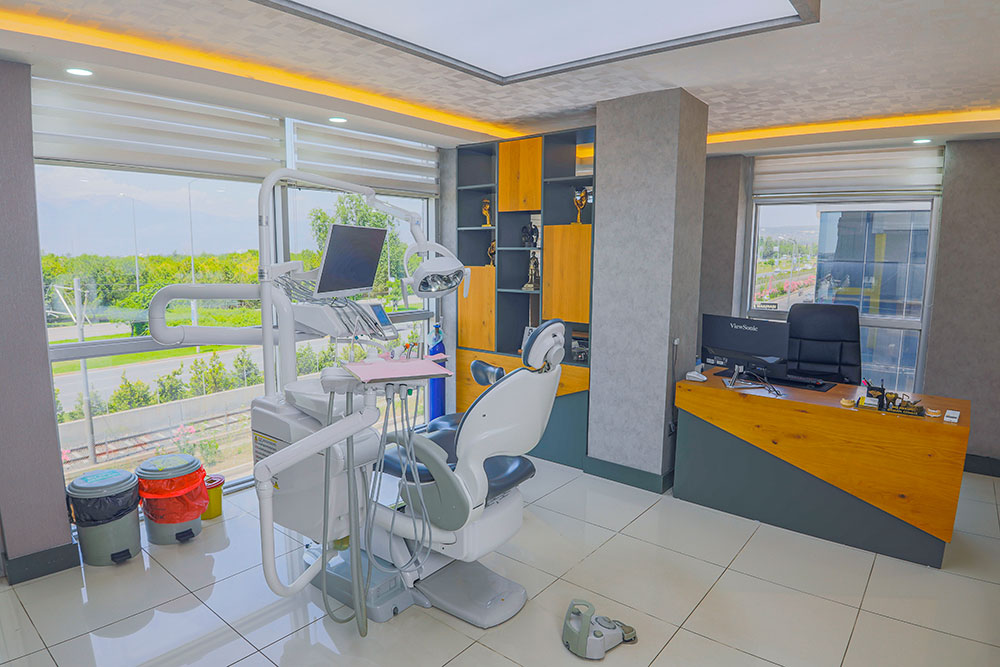
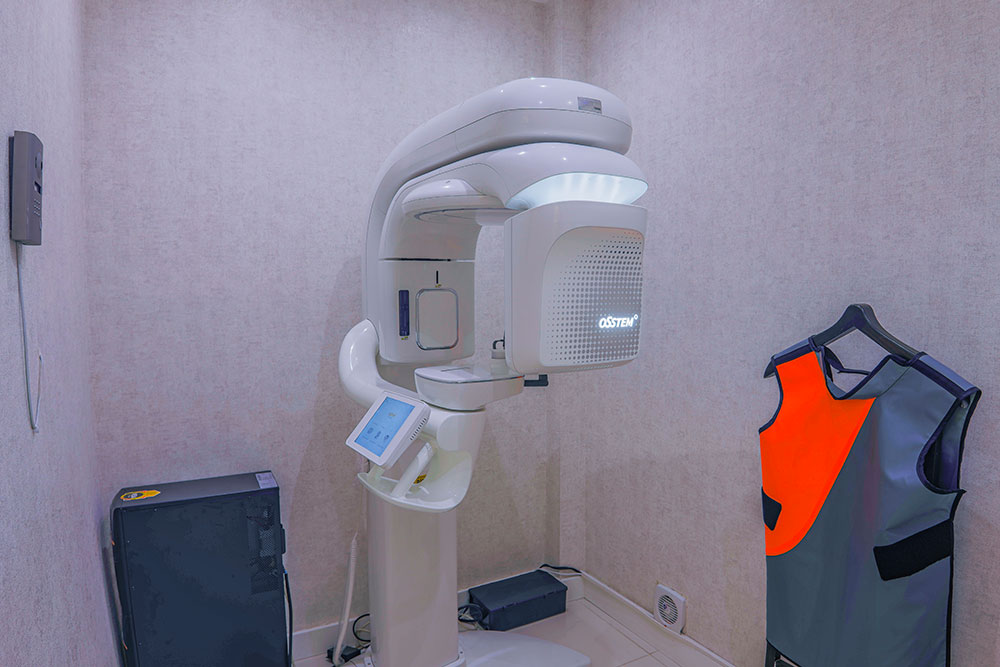
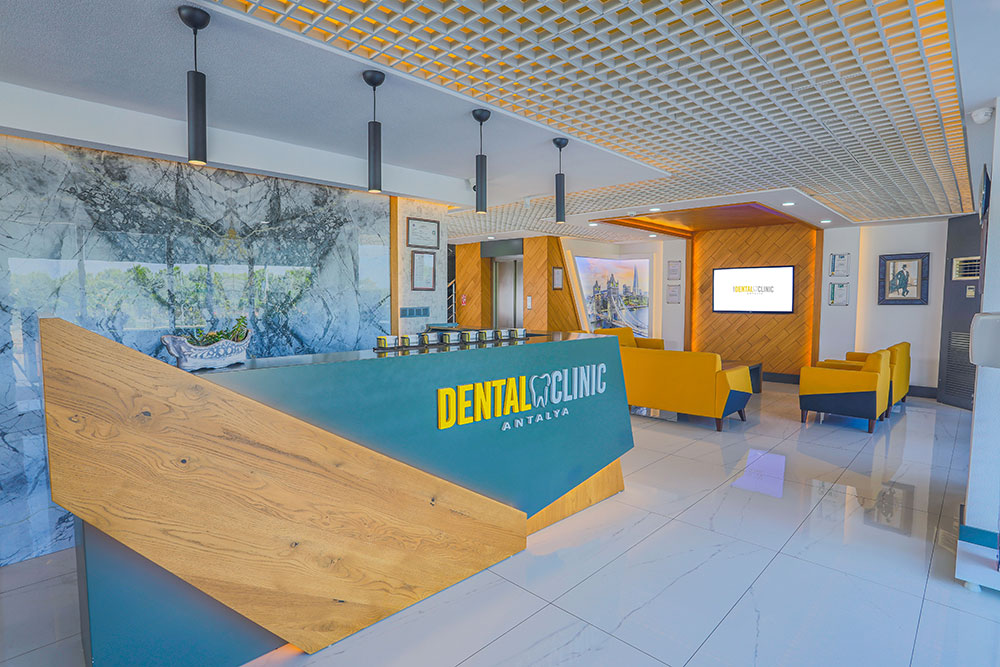
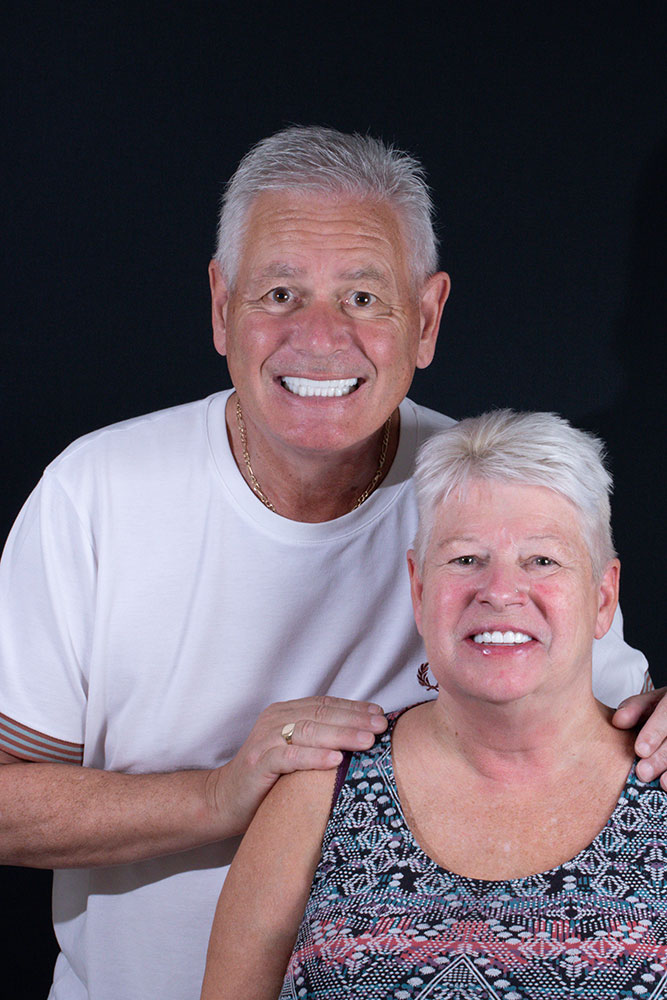
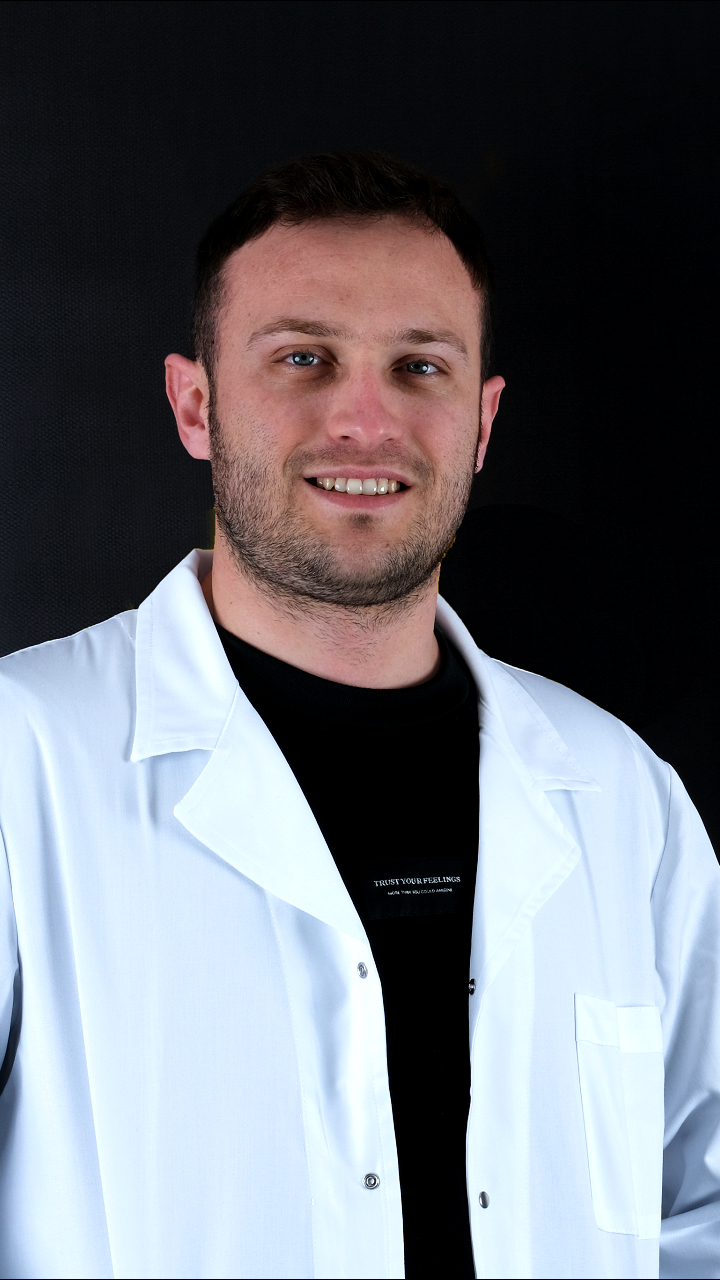
This is by far the easiest review I have ever done. Umut Dental Clinic is the one stop shop for everything dental which is so very important. These people are true professionals from the front door to the engine room and beyond. I have made friends with my dentist Dr Osman the head of Umut Dental Clinic and he leads by example and creates a fantastic experience and outcome for us their clients. I am more than happy to recommend Umut Dental Clinic for all your dental works and answer any of your questions. Make the right call. Call Umut Dental Clinic.
Gum Graft Surgery
3 Steps to a Healthy Smile
From your first message to your final check-up, we're with you at every stage of your treatment journey.
Online Consultation & Planning
Share your details and photos with us. Our patient advisors evaluate your case with our dentists and prepare a personalised treatment plan with clear timelines and pricing.
Arrival & Treatment
We help organise your travel and stay. Once you arrive, all examinations and treatments are carried out in our fully equipped clinic in Antalya.
Book AppointmentYour New Smile & Aftercare
Your treatment is completed as planned. Enjoy your healthy, confident smile, relax in Antalya — and stay in touch with us for aftercare once you're home.
Get a Free Quote
Gum graft surgery is a periodontal procedure used to cover exposed tooth roots and rebuild receded gum tissue. It is usually considered when your gums have pulled away from the teeth, leaving the roots visible, sensitive or at higher risk of decay and tooth loosening. During gum grafting, a periodontist or dentist transfers a small piece of gum tissue from another area of your mouth, or uses prepared donor tissue, and places it over the recessed area to protect the root and improve gum contour. On this page you will learn what gum graft surgery is, when it is recommended or postponed, who is a suitable candidate, how the procedure is performed step by step, what to expect during recovery and aftercare, and how treatment planning works if you are travelling to Antalya for dental care.
What Is Gum Graft Surgery?
Gum graft surgery is a periodontal treatment where new gum tissue is placed over areas of gum recession to cover exposed tooth roots and strengthen the gum line. Gum recession means the edge of the gum has moved downwards on lower teeth or upwards on upper teeth, exposing part of the root that is normally covered by gum.
The aim of gum grafting is to protect the tooth from root decay, reduce sensitivity, help stabilise the tooth, and create a healthier environment for the surrounding gums and bone. Graft tissue may come from your own palate (the roof of the mouth), from nearby gum, or from specially prepared donor material approved for medical use. Your dentist decides which graft type is most suitable after an examination.
There are several main types of gum graft:
- Connective tissue graft – a thin layer of tissue is taken from under the surface of the palate and attached over the exposed root.
- Free gingival graft – a small piece of tissue is taken directly from the surface of the palate and placed on the recessed area, often used to thicken thin gums.
- Lateral (pedicle) graft – tissue is moved from gum directly next to the recession area and rotated to cover the root.
Your dentist may also combine gum grafting with treatment for gum disease (periodontitis, an inflammation of the structures supporting the teeth) if infection or deep pockets are present. Gum graft surgery is usually done under local anaesthetic and most patients go home the same day. Healing times vary, but the first phase of healing usually occurs over 1–2 weeks, with full maturation of the graft taking several weeks to a few months.
When Is Gum Graft Surgery Needed?
Gum graft surgery is usually considered when gum recession exposes the tooth root, causes discomfort, or increases the risk of dental problems that cannot be managed with simple measures alone. Not every case of mild recession requires surgery, but your dentist may recommend grafting in several common situations.
Typical reasons for suggesting a gum graft include:
- Exposed roots causing sensitivity – you may feel sharp pain with cold, hot, sweet or touch in the area where gum has receded. Covering the root with a graft often reduces this sensitivity.
- Progressive recession – if the gum line is moving over time, especially in young or middle‑aged adults, grafting can help stabilise the tissue and slow further loss.
- High risk of root decay or wear – exposed roots are softer than tooth enamel and can wear away or develop cavities more easily. Grafting gives extra protection.
- Thin or fragile gums – even if the root is not yet exposed, very thin gums are more likely to recede later. A graft can thicken the tissue around strategic teeth.
- Before or after orthodontic treatment – if teeth are being moved, or have already been moved, and the gum is thin on the outside, grafting may be advised to protect the roots.
- Aesthetic concerns – recession on front teeth may make teeth look longer or uneven. Grafting can help create a more balanced gum line, often as part of a broader smile makeover.
In some cases, alternatives such as desensitising treatments, fluoride products or small tooth‑coloured fillings on the root may be tried first. These options can ease sensitivity, but they do not restore the lost gum tissue. The decision to move to gum graft surgery depends on how severe the recession is, whether it is getting worse, your general health, and your expectations. The final recommendation is always made after a clinical examination and, when needed, X‑rays.
More about Gum Graft Surgery
Who Is a Good Candidate for Gum Graft Surgery?
A good candidate for gum graft surgery is someone with gum recession, healthy enough for minor oral surgery, whose gums and teeth are stable enough to support a graft. The extent, location and cause of the recession, as well as your general health and oral hygiene, are all taken into account.
You may be considered suitable for gum grafting if:
- You have visible gum recession with exposed root surfaces.
- You experience tooth sensitivity or discomfort due to exposed roots.
- Your gums are thin, fragile or pulling away from the teeth.
- You can maintain good oral hygiene and follow home‑care instructions.
- You do not have untreated advanced gum disease at the planned graft site.
- Your general health is reasonably stable, and any chronic conditions are under medical control.
During your consultation, the dentist will examine your gums, measure the recession, and check for active inflammation, deep pockets, or mobility (looseness) of the teeth. Smoking, heavy grinding or clenching, and aggressive brushing habits are discussed as they can affect healing or cause recession to return if not addressed.
Some factors do not automatically rule out treatment but require careful planning:
- Controlled diabetes or cardiovascular disease – gum grafting may still be possible if your physician confirms that your condition is stable and you follow their advice.
- Mild gum disease (gingivitis) – this is usually treated first with professional cleaning and improved home care; grafting is planned once the gums stop bleeding easily.
- Previous gum surgery – the dentist will evaluate how much donor tissue is available and whether alternative graft materials are suitable.
For example, a patient with recession on two lower front teeth, no active gum infection, and well‑controlled blood pressure will often be a candidate for a small graft around those teeth. By contrast, someone with widespread, active periodontitis and poorly controlled diabetes would first need infection control and medical stabilisation before any graft is considered. Only a clinical evaluation can confirm if gum graft surgery is appropriate in your case.
When Might Gum Graft Surgery Be Delayed?
Gum graft surgery might be delayed when there are factors that significantly increase the risk of complications, reduce healing capacity, or make it difficult to keep the gums clean during recovery. In many of these situations, the focus is on stabilising oral or general health first, then reassessing the need for surgery.
Common reasons to postpone grafting include:
- Uncontrolled gum disease (periodontitis) – if there is ongoing infection, heavy plaque or tartar, or deep gum pockets, surgery is usually delayed until professional cleaning and home hygiene improve the situation.
- Uncontrolled systemic conditions – poorly controlled diabetes, recent heart problems, immune disorders, or other serious illnesses can slow healing and raise the risk of infection. The dentist may request a medical report and wait until your physician confirms stability.
- Pregnancy – many dentists prefer to limit elective periodontal surgery during pregnancy unless there is an urgent need. Non‑surgical care and monitoring are typically preferred.
- Blood‑thinning medications – if you take medicines that affect clotting, your dentist may need to coordinate with your doctor to adjust or time the medication safely, or in some cases avoid surgery.
- Heavy smoking or vaping – tobacco and some vaping products can reduce blood flow in the gums and impair healing. You may be advised to stop or reduce use for a period before and after surgery.
- Very poor oral hygiene – if plaque control is inadequate, grafts are more likely to become inflamed or fail. Instruction and a period of improved home care are usually needed before surgery.
- Recent head and neck radiotherapy – previous high‑dose radiation in the jaw area may increase the risk of bone and soft‑tissue complications. In these cases, any surgery is planned very cautiously, sometimes with specialist input.
The timing may also be adjusted for practical reasons. For example, if you are about to begin orthodontic treatment, the dentist may coordinate with the orthodontist to decide whether grafting is better performed before, during, or after tooth movement. If you are planning travel shortly after surgery, the schedule is often adapted so that early healing checks can still be done safely.
Delaying gum graft surgery does not always mean it will never be possible. Treating underlying issues often improves the outcome of later grafting. During this waiting period, your dentist may suggest measures such as desensitising pastes, adjusted brushing techniques, or protective fillings on exposed root surfaces to help manage symptoms.
How Is Gum Recession Diagnosed?
Gum recession is diagnosed through a clinical examination by a dentist or periodontist, using simple measuring tools and sometimes X‑rays to assess the supporting bone. It cannot be reliably diagnosed at home by looking in the mirror alone, because early recession or underlying bone loss may not be obvious to you.
During the examination, the dentist will usually:
- Visually inspect the gums – they will check how far the gum margin sits relative to the enamel of each tooth, looking for areas where roots are visible or teeth appear longer.
- Measure with a periodontal probe – this is a thin, marked instrument used to measure the depth of the space between the gum and tooth, called a pocket. It also helps measure how much the gum has receded from a reference point.
- Assess gum colour and texture – healthy gums are usually firm and pink. Redness, swelling or bleeding on gentle probing suggests inflammation.
- Check tooth mobility and bite – looseness or traumatic contact from opposing teeth may contribute to further recession.
- Review oral hygiene – plaque, tartar and brushing technique are recorded, as these factors strongly affect gum health.
Dental X‑rays are often used to evaluate the level of bone around the teeth. While recession refers to the position of the gum, bone loss may also be present beneath the surface, especially in periodontitis. Knowing the bone level helps the dentist predict the stability of the tooth and the potential for gum grafting.
The dentist may also ask questions about:
- History of bruxism (clenching or grinding)
- Previous orthodontic treatment or tooth movement
- Systemic diseases and medicines
- Smoking or vaping habits
- Any gum bleeding, bad taste or bad breath
Gum recession is often classified into categories based on how far it has progressed and the condition of nearby tissues. This classification helps in planning whether a gum graft, a different periodontal procedure, or only monitoring and conservative care is appropriate. Regular routine oral check ups allow your dentist to detect recession early, track any changes, and advise you before problems become more advanced.
How Does Gum Graft Surgery Work Step by Step?
Gum graft surgery usually follows a structured sequence of steps, from initial planning through to the placement and securing of the graft tissue. The specific technique can vary, but the overall process is similar in most cases.
A typical step‑by‑step outline is:
- Assessment and planning
Before the surgery day, the dentist examines your gums, reviews X‑rays, and discusses your medical history and expectations. They decide which teeth need grafting and which graft type is most suitable. - Preparation on the day
The surgical area is cleaned, and a local anaesthetic is given to numb the gums and the donor site (such as the palate) if your own tissue is used. The dentist checks that you are comfortable before proceeding. - Preparing the recipient site
A small flap or pouch is created in the area of recession. Any inflamed tissue is gently removed, and the root surface may be smoothed and cleaned to help the graft attach. - Harvesting the graft (if using your tissue)
For connective tissue or free gingival grafts, a thin piece of tissue is taken from the palate or nearby gum. Once removed, the donor site is sutured or covered with a protective dressing. - Placing the graft
The graft is shaped to fit the recession area and carefully positioned over the exposed root. It is then slid under or attached to the surrounding gum tissue. - Securing the graft
Fine sutures are placed to hold the graft in close contact with the root and adjacent gums. Proper stability is important for blood supply and healing. - Dressing and instructions
Sometimes a soft protective dressing is placed over the graft to shield it from irritation. You receive written and verbal instructions about diet, cleaning, and activity restrictions.
In some cases, ready‑made graft materials are used instead of tissue from the palate. The surgical steps at the recipient site remain similar, but there is no need for a second wound in the mouth. The choice between your own tissue and alternative materials depends on the size of the area, how much donor tissue you have, and the dentist’s clinical judgement.
Follow‑up visits are usually scheduled to check healing, remove sutures when needed, and monitor how the graft integrates. It is common for the treated area to look swollen or slightly uneven at first. Over several weeks to months, the tissue usually blends more naturally with the surrounding gum.
Does Gum Graft Surgery Hurt?
Gum graft surgery is generally performed under local anaesthetic, so you should not feel sharp pain during the procedure itself, although you may feel pressure or movement. Discomfort usually appears later, once the anaesthetic wears off, and typically ranges from mild to moderate depending on the extent of surgery and your individual sensitivity.
During the procedure, the dentist tests the area to ensure it is numb before starting. You remain awake and can usually communicate if you feel any unexpected sharp sensation. For very anxious patients, some clinics may offer extra calming techniques, but this is discussed in advance.
After surgery, it is normal to experience:
- Tenderness at the graft site – especially when the lips or cheeks move.
- Soreness at the donor site – if tissue was taken from the palate, this area can sometimes feel more uncomfortable than the graft itself for several days.
- Swelling and minor bruising – usually peaking in the first 2–3 days, then gradually reducing.
- Mild bleeding or oozing – may occur on the first day; persistent heavy bleeding should be reported promptly.
Pain relief is usually managed with medicines recommended by your dentist or physician. Many patients describe the discomfort as manageable and improving steadily over the first week. Applying a cold compress on the outside of the face (with a cloth between skin and compress) in the first 24 hours can help reduce swelling and soreness, as long as you follow your dentist’s instructions.
If you notice severe pain that does not respond to the advised pain control, sudden swelling that rapidly worsens, fever, or a bad taste with pus, you should contact a dentist or seek urgent care. These may be signs of infection or another complication that needs timely attention.
Good preparation, clear instructions, and realistic expectations about temporary discomfort often help patients cope more comfortably with gum graft recovery.
How Long Does Gum Graft Surgery Take?
Gum graft surgery typically takes around 45 minutes to 2 hours per session, depending on how many teeth are treated, the type of graft used, and the complexity of your case. Some smaller grafts for a single tooth can be completed relatively quickly, while larger or multiple‑tooth procedures take longer.
Several factors influence the total time in the dental chair:
- Number of teeth involved – grafting one localised area usually takes less time than treating several teeth across different parts of the mouth.
- Type of graft – harvesting connective tissue or free gingival grafts from the palate adds steps, whereas using a prepared donor material can sometimes shorten the procedure.
- Need for extra procedures – if there is cleaning of deep pockets, minor bone reshaping, or treatment of adjacent areas, the appointment will be longer.
- Your anatomy – very thin or movable tissue, or limited access, may require more delicate work.
- Breaks and comfort – short pauses may be taken to allow you to rest your jaw or swallow comfortably.
In many cases, gum grafting is done in a single visit for the selected teeth. However, if you have recession in many areas, your dentist may plan several sessions, each focusing on one part of the mouth, to make healing and home care easier. The time between sessions can range from a few weeks to a few months, depending on your healing and schedule.
Although the surgical time itself is limited to the appointment, healing takes longer. Initial healing of the gum surface usually occurs over 1–2 weeks, but internal maturation and stabilisation of the graft can continue for 6–12 weeks or more. During this period, you will attend follow‑up visits to monitor progress.
When planning your day, remember to allow extra time before and after the appointment for paperwork, anaesthetic onset, and postoperative instructions. If you are travelling from outside the city or abroad, it is wise to avoid tight connections immediately after surgery so you can rest and manage any early discomfort calmly.
What Can I Eat After Gum Graft Surgery?
After gum graft surgery you should eat soft, cool or lukewarm foods that do not disturb the graft or donor site, avoiding hard, crunchy, very hot, or spicy items until your dentist says they are safe. The main goal is to nourish your body without putting pressure or friction on the healing tissues.
For the first few days, many patients tolerate:
- Cool soups (not very hot, and without hard chunks)
- Yoghurt, soft cheese or smooth puddings
- Mashed potatoes or well‑cooked, mashed vegetables
- Scrambled eggs or soft omelettes once swallowing is comfortable
- Smoothies made without seeds or small hard pieces
- Soft pasta, rice or porridge when advised as acceptable
Some helpful guidelines include:
- Avoid chewing on the graft side for at least the period recommended by your dentist. Use the opposite side of your mouth if you need to chew.
- Do not eat very hot food or drink immediately after surgery, as heat can increase bleeding and irritation. Allow items to cool to a warm or room temperature.
- Skip hard, sharp or sticky foods such as nuts, chips, crusty bread, seeds, chewy sweets, or tough meat, as they can disturb the graft or get stuck in the area.
- Avoid alcohol and smoking during the early healing phase, as they may irritate tissues and slow recovery.
- Stay hydrated by sipping water regularly, but avoid swishing vigorously around the graft site.
The exact duration of a soft diet depends on the technique used and your healing rate, but many dentists recommend a modified diet for at least 1–2 weeks. They will review your progress at follow‑up visits and tell you when you can gradually reintroduce more solid foods.
If you have any difficulties swallowing, severe pain when eating, or notice food repeatedly getting trapped near the graft, contact your dentist for specific advice. Proper nutrition supports healing, so planning suitable meals in advance often makes the postoperative period smoother and less stressful.
Recovery and Aftercare After Gum Graft Surgery
Recovery after gum graft surgery usually takes place over several weeks, with the most noticeable healing in the first 1–2 weeks and continued tissue maturation over the following months. Careful aftercare helps protect the graft, manage discomfort, and support long‑term success.
Typical aspects of recovery include:
- First 24–72 hours
Swelling and mild bleeding or oozing are most common in this period. Applying a cold compress on the outside of your face for short intervals, as instructed, can help with swelling. Keeping your head slightly elevated when resting may reduce throbbing. - Pain control
Your dentist or physician may recommend suitable pain relief. Take medicines exactly as advised and do not exceed recommended doses. Pain usually improves significantly after the first few days. - Oral hygiene
It is important to keep the mouth clean without disturbing the graft. You will generally be told to avoid brushing directly on the graft and donor site for a specific period, but to continue gentle brushing of the other teeth. A special mouth rinse may be suggested for limited use, if appropriate. - Diet
Follow the soft‑food guidance given earlier. Avoid biting into foods with the front teeth or chewing on the graft side until allowed. - Activity
Strenuous exercise, heavy lifting or bending over can increase bleeding and swelling in the first few days. Gentle daily activities are usually fine, but you should follow the limitations your dentist advises.
Many patients return to work or normal daily routines within a few days, as long as their occupation does not involve heavy physical effort. Talking and facial expressions can feel tight or slightly uncomfortable at first, especially if the graft is near the lips or cheeks.
Your dentist will schedule follow‑up appointments to:
- Check early healing and remove or adjust any dressing.
- Remove sutures if non‑resorbable stitches were used.
- Assess how well the graft has integrated and whether the gum contour is stable.
- Reinforce oral hygiene instructions to protect the result.
Long‑term success also depends on controlling the causes of recession. You may receive advice on using a softer toothbrush, adjusting your brushing technique, managing clenching or grinding, or planning supportive treatments like dental bridges or orthodontic adjustments if teeth or bite relationships contribute to gum stress.
Contact your dentist promptly if you notice heavy bleeding that does not stop with gentle pressure, sudden increase in swelling, fever, difficulty swallowing or breathing, or signs that the graft seems to have moved away from the tooth. Early attention to these issues usually leads to better outcomes.
What Are the Risks and Possible Complications of Gum Graft Surgery?
Gum graft surgery, like any surgical procedure, carries potential risks and complications, although serious problems are relatively uncommon when treatment is well planned and aftercare instructions are followed. Understanding these possibilities helps you recognise when to seek professional advice.
Possible risks include:
- Pain and swelling – some discomfort and swelling are expected, especially in the first few days. Usually this is manageable with recommended pain relief and cold compresses, but in some cases it can be more intense.
- Bleeding – slight oozing is common early on. Persistent or heavy bleeding is less common and requires prompt attention.
- Infection – infection can occur at the graft or donor site, leading to increased pain, swelling, redness, pus or fever. Your dentist may prescribe medication if an infection is suspected.
- Graft failure or partial loss – occasionally the graft does not fully survive or integrate, especially if it moves, is traumatised by chewing or brushing, or if healing is compromised. This can result in only partial root coverage or the need for further treatment.
- Altered sensation – some patients notice temporary numbness or sensitivity changes in the gums, palate or teeth. In most cases this improves over time, but rarely, altered sensation may persist.
- Aesthetic dissatisfaction – the final gum contour and colour may not match expectations exactly. Small differences in shape or shade compared with the surrounding gum can occur.
- Recession recurrence – grafting does not always prevent future recession, especially if underlying causes like aggressive brushing, trauma from bite, or smoking continue.
General health conditions such as uncontrolled diabetes, immune problems, and smoking can increase the chance of complications and delay healing. Careful assessment and medical coordination help reduce these risks.
Warning signs that require prompt contact with a dentist or, if severe, emergency care include:
- Severe, persistent pain not controlled by the recommended pain relief.
- Rapidly increasing swelling of the face or mouth.
- Bleeding that does not slow down with gentle pressure.
- Fever, feeling generally unwell, or chills.
- Difficulty swallowing, speaking, or breathing.
Before deciding on gum graft surgery, you will have the chance to discuss these risks, possible alternatives, and the expected benefits based on your specific condition. This shared decision‑making approach allows you to balance potential advantages with the small but real possibility of complications.
Gum Graft Surgery in Antalya: Travel Planning and Follow-Up
Gum graft surgery in Antalya can often be combined with a short stay for international patients, but it needs careful timing so that both the procedure and the early healing period are safely covered. Planning begins with remote assessment and continues with scheduled visits while you are in the city.
For patients travelling from abroad, the usual steps include:
- Pre‑travel consultation – you share dental history, medical information and, if possible, recent X‑rays and photos. The dentist provides a preliminary opinion on whether gum grafting seems appropriate and how many visits may be needed.
- On‑site examination – once in Antalya, a full clinical examination and any necessary imaging are performed to confirm the diagnosis and finalise the treatment plan.
- Surgery appointment – gum grafting is usually done in a single session for the planned area. The date is set early in your stay to allow time for initial healing checks before you return home.
- Follow‑up visit – a check‑up is normally arranged a few days to a couple of weeks after surgery, depending on your travel schedule, to assess healing and remove sutures if needed.
Travel planning should take into account:
- Allowing at least several days between surgery and your return flight, especially if a palate donor site is used.
- Choosing accommodation where you can rest, manage soft foods, and maintain hygiene comfortably.
- Ensuring you have contact details for the clinic in case questions arise after you go home.
Long‑term follow‑up is often shared between the treating dentist in Antalya and your local dentist. You may be advised to schedule routine reviews at home to monitor the graft, adjust oral hygiene, and address any further needs such as dental crowns or orthodontic corrections if these are part of your overall plan.
At Umut Dental Clinic Antalya, patients can share their details and X‑rays for an online consultation before planning travel, helping to estimate likely treatment steps and visit length based on the information available.
The information on this page is for general education only and does not replace an examination, diagnosis or treatment. See a dentist for any concerns about your oral health.
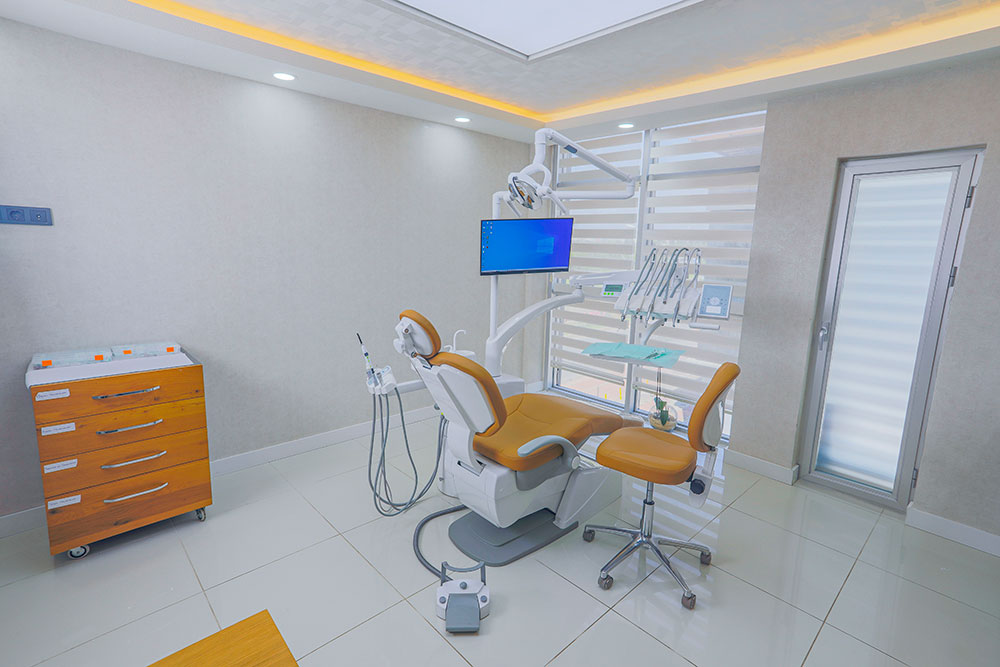
Our Clinic
Every smile tells a story — and we've been part of thousands of them for over 17 years.
Located in the heart of Antalya, our clinic combines trusted experience with the latest dental technology. Our skilled and caring dentists create healthy, natural and long-lasting results — and from your first consultation to your final check-up, you'll feel cared for not just as a patient, but as part of our family.
- Specialist Dentists
- Latest Technology
- Modern, Hygienic Clinic
- Patient Coordinators
Our Services
Comprehensive cosmetic and restorative dentistry, planned around you.

Smile Makeover
A complete, natural-looking smile design planned around your face and goals.
Learn more
Dental Implants
A permanent replacement for missing teeth with a titanium root and natural crown.
Learn more
All-on-4 Implants
A full fixed arch of teeth supported by just four implants.
Learn more
All-on-6 Implants
A full fixed arch on six implants for extra stability and support.
Learn more
Laminate Veneers
Ultra-thin porcelain shells that refine the shape and shade of your teeth.
Learn more
Dental Crowns
Strong, aesthetic caps that protect and restore damaged teeth.
Learn more
Dental Bridges
A fixed solution that fills the gap left by one or more missing teeth.
Learn more
Teeth Whitening
A safe, professional treatment for a brighter, fresher smile.
Learn moreBehind Every Smile, a Story
Hundreds of patients have walked through our doors and left with far more than a new smile — they left with confidence. Let us write your story, too.
Trusted by Patients Around the World
Real experiences from real Umut Dental Clinic patients.
My visit to Umut dental clinic was amazing.
FATIH SUNAR was my dentist he is an amazing dentist, i wasn't the easiest of patients through nerves.
I couldn't be happier with the overall service i received.
I would whole heartily recommend this clinic for any treatments.
Thankyou
I was quite nervous before I sat in the chair, but once there i was made feel comfortable and relaxed.
I had quite a bit of work done and what I really liked was the speed my dentist worked at,, I was out of the chair with 7 implants in less than 2 hours ..
The place is spotless , the equipment is more than up to date.
The price I was quoted was the price I paid. I will return for yearly check ups as I wouldnt want anyone else looking after me.
Well done to a very professional team !!
My doctor was Faith Sunar, I'm very pleased with how professional he was and how much care he took in his work to make sure I was happy with my new teeth.
They corrected my problems and give me a new set as my old ones were not fitting properly, which was under my gaurentee.
I was seen each day for 4 days , they made sure everything was perfect before I flew back home to England uk.
The clinic was exceptionally clean and spotless.
Beyza was very helpfull to our needs and spoke very good English , she was very kind from start to finish.
Is definitely 100./. Recommend this dentist practice to anyone I'd give them 10/10.
Had excellent treatment with UMUT - extremely well organised and professional. I was talked through the procedure all the way through, given medication which made the process pain free and bearable. My dentist was lovely and only happy when everything was absolutely perfect. When you have so much choice of dentistry in Antalya, it can feel like a very hard decision to make but I would totally recommend this clinic. Thanks again to my fabulous dentist Tugce Aricetin
What a perfect clinic from start to finish I would recommend them to anyone around the world so professional hygiene is amazing on my life you would think you was in a clinic were the famous people go the United Kingdom doesn't even come close to Umut dental clinic I couldn't be happier 12 out of 10 best thing I've ever done so happy thank you umut thank thank you and thank you Dentist Tugce and thank you to the whole team
it was great service and very helpfull friendly team also the transport to clinic was excellent. the hotel also was nice and friendly people and nice breakfast. i'm looking forward to visit Antalya and all the nice people in april again, very beutifull beach also. thank you for helping me and i hope to see you in april for finishing
I had dental treatment at Umut Clinic Antalya, and I can confidently say—three years later—that this clinic truly delivers on its promise of quality and guarantee. The results of my treatment have remained excellent over time, and I'm still very happy with everything they did.
The entire team is extremely friendly, professional, and caring. The dentists are highly trained and very experienced, which immediately gave me a sense of trust and security. They took time to explain everything clearly and made sure I felt comfortable throughout the process.
What also sets Umut Zahnklinik apart is their exceptional service for international patients. From airport pickup to accommodation support, everything was well-organized and stress-free. You really feel taken care of from start to finish.
I can highly recommend Umut Zahnklinik to anyone looking for high-quality dental care in Turkey. A great clinic with lasting results and a warm, welcoming team!
Meet Our Doctors
Experienced clinicians dedicated to natural, healthy and long-lasting smile outcomes.

Dr. Osman Cengiz
Clinic Founder
Dr. Ayşe Dilara Yüzgeç
Dentist
Dr. Fatih Sunar
Dentist
Dr. Tuğba Taş Mammadov
Dentist
Dr. Melisa Köse
Dentist
Dr. Abdullah Zeki Ceylan
Dentist
Dr. Merve Yıldırım
Dentist
Dr. Samet Dönmez
DentistOnline Consultation
Leave your contact information and we will contact you soon.