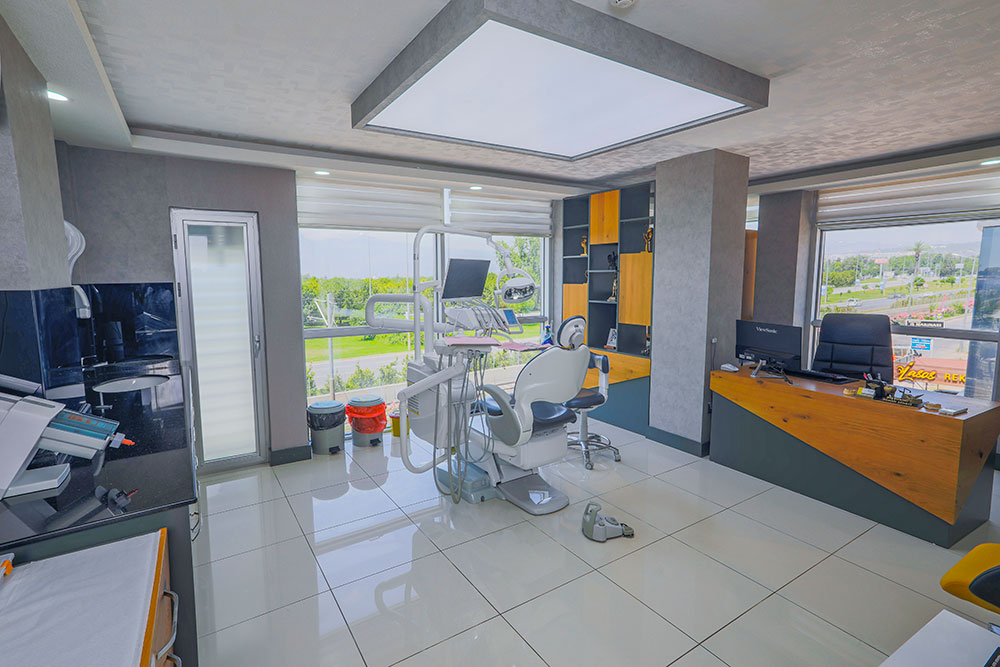
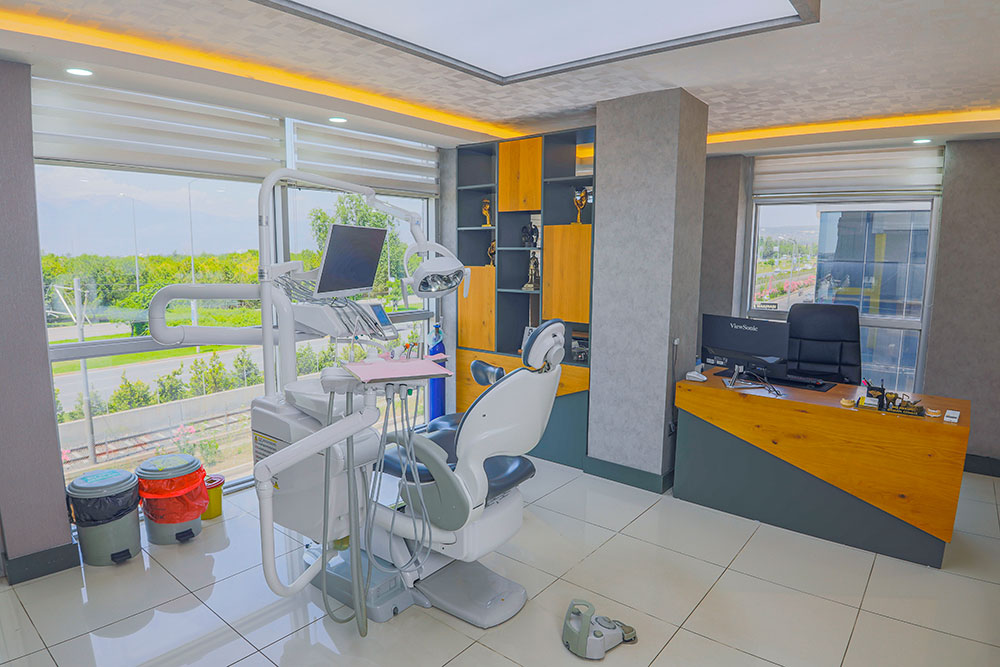
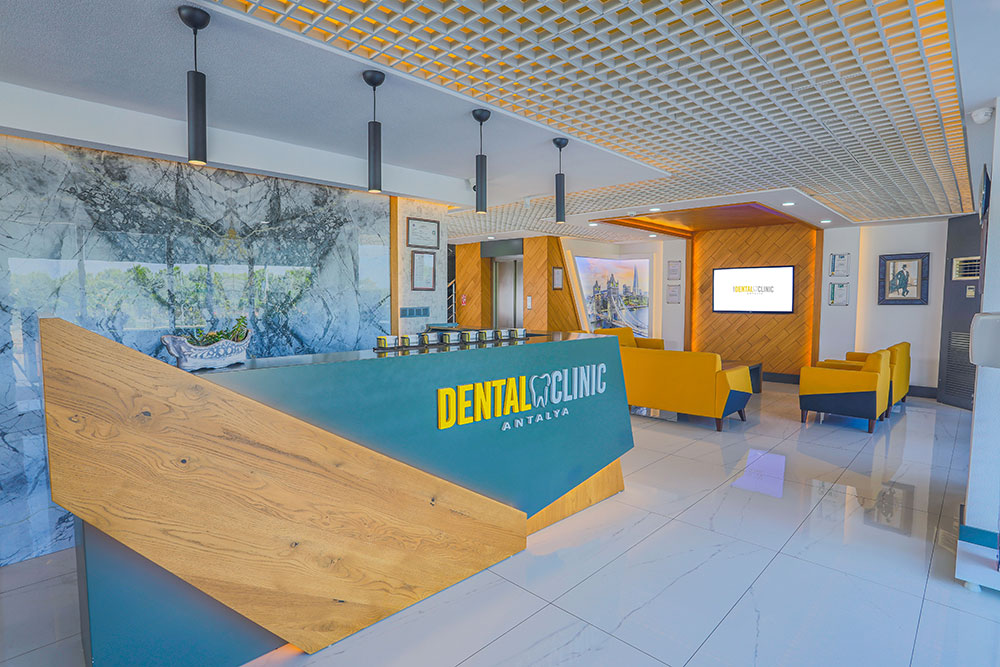
This is by far the easiest review I have ever done. Umut Dental Clinic is the one stop shop for everything dental which is so very important. These people are true professionals from the front door to the engine room and beyond. I have made friends with my dentist Dr Osman the head of Umut Dental Clinic and he leads by example and creates a fantastic experience and outcome for us their clients. I am more than happy to recommend Umut Dental Clinic for all your dental works and answer any of your questions. Make the right call. Call Umut Dental Clinic.
Emax Laminate Veneers
3 Steps to a Healthy Smile
From your first message to your final check-up, we're with you at every stage of your treatment journey.
Online Consultation & Planning
Share your details and photos with us. Our patient advisors evaluate your case with our dentists and prepare a personalised treatment plan with clear timelines and pricing.
Arrival & Treatment
We help organise your travel and stay. Once you arrive, all examinations and treatments are carried out in our fully equipped clinic in Antalya.
Book AppointmentYour New Smile & Aftercare
Your treatment is completed as planned. Enjoy your healthy, confident smile, relax in Antalya — and stay in touch with us for aftercare once you're home.
Get a Free Quote
Emax laminate veneers are thin, custom-made porcelain shells bonded to the front surfaces of teeth to improve colour, shape and alignment while preserving as much natural tooth structure as possible. They are usually considered for discoloured, worn, chipped or mildly misaligned front teeth when whitening or simple bonding are not enough. During this treatment, the dentist examines your mouth, plans the new tooth shape and colour, prepares the teeth minimally if needed, and bonds the veneers in place in one or more visits. You will learn what Emax laminate veneers are, who is suitable, how they are designed and fitted, how long treatment and healing may take, what you can safely eat, and how long veneers typically last with good care. You will also see the main risks, limitations and alternatives so you can discuss options calmly with your dentist.
What are Emax laminate veneers?
Emax laminate veneers are ultra-thin porcelain coverings made from a type of glass-ceramic (lithium disilicate) that are bonded to the front surface of your teeth to improve appearance while keeping most of the natural tooth underneath. They belong to the group of ceramic veneers but are designed to combine strength with a natural, translucent look similar to enamel.
Each Emax veneer is individually made in a dental laboratory based on impressions or digital scans of your teeth. The veneer fits only one specific tooth, like a small shell, and is cemented using special adhesive materials. The inner surface is treated so it bonds to the tooth, and the outer surface is polished and glazed to mimic natural tooth shine.
These veneers are usually used on front teeth that show when you smile or talk. They can change several aspects of your smile:
- Colour: lightening teeth that are discoloured or resistant to teeth whitening, such as teeth darkened after root canal treatment or old fillings.
- Shape: lengthening short teeth, closing small spaces, and rounding or reshaping edges.
- Alignment: masking mild crowding, rotation or unevenness without orthodontic treatment in selected cases.
Emax laminate veneers are considered a conservative cosmetic option compared with full dental crowns, because they usually require less removal of healthy tooth tissue. However, they are still an irreversible procedure, as a thin layer of enamel is often reshaped and cannot grow back. They are not simply glued-on “stickers”; they rely on careful planning, appropriate case selection and precise bonding techniques by the dentist and dental technician.
Different materials exist for veneers, including other porcelains and composite resin. Emax veneers are usually chosen for their combination of aesthetics, durability under normal biting forces, and compatibility with enamel bonding, which supports long-term stability when you follow good oral hygiene and attend regular dental check-ups.
Who is a good candidate for Emax laminate veneers?
The best candidates for Emax laminate veneers are adults with healthy teeth and gums who want to improve the appearance of their front teeth and whose bite and oral habits allow safe placement of thin porcelain restorations. The final decision is always made after a clinical examination and, if needed, X-rays and bite analysis.
Generally, you may be a suitable candidate if:
- Your gums and bone are healthy: There should be no active gum disease (gingivitis or periodontitis, which is inflammation and destruction of the supporting tissues of the teeth) that can cause bleeding, swelling or bone loss. These conditions need treatment and stabilisation before veneers.
- Your tooth structure is mostly intact: Veneers work well on teeth that are mostly healthy but aesthetically compromised. For example, you might have:
- Discolouration not fully responsive to teeth whitening.
- Chips or cracks limited to the enamel layer.
- Small gaps between front teeth.
- Teeth that are slightly rotated or misaligned but not severely out of position.
Other positive factors include:
- Stable bite: Your upper and lower teeth should come together in a way that does not place excessive stress on the veneer edges. Minor bite adjustments may be possible; major bite problems might require orthodontics or other treatments first.
- Good oral hygiene habits: Brushing, interdental cleaning and regular routine oral check ups help keep the margins of veneers healthy.
- Realistic expectations: Understanding that veneers improve shape and colour but cannot create completely different teeth or guarantee a certain shade in every lighting condition.
- No destructive habits: You should not frequently bite pens, fingernails, ice, or use teeth to open packages, as these behaviours increase the risk of chipping.
For example, someone with slightly worn and discoloured front teeth from acidic drinks but with good gum health and a stable bite may benefit from Emax laminate veneers to restore length and brightness. On the other hand, someone with extensive tooth decay or very large fillings might need a different type of restoration.
Age is also important. Veneers are rarely used for children because teeth and gums are still developing. Young adults may be considered after full dental development, usually when bite and jaw growth have stabilised.
More about Emax Laminate Veneers
When are Emax laminate veneers not suitable?
Emax laminate veneers are not suitable when teeth, gums or bite conditions cannot safely support thin porcelain shells, or when another treatment would protect tooth structure more effectively. In such cases, alternatives like orthodontic treatment, composite bonding, crowns or implants may be discussed.
Situations in which Emax veneers are often not recommended include:
- Active gum disease: Bleeding, swollen or receding gums, or bone loss from periodontitis, increase the risk of poor margins, decay and veneer failure. Treatment of gum disease is needed first.
- Severe tooth decay or large fillings: If much of the tooth is missing, there may not be enough healthy enamel to bond a veneer securely. A full crown or other restoration can offer better protection.
- Very misaligned or rotated teeth: When teeth are significantly out of position, using veneers to “cover” the problem can require excessive tooth reduction and may not look or function naturally. Orthodontics may be safer before any veneers.
- Heavy teeth grinding or clenching (bruxism): Strong forces, especially at night, can chip, crack or debond veneers. In some cases, bruxism is managed with a night guard and bite adjustments before considering veneers, or an alternative treatment may be advised.
- Insufficient enamel: Bond strength is best when veneers are attached mainly to enamel. If enamel is worn away or previously over-prepared, bonding becomes less predictable.
- Uncontrolled medical conditions: Uncontrolled diabetes, immune problems, or ongoing cancer treatment in the head and neck region may require postponing or modifying elective cosmetic treatments.
- Severe bite problems: Deep overbites, crossbites or edge-to-edge bites can place destructive stress on thin edges of veneers. Bite correction may be needed first.
- High caries risk or poor oral hygiene: Frequent new cavities mean the margins of veneers are more likely to decay, shortening their lifespan.
Pregnancy itself is not an absolute barrier, but many dentists prefer to delay non-urgent cosmetic procedures until after birth and breastfeeding, especially when radiographs or longer appointments are needed.
For example, someone with several broken front teeth from trauma, extensive root canal treatments and large fillings may be better served by crowns or, if teeth cannot be saved, by dental implants and dental bridges. The dentist evaluates each tooth individually and explains where Emax laminate veneers are appropriate and where other solutions are safer.
How are Emax laminate veneers planned and designed?
Emax laminate veneers are planned and designed through a structured process that evaluates your facial features, bite, tooth proportions and expectations before any permanent changes are made to your teeth. The goal is to combine aesthetic improvement with function and long-term health.
The planning process usually includes these stages:
- Initial consultation and smile analysis: The dentist listens to what you wish to change and examines your teeth, gums and bite. Photographs are taken from different angles while you smile and talk to understand how much tooth and gum are visible.
- Records and measurements: Impressions or digital scans record the exact shape and position of your teeth. The dentist measures tooth width, length and their relationship with your lips and facial midline.
- Discussion of options: You are informed about possible treatments, including Emax veneers, and alternatives such as orthodontics, composite bonding or a broader smile makeover. Expectations about colour, symmetry and tooth shape are clarified.
- Wax-up or digital design: Using your models or scans, a dental technician or digital software creates a proposed new shape of your front teeth. This is often called a diagnostic wax-up or digital mock-up.
- Mock-up in the mouth: In many cases, the planned design is transferred into your mouth using temporary material placed over your existing teeth without altering them. This allows you and the dentist to assess length, shape and speech before committing to tooth preparation.
During these steps, details such as incisal edge position (where your front teeth meet), the amount of gum display when you smile, and how upper and lower teeth contact each other are carefully reviewed. The dentist may slightly adjust the design several times to balance aesthetics with your bite.
Colour selection is another key part. The dentist chooses a shade and translucency level that matches your skin tone, eye colour and existing teeth if some natural teeth will remain visible. You may be shown shade samples and photographs to help you visualise the likely result.
Only after you agree with the plan does the dentist proceed to the preparation phase. Thoughtful design helps minimise tooth reduction, reduce risks of chipping and avoid an artificial or bulky appearance.
What examinations and scans are needed before treatment?
Before starting Emax laminate veneers, the dentist usually needs a combination of clinical examination, X-rays and records to check that your teeth and supporting tissues are healthy enough and to plan the treatment safely. These examinations help reduce the risk of complications during and after veneer placement.
Common assessments include:
- Clinical examination: The dentist checks each tooth for decay, cracks, existing fillings, wear and sensitivity. Gums are examined for signs of inflammation, bleeding, pockets and recession. Your bite is assessed to see how upper and lower teeth meet and slide against each other.
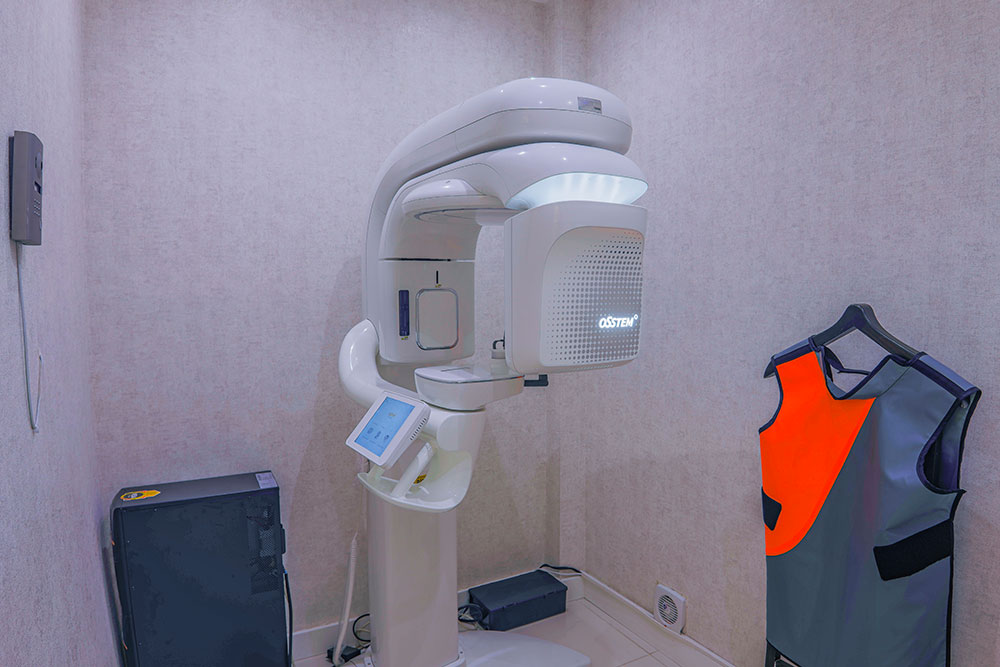
- Dental X-rays: Periapical or panoramic radiographs are often taken to evaluate roots, bone levels around the teeth, existing root canal treatments, hidden decay between teeth and any areas of infection. X-rays also help determine whether teeth with old restorations or trauma are strong enough to support veneers.
- Photographs: Extraoral and intraoral photos record your smile, lips, and how teeth look from various angles. These are useful for comparing before and after treatment, and for communicating with the dental laboratory.
- Impressions or digital scans: These capture exact tooth shapes and positions. Digital scanners can create 3D models, which are helpful for precise planning and digital smile design.
- Bite registration: Records of how your upper and lower teeth come together may be taken, sometimes using special materials or digital systems. This helps analyse contacts to avoid overload on future veneers.
- Periodontal assessment: In patients with a history of gum problems, more detailed measurements of gum pockets around each tooth may be made to ensure stability.
In certain cases, the dentist may also request:
- Vitality testing: Simple tests to check if a tooth nerve responds normally or shows signs of previous damage.
- Occlusal analysis: If you have jaw pain, clicking or a history of grinding, a more thorough analysis of your jaw joints and muscle function may be advised.
Medical history is also important. You will be asked about general health conditions, allergies, medications, smoking habits and any previous dental experiences. Some conditions or medicines can influence gum response, healing and the choice of anaesthesia or materials.
The dentist then uses all this information to determine which teeth are suitable for Emax laminate veneers, whether any preliminary treatments are needed (such as gum therapy, fillings or bite adjustment), and to plan the thickness and margins of each veneer accurately.
How does the Emax laminate veneer procedure work step by step?
The Emax laminate veneer procedure usually follows a series of clear steps from initial planning to final bonding. The exact sequence can vary slightly between clinics, but the main stages are similar. The process is typically spread over two to three visits, depending on how many teeth are treated and whether additional procedures are needed.
A typical step-by-step process is:
- Consultation and planning: The dentist listens to your concerns, examines your mouth, takes X-rays, photographs and impressions or digital scans. A smile design or wax-up may be created, and you discuss desired shape and shade.
- Mock-up try-in (if used): Temporary material based on the wax-up may be placed over your teeth to preview the new shapes. Adjustments are made until both you and the dentist are satisfied with length, symmetry and speech.
- Tooth preparation: After numbing the area if needed, the dentist gently reshapes the front surface of the teeth, usually removing a thin layer of enamel. The goal is to create space for the veneer so it does not look bulky. In some cases, minimal or no-prep veneers are possible, but this is not suitable for everyone.
- Impressions or final scan: Once preparation is complete, a precise mould or digital record is taken for the dental laboratory to fabricate the Emax veneers.
- Temporary restorations: Temporary veneers or coverings may be placed to protect your prepared teeth and give you an idea of the final appearance. These are usually made from acrylic or composite and are not as strong or smooth as the final ceramics.
- Laboratory fabrication: In the lab, technicians make your Emax veneers according to the dentist’s instructions on shape, thickness, shade and surface texture. This may take several days.
- Trial fitting: At the next visit, temporaries are removed and the Emax veneers are tried in. The dentist checks the fit, contacts with neighbouring teeth, bite and colour. You look in a mirror and can request small adjustments if possible.
- Bonding: When you and the dentist accept the veneers, the teeth and inner surfaces of the veneers are cleaned and prepared. A special adhesive and resin cement are applied, and the veneers are placed on the teeth. Excess cement is removed and the material is hardened using a curing light.
- Finishing and polishing: The dentist refines the margins, adjusts your bite carefully and polishes the veneers to a smooth, natural surface.
- Follow-up visit: After a short period, a review appointment is usually arranged to re-check your bite, gum health around the veneers and your comfort.
Throughout these steps, communication between you, the dentist and the laboratory is important. You are encouraged to share any concerns about sensitivity, shape or shade early, so adjustments can be made where feasible before final bonding.
How long does Emax laminate veneer treatment take?
Emax laminate veneer treatment usually takes from several days to a few weeks, depending on how many teeth are involved, the complexity of your case and the laboratory schedule. The number of visits is often two to three for the veneers themselves, with extra appointments if preliminary treatments are needed.
A typical timeline may look like this:
- First visit – consultation and planning (30–90 minutes): Examination, X-rays, photos and initial impressions or scans are taken. If you decide to proceed, the dentist discusses a treatment plan and may schedule a separate planning session if a detailed smile design is required.
- Second visit – preparation and temporaries (1–3 hours): Teeth are prepared and final impressions or scans are taken. Temporary veneers are usually placed. How long this visit lasts depends on the number of teeth.
- Laboratory phase (several days to 1–2 weeks): The dental laboratory fabricates your Emax veneers. The exact timeframe depends on the lab’s workload and whether complex customisation is needed.
- Third visit – try-in and bonding (1–3 hours): Temporaries are removed, veneers are tried in and bonded once you and the dentist are satisfied with fit and aesthetics. Bite is adjusted and polished.
If gum treatment, fillings, root canal therapy or orthodontic adjustments are required before veneers, the overall treatment time extends accordingly. Gum healing alone can take several weeks, and orthodontic treatment can take months.
For patients travelling to Antalya, dentists often try to coordinate appointments to reduce total stay while still allowing laboratory time and at least one review visit. However, rushing the process is not advised because careful planning and checks contribute to better long-term results.
Healing and adaptation after bonding also have their own timeline. Mild sensitivity may last a few days to a few weeks, and adjusting to new tooth shapes during speech and chewing can take a short period as your tongue and muscles adapt.
Do Emax laminate veneers require tooth reduction?
Emax laminate veneers usually require some degree of tooth reduction, but the amount is generally minimal and limited to the front and edge areas of the tooth. The aim is to create enough space for the porcelain so the final result looks natural and does not feel bulky, while keeping as much healthy enamel as possible.
In many cases, the dentist removes a thin layer of enamel, often less than the thickness of the final veneer. This enamel reshaping helps to:
- Provide room for the veneer material so teeth do not become over-contoured.
- Create a smooth, even surface that improves bonding strength.
- Define clear margins so that the veneer blends with the natural tooth and is easier to clean.
However, the exact amount of reduction depends on factors such as:
- Original tooth position and shape: Teeth that already lean backwards or are small sometimes need very little or no preparation in certain areas. Teeth that protrude or are heavily rotated may require more reshaping.
- Desired outcome: Large changes in colour (for example, covering very dark teeth) or major reshaping may need slightly more space for the porcelain to mask the underlying tooth.
- Bite relationships: If your bite brings the lower teeth very close to the back of the upper front teeth, the dentist must balance veneer thickness and tooth reduction to prevent chipping.
In selected cases, so-called “no-prep” or “minimal-prep” veneers are possible, especially when small changes are needed and tooth alignment is favourable. Even then, minor polishing or edge adjustment is often required to achieve good margins and transitions.
Tooth reduction for veneers is irreversible. Once enamel is removed, it does not grow back, and the tooth will usually need some type of covering (veneer or alternative restoration) in the future if the original veneer is removed or fails. This is why careful assessment and planning are important before deciding on Emax laminate veneers.
What is recovery like after Emax laminate veneers?
Recovery after Emax laminate veneers is usually straightforward, with most people returning to normal daily activities immediately, but your teeth and gums may need a short period to settle and adapt. Discomfort is typically mild and temporary, although experiences vary from person to person.
Common sensations and recovery features include:
- Tooth sensitivity: Some sensitivity to hot and cold drinks, air or pressure is common in the first few days to weeks, especially if enamel removal was close to sensitive areas. This usually improves as the teeth adapt and the bonding layer stabilises.
- Gum tenderness: Gums might feel slightly sore or swollen around the treated teeth due to retraction cords, instruments or temporary restorations used during the procedure. This often improves within a few days with gentle cleaning.
- Bite adjustment period: Your bite may feel slightly different as new tooth shapes contact opposing teeth. Minor adjustments may be made at the follow-up visit if any spots feel high or uncomfortable.
- Speech adaptation: Changes in the length or thickness of front teeth can temporarily affect pronunciation of certain sounds. The tongue usually adapts within days to a couple of weeks.
General tips for a smooth recovery include:
- Brush gently with a soft toothbrush and clean between teeth with floss or interdental aids as advised, taking care around the gumline.
- Avoid biting very hard foods or objects with the front teeth during the initial period.
- Use any prescribed mouth rinses as directed if gums are inflamed.
Mild discomfort can often be managed with pain relief recommended by your dentist, but any specific medicine or dosage should be decided individually by a healthcare professional.
Contact your dentist promptly if you experience:
- Severe or increasing pain that does not improve.
- Significant swelling of the face or gums.
- Persistent bleeding.
- Difficulty swallowing or breathing.
- A veneer that feels loose, cracks or comes off.
Routine check-ups help monitor veneer margins, gum health and bite over time. With good care, the recovery phase transitions into normal daily use of your veneers without special limitations beyond sensible chewing habits and hygiene.
What can you eat after Emax laminate veneers?
After Emax laminate veneers are placed, you can usually eat most foods once the anaesthesia wears off, but it is wise to start gently and avoid placing excessive force on the new restorations, especially in the first few days. Long term, you can enjoy a normal diet with some sensible precautions to protect the porcelain.
Immediately after the procedure, consider the following:
- While numb: Avoid chewing until the numbness from local anaesthesia has fully disappeared, to reduce the risk of biting your lips, cheeks or tongue.
- First 24–48 hours: Choose softer foods that require less biting pressure with the front teeth, such as yogurt, soups at a comfortable temperature, soft pasta, eggs, steamed vegetables and tender fish. Chew more with your back teeth.
Once you have adjusted to the veneers and any initial sensitivity has reduced, you can gradually return to a wider range of foods. Emax porcelain is strong under normal chewing forces, but certain habits can still damage veneers over time.
Helpful guidelines include:
- Avoid biting very hard objects with front teeth: For example, do not crack nuts, chew ice cubes or open bottles or packages using your teeth.
- Be cautious with very hard or sticky foods: Hard sweets, bones or very sticky toffees can chip or dislodge veneers if bitten directly with the front teeth. If you eat such foods, cut them into smaller pieces and use your back teeth.
- Limit very staining foods and drinks: Coffee, tea, red wine and strongly coloured sauces can stain the natural teeth next to veneers and the margins over time, even though porcelain itself resists staining better than enamel. Rinsing with water after consumption can help.
- Moderate acidic foods and drinks: Frequent acidic beverages can contribute to erosion of exposed enamel around veneers.
For example, you can enjoy an apple by cutting it into slices and chewing with your side teeth instead of biting directly into it with your front teeth. This reduces stress on the veneer edges.
If you grind or clench your teeth, your dentist may recommend a night guard to protect veneers and natural teeth from excessive forces during sleep. Following these precautions supports the long-term stability and appearance of your Emax laminate veneers.
What are the risks and possible complications of Emax laminate veneers?
Emax laminate veneers are a widely used treatment, but like all dental procedures they carry risks and potential complications. Understanding these helps you make an informed decision and recognise when to seek advice after treatment.
Possible risks include:
- Tooth sensitivity: Removal of enamel and bonding procedures can lead to temporary sensitivity to temperature or pressure. In some people this settles within days; in others it may last longer and require management.
- Chipping or fracture: Veneers, especially at the edges, can chip or crack if exposed to strong forces, such as biting hard objects, trauma or heavy grinding. Small chips may sometimes be polished or repaired; large fractures may require replacement.
- Debonding (coming off): A veneer can come loose if bonding strength is compromised or excessive forces act on it. The dentist may be able to clean and rebond it if both tooth and veneer remain intact.
- Gum irritation or recession: Poorly shaped margins or inadequate hygiene can irritate gums, leading to redness, swelling or gradual gum recession that exposes veneer margins.
- Colour mismatch: If surrounding natural teeth change colour over time due to staining, whitening or ageing, veneers may no longer match perfectly. Veneer colour itself does not change significantly, so future treatments need to consider this.
- Pulp (nerve) problems: In rare cases, tooth preparation or previous hidden damage can lead to inflammation or death of the tooth nerve, requiring root canal treatment after veneer placement.
- Decay at margins: If plaque is not removed effectively, decay can develop where the veneer meets the natural tooth, especially near the gumline.
- Allergic reactions: Allergies to porcelain are rare, but some people may react to other components used during treatment. Inform your dentist about known allergies in advance.
There are also practical limitations:
- Veneers are not reversible; once teeth are prepared, they will always need some type of covering.
- They may need replacement after a number of years due to wear, damage or gum changes.
Signs that require contacting a dentist promptly include severe or persistent pain, sudden swelling, a veneer that moves or falls off, or difficulty biting comfortably. In situations with intense pain, spreading swelling, fever, or trouble swallowing or breathing, urgent or emergency care is needed.
Careful examination, proper planning, skilful preparation and bonding, combined with your own good oral hygiene and sensible use, help reduce these risks, but they cannot be eliminated completely.
How long do Emax laminate veneers last and what affects durability?
Emax laminate veneers can last many years, often a decade or longer, but their lifespan varies widely from person to person and depends on how well they are planned, placed, and cared for. No veneer can be guaranteed to last a specific number of years for every patient.
Factors that influence durability include:
- Oral hygiene: Regular brushing, interdental cleaning and professional check-ups reduce plaque and tartar accumulation at veneer margins, lowering the risk of decay and gum disease that could compromise veneers.
- Bite forces and habits: Heavy grinding, clenching or using teeth as tools place extra stress on veneers and can cause chips, cracks or debonding. Protective night guards and behaviour changes can significantly extend veneer life in people with such habits.
- Quality of planning and preparation: Veneers that are appropriately designed for your bite and supported mostly by enamel generally have better long-term performance than those placed on poorly aligned or heavily restored teeth without adequate planning.
- Gum health over time: Stable, healthy gums keep the margins of veneers covered and protected. Gum recession can expose margins, affecting aesthetics and increasing the need for replacement or additional treatments.
- Extent of lifestyle factors: Diet high in sugar, smoking and poor general health can accelerate dental and gum problems, indirectly reducing veneer lifespan.
- Trauma: Accidents or sports injuries can damage both veneers and natural teeth. Mouthguards can help for contact sports.
Maintenance habits that support longevity include:
- Attending regular dental check-ups so early issues, such as small chips, high bite spots or early decay, can be addressed promptly.
- Informing any new dentist or hygienist that you have veneers, so they use appropriate instruments and polishing methods.
- Avoiding abrasive toothpastes that could dull the veneer’s glazed surface over time.
Even with excellent care, veneers may eventually need to be replaced or adjusted as your mouth, gums and bite change with age. Replacement typically involves removing the old veneer carefully and placing a new one, provided the underlying tooth remains strong and healthy. Your dentist will discuss realistic expectations for how long Emax laminate veneers may last in your specific situation based on your oral condition and habits.
Emax laminate veneers in Antalya: how many visits are needed?
Emax laminate veneers in Antalya usually require two to three main dental visits, with timing adjusted to allow for examination, laboratory work and follow-up. For patients travelling from abroad, dentists often aim to organise appointments within a planned stay, but the exact number and spacing of visits depend on your oral health and the complexity of the case.
A common structure for international patients is:
- Visit 1 – Assessment and planning: During this appointment, the dentist examines your teeth and gums, takes X-rays, photographs and impressions or scans. You discuss your goals, possible treatment options and whether Emax laminate veneers are appropriate. If you decide to proceed, a smile design or wax-up can be planned.
- Visit 2 – Preparation and temporaries: Teeth are prepared as needed, final impressions or scans are taken, and temporary veneers are placed. This visit may last longer, especially if several teeth are involved.
- Laboratory period: While you remain in Antalya, the dental laboratory fabricates your Emax veneers based on the records. This can take several days. During this time, you usually function with temporary veneers.
- Visit 3 – Try-in, adjustments and bonding: The dentist removes temporaries, tries in the veneers, checks fit and colour, makes adjustments if needed, and then bonds them. Bite is carefully checked and refined.
Occasionally an extra short visit is added:
- For a more detailed mock-up try-in before tooth preparation, especially in complex smile designs.
- For a final check a few days after bonding to assess comfort, bite and gum response.
Any necessary preliminary treatments, such as gum therapy, fillings or root canal treatments, may add further appointments and extend the required stay. Because each person’s dental needs are different, the schedule is individually planned.
At Umut Dental Clinic Antalya, patients can share their details and X-rays for an online consultation before planning travel, helping to estimate how many visits and how much time may be needed for Emax laminate veneers in their specific situation.
The information on this page is for general education only and does not replace an examination, diagnosis or treatment. See a dentist for any concerns about your oral health.
Our Clinic
Every smile tells a story — and we've been part of thousands of them for over 17 years.
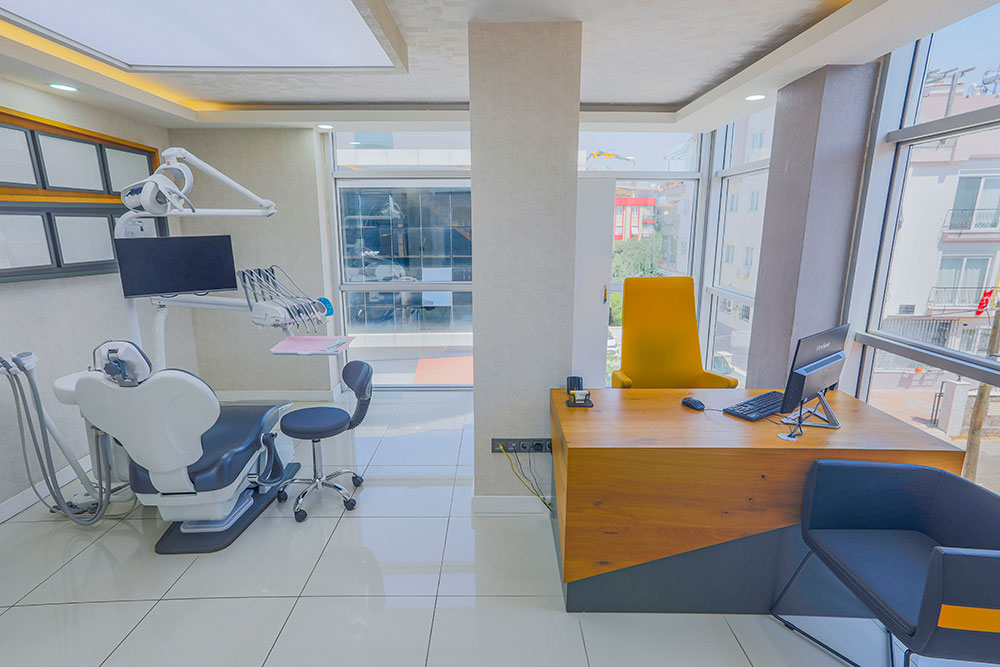
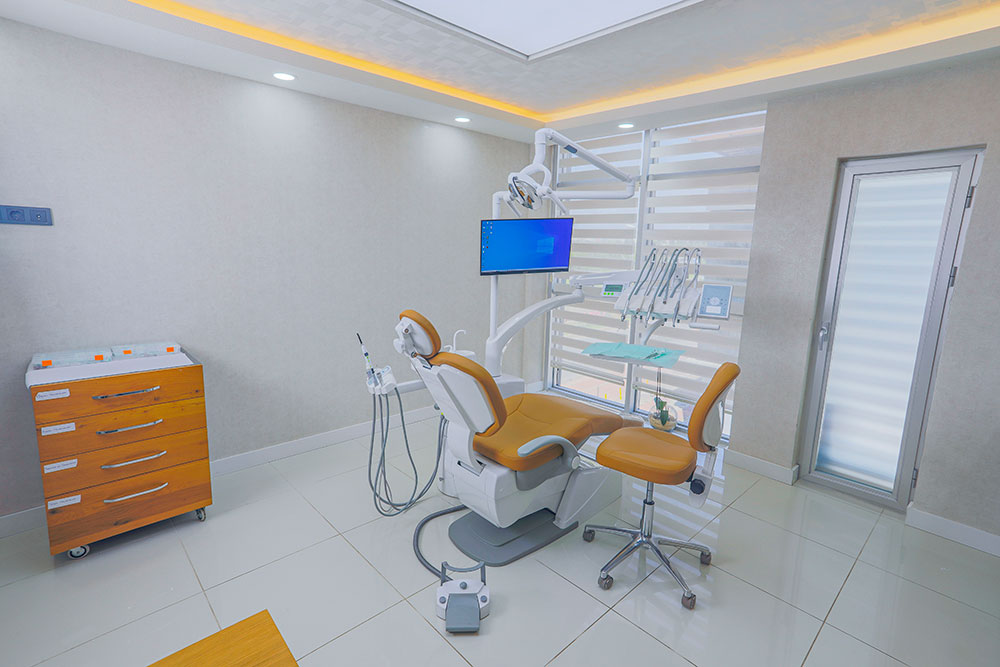
Located in the heart of Antalya, our clinic combines trusted experience with the latest dental technology. Our skilled and caring dentists create healthy, natural and long-lasting results — and from your first consultation to your final check-up, you'll feel cared for not just as a patient, but as part of our family.
- Specialist Dentists
- Latest Technology
- Modern, Hygienic Clinic
- Patient Coordinators
Our Services
Comprehensive cosmetic and restorative dentistry, planned around you.

Smile Makeover
A complete, natural-looking smile design planned around your face and goals.
Learn more
Dental Implants
A permanent replacement for missing teeth with a titanium root and natural crown.
Learn more
All-on-4 Implants
A full fixed arch of teeth supported by just four implants.
Learn more
All-on-6 Implants
A full fixed arch on six implants for extra stability and support.
Learn more
Laminate Veneers
Ultra-thin porcelain shells that refine the shape and shade of your teeth.
Learn more
Dental Crowns
Strong, aesthetic caps that protect and restore damaged teeth.
Learn more
Dental Bridges
A fixed solution that fills the gap left by one or more missing teeth.
Learn more
Teeth Whitening
A safe, professional treatment for a brighter, fresher smile.
Learn moreBehind Every Smile, a Story
Hundreds of patients have walked through our doors and left with far more than a new smile — they left with confidence. Let us write your story, too.
Trusted by Patients Around the World
Real experiences from real Umut Dental Clinic patients.
My visit to Umut dental clinic was amazing.
FATIH SUNAR was my dentist he is an amazing dentist, i wasn't the easiest of patients through nerves.
I couldn't be happier with the overall service i received.
I would whole heartily recommend this clinic for any treatments.
Thankyou
I was quite nervous before I sat in the chair, but once there i was made feel comfortable and relaxed.
I had quite a bit of work done and what I really liked was the speed my dentist worked at,, I was out of the chair with 7 implants in less than 2 hours ..
The place is spotless , the equipment is more than up to date.
The price I was quoted was the price I paid. I will return for yearly check ups as I wouldnt want anyone else looking after me.
Well done to a very professional team !!
My doctor was Faith Sunar, I'm very pleased with how professional he was and how much care he took in his work to make sure I was happy with my new teeth.
They corrected my problems and give me a new set as my old ones were not fitting properly, which was under my gaurentee.
I was seen each day for 4 days , they made sure everything was perfect before I flew back home to England uk.
The clinic was exceptionally clean and spotless.
Beyza was very helpfull to our needs and spoke very good English , she was very kind from start to finish.
Is definitely 100./. Recommend this dentist practice to anyone I'd give them 10/10.
Had excellent treatment with UMUT - extremely well organised and professional. I was talked through the procedure all the way through, given medication which made the process pain free and bearable. My dentist was lovely and only happy when everything was absolutely perfect. When you have so much choice of dentistry in Antalya, it can feel like a very hard decision to make but I would totally recommend this clinic. Thanks again to my fabulous dentist Tugce Aricetin
What a perfect clinic from start to finish I would recommend them to anyone around the world so professional hygiene is amazing on my life you would think you was in a clinic were the famous people go the United Kingdom doesn't even come close to Umut dental clinic I couldn't be happier 12 out of 10 best thing I've ever done so happy thank you umut thank thank you and thank you Dentist Tugce and thank you to the whole team
it was great service and very helpfull friendly team also the transport to clinic was excellent. the hotel also was nice and friendly people and nice breakfast. i'm looking forward to visit Antalya and all the nice people in april again, very beutifull beach also. thank you for helping me and i hope to see you in april for finishing
I had dental treatment at Umut Clinic Antalya, and I can confidently say—three years later—that this clinic truly delivers on its promise of quality and guarantee. The results of my treatment have remained excellent over time, and I'm still very happy with everything they did.
The entire team is extremely friendly, professional, and caring. The dentists are highly trained and very experienced, which immediately gave me a sense of trust and security. They took time to explain everything clearly and made sure I felt comfortable throughout the process.
What also sets Umut Zahnklinik apart is their exceptional service for international patients. From airport pickup to accommodation support, everything was well-organized and stress-free. You really feel taken care of from start to finish.
I can highly recommend Umut Zahnklinik to anyone looking for high-quality dental care in Turkey. A great clinic with lasting results and a warm, welcoming team!
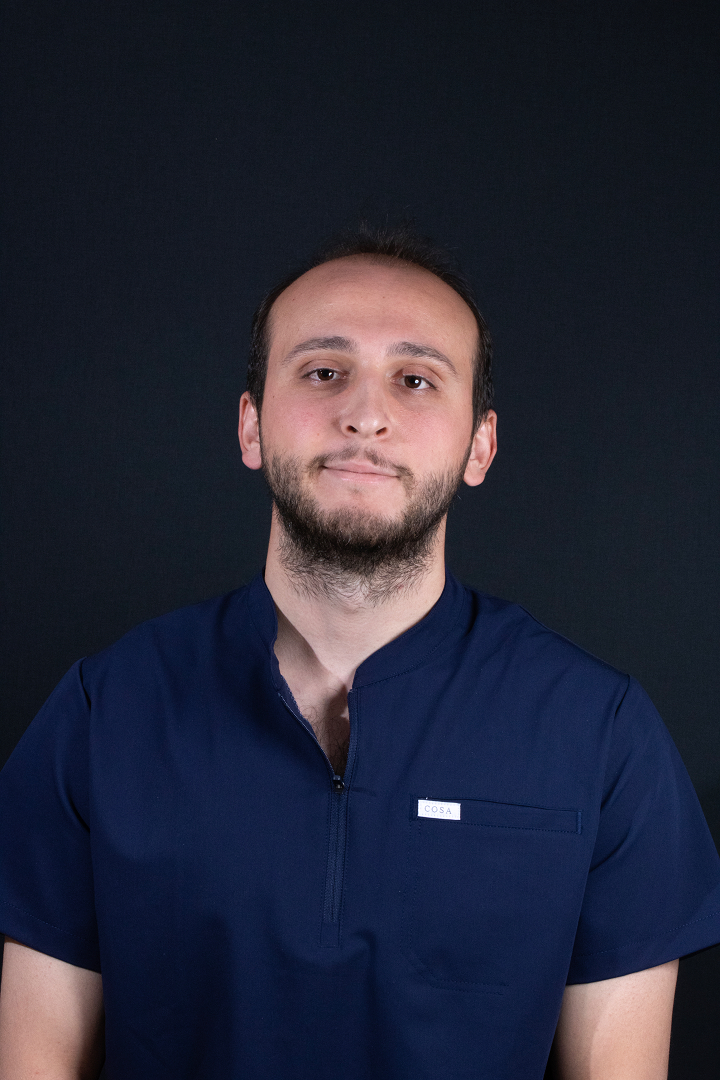
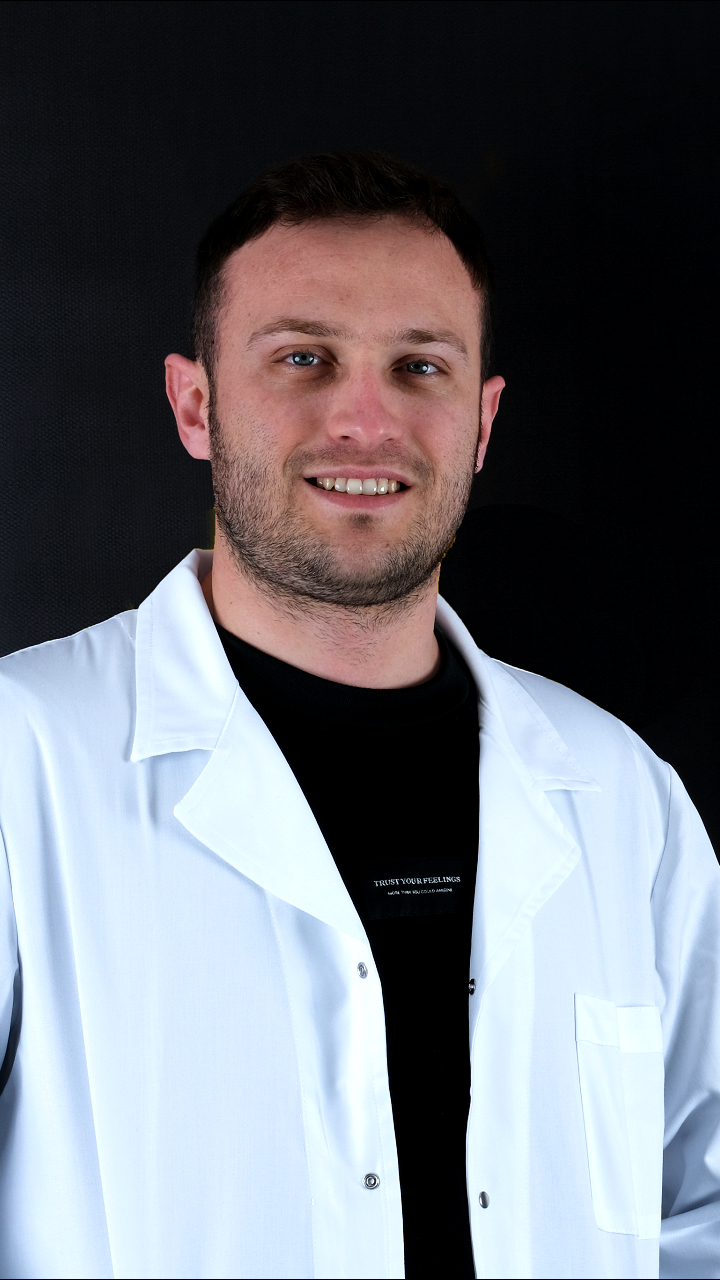
Meet Our Doctors
Experienced clinicians dedicated to natural, healthy and long-lasting smile outcomes.

Dr. Osman Cengiz
Clinic Founder
Dr. Ayşe Dilara Yüzgeç
Dentist
Dr. Fatih Sunar
Dentist
Dr. Tuğba Taş Mammadov
Dentist
Dr. Melisa Köse
Dentist
Dr. Abdullah Zeki Ceylan
Dentist
Dr. Merve Yıldırım
Dentist
Dr. Samet Dönmez
DentistOnline Consultation
Leave your contact information and we will contact you soon.