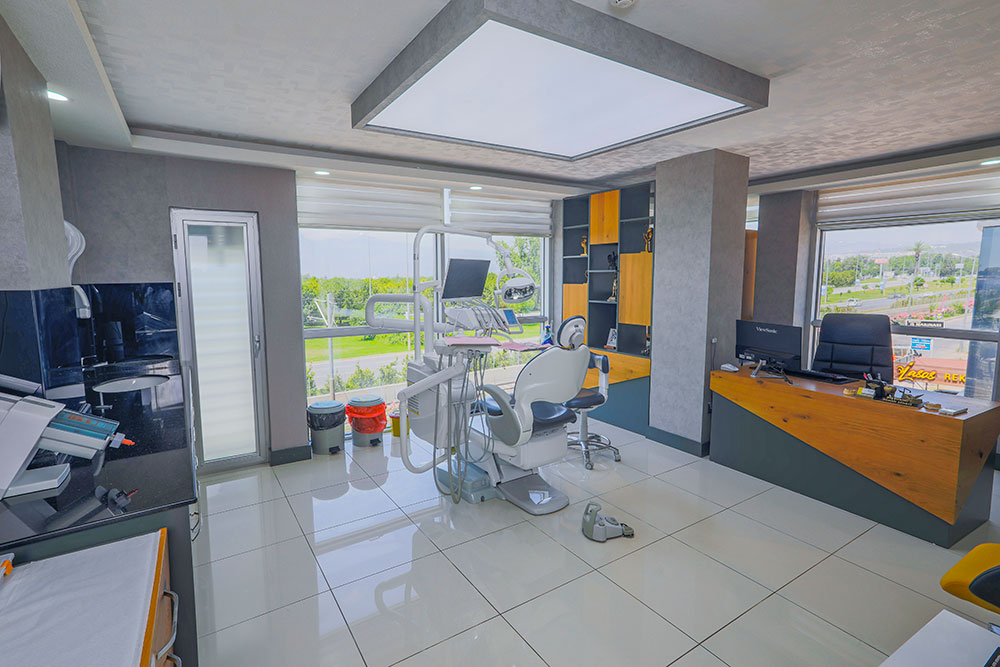
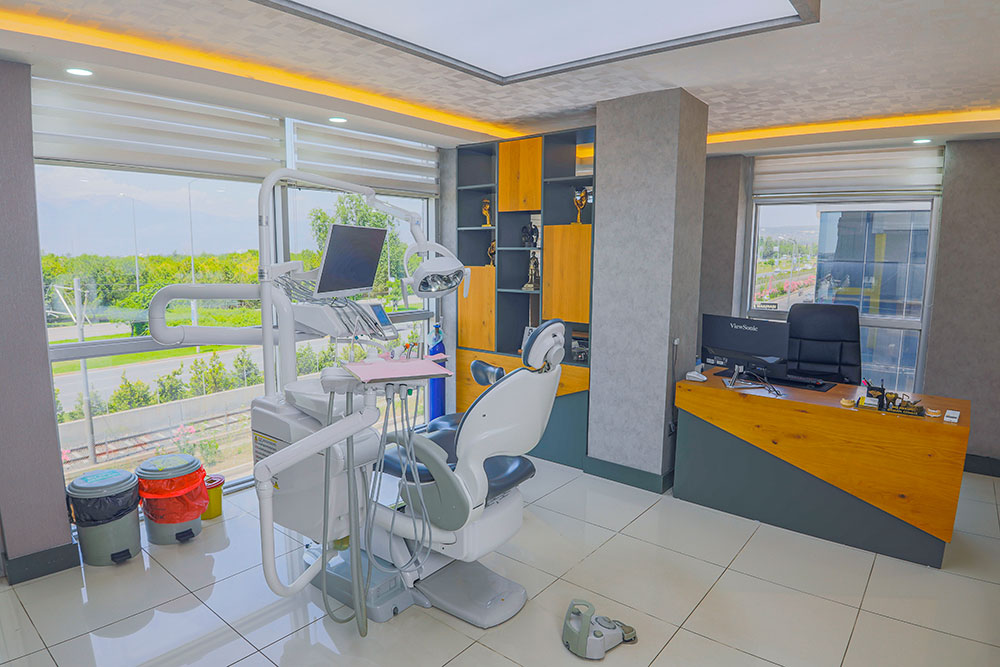
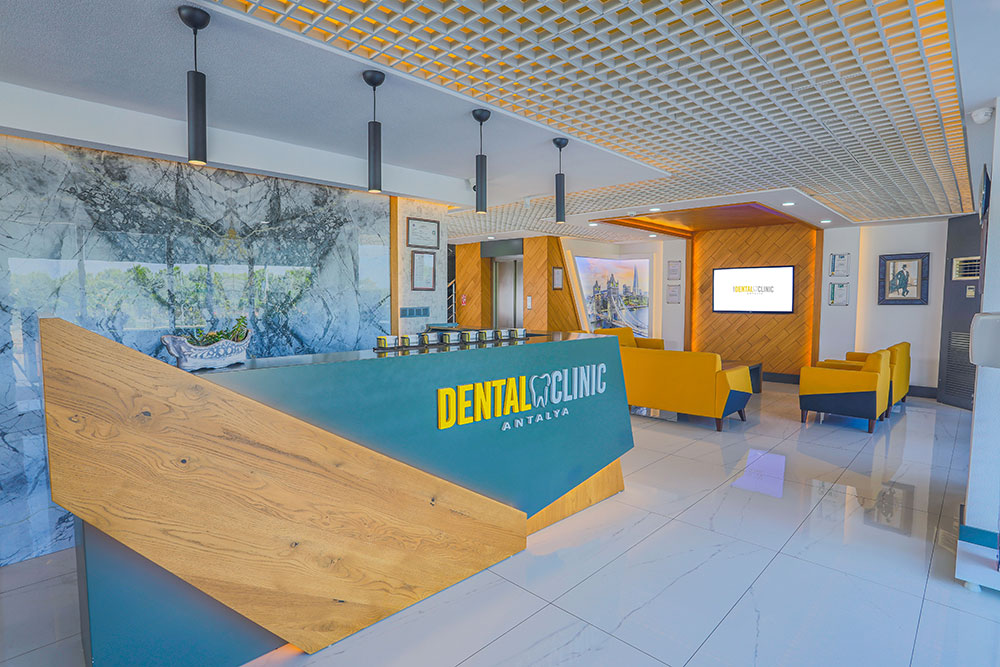
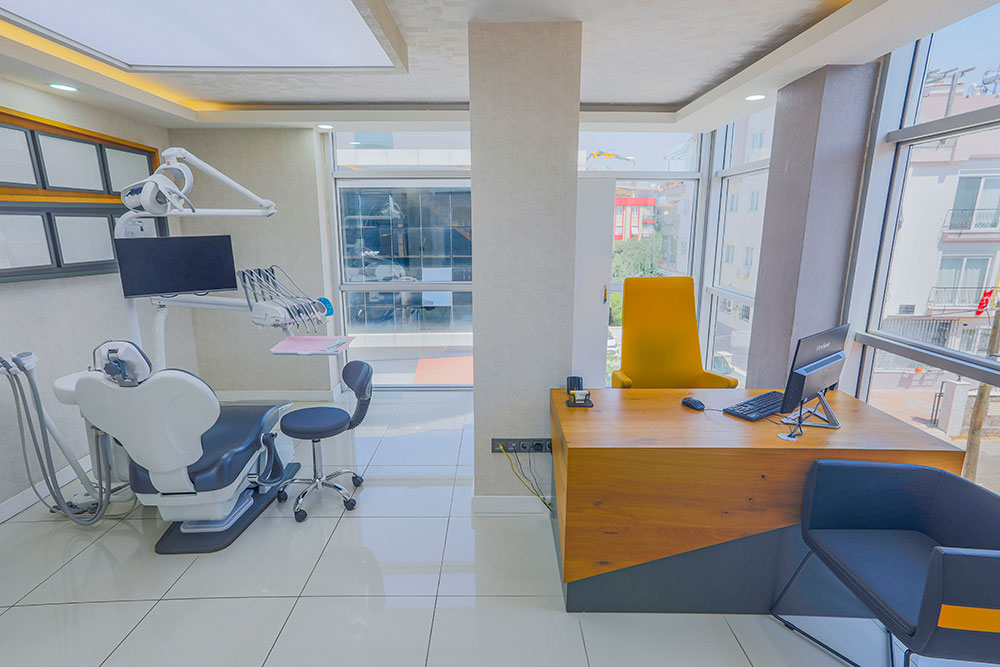
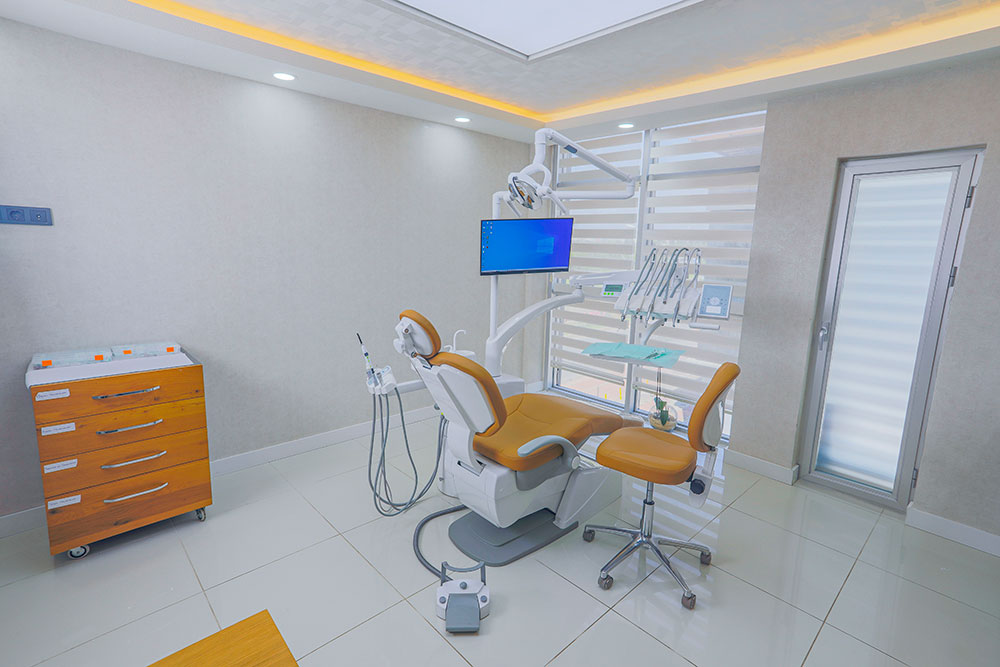
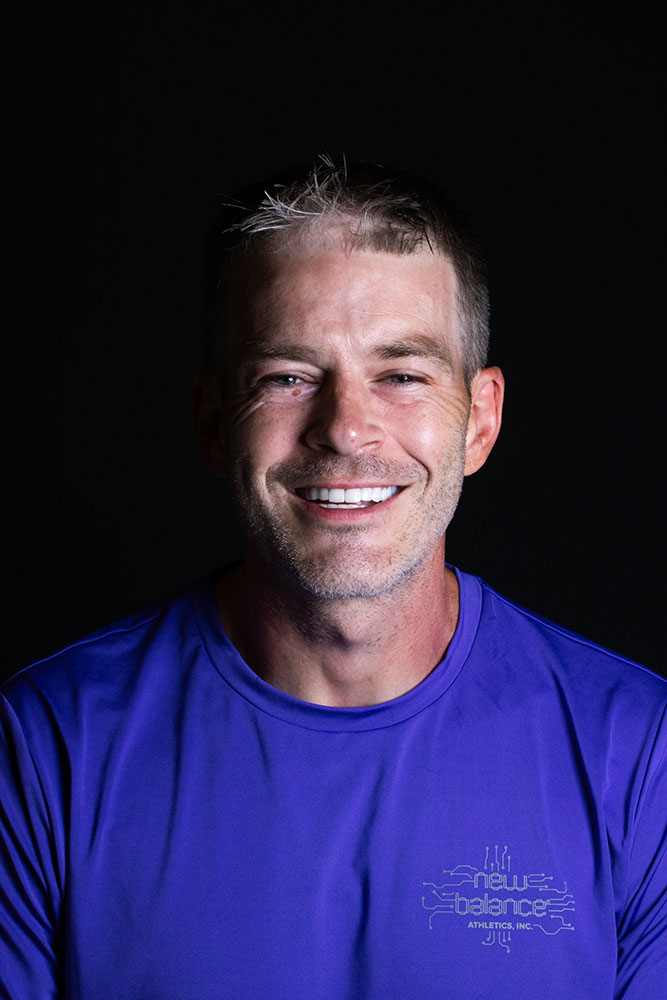
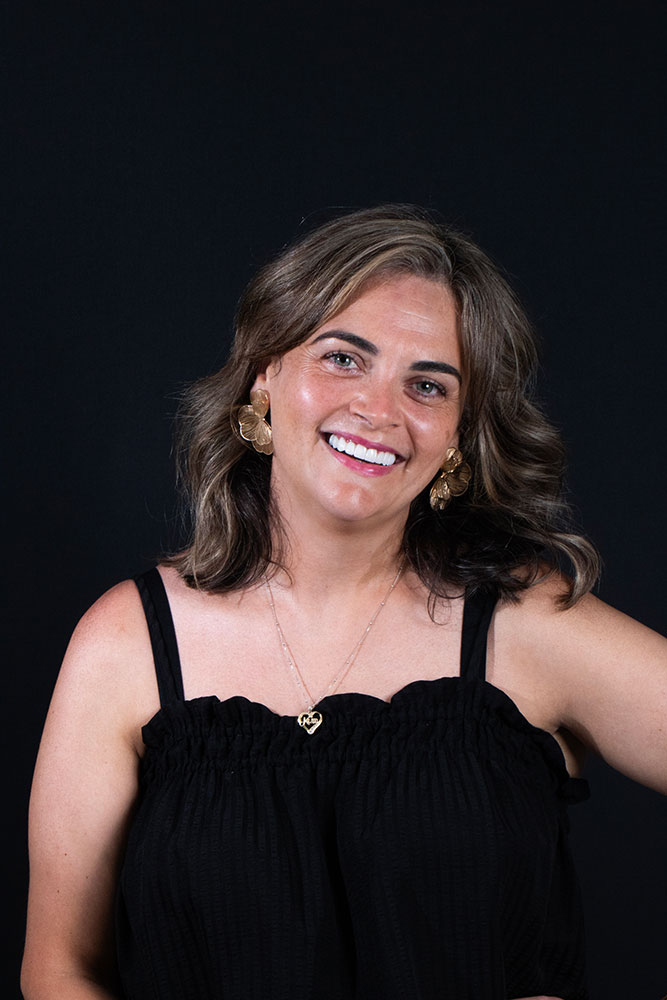
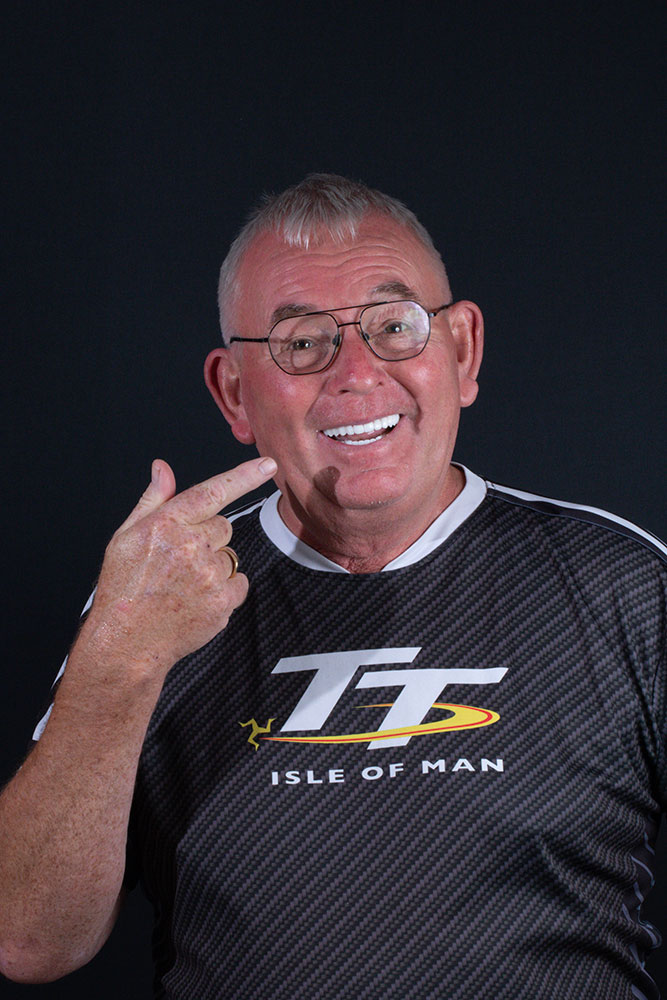
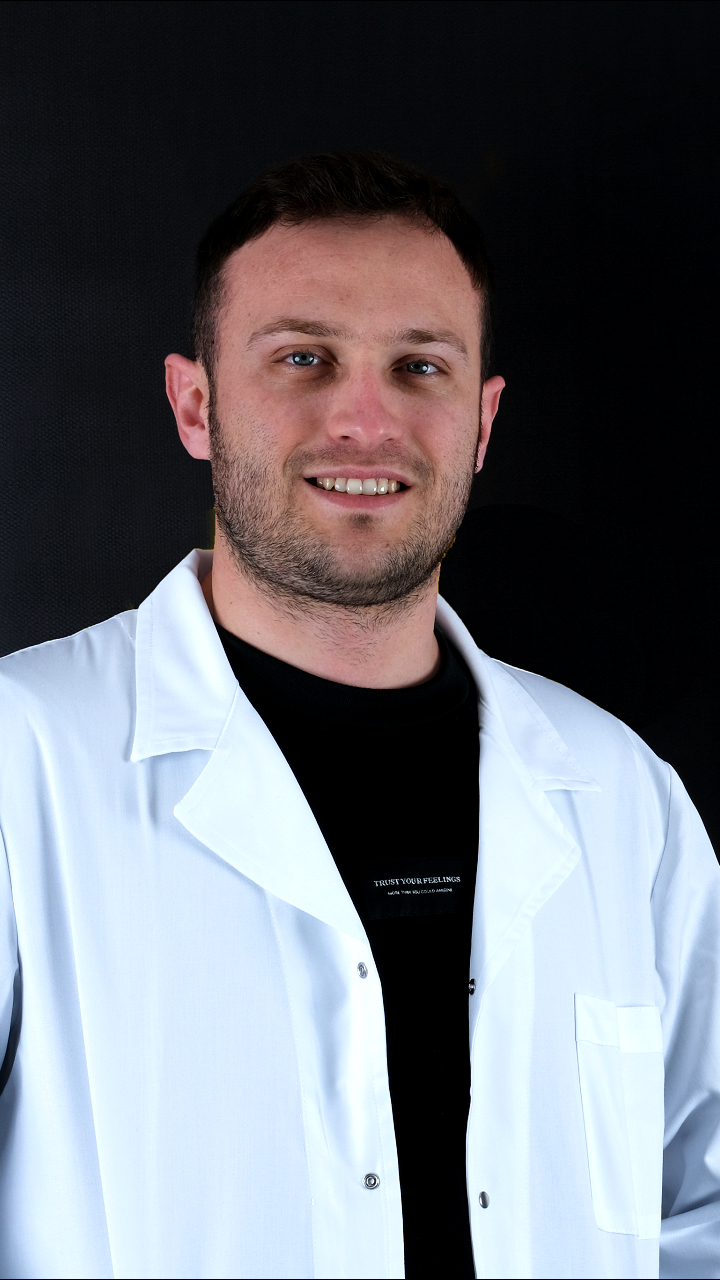
This is by far the easiest review I have ever done. Umut Dental Clinic is the one stop shop for everything dental which is so very important. These people are true professionals from the front door to the engine room and beyond. I have made friends with my dentist Dr Osman the head of Umut Dental Clinic and he leads by example and creates a fantastic experience and outcome for us their clients. I am more than happy to recommend Umut Dental Clinic for all your dental works and answer any of your questions. Make the right call. Call Umut Dental Clinic.
Masseter Botox
3 Steps to a Healthy Smile
From your first message to your final check-up, we're with you at every stage of your treatment journey.
Online Consultation & Planning
Share your details and photos with us. Our patient advisors evaluate your case with our dentists and prepare a personalised treatment plan with clear timelines and pricing.
Arrival & Treatment
We help organise your travel and stay. Once you arrive, all examinations and treatments are carried out in our fully equipped clinic in Antalya.
Book AppointmentYour New Smile & Aftercare
Your treatment is completed as planned. Enjoy your healthy, confident smile, relax in Antalya — and stay in touch with us for aftercare once you're home.
Get a Free Quote
Masseter Botox is an injectable treatment into the masseter muscles, the strong chewing muscles at the angle of your jaw, to relax them. It is considered for jaw clenching, teeth grinding (bruxism), tension in the jaw area, and to soften a wide or square jawline. The treatment works by temporarily reducing the muscle’s ability to contract strongly, which can ease pressure on teeth and joints and gradually slim the lower face. On this page, you will learn what masseter Botox is, who may benefit, how the procedure is planned and performed, what recovery involves, how long results usually last, and what risks and side effects you should be aware of before deciding.
What Is Masseter Botox and How Does It Work?
Masseter Botox is a non-surgical injection treatment that relaxes the masseter muscles, which are responsible for powerful chewing and jaw clenching. The masseter is located at the back of your lower jaw, in front of your ears, and it plays an important role in biting and grinding food. When this muscle becomes enlarged or overactive, it can create a wide, boxy jawline and contribute to jaw tension, headaches, tooth wear and discomfort in the jaw joints.
The treatment uses a purified neurotoxin that temporarily blocks signals between nerves and muscle fibers. When injected in carefully chosen points of the masseter, it weakens the muscle’s contraction strength without removing its function completely. You can still chew and speak, but the extreme force of clenching and grinding is reduced. Over weeks, the muscle may shrink slightly because it is not being used as intensely, which can visually slim the lower face.
Masseter Botox does not change the bones of your jaw. Its main effects are on muscle activity and muscle bulk. It is not a permanent solution; the body gradually restores nerve-muscle communication, usually over a period of several months. For ongoing results, repeat treatments are often needed.
This treatment can be used both for cosmetic facial contouring and for certain functional problems such as night-time grinding and jaw clenching. It does not replace dental treatments like dental crowns that may be necessary if teeth have already been damaged. A dentist or qualified injector must evaluate your jaw, bite and medical history to decide if this method is appropriate and safe for you.
Who Is a Good Candidate for Masseter Botox?
A good candidate for masseter Botox is someone who has enlarged or overactive masseter muscles causing jaw tension, teeth grinding or a widened lower face, and who is medically suitable for injectable treatments after a professional assessment. You may notice a strong angle at the back of your jaw, difficulty relaxing your jaw, or worn-down teeth from clenching, especially at night.
People often consider masseter Botox if they have:
- Bruxism (teeth grinding) diagnosed by a dentist, with signs such as flattened teeth, fractures, tooth sensitivity or damage to restorations.
- Jaw clenching during the day or night, leading to facial muscle fatigue or tightness.
- Facial contour concerns, such as a square or bulky lower face caused mostly by muscle and not only by bone or fat.
- Discomfort in the jaw area, often linked with muscle overuse, after other dental causes have been checked.
You are more likely to be considered suitable if you:
- Are in generally stable health and can heal normally.
- Do not have active infections or skin problems in the injection area.
- Have realistic expectations about what masseter Botox can and cannot achieve.
- Understand that the effects are temporary and may need repeating every several months.
For example, someone with a clearly strong, bulky masseter from years of grinding, confirmed by a dentist, may notice both symptom relief and a softer jawline after treatment. On the other hand, if the width of your lower face is mainly due to bone structure or excess fat, Botox into the muscle alone may lead to limited cosmetic change.
The decision is always individual. A dentist or qualified injector should examine your teeth, bite and jaw movement, sometimes with imaging, before recommending masseter Botox or alternatives such as occlusal splints, orthodontics or other therapies.
More about Masseter Botox
When Should Masseter Botox Be Avoided or Postponed?
Masseter Botox should be avoided or postponed if you have certain medical conditions, are pregnant or breastfeeding, or have issues that increase your risk of complications from injections. Safety must always come first, and there are situations where delaying treatment or choosing another approach is the better option.
Common reasons to avoid or delay masseter Botox include:
- Pregnancy and breastfeeding: As a precaution, injectable neurotoxins are usually not recommended during pregnancy or while breastfeeding due to limited safety data.
- Uncontrolled systemic diseases: Conditions such as uncontrolled diabetes, severe cardiovascular disease or immune problems can affect healing and infection risk. Treatment is often postponed until the condition is better controlled by your physician.
- Known allergy or sensitivity to any component of the product used.
- Neuromuscular disorders: Some disorders affecting nerve-muscle transmission may be made worse by neurotoxins or may increase the risk of side effects.
- Active infection, rash or irritation at or near the injection sites.
- Ongoing facial or jaw surgery, or recent procedures in the same area that are still healing.
- Certain medications or blood-thinning conditions that may raise the risk of bruising or bleeding; your dentist or physician needs to assess this carefully.
If you have severe temporomandibular joint (TMJ) disorders, severe malocclusion (misaligned bite), or extensive untreated dental problems, your dentist may recommend addressing these first. For example, someone with broken teeth, gum infection and jaw pain from an inflamed joint may benefit more from urgent dental care and bite adjustment before considering Botox.
Always inform the treating professional about your full medical history, past surgeries, medications, supplements and any previous reactions to injections. If you develop symptoms such as facial swelling, fever, difficulty swallowing or breathing, or severe pain after any facial injection, you should seek urgent medical or emergency care.
How Is Masseter Botox Planned and Assessed?
Masseter Botox is planned and assessed through a detailed consultation that evaluates your jaw muscles, teeth, bite, facial structure and medical history before any injections are given. The goal is to understand both your functional concerns and cosmetic wishes, and to decide if this treatment is likely to be safe and effective for your situation.
The assessment typically includes:
- Medical history review: You are asked about general health, past illnesses, allergies, medications, previous surgeries and any earlier injectable treatments. This helps identify possible risks or reasons to avoid treatment.
- Dental and jaw history: The dentist may ask about teeth grinding, jaw locking, clicking sounds, headaches, neck pain or previous dental work.
- Clinical examination: The masseter muscles are felt (palpated) while you clench and relax. The dentist checks for tenderness, size asymmetry and overall muscle strength. Your bite and jaw movement are also examined.
- Teeth and gum evaluation: A routine oral check-up or focused examination may be performed to look for tooth wear, cracks, restorations at risk, gum disease and other conditions linked with bruxism.
- Facial analysis: The shape of your lower face, the width of your jaw and how the masseter contributes to your profile are reviewed. Photos are often taken for planning and comparison.
In some cases, imaging such as X-rays may be suggested to examine jaw joints or check for other issues. Study models or digital scans of your teeth might be used when bruxism has already caused considerable damage.
Based on this information, the professional explains whether masseter Botox is indicated, what you can realistically expect, and which alternative or complementary treatments (such as night guards, orthodontics or restorative work) may be appropriate. A careful plan is then made for injection points and total dosage, tailored to your muscle size, strength and symmetry. This individualized planning aims to reduce the risk of unwanted weakness in nearby muscles and to give a more balanced facial result.
How Is the Masseter Botox Procedure Done?
The masseter Botox procedure is done by injecting small amounts of the product directly into specific points of the masseter muscles on each side of your jaw, usually in a clinic setting, and it typically takes only a short appointment once planning is complete. The technique focuses on accuracy and safety to relax the target muscle while protecting nearby structures.
The usual steps are:
- Preparation and consent: After discussing the plan and answering your questions, you are asked to sign a consent form. Photos may be taken before treatment for documentation.
- Cleansing of the skin: The skin over your lower cheeks and jaw is cleaned with an antiseptic solution to reduce infection risk.
- Marking injection points: You may be asked to clench your teeth so the masseter stands out. The injector then identifies and sometimes marks several points within the muscle where injections will be placed.
- Optional numbing: In some cases, a topical numbing cream or ice pack is applied for a few minutes to reduce discomfort from the needle.
- Injection: Using a very fine needle, the practitioner injects the calculated amount of Botox into the marked points of each masseter. You may feel a brief sting or pressure. Care is taken to remain within the bulk of the muscle and avoid too superficial or too deep placement.
- Gentle pressure: Light pressure may be applied to reduce spotting or bruising. The sites are checked for any immediate reaction.
The number of injection points and total amount used vary depending on muscle size and the desired degree of relaxation. The procedure does not produce instant muscle slimming; instead, the neurotoxin begins to work over several days, with gradual improvement over weeks.
Before you leave, you receive aftercare instructions, such as guidelines about touching the area, lying position and exercise shortly after treatment. You are usually able to return to most normal activities the same day, as long as you follow the given advice.
How Long Does Masseter Botox Take and How Many Visits Are Needed?
Masseter Botox injections usually take about 10–30 minutes per treatment session once planning is complete, and most people need one main visit plus follow-up appointments over the following months to monitor results and decide on repeat treatments. The exact timing depends on your individual case and the clinic’s protocol.
The process is often structured as:
- Initial consultation visit: This visit may take 30–60 minutes and includes medical and dental assessment, facial analysis, explanation of options and, if appropriate, planning of the injection pattern. Some patients choose to have treatment on the same day, while others prefer to schedule it for later.
- Treatment visit: The injection part itself is quite short, often under 30 minutes. Time is also used for preparation, cleansing the area and reviewing aftercare instructions.
- Early follow-up: A follow-up appointment is commonly offered about 2–4 weeks later to evaluate the effect. At this stage, the neurotoxin’s impact on muscle activity is usually visible, and minor adjustments may be considered.
- Maintenance visits: Because the effect is temporary, review or repeat treatment is often planned every 3–6 months, depending on how long the effect lasts for you and whether your goals are mainly functional, cosmetic or both.
The number of visits over a year will depend on how quickly your body metabolizes the neurotoxin, how strongly your muscles tend to grow back, and how conservative or strong the initial doses are. Some people prefer gradual changes with smaller doses repeated more often; others may have slightly higher doses less frequently.
During each visit, your dentist or injector reassesses your bite, facial symmetry and jaw comfort. If new issues arise, such as changes in chewing, increased sensitivity in certain teeth, or signs of joint strain, the treatment plan may be adjusted or combined with other care such as night guards or restorative dental work.
Does Masseter Botox Hurt?
Masseter Botox usually causes mild, short-lived discomfort rather than significant pain for most people, as very fine needles and small injection volumes are used. However, everyone’s pain threshold is different, and you may feel some stinging or pressure during the procedure.
The sensations you may experience include:
- Pinprick feeling: When the needle enters the skin and muscle, you may feel a sharp but brief pinch at each injection point.
- Mild pressure: A feeling of fullness or pressure can occur as the product is injected into the muscle.
- Temporary soreness: After the treatment, the injection sites and the masseter area can feel slightly tender, similar to a mild bruise or muscle ache, for a few hours to a couple of days.
To keep discomfort as low as reasonably possible, the professional may:
- Use a fine, short needle designed for facial injections.
- Apply a topical numbing cream or cool the skin with ice before injections.
- Work steadily but gently, avoiding repeated passes into the same point.
Most people can speak and move their jaw normally right after the procedure, though they may choose softer food for the rest of the day if the area feels tender. Strong or persistent pain is not expected; if you experience severe pain, marked swelling, warmth, or any difficulty swallowing or breathing, you should contact the clinic or seek urgent medical attention.
Anxiety about injections is common. You can let the treating professional know if you are nervous so that they can explain each step calmly and allow extra time. Simple techniques such as slow breathing and keeping your eyes closed during injections can also help ease tension.
What Is Recovery Like After Masseter Botox?
Recovery after masseter Botox is usually straightforward, with most people returning to daily activities the same day while following some simple precautions. The treated area may feel slightly tender or tight for a short period, and the effect on muscle strength develops gradually over days and weeks rather than immediately.
In the first hours after treatment, you may notice:
- Mild redness or swelling around injection points, usually fading within a few hours.
- Tiny bruises where the needle entered, which, if they occur, may take several days to clear.
- A feeling of heaviness or fullness in the jaw area, which often decreases as you get used to the change.
Common aftercare advice often includes:
- Avoid rubbing, massaging or applying strong pressure to the treated area for several hours.
- Refrain from lying flat or bending deeply forward for a few hours, following the practitioner’s guidance.
- Skip intense physical exercise, hot baths, steam rooms or saunas for the rest of the day.
Over the next 1–2 weeks, you can expect the masseter to start feeling less powerful when you clench, and jaw tension may begin to reduce. Cosmetic slimming of the lower face tends to be more noticeable over several weeks as the muscle gently decreases in bulk.
You should contact the clinic or a dentist promptly if you notice symptoms such as severe or worsening pain, significant facial swelling, fever, difficulty opening your mouth, problems swallowing or breathing, or any signs of infection at the injection sites. These are uncommon but require timely evaluation.
Daily habits like wearing a night guard (if recommended), managing stress and attending regular dental check-ups remain important, because Botox does not correct bite problems or repair worn teeth. It is one part of a broader approach to protecting your oral health.
What Can You Eat and Do After Masseter Botox?
After masseter Botox, you can usually eat and carry out most daily activities the same day, but it is often advised to choose softer foods initially and avoid actions that put strong pressure on the treated muscles or disturb the injected areas for the first 24 hours. Simple choices in the first days can support even distribution of the product and reduce bruising or discomfort.
Eating and drinking suggestions:
- Start with soft or easy-to-chew foods for the first day if your jaw feels tender, such as soups that are not too hot, mashed vegetables, yogurt, eggs or soft pasta.
- Avoid very hard, sticky or chewy foods (for example, tough meat or chewy sweets) that require strong clenching while the injection sites are still settling.
- Do not chew gum for at least 24 hours, as this overworks the masseter immediately after treatment.
- Drink water normally, but avoid using very hot drinks in the first few hours if the area is numb from any topical anesthetic.
Activities and jaw use:
- Try not to press, massage or rub the jaw area vigorously on the day of treatment.
- Avoid high-intensity exercise, saunas, steam rooms and very hot showers for the first 24 hours, as these may increase blood flow and bruising.
- Sleep with your head slightly elevated on the first night if advised, and avoid lying face down.
- Continue gentle jaw movements such as speaking and regular chewing; completely immobilizing the jaw is neither necessary nor helpful.
Oral hygiene should be maintained carefully. Brush your teeth gently and use floss or interdental brushes as recommended, taking care not to bump or traumatize the injection sites. If a night guard or occlusal splint has been prescribed for grinding, ask your dentist when to resume wearing it; in many cases, you can continue as normal.
If you notice biting your cheeks or tongue more frequently after treatment, or if chewing feels noticeably unbalanced, inform your dentist or injector. These issues can often be managed by adjusting future injection patterns or combining masseter Botox with other dental treatments such as dental bridges or bite corrections when needed.
What Are the Possible Risks and Side Effects of Masseter Botox?
Masseter Botox, like any medical or dental procedure, carries possible risks and side effects, even when performed carefully by a trained professional. Most side effects are mild and temporary, but some can be more bothersome and in rare cases may require medical attention.
Common, usually mild side effects include:
- Pain, redness or swelling at the injection sites, typically resolving within hours to a few days.
- Small bruises in the treated area.
- Feeling of tightness or heaviness in the jaw or lower face as the muscle relaxes.
- Temporary difficulty with very hard chewing as the masseter strength decreases.
Less common but reported side effects include:
- Asymmetry in the lower face if one side responds more strongly than the other.
- Unintended spread of weakness to nearby muscles, which might affect your smile or lower lip movement in some cases.
- Changes in chewing pattern, possibly causing you to favor one side and leading to temporary discomfort.
- Headaches or a feeling of altered bite as muscles adapt.
Rare but more serious risks can include allergic reactions, infection at the injection site, or very unusual spread of the toxin leading to symptoms away from the injection area. Signs such as difficulty swallowing, breathing problems, drooping facial muscles, severe or spreading swelling, fever or intense pain should be treated as urgent and assessed by a doctor or emergency service without delay.
Not everyone will experience side effects, and most that occur are short-lived. The likelihood and severity depend on factors such as your anatomy, dose used, injection technique, and your general health. A careful medical and dental assessment, discussion of your history and following all pre- and post-treatment instructions help reduce risk.
Because masseter Botox does not fix tooth damage or joint disorders directly, it is often combined with other treatments such as occlusal splints, restorative dentistry or orthodontics. Ongoing communication with your dentist allows early detection of any concerns so that your plan can be adjusted safely.
How Long Does Masseter Botox Last?
Masseter Botox typically lasts around 3–6 months for most people, with the exact duration depending on your individual metabolism, muscle size, dose used and lifestyle habits such as grinding intensity. The effect is temporary because the body gradually restores communication between nerves and muscle fibers.
The usual timeline is:
- First few days: You may not notice much change immediately; the neurotoxin begins to act within several days.
- 2–4 weeks: Maximum reduction in clenching force is often reached, and symptoms like jaw tension and headaches may ease if they were linked to muscle overactivity.
- 6–12 weeks: Cosmetic slimming of the jaw is usually more apparent, as the muscle has had time to reduce slightly in bulk.
- 3–6 months: The effect gradually wears off as nerve signals recover; muscle strength slowly returns, and if grinding continues, the masseter may enlarge again.
Some people find that repeated treatments at appropriate intervals lead to a more stable result and that their grinding habit reduces over time. Others may notice that the effect fades a bit sooner or later than average. It is common to adjust the interval and dosing during the first year to understand how your body responds.
Longevity is also influenced by whether you use night guards, manage stress and have any dental bite issues corrected. For example, a person who receives masseter Botox but continues very heavy grinding without any protective measures may feel the effect wears off more quickly than someone who combines the treatment with a well-fitted occlusal splint and routine dental care.
If you decide not to repeat treatment, the masseter muscle usually regains its original strength and size over time, and both functional symptoms and facial shape generally return to their previous state.
Masseter Botox in Antalya: Travel Planning and Follow-Up
Having masseter Botox in Antalya involves planning your travel so that you can attend the initial consultation, treatment session and at least one follow-up visit if possible, while allowing enough time for safe travel after injections. Many international patients combine treatment with a short stay to enjoy the city’s climate and surroundings.
Before you travel:
- Arrange an online consultation where you can share your medical and dental history, photos and, if available, X-rays. This helps the dentist assess whether masseter Botox is appropriate and estimate the time needed in Antalya.
- Plan to stay long enough for a full assessment and treatment, usually allowing at least a few days in case scheduling adjustments are needed.
- Discuss any concurrent dental needs, such as dental implants or restorative care, so these can be coordinated with your Botox timing.
During your stay:
- Attend the consultation, where your jaw, bite and overall oral health are examined in person.
- Have the procedure once you and the practitioner agree on the plan.
- If your schedule allows, visit again 2–7 days later for a brief check to review early response and healing, especially if you have traveled from far away.
Travel after masseter Botox is usually uncomplicated. You can generally fly soon after treatment, provided you feel well and follow aftercare instructions. It is wise to avoid heavy luggage lifting and intense exercise the same day as injections.
Follow-up in your home country is important. You may arrange remote check-ins with the Antalya clinic by sending photos and feedback about your bite, facial shape and any side effects. At Umut Dental Clinic Antalya, patients can share their details and X-rays for an online consultation before planning travel, helping to coordinate both immediate care and long-term follow-up strategies with their local dentists.
The information on this page is for general education only and does not replace an examination, diagnosis or treatment. See a dentist for any concerns about your oral health.
Our Clinic
Every smile tells a story — and we've been part of thousands of them for over 17 years.
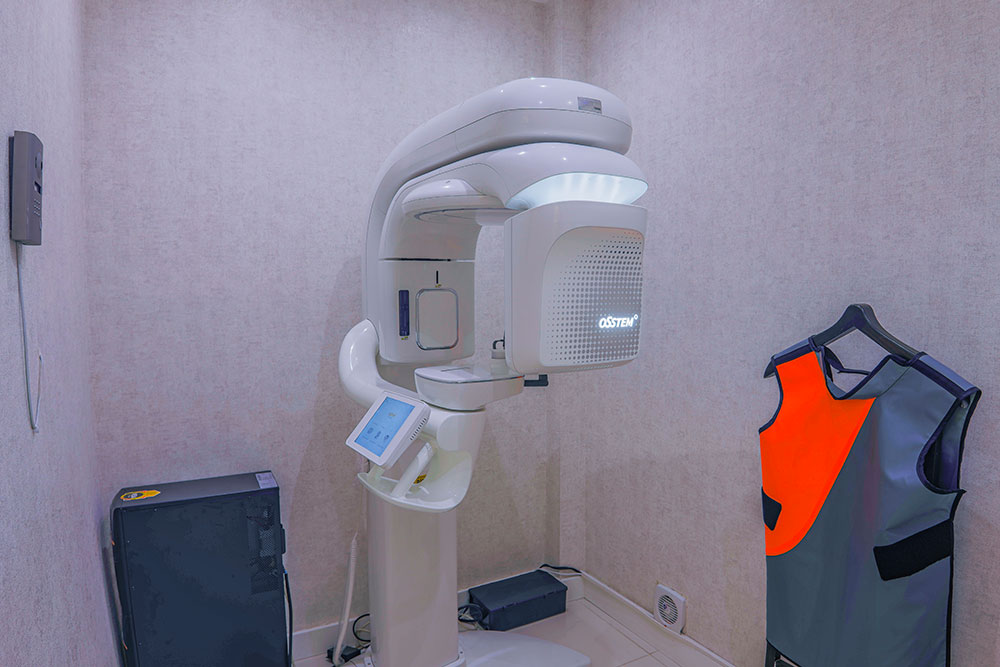
Located in the heart of Antalya, our clinic combines trusted experience with the latest dental technology. Our skilled and caring dentists create healthy, natural and long-lasting results — and from your first consultation to your final check-up, you'll feel cared for not just as a patient, but as part of our family.
- Specialist Dentists
- Latest Technology
- Modern, Hygienic Clinic
- Patient Coordinators
Our Services
Comprehensive cosmetic and restorative dentistry, planned around you.

Smile Makeover
A complete, natural-looking smile design planned around your face and goals.
Learn more
Dental Implants
A permanent replacement for missing teeth with a titanium root and natural crown.
Learn more
All-on-4 Implants
A full fixed arch of teeth supported by just four implants.
Learn more
All-on-6 Implants
A full fixed arch on six implants for extra stability and support.
Learn more
Laminate Veneers
Ultra-thin porcelain shells that refine the shape and shade of your teeth.
Learn more
Dental Crowns
Strong, aesthetic caps that protect and restore damaged teeth.
Learn more
Dental Bridges
A fixed solution that fills the gap left by one or more missing teeth.
Learn more
Teeth Whitening
A safe, professional treatment for a brighter, fresher smile.
Learn moreBehind Every Smile, a Story
Hundreds of patients have walked through our doors and left with far more than a new smile — they left with confidence. Let us write your story, too.
Trusted by Patients Around the World
Real experiences from real Umut Dental Clinic patients.
My visit to Umut dental clinic was amazing.
FATIH SUNAR was my dentist he is an amazing dentist, i wasn't the easiest of patients through nerves.
I couldn't be happier with the overall service i received.
I would whole heartily recommend this clinic for any treatments.
Thankyou
I was quite nervous before I sat in the chair, but once there i was made feel comfortable and relaxed.
I had quite a bit of work done and what I really liked was the speed my dentist worked at,, I was out of the chair with 7 implants in less than 2 hours ..
The place is spotless , the equipment is more than up to date.
The price I was quoted was the price I paid. I will return for yearly check ups as I wouldnt want anyone else looking after me.
Well done to a very professional team !!
My doctor was Faith Sunar, I'm very pleased with how professional he was and how much care he took in his work to make sure I was happy with my new teeth.
They corrected my problems and give me a new set as my old ones were not fitting properly, which was under my gaurentee.
I was seen each day for 4 days , they made sure everything was perfect before I flew back home to England uk.
The clinic was exceptionally clean and spotless.
Beyza was very helpfull to our needs and spoke very good English , she was very kind from start to finish.
Is definitely 100./. Recommend this dentist practice to anyone I'd give them 10/10.
Had excellent treatment with UMUT - extremely well organised and professional. I was talked through the procedure all the way through, given medication which made the process pain free and bearable. My dentist was lovely and only happy when everything was absolutely perfect. When you have so much choice of dentistry in Antalya, it can feel like a very hard decision to make but I would totally recommend this clinic. Thanks again to my fabulous dentist Tugce Aricetin
What a perfect clinic from start to finish I would recommend them to anyone around the world so professional hygiene is amazing on my life you would think you was in a clinic were the famous people go the United Kingdom doesn't even come close to Umut dental clinic I couldn't be happier 12 out of 10 best thing I've ever done so happy thank you umut thank thank you and thank you Dentist Tugce and thank you to the whole team
it was great service and very helpfull friendly team also the transport to clinic was excellent. the hotel also was nice and friendly people and nice breakfast. i'm looking forward to visit Antalya and all the nice people in april again, very beutifull beach also. thank you for helping me and i hope to see you in april for finishing
I had dental treatment at Umut Clinic Antalya, and I can confidently say—three years later—that this clinic truly delivers on its promise of quality and guarantee. The results of my treatment have remained excellent over time, and I'm still very happy with everything they did.
The entire team is extremely friendly, professional, and caring. The dentists are highly trained and very experienced, which immediately gave me a sense of trust and security. They took time to explain everything clearly and made sure I felt comfortable throughout the process.
What also sets Umut Zahnklinik apart is their exceptional service for international patients. From airport pickup to accommodation support, everything was well-organized and stress-free. You really feel taken care of from start to finish.
I can highly recommend Umut Zahnklinik to anyone looking for high-quality dental care in Turkey. A great clinic with lasting results and a warm, welcoming team!
Meet Our Doctors
Experienced clinicians dedicated to natural, healthy and long-lasting smile outcomes.

Dr. Osman Cengiz
Clinic Founder
Dr. Ayşe Dilara Yüzgeç
Dentist
Dr. Fatih Sunar
Dentist
Dr. Tuğba Taş Mammadov
Dentist
Dr. Melisa Köse
Dentist
Dr. Abdullah Zeki Ceylan
Dentist
Dr. Merve Yıldırım
Dentist
Dr. Samet Dönmez
DentistOnline Consultation
Leave your contact information and we will contact you soon.