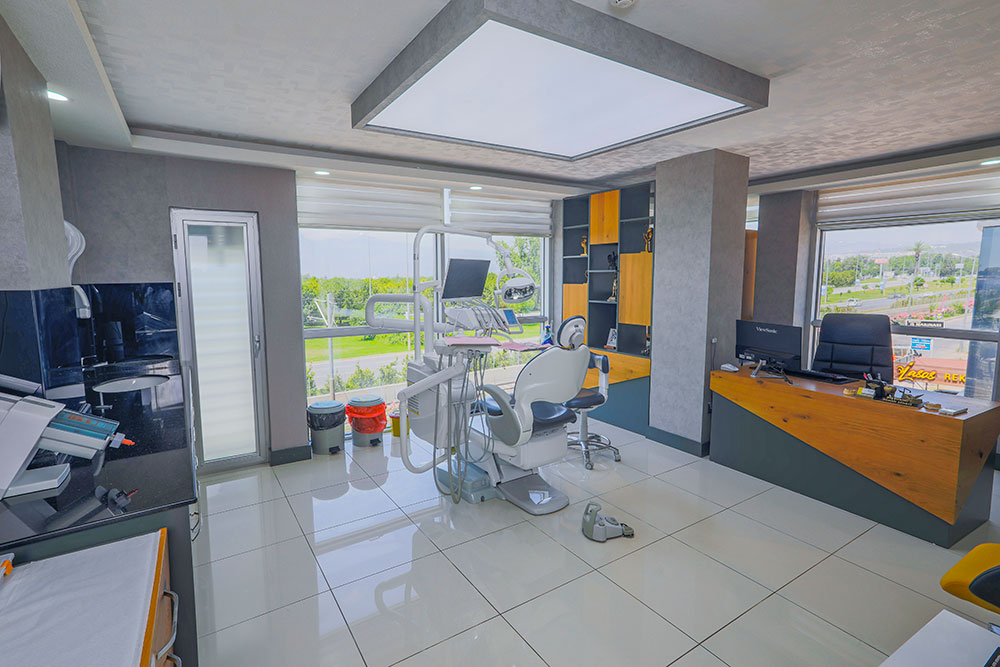
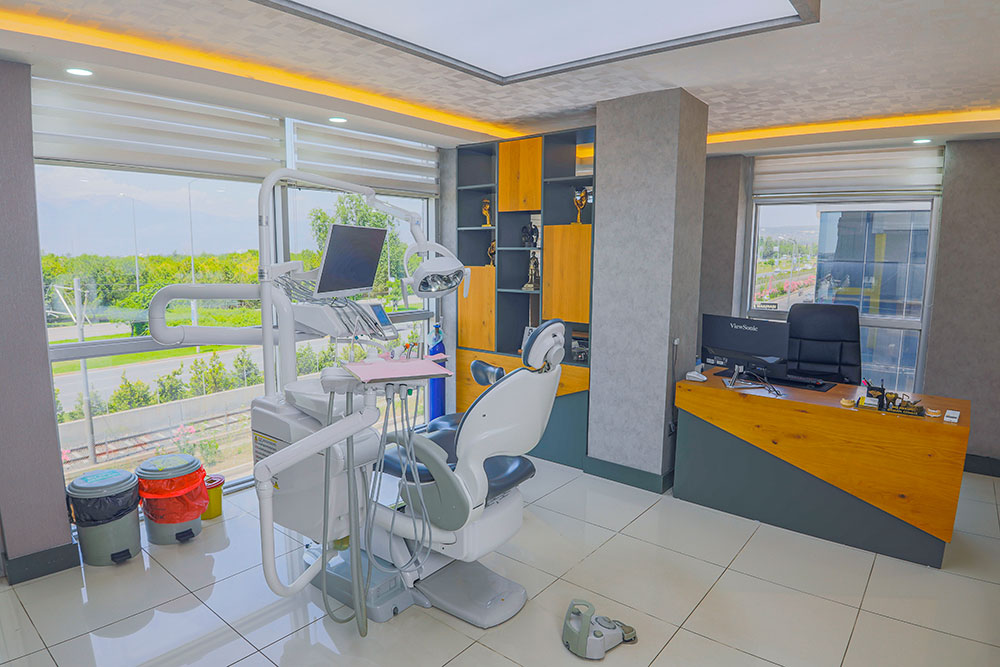
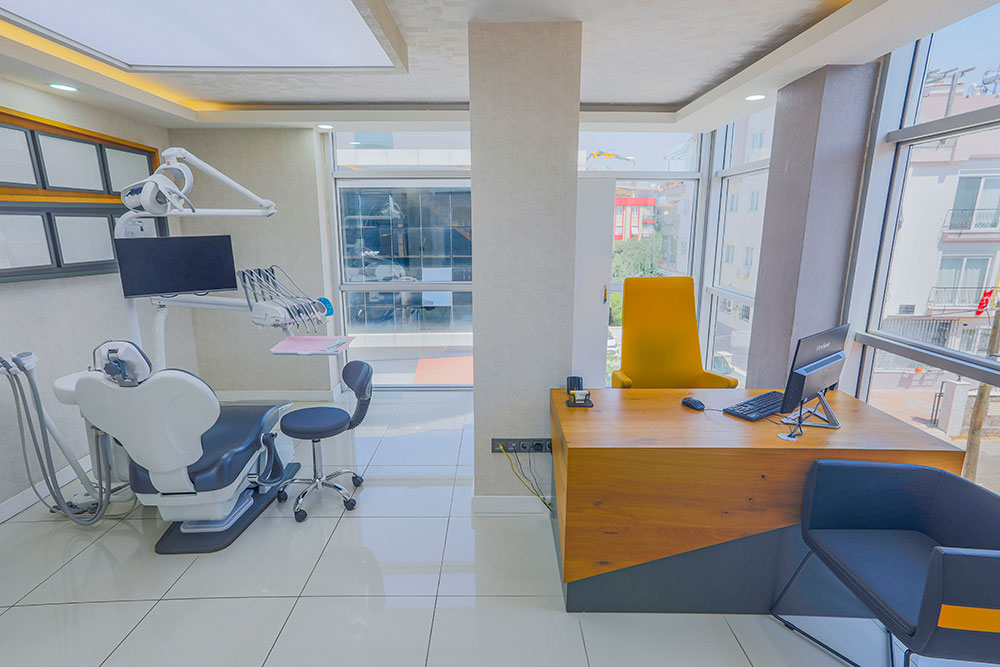
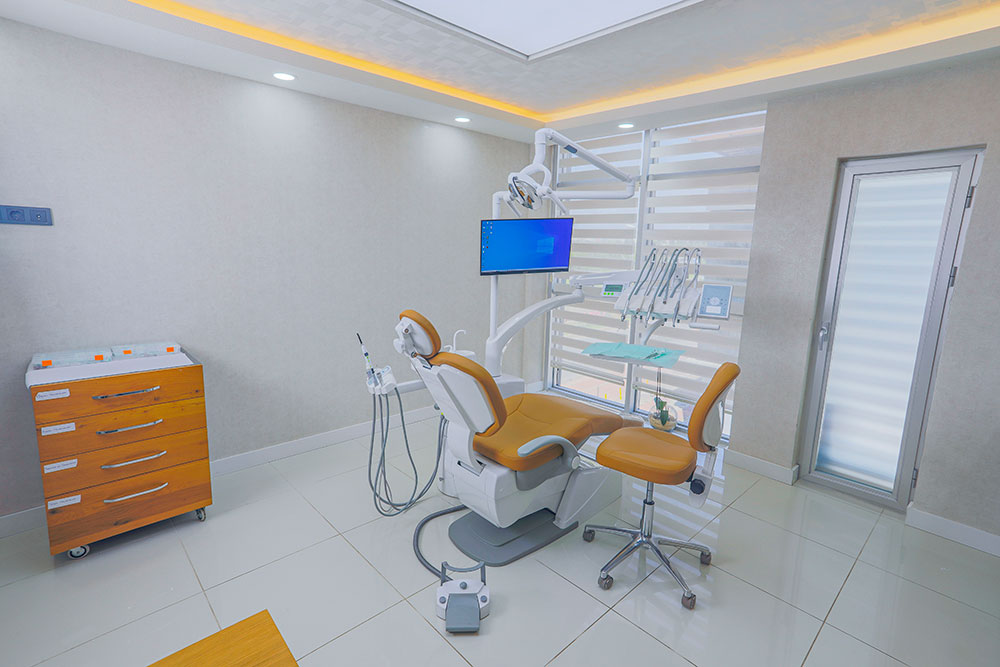
This is by far the easiest review I have ever done. Umut Dental Clinic is the one stop shop for everything dental which is so very important. These people are true professionals from the front door to the engine room and beyond. I have made friends with my dentist Dr Osman the head of Umut Dental Clinic and he leads by example and creates a fantastic experience and outcome for us their clients. I am more than happy to recommend Umut Dental Clinic for all your dental works and answer any of your questions. Make the right call. Call Umut Dental Clinic.
Composite Veneers
3 Steps to a Healthy Smile
From your first message to your final check-up, we're with you at every stage of your treatment journey.
Online Consultation & Planning
Share your details and photos with us. Our patient advisors evaluate your case with our dentists and prepare a personalised treatment plan with clear timelines and pricing.
Arrival & Treatment
We help organise your travel and stay. Once you arrive, all examinations and treatments are carried out in our fully equipped clinic in Antalya.
Book AppointmentYour New Smile & Aftercare
Your treatment is completed as planned. Enjoy your healthy, confident smile, relax in Antalya — and stay in touch with us for aftercare once you're home.
Get a Free Quote
Composite veneers are thin layers of tooth-coloured filling material bonded to the front surface of your teeth to improve shape, colour and minor alignment issues. They are usually used for cosmetic concerns such as chipped teeth, small gaps, mild crowding or discolouration that does not respond well to whitening. In many cases, composite veneers can be placed with little or no removal of natural tooth enamel, and the treatment is often completed in one or two visits depending on how many teeth are treated. On this page you will learn what composite veneers are, who is and is not a good candidate, how dentists plan and place them, what to expect during and after the procedure, possible risks and complications, how they compare with porcelain veneers, and what to consider if you are travelling to Antalya for treatment.
What Are Composite Veneers and How Do They Work?
Composite veneers are cosmetic restorations made from tooth-coloured resin material that is bonded directly onto the front of your teeth to improve their appearance. The same type of composite resin is used for many white fillings, but for veneers it is carefully layered and shaped on the visible surfaces of the front teeth to change the way they look when you smile.
The dentist first lightly prepares the tooth surface, which may involve polishing or very minimal enamel removal, depending on your case. Then a bonding liquid is applied to help the composite stick firmly to the enamel. Soft composite resin is added in small layers and sculpted by the dentist to create the desired length, width and contour. Each layer is hardened with a special light so it becomes strong and firmly attached.
Once the right shape is achieved, the dentist smooths and polishes the composite veneer so it blends with the surrounding teeth. This polishing step gives the tooth a natural shine and helps the veneer feel smooth when your lips and tongue move over it. Colour can be adjusted by choosing different shades and translucencies of composite, which allows the dentist to imitate natural tooth structure as closely as possible.
Composite veneers work by masking imperfections rather than changing the underlying tooth completely. They can cover stains, old discoloured fillings, chipped edges and small gaps. They can also make slightly rotated or uneven teeth appear straighter and more aligned. Because they are bonded to the enamel, the tooth underneath still carries out the chewing function; the veneer is mainly for appearance and minor shape correction.
These veneers are generally best suited to the front teeth, which are used more for cutting and less for heavy chewing. Over time, composite material can pick up some staining and may wear, chip or need repairs, but it can usually be polished or added to in the dental chair. A dentist will explain how composite veneers compare with other cosmetic options, such as laminate veneers or teeth whitening, based on your situation.
Who Is a Good Candidate for Composite Veneers?
You may be a good candidate for composite veneers if your teeth and gums are generally healthy and you want to correct mild to moderate cosmetic concerns on your front teeth. Dentists look at both appearance and oral health to decide whether this treatment is suitable for you.
Composite veneers are often recommended if you have:
- Chips or worn edges on front teeth that make them look uneven or shorter.
- Localised discolouration from old fillings, trauma, or stains that do not improve enough with whitening treatments.
- Small gaps between teeth, especially the front two teeth, that you prefer to close without orthodontic treatment.
- Minor shape issues, such as peg-shaped lateral incisors (naturally narrow teeth) or teeth that look too small.
- Slight crowding or misalignment where the position of the teeth is acceptable but the visual alignment could be improved cosmetically.
For example, if you have two upper front teeth that are slightly chipped and discoloured after an accident, a dentist may suggest composite veneers to restore their shape and colour without placing crowns. Another person might have a small gap and one short tooth that can be corrected by adding carefully shaped composite material.
Ideal candidates usually have good oral hygiene, no active gum disease, and no untreated cavities in the area to be veneered. Stable bite and jaw joints are also important, because heavy grinding or clenching can increase the risk of chipping or loosening the veneers.
Your expectations also matter. Composite veneers can greatly improve the look of your smile, but they have limitations. They are not designed to change very dark teeth to a very bright shade in all cases, or to correct major crowding or severe misalignment. A dentist will check that your goals are realistic and that you understand the maintenance and lifespan of composite veneers compared with other options such as porcelain veneers or orthodontic treatment.
If you are unsure whether you are a suitable candidate, an initial consultation with clinical photos and possibly digital simulations can help you and the dentist decide on the most appropriate plan.
More about Composite Veneers
When Are Composite Veneers Not Suitable?
Composite veneers are not suitable when there are significant oral health problems, severe tooth damage or alignment issues that require a different type of treatment. The dentist must make sure your teeth and gums are healthy and that composite veneers will not be put under excessive stress.
You are generally not a good candidate for composite veneers if you have:
- Active tooth decay or untreated cavities on the teeth to be veneered. These must be treated first, often with fillings or other restorations.
- Gum disease such as gingivitis or periodontitis (inflammation of the gum and bone around teeth). Swollen or bleeding gums can affect the bonding and the long-term stability of veneers.
- Large fractures or missing tooth structure where a crown or other full-coverage restoration might be needed for strength.
- Severe misalignment, rotation or bite problems that require orthodontic treatment or restorative treatment like dental crowns or dental bridges.
- Very strong grinding or clenching habits (bruxism) that could cause frequent chipping or debonding, especially if not controlled with a night guard.
- Poor oral hygiene and high risk of decay, as plaque build-up around veneers can lead to new cavities or gum problems.
For example, if a front tooth is heavily broken down from decay or a large fracture, placing a thin layer of composite on the front will not provide enough strength or protection. A crown that covers the tooth from all sides might be safer. Similarly, if teeth are very crooked or overlapping, trying to mask this entirely with composite may lead to bulky, unnatural-looking teeth and difficulties cleaning between them.
Systemic health conditions can also influence timing. People with uncontrolled diabetes, certain bleeding disorders, or those receiving specific medical treatments may need to postpone elective cosmetic work until their general health is more stable. Pregnant patients often prefer to delay non-urgent cosmetic procedures, although this can be discussed individually with both the dentist and physician.
If composite veneers are not suitable, the dentist may discuss alternatives such as whitening, orthodontic treatment, porcelain veneers, crowns, or sometimes a combination of these. The final decision is always made after a full examination, X-rays where necessary, and a careful conversation about your expectations and oral health.
How Are Composite Veneers Planned and Diagnosed?
Composite veneer treatment is planned and diagnosed through a detailed dental examination, careful cosmetic analysis and clear discussion of your expectations. The dentist first needs to understand your main concerns, such as colour, shape, gaps or alignment, and what result you hope to achieve.
The planning process usually includes:
- Medical and dental history to identify any conditions, medications or habits that might affect treatment, such as grinding or smoking.
- Clinical examination of your teeth, gums and bite. The dentist looks for tooth decay, worn edges, existing fillings, cracks, gum inflammation and the way upper and lower teeth meet.
- X-rays when indicated to check roots, bone levels and hidden decay. This helps to rule out underlying problems that might limit the success of veneers.
- Photographs and shade selection to record your starting situation and discuss colour options for the composite material.
- Impressions or digital scans to create models of your teeth. These can be used for a mock-up, where the planned changes are shown in wax or temporary material.
In many cases, the dentist performs a “mock-up” directly in the mouth using temporary composite or a flowable material. This allows you to see the approximate length, width and overall look before any permanent bonding. It also helps to test speech and lip support if significant shape changes are planned.
The bite is an important part of diagnosis. The dentist checks how your front teeth contact each other when you bite together and slide side to side. Improper contacts or heavy forces can increase the risk of veneers chipping or detaching. If needed, minor bite adjustments or protective measures, such as a night guard for grinding, may be included in the plan.
After this assessment, the dentist explains which teeth are suitable for composite veneers, how many teeth should be treated for a harmonious smile line, and what limitations exist. You are informed about the expected longevity, maintenance, possible need for future repairs or replacement, and alternative treatments. This joint planning process helps ensure that the final result fits both your aesthetic wishes and the biological health of your teeth and gums.
How Is the Composite Veneer Procedure Done Step by Step?
The composite veneer procedure is usually completed directly in the dental chair through a series of careful, controlled steps. The exact method can vary slightly, but the general sequence is similar for most patients.
1. Cleaning and shade selection
The dentist begins by cleaning the teeth to remove plaque and surface stains. Colour samples of composite are held next to your teeth to choose the most appropriate shade or combination of shades, aiming to match your natural teeth or to meet your cosmetic goals.
2. Tooth preparation
Depending on your case, the dentist may lightly roughen or polish the enamel on the front surface of the tooth. In some cases, very small amounts of enamel are removed to create space for the veneer and to improve bonding; in other cases, almost no enamel is removed. This step is usually conservative compared with preparations for crowns or porcelain veneers.
3. Isolation
The area is kept dry using cotton rolls, suction or a rubber dam. A dry working field is important because moisture can interfere with the bonding process.
4. Bonding process
A mild etching gel is applied to the enamel for a short time and then rinsed off. This creates microscopic roughness to improve adhesion. A bonding agent is then painted onto the tooth and gently air-thinned. When it is ready, it is cured with a special light, helping it set.
5. Layering and shaping composite
Soft composite resin is placed on the tooth in small increments. The dentist sculpts each layer to build the desired shape, correcting length, width, symmetry and contours. Each layer is hardened using a curing light. For natural-looking results, different shades and translucencies can be used in different areas of the tooth.
6. Initial shaping
After the full veneer shape is built, the dentist uses fine instruments and discs to refine the outline and thickness. Attention is given to the contact points between teeth and the transition to the gum line, aiming for a smooth, easy-to-clean area.
7. Checking the bite
You will be asked to bite and move your teeth in different directions on marking paper. High spots or premature contacts on the new veneers are adjusted so you can close your mouth comfortably and reduce stress on the composite.
8. Polishing
The veneers are polished with special rubber cups, brushes and pastes to achieve a smooth, glossy surface that looks natural and feels comfortable. This polished surface also helps resist staining.
9. Final check and instructions
The dentist inspects the veneers, takes photographs if needed, and explains how to care for them. You may be scheduled for a follow-up visit to review your adaptation to the veneers and to carry out any small adjustments once you have used them in daily life.
How Long Does It Take to Get Composite Veneers?
Composite veneers usually take one to two visits to complete, depending on how many teeth are treated and how complex the changes are. Many patients can have several veneers placed in a single appointment, while others may prefer to spread treatment across multiple sessions.
For a small number of teeth, such as one or two front teeth, the whole procedure is often completed in one visit lasting around 1–2 hours. This time includes examination, shade selection, tooth preparation, bonding, shaping, polishing and checking the bite. If a detailed mock-up or trial is needed, an extra visit might be planned before the final veneers.
When more teeth are involved, for example 6–10 front teeth, the appointment time usually increases. A single long appointment of 3–4 hours may be suggested, or the dentist may divide the work into two shorter visits. Splitting the treatment can make it easier for you to rest, check your speech and adaptation, and ask for fine-tuning of shapes and lengths.
The planning phase also affects the overall timeline. An initial consultation and assessment visit is generally needed before the treatment appointment. During this first visit, photographs, X-rays if required and sometimes impressions are taken. The dentist then develops a treatment plan and may schedule a separate mock-up session to show you a preview.
Between visits, you can think about any changes you might like, such as slightly longer or shorter teeth or different edge shapes. Clear communication about your expectations helps streamline the process and reduce the need for major adjustments afterwards.
Healing time is usually minimal. There is no surgical phase, so you can often return to normal daily activities soon after each appointment. Some people notice temporary sensitivity or mild gum irritation for a few days, which usually settles on its own. Your dentist will advise you if a short follow-up visit is recommended to polish any rough areas or to re-check the bite once you have adapted to your new veneers.
Do Composite Veneers Hurt and Is Anesthesia Needed?
Composite veneers are generally not very painful, and in many cases can be done with little or no local anesthesia; however, some patients may prefer or need numbing, especially if teeth are sensitive or small amounts of enamel will be removed. The level of discomfort varies from person to person and depends on the condition of the teeth and the extent of preparation.
For very superficial cases where the dentist mainly adds composite on top of existing enamel without drilling, you may feel only some pressure and slight vibration during polishing. Many patients tolerate this easily without any numbing. If teeth are more sensitive or small adjustments to enamel are needed, local anesthesia can be used to make the procedure more comfortable.
During the bonding process, you might feel air flow, water spray, and the warmth of the curing light. These sensations are usually mild. The dentist keeps the area dry with cotton rolls or a rubber dam, which can feel unfamiliar but should not be painful.
After the procedure, it is possible to experience:
- Temporary tooth sensitivity to cold or hot foods and drinks for a few days to a couple of weeks.
- Mild gum tenderness around the treated teeth, especially if the composite extends slightly below the gum line or if a retraction cord was used.
- Minor bite awareness as your mouth adapts to the new shapes and contacts.
These effects usually improve as the teeth and gums adjust. If discomfort is stronger or lasts longer than expected, you should contact your dentist for a check-up. The dentist may adjust high spots on the veneers, smooth any rough edges, or, if necessary, consider protective measures like a night guard for grinding.
Any medication for pain relief after the appointment should be recommended on an individual basis by the dentist or physician, taking into account your general health and any other medicines you use. Always inform the dental team about allergies and existing medical conditions before treatment so that anesthesia and any aftercare advice can be tailored safely for you.
What Can I Eat After Composite Veneers?
After composite veneers, you can usually eat soft foods once the numbness has worn off, but it is sensible to avoid very hard, sticky or highly coloured foods for at least the first few days. This gives the gums time to settle and helps protect the freshly polished composite surfaces.
Composite resin hardens during the procedure under the curing light, so technically it is set when you leave the chair. However, your mouth needs time to adapt and you may have some temporary sensitivity or slight gum irritation. Starting with softer foods reduces the risk of discomfort or accidental chipping if your bite still feels new.
Recommended choices in the first days include:
- Soft or cooked vegetables, soups and stews.
- Pasta, rice, eggs, yoghurt and soft cheeses.
- Sliced fruits without hard skins or cores.
It is wise to be cautious with:
- Hard foods such as nuts, ice cubes, hard crusts and tough meats, especially biting them directly with veneered front teeth.
- Sticky foods like caramel or very chewy sweets that can put strain on the composite edges.
- Strongly coloured foods and drinks such as dark sauces, curries, red wine, black tea and coffee, which can stain composite over time. Rinsing with water after consuming them can help reduce staining.
For example, rather than biting into a hard apple or crusty bread with your front veneers, it is safer to cut food into smaller pieces and chew more with your back teeth. This habit can help extend the life of the veneers.
Regular oral hygiene is important, but you should brush gently around the gum line and avoid aggressive scrubbing. A soft toothbrush and non-abrasive toothpaste are usually advised to avoid scratching the composite surface. Flossing between veneered teeth is still necessary to keep the gums healthy; your dentist or hygienist can show you the best technique if you are unsure.
If you notice any sharp edges when eating, or if a part of the veneer feels rough or catches food, contact the dentist for a small polish or repair. Ignoring rough areas can make staining more likely and may irritate your tongue or cheeks.
What Are the Risks and Possible Complications of Composite Veneers?
Composite veneers, like any dental treatment, carry some risks and possible complications, even when performed carefully. Understanding these helps you make an informed choice and know when to seek advice.
Common or possible issues include:
- Chipping or fracture: Composite is strong but not as hard as natural enamel or porcelain. Biting hard objects, grinding or trauma can cause pieces to chip or break off. Small chips are often repairable by adding new composite.
- Staining and discolouration: Over time, composite can pick up stains from coffee, tea, red wine, tobacco and coloured foods. Professional polishing can improve this, but in some cases veneers may need to be replaced.
- Wear and surface roughness: Everyday chewing or brushing with very abrasive toothpaste can wear the surface, making it less shiny and more prone to plaque accumulation. Periodic polishing by a dentist or hygienist can restore smoothness.
- Debonding: In some cases, a veneer can partially or fully debond (come away) from the tooth. This may occur if bonding conditions were difficult (for example, too much moisture) or if heavy forces act on the veneer. Re-bonding or remaking the veneer may be possible.
- Tooth sensitivity: Some people feel temporary sensitivity to hot, cold or pressure after treatment, especially if a small amount of enamel was removed. This usually improves with time, but should be checked if it persists.
- Gum irritation: If the edge of the composite is too close to the gum or if there is excess material, your gum may feel sore or swollen. Careful finishing and good home care usually resolve this; sometimes a small adjustment is needed.
Less common but more serious issues include decay developing at the margins of the veneers if oral hygiene is poor, or cracks in the underlying tooth if extreme forces are applied. Composite veneers themselves do not cause decay, but they can make cleaning slightly more challenging if over-contoured or if you do not floss regularly.
There is also a small risk of allergy or sensitivity to materials used in bonding, although this is rare. If you have reacted to dental materials in the past, inform your dentist before treatment.
Urgent problems are uncommon, but you should contact a dentist promptly if you experience severe persistent pain, swelling of the face or gums, fever, or bleeding that does not stop. These signs may indicate infection or another condition that needs immediate attention and is not directly caused by the veneers themselves.
Regular check-ups and professional cleanings, such as a routine oral check up, help detect early problems around composite veneers and allow timely repairs, adjustments or replacements where necessary.
Composite Veneers vs Porcelain Veneers: What Is the Difference?
The main differences between composite veneers and porcelain veneers lie in the material, procedure, durability, appearance over time and repair options. Both aim to improve the look of your front teeth, but they are used in slightly different situations and have different maintenance needs.
Material and fabrication
Composite veneers are made from tooth-coloured resin applied directly to your teeth in the dental chair. Porcelain veneers are thin shells of ceramic made in a dental laboratory or with digital systems, then bonded to the front of the teeth at a later appointment.
Tooth preparation
Composite veneers often require little to no removal of enamel, especially for small corrections. Porcelain veneers usually require more precise and sometimes deeper reduction of the front tooth surface to create space for the ceramic and avoid bulkiness. The exact amount depends on your bite, tooth colour and desired changes.
Number of visits
Composite veneers are typically completed in a single visit per set of teeth, as the dentist builds and polishes them directly. Porcelain veneers generally need at least two visits: one for preparation and impressions, and another for fitting after the lab has made them. Temporary coverings are often used between visits.
Durability and appearance over time
Porcelain is more resistant to staining and surface wear than composite and tends to hold its gloss for a longer period. Composite veneers can look very natural initially but may lose some shine and pick up stains more quickly, especially if you consume dark-coloured foods and drinks or smoke. Periodic polishing can improve this, but replacement may be needed sooner than for porcelain.
Repair and reversibility
One advantage of composite veneers is that they are easier to repair. If a small chip occurs, the dentist can often add new composite directly. Porcelain veneers, if cracked or broken, usually need to be replaced entirely. On the other hand, porcelain veneers can sometimes offer more precise control of shape and colour in complex cases, especially when masking very dark teeth.
Suitability
Composite veneers are often chosen for mild to moderate cosmetic issues, for younger patients where preserving enamel is a priority, or for those who prefer a solution that is easier to modify. Porcelain veneers may be preferred when a more durable, stain-resistant and long-lasting solution is desired, or when significant colour changes and shape corrections are needed.
A dentist will compare both options with you, taking into account your oral health, habits, expectations and long-term plans, and may recommend one or a combination of both approaches depending on each tooth.
How Long Do Composite Veneers Last?
Composite veneers typically last several years, often in the range of 3–7 years, though some may last longer or need attention sooner depending on factors such as bite forces, oral hygiene and lifestyle. Their lifespan is generally shorter than that of porcelain veneers, but they have the advantage of being easier to repair and modify.
Several elements influence how long composite veneers last:
- Oral hygiene: Regular brushing with a soft toothbrush, flossing and professional cleanings help keep the margins of the veneers free from plaque and reduce the risk of decay or gum problems that could shorten their life.
- Diet and habits: Frequently biting hard objects like ice, fingernails or very hard foods can cause chipping or cracking. Smoking and frequent consumption of dark-coloured drinks increase the chance of staining.
- Bite and grinding: People who grind or clench their teeth are more likely to experience wear, cracks or debonding. A night guard may be recommended to protect the veneers if grinding is present.
- Quality of placement and follow-up: Careful bonding, shaping and polishing, plus periodic maintenance visits for touch-ups and polishing, support better longevity.
Even with good care, composite surfaces often become slightly duller and may show small surface scratches over time. Professional polishing can restore some shine. If the composite becomes heavily stained, worn or fractured, replacement veneers or a change to a different type of restoration may be suggested.
It is important to understand that veneers are not permanent and may need to be renewed at intervals throughout life. Each time a veneer is replaced, the dentist aims to preserve as much healthy tooth structure as possible. If repeated repairs or replacements are needed, alternative treatments such as porcelain veneers or crowns might be discussed, especially if the underlying teeth have also changed.
Regular dental examinations give the dentist a chance to monitor your veneers, check for signs of wear, assess the health of the underlying teeth and gums, and address small issues early before they become larger problems.
Getting Composite Veneers in Antalya: Visits, Stay and Follow-Up
Getting composite veneers in Antalya is often suitable for international patients because the treatment can usually be completed in a short time frame with relatively few visits. For many people, the main work is done in one longer appointment, making it practical to combine dental care with a short stay.
Typically, you can expect:
- Pre-visit planning: Before travelling, you can share photos and relevant dental information with the clinic for an initial assessment of whether composite veneers are likely to be suitable. At Umut Dental Clinic Antalya, patients can share their details and X-rays for an online consultation before planning travel.
- First in-person visit: This appointment usually includes a clinical examination, X-rays if needed, discussion of your goals, shade selection and sometimes a mock-up. If everything is straightforward, some or all of the veneers may be done at this first visit.
- Main treatment session: Depending on the number of veneers and the complexity, a single longer session may be planned for the actual placement. For multiple teeth, this may be 2–4 hours.
- Follow-up visit: A short follow-up visit, often 1–3 days after the main session, can be scheduled to check the bite, polish any areas that feel rough and make small adjustments. This visit is particularly useful once you have spoken and eaten normally for a day or two.
Many patients plan a stay of several days in Antalya to allow for consultation, treatment and at least one review before returning home. The exact number of days depends on how many teeth are being treated, your overall oral health and whether any preparatory work is needed.
After you return, you should continue regular check-ups with a dentist in your home country to monitor the veneers and general oral health. It is helpful to receive written documentation of the treatment carried out, including which teeth received composite veneers and any specific care instructions. If you experience any problems such as persistent pain, swelling, or a veneer breaking or debonding, you should see a local dentist promptly for assessment and, if necessary, temporary or permanent repair.
For those considering other treatments at the same time, such as dental implants or a more extensive smile makeover, the schedule will be longer and may involve several stages, so careful coordination of travel dates is important. Honest discussion with the dental team before booking flights helps align the treatment plan with your time in Antalya.
The information on this page is for general education only and does not replace an examination, diagnosis or treatment. See a dentist for any concerns about your oral health.
Our Clinic
Every smile tells a story — and we've been part of thousands of them for over 17 years.
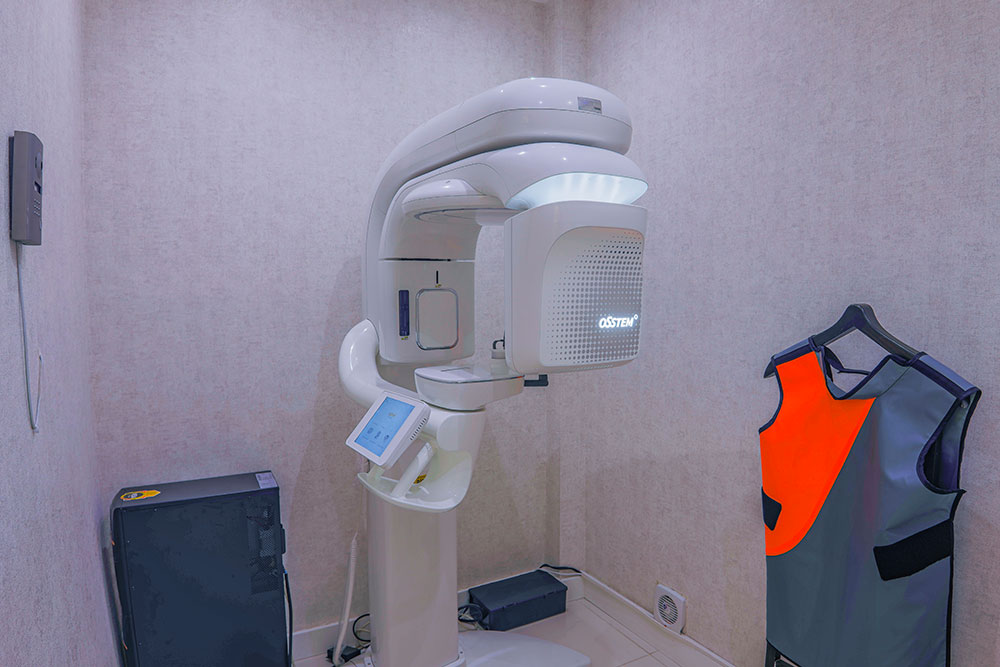
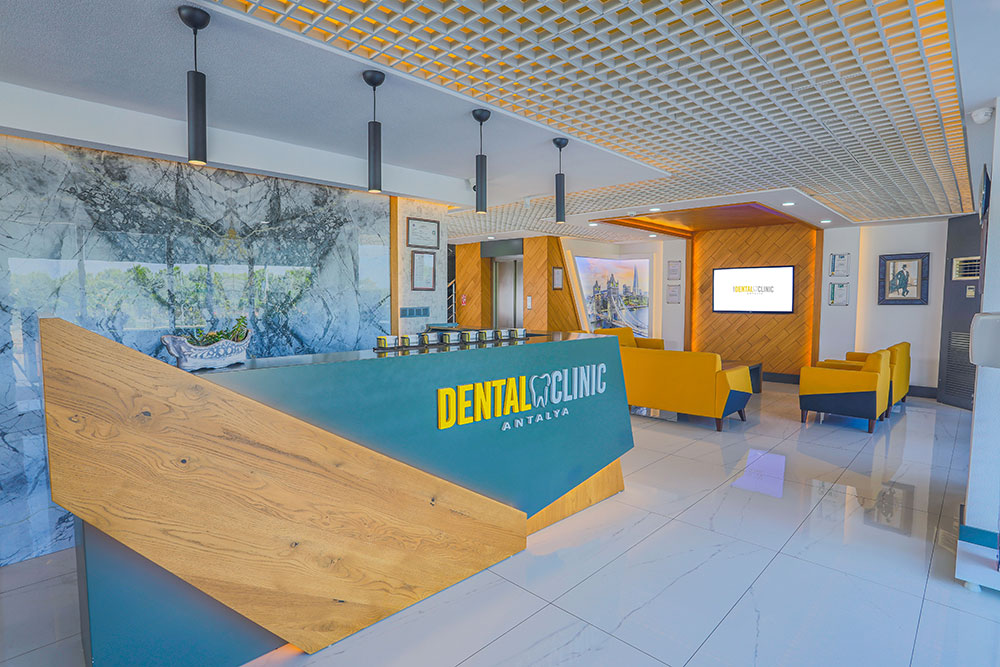
Located in the heart of Antalya, our clinic combines trusted experience with the latest dental technology. Our skilled and caring dentists create healthy, natural and long-lasting results — and from your first consultation to your final check-up, you'll feel cared for not just as a patient, but as part of our family.
- Specialist Dentists
- Latest Technology
- Modern, Hygienic Clinic
- Patient Coordinators
Our Services
Comprehensive cosmetic and restorative dentistry, planned around you.

Smile Makeover
A complete, natural-looking smile design planned around your face and goals.
Learn more
Dental Implants
A permanent replacement for missing teeth with a titanium root and natural crown.
Learn more
All-on-4 Implants
A full fixed arch of teeth supported by just four implants.
Learn more
All-on-6 Implants
A full fixed arch on six implants for extra stability and support.
Learn more
Laminate Veneers
Ultra-thin porcelain shells that refine the shape and shade of your teeth.
Learn more
Dental Crowns
Strong, aesthetic caps that protect and restore damaged teeth.
Learn more
Dental Bridges
A fixed solution that fills the gap left by one or more missing teeth.
Learn more
Teeth Whitening
A safe, professional treatment for a brighter, fresher smile.
Learn moreBehind Every Smile, a Story
Hundreds of patients have walked through our doors and left with far more than a new smile — they left with confidence. Let us write your story, too.
Trusted by Patients Around the World
Real experiences from real Umut Dental Clinic patients.
My visit to Umut dental clinic was amazing.
FATIH SUNAR was my dentist he is an amazing dentist, i wasn't the easiest of patients through nerves.
I couldn't be happier with the overall service i received.
I would whole heartily recommend this clinic for any treatments.
Thankyou
I was quite nervous before I sat in the chair, but once there i was made feel comfortable and relaxed.
I had quite a bit of work done and what I really liked was the speed my dentist worked at,, I was out of the chair with 7 implants in less than 2 hours ..
The place is spotless , the equipment is more than up to date.
The price I was quoted was the price I paid. I will return for yearly check ups as I wouldnt want anyone else looking after me.
Well done to a very professional team !!
My doctor was Faith Sunar, I'm very pleased with how professional he was and how much care he took in his work to make sure I was happy with my new teeth.
They corrected my problems and give me a new set as my old ones were not fitting properly, which was under my gaurentee.
I was seen each day for 4 days , they made sure everything was perfect before I flew back home to England uk.
The clinic was exceptionally clean and spotless.
Beyza was very helpfull to our needs and spoke very good English , she was very kind from start to finish.
Is definitely 100./. Recommend this dentist practice to anyone I'd give them 10/10.
Had excellent treatment with UMUT - extremely well organised and professional. I was talked through the procedure all the way through, given medication which made the process pain free and bearable. My dentist was lovely and only happy when everything was absolutely perfect. When you have so much choice of dentistry in Antalya, it can feel like a very hard decision to make but I would totally recommend this clinic. Thanks again to my fabulous dentist Tugce Aricetin
What a perfect clinic from start to finish I would recommend them to anyone around the world so professional hygiene is amazing on my life you would think you was in a clinic were the famous people go the United Kingdom doesn't even come close to Umut dental clinic I couldn't be happier 12 out of 10 best thing I've ever done so happy thank you umut thank thank you and thank you Dentist Tugce and thank you to the whole team
it was great service and very helpfull friendly team also the transport to clinic was excellent. the hotel also was nice and friendly people and nice breakfast. i'm looking forward to visit Antalya and all the nice people in april again, very beutifull beach also. thank you for helping me and i hope to see you in april for finishing
I had dental treatment at Umut Clinic Antalya, and I can confidently say—three years later—that this clinic truly delivers on its promise of quality and guarantee. The results of my treatment have remained excellent over time, and I'm still very happy with everything they did.
The entire team is extremely friendly, professional, and caring. The dentists are highly trained and very experienced, which immediately gave me a sense of trust and security. They took time to explain everything clearly and made sure I felt comfortable throughout the process.
What also sets Umut Zahnklinik apart is their exceptional service for international patients. From airport pickup to accommodation support, everything was well-organized and stress-free. You really feel taken care of from start to finish.
I can highly recommend Umut Zahnklinik to anyone looking for high-quality dental care in Turkey. A great clinic with lasting results and a warm, welcoming team!
Meet Our Doctors
Experienced clinicians dedicated to natural, healthy and long-lasting smile outcomes.

Dr. Osman Cengiz
Clinic Founder
Dr. Ayşe Dilara Yüzgeç
Dentist
Dr. Fatih Sunar
Dentist
Dr. Tuğba Taş Mammadov
Dentist
Dr. Melisa Köse
Dentist
Dr. Abdullah Zeki Ceylan
Dentist
Dr. Merve Yıldırım
Dentist
Dr. Samet Dönmez
DentistOnline Consultation
Leave your contact information and we will contact you soon.