Homepage
Treatments
Dental Implants
Oral & Jaw Surgery
Aesthetic Smile Design
Crowns, Bridges & Dentures
General & Restorative
Gum & Jaw Joint Care
Comfort & Children
See all treatments →
Smile Gallery Package List Dental Events About Us Blog Contact

Oral, Dental and Maxillofacial Surgery

How It Works

3 Steps to a Healthy Smile

From your first message to your final check-up, we're with you at every stage of your treatment journey.

1

Online Consultation & Planning

Share your details and photos with us. Our patient advisors evaluate your case with our dentists and prepare a personalised treatment plan with clear timelines and pricing.

2

Arrival & Treatment

We help organise your travel and stay. Once you arrive, all examinations and treatments are carried out in our fully equipped clinic in Antalya.

Book Appointment
3

Your New Smile & Aftercare

Your treatment is completed as planned. Enjoy your healthy, confident smile, relax in Antalya — and stay in touch with us for aftercare once you're home.

Oral, Dental and Maxillofacial Surgery

Oral, dental and maxillofacial surgery is a surgical specialty that focuses on the mouth, teeth, jaws and surrounding facial structures. It includes procedures such as wisdom tooth extraction, treatment of jaw cysts and infections, dental implant placement, jaw corrections and management of injuries to the face and mouth. This type of surgery is considered when problems cannot be solved with simple fillings, cleaning or medications alone, or when there are structural issues with the jaws or facial bones. On this page, you will learn what oral and maxillofacial surgery is, which conditions it can treat, who might be a suitable candidate, how the examination and treatment steps work, what to expect regarding pain control, healing times, eating after surgery, and possible risks. You will also find information about planning oral and maxillofacial surgery in Antalya, including how visits and follow-up are usually organised for international patients.

What Is Oral, Dental and Maxillofacial Surgery?

Oral, dental and maxillofacial surgery is a branch of dentistry and medicine that deals with surgical treatment of diseases, injuries and defects involving the mouth, teeth, jaws and face. It combines knowledge of dentistry, surgery and facial anatomy to restore function, relieve pain and improve oral health, and in some cases to correct appearance or jaw alignment.

The term can be broken down into three parts:

  • Oral surgery: Procedures performed inside the mouth, such as tooth extractions, treatment of infections, and minor soft tissue surgeries.
  • Dental surgery: Operations closely related to teeth and their supporting structures, including surgical removal of impacted teeth and preparation of the jaw for dental implants.
  • Maxillofacial surgery: Surgery involving the upper and lower jaws, cheekbones and other facial bones, including correction of jaw positions and treatment of facial trauma.

Some procedures are relatively minor, such as simple or surgical wisdom tooth removal under local anaesthesia, and may take only a short appointment. Others are more complex, such as jaw repositioning surgery, which may be done under general anaesthesia in a hospital setting and require a longer healing period.

Oral and maxillofacial surgeons work closely with general dentists, orthodontists and other medical specialists. For example, a dentist may refer you for surgical removal of a deeply impacted tooth, or an orthodontist may recommend jaw surgery when braces alone cannot correct the bite. The final decision about which procedure is suitable is made after clinical examination, imaging (such as X-rays or 3D scans) and discussion of your overall health, expectations and alternatives.

Which Conditions Can Oral and Maxillofacial Surgery Treat?

Oral and maxillofacial surgery can treat a wide range of conditions that affect the teeth, gums, jaws and facial bones. It is often recommended when non-surgical dental treatments are not enough to solve a problem or when there is a structural issue with the jaw or surrounding tissues.

Common conditions include:

  • Impacted and problematic teeth: Wisdom teeth or other teeth that are stuck in the bone, partially erupted or causing pain, infection or damage to neighbouring teeth.
  • Severe tooth damage: Teeth broken at the gum line, with extensive decay or fractures that cannot be restored, sometimes requiring surgical extraction.
  • Jaw cysts and benign lesions: Abnormal cavities or growths in the jawbone that need to be removed and sometimes biopsied to rule out more serious disease.
  • Advanced infections: Dental abscesses, bone infections (osteomyelitis) and deep-space infections in the face and neck that require surgical drainage or removal of infected tissue, alongside medical treatment planned by a physician.
  • Preparation for prosthetic treatments: Bone reshaping, removal of bony growths or gum surgery to prepare the mouth for dental bridges, dentures or implants.
  • Jaw joint (TMJ) problems: In selected cases of temporomandibular joint disorder causing severe pain or limited mouth opening, surgery may be considered when conservative care fails.
  • Facial trauma: Fractures of the jaw or facial bones caused by accidents, falls or sports injuries, and management of soft tissue injuries such as cuts to the lips or tongue.
  • Jaw deformities and bite problems: Abnormal jaw positions leading to difficulty chewing, speaking or breathing, sometimes treated with corrective jaw surgery (orthognathic surgery) together with orthodontic treatment.
  • Cleft lip and palate or other congenital issues: In some patients, surgery can help improve function and appearance.

Some oral surgeons also take part in the diagnosis and surgical management of suspicious oral lesions or early tumours, often in collaboration with medical specialists. Not every jaw or facial problem needs surgery; braces, splints, medications or simple dental treatments may be enough in many cases. A careful evaluation by a dentist or oral and maxillofacial surgeon is needed to decide if surgery is appropriate for your specific condition and overall health.

Everything You Need to Know

More about Oral, Dental and Maxillofacial Surgery

Who Is a Good Candidate for Oral, Dental and Maxillofacial Surgery?

A good candidate for oral, dental and maxillofacial surgery is someone who has a condition that cannot be effectively treated with non-surgical dental care and whose general health allows for a safe surgical procedure. The decision is always individual and based on a full assessment.

Factors that often make a person suitable include:

  • Clear surgical indication: For example, impacted wisdom teeth causing repeated infections, a large jaw cyst visible on imaging, or severe jaw misalignment affecting chewing or speech.
  • Reasonably controlled general health: Stable blood pressure, controlled diabetes, and no recent major heart or stroke events make surgery safer. If you have chronic illnesses, the surgeon may liaise with your physician.
  • Healthy or treatable gums: Gum disease (periodontitis, a chronic inflammation affecting the tissues and bone that support the teeth) often needs treatment before many surgical procedures, especially before implant placement.
  • Non-smoking or willing to reduce/stop: Smoking can slow healing and increase the risk of infection or poor bone healing. Reducing or stopping smoking around the time of surgery often improves outcomes.
  • Realistic expectations: Understanding what surgery can and cannot achieve, possible risks, the likely healing time and the need for follow-up visits.
  • Good oral hygiene: Regular toothbrushing and interdental cleaning help reduce the risk of infection after surgery and support long-term results.

For example, a person with an impacted wisdom tooth but excellent general health may be a straightforward candidate for removal under local anaesthesia. Another patient with a complex jaw deformity might need a combination of orthodontic treatment and planned jaw surgery after detailed imaging and joint medical planning.

Age alone is rarely an absolute barrier. Many procedures are done on teenagers and young adults, especially wisdom tooth surgery, while others are carried out on older adults after checking general health and medication use. Your surgeon will review your medical history, current medications, allergies, and previous surgeries to judge whether the benefits of surgery outweigh the potential risks in your case.

When Might Oral and Maxillofacial Surgery Be Postponed?

Oral and maxillofacial surgery might be postponed when your general health, medications or local oral conditions make the procedure unnecessarily risky at that time. Delaying surgery in these situations helps reduce complications and allows time to stabilise or treat underlying issues.

Common reasons for postponement include:

  • Uncontrolled systemic diseases: Poorly controlled diabetes, severe heart disease, uncontrolled high blood pressure or recent stroke can increase the risk of infection, delayed healing or serious medical complications. In such cases, your surgeon usually asks for your physician’s assessment and waits until your condition is better controlled.
  • Blood-thinning medication: Certain medicines that reduce blood clotting can increase bleeding risk during and after surgery. In many cases, adjustments are made only under the guidance of your physician, and minor procedures may still go ahead. For major surgery, timing may be changed after medical advice.
  • Active oral infections: If there is widespread gum infection or uncontrolled tooth decay in the planned surgical area, initial cleaning, root canal or other treatments may be recommended first, unless the procedure itself is aimed at removing that infection.
  • Pregnancy: Urgent procedures can usually be performed safely with suitable precautions, but non-urgent surgeries, long procedures or those needing general anaesthesia are often postponed until after birth or at least to a safer trimester, depending on medical advice.
  • Recent major surgery or serious illness: If you recently had an operation, chemotherapy, radiotherapy to the head and neck area, or a severe infection, your body may need time to recover before undergoing oral surgery.
  • Heavy smoking or alcohol use: When usage is very high, the surgeon may advise cutting down or stopping, as these habits negatively affect wound healing and bone health.

Sometimes postponement is very short. For example, if you arrive with a mild cold, the surgeon might simply wait until you feel better. In other cases, such as extensive gum disease before implant surgery, several weeks or months of preliminary treatment may be needed. Your surgeon will explain why any delay is advised and how to prepare so the surgery can take place under safer conditions.

How Is the Examination and Diagnosis Done?

The examination and diagnosis for oral, dental and maxillofacial surgery start with a detailed history and clinical check-up, supported by imaging tests such as X-rays or 3D scans. The aim is to clearly understand your complaint, identify the exact problem and plan the safest and most effective treatment.

The process usually includes several stages:

  • Medical and dental history: You are asked about your general health, ongoing illnesses, medications, allergies, past surgeries, and habits such as smoking. Dental history includes past treatments, pain episodes and any previous complications with anaesthesia or surgery.
  • Clinical examination: The surgeon examines your mouth, teeth, gums, tongue and oral soft tissues. For jaw-related problems, the face and neck, jaw movements and bite relationship are also evaluated.
  • Imaging:
    • Small X-rays (periapical or bitewing) for individual teeth.
    • Panoramic X-rays showing both jaws and surrounding structures.
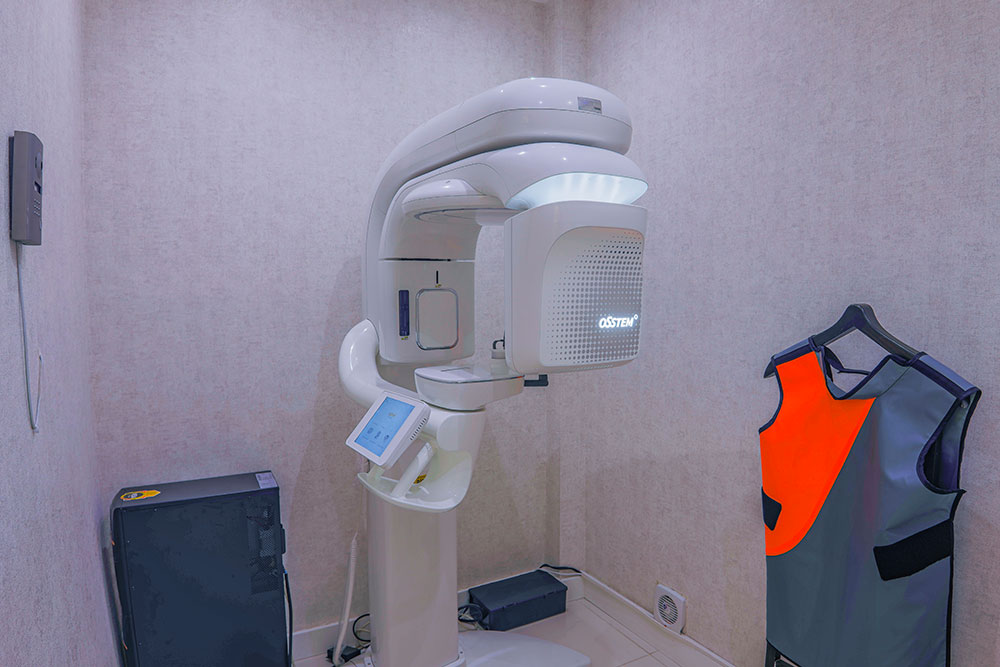
    • 3D scans (CBCT) when more detailed information about bone, nerves and sinus areas is needed, for example before implant placement or complex jaw surgery.
  • Functional assessment: In bite problems or jaw joint disorders, the surgeon may check how your teeth fit together, measure mouth opening and listen for joint sounds.
  • Further tests if needed: Blood tests or medical consultations can be requested, especially for patients with systemic diseases or those planned for major procedures under general anaesthesia.

After collecting this information, the surgeon explains the diagnosis in clear terms. For example, you may be told that a wisdom tooth is impacted against the second molar, or that there is a benign cyst around the root of a tooth. Treatment options, including surgical and non-surgical alternatives, expected healing times and possible risks, are then discussed. You are encouraged to ask questions and clarify anything that is not clear.

Written information and consent forms are usually provided before surgery. These outline the planned procedure, anaesthesia method, typical side effects and rare complications. Only after you understand and agree does the actual surgical planning move forward. The examination and diagnosis phase is essential to avoid surprises and to tailor the treatment to your individual needs.

How Does Oral, Dental and Maxillofacial Surgery Work Step by Step?

Oral, dental and maxillofacial surgery generally follows a clear sequence of steps: assessment, preparation, anaesthesia, surgery, immediate care and follow-up. The exact details depend on whether the procedure is simple, such as removing a single tooth, or complex, such as jaw correction surgery.

A typical step-by-step course for a common outpatient procedure, like surgical wisdom tooth removal or implant placement, looks like this:

  1. Pre-surgical consultation: After examination and imaging, the surgeon explains the diagnosis, treatment options and expected course. You review your medical history, and any required test results or physician approvals are obtained.
  2. Treatment planning: The surgeon decides on the surgical technique, chooses the anaesthesia method (local, with or without sedation, or general for selected cases) and plans the timing and number of visits. For treatments involving prosthetic work, coordination with a restorative dentist is often needed.
  3. Pre-operative instructions: You receive advice about eating and drinking before surgery, oral hygiene, and any temporary changes to medications under medical supervision. For some procedures, you may be asked to stop smoking beforehand.
  4. Arrival and preparation: On the day, the surgical area is cleaned and disinfected. Local anaesthesia is given to numb the area, and if planned, sedation or general anaesthesia is managed by an anaesthesiologist.
  5. Surgical procedure:
    • The surgeon makes small incisions in the gum if needed.
    • Bone or soft tissue is gently moved or reshaped to reach the target area.
    • The tooth, cyst, or other lesion is removed, or the implant or plate is placed.
    • The area is cleaned and sutures (stitches) are placed if required.
  6. Immediate post-operative care: Gauze may be placed to control bleeding, and you are monitored until you feel stable. Instructions about biting on gauze, using cold compresses and protecting the surgical site are given.
  7. Written and verbal instructions: You receive specific guidance on oral hygiene, allowed foods, physical activity, and how to recognise warning signs such as strong swelling, fever or bleeding that does not stop.
  8. Follow-up visit: A control appointment is usually scheduled within a few days to two weeks, for suture removal if necessary and to check healing. For treatments like implants or jaw surgery, several follow-ups over months may be planned.

Many simpler oral surgeries are completed in one visit, while more complex procedures can require multiple stages spread over weeks or months. Your surgeon customises the step-by-step plan based on your needs, health status and travel schedule if you come from abroad.

Does Oral, Dental and Maxillofacial Surgery Hurt?

Oral, dental and maxillofacial surgery is performed with anaesthesia, so you should not feel pain during the procedure itself, but you may experience some discomfort, swelling or soreness afterwards as the anaesthetic wears off. Pain levels vary from person to person and depend on the complexity of the surgery.

During the operation, different methods help control sensation:

  • Local anaesthesia: An injection numbs the specific area being treated. You may feel pressure or vibration but not sharp pain.
  • Sedation: For anxious patients or longer procedures, sedative medication can be given so you feel more relaxed or drowsy, in addition to local anaesthesia.
  • General anaesthesia: In some major jaw surgeries or in special situations, you may be fully asleep in a hospital setting. This is decided based on medical indications and safety.

After surgery, it is normal to experience:

  • Throbbing or aching at the surgical site, especially in the first 24–72 hours.
  • Mild to moderate swelling of the cheek, jaw or lips near the operated area.
  • Bruising on the skin in some cases, generally fading over several days.
  • Stiffness when opening the mouth, especially after wisdom tooth or jaw joint procedures.

Your dentist or surgeon usually recommends appropriate pain relief medications and sometimes anti-inflammatory medicines, tailored to your health and other drugs you take. Applying a cold compress on the outside of the face at intervals during the first 24 hours can also help reduce pain and swelling, as long as the skin is protected from direct ice.

Good home care plays an important role in comfort. Following instructions about rest, oral hygiene, not smoking and avoiding disturbing the wound supports smoother healing. If you experience severe pain that does not improve with prescribed measures, sudden swelling spreading to the eye or neck, difficulty swallowing or breathing, or fever, you should contact the dental team or seek emergency care without delay, as these can be signs of complications needing urgent attention.

How Long Does Oral, Dental and Maxillofacial Surgery Take?

The length of oral, dental and maxillofacial surgery varies widely, from about 20–30 minutes for a simple extraction to several hours for complex jaw operations, and the total treatment period can range from a single visit to many months depending on the procedure.

Approximate procedure times include:

  • Simple tooth extraction: around 20–40 minutes per tooth, including anaesthesia and preparation.
  • Surgical wisdom tooth removal: usually 30–60 minutes per tooth, depending on the position of the tooth and bone density.
  • Single dental implant placement: often 30–60 minutes, not including any bone grafting or sinus lift procedures that might extend the time.
  • Multiple implants or complex extractions: 1–2 hours or more, especially when combined with bone reshaping or grafting.
  • Corrective jaw surgery (orthognathic surgery): often several hours, typically performed under general anaesthesia in a hospital setting.

Besides the time in the chair or operating room, it is important to consider:

  • Pre-operative appointments: initial consultation, imaging and treatment planning can require 1–2 visits before surgery.
  • Immediate recovery time: you may stay in the clinic for a short observation period after outpatient procedures; after major surgeries under general anaesthesia, a hospital stay of 1–2 days or longer may be necessary.
  • Overall treatment timeline:
    • For extractions or cyst removal, most healing occurs over 1–3 weeks.
    • For implant treatments, the full process (implant placement, healing, and attaching the crown or bridge) can take several weeks to a few months, as the bone needs time to integrate with the implant.
    • For jaw correction surgery, combined orthodontic and surgical treatment often spans many months.

International patients often ask how many visits they will need. Many common oral surgeries can be completed in a single visit, with a second short appointment for check-up or suture removal. Treatments that include prosthetic work or complex planning, such as a combined implant and dental crowns case, are usually arranged in stages, ideally coordinated with your travel schedule.

Your surgeon will provide a personalised estimate of both procedure time and total treatment duration once your full examination and imaging are complete.

What Is Recovery Like After Oral, Dental and Maxillofacial Surgery?

Recovery after oral, dental and maxillofacial surgery usually involves a few days of rest and reduced activity, with gradual improvement in pain and swelling over 1–2 weeks, while deeper bone and soft tissue healing continues for several weeks to months depending on the procedure. Most people can return to light daily activities within a short time, but should protect the surgical area during the early phase.

The first 24–72 hours are typically when you feel the most discomfort and swelling. Common experiences include:

  • Mild to moderate pain that can usually be managed with prescribed pain relief.
  • Swelling of the cheeks or lips near the operation site, peaking around day 2–3, then slowly reducing.
  • Small bruises on the skin, especially after more extensive surgery.
  • Minor oozing or spotting of blood from the area, which usually reduces with pressure on gauze.

Key care recommendations generally include:

  • Rest: Take it easy for the first couple of days, avoiding strenuous exercise or heavy lifting that could increase bleeding or swelling.
  • Cold compress: Apply a wrapped cold pack to the outside of the face intermittently during the first day to help control swelling.
  • Oral hygiene: Keep the mouth as clean as allowed by the instructions. Often you are advised to brush the non-operated areas as usual and carefully clean around the surgical site without disturbing any stitches.
  • Avoid harmful habits: Smoking, drinking alcohol and using straws can interfere with healing and may increase the risk of a dry socket after extractions or poor healing around implants.
  • Medication and follow-up: Take any prescribed medications as directed and attend scheduled control appointments so healing can be monitored.

Healing timelines vary:

  • Soft tissue usually closes over within 1–3 weeks.
  • Bone remodelling after an extraction or cyst removal can continue for several months.
  • Implants typically need a healing period of several weeks to a few months before receiving final restorations.

You should contact the dental team or seek urgent care if you notice warning signs such as strong or increasing pain not relieved by medication, large or rapidly increasing swelling, difficulty swallowing or breathing, fever or chills, or bleeding that does not slow down with pressure. With proper care and follow-up, most patients heal without major problems and can gradually return to their usual diet and activities as advised.

What Can I Eat After Oral, Dental and Maxillofacial Surgery?

After oral, dental and maxillofacial surgery, you are usually advised to start with soft, cool or lukewarm foods and to avoid chewing directly on the surgical area until it has had time to heal. The aim is to protect the wound, reduce discomfort, and allow you to maintain good nutrition and hydration while your mouth recovers.

Typical recommendations include:

  • First hours: Right after surgery, you may be asked not to eat until the numbness from the anaesthetic decreases, to avoid biting your cheek or tongue accidentally. Clear, cool liquids are often allowed once you can swallow comfortably, unless your surgeon gives different instructions.
  • First 1–3 days: Soft foods that do not require strong chewing are suggested, such as yoghurts, smooth soups that are not very hot, mashed vegetables, purees and soft scrambled eggs. Cold or room-temperature foods can feel soothing.
  • After the initial days: As pain and swelling decrease, you can gradually introduce more textured foods, such as well-cooked pasta, soft rice, soft fish or tender minced meat, always trying to chew on the non-operated side when possible.

It is usually advised to avoid:

  • Very hot food or drinks immediately after surgery, as heat can increase bleeding.
  • Hard, crunchy foods like nuts, crisps or hard bread crusts that may injure the wound or dislodge clots.
  • Sticky foods such as chewing gum or caramels, which can pull on stitches or get trapped in the surgical area.
  • Using straws, especially after extractions, because the suction can disturb the blood clot and raise the risk of dry socket.
  • Alcohol, as it may interfere with healing and interact with prescribed medications.

Good hydration is important. Sipping water regularly supports healing and comfort. If you have had more extensive maxillofacial surgery, such as jaw correction, your surgeon and possibly a dietitian will give you a more detailed plan, which might include a longer period of soft or blended foods.

For example, after simple wisdom tooth removal, many people can return to a relatively normal diet within a week, while still avoiding very hard foods at the surgical site for longer. After implant placement, a soft or semi-soft diet is often recommended for several days to protect the area. Always follow the specific instructions given to you, as the advice can differ slightly depending on the type and location of your surgery and your overall health.

What Are the Possible Risks and Complications?

All oral, dental and maxillofacial surgeries carry some degree of risk and potential complications, even when performed carefully. Most problems are minor and temporary, but serious complications, although less common, can occur. Understanding these helps you recognise early warning signs and make informed decisions.

General risks shared by many procedures include:

  • Pain and swelling: Expected after surgery and usually manageable with recommended measures, but can be more intense in some patients.
  • Bleeding Mild oozing is normal for the first hours. Prolonged or heavy bleeding is less common and may require additional treatment.
  • Infection: Bacteria can enter the surgical site, leading to pain, swelling, bad taste or fever. Good oral hygiene, following instructions and, when needed, medications prescribed by the dentist or physician help reduce this risk.
  • Delayed healing or wound opening: The gum or soft tissues might take longer to close, especially in smokers, people with poorly controlled diabetes or those with poor oral hygiene.
  • Bruising: Discolouration of the skin near the operated area can appear and usually fades naturally.

Procedure‑specific risks can include:

  • Dry socket after tooth extraction: Loss or breakdown of the blood clot in the socket, causing strong pain a few days after extraction. Smoking, vigorous rinsing too early and some general health factors may increase this risk.
  • Nerve irritation or injury: In procedures near sensory nerves, such as lower wisdom tooth or implant surgery in certain regions, there is a risk of temporary or rarely permanent numbness, tingling or altered sensation of the lip, chin or tongue.
  • Sinus involvement: Upper jaw procedures near the sinus may occasionally lead to a small communication between the mouth and sinus or sinus irritation, which may need specific management.
  • Damage to adjacent teeth or restorations: Neighbouring teeth, crowns or fillings may be stressed or damaged in rare cases during access or instrument use.
  • Jaw stiffness or joint discomfort: Keeping the mouth open for a long time may cause temporary soreness or limited opening.

More serious but less frequent complications include widespread infection spreading to the face or neck, severe bleeding, or reactions to anaesthesia. These situations require urgent medical attention. You should contact a dentist or emergency service immediately if you notice severe persistent pain that does not improve with recommended pain relief, rapidly increasing facial swelling, difficulty swallowing or breathing, high fever, or bleeding that does not slow despite applied pressure.

Your surgeon assesses your individual risk based on the planned procedure, anatomical findings, systemic health and habits such as smoking. Alternatives, such as non-surgical options or different timing, may be discussed if risks are considered high in your situation.

Planning Oral and Maxillofacial Surgery in Antalya: Visits and Follow-Up

Planning oral and maxillofacial surgery in Antalya involves coordinating examination, treatment and follow-up visits with your travel schedule and medical needs. Many international patients visit Antalya for dental care, including oral surgery, so treatment plans are often arranged to minimise unnecessary trips while keeping safety and proper healing in focus.

The typical process includes:

  • Initial contact and information sharing: Before travelling, you can often provide dental X-rays, 3D scans and medical history for an initial online assessment. This helps estimate which procedures may be needed and how many visits might be required, though the final treatment plan is only confirmed after a face-to-face examination.
  • First in‑person visit: During your first appointment in Antalya, the dentist or surgeon confirms the diagnosis with a clinical exam and any necessary new imaging. Treatment options, risks and approximate timelines are discussed, and your questions are answered.
  • Surgical appointment: Many common procedures, such as wisdom tooth removal or minor oral surgery, can be done during the same trip, sometimes on the next day. For more extensive treatments like combined smile makeover and surgical work, a sequence of appointments is planned.
  • Short-term follow-up: You usually need at least one control visit within a few days to two weeks after surgery, for suture removal and healing checks. Patients are generally advised to stay in Antalya long enough to safely attend this review, especially after more complex procedures.
  • Long-term follow-up: For treatments that heal over months, such as implants or jaw corrections, some controls can often be done with a dentist in your home country, while planned return visits to Antalya may be scheduled for key stages like attaching final restorations.

Communication is important. You should inform the dental team about your travel dates, accommodation and how to reach you by phone or email. This allows scheduling of appointments that give enough time for early healing and potential minor adjustments before you fly back.

At Umut Dental Clinic Antalya, patients can share their details and X-rays for an online consultation before planning travel, helping align surgical timing, follow-up care and individual health considerations in a structured way.

The information on this page is for general education only and does not replace an examination, diagnosis or treatment. See a dentist for any concerns about your oral health.

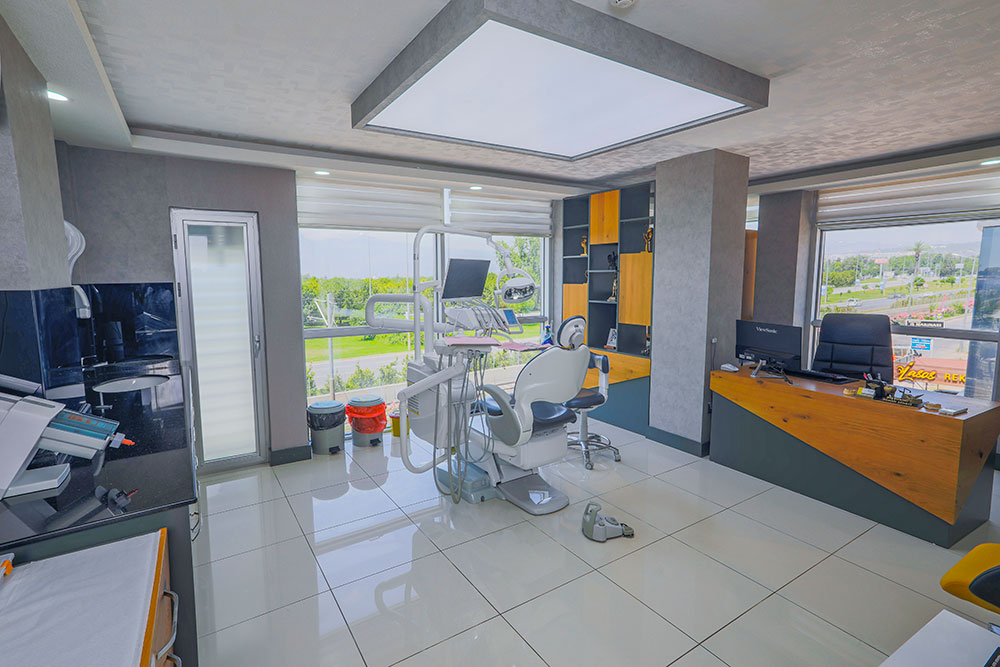
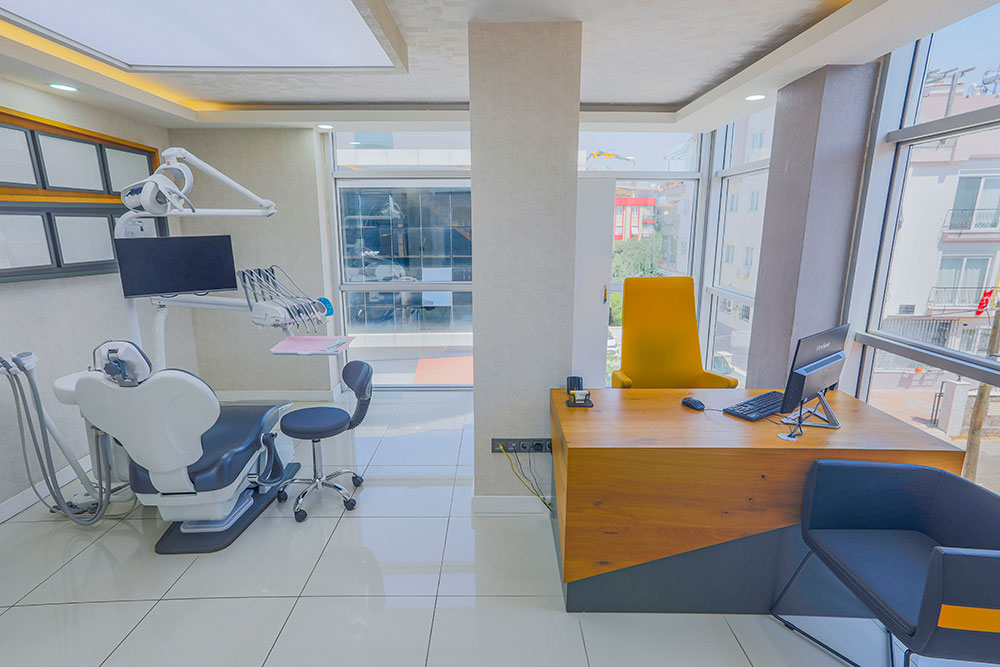
Umut Dental Clinic Antalya – clinic photo 1
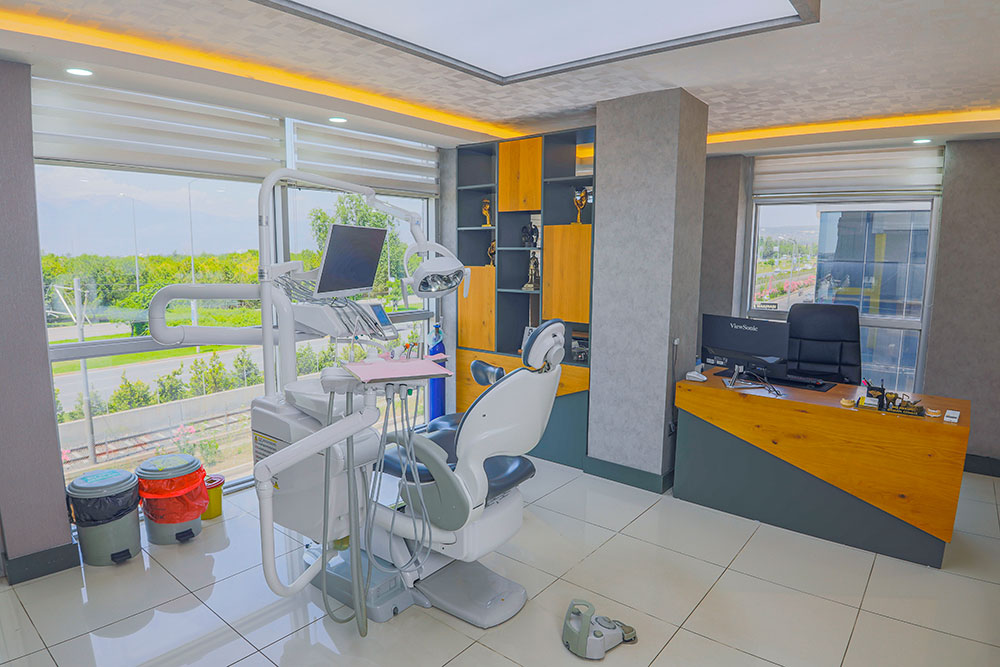
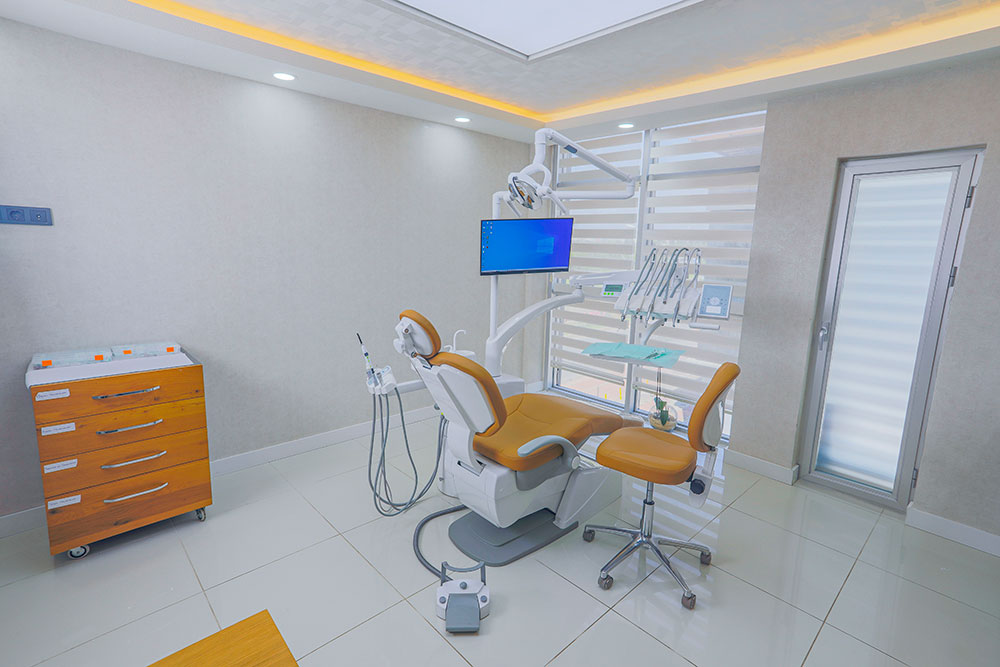
Umut Dental Clinic Antalya – clinic photo 2
Umut Dental Clinic Antalya – clinic photo 3
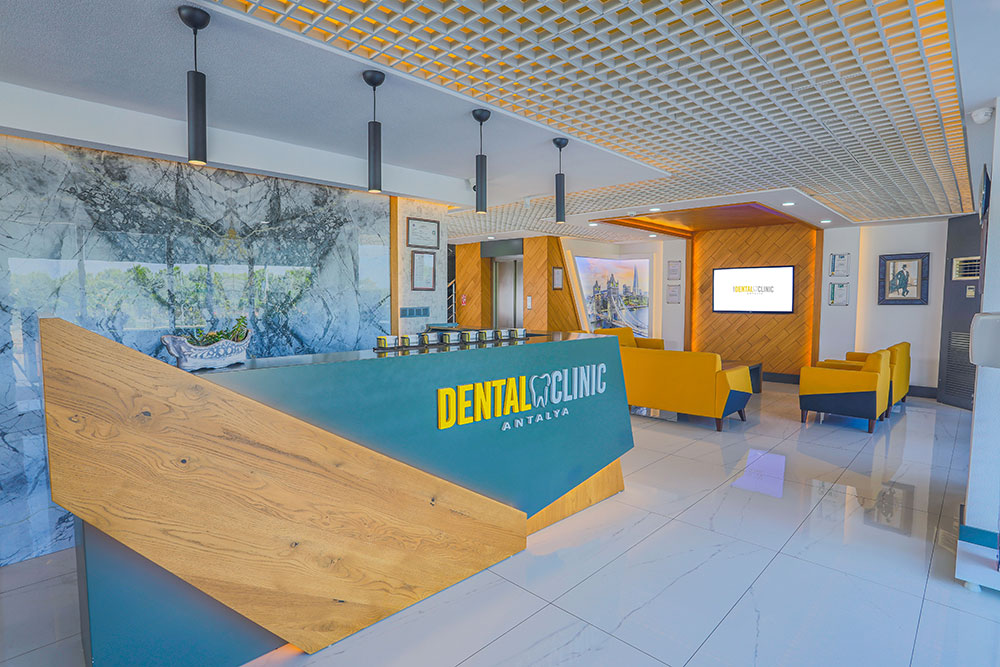
Umut Dental Clinic Antalya – clinic photo 4
Umut Dental Clinic Antalya – clinic photo 5
Umut Dental Clinic Antalya – clinic photo 6
Welcome to Umut Dental

Our Clinic

Every smile tells a story — and we've been part of thousands of them for over 17 years.

Located in the heart of Antalya, our clinic combines trusted experience with the latest dental technology. Our skilled and caring dentists create healthy, natural and long-lasting results — and from your first consultation to your final check-up, you'll feel cared for not just as a patient, but as part of our family.

  • Specialist Dentists
  • Latest Technology
  • Modern, Hygienic Clinic
  • Patient Coordinators
Testimonials

By Your Side at Every Step

At Umut Dental Clinic Antalya, we're by your side through every stage of your smile journey — with care, honesty, and expertise.

Umut Dental Clinic patient

The whole process from getting picked up friendly service from taxi driver to staying in hotel provided excellent friendly staff, appointments on time very lovely staff at clinic experience dental advice. Obviously its never a good experience to have your teeth out but never the less after care and advice on any issues is excellent and if you need to talk or chat can be done via WhatsApp, cant fault the service in my opinion.

Umut Dental Clinic patient

The overall service is very good. We were supported by Ibru who spoke good English. I had top and bottom teeth done. It includes sinus uplift, bone graft, German implants and porcelain veneers. The transfers from Airport were included as well as hotel and medication. They have the lab in the same location where the technicians make the teeth and crowns. Very pleased for the all round service.

Umut Dental Clinic patient

I simply must thank you for making my dental experience as painless as possible. You were exactly what I was looking for in a dentist. Thank you for keeping me at ease during my appointment. The communication throughout my time at the clinic and at the hotel was fantastic and any questions I had were answered swiftly. I'm looking forward to returning in April for more treatment. — Annmarie 🇬🇧

Umut Dental Clinic patient

Me and my partner had a fantastic experience here. Both of our dentists were perfectionists and gave us exactly what we wanted. We wouldn't change a thing about our teeth now. We are so confident and delighted with our smiles now. We also got to bring our 2 year old with us, which was so convenient for us, and everybody was great with him! I highly recommend this place!

Umut Dental Clinic patient

Couldn't be more pleasant. Great atmosphere, lovely people working there and they won't give up — they will get your teeth done no matter what obstacle they may encounter. I recommend Umut Dental for great results. Thank you to all staff there.

Patient Stories

Trusted by Patients Around the World

Real experiences from real Umut Dental Clinic patients.

What our patients say on Trustpilot
JD
John DunbarNew Zealand · Sep 14, 2026

This is by far the easiest review I have ever done. Umut Dental Clinic is the one stop shop for everything dental which is so very important. These people are true professionals from the front door to the engine room and beyond. I have made friends with my dentist Dr Osman the head of Umut Dental Clinic and he leads by example and creates a fantastic experience and outcome for us their clients. I am more than happy to recommend Umut Dental Clinic for all your dental works and answer any of your questions. Make the right call. Call Umut Dental Clinic.

A
AnnetteUnited Kingdom · Apr 21, 2026

My visit to Umut dental clinic was amazing.
FATIH SUNAR was my dentist he is an amazing dentist, i wasn't the easiest of patients through nerves.
I couldn't be happier with the overall service i received.
I would whole heartily recommend this clinic for any treatments.
Thankyou

TH
Thomas Trevor HoweGermany · Apr 1, 2026

I was quite nervous before I sat in the chair, but once there i was made feel comfortable and relaxed.
I had quite a bit of work done and what I really liked was the speed my dentist worked at,, I was out of the chair with 7 implants in less than 2 hours ..
The place is spotless , the equipment is more than up to date.
The price I was quoted was the price I paid. I will return for yearly check ups as I wouldnt want anyone else looking after me.
Well done to a very professional team !!

CT
Christine ThomasUnited Kingdom · Jan 19, 2026

My doctor was Faith Sunar, I'm very pleased with how professional he was and how much care he took in his work to make sure I was happy with my new teeth.
They corrected my problems and give me a new set as my old ones were not fitting properly, which was under my gaurentee.
I was seen each day for 4 days , they made sure everything was perfect before I flew back home to England uk.
The clinic was exceptionally clean and spotless.
Beyza was very helpfull to our needs and spoke very good English , she was very kind from start to finish.
Is definitely 100./. Recommend this dentist practice to anyone I'd give them 10/10.

TE
Theresa EnglishUnited Kingdom · Nov 14, 2025

Had excellent treatment with UMUT - extremely well organised and professional. I was talked through the procedure all the way through, given medication which made the process pain free and bearable. My dentist was lovely and only happy when everything was absolutely perfect. When you have so much choice of dentistry in Antalya, it can feel like a very hard decision to make but I would totally recommend this clinic. Thanks again to my fabulous dentist Tugce Aricetin

JR
Jason RobertsonUnited Kingdom · Nov 8, 2025

What a perfect clinic from start to finish I would recommend them to anyone around the world so professional hygiene is amazing on my life you would think you was in a clinic were the famous people go the United Kingdom doesn't even come close to Umut dental clinic I couldn't be happier 12 out of 10 best thing I've ever done so happy thank you umut thank thank you and thank you Dentist Tugce and thank you to the whole team

A
ArieNetherlands · Oct 29, 2025

it was great service and very helpfull friendly team also the transport to clinic was excellent. the hotel also was nice and friendly people and nice breakfast. i'm looking forward to visit Antalya and all the nice people in april again, very beutifull beach also. thank you for helping me and i hope to see you in april for finishing

O
OlgaGermany · Jul 11, 2025

I had dental treatment at Umut Clinic Antalya, and I can confidently say—three years later—that this clinic truly delivers on its promise of quality and guarantee. The results of my treatment have remained excellent over time, and I'm still very happy with everything they did.
The entire team is extremely friendly, professional, and caring. The dentists are highly trained and very experienced, which immediately gave me a sense of trust and security. They took time to explain everything clearly and made sure I felt comfortable throughout the process.
What also sets Umut Zahnklinik apart is their exceptional service for international patients. From airport pickup to accommodation support, everything was well-organized and stress-free. You really feel taken care of from start to finish.
I can highly recommend Umut Zahnklinik to anyone looking for high-quality dental care in Turkey. A great clinic with lasting results and a warm, welcoming team!

Our Team

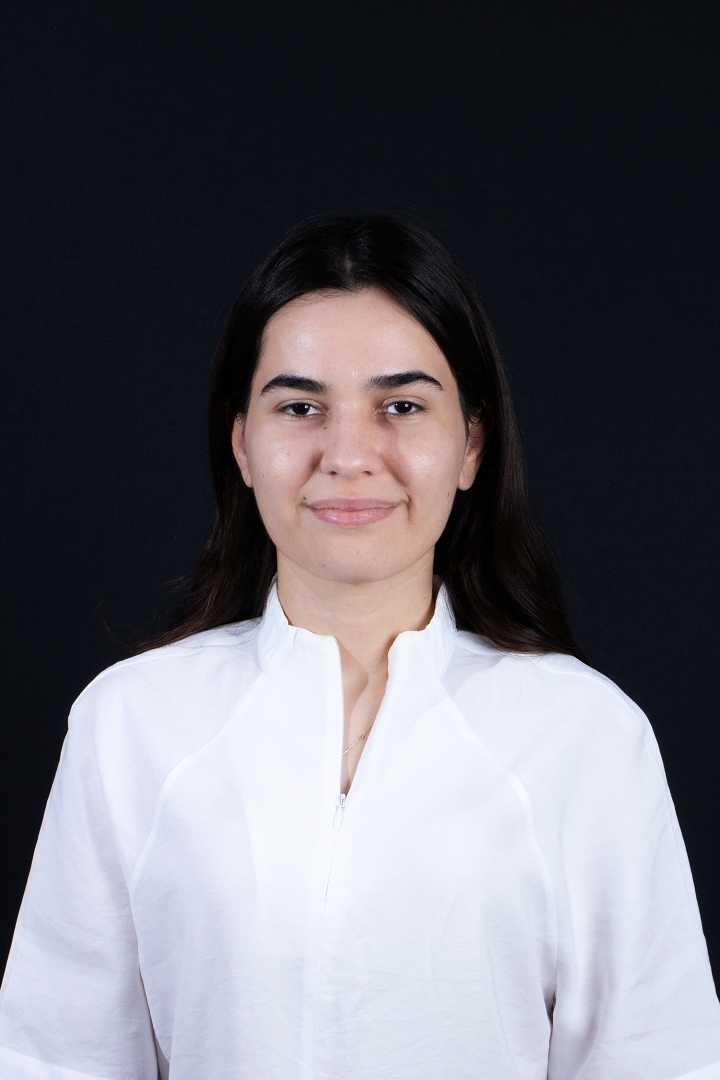
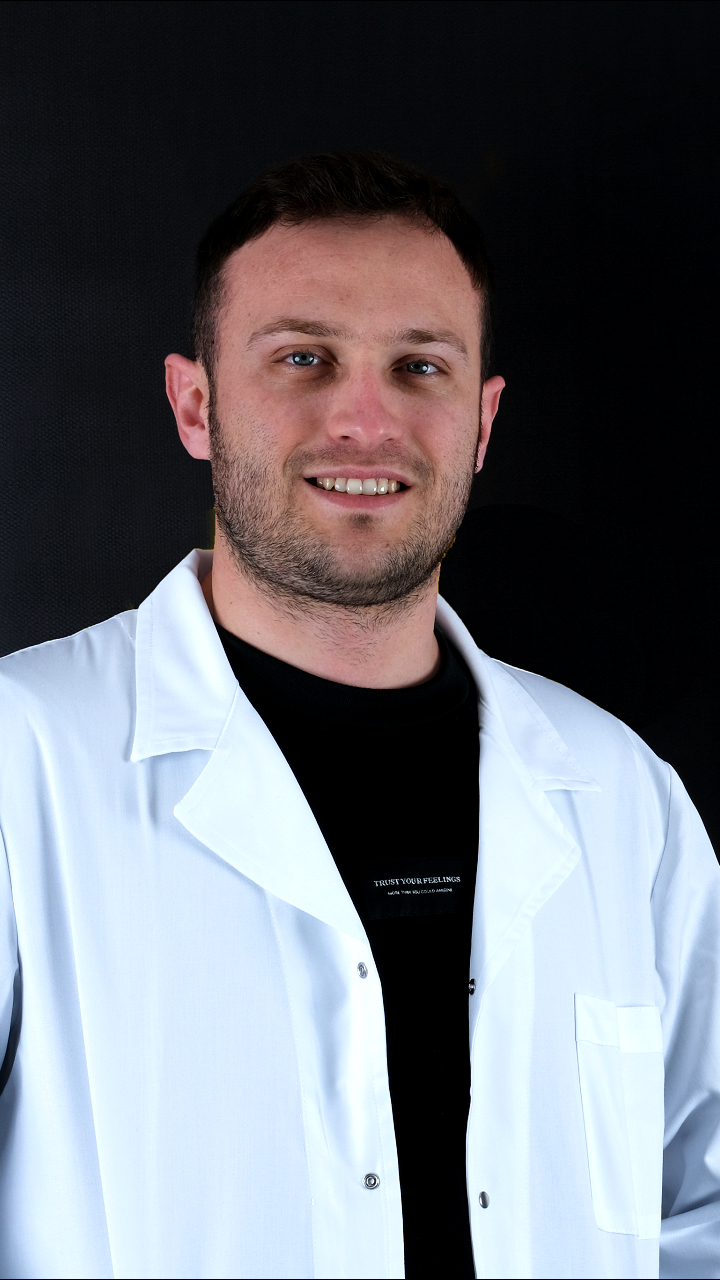
Meet Our Doctors

Experienced clinicians dedicated to natural, healthy and long-lasting smile outcomes.

Dr. Osman Cengiz – Umut Dental Clinic Antalya

Dr. Osman Cengiz

Clinic Founder
Dr. Ayşe Dilara Yüzgeç – Umut Dental Clinic Antalya

Dr. Ayşe Dilara Yüzgeç

Dentist
Dr. Fatih Sunar – Umut Dental Clinic Antalya

Dr. Fatih Sunar

Dentist
Dr. Tuğba Taş Mammadov – Umut Dental Clinic Antalya

Dr. Tuğba Taş Mammadov

Dentist
Dr. Melisa Köse – Umut Dental Clinic Antalya

Dr. Melisa Köse

Dentist
Dr. Abdullah Zeki Ceylan – Umut Dental Clinic Antalya

Dr. Abdullah Zeki Ceylan

Dentist
Dr. Merve Yıldırım – Umut Dental Clinic Antalya

Dr. Merve Yıldırım

Dentist
Dr. Samet Dönmez – Umut Dental Clinic Antalya

Dr. Samet Dönmez

Dentist

Online Consultation

Leave your contact information and we will contact you soon.