Homepage
Treatments
Dental Implants
Oral & Jaw Surgery
Aesthetic Smile Design
Crowns, Bridges & Dentures
General & Restorative
Gum & Jaw Joint Care
Comfort & Children
See all treatments →
Smile Gallery Package List Dental Events About Us Blog Contact

Bone Grafting

How It Works

3 Steps to a Healthy Smile

From your first message to your final check-up, we're with you at every stage of your treatment journey.

1

Online Consultation & Planning

Share your details and photos with us. Our patient advisors evaluate your case with our dentists and prepare a personalised treatment plan with clear timelines and pricing.

2

Arrival & Treatment

We help organise your travel and stay. Once you arrive, all examinations and treatments are carried out in our fully equipped clinic in Antalya.

Book Appointment
3

Your New Smile & Aftercare

Your treatment is completed as planned. Enjoy your healthy, confident smile, relax in Antalya — and stay in touch with us for aftercare once you're home.

Bone Grafting

Bone grafting in dentistry is a procedure used to rebuild or strengthen the jawbone when it has thinned, shrunk or become too weak to support teeth or dental implants. It is usually considered if you have had missing teeth for a long time, advanced gum disease, trauma, or if imaging shows that the jawbone is too narrow or too low for safe implant placement. During a bone graft, your dentist or oral surgeon places bone material in the deficient area, then allows it to heal and fuse with your natural bone over several months. On this page, you will learn what bone grafting is, who may benefit from it, when it is delayed, how the procedure is done step by step, what to expect during healing and recovery, what you can eat, and the main risks and alternatives, including how it can be combined with other treatments such as dental implants.

What Is Bone Grafting and When Is It Needed?

Bone grafting is a procedure in which bone or bone-like material is added to areas of your jaw where bone volume has been lost or is not sufficient to support teeth or dental implants. The goal is to stimulate new bone growth and create a stronger, thicker foundation for future dental work or to stabilise remaining teeth.

Your jawbone is naturally stimulated and maintained by the pressure of chewing through your teeth. When a tooth is missing, that area of bone often begins to shrink and resorb over time. This can happen faster than many people expect, sometimes starting within months after an extraction. Bone grafting is often considered in the following situations:

  • Before or during placement of dental implants when the existing bone height or width is not enough.
  • After tooth extraction to preserve the empty socket and reduce future bone loss.
  • When gum disease (periodontitis) has caused bone defects around existing teeth.
  • After trauma or injury to the jaw that has led to bone loss or deformity.
  • To correct irregularities in the jaw shape that affect function, aesthetics, or denture fit.

For example, if a molar in the upper jaw was removed several years ago and you now want an implant, X-rays or 3D scans may show that the bone under the sinus has become too thin. In that case, a type of bone graft called a sinus lift may be suggested. Similarly, in the lower jaw, long-standing missing teeth can leave a narrow ridge that cannot safely hold an implant without grafting.

Bone grafting is not done blindly. Your dentist will first carry out a clinical examination and imaging to determine if bone volume is truly insufficient, or if implants or other treatments can be placed without grafting. In some cases, alternatives such as shorter or angled implants, or solutions like All-on-4 implant concepts, may reduce or remove the need for bone grafting, depending on your individual anatomy and general health.

The decision to recommend bone grafting is made after weighing the potential benefits, healing time, and your personal treatment goals. Not everyone with bone loss needs a graft, but it becomes important when the lack of bone would otherwise compromise the stability or long-term success of a planned treatment.

How Does Bone Grafting Support Teeth and Dental Implants?

Bone grafting supports teeth and dental implants by restoring lost jawbone volume so that teeth or implants are anchored in stronger, denser bone. This improved support helps with function, stability and long-term durability of the restoration.

Healthy jawbone acts like the foundation of a building: it keeps teeth and dental implants steady under biting and chewing forces. When bone is missing or thin, several problems can appear:

  • Natural teeth may become loose or drift out of position.
  • Dental implants may not be possible or may have a higher risk of failure if placed in weak bone.
  • The shape of the face can change, with a sunken appearance around the cheeks and lips.
  • Removable dentures may not stay in place or may cause sore spots.

During a bone graft, the graft material acts as a scaffold. Over time, your body’s own bone cells grow into this scaffold, replacing much of it with living bone through a process called “remodelling”. This process usually takes several months. When successful, the result is a thicker or higher ridge of jawbone that can hold implants at a better angle and depth.

For teeth affected by periodontal disease, targeted bone grafts around the tooth roots can sometimes help fill in specific bone defects. The aim is to reduce pocket depth, improve tooth stability, and support the surrounding gum tissue. This approach is usually combined with deep cleaning and strict home care, because grafting alone cannot control active infection or poor oral hygiene.

Bone grafting is especially important in the upper back jaw where the maxillary sinus lies just above the roots of the molars. When teeth in this area are lost, the sinus floor can “drop down” and bone height can decrease. A sinus lift, a special type of bone graft under the sinus membrane, raises the sinus floor and adds bone so implants can be placed at a safer distance from the sinus cavity.

For full-arch treatments, such as implant-supported bridges or concepts like All-on-6 implant restorations, bone grafting may be required in certain regions to distribute chewing forces evenly, reduce the risk of implant overload, and improve the fit and appearance of the final teeth. Your dentist will evaluate where support is lacking and whether grafting or alternative implant positions are more appropriate for your case.

Everything You Need to Know

More about Bone Grafting

Who Is a Good Candidate for Bone Grafting?

A good candidate for bone grafting is someone who has lost jawbone volume but is generally healthy enough to heal and is motivated to maintain careful oral hygiene and follow post-operative instructions. Both local bone conditions and overall health are important when deciding.

You may be considered a suitable candidate if:

  • You have missing teeth and imaging shows insufficient bone for stable implant placement.
  • Your gums are free from uncontrolled infection, or any gum disease is being actively treated.
  • You do not have medical conditions that severely impair wound healing, or they are well controlled under medical supervision.
  • You do not smoke, or you are willing to stop smoking around the time of surgery as advised by your dentist or physician.
  • You can attend all planned follow-up visits, including later stages like implant placement.

Age alone is not usually a barrier, as long as healing capacity is acceptable. For example, a healthy 70-year-old with stable medical conditions may heal better than a younger person who smokes heavily and neglects oral hygiene. Your dentist will typically ask for a full medical history, including information about blood pressure, diabetes, bone diseases, past radiotherapy to the head or neck, and any medications that can affect bone or blood clotting.

Emotional readiness and expectations are also part of candidacy. Bone grafting and implant treatment often happen over several months, so you need to be prepared for a step-by-step process rather than a rapid change. A clear conversation about what can realistically be achieved helps avoid disappointment later.

Sometimes, a bone graft may be suggested as a preventive step during tooth extraction, even if you are not yet sure about implants. This is known as socket preservation and is often suitable for patients considering future implant options, giving them more flexibility later.

The final decision on whether you are a good candidate is made after a clinical examination, review of your medical status, and analysis of X-rays or 3D scans. If you are not ideal for a particular type of graft, your dentist may reshape the treatment plan, choose different implant positions or sizes, or suggest non-surgical options such as dental bridges or removable prostheses.

How Is Bone Loss Diagnosed Before Bone Grafting?

Bone loss before bone grafting is diagnosed through a combination of clinical examination and imaging tests, most commonly X-rays and 3D scans that show the height, width, and quality of your jawbone. This assessment helps your dentist plan whether a graft is needed, where it should be placed, and what size and shape it should have.

The process usually involves several steps:

  • Clinical examination: Your dentist looks inside your mouth, checking the shape of the jaw ridge, the firmness of the gums, and the stability of any remaining teeth. Areas that feel very narrow, sharp, or sunken may already suggest bone loss.
  • Conventional X-rays: Periapical or panoramic X-rays give a two-dimensional view of your jaws. They are useful for a general idea of bone height, the position of the sinus in the upper jaw, and the relationship between tooth roots and important structures such as the nerve canal in the lower jaw.
  • 3D cone-beam CT (CBCT) scan: For implant planning and detailed grafting, a CBCT scan is often recommended. This shows the bone volume in three dimensions and allows precise measurements of thickness and height at specific sites.
  • Periodontal charting: If gum disease is present, the dentist may measure the depth of gum pockets around teeth. Deep pockets and bleeding may indicate underlying bone defects that can sometimes be improved with targeted grafting.

Imaging is also used to identify important anatomic structures that must be protected, such as the maxillary sinus, nasal cavity, and main nerves. For example, in the upper jaw, the scan helps determine whether a sinus lift is required. In the lower jaw, it ensures that implants and grafts are placed at a safe distance from the nerve canal that supplies sensation to the lip and chin.

Bone quality, not just quantity, matters. Some areas of bone are denser and provide better initial stability for implants, while others are softer. The scan can give an indication of this density by the grey levels seen. This information helps your dentist choose appropriate techniques and the timing of implant placement in relation to the graft.

Once all data are collected, a personalized treatment plan is created. This plan may include bone grafting alone, grafting with simultaneous implants, or implants without grafting if bone levels are adequate. Your dentist will explain the findings using your X-ray or scan images so you can visualise where bone is missing and how the proposed graft aims to rebuild it.

How Is a Bone Graft Done Step by Step?

A dental bone graft is done in several structured steps, starting from preparation and anesthesia, continuing with graft placement, and ending with careful closure and instructions for healing. The exact technique depends on the area being treated and the amount of bone needed, but most procedures follow a similar sequence.

A typical step-by-step process is:

  1. Assessment and planning: Before surgery day, your dentist reviews your medical history, examines your mouth, and studies X-rays or 3D scans. A plan is made regarding the graft type, location, and whether implants will be placed at the same time or later.
  2. Anesthesia: On the day of surgery, local anesthesia is applied to numb the area so you do not feel sharp pain during the procedure. For anxious patients or larger grafts, sedation options may be discussed in advance.
  3. Incision and access: A small incision is made in the gum to gently lift the tissue and expose the underlying jawbone. The flap is designed so that it can be closed back over the graft without tension.
  4. Site preparation: The bone surface may be gently cleaned or shaped to remove any soft tissue and create a suitable bed for the graft. If a sinus lift is being performed, the sinus membrane is carefully lifted upwards to create space.
  5. Placement of graft material: The chosen bone graft material is placed into or onto the prepared area. It may be packed into a defect, layered to add width, or positioned under the lifted sinus membrane. The graft acts as a scaffold for new bone growth.
  6. Use of membranes or fixation (if needed): In many cases, a barrier membrane is placed over the graft to protect it from soft tissue ingrowth and support stable healing. Sometimes small screws, pins, or meshes are used to stabilize larger grafts, depending on the technique.
  7. Gum closure: The gum tissue is repositioned over the graft and sutured (stitched) carefully to achieve a snug, closed wound. This helps protect the graft from the oral environment.
  8. Immediate post-operative care: You receive instructions on biting gently on gauze if needed, applying cold compresses on the face, and which activities to avoid. Any prescribed medications are explained by the dentist or physician.

In some cases, especially when there is enough initial stability, dental implants can be placed at the same time as the bone graft. In others, the graft is given time to heal first, usually several months, before implants are inserted in a second procedure.

Throughout the procedure, steps are taken to minimize trauma to the tissues and maintain cleanliness of the surgical field. The exact duration and complexity depend on whether a small socket graft or a more extensive ridge augmentation or sinus lift is being done. Your dentist will explain which type applies to you and how it fits into your overall treatment plan.

How Long Does Bone Grafting Take and How Many Visits Are Needed?

Bone grafting usually takes between 30 minutes and 2 hours per session, depending on the size and location of the graft, and often requires multiple visits spread over several months for planning, surgery, and follow-up checks. The full journey from graft placement to final teeth or implants can range from about 3 to 12 months.

The number and type of visits often include:

  • Initial consultation and planning visit: During this visit, your dentist examines your mouth, reviews your medical history, and orders or reviews X-rays or 3D scans. Treatment options, timelines, and expectations are discussed.
  • Pre-surgical visit (sometimes combined): Impressions, photographs, or additional measurements may be taken. Instructions for fasting (if sedation is planned), oral hygiene, and any temporary restorations are provided.
  • Bone graft surgery visit: The main procedure is done under local anesthesia, with or without sedation. The time in the chair varies: a simple socket preservation might be relatively quick, while a bilateral sinus lift with ridge augmentation takes longer.
  • Early follow-up (within 7–14 days): Sutures may be removed if non-dissolving stitches were used. The dentist checks for signs of infection, wound opening, or other early issues, and reinforces cleaning instructions.
  • Intermediate follow-up visits: One or more checks are usually scheduled over the next 1–3 months, especially for larger grafts, to monitor healing and make sure there are no areas of exposure or discomfort.
  • Re-evaluation and implant planning: After a healing period, often between 3 and 9 months depending on the procedure and your health, new X-rays or 3D scans are taken to assess how well the graft has integrated. If the result is satisfactory, implant placement or other restorative steps can be scheduled.

Some treatment plans aim to shorten the total timeline by combining grafting and implant placement in one session where conditions allow. Others separate the stages to reduce risk and allow more predictable healing. The choice depends on the amount of bone available at the start, your medical status, bite forces, and aesthetic needs.

Throughout this process, you may have temporary solutions such as removable dentures or temporary bridges so that you are not left without teeth in visible areas. These are usually adjusted to avoid pressure on the grafted site during the early healing period.

Your dentist will provide a personalized schedule for visits and approximate healing times based on your specific case. Any unexpected symptoms between visits, such as increasing pain, swelling, or loosening of a temporary prosthesis, should be reported so adjustments can be made promptly.

Does Bone Grafting Hurt and What Type of Anesthesia Is Used?

Bone grafting is carried out under anesthesia so you should not feel sharp pain during the procedure itself, but it is normal to experience some soreness, swelling, and discomfort in the days after surgery as the tissues heal. The type of anesthesia used depends on the extent of the graft and your level of anxiety.

For many patients, local anesthesia is sufficient. This involves injections around the treatment area to numb the teeth, gums, and nearby bone. Under local anesthesia you remain awake, feel pressure and vibration, but should not feel sharp pain. The numbness usually wears off a few hours after the appointment.

For longer or more complex bone grafts, or in very anxious patients, your dentist may suggest sedation in addition to local anesthesia. Sedation can range from mild (helping you relax but stay conscious) to deeper levels where you may not remember much of the procedure. The form of sedation, its suitability, and any need for medical clearance are decided on an individual basis.

After the procedure, discomfort is usually greatest in the first 2–3 days and then gradually improves. It often feels similar to having had a tooth extraction or minor oral surgery. Your dentist or physician will recommend suitable pain-relief medication and, if appropriate, medicines to reduce infection risk or swelling. It is important to follow their guidance on how and when to take these medications.

Using cold compresses on the outside of the face in short intervals during the first day can help reduce swelling and discomfort. Keeping your head slightly elevated while resting also helps. Many patients can return to desk-type work within a few days, but strenuous physical exercise is commonly postponed for a period recommended by the dentist.

Pain levels vary between individuals and types of grafts. A small socket preservation graft often causes milder discomfort than a large ridge augmentation or sinus lift. If pain suddenly worsens after an initial improvement, or if over-the-counter pain relief no longer helps, you should contact your dentist, as this can be a sign of infection or other complication.

The goal of the care team is to keep you as comfortable as reasonably possible, while still ensuring safe and effective surgery and healing.

What Is Recovery Like After Bone Grafting?

Recovery after bone grafting usually involves a few days of noticeable discomfort and swelling, followed by gradual improvement over 1–2 weeks, while the deeper bone healing continues quietly over several months. Most patients can resume many normal daily activities fairly soon, provided they protect the surgical area and follow instructions.

In the first 24–72 hours, you can expect:

  • Swelling and mild bruising: Swelling around the cheeks or jaw is common, sometimes with slight bruising on the skin. Cold compresses applied intermittently during the first day can help reduce this.
  • Mild bleeding or oozing: Small amounts of blood in saliva are normal. If heavier bleeding occurs, gently biting on clean gauze as directed by your dentist often helps. Bleeding that does not slow down or stop needs prompt attention.
  • Discomfort when opening the mouth or chewing: The area may feel tight or sore, especially if the graft was extensive.

From days 3–7, swelling usually starts to reduce, and bruising may change colour as it heals. Stitches may still be present, and you are often advised to avoid disturbing the area with your tongue or fingers. Gentle mouth rinsing with a suitable solution recommended by your dentist may begin, but vigorous swishing is usually avoided early on.

Key aspects of recovery include:

  • Oral hygiene: Keeping the mouth clean is vital to reduce infection. You will be told how to brush the unaffected areas normally, and how to gently clean near the surgical site without harming the stitches or graft.
  • Diet: Soft foods are recommended, especially on the grafted side, to avoid pressure and trauma. Chewing is often directed to the opposite side if possible.
  • Avoiding harmful habits: Smoking, drinking through a straw, or forceful spitting can disturb the blood clot that protects the graft and delay healing. These are usually discouraged for a defined period.
  • Activity level: Light daily activities are commonly allowed after a short rest period, but heavy lifting or intense exercise is usually postponed for several days or longer, depending on the case.

The surface gums typically heal within 2–3 weeks, while the deeper bone integration of the graft may take 3–9 months or more, depending on the graft size, your biology, and general health. During this period, you may forget the graft is there most of the time, but you still need to avoid any undue pressure from hard or sharp foods and keep regular dental check-ups.

Warning signs that require urgent dental attention include severe or increasing pain after an initial improvement, significant facial swelling, pus discharge, foul taste that persists, fever, or difficulty swallowing or breathing. Early detection and management of any complication help protect the graft and your general health.

What Can I Eat After Bone Grafting?

After bone grafting, you should eat soft, cool to lukewarm foods that require minimal chewing, especially on or near the operated side, gradually returning to a more normal diet as healing progresses and your dentist confirms it is safe. The goal is to nourish your body without disturbing the graft or stitches.

For the first 24–48 hours, recommended options typically include:

  • Yogurt, pudding, and smoothies (without using a straw).
  • Mashed potatoes, pureed vegetables, and soft scrambled eggs.
  • Soups at lukewarm temperature (not too hot) that do not contain hard chunks.
  • Soft porridge, oatmeal, or well-cooked rice.

Strong suction in the mouth, such as sipping through a straw or vigorous rinsing, is usually avoided early on because it can interfere with the blood clot and initial stability of the graft. Very hot foods and drinks are also discouraged, as they may increase bleeding and swelling.

Over the next several days, if healing is progressing well, you can slowly introduce foods that are soft but a bit more textured, chewing gently on the opposite side if possible. Examples include:

  • Well-cooked pasta and soft noodles.
  • Soft fish without bones.
  • Stewed or minced meats in small, tender pieces.
  • Ripe bananas and soft fruits without seeds or skin that might irritate the area.

Foods to avoid during the early healing period generally include:

  • Hard or crunchy items such as nuts, croutons, raw carrots, and hard bread crusts.
  • Sticky foods like chewing gum or caramel that could cling to the surgical site.
  • Spicy or acidic foods that may cause irritation.
  • Alcoholic drinks if your dentist or physician advises against them, particularly while taking certain medications.

Staying well hydrated with water is important, but again, avoid using a straw for the period specified by your dentist. As healing progresses beyond one to two weeks, most people can gradually move back towards a normal diet, still taking care to protect the graft by avoiding excessive pressure directly over it until your dentist confirms that the area is stable.

If you wear a removable denture or temporary prosthesis, it may need adjustment so that it does not press directly on the graft. Your dentist will guide you about when and how long it can be worn around meals to avoid irritation while still allowing functional eating.

What Are the Risks and Possible Complications of Bone Grafting?

Bone grafting, like any surgical procedure, carries risks and possible complications, although serious problems are relatively uncommon when the procedure is well planned and aftercare instructions are followed. Understanding these risks helps you make an informed decision and recognise when to seek help.

Potential risks and complications include:

  • Pain, swelling, and bruising: These are expected side effects and usually improve within days. If pain suddenly worsens after initial improvement, it may be a sign of infection or other issues.
  • Infection: Bacteria can enter the surgical site and infect the graft or surrounding tissues. Symptoms may include increased pain, swelling, redness, pus discharge, or fever. Prompt treatment by your dentist is important in such cases.
  • Bleeding: Mild oozing is normal, but persistent heavy bleeding is not and needs attention. Patients on blood-thinning medications may have a higher risk and require careful planning with their physician.
  • Graft exposure or partial loss: In some cases, the overlying gum may open, exposing part of the graft or membrane. Small exposures can sometimes be managed without full loss, but larger exposures may compromise the result and require revision.
  • Nerve irritation or altered sensation: If the graft or related surgery is close to nerves, there is a risk of temporary or, rarely, long-term changes in sensation (numbness or tingling) in areas such as the lip, chin, or gums.
  • Sinus complications (for sinus lifts): These may include sinus membrane tears, sinus congestion, or infection. Many small tears can be managed during surgery, but persistent symptoms after the procedure should be reported.
  • Delayed healing: Smoking, poorly controlled diabetes, and some medications can slow healing, increasing the risk of graft failure or prolonged discomfort.

If a graft fails to integrate sufficiently, the area may not have enough bone for implant placement, or an already placed implant may become unstable. In such situations, your dentist will discuss options, which may involve repeating the graft, choosing a different implant strategy, or considering non-implant restorations.

Warning signs that require urgent contact with your dentist or medical emergency services include severe and persistent pain, rapidly increasing facial swelling, high fever, difficulty swallowing or breathing, or bleeding that does not reduce with recommended measures. These symptoms can indicate more serious complications that need immediate assessment.

Your dentist will assess your individual risk factors before recommending bone grafting and may adjust the treatment plan to reduce risks. Following pre- and post-operative instructions closely, including oral hygiene guidelines and any medical advice, makes complications less likely and supports a more predictable healing process.

Bone Grafting in Antalya: Travel Planning and Follow-Up

Bone grafting in Antalya combines dental care with travel, so careful planning for timing, follow-up, and communication with your dentist is essential. The treatment is usually spread over months, so it is important to understand which steps can be completed during your visit and which will require later returns or coordination with a local dentist in your home country.

For international patients, the typical approach is:

  • Remote assessment: Before booking travel, you can often share details of your dental history, photos, and any existing X-rays with the clinic for an initial opinion about whether bone grafting or implant treatment might be needed.
  • First visit to Antalya: During this visit, your dentist performs a full clinical examination and any required imaging, such as panoramic X-rays or 3D scans. The final treatment plan is explained, including whether grafts and implants will be done together or in stages.
  • Surgery scheduling: Bone grafting is then performed with sufficient days left in your trip to allow an early post-operative check, usually within about a week. This visit is used to review healing and adjust any temporary prostheses.

Because bone integration takes several months, the next stage, such as implant placement, is usually scheduled for a later trip once the graft has healed. The time between visits varies depending on the type of graft and your healing response, but often ranges from around 3 to 9 months.

During the period when you are back home, good communication is important. If any unusual symptoms arise, such as persistent swelling, pain, or suspected infection, contacting the Antalya clinic and, if needed, a local dentist helps protect your treatment outcome. Many patients have routine checks with a local dentist while coordinating major surgical stages with the clinic abroad.

Travel planning should also consider practical aspects:

  • Allow at least a couple of rest days after surgery before flying, especially for more extensive grafts.
  • Plan for a soft diet during your stay, as chewing may be limited.
  • Clarify how temporary restorations will be managed so that speaking and appearance are acceptable between stages.

At Umut Dental Clinic Antalya, patients can share their details and X-rays for an online consultation before planning travel, helping to estimate the likely number and timing of visits needed for bone grafting and related treatments.

The information on this page is for general education only and does not replace an examination, diagnosis or treatment. See a dentist for any concerns about your oral health.

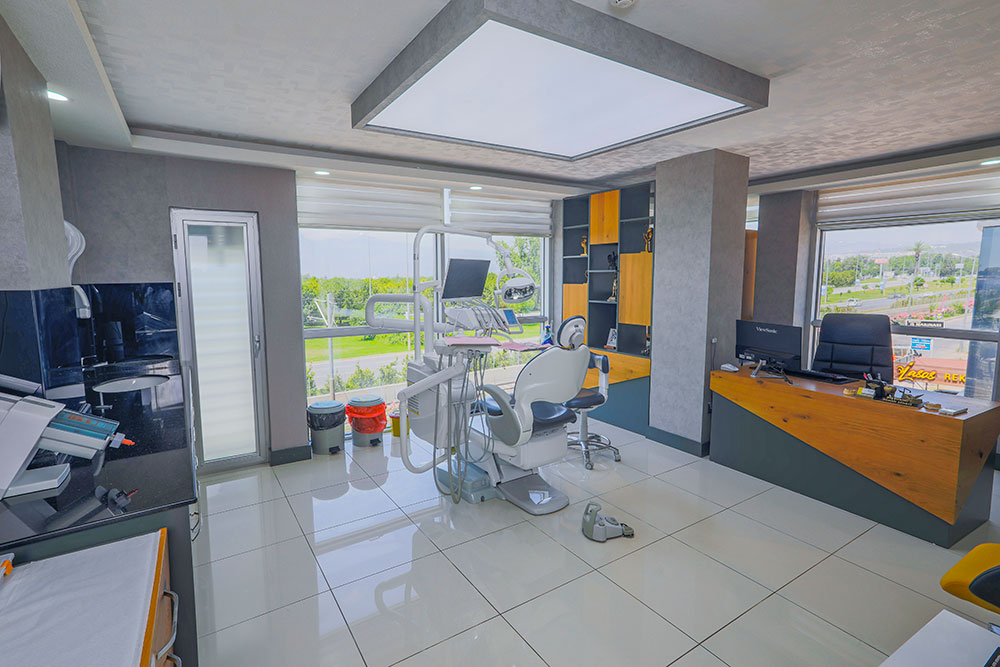
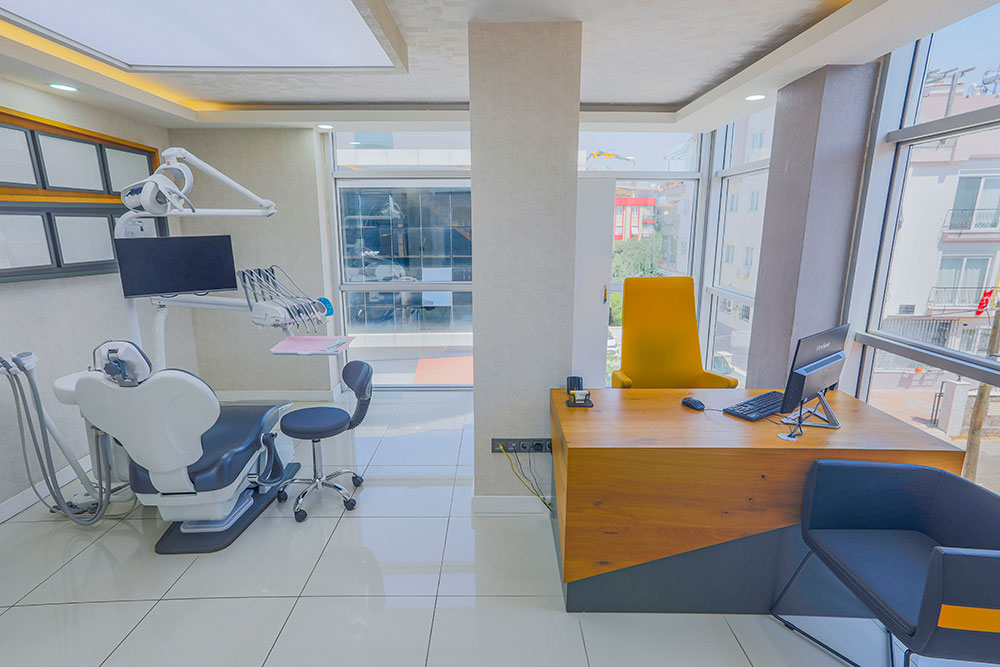
Umut Dental Clinic Antalya – clinic photo 1
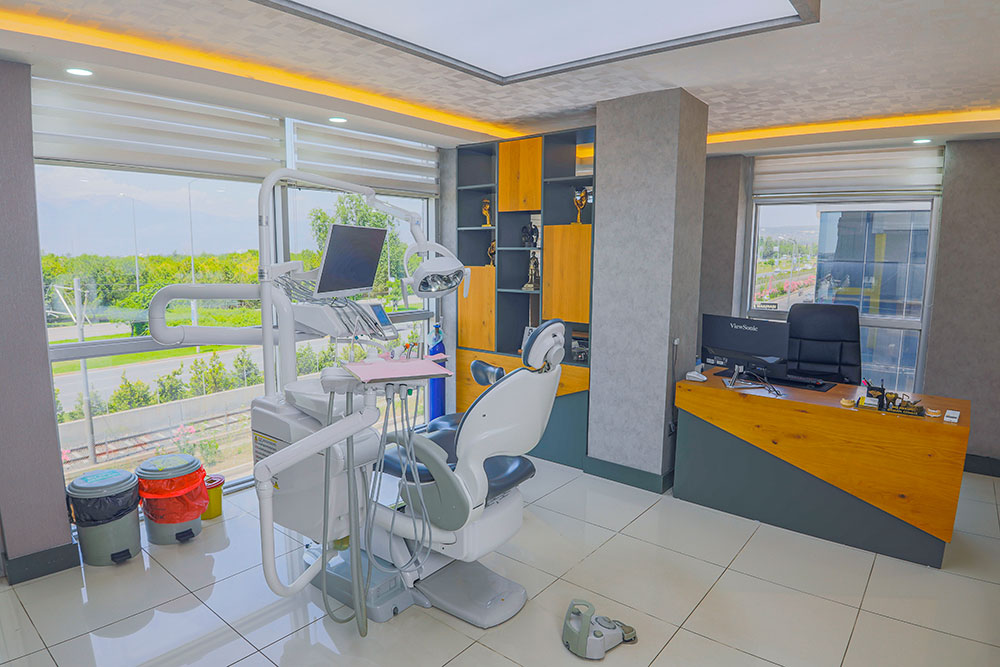
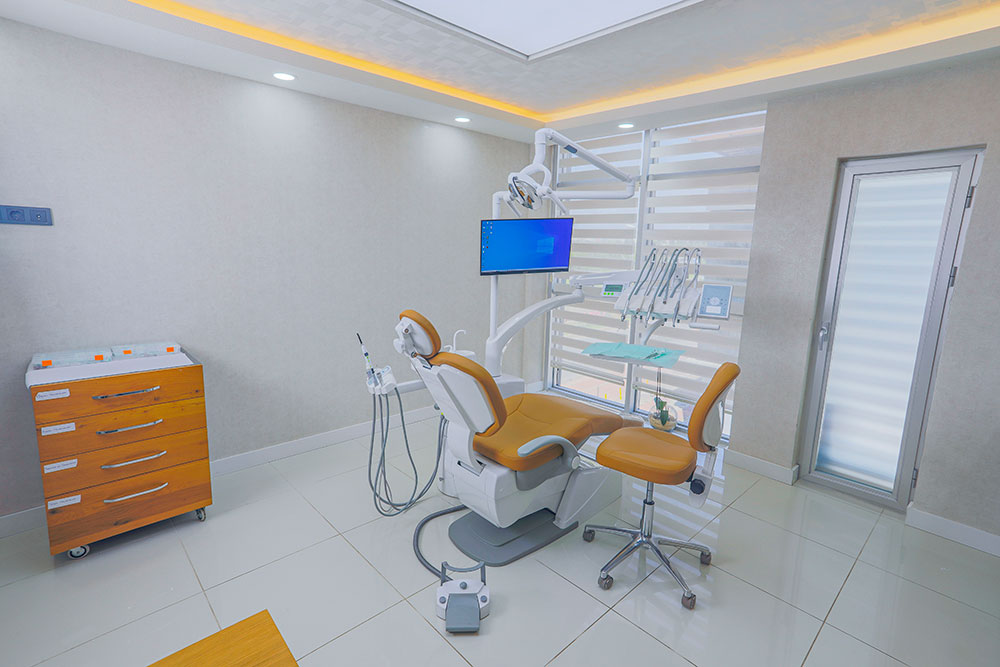
Umut Dental Clinic Antalya – clinic photo 2
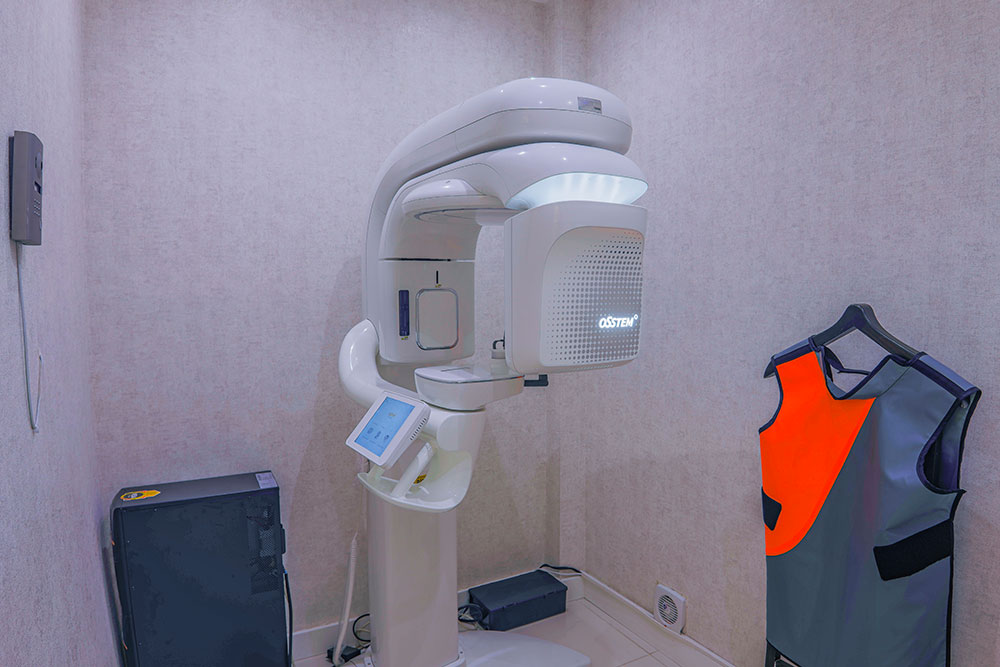
Umut Dental Clinic Antalya – clinic photo 3
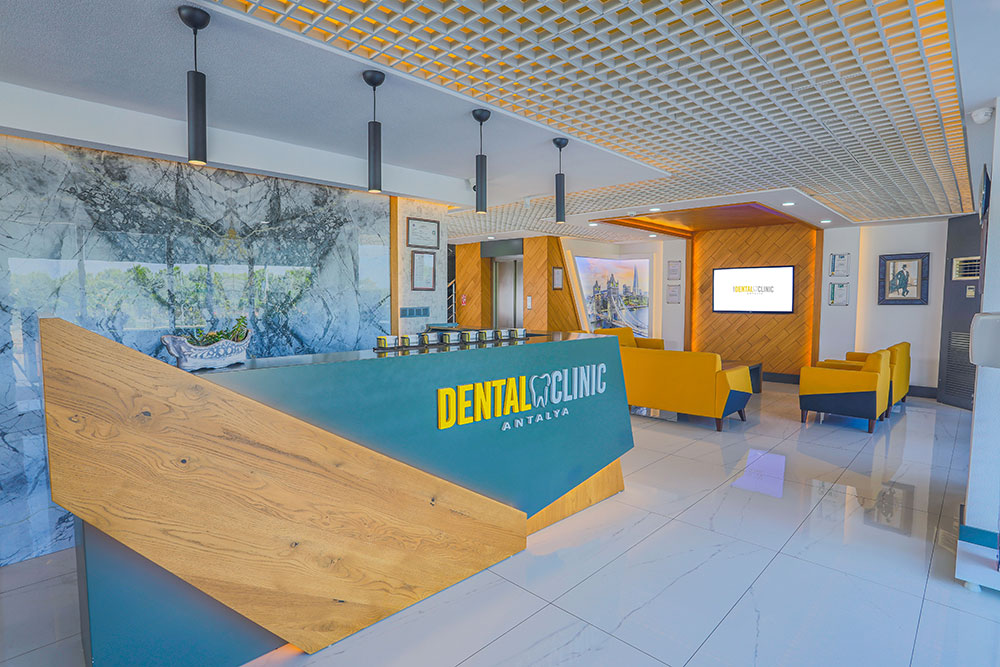
Umut Dental Clinic Antalya – clinic photo 4
Umut Dental Clinic Antalya – clinic photo 5
Umut Dental Clinic Antalya – clinic photo 6
Welcome to Umut Dental

Our Clinic

Every smile tells a story — and we've been part of thousands of them for over 17 years.

Located in the heart of Antalya, our clinic combines trusted experience with the latest dental technology. Our skilled and caring dentists create healthy, natural and long-lasting results — and from your first consultation to your final check-up, you'll feel cared for not just as a patient, but as part of our family.

  • Specialist Dentists
  • Latest Technology
  • Modern, Hygienic Clinic
  • Patient Coordinators
Testimonials

By Your Side at Every Step

At Umut Dental Clinic Antalya, we're by your side through every stage of your smile journey — with care, honesty, and expertise.

Umut Dental Clinic patient

The whole process from getting picked up friendly service from taxi driver to staying in hotel provided excellent friendly staff, appointments on time very lovely staff at clinic experience dental advice. Obviously its never a good experience to have your teeth out but never the less after care and advice on any issues is excellent and if you need to talk or chat can be done via WhatsApp, cant fault the service in my opinion.

Umut Dental Clinic patient

The overall service is very good. We were supported by Ibru who spoke good English. I had top and bottom teeth done. It includes sinus uplift, bone graft, German implants and porcelain veneers. The transfers from Airport were included as well as hotel and medication. They have the lab in the same location where the technicians make the teeth and crowns. Very pleased for the all round service.

Umut Dental Clinic patient

I simply must thank you for making my dental experience as painless as possible. You were exactly what I was looking for in a dentist. Thank you for keeping me at ease during my appointment. The communication throughout my time at the clinic and at the hotel was fantastic and any questions I had were answered swiftly. I'm looking forward to returning in April for more treatment. — Annmarie 🇬🇧

Umut Dental Clinic patient

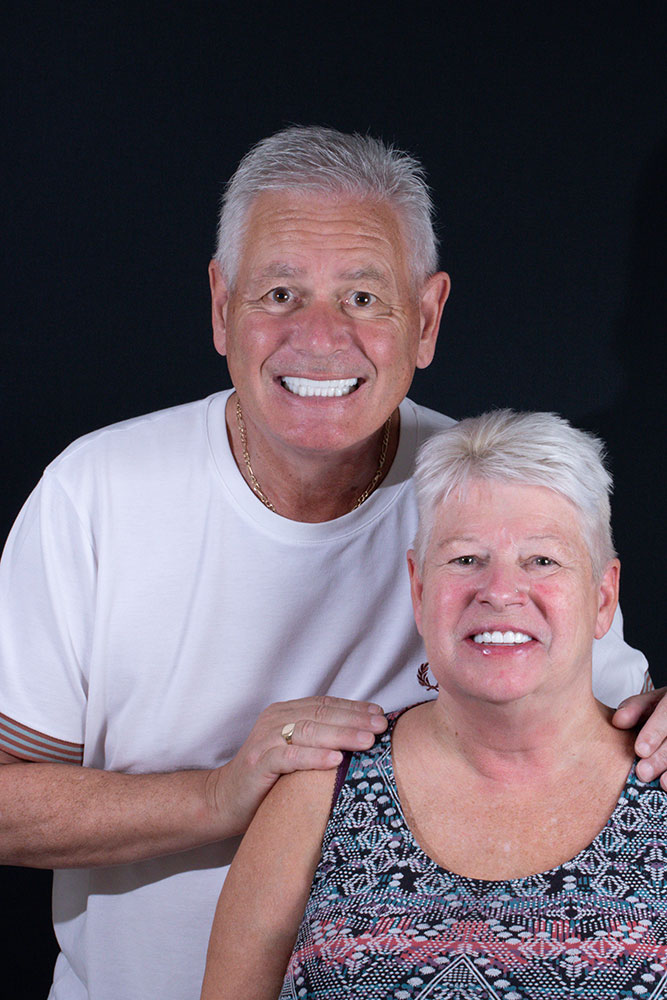
Me and my partner had a fantastic experience here. Both of our dentists were perfectionists and gave us exactly what we wanted. We wouldn't change a thing about our teeth now. We are so confident and delighted with our smiles now. We also got to bring our 2 year old with us, which was so convenient for us, and everybody was great with him! I highly recommend this place!

Umut Dental Clinic patient

Couldn't be more pleasant. Great atmosphere, lovely people working there and they won't give up — they will get your teeth done no matter what obstacle they may encounter. I recommend Umut Dental for great results. Thank you to all staff there.

Patient Stories

Trusted by Patients Around the World

Real experiences from real Umut Dental Clinic patients.

What our patients say on Trustpilot
JD
John DunbarNew Zealand · Sep 14, 2026

This is by far the easiest review I have ever done. Umut Dental Clinic is the one stop shop for everything dental which is so very important. These people are true professionals from the front door to the engine room and beyond. I have made friends with my dentist Dr Osman the head of Umut Dental Clinic and he leads by example and creates a fantastic experience and outcome for us their clients. I am more than happy to recommend Umut Dental Clinic for all your dental works and answer any of your questions. Make the right call. Call Umut Dental Clinic.

A
AnnetteUnited Kingdom · Apr 21, 2026

My visit to Umut dental clinic was amazing.
FATIH SUNAR was my dentist he is an amazing dentist, i wasn't the easiest of patients through nerves.
I couldn't be happier with the overall service i received.
I would whole heartily recommend this clinic for any treatments.
Thankyou

TH
Thomas Trevor HoweGermany · Apr 1, 2026

I was quite nervous before I sat in the chair, but once there i was made feel comfortable and relaxed.
I had quite a bit of work done and what I really liked was the speed my dentist worked at,, I was out of the chair with 7 implants in less than 2 hours ..
The place is spotless , the equipment is more than up to date.
The price I was quoted was the price I paid. I will return for yearly check ups as I wouldnt want anyone else looking after me.
Well done to a very professional team !!

CT
Christine ThomasUnited Kingdom · Jan 19, 2026

My doctor was Faith Sunar, I'm very pleased with how professional he was and how much care he took in his work to make sure I was happy with my new teeth.
They corrected my problems and give me a new set as my old ones were not fitting properly, which was under my gaurentee.
I was seen each day for 4 days , they made sure everything was perfect before I flew back home to England uk.
The clinic was exceptionally clean and spotless.
Beyza was very helpfull to our needs and spoke very good English , she was very kind from start to finish.
Is definitely 100./. Recommend this dentist practice to anyone I'd give them 10/10.

TE
Theresa EnglishUnited Kingdom · Nov 14, 2025

Had excellent treatment with UMUT - extremely well organised and professional. I was talked through the procedure all the way through, given medication which made the process pain free and bearable. My dentist was lovely and only happy when everything was absolutely perfect. When you have so much choice of dentistry in Antalya, it can feel like a very hard decision to make but I would totally recommend this clinic. Thanks again to my fabulous dentist Tugce Aricetin

JR
Jason RobertsonUnited Kingdom · Nov 8, 2025

What a perfect clinic from start to finish I would recommend them to anyone around the world so professional hygiene is amazing on my life you would think you was in a clinic were the famous people go the United Kingdom doesn't even come close to Umut dental clinic I couldn't be happier 12 out of 10 best thing I've ever done so happy thank you umut thank thank you and thank you Dentist Tugce and thank you to the whole team

A
ArieNetherlands · Oct 29, 2025

it was great service and very helpfull friendly team also the transport to clinic was excellent. the hotel also was nice and friendly people and nice breakfast. i'm looking forward to visit Antalya and all the nice people in april again, very beutifull beach also. thank you for helping me and i hope to see you in april for finishing

O
OlgaGermany · Jul 11, 2025

I had dental treatment at Umut Clinic Antalya, and I can confidently say—three years later—that this clinic truly delivers on its promise of quality and guarantee. The results of my treatment have remained excellent over time, and I'm still very happy with everything they did.
The entire team is extremely friendly, professional, and caring. The dentists are highly trained and very experienced, which immediately gave me a sense of trust and security. They took time to explain everything clearly and made sure I felt comfortable throughout the process.
What also sets Umut Zahnklinik apart is their exceptional service for international patients. From airport pickup to accommodation support, everything was well-organized and stress-free. You really feel taken care of from start to finish.
I can highly recommend Umut Zahnklinik to anyone looking for high-quality dental care in Turkey. A great clinic with lasting results and a warm, welcoming team!

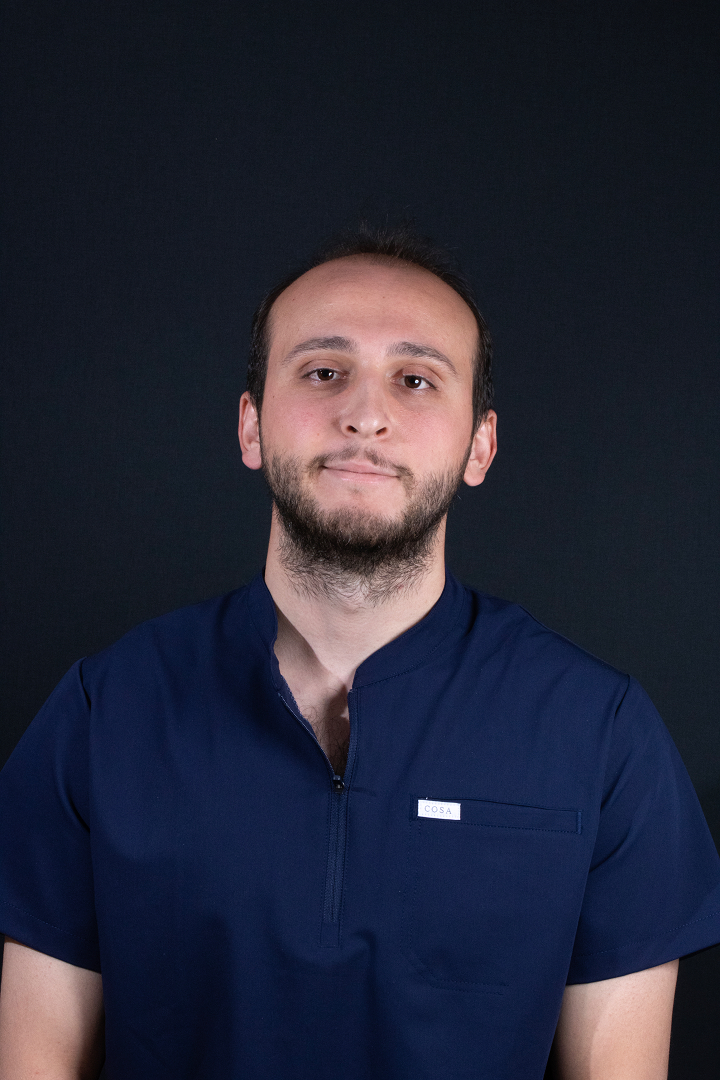
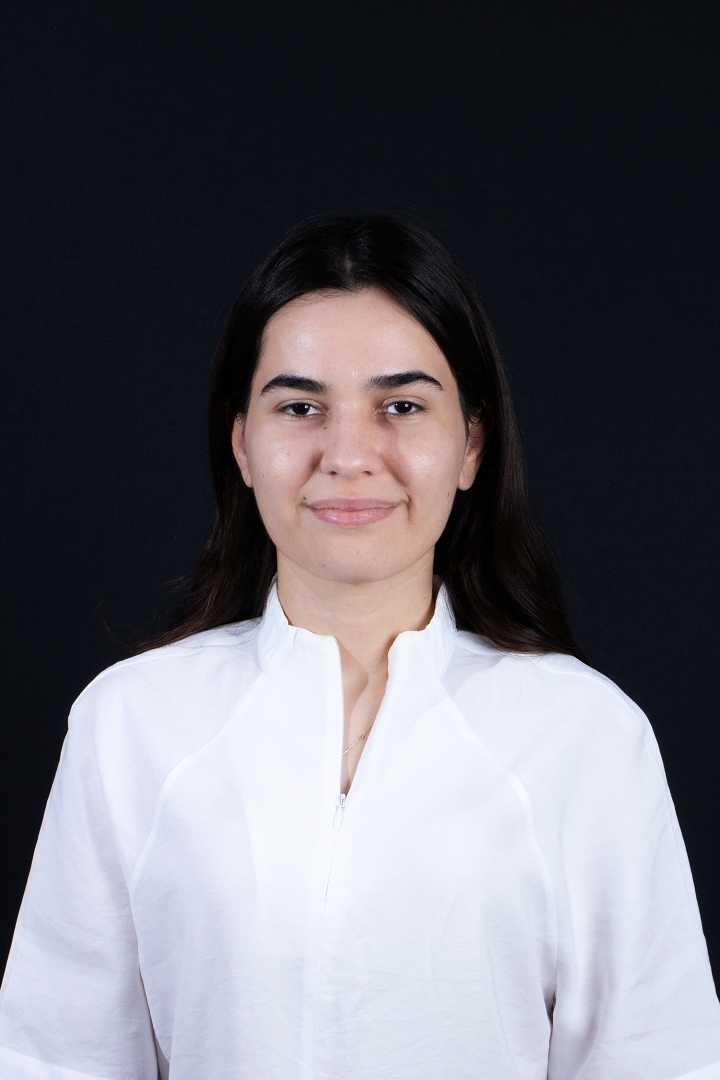
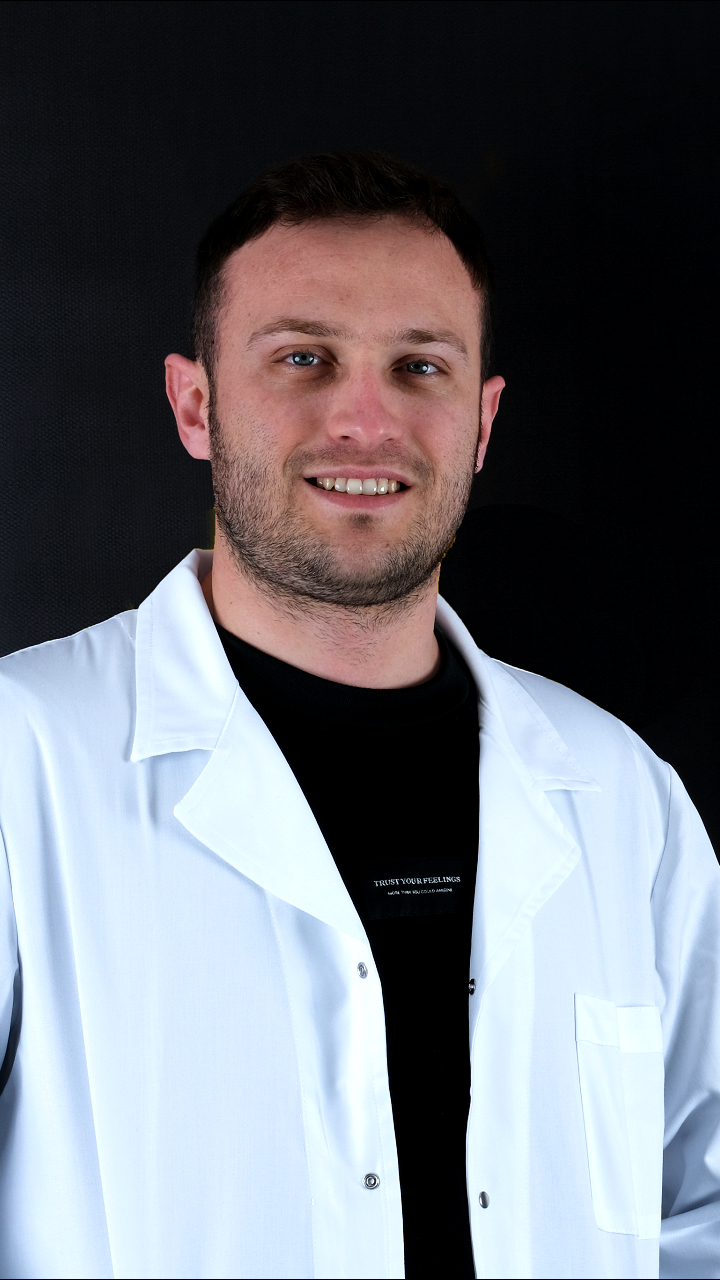
Our Team

Meet Our Doctors

Experienced clinicians dedicated to natural, healthy and long-lasting smile outcomes.

Dr. Osman Cengiz – Umut Dental Clinic Antalya

Dr. Osman Cengiz

Clinic Founder
Dr. Ayşe Dilara Yüzgeç – Umut Dental Clinic Antalya

Dr. Ayşe Dilara Yüzgeç

Dentist
Dr. Fatih Sunar – Umut Dental Clinic Antalya

Dr. Fatih Sunar

Dentist
Dr. Tuğba Taş Mammadov – Umut Dental Clinic Antalya

Dr. Tuğba Taş Mammadov

Dentist
Dr. Melisa Köse – Umut Dental Clinic Antalya

Dr. Melisa Köse

Dentist
Dr. Abdullah Zeki Ceylan – Umut Dental Clinic Antalya

Dr. Abdullah Zeki Ceylan

Dentist
Dr. Merve Yıldırım – Umut Dental Clinic Antalya

Dr. Merve Yıldırım

Dentist
Dr. Samet Dönmez – Umut Dental Clinic Antalya

Dr. Samet Dönmez

Dentist

Online Consultation

Leave your contact information and we will contact you soon.