Homepage
Treatments
Dental Implants
Oral & Jaw Surgery
Aesthetic Smile Design
Crowns, Bridges & Dentures
General & Restorative
Gum & Jaw Joint Care
Comfort & Children
See all treatments →
Smile Gallery Package List Dental Events About Us Blog Contact

Dental Facelift

How It Works

3 Steps to a Healthy Smile

From your first message to your final check-up, we're with you at every stage of your treatment journey.

1

Online Consultation & Planning

Share your details and photos with us. Our patient advisors evaluate your case with our dentists and prepare a personalised treatment plan with clear timelines and pricing.

2

Arrival & Treatment

We help organise your travel and stay. Once you arrive, all examinations and treatments are carried out in our fully equipped clinic in Antalya.

Book Appointment
3

Your New Smile & Aftercare

Your treatment is completed as planned. Enjoy your healthy, confident smile, relax in Antalya — and stay in touch with us for aftercare once you're home.

Dental Facelift

A dental facelift is a comprehensive dental treatment plan that aims to restore the height of worn teeth, rebalance your bite and improve support for the lower face. It is usually considered when teeth have become shorter from wear, grinding or old restorations, and when this loss of height makes the lips and cheeks look less supported or the jawline more collapsed. During a dental facelift, the dentist may use a combination of treatments such as crowns, veneers, onlays, orthodontics or sometimes implants to carefully build up the bite to a more natural position. This page explains what a dental facelift is, how it can change your teeth and facial profile, who may benefit from it, and when it may not be appropriate. You will also find information about the step-by-step procedure, expected treatment time, comfort, recovery, eating after treatment, and possible risks so that you can discuss your options calmly and clearly with a dentist.

What Is a Dental Facelift?

A dental facelift is a planned reconstruction of your teeth and bite that also aims to improve support for the lower third of your face. Instead of focusing on one tooth or a single cosmetic concern, it looks at how all of your teeth, jaw joints and facial soft tissues work together. The main goal is to restore lost tooth structure and a healthy “vertical dimension of occlusion”, which is the distance between your upper and lower jaws when your teeth are in contact.

Over time, teeth can become shorter due to grinding (bruxism), acid erosion, large old fillings, missing teeth or gum problems. When this happens, the lower face can seem to sink or crease more, the chin may look closer to the nose, and the lips can appear thinner or more collapsed. A dental facelift tries to bring the teeth and bite back to a more balanced and functional position, which often gives the face a fresher and more supported look.

To achieve this, a dental facelift may combine several treatments, for example:

  • Reshaping worn teeth with dental crowns, veneers or onlays
  • Replacing missing teeth with dental implants or bridges
  • Orthodontic treatment to move teeth into a better position for biting
  • Bite adjustments to ensure upper and lower teeth meet evenly

A dentist carries out a full assessment, including X‑rays and bite analysis, before suggesting such an extensive plan. A dental facelift is not a quick beauty treatment, but a carefully staged functional and aesthetic rehabilitation of your mouth.

How Can a Dental Facelift Affect Teeth, Bite and Facial Support?

A dental facelift can affect your teeth, bite and facial support by rebuilding worn tooth surfaces, changing how your jaws meet, and improving how the lips and cheeks rest against the teeth. These changes are closely related, so your dentist plans them together.

For the teeth themselves, a dental facelift often involves adding height or volume where tooth structure has been lost. This may be done with crowns, veneers or onlays, or by replacing missing teeth with bridges or implants. By rebuilding these areas, the dentist aims to create stable, well-shaped teeth that can handle chewing forces more evenly, instead of overloading a few weak spots.

The bite, or occlusion, is central to the process. If the vertical dimension has collapsed due to wear and missing teeth, the jaw joints and muscles adapt, sometimes leading to jaw fatigue, headaches or teeth grinding. During a dental facelift, the dentist gradually increases the bite height to a level that your muscles and joints can accept. This is often tested with temporary restorations or bite splints before any permanent work is placed. A balanced bite should allow your front teeth to guide side movements and your back teeth to share chewing forces without locking or sliding excessively.

Facial support comes from both teeth and jawbone. When teeth are very short or missing, the lips can fold inward and the grooves around the mouth can look deeper. Restoring tooth length and alignment can gently support the lips, soften some lines around the mouth, and make the chin-to-nose distance look more proportionate. The aim is not to change your basic appearance, but to return support that has been lost with wear or tooth loss.

It is important to understand that the soft tissues of the face are also influenced by age, skin quality and muscles. A dental facelift focuses on structural support rather than skin tightening. Any change in facial appearance varies between individuals and cannot be predicted exactly, but your dentist can show mock-ups or digital designs to help you visualise the likely direction of change.

Everything You Need to Know

More about Dental Facelift

Who Is a Good Candidate for a Dental Facelift?

A good candidate for a dental facelift is usually someone with significant tooth wear, bite collapse, or multiple failing restorations who also notices changes in lower facial support or chewing comfort. The decision is always individual, based on a full examination and discussion of expectations.

You may be considered a suitable candidate if you have one or more of the following:

  • Teeth that look much shorter than before due to grinding, clenching or erosion
  • A “collapsed” bite where the lower face appears closer to the upper face when you close your teeth
  • Difficulty chewing because of worn, loose or broken teeth
  • Several missing teeth that have not been replaced, allowing others to drift or over-erupt
  • Old, large fillings or crowns that are failing or uneven
  • Uncomfortable bite, jaw fatigue or recurrent chipping of teeth or restorations

Healthy gums and bone are important. People with controlled gum disease (periodontitis, an inflammation of the supporting tissues of the teeth) may be eligible once their condition is stabilised. General health also matters. Stable medical conditions, good oral hygiene habits and a willingness to attend multiple appointments all support a better outcome.

Motivation and realistic expectations are key. A dental facelift usually involves several visits, temporary stages and careful aftercare. For example, you may need to wear provisional restorations for weeks or months while your bite adapts. Someone looking for a very quick, minimal change is often better suited to more limited cosmetic treatments such as laminate veneers or teeth whitening.

The final decision about candidacy requires a detailed clinical and radiographic assessment. The dentist considers your jaw joint health, muscle function, remaining tooth structure and personal goals before suggesting a full dental facelift rather than more localised treatment.

When Might a Dental Facelift Not Be Suitable Yet?

A dental facelift might not be suitable yet if your mouth or general health is not stable enough for extensive restorative work, or if underlying problems have not been addressed. The dentist may recommend postponing this type of treatment until certain conditions are under control.

Common reasons to delay or modify a dental facelift include:

  • Active gum disease: If there is untreated periodontitis, with bleeding, deep pockets or loose teeth, gum treatment is needed first. Building new restorations on an unstable foundation increases the risk of early failure.
  • Severe tooth decay: Active cavities should be treated, and the remaining tooth structure evaluated, before planning complex reconstructions.
  • Uncontrolled medical conditions: Conditions such as poorly controlled diabetes, certain bleeding disorders or recent major surgery can affect healing. The dentist may request medical clearance and stabilisation before starting long appointments.
  • Pregnancy: Non-urgent, lengthy elective dental treatment is often postponed during pregnancy, especially in the first and third trimesters, to limit stress and prolonged positioning.
  • Recent head and neck radiotherapy: Radiation can affect bone healing and saliva flow. Implant placement or extensive crown work may require special precautions or may not be advised in some regions.
  • Severe clenching or grinding not yet managed: If you have very strong bruxism, the bite may need to be stabilised with a protective splint and habit management before rebuilding teeth, otherwise new restorations may chip or fracture quickly.

Psycho‑social factors also matter. If someone is very unsure about the appearance changes, fearful of dental treatment, or unable to attend the necessary follow‑up, the dentist may suggest a staged approach or more conservative options first.

For example, a person with advanced wear but also untreated anxiety and irregular attendance might first receive essential repairs, gum care and a protective night guard. Once they feel more comfortable with dental visits and their oral environment is stable, a full dental facelift can be reconsidered. The timing and extent of treatment are always adapted to your situation, rather than forced into a fixed schedule.

How Is a Dental Facelift Planned and Diagnosed?

A dental facelift is planned and diagnosed through a series of examinations, records and tests that help the dentist understand how your teeth, jaws and facial structures work together. This planning phase is essential and often takes multiple visits before any definitive treatment begins.

The process usually starts with a detailed consultation. The dentist listens to your concerns about chewing, appearance and comfort, and asks about your medical history and any habits such as clenching, grinding or nail‑biting. A thorough intra‑oral examination follows, checking tooth wear, existing restorations, gum health, jaw joint function and how your teeth come together.

Diagnostic records are then collected. These can include:

  • Digital X‑rays or 3D scans to assess tooth roots, bone support and any hidden disease
  • Photographs of your teeth and face from different angles
  • Dental impressions or digital scans to create accurate models of your mouth
  • Bite registration records to capture how your jaws relate to each other

Using these records, the dentist studies your current bite and facial proportions. In many cases, a “wax‑up” (a reshaped version of your teeth in wax or digitally) is created to show a proposed new bite and tooth length. This can often be transferred into your mouth temporarily as a “mock‑up” so that you can see and feel a preview of the intended changes.

Sometimes, a temporary increase in bite height is tried with provisional materials or a removable appliance for a few weeks. This trial phase helps assess your jaw joint and muscle comfort at the new vertical dimension. If you experience persistent pain, clicking, or difficulty closing, the plan may be adjusted.

Once both you and the dentist are satisfied with the proposed changes, a written treatment plan is prepared. It outlines the sequence of procedures, expected number of visits, approximate treatment duration and alternative options. The cost is also calculated individually at this stage. For example, you may be offered different combinations of crowns, veneers, bridges or dental bridges depending on your priorities and budget.

How Does the Dental Facelift Procedure Work Step by Step?

The dental facelift procedure usually works step by step, starting with stabilising your oral health, then testing a new bite position, and finally placing long‑term restorations that rebuild tooth shape and height. The exact sequence varies, but a typical pathway follows clear stages.

1. Initial stabilisation

Any urgent issues such as active decay, infections, loose temporary restorations or severe gum inflammation are treated first. Teeth that cannot be saved may be extracted, and basic restorations may be placed to control pain and protect the remaining tooth structure. Gum therapy is often completed at this stage if needed.

2. Diagnostic waxing and mock‑up

Based on your records, the dentist or dental technician creates a diagnostic wax‑up or digital design showing the proposed new shapes and lengths of your teeth. This design is then transferred to your mouth using temporary material so that you can see the expected changes in tooth display and facial support.

3. Trial of new bite height

In many cases, provisional restorations or temporary build‑ups are placed on selected teeth to raise the bite gradually. You might wear these for several weeks to months while your muscles and jaw joints adapt. The dentist monitors your comfort and makes minor adjustments. If necessary, a protective night guard may be used to reduce the effect of clenching or grinding on the temporaries.

4. Tooth preparation

Once the new bite and appearance are accepted, teeth that require crowns or veneers are prepared. This involves reshaping a controlled amount of tooth structure to create space for the restorative material. Local anaesthesia is used so you remain comfortable. Impressions or digital scans are then taken for the final restorations.

5. Placement of provisional restorations

After preparation, you receive provisional (temporary) crowns or veneers that reflect the planned final design. You function with these while the laboratory fabricates the permanent restorations, allowing any last aesthetic or functional tweaks before the definitive stage.

6. Fitting of final restorations

At the fitting appointment, the dentist checks the final crowns, veneers, onlays or implant‑supported restorations for fit, bite and appearance. Small adjustments are made before they are permanently fixed to your teeth or implants.

7. Final adjustments and maintenance plan

After placement, follow‑up visits are scheduled for bite fine‑tuning, polishing and oral hygiene review. A long‑term maintenance plan is created, which usually includes regular check‑ups, professional cleanings and often a night guard to protect the new bite from heavy clenching or grinding.

How Long Does a Dental Facelift Take?

A dental facelift usually takes several weeks to several months, and in complex cases it can extend over a year, depending on the number of teeth involved, healing needs and how your bite adapts. There is no fixed duration because every mouth, bone condition and general health situation is different.

For a straightforward case where most teeth are healthy and only moderate rebuilding is needed, the active treatment phase might be completed in about 4–8 weeks. This could involve planning, mock‑up, tooth preparation, provisional restorations and fitting of the final crowns or veneers over a series of appointments spaced a few days to a couple of weeks apart.

When there are missing teeth that require implants, previous gum disease, or major changes in bite height, treatment time is usually longer. Implants, for example, often need several months to integrate with the bone before they can support final restorations. During this period you may use temporary prostheses while healing takes place.

The trial phase for your new bite height can also affect the timeline. Dentists often prefer to maintain provisional restorations for a period ranging from a few weeks to several months to be sure your jaw joints and muscles are comfortable. This cautious approach helps reduce the risk of long‑term discomfort at the new vertical dimension.

For international patients planning travel to Antalya, it is common to divide treatment into blocks of visits. For example, one stay may cover diagnosis, planning and tooth preparation with provisional work, while a second stay weeks later focuses on fitting the final restorations and making any detailed adjustments. The exact schedule is planned around your clinical needs and travel possibilities.

Your dentist should provide an estimated timeframe after the diagnostic phase, and update it if healing or adaptation takes longer than expected. Being prepared for a staged process helps set realistic expectations and supports a calmer experience.

Does a Dental Facelift Hurt?

A dental facelift should not be painful during the procedures because local anaesthesia is used, but you can expect some temporary discomfort, sensitivity or pressure at different stages of treatment. The level and type of sensation vary from person to person and depends on how many teeth are treated at once.

During tooth preparation or extractions, the area is numbed so you may feel vibration or pressure, but not sharp pain. After the anaesthesia wears off, it is normal to experience mild aching, sensitivity to hot or cold, or tenderness when biting on newly treated teeth. These symptoms usually improve over several days to a couple of weeks as the tissues settle.

If implants are part of the dental facelift, some swelling, bruising or soreness in the implant area can occur for several days after surgery. Cold compresses on the outside of the face, rest and following the dentist’s instructions typically help manage this. Any medication for pain relief or infection control is prescribed and supervised by the dentist or physician based on your health status.

Changes in bite height can also produce a sense of muscle fatigue or jaw tightness at first, similar to starting a new exercise. Most people adapt gradually as the muscles and joints get used to the new position, especially when the increase is made in stages with provisional restorations. If you notice persistent or worsening pain, joint clicking with locking, or difficulty opening or closing, you should contact the dentist promptly for reassessment and bite adjustment.

Anxiety about discomfort is very common. Sharing your concerns with the dental team allows them to schedule longer appointments, breaks, or use supportive measures such as calming communication and, where appropriate, short‑acting relaxation techniques. Ongoing communication during the process helps keep you informed about what sensations are expected and which ones need review.

Recovery and Aftercare After a Dental Facelift

Recovery after a dental facelift is usually gradual and involves getting used to your new bite, caring for your restorations and protecting the teeth and gums while tissues adapt. Most people can return to normal daily activities within a day or two after each appointment, although you may need to avoid very hard chewing for a period, especially after surgery or extensive tooth preparation.

In the first few days, you might notice mild soreness of the gums, slight swelling around treated areas or sensitivity to temperature. Using a soft toothbrush and lukewarm water, you should keep the teeth and gums clean without scrubbing aggressively. Alcohol‑free mouth rinses recommended by the dentist can support healing if advised. It is usually helpful to avoid smoking, as it can slow healing of gums and any surgical sites.

Your bite may feel different, especially if several teeth were restored at once. This “high” or “different” feeling often settles as your muscles and brain adapt to the new tooth positions. Follow‑up visits are important for fine‑tuning. At these appointments, the dentist can adjust small high spots on the restorations, polish edges and check that your jaw joints are functioning comfortably.

Good home care is essential to maintain a dental facelift. This includes:

  • Brushing twice daily with a soft brush and suitable toothpaste
  • Cleaning between teeth daily with floss, interdental brushes or other tools advised for your specific restorations
  • Attending regular routine oral check‑ups and professional cleanings
  • Wearing a protective night guard if you grind or clench your teeth

Certain symptoms need prompt contact with a dentist or, in severe cases, medical emergency care. These include strong pain that does not improve with recommended pain relief, facial swelling that increases, fever or feeling unwell, bleeding that does not stop with gentle pressure, or difficulty swallowing or breathing. These issues are uncommon but should be taken seriously.

Long term, restorations from a dental facelift can last many years, often a decade or more, but their lifespan depends on your oral hygiene, diet, habits such as grinding, and regular maintenance. The dentist will advise you how often to review the bite and restorations so that any small problems are found early and corrected before they become major.

What Can You Eat After a Dental Facelift?

After a dental facelift, you can usually return to a normal diet in stages, starting with softer foods and gradually reintroducing firmer textures as comfort allows and the dentist advises. The exact recommendations depend on whether you have had surgery (such as implant placement), extensive tooth preparation or mainly non‑invasive adjustments.

In the first 24–72 hours after major procedures, many people find it easiest to eat soft, cool or lukewarm foods that do not require heavy chewing. Examples include yogurt, soft pasta, mashed vegetables, soups that are not too hot, eggs, soft fish and smoothies eaten with a spoon. Very hot, spicy or acidic foods can irritate sensitive tissues and are usually better avoided until the mouth feels more settled.

If implants or extractions were performed, you will normally be asked to avoid chewing directly on those areas for a specified period. Instead, you may chew on the opposite side or choose foods that can be swallowed with minimal chewing. Seeds, nuts, hard crusts and sticky sweets can be problematic early on because they may disturb healing areas or get trapped around temporary restorations.

As your comfort improves over several days to weeks, you can introduce firmer foods. Cutting tougher items such as meat or raw vegetables into small pieces and chewing slowly can help your jaw muscles adapt to the new bite. Even after full recovery, it remains sensible to be careful with very hard foods like ice cubes, unpitted olives or hard sweets, which can chip restorations and natural teeth.

Keeping well hydrated with water supports general recovery. Sugary drinks and frequent snacking increase the risk of decay around the margins of crowns and veneers, so limiting these is beneficial. The dentist may give personalised dietary advice based on your restorations and any medical conditions, such as dry mouth, reflux or diabetes. If you are unsure whether a particular food is safe during your recovery, it is wise to ask during your follow‑up visits.

Risks and Possible Complications of a Dental Facelift

A dental facelift, like any complex dental treatment, carries risks and possible complications. Understanding these helps you make an informed decision and recognise when to seek review. While many patients adapt well, no treatment can be completely risk‑free or guaranteed.

Potential risks include:

  • Tooth sensitivity: After tooth preparation or placement of restorations, teeth may become sensitive to pressure, temperature or sweets. This often settles over time but can persist in some cases.
  • Pulp (nerve) problems: Deeply worn or heavily restored teeth sometimes develop inflammation of the pulp tissue after being prepared for crowns or veneers. Affected teeth may require root canal treatment later.
  • Bite discomfort: Changes in vertical dimension can lead to jaw muscle fatigue or joint discomfort. Careful planning and staged adjustments reduce this risk, but some people need additional bite adjustments or, rarely, a change in the treatment plan.
  • Chipping or fracture of restorations: Crowns, veneers and onlays can chip or break, especially if exposed to strong grinding, nail‑biting or biting on very hard objects. Night guards and avoiding destructive habits help lower this risk.
  • Gum irritation or recession: Poor oral hygiene, smoking or ill‑fitting margins can lead to gum inflammation around restorations. Over time, gums may recede slightly, exposing root surfaces or crown edges.
  • Implant‑related issues: If implants are used, there is a risk of implant failure, infection, or bone loss around the implant. These risks are higher in smokers and people with poorly controlled systemic diseases.
  • Aesthetic dissatisfaction: Despite mock‑ups and previews, some patients may feel the final appearance of tooth shape, colour or facial support is different from what they imagined. Clear communication and trial phases reduce this, but perfect predictability is not possible.

More serious but less common complications include significant infection, severe allergic reactions to materials, prolonged numbness after certain procedures, or jaw joint problems that interfere with normal opening and closing. Symptoms such as increasing pain, marked swelling, fever, difficulty swallowing, or bleeding that does not stop require immediate dental or medical attention.

Before starting a dental facelift, the dentist should explain alternative options, such as more limited restorations, removable dentures, or staged treatment focusing on function more than appearance. Each path has its own balance of benefits, costs, treatment time and risks. Your final choice should match your health status, priorities and ability to attend follow‑up care.

Dental Facelift in Antalya: Visits, Stay and Follow-Up

Having a dental facelift in Antalya usually involves planning your visits so that clinical stages and travel fit together smoothly. Because this treatment is complex, most patients need at least two separate visit blocks, with time between them for laboratory work and adaptation.

During an initial stay, you can expect a full examination, imaging, photographs and impressions or scans. The dentist discusses your concerns and prepares a preliminary plan. In many cases, diagnostic wax‑ups and mock‑ups are produced, and initial stabilisation treatments such as cleaning, temporary restorations or extractions are completed. Some patients have their teeth prepared and provisional restorations placed during this first block, which may last several days to a couple of weeks depending on case complexity.

Between visits, you return home and live with the provisional restorations. This allows you to test comfort, function and appearance in everyday life. Communication by email or messaging is often used to report any concerns, share photos or clarify minor questions. The dentist may then refine the plan and instruct the laboratory on any adjustments before the final stage.

On your second stay, the focus is usually on fitting the final restorations, adjusting the bite and providing a protective night guard if needed. A few review appointments may be scheduled over several days to fine‑tune contacts and check your ability to chew and speak comfortably.

Follow‑up after you return home is important. Ideally, you should maintain regular check‑ups with a local dentist to monitor gum health, restoration condition and bite stability. If you notice problems such as loosening, cracking, or significant discomfort, it is advisable to consult a dentist promptly and, if necessary, share records from Antalya so that your case can be understood. At Umut Dental Clinic Antalya, patients can share their details and X‑rays for an online consultation before planning travel, which helps coordinate local care with any future visits.

The information on this page is for general education only and does not replace an examination, diagnosis or treatment. See a dentist for any concerns about your oral health.

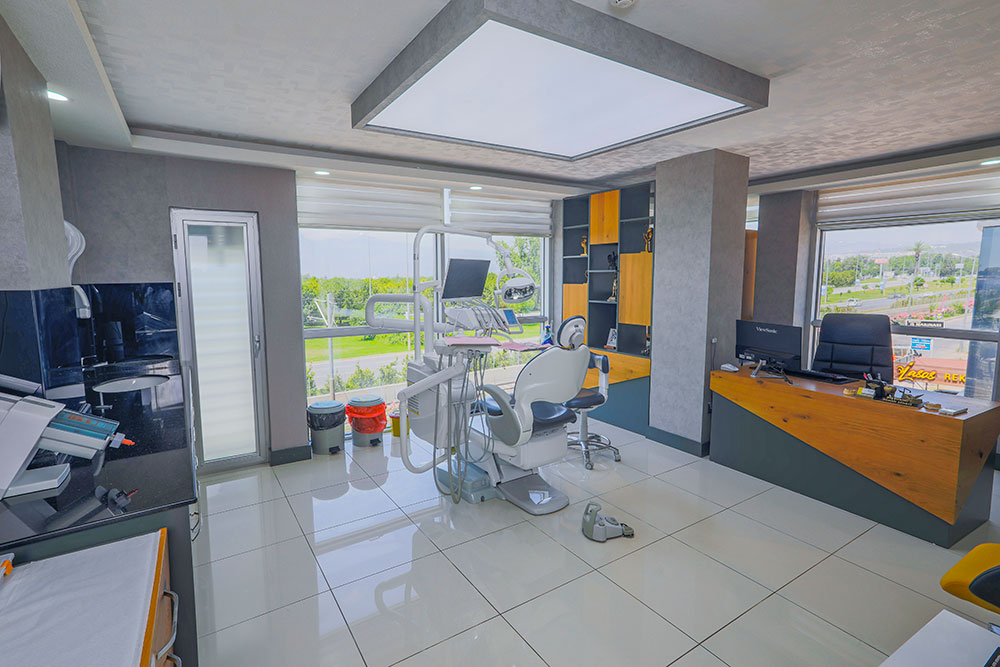
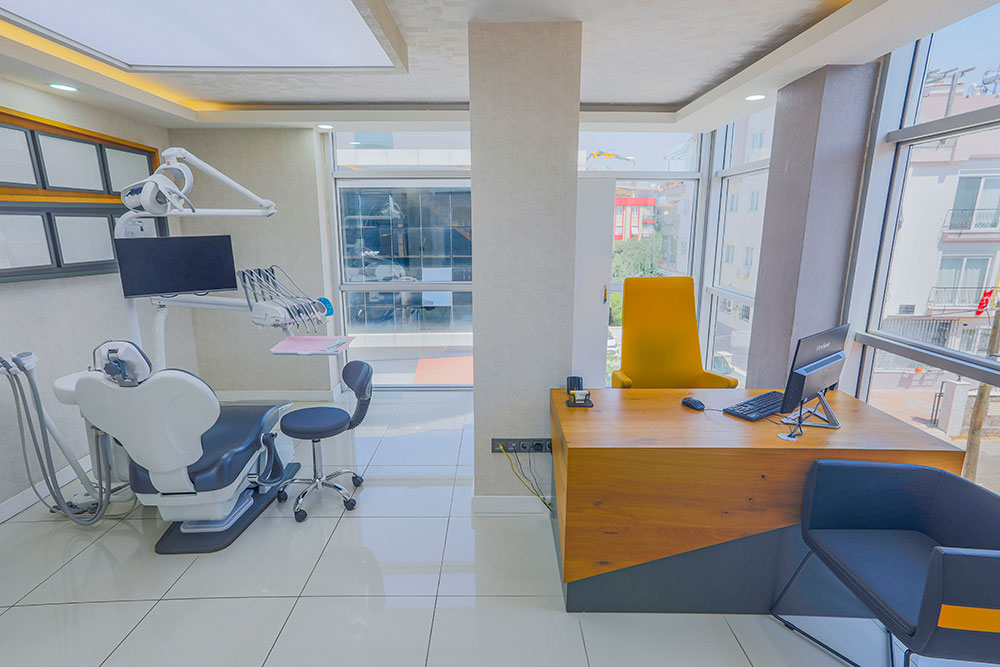
Umut Dental Clinic Antalya – clinic photo 1
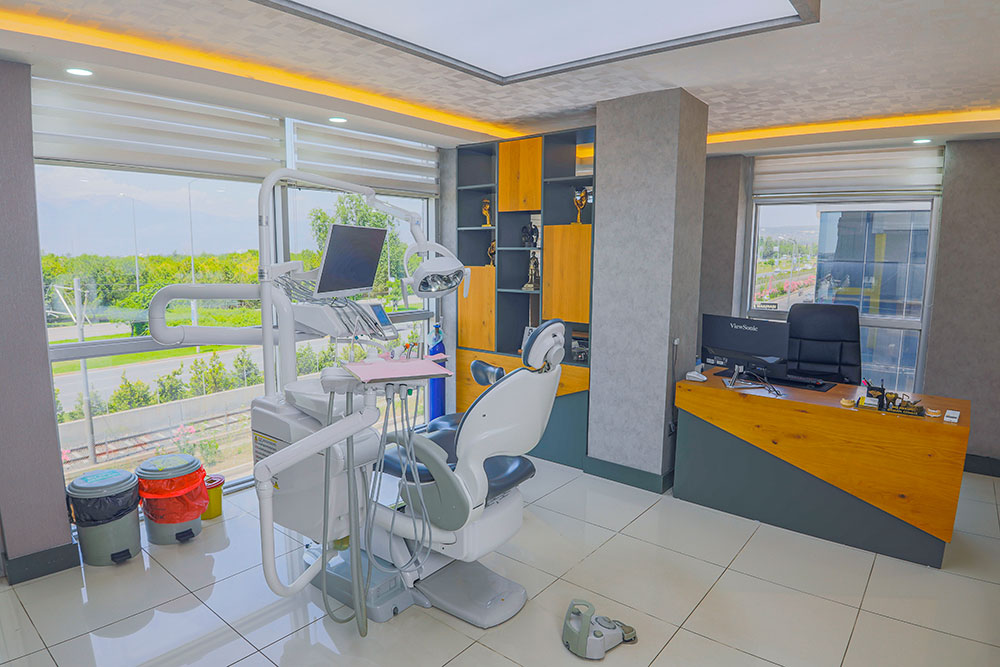
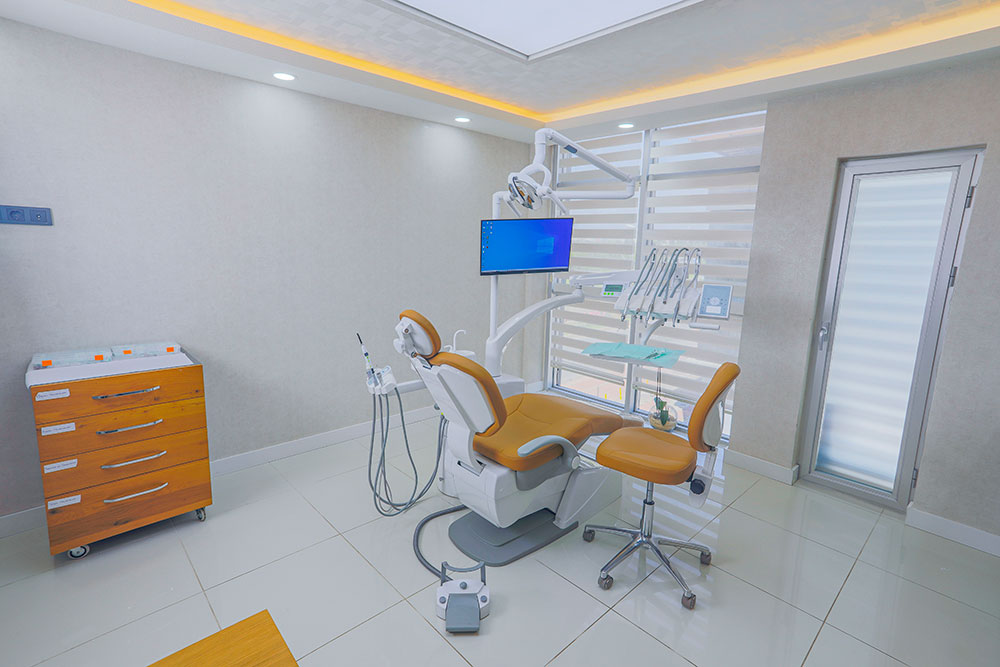
Umut Dental Clinic Antalya – clinic photo 2
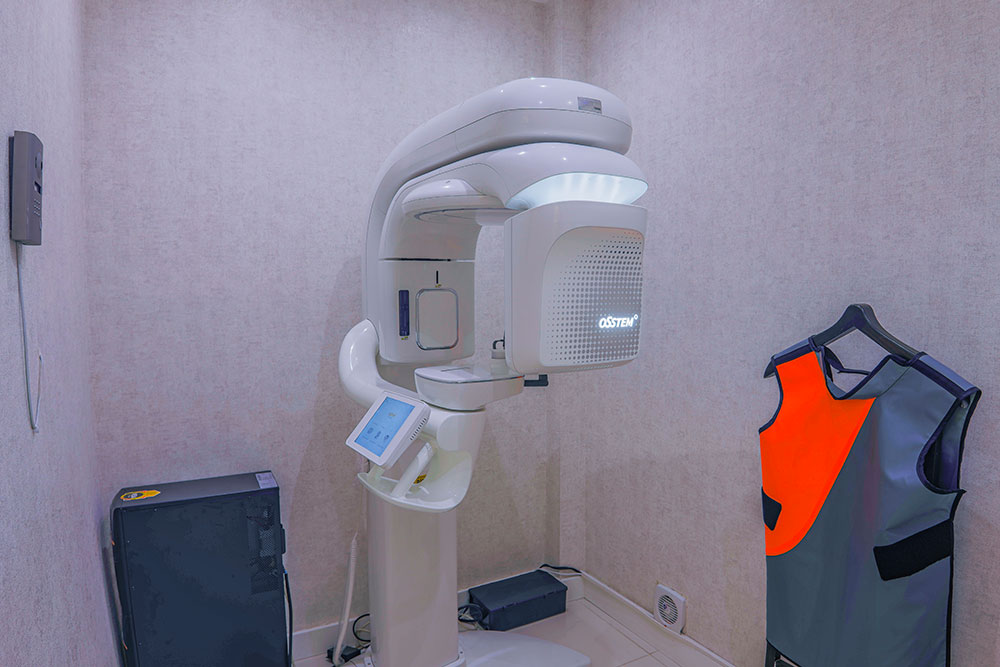
Umut Dental Clinic Antalya – clinic photo 3
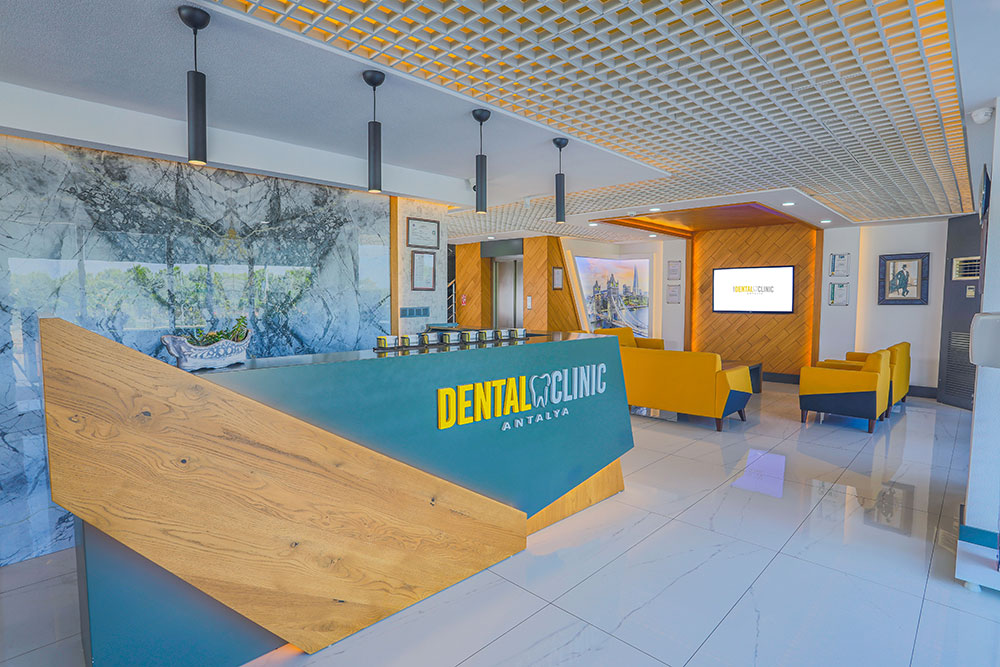
Umut Dental Clinic Antalya – clinic photo 4
Umut Dental Clinic Antalya – clinic photo 5
Umut Dental Clinic Antalya – clinic photo 6
Welcome to Umut Dental

Our Clinic

Every smile tells a story — and we've been part of thousands of them for over 17 years.

Located in the heart of Antalya, our clinic combines trusted experience with the latest dental technology. Our skilled and caring dentists create healthy, natural and long-lasting results — and from your first consultation to your final check-up, you'll feel cared for not just as a patient, but as part of our family.

  • Specialist Dentists
  • Latest Technology
  • Modern, Hygienic Clinic
  • Patient Coordinators
Testimonials

By Your Side at Every Step

At Umut Dental Clinic Antalya, we're by your side through every stage of your smile journey — with care, honesty, and expertise.

Umut Dental Clinic patient

The whole process from getting picked up friendly service from taxi driver to staying in hotel provided excellent friendly staff, appointments on time very lovely staff at clinic experience dental advice. Obviously its never a good experience to have your teeth out but never the less after care and advice on any issues is excellent and if you need to talk or chat can be done via WhatsApp, cant fault the service in my opinion.

Umut Dental Clinic patient

The overall service is very good. We were supported by Ibru who spoke good English. I had top and bottom teeth done. It includes sinus uplift, bone graft, German implants and porcelain veneers. The transfers from Airport were included as well as hotel and medication. They have the lab in the same location where the technicians make the teeth and crowns. Very pleased for the all round service.

Umut Dental Clinic patient

I simply must thank you for making my dental experience as painless as possible. You were exactly what I was looking for in a dentist. Thank you for keeping me at ease during my appointment. The communication throughout my time at the clinic and at the hotel was fantastic and any questions I had were answered swiftly. I'm looking forward to returning in April for more treatment. — Annmarie 🇬🇧

Umut Dental Clinic patient

Me and my partner had a fantastic experience here. Both of our dentists were perfectionists and gave us exactly what we wanted. We wouldn't change a thing about our teeth now. We are so confident and delighted with our smiles now. We also got to bring our 2 year old with us, which was so convenient for us, and everybody was great with him! I highly recommend this place!

Umut Dental Clinic patient

Couldn't be more pleasant. Great atmosphere, lovely people working there and they won't give up — they will get your teeth done no matter what obstacle they may encounter. I recommend Umut Dental for great results. Thank you to all staff there.

Patient Stories

Trusted by Patients Around the World

Real experiences from real Umut Dental Clinic patients.

What our patients say on Trustpilot
JD
John DunbarNew Zealand · Sep 14, 2026

This is by far the easiest review I have ever done. Umut Dental Clinic is the one stop shop for everything dental which is so very important. These people are true professionals from the front door to the engine room and beyond. I have made friends with my dentist Dr Osman the head of Umut Dental Clinic and he leads by example and creates a fantastic experience and outcome for us their clients. I am more than happy to recommend Umut Dental Clinic for all your dental works and answer any of your questions. Make the right call. Call Umut Dental Clinic.

A
AnnetteUnited Kingdom · Apr 21, 2026

My visit to Umut dental clinic was amazing.
FATIH SUNAR was my dentist he is an amazing dentist, i wasn't the easiest of patients through nerves.
I couldn't be happier with the overall service i received.
I would whole heartily recommend this clinic for any treatments.
Thankyou

TH
Thomas Trevor HoweGermany · Apr 1, 2026

I was quite nervous before I sat in the chair, but once there i was made feel comfortable and relaxed.
I had quite a bit of work done and what I really liked was the speed my dentist worked at,, I was out of the chair with 7 implants in less than 2 hours ..
The place is spotless , the equipment is more than up to date.
The price I was quoted was the price I paid. I will return for yearly check ups as I wouldnt want anyone else looking after me.
Well done to a very professional team !!

CT
Christine ThomasUnited Kingdom · Jan 19, 2026

My doctor was Faith Sunar, I'm very pleased with how professional he was and how much care he took in his work to make sure I was happy with my new teeth.
They corrected my problems and give me a new set as my old ones were not fitting properly, which was under my gaurentee.
I was seen each day for 4 days , they made sure everything was perfect before I flew back home to England uk.
The clinic was exceptionally clean and spotless.
Beyza was very helpfull to our needs and spoke very good English , she was very kind from start to finish.
Is definitely 100./. Recommend this dentist practice to anyone I'd give them 10/10.

TE
Theresa EnglishUnited Kingdom · Nov 14, 2025

Had excellent treatment with UMUT - extremely well organised and professional. I was talked through the procedure all the way through, given medication which made the process pain free and bearable. My dentist was lovely and only happy when everything was absolutely perfect. When you have so much choice of dentistry in Antalya, it can feel like a very hard decision to make but I would totally recommend this clinic. Thanks again to my fabulous dentist Tugce Aricetin

JR
Jason RobertsonUnited Kingdom · Nov 8, 2025

What a perfect clinic from start to finish I would recommend them to anyone around the world so professional hygiene is amazing on my life you would think you was in a clinic were the famous people go the United Kingdom doesn't even come close to Umut dental clinic I couldn't be happier 12 out of 10 best thing I've ever done so happy thank you umut thank thank you and thank you Dentist Tugce and thank you to the whole team

A
ArieNetherlands · Oct 29, 2025

it was great service and very helpfull friendly team also the transport to clinic was excellent. the hotel also was nice and friendly people and nice breakfast. i'm looking forward to visit Antalya and all the nice people in april again, very beutifull beach also. thank you for helping me and i hope to see you in april for finishing

O
OlgaGermany · Jul 11, 2025

I had dental treatment at Umut Clinic Antalya, and I can confidently say—three years later—that this clinic truly delivers on its promise of quality and guarantee. The results of my treatment have remained excellent over time, and I'm still very happy with everything they did.
The entire team is extremely friendly, professional, and caring. The dentists are highly trained and very experienced, which immediately gave me a sense of trust and security. They took time to explain everything clearly and made sure I felt comfortable throughout the process.
What also sets Umut Zahnklinik apart is their exceptional service for international patients. From airport pickup to accommodation support, everything was well-organized and stress-free. You really feel taken care of from start to finish.
I can highly recommend Umut Zahnklinik to anyone looking for high-quality dental care in Turkey. A great clinic with lasting results and a warm, welcoming team!

Our Team

Meet Our Doctors

Experienced clinicians dedicated to natural, healthy and long-lasting smile outcomes.

Dr. Osman Cengiz – Umut Dental Clinic Antalya

Dr. Osman Cengiz

Clinic Founder
Dr. Ayşe Dilara Yüzgeç – Umut Dental Clinic Antalya

Dr. Ayşe Dilara Yüzgeç

Dentist
Dr. Fatih Sunar – Umut Dental Clinic Antalya

Dr. Fatih Sunar

Dentist
Dr. Tuğba Taş Mammadov – Umut Dental Clinic Antalya

Dr. Tuğba Taş Mammadov

Dentist
Dr. Melisa Köse – Umut Dental Clinic Antalya

Dr. Melisa Köse

Dentist
Dr. Abdullah Zeki Ceylan – Umut Dental Clinic Antalya

Dr. Abdullah Zeki Ceylan

Dentist
Dr. Merve Yıldırım – Umut Dental Clinic Antalya

Dr. Merve Yıldırım

Dentist
Dr. Samet Dönmez – Umut Dental Clinic Antalya

Dr. Samet Dönmez

Dentist

Online Consultation

Leave your contact information and we will contact you soon.