Homepage
Treatments
Dental Implants
Oral & Jaw Surgery
Aesthetic Smile Design
Crowns, Bridges & Dentures
General & Restorative
Gum & Jaw Joint Care
Comfort & Children
See all treatments →
Smile Gallery Package List Dental Events About Us Blog Contact

Nervous Patient Management

How It Works

3 Steps to a Healthy Smile

From your first message to your final check-up, we're with you at every stage of your treatment journey.

1

Online Consultation & Planning

Share your details and photos with us. Our patient advisors evaluate your case with our dentists and prepare a personalised treatment plan with clear timelines and pricing.

2

Arrival & Treatment

We help organise your travel and stay. Once you arrive, all examinations and treatments are carried out in our fully equipped clinic in Antalya.

Book Appointment
3

Your New Smile & Aftercare

Your treatment is completed as planned. Enjoy your healthy, confident smile, relax in Antalya — and stay in touch with us for aftercare once you're home.

Nervous Patient Management

Nervous patient management in dentistry refers to the methods used to help anxious or fearful patients receive dental care in a calmer, safer and more comfortable way. It can involve gentle communication, gradual exposure to treatment, numbing techniques, relaxation strategies and different levels of sedation, depending on your needs and medical situation. This approach is considered when fear, previous bad experiences, strong gag reflex or certain medical or psychological conditions make routine dental care difficult. On this page, you will learn what nervous patient management is, who can benefit, how anxiety is assessed, which sedation and comfort options may be suggested, how the treatment process is organised and what to expect afterwards, including eating, activity and travel advice. You will also find information that can help you plan nervous patient dental treatment in Antalya if you are travelling from abroad.

What Is Nervous Patient Management in Dentistry?

Nervous patient management in dentistry is a structured approach to helping people who feel anxious, fearful or overwhelmed receive dental treatment as safely and comfortably as possible. It combines psychological techniques, gentle communication, environmental adjustments and, when appropriate, sedation to reduce anxiety and improve cooperation.

Anxiety in the dental chair can have many causes: previous painful experiences, fear of needles, worries about loss of control, embarrassment about teeth, or a strong gag reflex. Nervous patient management recognises these as real obstacles and aims to adapt the care to your emotional and physical needs, rather than expecting you to “just cope”.

The process usually begins with a detailed conversation and examination. The dentist asks about your concerns, past experiences and medical history. You may be asked to rate your fear on a simple scale or complete a short questionnaire. Based on this information, the dentist suggests options such as:

  • Non-medication techniques (relaxed breathing, distraction, breaks, hand signals to pause)
  • Topical and local anaesthesia to numb teeth and gums
  • Sedation, which produces a calmer, drowsy state while you remain monitored
  • Occasionally, general anaesthesia in a hospital setting for complex cases

The goal is not only to complete the dental work, but also to build trust and gradually reduce your fear over time. For example, a patient who has avoided the dentist for many years may first attend just for a conversation and simple routine oral check up, then later move to more extensive treatment under sedation when they feel ready.

All decisions are made after an individual assessment. Nervous patient management is not a single technique, but a flexible set of tools that can be combined to match your situation and general health.

Who May Benefit From Nervous Patient Management?

Nervous patient management can benefit anyone whose anxiety, fear or discomfort makes it difficult to receive ordinary dental care. This includes people with mild nervousness through to those with severe dental phobia who have avoided treatment for years.

Common groups who may benefit include:

  • People with past traumatic dental experiences – for example, painful extractions in childhood or feeling not listened to during previous treatment.
  • Patients with strong gag reflexes – making impressions, X‑rays or treatment at the back of the mouth challenging.
  • Those with generalised anxiety or panic disorder – who can feel overwhelmed by sounds, smells or the idea of treatment.
  • Patients needing extensive or complex care – such as many fillings, extractions, dental implants or full-mouth rehabilitation, where treatment sessions are longer.
  • People with medical or developmental conditions – for example, some patients on the autism spectrum, with movement disorders or intellectual disabilities, who may find it hard to stay still or cope with sensory input.
  • Individuals embarrassed about their teeth – who worry about being judged and therefore delay seeking help.

Children and teenagers who are fearful can also benefit from adapted approaches, though the strategies and sedation options may differ depending on age and development. Older adults may need customised plans if they have heart conditions, breathing issues or are taking several medications.

Not every nervous patient will need sedation. Some people achieve good control of their anxiety with clear explanations, the chance to stop at any time, and reassurance about numbing. Others feel unable to sit in the chair without a stronger calming method. For example, a person who begins shaking before treatment starts might choose a form of sedation for shorter, simpler procedures, while someone only worried about injections might manage with topical numbing gel and a slower injection technique.

If you recognise yourself in any of these descriptions, an anxiety-friendly approach can make dental visits more manageable and reduce the risk of dental problems becoming emergencies because of long delays in care.

Everything You Need to Know

More about Nervous Patient Management

When Is Dental Treatment Postponed or Referred?

Dental treatment for a nervous patient is postponed or referred when the dentist judges that going ahead would not be safe, or when another setting or specialist is better suited to your needs. Safety always takes priority over completing treatment quickly.

Reasons for postponing or modifying treatment can include:

  • Uncontrolled medical conditions – such as very poorly controlled diabetes, severe high blood pressure, unstable heart disease or recent stroke, until your physician advises it is safer to proceed.
  • Breathing problems – for example, severe asthma flare-ups, serious lung disease or current chest infection may lead to delay, especially if sedation is considered.
  • Pregnancy considerations – routine or elective procedures and certain forms of sedation are sometimes postponed, especially in the first trimester, unless urgent care is needed.
  • Blood-thinning medication – extractions or surgery might be delayed or adapted until your dentist and physician coordinate a safe plan.
  • Recent alcohol or recreational drug use – which can interact dangerously with sedative medicines.
  • Acute infections with fever – the dentist may focus first on controlling infection and pain before planning longer sessions or elective work.

Referral may be suggested when:

  • Your anxiety is extremely high and the dentist believes treatment under general anaesthesia in a hospital is safer.
  • You have complex medical issues that need treatment in a hospital dental unit.
  • Specialist input is required, for example, from an oral surgeon, periodontist or endodontist.
  • You may benefit from psychological support, such as therapy for severe phobia, alongside dental care.

Emergency situations are different. If you have severe pain, swelling, fever, difficulty swallowing or breathing, or bleeding that does not stop, you should seek urgent dental or emergency medical care. In such cases, the dentist balances the need to act quickly with appropriate anxiety management, sometimes carrying out only the most essential steps first.

The decision to proceed, postpone or refer is always made individually after your dentist considers your medical history, current condition, anxiety level and the type of dental treatment needed.

How Is Anxiety Assessed Before Dental Treatment?

Anxiety before dental treatment is assessed through a combination of conversation, observation, simple scales and medical history, so that the dentist can understand how you feel and plan appropriate support or sedation. This assessment is usually gentle and informal, not an exam that you can “pass or fail”.

First, the dentist or team member typically asks open questions, such as how you feel about dental visits, what worries you the most and whether you have had any past negative experiences. You may be invited to describe your last dental treatment and what could have made it easier for you. This helps identify specific triggers, such as injections, drilling sounds, lying back in the chair or loss of control.

Next, you may be asked to rate your anxiety on a simple number scale or by choosing from word categories like “a little nervous”, “quite anxious” or “very frightened”. Some clinics use short written questionnaires designed to measure dental anxiety in a structured way. These tools help to track changes over time and guide the level of support you may need.

The dentist also observes non-verbal signs: tense posture, shaking hands, sweating, tearfulness or rapid breathing can all indicate high distress, sometimes even when you say you are “fine”. For example, someone who cannot sit in the waiting room without feeling faint may need a different approach from someone who is chatty but dislikes injections.

Your general medical history is part of the assessment. The dentist asks about heart or lung disease, medication use, allergies, sleep problems, mental health conditions and previous experiences with sedation or anaesthesia. This information is essential to choose safe options and decide whether any tests or medical letters are needed before treatment.

By combining these elements, the dentist builds an anxiety profile that is unique to you. This allows for a personalised plan, such as shorter appointments, extra time for numbing, specific sedation methods or relaxation strategies tailored to your triggers.

What Sedation and Comfort Options Are Used?

Sedation and comfort options for nervous patients range from simple relaxation techniques to medication-based methods that help you feel calmer and less aware during treatment, while carefully monitoring your safety. The exact choices depend on your health, anxiety level, and the type and length of dental procedure.

Non-medication comfort options often form the foundation of care. These can include:

  • Clear explanations before and during treatment
  • Agreeing on a hand signal so you can pause at any time
  • Slow and careful numbing with topical gel before injections
  • Noise-reducing headphones or music as distraction
  • Shorter, more frequent appointments instead of one long session
  • Guided breathing or focusing exercises

When these are not enough, different levels of sedation may be discussed:

  • Minimal sedation – you stay awake but feel more relaxed and less tense. You can respond to questions and instructions.
  • Moderate sedation – you are drowsier, may remember little of the procedure and feel time pass more quickly, but you can usually still respond when spoken to. Your breathing and vital signs are closely monitored.
  • Deep sedation or general anaesthesia – you are asleep or almost asleep and typically treated in a hospital or specialised setting with an anaesthesia team. This is reserved for selected cases with high needs or complex medical issues.

Local anaesthesia (injections that numb the teeth, gums and surrounding tissues) is usually used together with any sedation level, so that you do not feel pain from drilling or surgery. Topical numbing gels can make the injection itself more comfortable.

The choice of sedation method is always made after a detailed medical assessment. Certain heart, lung or neurological conditions, pregnancy, or specific medications may limit which options are safe. The dentist explains the benefits, risks and practical details, such as fasting requirements, need for an escort, and expected recovery time, before you decide.

For some patients, especially those planning complex treatments such as multiple extractions, bone work or full-arch solutions like All-on-4 or All-on-6, combined approaches using sedation and carefully staged appointments can make the experience more manageable.

How Does the Treatment Process Work Step by Step?

The treatment process for a nervous dental patient usually follows clear, structured steps, from initial contact to follow-up, so you know what to expect and can feel more in control.

1. Initial contact and information gathering
You may start with an online enquiry, phone call or message. Basic information such as your main concerns, medical history and any previous dental experiences is collected. For patients travelling from abroad, you might send existing X‑rays or reports in advance for a preliminary review.

2. Consultation and anxiety assessment
During the first visit, the dentist discusses your fears, expectations and medical background in detail (see the anxiety assessment section above). You may have a gentle examination and, if appropriate, X‑rays or scans. The focus is on understanding your situation, not rushing into treatment on the same day, unless there is an urgent problem.

3. Treatment planning
Based on clinical findings and your anxiety level, the dentist prepares a personalised plan. This plan outlines:

  • Which teeth and gums need treatment and in what order
  • Which procedures are priority for health and comfort
  • Suggested sedation or comfort options for each stage
  • Estimated number and length of visits

You have the chance to ask questions and, where possible, choose between options, for example, whether to complete more work in one sedated visit or spread it over several shorter sessions.

4. Pre-sedation instructions
If sedation is planned, you receive clear instructions about fasting, medication adjustments (decided together with your physician if needed), and practical matters such as arranging someone to accompany you and take you back to your accommodation.

5. Treatment day
On the day, your medical status is checked again. If sedation is used, monitoring equipment is placed, and the sedative method is started. Local anaesthetic is given once you are comfortable. The dentist then performs the agreed treatment, such as fillings, cleaning, extractions, root canal therapy or preparations for dental crowns or dental bridges.

6. Recovery and immediate aftercare
After treatment, you rest in a recovery area until the team is satisfied that you are awake, stable and ready to go. You receive written and verbal aftercare instructions tailored to the type of procedure carried out.

7. Follow-up and long-term plan
A follow-up visit or remote check may be scheduled to assess healing, adjust any restorations and review how you coped with the process. The dentist may suggest strategies or future appointment structures to continue reducing your anxiety over time.

Does Dental Treatment for Nervous Patients Hurt?

Dental treatment for nervous patients is designed to minimise pain using numbing techniques and, when needed, sedation, but some discomfort or pressure may still be felt during or after the procedure. Completely removing all sensation is not always possible, yet modern methods aim to keep you as comfortable as safely achievable.

Before starting treatment, the dentist usually applies topical anaesthetic gel to the gum to reduce the sting of injections. Local anaesthetic is then given slowly to numb the area being treated. Once this takes effect, you should not feel sharp pain, though you may be aware of vibration, pressure or water spray.

If you do feel pain during the procedure, you can signal the dentist to stop. The anaesthetic can be topped up or adjusted. Agreeing on a clear hand signal beforehand helps you feel more in control. For example, raising your left hand may mean “please pause”, while keeping your hand relaxed signals that you are coping well.

Sedation does not replace local anaesthetic but works alongside it. Under sedation, many patients report that they feel distant from the procedure, less focused on sensations and less bothered by time. Some have little memory of the details afterwards. However, sedation is not a guarantee of complete pain absence, so careful numbing and communication remain important.

After treatment, it is common to experience mild to moderate soreness, tenderness or swelling, depending on what was done. For example, a deep cleaning or extraction usually causes more post-treatment discomfort than a small filling. The dentist will explain expected sensations, recommend appropriate pain-relief measures, and advise when to seek help if pain is stronger or lasts longer than expected.

Severe, persistent pain, especially when combined with swelling, fever or difficulty swallowing, needs prompt contact with a dentist or emergency service, as it may signal infection or another complication that needs attention.

How Long Does Treatment Take and How Many Visits Are Needed?

The length of treatment and the number of visits for a nervous dental patient vary widely and depend on your oral health, the complexity of procedures, your anxiety level and which sedation or comfort methods are used. There is no fixed schedule that suits everyone.

Several factors influence timing:

  • Amount of dental work – someone who needs a single small filling may complete treatment in one short visit, while another person needing multiple extractions, root canal treatments and restorations will require several longer sessions over days or weeks.
  • Type of procedures – surgical procedures, such as extractions or implant placement, usually require more time per visit and healing intervals of a few days to several months between stages, depending on bone and gum healing.
  • Choice of sedation – with sedation, it is often possible to complete more work in a single session. However, there are safe limits to how long you should stay sedated, typically several hours at most, after which further work may be scheduled on another day.
  • Your coping capacity – some patients prefer shorter, less intense sessions even if this means more visits, while others choose fewer, longer appointments.
  • Healing and review – follow-up checks, suture removal, adjustments and final restorations (such as crowns or bridges) may be timed after initial healing, which can take from a few days to several weeks.

As a rough guide, straightforward procedures for nervous patients, like basic fillings or simple cleanings under minimal sedation, may take 30–60 minutes per visit and be done in one or two appointments. More complex rehabilitation, including multiple extractions and placement of provisional restorations, can involve several visits over 1–2 weeks, with further appointments later for final prosthetic work.

During planning, the dentist discusses realistic time frames and how these fit with your schedule, including travel dates if you are visiting from abroad. For example, if you are in Antalya for a limited period, the plan may group compatible procedures into combined sessions, while still allowing safe recovery time between them.

The aim is to balance efficient progress with your comfort and safety, adjusting the schedule if your healing or anxiety response is different from what was first expected.

What Are the Risks and Side Effects of Sedation?

Sedation for dental treatment carries potential risks and side effects, which are usually low when properly assessed and monitored but must always be taken seriously. Understanding these helps you make an informed decision together with your dentist.

Common, usually short-lived side effects can include:

  • Drowsiness and tiredness for several hours after treatment
  • Dizziness or unsteadiness when standing up
  • Mild headache or grogginess
  • Nausea or, less commonly, vomiting
  • Temporary difficulty remembering parts of the procedure
  • Dry mouth or a strange taste

More serious but less common risks depend on your general health and the depth of sedation. They can include:

  • Breathing difficulties or slowed breathing
  • Changes in blood pressure or heart rate
  • Allergic reactions to sedative or anaesthetic agents
  • Unexpected deepening of sedation level
  • Interaction with other medications, alcohol or recreational drugs

These risks are reduced by thorough pre-treatment assessment, careful dose selection, continuous monitoring of oxygen levels, heart rate and blood pressure, and having trained staff and equipment to manage complications if they arise.

Certain situations increase the potential risk of sedation and may require extra precautions, different techniques, or treatment in a hospital setting. These include significant heart or lung disease, severe obesity, sleep apnoea, pregnancy, advanced age with frailty, complex neurological conditions and some psychiatric disorders. It is important to give accurate information about your medical history and medications, including over-the-counter and herbal products.

After sedation, your judgement and reaction time can be affected for the rest of the day. You are usually advised not to drive, operate machinery, sign important documents, drink alcohol or care for dependants alone during this period.

If you experience severe shortness of breath, chest pain, persistent vomiting, confusion that worsens, or heavy bleeding from the mouth after sedated dental treatment, you should seek urgent medical attention or contact emergency services.

What Should I Expect After Sedation and Dental Treatment?

After sedation and dental treatment, you can expect a period of drowsiness, temporary reduced concentration and some soreness in the treated area, along with specific instructions tailored to the procedures you had. Knowing what is normal and what is not can help you feel more at ease during recovery.

Immediately after the procedure, you are usually taken to a recovery area. You may feel sleepy, light-headed or slightly confused for a short time. Trained staff monitor your breathing, pulse and blood pressure until you are stable and responsive. Once you are ready, your escort is called to join you and hear the aftercare instructions.

Common experiences over the next several hours include:

  • Continuing drowsiness and the need to rest
  • Mild nausea in some patients
  • Numbness of lips, tongue and cheeks from local anaesthetic, which typically wears off over 2–6 hours
  • Soreness, tightness or occasional bruising around injection or treatment sites

You are normally advised to:

  • Go straight back to your accommodation and rest quietly
  • Have a responsible adult stay with you until the next morning
  • Avoid driving, cycling, using public transport alone, operating machinery or making important decisions for at least the rest of the day
  • Follow any mouth care instructions carefully, such as not rinsing vigorously after extractions and keeping the area clean without disturbing any clots or stitches

Pain control is usually managed with appropriate medication recommended by the dentist, along with simple measures such as cold compresses on the outside of the face and sleeping with your head slightly elevated after surgery. Swelling may increase during the first 24–72 hours after extractions or surgical work before gradually improving.

Signs that warrant contacting a dentist or medical service include persistent heavy bleeding, rapidly worsening swelling, difficulty swallowing or breathing, high fever, or severe pain not eased by recommended pain-relief measures.

Follow-up appointments may be arranged to remove stitches, check healing and adjust any temporary restorations. These visits are also an opportunity to discuss how you felt during sedated treatment and to plan any future sessions, often with increased confidence now that you know what to expect.

What Can I Eat and Do After My Appointment?

After a dental appointment with sedation or significant treatment, you should start with light, soft foods and limit physical activity, gradually returning to your usual diet and routine as comfort and healing allow. Specific advice may vary depending on whether you had simple procedures or surgery.

Eating and drinking

  • Wait until the numbness from local anaesthetic has started to wear off before eating, to avoid biting your cheeks, lips or tongue.
  • Begin with cool or room-temperature soft foods such as yogurt, mashed potatoes, soup (not too hot), smoothies without seeds, scrambled eggs or soft pasta.
  • Avoid very hot, spicy, hard, crunchy or sticky foods for at least the first 24 hours, or longer after extractions, implants or gum surgery.
  • After extractions or surgical procedures, avoid using straws for several days, as suction can disturb the blood clot and slow healing.
  • Drink plenty of water throughout the day. Avoid alcohol for at least 24 hours after sedation, and often longer if your dentist advises.

Oral hygiene

  • Continue brushing the rest of your teeth gently twice a day, taking care to avoid direct brushing on fresh extraction sites or stitches for the period recommended by your dentist.
  • Rinsing is often delayed for the first few hours after surgery. Later, you may be advised to rinse gently with plain or prescribed solutions; follow the exact instructions you receive.

Activity and rest

  • Plan a quiet day of rest after sedation, avoiding exercise, heavy lifting or demanding tasks.
  • Most patients can resume light daily activities the next day, but intense sports or gym workouts are usually postponed for several days after surgical procedures.
  • Do not drive, cycle or use public transport alone for the rest of the day after sedation, as your reactions may be slower than usual.

If you notice increased pain when chewing, unusual bad taste, swelling that continues to worsen after several days, or difficulty opening your mouth, contact a dentist for assessment. Adjusting your diet and activities in the first few days supports smoother healing and reduces the risk of complications.

Planning Nervous Patient Dental Treatment in Antalya

Planning nervous patient dental treatment in Antalya involves careful coordination of assessment, treatment stages, sedation options and travel arrangements so that you can receive care in a way that respects your anxiety and your schedule. Good communication before you travel is especially important.

Many international patients begin by sharing details of their dental problems, fears and medical history through messages or online forms. Existing X‑rays, scans or treatment plans from your home dentist can help create an initial idea of what may be needed. This preliminary information allows you to discuss possible treatment sequences, approximate time frames and the likelihood that sedation will be useful.

When planning travel dates, it is wise to allow time not only for the main treatment session but also for follow-up checks and potential adjustments. For moderate work, this may mean staying several days beyond the last major appointment. For more complex rehabilitation or staged surgical and prosthetic work, including options that may combine with procedures like a smile makeover, you may need to plan two visits separated by healing time of several weeks or months.

You should also consider practical aspects:

  • Arranging accommodation close enough to the clinic to travel easily after sedation
  • Ensuring a companion can accompany you to and from appointments involving sedation
  • Allowing a rest day before long flights, especially after surgical procedures
  • Informing your travel insurer that you are having dental treatment abroad, if required by your policy

It is helpful to share your specific anxieties in advance so that your first in-person visit can focus on building trust and confirming the plan rather than starting complex procedures immediately. For example, the initial appointment might be dedicated to examination, scans and detailed discussion of sedation choices, with treatment scheduled on later days once you feel better prepared.

At Umut Dental Clinic Antalya, patients can share their details and X‑rays for an online consultation before planning travel, helping to align expectations, timing and nervous patient management strategies.

The information on this page is for general education only and does not replace an examination, diagnosis or treatment. See a dentist for any concerns about your oral health.

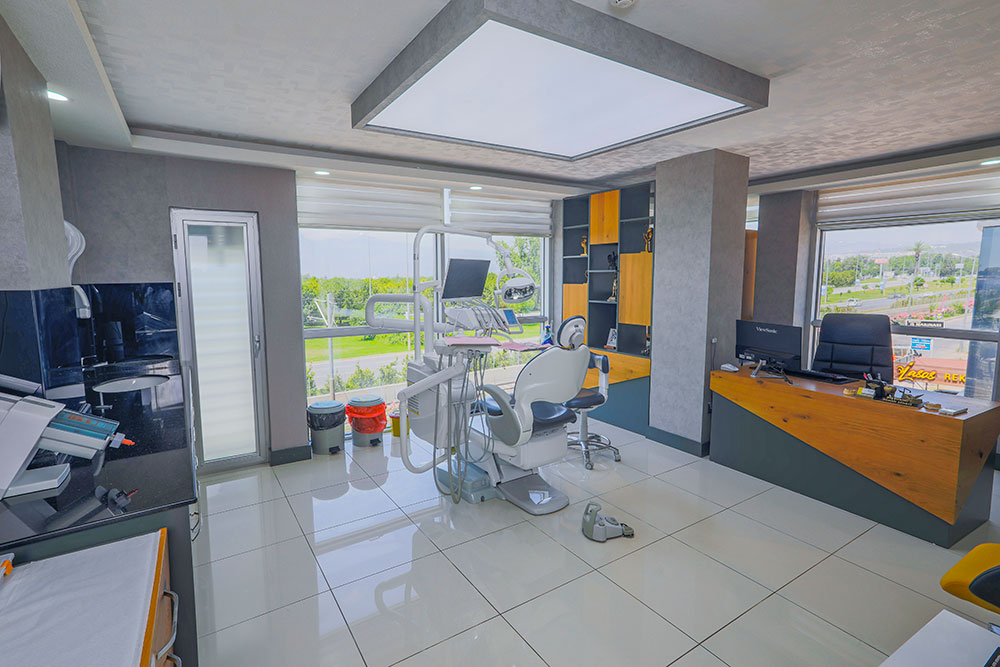
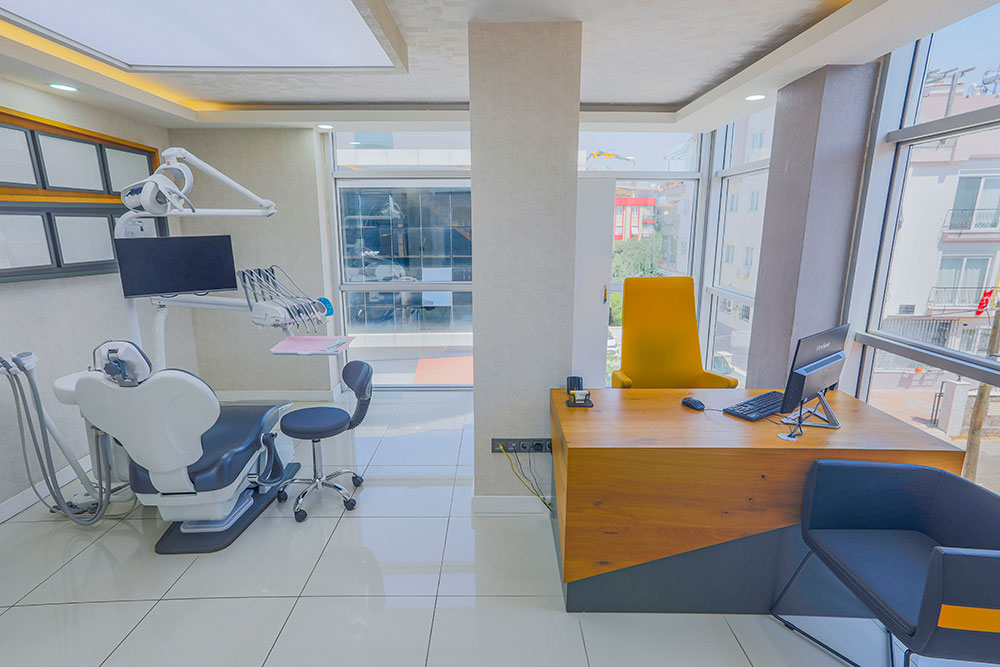
Umut Dental Clinic Antalya – clinic photo 1
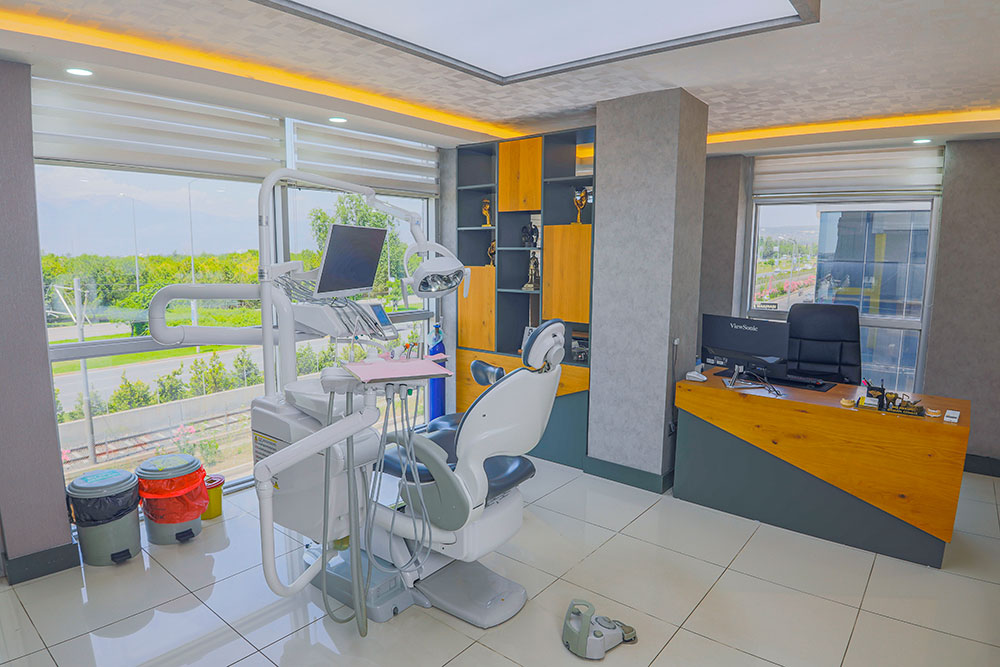
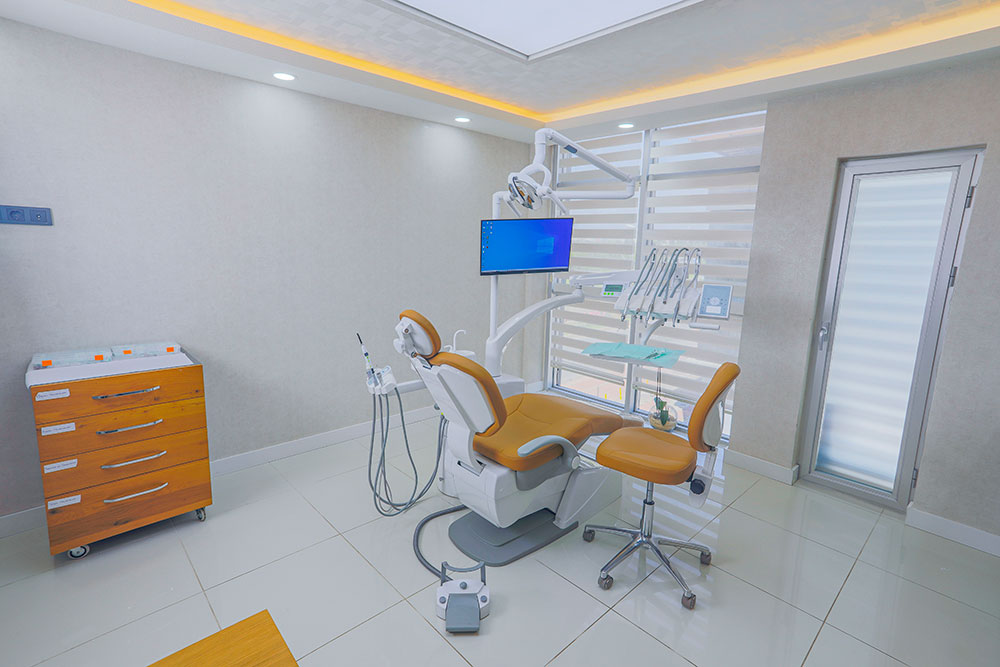
Umut Dental Clinic Antalya – clinic photo 2
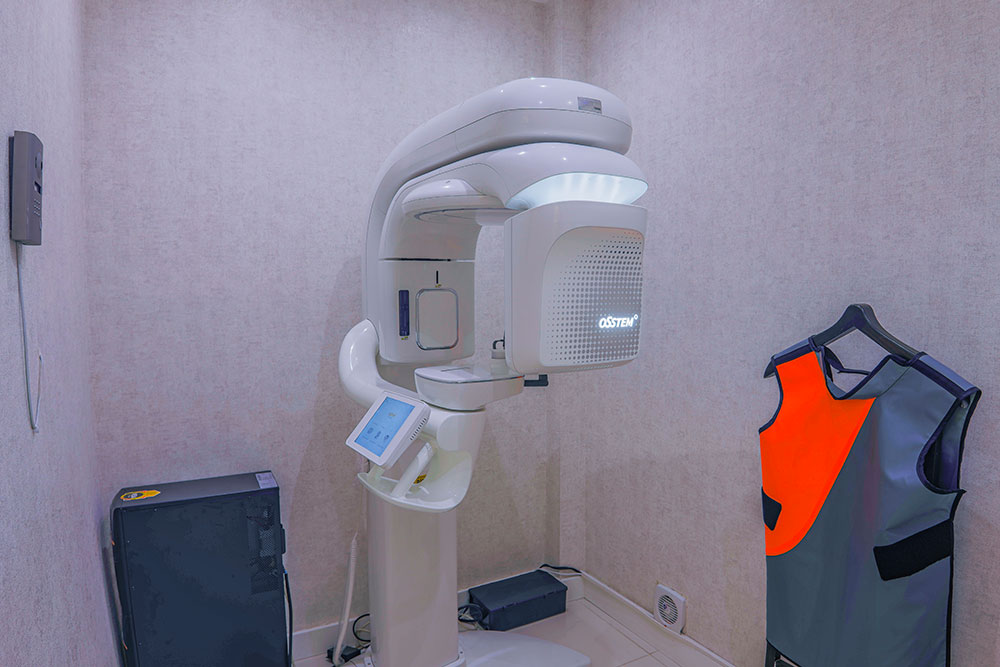
Umut Dental Clinic Antalya – clinic photo 3
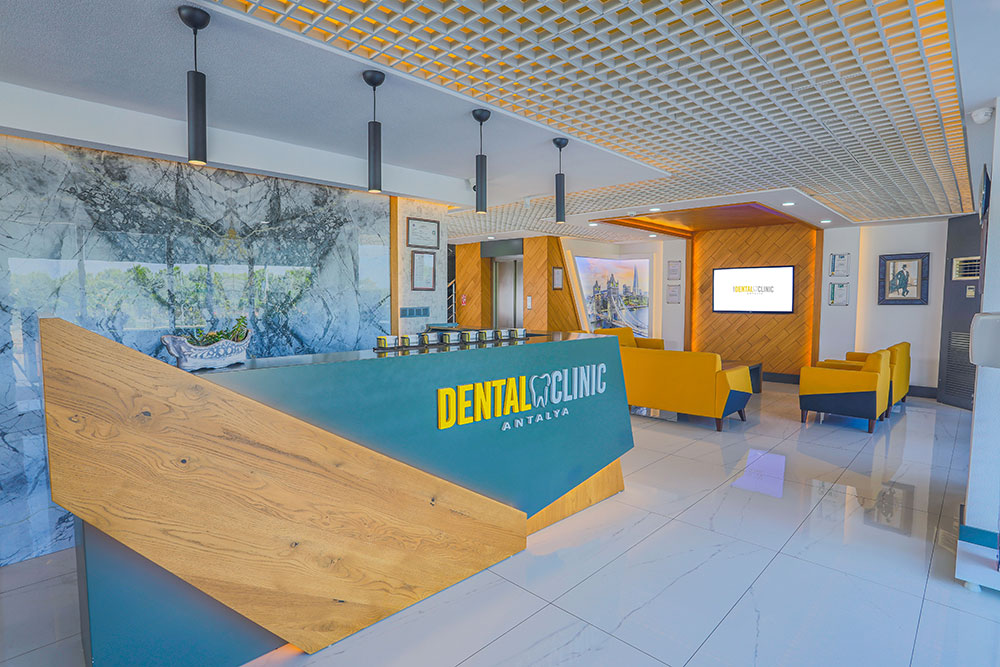
Umut Dental Clinic Antalya – clinic photo 4
Umut Dental Clinic Antalya – clinic photo 5
Umut Dental Clinic Antalya – clinic photo 6
Welcome to Umut Dental

Our Clinic

Every smile tells a story — and we've been part of thousands of them for over 17 years.

Located in the heart of Antalya, our clinic combines trusted experience with the latest dental technology. Our skilled and caring dentists create healthy, natural and long-lasting results — and from your first consultation to your final check-up, you'll feel cared for not just as a patient, but as part of our family.

  • Specialist Dentists
  • Latest Technology
  • Modern, Hygienic Clinic
  • Patient Coordinators
Testimonials

By Your Side at Every Step

At Umut Dental Clinic Antalya, we're by your side through every stage of your smile journey — with care, honesty, and expertise.

Umut Dental Clinic patient

The whole process from getting picked up friendly service from taxi driver to staying in hotel provided excellent friendly staff, appointments on time very lovely staff at clinic experience dental advice. Obviously its never a good experience to have your teeth out but never the less after care and advice on any issues is excellent and if you need to talk or chat can be done via WhatsApp, cant fault the service in my opinion.

Umut Dental Clinic patient

The overall service is very good. We were supported by Ibru who spoke good English. I had top and bottom teeth done. It includes sinus uplift, bone graft, German implants and porcelain veneers. The transfers from Airport were included as well as hotel and medication. They have the lab in the same location where the technicians make the teeth and crowns. Very pleased for the all round service.

Umut Dental Clinic patient

I simply must thank you for making my dental experience as painless as possible. You were exactly what I was looking for in a dentist. Thank you for keeping me at ease during my appointment. The communication throughout my time at the clinic and at the hotel was fantastic and any questions I had were answered swiftly. I'm looking forward to returning in April for more treatment. — Annmarie 🇬🇧

Umut Dental Clinic patient

Me and my partner had a fantastic experience here. Both of our dentists were perfectionists and gave us exactly what we wanted. We wouldn't change a thing about our teeth now. We are so confident and delighted with our smiles now. We also got to bring our 2 year old with us, which was so convenient for us, and everybody was great with him! I highly recommend this place!

Umut Dental Clinic patient

Couldn't be more pleasant. Great atmosphere, lovely people working there and they won't give up — they will get your teeth done no matter what obstacle they may encounter. I recommend Umut Dental for great results. Thank you to all staff there.

Patient Stories

Trusted by Patients Around the World

Real experiences from real Umut Dental Clinic patients.

What our patients say on Trustpilot
JD
John DunbarNew Zealand · Sep 14, 2026

This is by far the easiest review I have ever done. Umut Dental Clinic is the one stop shop for everything dental which is so very important. These people are true professionals from the front door to the engine room and beyond. I have made friends with my dentist Dr Osman the head of Umut Dental Clinic and he leads by example and creates a fantastic experience and outcome for us their clients. I am more than happy to recommend Umut Dental Clinic for all your dental works and answer any of your questions. Make the right call. Call Umut Dental Clinic.

A
AnnetteUnited Kingdom · Apr 21, 2026

My visit to Umut dental clinic was amazing.
FATIH SUNAR was my dentist he is an amazing dentist, i wasn't the easiest of patients through nerves.
I couldn't be happier with the overall service i received.
I would whole heartily recommend this clinic for any treatments.
Thankyou

TH
Thomas Trevor HoweGermany · Apr 1, 2026

I was quite nervous before I sat in the chair, but once there i was made feel comfortable and relaxed.
I had quite a bit of work done and what I really liked was the speed my dentist worked at,, I was out of the chair with 7 implants in less than 2 hours ..
The place is spotless , the equipment is more than up to date.
The price I was quoted was the price I paid. I will return for yearly check ups as I wouldnt want anyone else looking after me.
Well done to a very professional team !!

CT
Christine ThomasUnited Kingdom · Jan 19, 2026

My doctor was Faith Sunar, I'm very pleased with how professional he was and how much care he took in his work to make sure I was happy with my new teeth.
They corrected my problems and give me a new set as my old ones were not fitting properly, which was under my gaurentee.
I was seen each day for 4 days , they made sure everything was perfect before I flew back home to England uk.
The clinic was exceptionally clean and spotless.
Beyza was very helpfull to our needs and spoke very good English , she was very kind from start to finish.
Is definitely 100./. Recommend this dentist practice to anyone I'd give them 10/10.

TE
Theresa EnglishUnited Kingdom · Nov 14, 2025

Had excellent treatment with UMUT - extremely well organised and professional. I was talked through the procedure all the way through, given medication which made the process pain free and bearable. My dentist was lovely and only happy when everything was absolutely perfect. When you have so much choice of dentistry in Antalya, it can feel like a very hard decision to make but I would totally recommend this clinic. Thanks again to my fabulous dentist Tugce Aricetin

JR
Jason RobertsonUnited Kingdom · Nov 8, 2025

What a perfect clinic from start to finish I would recommend them to anyone around the world so professional hygiene is amazing on my life you would think you was in a clinic were the famous people go the United Kingdom doesn't even come close to Umut dental clinic I couldn't be happier 12 out of 10 best thing I've ever done so happy thank you umut thank thank you and thank you Dentist Tugce and thank you to the whole team

A
ArieNetherlands · Oct 29, 2025

it was great service and very helpfull friendly team also the transport to clinic was excellent. the hotel also was nice and friendly people and nice breakfast. i'm looking forward to visit Antalya and all the nice people in april again, very beutifull beach also. thank you for helping me and i hope to see you in april for finishing

O
OlgaGermany · Jul 11, 2025

I had dental treatment at Umut Clinic Antalya, and I can confidently say—three years later—that this clinic truly delivers on its promise of quality and guarantee. The results of my treatment have remained excellent over time, and I'm still very happy with everything they did.
The entire team is extremely friendly, professional, and caring. The dentists are highly trained and very experienced, which immediately gave me a sense of trust and security. They took time to explain everything clearly and made sure I felt comfortable throughout the process.
What also sets Umut Zahnklinik apart is their exceptional service for international patients. From airport pickup to accommodation support, everything was well-organized and stress-free. You really feel taken care of from start to finish.
I can highly recommend Umut Zahnklinik to anyone looking for high-quality dental care in Turkey. A great clinic with lasting results and a warm, welcoming team!

Our Team

Meet Our Doctors

Experienced clinicians dedicated to natural, healthy and long-lasting smile outcomes.

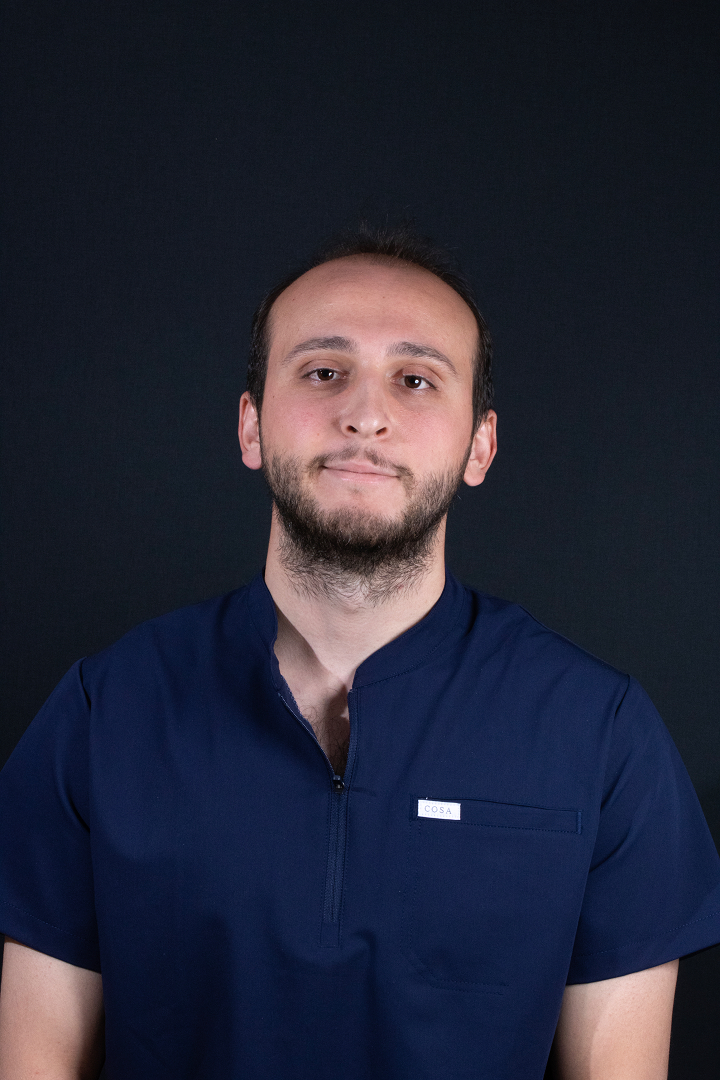
Dr. Osman Cengiz – Umut Dental Clinic Antalya

Dr. Osman Cengiz

Clinic Founder
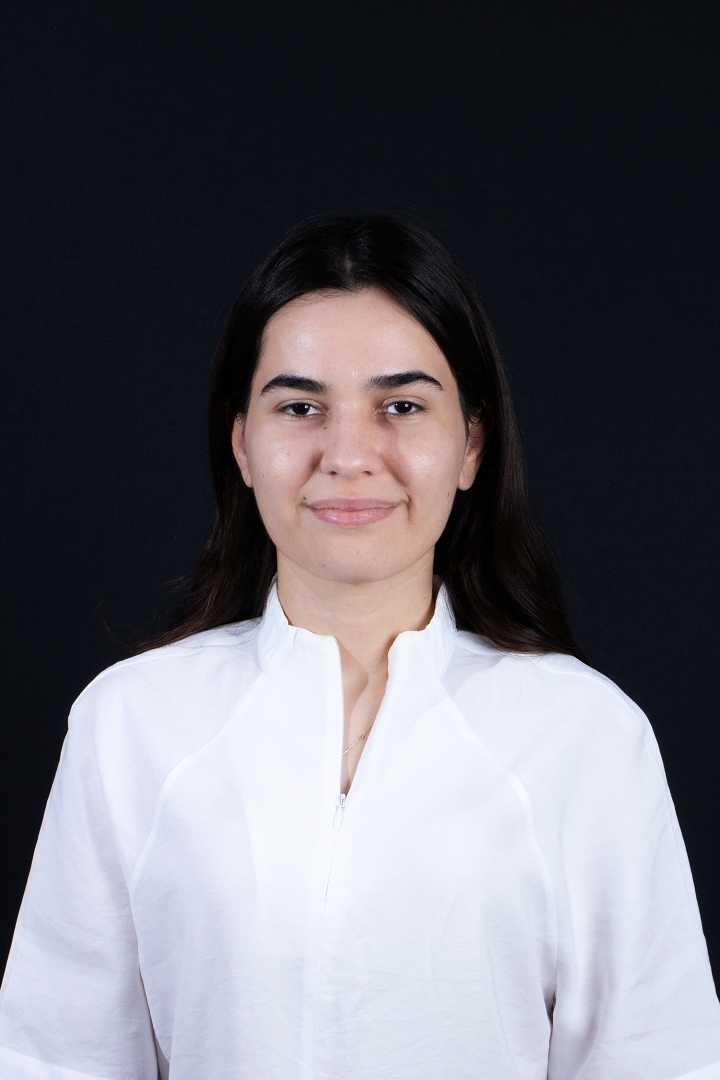
Dr. Ayşe Dilara Yüzgeç – Umut Dental Clinic Antalya

Dr. Ayşe Dilara Yüzgeç

Dentist
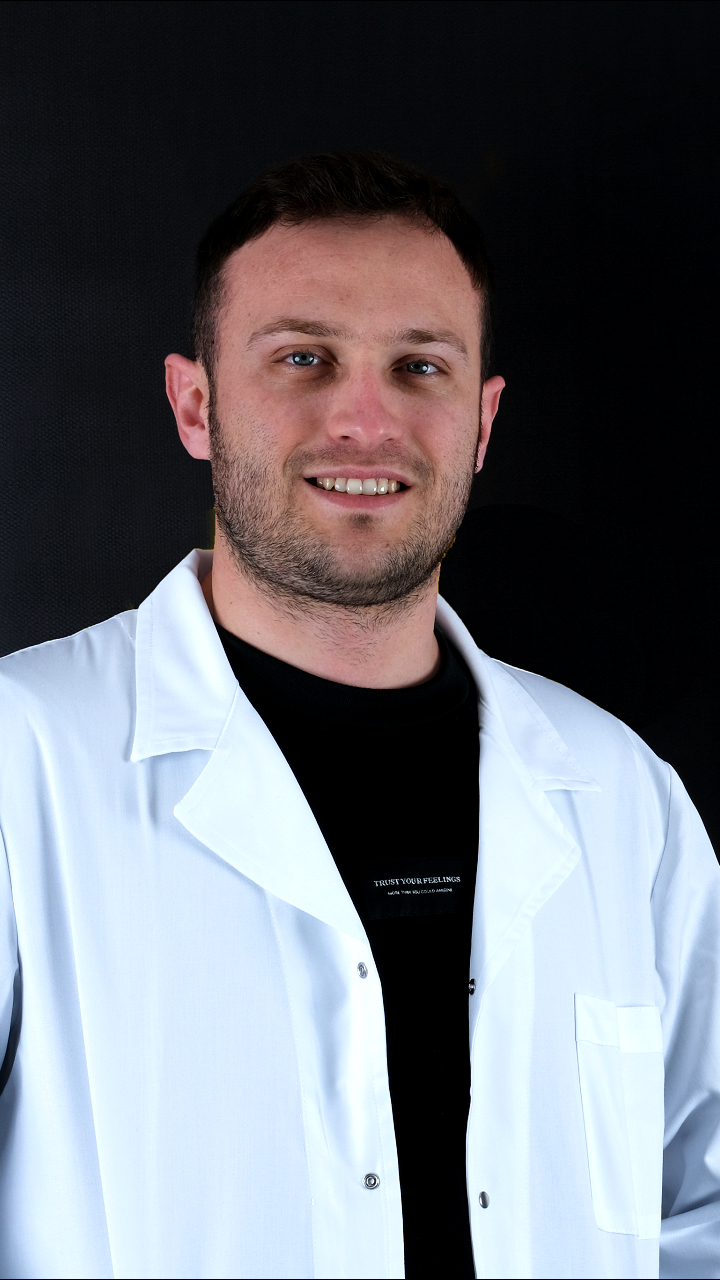
Dr. Fatih Sunar – Umut Dental Clinic Antalya

Dr. Fatih Sunar

Dentist
Dr. Tuğba Taş Mammadov – Umut Dental Clinic Antalya

Dr. Tuğba Taş Mammadov

Dentist
Dr. Melisa Köse – Umut Dental Clinic Antalya

Dr. Melisa Köse

Dentist
Dr. Abdullah Zeki Ceylan – Umut Dental Clinic Antalya

Dr. Abdullah Zeki Ceylan

Dentist
Dr. Merve Yıldırım – Umut Dental Clinic Antalya

Dr. Merve Yıldırım

Dentist
Dr. Samet Dönmez – Umut Dental Clinic Antalya

Dr. Samet Dönmez

Dentist

Online Consultation

Leave your contact information and we will contact you soon.