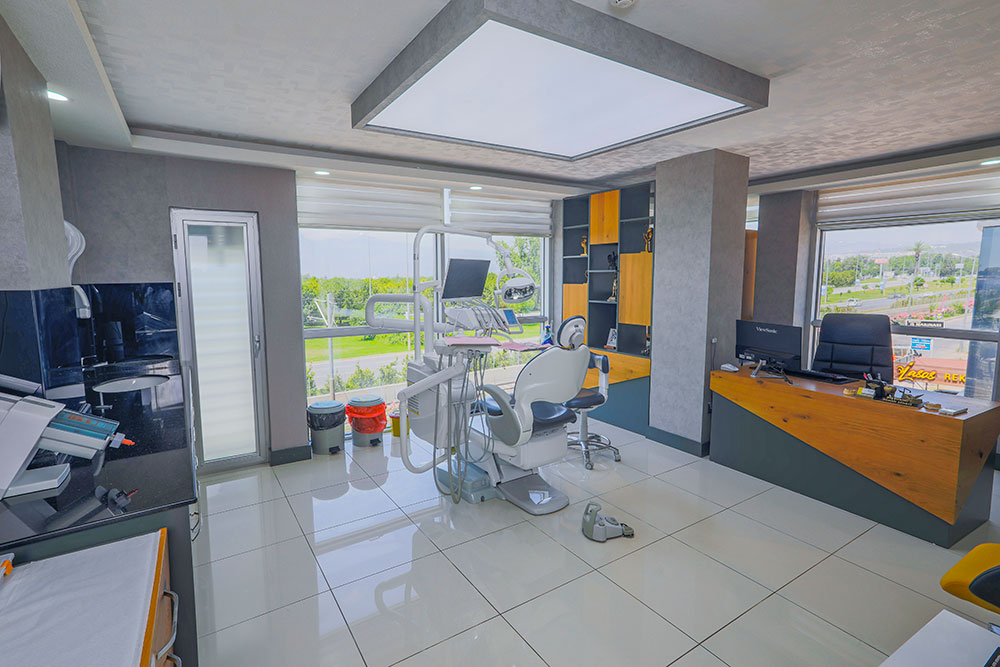
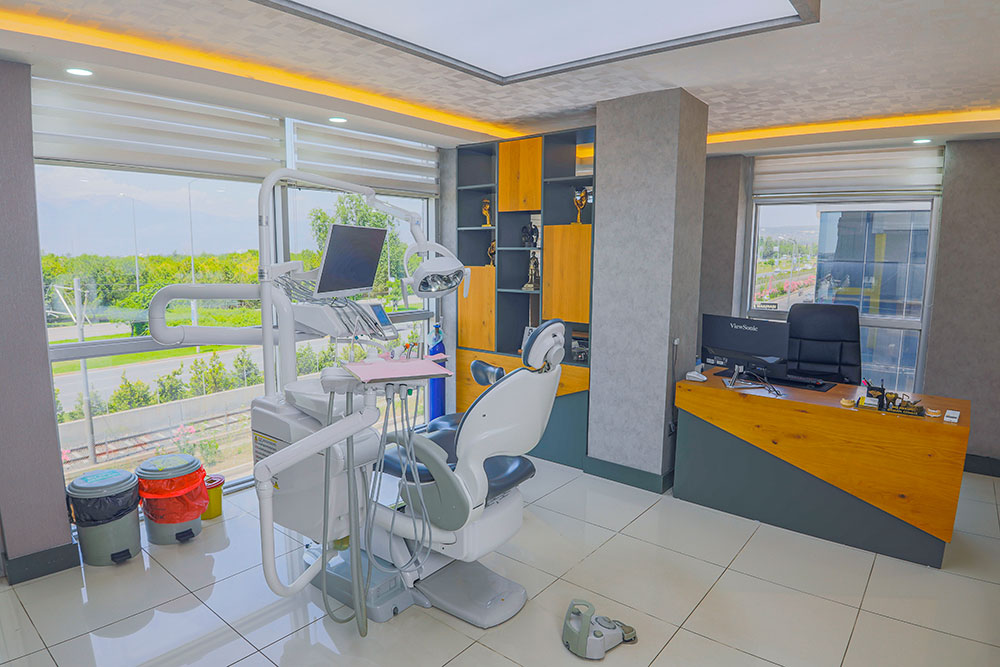
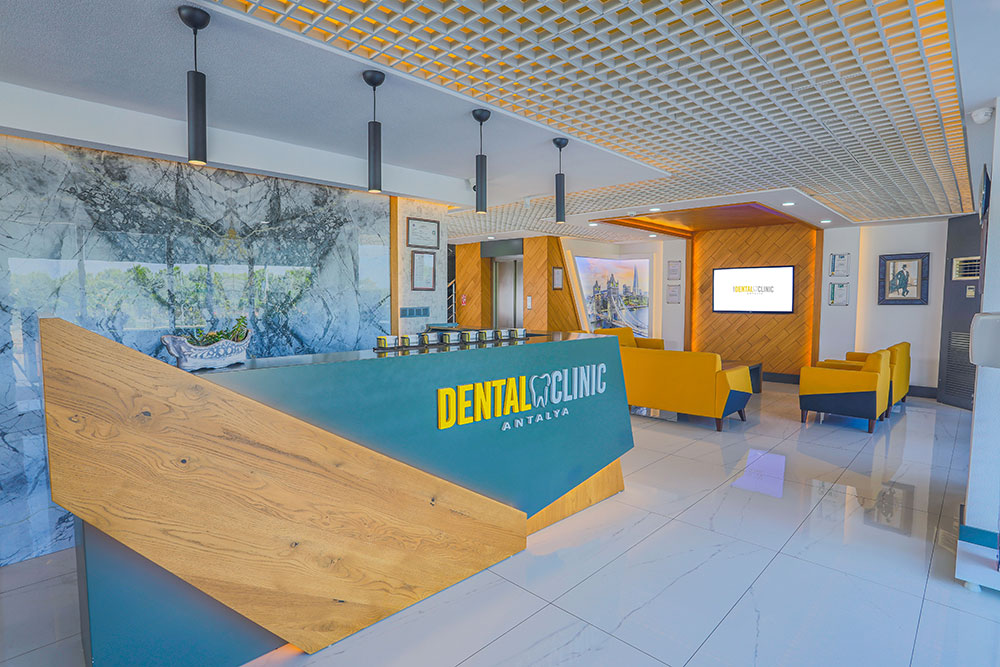
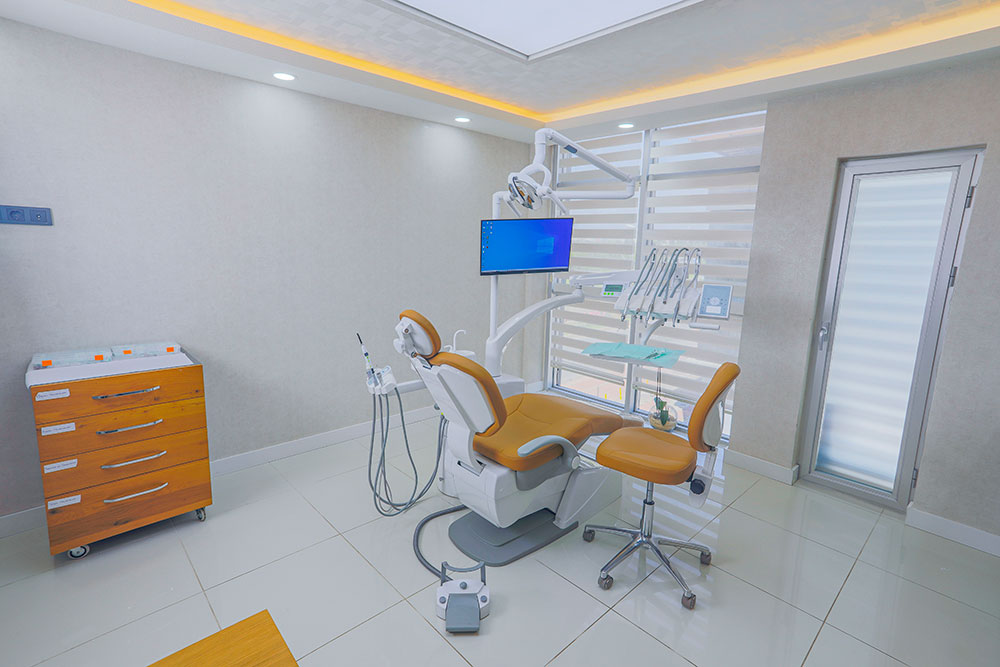
This is by far the easiest review I have ever done. Umut Dental Clinic is the one stop shop for everything dental which is so very important. These people are true professionals from the front door to the engine room and beyond. I have made friends with my dentist Dr Osman the head of Umut Dental Clinic and he leads by example and creates a fantastic experience and outcome for us their clients. I am more than happy to recommend Umut Dental Clinic for all your dental works and answer any of your questions. Make the right call. Call Umut Dental Clinic.
Empress Crowns
3 Steps to a Healthy Smile
From your first message to your final check-up, we're with you at every stage of your treatment journey.
Online Consultation & Planning
Share your details and photos with us. Our patient advisors evaluate your case with our dentists and prepare a personalised treatment plan with clear timelines and pricing.
Arrival & Treatment
We help organise your travel and stay. Once you arrive, all examinations and treatments are carried out in our fully equipped clinic in Antalya.
Book AppointmentYour New Smile & Aftercare
Your treatment is completed as planned. Enjoy your healthy, confident smile, relax in Antalya — and stay in touch with us for aftercare once you're home.
Get a Free Quote
Empress crowns are all-ceramic dental crowns used to restore damaged, discoloured or misshapen teeth while aiming for a natural, tooth-like appearance. They are often chosen for front teeth and visible areas of the smile because of their translucency and aesthetic qualities. Empress crowns are considered when a tooth is too damaged for a simple filling or veneer, but still has enough structure to hold a crown. On this page, you will learn what Empress crowns are, when they are recommended, who may not be suitable, how the planning and procedure work, what recovery and aftercare involve, and how they compare with alternatives such as zirconia crowns. You will also find information about treatment timelines, eating after crown placement, and what to expect if you are considering having Empress crowns placed in Antalya as an international patient.
What Are Empress Crowns?
Empress crowns are a type of all-ceramic dental crown made from a glass-ceramic core and layered porcelain, designed to closely mimic the colour and light-reflecting properties of natural teeth. Unlike metal-based crowns, Empress crowns do not contain a metal substructure. This helps them blend with neighbouring teeth, especially in the front of the mouth where aesthetics are most important.
The glass-ceramic material used in Empress crowns allows for high translucency, meaning light can pass through the crown in a way that resembles natural enamel. The outer porcelain layering can be customised in shade and texture, so your dentist can match the crown to your existing teeth or to a planned shade if you are having broader cosmetic treatment, such as teeth whitening or a smile makeover.
Empress crowns are commonly used to restore:
- Heavily filled or fractured front teeth
- Teeth with significant discolouration that do not respond well to whitening
- Teeth that are misshapen or slightly misaligned, when orthodontics is not planned
- Teeth that have had root canal treatment and need protection in aesthetic zones
They can be placed on natural teeth that have been shaped to receive a crown. In some cases, they may also be used on top of dental implant abutments in the front region, depending on the specific clinical situation and bite forces.
Like all crowns, Empress crowns aim to restore function (chewing and speaking) as well as appearance. They are generally considered strong enough for front teeth and some premolars, although for back teeth that experience higher biting forces, other materials such as zirconia or metal-ceramic crowns may sometimes be preferred. The choice depends on your bite, tooth position and your dentist’s assessment.
When Are Empress Crowns Recommended?
Empress crowns are recommended when you need a durable restoration in a visible area of the mouth and aesthetics are a major priority, especially for front teeth and sometimes premolars. Dentists often suggest them when a tooth is too damaged for a veneer or simple filling, but still has enough structure to hold a crown securely.
Common situations where Empress crowns may be considered include:
- Extensive decay or large fillings: If a tooth has lost a lot of structure due to decay or repeated fillings, a crown can provide more stability than another filling.
- Fractured or cracked teeth: Teeth that have chipped or fractured in the front of the mouth can often be restored with an Empress crown to rebuild both shape and colour.
- Severely discoloured teeth: Teeth darkened by trauma, old fillings, or internal staining that do not respond adequately to whitening are often better treated with a crown.
- After root canal treatment: A tooth that has had root canal therapy typically becomes more brittle. In the aesthetic zone, an Empress crown may be used to protect and improve the appearance of the tooth.
- Shape and alignment corrections: For teeth that are small, worn down, or slightly misaligned, Empress crowns can sometimes be used as part of a cosmetic plan to improve symmetry and proportion, sometimes together with laminate veneers on neighbouring teeth.
Dentists generally favour Empress crowns where light transmission and colour layering are important, such as the upper front teeth that show in your smile. For heavy bite areas, such as molars, or in patients who grind their teeth strongly, another material may be more suitable or the design may be adjusted.
Empress crowns are usually recommended only after a thorough exam and, if needed, X-rays. The dentist evaluates the health of the tooth, gums, and surrounding bone, your bite pattern, and your cosmetic goals. If there is active decay, infection, or gum disease, those issues are usually treated first before proceeding with crowns.
More about Empress Crowns
Who May Not Be a Suitable Candidate for Empress Crowns?
Some people are not ideal candidates for Empress crowns, mainly due to heavy biting forces, insufficient tooth structure, or untreated dental and medical conditions. Suitability is always confirmed by a dentist after examination and any necessary imaging.
You may not be a suitable candidate for Empress crowns, or may need a modified plan, in the following situations:
- Very heavy bite or significant teeth grinding (bruxism): If you clench or grind your teeth strongly, especially at night, the risk of chipping or damaging ceramic crowns increases. In such cases, a different material, protective night guard, or alternative treatment plan may be suggested.
- Severely weakened teeth: If a tooth has extremely little remaining structure above the gumline, it may not be able to hold a crown securely, and extraction with options like dental implants or a bridge might be discussed.
- Untreated gum disease: Active periodontitis (inflammation of the gum and bone around teeth) can cause mobility and gum recession. Crowns are usually postponed until gum health is stabilised.
- Severe misalignment or bite problems: If your upper and lower teeth do not meet in a stable way, the forces on crowns may be unfavourable, increasing the risk of fractures or looseness. Orthodontic treatment or bite adjustment may be recommended first.
- Poor oral hygiene: If plaque control is very poor and there is frequent decay, placing crowns without improving daily care may lead to recurrent decay at the crown margins.
- Uncontrolled medical conditions: Uncontrolled diabetes, bleeding disorders, recent heart events, or immune problems can affect healing and infection risk. The dentist may request medical clearance or postpone elective treatments until your general health is more stable.
- Pregnancy in the first trimester: In early pregnancy, non-urgent elective dental work is often delayed. Emergency care is still possible, but cosmetic crowns are usually planned for later.
Allergic reactions to ceramic materials are considered uncommon, but if you have a complex allergy history, you should inform your dentist. The dentist may also evaluate whether your expectations are realistic; for example, if you hope to change tooth position dramatically, orthodontics or a combination of treatments may be more appropriate than crowns alone.
How Are Empress Crowns Planned and Diagnosed?
Empress crowns are planned and diagnosed through a combination of clinical examination, imaging, bite analysis and aesthetic evaluation. The aim is to confirm that your tooth can support a crown, that the gums and bone are healthy enough, and that the final result will function well and look natural.
The planning process typically includes several steps:
- Initial consultation and examination: The dentist examines your teeth, gums and bite, and listens to your concerns and expectations. Old fillings, cracks, wear patterns and gum levels are checked carefully.
- X-rays and sometimes 3D imaging: Radiographs show the roots, bone support, and any hidden decay or infection. This helps determine if root canal treatment or other procedures are needed before crown placement.
- Photographs and shade analysis: Photographs from different angles can help in designing the smile and communicating with the dental laboratory. A shade guide is used to select the colour, often in natural daylight or under specific lighting for accuracy.
- Bite and function assessment: The way your upper and lower teeth meet is evaluated. High bite forces or irregular contact points influence material choice, crown thickness, and whether some teeth should be adjusted or treated first.
- Impressions or digital scans: Traditional putty impressions or digital intraoral scans are taken to create models of your teeth. These models are used for mock-ups, temporary crowns, and final crown fabrication.
- Wax-up or digital mock-up (when needed): For more complex cosmetic cases, a wax or digital simulation can be created to preview the expected shape and length of the crowns. For example, this can show how your smile might look if combined with a broader smile makeover.
After this assessment, the dentist discusses the options with you, explaining the benefits and limitations of Empress crowns compared with other materials. The treatment plan will outline which teeth will receive crowns, any preliminary treatments required (such as gum treatment or root canal), the estimated number of visits, and the expected maintenance needs.
Your medical history, medications and any allergies are also reviewed. This helps the dentist plan local anaesthesia and, if necessary, coordinate with your physician before proceeding.
How Does the Empress Crown Procedure Work Step by Step?
The Empress crown procedure usually takes place over several stages, from tooth preparation to final fitting. The exact steps can vary slightly between clinics and depending on how many teeth are being treated, but the general sequence is similar.
A typical step-by-step process looks like this:
- Assessment and planning: The dentist confirms the treatment plan, takes or reviews X-rays, and discusses the number of crowns, colour and shape preferences, and any required preliminary treatments.
- Anaesthesia: Local anaesthetic is usually given to numb the tooth and surrounding area so that tooth preparation is comfortable. The numbness generally lasts for a few hours.
- Tooth preparation: A small amount of enamel and sometimes dentine is removed from all sides of the tooth to create space for the crown. The amount removed is planned to balance strength with aesthetics. Old fillings or decay are removed at this stage.
- Core build-up (if needed): If a tooth is heavily damaged, a build-up material or post may be used to reinforce the tooth so it can better support the crown. This is determined based on the remaining tooth structure.
- Impressions or digital scan: Once the tooth is prepared, the dentist takes an impression using dental putty or scans the area with a digital scanner. This captures the exact shape of the prepared tooth and the relationship with neighbouring and opposing teeth.
- Temporary crown: A temporary crown made from acrylic or composite is usually placed over the prepared tooth to protect it, maintain appearance and prevent sensitivity while the final Empress crown is being fabricated in the lab.
- Laboratory fabrication: The impressions and shade information are sent to a dental laboratory. Technicians fabricate the Empress crown by creating a glass-ceramic core and layering porcelain to achieve the planned shape and colour. This stage typically takes several days.
- Try-in and adjustments: At the next visit, the temporary crown is removed and the new Empress crown is tried in. The dentist checks the fit, contacts with neighbouring teeth, bite, and aesthetics. Small adjustments can be made chairside or, if needed, the crown can be returned to the lab for changes.
- Cementation: When both you and the dentist are satisfied, the Empress crown is bonded or cemented to the tooth. Excess cement is carefully removed, and the bite is checked again.
- Final polishing and instructions: The crown surface is polished, and you receive instructions about care, what to expect over the next days, and when to return for checks.
In some streamlined cases, especially with digital workflows, some of these steps can be combined or accelerated, but the careful fitting and checking stages remain essential for long-term success.
How Long Does It Take to Get Empress Crowns?
Getting Empress crowns typically takes from several days up to a few weeks, depending on how many teeth are involved, whether additional treatments are needed, and the coordination with the dental laboratory. Most patients can expect at least two main visits, and sometimes three or more if adjustments or extra procedures are required.
A general timeline can look like this:
- Initial consultation: This visit is used for examination, X-rays if needed, treatment planning and discussion of expectations. It usually takes around 30–60 minutes.
- Preparation appointment: On a separate day, the teeth are prepared, impressions or scans are taken, and temporary crowns are placed. This can take from 60 minutes for a single tooth to several hours for multiple crowns.
- Laboratory period: The dental laboratory usually needs several days to 1–2 weeks to fabricate Empress crowns, depending on the complexity of the case and number of teeth.
- Fitting appointment: The temporary crowns are removed, the Empress crowns are tried in, adjusted and then cemented if everything is satisfactory. This often takes 45–90 minutes for a few teeth, and longer if many crowns are involved.
If you need preliminary treatments such as gum therapy, fillings, or root canal treatment, these add extra appointments and time before crown preparation. Healing time after such procedures can range from a few days to several weeks, depending on the situation.
For international patients, dentists often try to coordinate the process within a defined stay in Antalya. This may involve planning online beforehand, scheduling extended appointments, and closely coordinating with the laboratory. Even with efficient scheduling, there still needs to be sufficient time for proper planning, fabrication and any necessary adjustments, because rushing these steps can affect fit and longevity.
The dentist can give a more precise estimate of the total duration after assessing your specific case, number of crowns, and any required pre-treatments.
Do Empress Crowns Hurt?
Empress crowns themselves are not designed to hurt, and the procedure is usually carried out under local anaesthesia so that you should not feel sharp pain during tooth preparation. However, it is common to experience some temporary sensations such as pressure during treatment and mild discomfort or sensitivity in the days afterwards.
During the preparation visit, local anaesthetic is typically used to numb the tooth and surrounding area. You may feel vibration from instruments and gentle pushing, but not pain. If you do feel discomfort, you should inform your dentist so that the anaesthesia can be adjusted.
After the numbness wears off, it is normal to have:
- Mild soreness around the gums due to the dental work and retraction during impressions.
- Temporary sensitivity to hot, cold or pressure, particularly while you have the temporary crown.
- Slight bite awareness as you get used to the new shape and height of the tooth.
These symptoms usually improve over a few days to a couple of weeks. Over-the-counter pain relief may be suggested by your dentist if needed, but medications and doses should always be chosen based on your general health and medical advice.
Once the final Empress crown is cemented and the tooth has adapted, most people find the crowned tooth feels similar to a natural tooth. If you experience any of the following, you should contact your dentist promptly:
- Persistent or increasing pain that does not improve
- Pain when biting that feels sharp or high, which may indicate a bite adjustment is needed
- Swelling, throbbing, or signs of infection around the tooth or gums
- Sensitivity that remains very strong for several weeks
In rare cases, discomfort can be a sign of underlying issues such as pulp inflammation, an undetected crack, or gum problems. The dentist may then recommend further assessment, which can include X-rays, bite adjustments, or other treatments.
What Is Recovery Like After Empress Crowns?
Recovery after receiving Empress crowns is usually straightforward, with most patients returning to normal daily activities on the same day. The main recovery phase involves your mouth adapting to the new crowns, gums settling down, and any temporary sensitivity gradually reducing.
Immediately after the procedure, your mouth will likely still be numb from the local anaesthetic. During this time it is sensible to avoid chewing on the numbed side to prevent accidentally biting your cheek, tongue or lip. The numbness typically wears off over a few hours.
In the first few days, you may notice:
- Gum tenderness: The gum around the tooth may feel slightly sore or irritated from retractors and the crown margins. Gentle brushing and possibly a dentist-recommended mouth rinse can help keep the area clean while it heals.
- Mild temperature sensitivity: The tooth can react to hot or cold foods and drinks, especially if a large amount of structure was removed. This usually improves as the tooth settles.
- New bite sensation: Your bite may feel different as it adjusts to the new shape and height of the crown. For example, you might feel the crowned tooth touching first when you close your mouth.
General guidelines for a smooth recovery include:
- Chewing gently and possibly favouring the opposite side for the first few days, especially if several teeth were treated.
- Keeping up meticulous oral hygiene: brushing twice daily with a soft-bristled toothbrush and using floss or interdental brushes around the crown margins.
- Avoiding very hard or sticky foods in the first days, particularly with temporary crowns.
- Not using your teeth to open packaging or crack nuts, as this can damage both natural teeth and crowns.
If you feel your bite is high or uncomfortable after a few days, you should contact your dentist for a bite adjustment. Persistent discomfort, swelling, or gum bleeding that does not improve could indicate another problem, and should be assessed. Severe pain, facial swelling, fever, or difficulty swallowing or breathing are signs that require urgent contact with a dentist or emergency care.
Once fully settled, most people forget they have crowns in daily life, as chewing and speaking feel natural again.
What Can You Eat After Empress Crowns?
After Empress crowns are placed, you can usually return to a varied diet, but it is wise to reintroduce foods gradually and avoid putting extreme forces on the new crowns, especially in the first days. Specific recommendations depend on whether you have temporary or final crowns and how your mouth feels.
Immediately after the procedure, while your mouth is numb, it is safer to choose soft foods that do not require strong chewing, such as:
- Yogurt, soups that are not too hot, and smoothies
- Mashed potatoes, soft pasta or rice
- Soft fruits like bananas or stewed apples
Once the anaesthetic has worn off and if you feel comfortable, you can slowly return to more normal foods. However, during the first few days you may prefer to chew on the side opposite to the new crowns, especially if you have some tenderness or sensitivity.
Foods and habits to treat cautiously include:
- Very hard foods: Hard nuts, ice cubes, hard sweets, and uncut raw carrots can place strong forces on ceramic crowns. It is better to cut hard foods into smaller pieces and chew them gently.
- Very sticky foods: Sticky toffees, chewy sweets and some dried fruits can pull on crown margins and increase the risk of damage or loosening over time.
- Biting with front teeth: If your Empress crowns are on the front teeth, avoid using them as tools to bite or tear hard foods, such as biting directly into very hard apples or crusty bread; instead, cut these foods into smaller portions.
- Extreme temperature changes: Very hot drinks followed by very cold foods may cause temporary sensitivity in some recently treated teeth.
In the long term, Empress crowns can handle normal eating if treated like natural teeth: chew carefully, avoid using teeth as tools, and maintain good oral hygiene. If you grind or clench your teeth at night, your dentist may recommend a protective night guard to reduce the risk of chipping your crowns.
If a crowned tooth hurts when you bite, chips, or feels loose when eating, you should contact your dentist for evaluation rather than continue to chew on it. Early assessment can often prevent more serious problems.
What Are the Risks and Limitations of Empress Crowns?
Empress crowns, like all dental restorations, have risks and limitations. Understanding these helps you make an informed decision and set realistic expectations about durability and maintenance.
Possible risks include:
- Chipping or fracture: Although Empress crowns are designed to be strong, the ceramic can chip or crack under high forces, especially if you grind your teeth, bite hard objects, or experience trauma.
- Sensitivity: Some patients experience temporary sensitivity to hot or cold after crown placement. In some cases, sensitivity may persist and require further evaluation.
- Decay at margins: The tooth underneath and around the crown can still develop decay if plaque is not controlled. Good oral hygiene and regular dental check-ups are important to monitor the crown edges.
- Gum irritation or recession: If plaque accumulates around the crown or if you brush too aggressively, the gums may become inflamed or recede, exposing more of the tooth root and affecting appearance.
- Bite issues: An incorrectly balanced bite can cause discomfort, wear or damage to the crown or opposing teeth. This can often be corrected with small adjustments.
- Need for root canal: In some cases, especially when a tooth is heavily prepared, the dental pulp (nerve) can become inflamed over time, leading to the need for root canal treatment through the crown.
Limitations to be aware of include:
- Material strength: Empress crowns are usually very suitable for front teeth and some premolars, but may not be the first choice for molars in patients with very strong bite forces or grinding habits.
- Colour stability: The ceramic is generally colour-stable, but the appearance can be affected by changes in the surrounding gums or natural teeth. For example, if adjacent teeth darken or are later whitened, a colour mismatch may appear.
- Longevity not fixed: The lifespan of Empress crowns varies. With good care, crowns can last many years, but they may eventually need replacement due to wear, gum changes, decay or aesthetic reasons.
- Irreversibility: Preparing a tooth for a crown involves removing tooth structure, which cannot be replaced. If you later decide you do not want a crown, the tooth cannot return to its previous untouched state.
Alternatives to Empress crowns can include composite fillings, porcelain veneers, zirconia or metal-ceramic crowns, or in some cases orthodontic treatment. The dentist will discuss which options fit your tooth condition, bite and cosmetic goals. No option is entirely risk-free, but careful planning and regular routine oral check up visits help to reduce complications and detect problems early.
Empress Crowns or Zirconia Crowns: What Is the Difference?
The main difference between Empress crowns and zirconia crowns lies in their material composition, aesthetics, and typical use areas in the mouth. Both are types of metal-free ceramic crowns, but they have distinct characteristics that influence the dentist’s choice.
Material and structure:
- Empress crowns are made from a glass-ceramic core with layered porcelain. This combination allows for high translucency, making them very suitable for front teeth where appearance is critical.
- Zirconia crowns are based on zirconium dioxide, a high-strength ceramic. They can be used as a solid, more opaque material or layered with porcelain for improved aesthetics.
Aesthetics:
- Empress crowns often provide very natural light reflection and translucency, similar to natural enamel. They are frequently chosen for incisors and canines.
- Modern zirconia crowns can also look natural, especially when layered with porcelain, but some types are slightly less translucent. They may still be preferred when a combination of strength and reasonable aesthetics is required.
Strength and indication:
- Empress crowns usually perform well in low to moderate bite-force areas, such as front teeth and some premolars.
- Zirconia crowns are generally considered for areas with higher chewing forces, such as molars, or when longer-span bridges are needed, because of their higher fracture resistance.
Tooth preparation and longevity:
- Both require tooth preparation and careful bonding or cementation. The amount of tooth removal depends on design and individual factors.
- Both types can last for many years with good care, but neither is permanent. Wear, gum changes, or other dental conditions can lead to repair or replacement over time.
The choice between Empress and zirconia crowns is not about one being universally better. It depends on tooth position, bite forces, gum levels, desired aesthetics, and your oral habits. For example, a patient needing a single highly visible front crown may lean towards Empress for its translucency, while another needing several molar crowns might be advised towards zirconia for additional strength.
Your dentist will explain which material suits each tooth in your mouth and may even recommend a combination of materials in the same treatment plan for different teeth.
Getting Empress Crowns in Antalya: Visits, Stay and Follow-Up
Getting Empress crowns in Antalya as an international patient usually involves structured planning, a short stay for the main clinical work, and long-term follow-up with both the treating clinic and your local dentist. The process is arranged to coordinate dental appointments with your travel schedule while maintaining treatment quality.
Before you travel, it is helpful to share any existing X-rays, photos and medical information. At Umut Dental Clinic Antalya, patients can share their details and X-rays for an online consultation before planning travel. This allows an approximate treatment outline and estimated number of visits to be discussed in advance, although the final plan is confirmed after an in-person examination.
A typical treatment schedule for Empress crowns in Antalya might include:
- Day 1–2: Clinical examination, X-rays if needed, final treatment planning, tooth preparation, impressions or digital scans, and placement of temporary crowns.
- Laboratory period (several days): The Empress crowns are fabricated in a dental laboratory. During this time you can usually enjoy your stay, following any instructions given regarding your temporary crowns.
- Day for try-in and cementation: The Empress crowns are tried in, adjusted, and then cemented if everything is satisfactory in terms of fit, bite and aesthetics.
- Final check visit: Sometimes a short follow-up appointment is scheduled a day or two later to re-check your bite and answer any questions before you return home.
The total recommended stay often ranges from about one week to around two weeks, depending on the complexity of your case, number of crowns, and any additional treatments such as extractions, gum therapy, or implants that may be combined with crowns. If you are also undergoing treatments like dental bridges or implants, the stay and healing phases may be longer and divided into more than one trip.
After you return home, regular dental check-ups near where you live are important to monitor your crowns and overall oral health. You may be advised to visit a dentist at least once or twice a year for cleaning, examination of crown margins, and bite review. If you notice chipping, loosening, persistent pain, or any swelling, you should seek prompt dental assessment locally and inform the Antalya clinic so your records can be updated.
Clear communication between you, the treating team in Antalya, and any local dentist you see afterwards helps to maintain your Empress crowns and address any concerns that arise over time.
The information on this page is for general education only and does not replace an examination, diagnosis or treatment. See a dentist for any concerns about your oral health.
Our Clinic
Every smile tells a story — and we've been part of thousands of them for over 17 years.
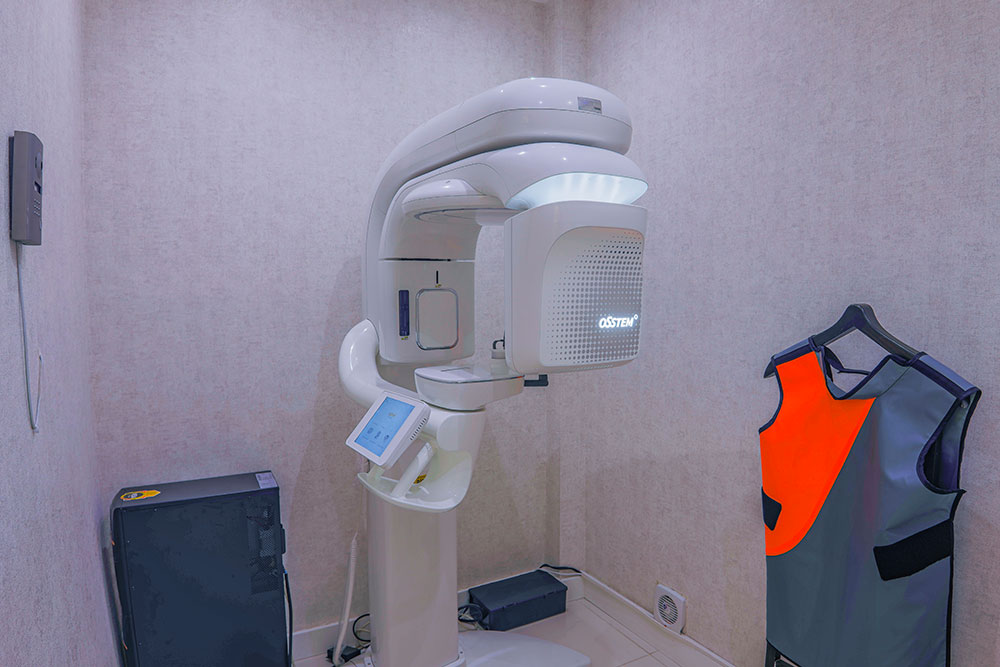
Located in the heart of Antalya, our clinic combines trusted experience with the latest dental technology. Our skilled and caring dentists create healthy, natural and long-lasting results — and from your first consultation to your final check-up, you'll feel cared for not just as a patient, but as part of our family.
- Specialist Dentists
- Latest Technology
- Modern, Hygienic Clinic
- Patient Coordinators
Our Services
Comprehensive cosmetic and restorative dentistry, planned around you.

Smile Makeover
A complete, natural-looking smile design planned around your face and goals.
Learn more
Dental Implants
A permanent replacement for missing teeth with a titanium root and natural crown.
Learn more
All-on-4 Implants
A full fixed arch of teeth supported by just four implants.
Learn more
All-on-6 Implants
A full fixed arch on six implants for extra stability and support.
Learn more
Laminate Veneers
Ultra-thin porcelain shells that refine the shape and shade of your teeth.
Learn more
Dental Crowns
Strong, aesthetic caps that protect and restore damaged teeth.
Learn more
Dental Bridges
A fixed solution that fills the gap left by one or more missing teeth.
Learn more
Teeth Whitening
A safe, professional treatment for a brighter, fresher smile.
Learn moreBehind Every Smile, a Story
Hundreds of patients have walked through our doors and left with far more than a new smile — they left with confidence. Let us write your story, too.
Trusted by Patients Around the World
Real experiences from real Umut Dental Clinic patients.
My visit to Umut dental clinic was amazing.
FATIH SUNAR was my dentist he is an amazing dentist, i wasn't the easiest of patients through nerves.
I couldn't be happier with the overall service i received.
I would whole heartily recommend this clinic for any treatments.
Thankyou
I was quite nervous before I sat in the chair, but once there i was made feel comfortable and relaxed.
I had quite a bit of work done and what I really liked was the speed my dentist worked at,, I was out of the chair with 7 implants in less than 2 hours ..
The place is spotless , the equipment is more than up to date.
The price I was quoted was the price I paid. I will return for yearly check ups as I wouldnt want anyone else looking after me.
Well done to a very professional team !!
My doctor was Faith Sunar, I'm very pleased with how professional he was and how much care he took in his work to make sure I was happy with my new teeth.
They corrected my problems and give me a new set as my old ones were not fitting properly, which was under my gaurentee.
I was seen each day for 4 days , they made sure everything was perfect before I flew back home to England uk.
The clinic was exceptionally clean and spotless.
Beyza was very helpfull to our needs and spoke very good English , she was very kind from start to finish.
Is definitely 100./. Recommend this dentist practice to anyone I'd give them 10/10.
Had excellent treatment with UMUT - extremely well organised and professional. I was talked through the procedure all the way through, given medication which made the process pain free and bearable. My dentist was lovely and only happy when everything was absolutely perfect. When you have so much choice of dentistry in Antalya, it can feel like a very hard decision to make but I would totally recommend this clinic. Thanks again to my fabulous dentist Tugce Aricetin
What a perfect clinic from start to finish I would recommend them to anyone around the world so professional hygiene is amazing on my life you would think you was in a clinic were the famous people go the United Kingdom doesn't even come close to Umut dental clinic I couldn't be happier 12 out of 10 best thing I've ever done so happy thank you umut thank thank you and thank you Dentist Tugce and thank you to the whole team
it was great service and very helpfull friendly team also the transport to clinic was excellent. the hotel also was nice and friendly people and nice breakfast. i'm looking forward to visit Antalya and all the nice people in april again, very beutifull beach also. thank you for helping me and i hope to see you in april for finishing
I had dental treatment at Umut Clinic Antalya, and I can confidently say—three years later—that this clinic truly delivers on its promise of quality and guarantee. The results of my treatment have remained excellent over time, and I'm still very happy with everything they did.
The entire team is extremely friendly, professional, and caring. The dentists are highly trained and very experienced, which immediately gave me a sense of trust and security. They took time to explain everything clearly and made sure I felt comfortable throughout the process.
What also sets Umut Zahnklinik apart is their exceptional service for international patients. From airport pickup to accommodation support, everything was well-organized and stress-free. You really feel taken care of from start to finish.
I can highly recommend Umut Zahnklinik to anyone looking for high-quality dental care in Turkey. A great clinic with lasting results and a warm, welcoming team!
Meet Our Doctors
Experienced clinicians dedicated to natural, healthy and long-lasting smile outcomes.

Dr. Osman Cengiz
Clinic Founder
Dr. Ayşe Dilara Yüzgeç
Dentist
Dr. Fatih Sunar
Dentist
Dr. Tuğba Taş Mammadov
Dentist
Dr. Melisa Köse
Dentist
Dr. Abdullah Zeki Ceylan
Dentist
Dr. Merve Yıldırım
Dentist
Dr. Samet Dönmez
DentistOnline Consultation
Leave your contact information and we will contact you soon.