Homepage
Treatments
Dental Implants
Oral & Jaw Surgery
Aesthetic Smile Design
Crowns, Bridges & Dentures
General & Restorative
Gum & Jaw Joint Care
Comfort & Children
See all treatments →
Smile Gallery Package List Dental Events About Us Blog Contact

Dental Sedation

How It Works

3 Steps to a Healthy Smile

From your first message to your final check-up, we're with you at every stage of your treatment journey.

1

Online Consultation & Planning

Share your details and photos with us. Our patient advisors evaluate your case with our dentists and prepare a personalised treatment plan with clear timelines and pricing.

2

Arrival & Treatment

We help organise your travel and stay. Once you arrive, all examinations and treatments are carried out in our fully equipped clinic in Antalya.

Book Appointment
3

Your New Smile & Aftercare

Your treatment is completed as planned. Enjoy your healthy, confident smile, relax in Antalya — and stay in touch with us for aftercare once you're home.

Dental Sedation

Dental sedation is the use of carefully monitored medicines to help you feel calmer and more comfortable during dental treatment. It is considered when you feel very anxious about dental care, have a strong gag reflex, need long or complex procedures, or struggle to stay still in the chair. Sedation does not always mean being fully asleep; depending on the type, you may feel relaxed, drowsy or only slightly less aware of the surroundings, while the dentist still works safely on your teeth and gums. On this page, you will learn what dental sedation is, when it is recommended, who might not be suitable, how the assessment and procedure are carried out, what to expect during recovery, and which risks and side effects you should be aware of before deciding together with your dentist.

What Is Dental Sedation and How Does It Work?

Dental sedation is a controlled medical technique used to reduce anxiety, fear and discomfort during dental procedures by using medicines that affect the brain and nervous system. It works by slowing certain brain activities that are linked to stress and alertness, so that you feel calmer, less aware of the procedure, and often have little or no memory of it afterwards.

Different levels of sedation exist along a spectrum, from very light to deep. With minimal sedation, you remain fully awake but more relaxed. With moderate sedation, you may feel sleepy, speak less clearly and not remember much of the treatment. With deeper sedation methods, you are very drowsy and may not respond easily, while your breathing and vital signs are carefully monitored. In many cases, a local anaesthetic (numbing injection in the mouth) is still used together with sedation to control pain in specific teeth or gums.

The medicines used for dental sedation usually work on receptors in the brain that control anxiety and awareness. They slow how quickly signals move through the nervous system, which helps reduce fear and tension. Some medicines also have an amnesic effect, meaning you may not remember the sounds, smells and sensations of the dental visit clearly. This can make future visits feel less stressful.

The dentist or anaesthesiologist (a doctor specialized in sedation and anaesthesia) chooses the type and dose based on your age, weight, general health, medical history and the complexity of the planned dental work. During the procedure, your breathing, blood pressure, heart rate and oxygen levels are checked at regular intervals or continuously, depending on the depth of sedation. This ongoing monitoring is a key part of keeping the process as safe as possible.

Dental sedation is different from general anaesthesia given in a hospital operating room. General anaesthesia usually makes you fully unconscious and requires more advanced airway support. In contrast, most forms of dental sedation are designed so that you keep breathing on your own and can still respond to simple instructions, even if you later do not remember doing so.

When Is Dental Sedation Recommended?

Dental sedation is recommended when anxiety, physical limitations or complex treatment needs make standard dental care difficult or unsafe for you. It is not only for people with severe dental fear; it can also be suggested in several everyday clinical situations after a careful evaluation.

One of the most common reasons is dental phobia or strong dental anxiety. If you experience intense fear at the thought of dental treatment, avoid appointments for years, or feel panicky with the sound of the drill or the sight of instruments, sedation can help you receive essential care without overwhelming distress. For example, someone who postpones necessary root canal treatment due to fear may be able to complete it calmly under sedation.

Sedation is also often recommended when you need long or multiple procedures during a single visit. This may include several fillings, extractions, placement of dental implants, or combined treatments as part of a larger rehabilitation or smile makeover. Staying in the chair for extended periods can be tiring and stressful, and sedation may allow the dentist to work more efficiently while you feel relaxed and less restless.

People with a strong gag reflex, who start to gag easily when instruments are placed in the mouth, may also benefit from sedation. A reduced gag response under sedation can make impressions, X-rays, and treatment of back teeth more manageable. Similarly, patients with certain movement disorders, involuntary muscle spasms, or difficulty keeping the mouth open may find that sedation allows treatment that would otherwise be very challenging.

In some cases, sedation is considered for patients with mild to moderate learning difficulties, developmental conditions or communication challenges, when standard approaches are not enough to ensure cooperation and safety. The decision in such situations is always individual and often made in collaboration with the patient, their caregivers and the medical team.

Other situations where sedation might be recommended include complex surgical procedures, such as multiple tooth extractions or bone-related surgery, where stress levels are usually higher. However, sedation is never automatic. Your dentist will first consider simpler options like behaviour management techniques, short appointments, and local anaesthesia alone. Sedation is then discussed as part of a wider plan, with benefits and risks carefully weighed for your specific case.

Everything You Need to Know

More about Dental Sedation

Who May Not Be Suitable for Dental Sedation?

You may not be suitable for dental sedation if you have certain medical conditions, are taking particular medicines, or if the risks of sedation outweigh the expected benefits after full assessment. The decision is always individual and must be made by a dentist or anaesthesiologist who knows your medical history in detail.

Uncontrolled systemic diseases increase the risk of sedation. For example, poorly controlled diabetes, unstable heart disease, severe lung problems or uncontrolled high blood pressure can complicate both the sedation itself and your recovery. In such cases, your dentist may postpone elective treatment or ask for a consultation with your physician to stabilize your condition before considering sedation.

Some breathing-related conditions, such as severe asthma or advanced chronic lung disease, may make certain types of sedation unsafe, especially deeper levels that can slow breathing. People with obstructive sleep apnoea (repeated pauses in breathing during sleep) may also require special caution, closer monitoring, or treatment in a hospital environment rather than a standard dental clinic setting.

Pregnancy is another important consideration. Non-urgent dental treatment that requires sedation is usually postponed during pregnancy when possible, especially in the first trimester. If urgent treatment is needed, the team will aim for the lowest effective level of sedation and coordinate care with your obstetrician. Breastfeeding may also influence the timing of some medicines used for sedation.

Use of certain recreational drugs, heavy alcohol consumption, or long-term use of sedative medicines can affect how your body responds to dental sedation. You may be more sensitive or, in some cases, less responsive to standard doses. It is essential to be honest about any such use, as it directly affects your safety. People with a history of certain psychiatric conditions may also need a more detailed, shared decision-making process, sometimes involving their mental health professional.

Some allergies and previous serious reactions to anaesthetic or sedative medicines may limit the options available. If you have ever experienced breathing difficulties, severe rash, or hospital admission after sedation or anaesthesia, this must be shared before planning new sedation.

Very young children, extremely frail older adults and people with reduced ability to protect their airway might not be candidates for specific types of sedation in a standard dental practice and may instead be referred to a hospital-based dental service. Ultimately, only a dentist who has examined you and reviewed necessary information can confirm whether dental sedation is appropriate, and if so, which form is safest.

How Is a Patient Assessed Before Dental Sedation?

Before dental sedation, you are assessed through a structured medical and dental evaluation so that the team can understand your overall health, anxiety level and treatment needs. This assessment helps to choose the most suitable sedation method, estimate the level of risk, and plan the procedure and aftercare in a personalized way.

The process usually starts with a detailed medical history. You are asked about previous illnesses, hospital admissions, surgeries and any chronic conditions such as heart disease, blood pressure problems, breathing disorders, diabetes, liver or kidney disease, bleeding issues and mental health conditions. The dentist also needs to know if you have ever had difficulties with sedation or anaesthesia in the past, including nausea, prolonged drowsiness or allergic reactions.

Next, you provide a list of all medicines and supplements you take, including those bought without a prescription and any herbal or vitamin products. Some substances can interact with sedatives or affect blood clotting, blood pressure or breathing. The dentist or anaesthesiologist may advise you to adjust or temporarily stop some medicines in coordination with your physician, though this is always decided case by case.

An assessment of your dental needs also takes place. The team examines your mouth, teeth and gums, listens to your concerns, and discusses the planned procedures, such as fillings, extractions, dental crowns, or more extensive rehabilitations. X-rays or scans may be taken to understand the complexity and length of the proposed treatment.

Your level of dental anxiety and your previous experiences are explored. For example, you might be asked how you usually feel before a dental visit, whether you have had panic attacks in the chair, or if particular triggers, such as needles or the sound of drilling, worry you most. This helps tailor both psychological support and the sedation plan.

A physical examination is usually performed, including checking your blood pressure, heart rate, oxygen levels, weight and sometimes your airway anatomy (for example, how wide you can open your mouth and the shape of your jaw and throat). These details are important, especially if deeper sedation is being considered, as they influence how easily your breathing can be observed and supported if needed.

Based on the information collected, you are assigned a general risk category, and the dentist explains the available sedation options, their benefits and potential side effects. You can ask questions and are given clear instructions about eating and drinking before the appointment, taking regular medicines, and arranging an escort to accompany you home. Only when you fully understand and agree is your written consent for sedation obtained.

What Types of Dental Sedation Are Used in Dentistry?

Dentistry uses several types of sedation, ranging from very light relaxation to deeper levels, and the choice depends on your health, anxiety level and the type of dental treatment planned. The main categories are minimal sedation, moderate sedation and deep sedation or general anaesthesia, each delivered through different routes.

Minimal sedation is usually provided with medicines taken by mouth or inhaled gases. Oral sedation involves swallowing a prescribed sedative tablet or liquid a set time before your appointment. It aims to reduce anxiety so that you feel calm but remain awake and able to respond clearly. Inhalation sedation uses a mixture of gases breathed in through a small mask over your nose. The effect is mild relaxation, sometimes with a slightly light-headed feeling, and it can often be adjusted quickly during treatment.

Moderate sedation, sometimes called “conscious sedation”, can also be achieved with higher-dose oral medicines, inhalation, or, more commonly, medicines given through a small plastic tube into a vein in your arm or hand (intravenous sedation). IV sedation usually works quickly and allows the dentist or anaesthesiologist to adjust the level of sedation more precisely. You are likely to feel very drowsy, may speak slowly, and often remember little or nothing of the procedure, yet you can still respond to simple instructions and breathe on your own.

Deep sedation and general anaesthesia are at the deepest end of the scale. With deep sedation, you are on the edge of consciousness and do not respond easily, while your vital signs are continuously monitored. General anaesthesia makes you fully unconscious and is typically delivered in a hospital or specialized clinic environment by an anaesthesiologist with a trained team. For dental care, general anaesthesia is usually reserved for specific situations, such as extensive surgery, patients with certain disabilities, or cases where other sedation methods are not suitable or have failed.

Each type of sedation has its own advantages and limitations. Minimal and moderate sedation in a dental clinic allow faster recovery and are often sufficient for many procedures, such as fillings, root treatments, or placement of dental bridges. Deeper sedation and general anaesthesia provide a greater degree of unawareness but come with higher requirements for monitoring, equipment and medical back-up.

Your dentist will explain which options are available in the setting where you are treated and may also work with an anaesthesiologist for more advanced sedation techniques. Factors such as your age, weight, general medical status, possible pregnancy, and personal preferences are taken into account so that the method chosen aims for adequate comfort with an appropriate level of safety.

How Does the Dental Sedation Process Work Step by Step?

The dental sedation process follows a series of planned steps designed to keep you informed, comfortable and as safe as possible from your first consultation to your full recovery. While details can vary between clinics and the type of sedation used, the general pathway includes preparation, sedation administration, monitoring during treatment and supervised recovery.

1. Pre-appointment preparation
Your dentist explains the sedation method recommended, the benefits, potential risks and the kind of feelings you may experience. You receive specific instructions about when to stop eating and drinking before the appointment, which regular medicines to take or temporarily avoid, and the need to arrange an adult escort to accompany you home and stay with you for a period afterwards.

2. Arrival and final checks
On the day of treatment, you arrive a little earlier so that final checks can be performed. These include confirming your medical history, allergy status and last food or drink intake. Your blood pressure, heart rate and oxygen levels may be measured. You can ask any last questions and sign consent forms if not already done.

3. Setting up monitoring
Depending on the level of sedation, monitoring equipment is attached before or shortly after sedation begins. This may include a finger clip to measure oxygen levels and pulse, a blood pressure cuff, and sometimes small stickers on the chest to record heart activity. These devices allow the team to observe your vital signs throughout the procedure.

4. Administration of sedation
For oral sedation, you may take the medicine before arriving or once you are in the clinic, and then relax in a waiting area until the effect begins. For inhalation sedation, a small mask is placed over your nose and you breathe in the gas mixture while the dentist adjusts the flow. For IV sedation, a thin cannula is placed into a vein, usually in your arm or hand, through which the sedative is given and adjusted.

5. Local anaesthesia and dental treatment
Once you are appropriately sedated, the dentist usually applies local anaesthetic injections around the teeth or gums to numb the area. Under sedation, you are less aware of these injections. The planned dental work is then carried out, whether it is fillings, extractions, root canal treatments, or more complex procedures. Throughout, your breathing, colour, movements and monitor readings are checked regularly.

6. Ending sedation
When the treatment is complete, the sedative is reduced or stopped. Inhalation gases are turned off and replaced with normal oxygen if needed. IV sedative administration stops, and you are allowed time to awaken more fully. With oral sedation, the medicine simply wears off gradually.

7. Recovery and discharge
You are transferred to a recovery area, often in the same clinic, where you rest in a comfortable position. Staff observe you until you are awake enough, with stable vital signs, and can sit up and talk clearly. Your escort is given verbal and written instructions for your care at home, including signs that require urgent medical attention, and you are then allowed to leave with your companion.

Does Dental Sedation Hurt or Make You Fully Sleep?

Dental sedation itself is not intended to be painful, and in many cases the process of receiving sedation is only mildly uncomfortable, but it does not always make you fully sleep. Most dental sedation techniques are designed to keep you relaxed and drowsy while still able to breathe on your own and respond to simple instructions.

The sensations you experience depend on the type of sedation. With minimal or moderate sedation given by mouth or inhalation, you stay awake but feel less anxious and more detached from what is happening. You might be aware of sounds and movements but care much less about them. Many people later report that the visit felt shorter or that they remember only fragments.

For intravenous sedation, a small plastic tube has to be placed into a vein in your arm or hand, which might cause a brief sting similar to a blood test. Once the medicine starts, you often feel a warm, heavy sensation and become very sleepy. You may still respond if the dentist calls your name or asks you to open your mouth, but you usually will not remember this clearly afterwards.

It is important to understand that sedation is different from pain control. Sedation reduces anxiety and awareness; local anaesthesia (numbing injections in your mouth) is used alongside it to block pain from the teeth and gums. Under sedation, you are less likely to feel or react to the injections themselves. If, during the procedure, you show signs that you can feel discomfort, the dentist can add more local anaesthetic while continuing to monitor your sedation level.

Only deep sedation or general anaesthesia can make you “fully sleep” in the sense of being completely unconscious and unaware. These levels are used only in selected cases and usually require an anaesthesiologist and more advanced equipment. Even then, some patients describe the experience more as “time skipping” than traditional sleep, as they often have no memory from shortly after the start until they wake in recovery.

Some temporary side effects can occur with any sedation, such as mild bruising at the IV site, a sore nose from a mask, or a brief burning feeling when medicine enters a vein. These are typically short-lived. If you are particularly worried about needles or other aspects of the process, you can discuss this in advance so that the team can adapt their approach and explain each step as gently as possible.

How Long Does Dental Sedation Take and How Many Visits Are Needed?

The length of dental sedation and the number of visits needed depend on the type of sedative technique used, the amount of dental work planned, and your general health and recovery speed. Sedation itself can last from less than an hour to several hours, and treatment plans are tailored so that you spend only as long as is safely necessary under its effects.

For minimal or moderate oral sedation, you typically take the medicine 30–60 minutes before treatment, and the calming effect may last for a few hours. The dental procedure is then carried out within this time frame. Including preparation and recovery, you might spend 2–4 hours at the clinic on that day. Oral sedation is often used for moderate procedures that can be completed in a single appointment, though more extensive plans may still require multiple visits.

Inhalation sedation usually has a rapid onset and wears off quickly once the gas is stopped. This means the actual sedation period is often limited to the treatment time plus a short recovery period, often around 15–30 minutes. It can be a useful option for shorter procedures or for patients who need a mild, easily adjustable level of relaxation across several separate sessions.

Intravenous sedation can be maintained for as long as the procedure requires, often between 1–3 hours in dental practice settings, with an additional observation period afterwards until you are alert and stable enough to go home. Complex treatments, such as multiple extractions or implant placements, may be grouped into a single, longer sedation appointment to reduce the number of separate visits.

The total number of visits is determined by the overall treatment plan as much as by sedation itself. For example, a full-mouth rehabilitation or combined surgical and restorative work may need several stages: initial assessment and routine oral check up, preliminary treatments such as gum therapy, one or more sedation sessions for major procedures, and then non-sedated follow-up visits for checks and adjustments.

In all cases, the dentist will aim to group procedures sensibly so that you are not sedated more often than necessary. Between visits, enough healing time is allowed if surgery or extensive work has been done. Your medical status, travel plans if you are coming from abroad, and personal preferences are all considered when scheduling. The exact timescales are discussed with you in advance, with the understanding that adjustments may be needed if your mouth or body responds differently than expected.

What Is Recovery Like After Dental Sedation?

Recovery after dental sedation is usually gradual, starting in the clinic and continuing at home for the rest of the day, and sometimes into the following day. The experience depends on the depth and type of sedation you received, how long the procedure lasted, and your individual sensitivity to sedative medicines.

In the immediate recovery period, you are observed in a comfortable area until you become more awake and your vital signs are stable. For light inhalation sedation, this may be fairly quick, often within 15–30 minutes. For oral or intravenous moderate sedation, it can take longer, sometimes 30–90 minutes, before you are ready to leave the clinic with your escort. You may feel sleepy, unsteady when walking, and your thinking or speech can be a little slow.

Once at home, rest is important. Most dentists recommend that you do not drive, operate machinery, sign important documents or make major decisions for at least the rest of the day, and sometimes for 24 hours, because sedative effects on judgment and reaction times may linger even when you feel mostly normal. You are usually advised to have a responsible adult stay with you for a period, especially after moderate or deeper sedation.

Common, short-lived side effects can include drowsiness, mild dizziness, blurred memory of the day, and sometimes a headache or slight nausea. Your mouth may still feel numb from local anaesthetic injections used during the procedure, which can last a few hours. Care should be taken not to bite your lips, cheeks or tongue while numb. If you had extractions or surgery, you may experience some swelling, bruising or soreness at the treatment site, which is managed with standard dental post-operative instructions and any medicines recommended by your dentist.

Most people find that by the next day they feel back to their usual selves, although some may experience tiredness or slightly reduced concentration for a bit longer. If you notice symptoms such as worsening pain not relieved by suggested measures, persistent vomiting, unusual confusion, shortness of breath, chest pain, heavy bleeding from the mouth, or facial swelling accompanied by fever, you should contact the dental clinic or seek urgent medical help, as these could indicate complications that need prompt attention.

Follow-up appointments are often scheduled to check healing, remove stitches if they were placed, adjust any temporary restorations, and review how you experienced the sedation. This follow-up is an opportunity to discuss what went well, what could be improved for any future sedated procedures, and to refine your ongoing dental care plan.

What Can You Eat and Do After Dental Sedation?

After dental sedation, you should start with clear, light foods and avoid demanding physical or mental activities until the sedative effects fully wear off. The exact instructions depend on the type of sedation and the dental treatment you have had, but some general principles apply in most cases.

Once you are safely home and no longer nauseous, you can usually begin with small sips of water. If this is tolerated well, soft, bland foods such as yoghurt, mashed potatoes, soup at a lukewarm temperature or a banana are often recommended for the first few hours. Hot foods and drinks should be avoided while your mouth is still numb, as you could burn yourself without realizing it. If you had extractions or surgery, you are often advised to avoid chewing on that side and to choose foods that do not require heavy biting.

Alcohol should be avoided for at least 24 hours after sedation, as it can interact with remaining sedatives in your system and worsen drowsiness, dizziness or nausea. It is also generally advised not to smoke during the initial healing period after any oral surgery, as smoking can interfere with blood supply and delay healing in the mouth.

In terms of activity, rest is strongly encouraged for the remainder of the day. You should not drive, use public transport alone, cycle, operate machinery, climb ladders, swim, or do any activity where coordination and quick reactions are needed. Strenuous exercise, such as running or heavy lifting, is best postponed until the next day or longer if you have had surgical dental work that could bleed more with exertion.

For oral hygiene, gentle care is important. Unless your dentist tells you otherwise, you can usually brush your teeth carefully, avoiding the treated area if it is tender or has stitches. Vigorous rinsing or spitting is typically discouraged during the first hours after extractions, as it can disturb blood clots that are essential for proper healing. Your dentist may suggest simple rinses with plain water or a prescribed mouthwash after a certain time, especially if surgery was involved.

Screen time, reading or light television are generally safe as you rest, but you may find your attention span or memory is slightly affected until the sedative has fully cleared. Making important financial or legal decisions is usually postponed, as judgment can still be mildly altered even if you feel awake.

If you are caring for children or vulnerable adults, it is advisable to have another responsible person share those duties for the first day, because unexpected drowsiness or dizziness can make supervising others more difficult. By following these precautions and any personalized instructions from your dentist, you support both your safety after sedation and the healing of your teeth and gums.

What Are the Risks and Side Effects of Dental Sedation?

Dental sedation, like any medical procedure, carries potential risks and side effects, although serious complications are uncommon when it is planned carefully and carried out by trained professionals in an appropriate setting. Understanding these risks helps you make an informed decision together with your dentist.

Common, usually mild side effects include drowsiness, dizziness, unsteadiness when walking, blurred or patchy memory of the appointment, and sometimes a headache or nausea. These effects often settle within a few hours but can occasionally last into the next day. Some people experience temporary dry mouth or, less commonly, a brief period of agitation or restlessness as they wake from sedation.

Local discomfort can occur at the site where sedation is administered. With IV sedation, you might notice slight bruising, tenderness or redness where the cannula was placed. With inhalation sedation, the area around the nose can feel a little sore or irritated. These local effects tend to be minor and self-limiting.

More significant risks relate to how sedatives affect breathing, heart function and blood pressure. In some individuals, breathing can slow, or the airway may become partially blocked, especially in deeper levels of sedation or in people with underlying lung disease or sleep apnoea. Blood pressure and heart rate can drop or occasionally rise. For these reasons, close monitoring and appropriate training are essential, and certain higher-risk patients may be treated in a hospital environment instead of a standard clinic.

Allergic or unusual reactions to sedative medicines are possible but relatively rare. Symptoms might include rash, swelling, difficulty breathing, or unexpected changes in heart rhythm. The dental team is trained to recognize early signs of such reactions and to respond quickly with emergency measures if required.

For patients with certain medical conditions, sedation can interact with their disease process or their regular medicines. For example, sedatives can have stronger or more prolonged effects in people with liver or kidney impairment, since these organs are involved in processing and eliminating drugs. This is why a complete medical history and sometimes coordination with your physician are necessary before planning sedation.

From a dental perspective, if you have surgical treatment under sedation, there are the usual procedure-related risks, such as infection, bleeding, swelling, or dry socket after extractions. Sedation itself does not cause these but can make it harder for you to remember all aftercare instructions, which is why written guidance and support from your escort are important.

Very rare but serious complications, such as severe breathing difficulties, heart problems or aspiration (inhaling stomach contents into the lungs), are described in medical literature, though they are uncommon in properly selected patients where guidelines are followed. If you experience severe chest pain, shortness of breath, facial or throat swelling, persistent vomiting, high fever, or heavy bleeding that does not slow with pressure after sedated dental care, you should seek urgent medical or emergency attention without delay.

Having Dental Sedation in Antalya: Travel Planning and Follow-Up

Having dental sedation in Antalya requires careful travel planning, coordination of appointments and structured follow-up to support both your dental results and your general safety. Many international patients choose sedation to make longer or more complex treatment sessions more manageable during a limited stay.

Before you travel, sharing your medical and dental information is essential. At Umut Dental Clinic Antalya, patients can share their details and X-rays for an online consultation before planning travel. This early assessment helps to identify whether sedation is appropriate for you, which type may be considered, how many visits are likely, and whether any medical clearance from your physician at home is needed.

When booking flights, it is wise to allow extra days around major sedated procedures. For example, you may plan an initial consultation visit on arrival, followed by treatment appointments that include sedation, and at least one review appointment before you leave Turkey. Sedation should not be scheduled too close to a long flight home, as you need time to recover, monitor early healing and ensure that any unexpected issues, such as swelling or discomfort, are stabilizing.

Accommodation choices should take into account that you will return to your hotel or apartment feeling sleepy and possibly sore after sedated dental work. Having a companion stay with you is strongly recommended, and the distance between your accommodation and the clinic should be short enough for comfortable transport by car or taxi. You should not plan to drive yourself at any time on the day of sedation.

Activity planning during your stay in Antalya also needs adjustment. On the day of sedation and often the following day, it is better to avoid long sightseeing trips, intense sun exposure, swimming, or physically demanding excursions. Gentle local walks or quiet rest at your accommodation are more suitable while you recover. Tourist activities and beach visits can usually be planned for days when you are not sedated and when your mouth is healing well.

For follow-up, your dentist will explain what to watch for once you return home and how to seek help if needed. You may receive written treatment reports, X-rays or digital files that you can share with your local dentist for ongoing care. Some clinics offer remote check-ins, such as video calls or email communication with photos, to review healing after surgery under sedation and to answer questions once you are back in your own country.

Having a local dentist at home is still important, as regular maintenance and routine checks should continue after your trip. If you had complex work under sedation in Antalya, clear communication between the clinic and your home dentist supports long-term stability and comfort of your restorations and oral health.

The information on this page is for general education only and does not replace an examination, diagnosis or treatment. See a dentist for any concerns about your oral health.

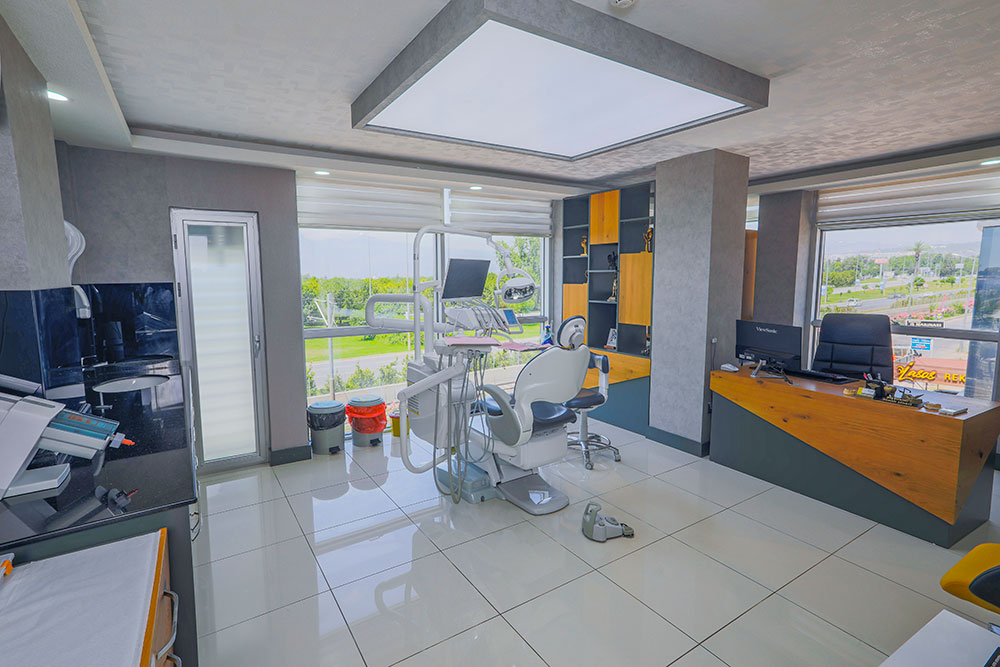
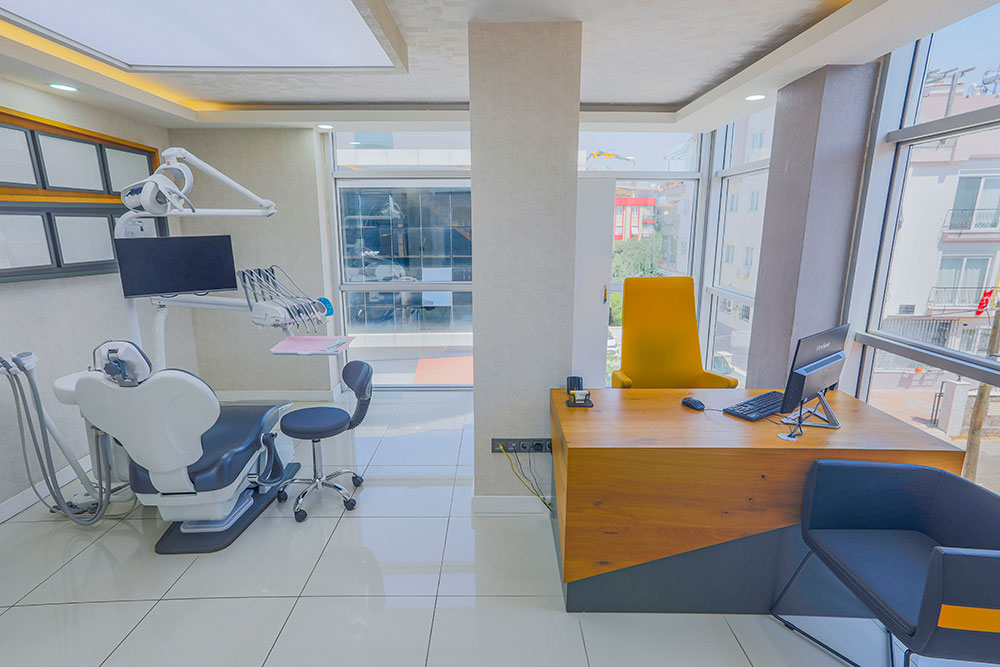
Umut Dental Clinic Antalya – clinic photo 1
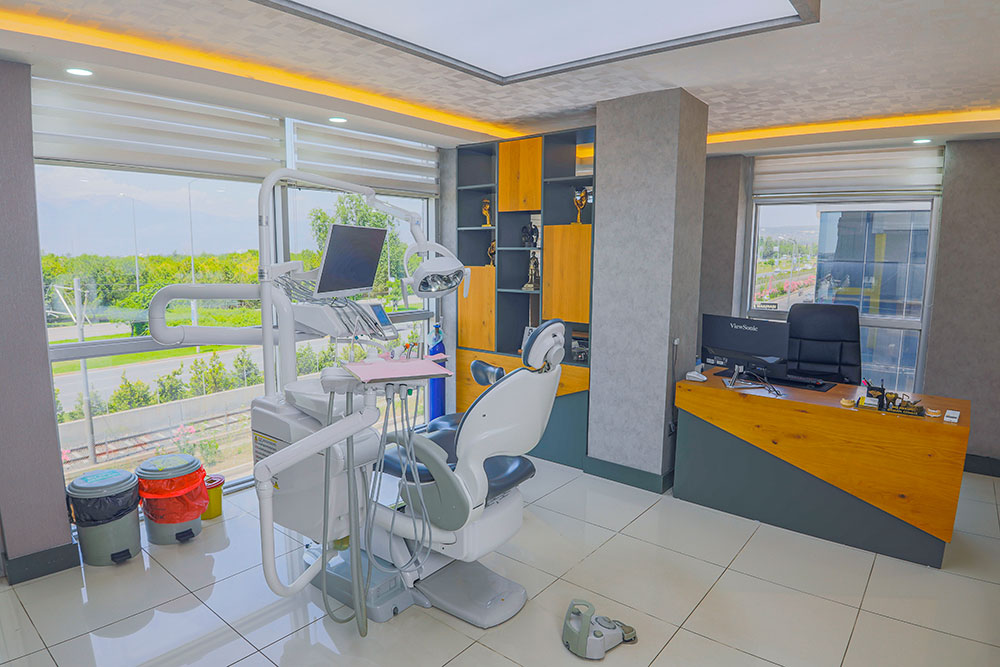
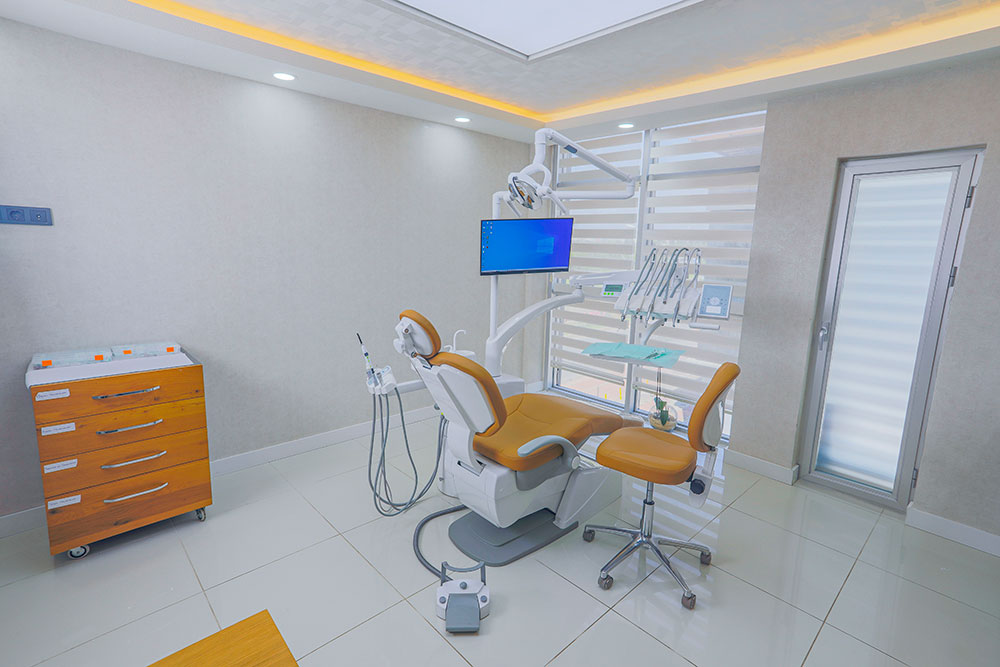
Umut Dental Clinic Antalya – clinic photo 2
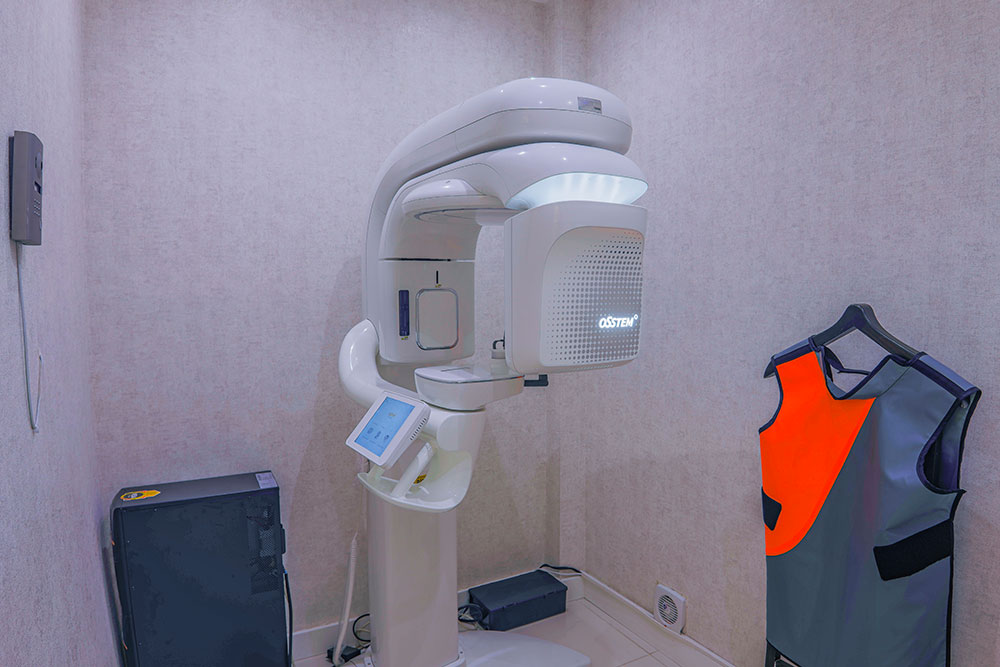
Umut Dental Clinic Antalya – clinic photo 3
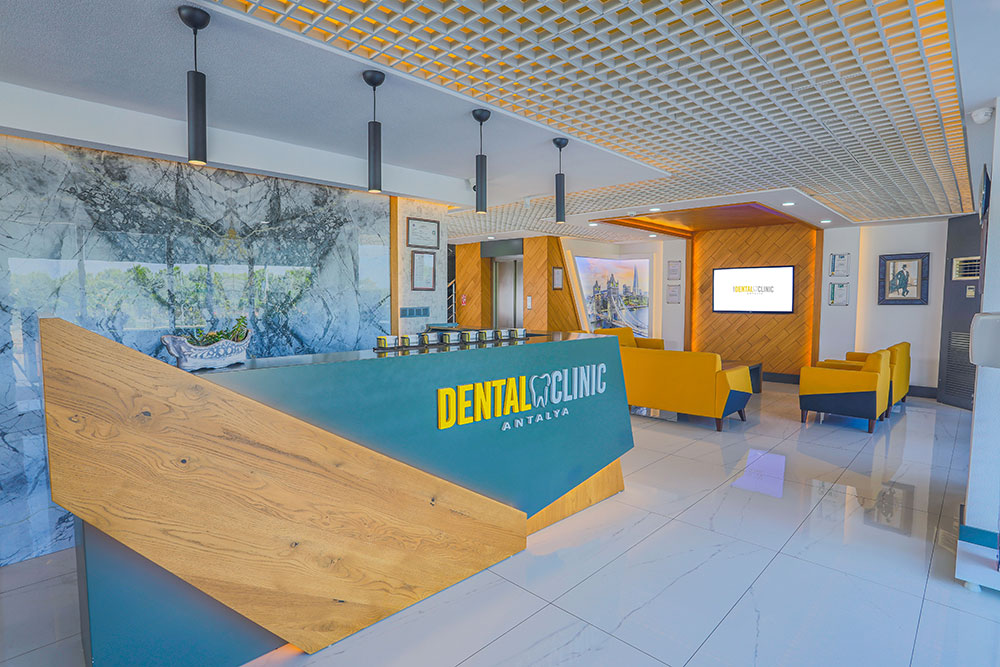
Umut Dental Clinic Antalya – clinic photo 4
Umut Dental Clinic Antalya – clinic photo 5
Umut Dental Clinic Antalya – clinic photo 6
Welcome to Umut Dental

Our Clinic

Every smile tells a story — and we've been part of thousands of them for over 17 years.

Located in the heart of Antalya, our clinic combines trusted experience with the latest dental technology. Our skilled and caring dentists create healthy, natural and long-lasting results — and from your first consultation to your final check-up, you'll feel cared for not just as a patient, but as part of our family.

  • Specialist Dentists
  • Latest Technology
  • Modern, Hygienic Clinic
  • Patient Coordinators
Testimonials

By Your Side at Every Step

At Umut Dental Clinic Antalya, we're by your side through every stage of your smile journey — with care, honesty, and expertise.

Umut Dental Clinic patient

The whole process from getting picked up friendly service from taxi driver to staying in hotel provided excellent friendly staff, appointments on time very lovely staff at clinic experience dental advice. Obviously its never a good experience to have your teeth out but never the less after care and advice on any issues is excellent and if you need to talk or chat can be done via WhatsApp, cant fault the service in my opinion.

Umut Dental Clinic patient

The overall service is very good. We were supported by Ibru who spoke good English. I had top and bottom teeth done. It includes sinus uplift, bone graft, German implants and porcelain veneers. The transfers from Airport were included as well as hotel and medication. They have the lab in the same location where the technicians make the teeth and crowns. Very pleased for the all round service.

Umut Dental Clinic patient

I simply must thank you for making my dental experience as painless as possible. You were exactly what I was looking for in a dentist. Thank you for keeping me at ease during my appointment. The communication throughout my time at the clinic and at the hotel was fantastic and any questions I had were answered swiftly. I'm looking forward to returning in April for more treatment. — Annmarie 🇬🇧

Umut Dental Clinic patient

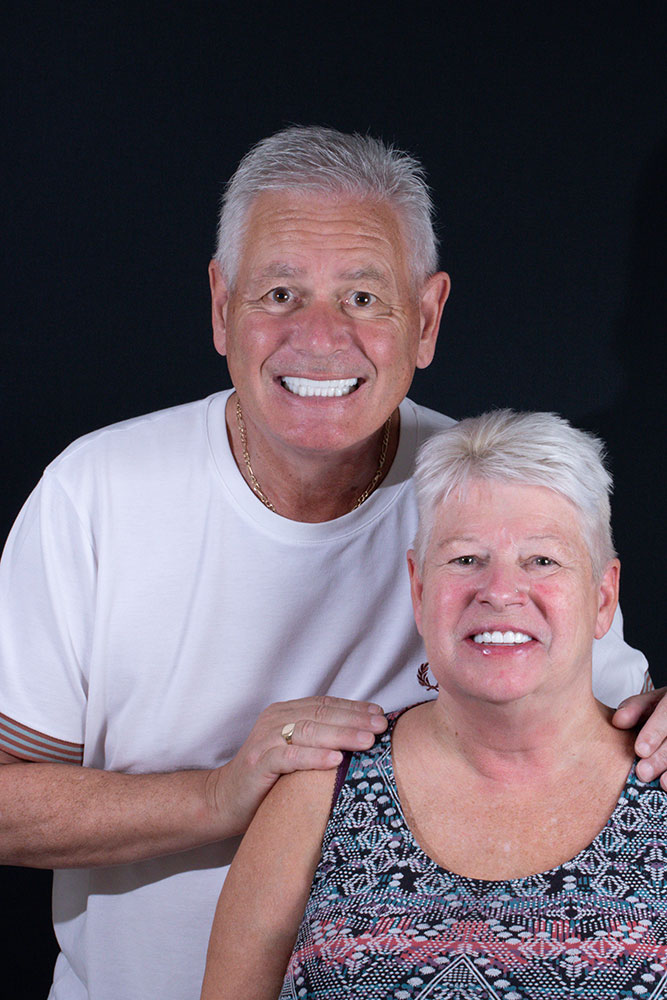
Me and my partner had a fantastic experience here. Both of our dentists were perfectionists and gave us exactly what we wanted. We wouldn't change a thing about our teeth now. We are so confident and delighted with our smiles now. We also got to bring our 2 year old with us, which was so convenient for us, and everybody was great with him! I highly recommend this place!

Umut Dental Clinic patient

Couldn't be more pleasant. Great atmosphere, lovely people working there and they won't give up — they will get your teeth done no matter what obstacle they may encounter. I recommend Umut Dental for great results. Thank you to all staff there.

Patient Stories

Trusted by Patients Around the World

Real experiences from real Umut Dental Clinic patients.

What our patients say on Trustpilot
JD
John DunbarNew Zealand · Sep 14, 2026

This is by far the easiest review I have ever done. Umut Dental Clinic is the one stop shop for everything dental which is so very important. These people are true professionals from the front door to the engine room and beyond. I have made friends with my dentist Dr Osman the head of Umut Dental Clinic and he leads by example and creates a fantastic experience and outcome for us their clients. I am more than happy to recommend Umut Dental Clinic for all your dental works and answer any of your questions. Make the right call. Call Umut Dental Clinic.

A
AnnetteUnited Kingdom · Apr 21, 2026

My visit to Umut dental clinic was amazing.
FATIH SUNAR was my dentist he is an amazing dentist, i wasn't the easiest of patients through nerves.
I couldn't be happier with the overall service i received.
I would whole heartily recommend this clinic for any treatments.
Thankyou

TH
Thomas Trevor HoweGermany · Apr 1, 2026

I was quite nervous before I sat in the chair, but once there i was made feel comfortable and relaxed.
I had quite a bit of work done and what I really liked was the speed my dentist worked at,, I was out of the chair with 7 implants in less than 2 hours ..
The place is spotless , the equipment is more than up to date.
The price I was quoted was the price I paid. I will return for yearly check ups as I wouldnt want anyone else looking after me.
Well done to a very professional team !!

CT
Christine ThomasUnited Kingdom · Jan 19, 2026

My doctor was Faith Sunar, I'm very pleased with how professional he was and how much care he took in his work to make sure I was happy with my new teeth.
They corrected my problems and give me a new set as my old ones were not fitting properly, which was under my gaurentee.
I was seen each day for 4 days , they made sure everything was perfect before I flew back home to England uk.
The clinic was exceptionally clean and spotless.
Beyza was very helpfull to our needs and spoke very good English , she was very kind from start to finish.
Is definitely 100./. Recommend this dentist practice to anyone I'd give them 10/10.

TE
Theresa EnglishUnited Kingdom · Nov 14, 2025

Had excellent treatment with UMUT - extremely well organised and professional. I was talked through the procedure all the way through, given medication which made the process pain free and bearable. My dentist was lovely and only happy when everything was absolutely perfect. When you have so much choice of dentistry in Antalya, it can feel like a very hard decision to make but I would totally recommend this clinic. Thanks again to my fabulous dentist Tugce Aricetin

JR
Jason RobertsonUnited Kingdom · Nov 8, 2025

What a perfect clinic from start to finish I would recommend them to anyone around the world so professional hygiene is amazing on my life you would think you was in a clinic were the famous people go the United Kingdom doesn't even come close to Umut dental clinic I couldn't be happier 12 out of 10 best thing I've ever done so happy thank you umut thank thank you and thank you Dentist Tugce and thank you to the whole team

A
ArieNetherlands · Oct 29, 2025

it was great service and very helpfull friendly team also the transport to clinic was excellent. the hotel also was nice and friendly people and nice breakfast. i'm looking forward to visit Antalya and all the nice people in april again, very beutifull beach also. thank you for helping me and i hope to see you in april for finishing

O
OlgaGermany · Jul 11, 2025

I had dental treatment at Umut Clinic Antalya, and I can confidently say—three years later—that this clinic truly delivers on its promise of quality and guarantee. The results of my treatment have remained excellent over time, and I'm still very happy with everything they did.
The entire team is extremely friendly, professional, and caring. The dentists are highly trained and very experienced, which immediately gave me a sense of trust and security. They took time to explain everything clearly and made sure I felt comfortable throughout the process.
What also sets Umut Zahnklinik apart is their exceptional service for international patients. From airport pickup to accommodation support, everything was well-organized and stress-free. You really feel taken care of from start to finish.
I can highly recommend Umut Zahnklinik to anyone looking for high-quality dental care in Turkey. A great clinic with lasting results and a warm, welcoming team!

Our Team

Meet Our Doctors

Experienced clinicians dedicated to natural, healthy and long-lasting smile outcomes.

Dr. Osman Cengiz – Umut Dental Clinic Antalya

Dr. Osman Cengiz

Clinic Founder
Dr. Ayşe Dilara Yüzgeç – Umut Dental Clinic Antalya

Dr. Ayşe Dilara Yüzgeç

Dentist
Dr. Fatih Sunar – Umut Dental Clinic Antalya

Dr. Fatih Sunar

Dentist
Dr. Tuğba Taş Mammadov – Umut Dental Clinic Antalya

Dr. Tuğba Taş Mammadov

Dentist
Dr. Melisa Köse – Umut Dental Clinic Antalya

Dr. Melisa Köse

Dentist
Dr. Abdullah Zeki Ceylan – Umut Dental Clinic Antalya

Dr. Abdullah Zeki Ceylan

Dentist
Dr. Merve Yıldırım – Umut Dental Clinic Antalya

Dr. Merve Yıldırım

Dentist
Dr. Samet Dönmez – Umut Dental Clinic Antalya

Dr. Samet Dönmez

Dentist

Online Consultation

Leave your contact information and we will contact you soon.