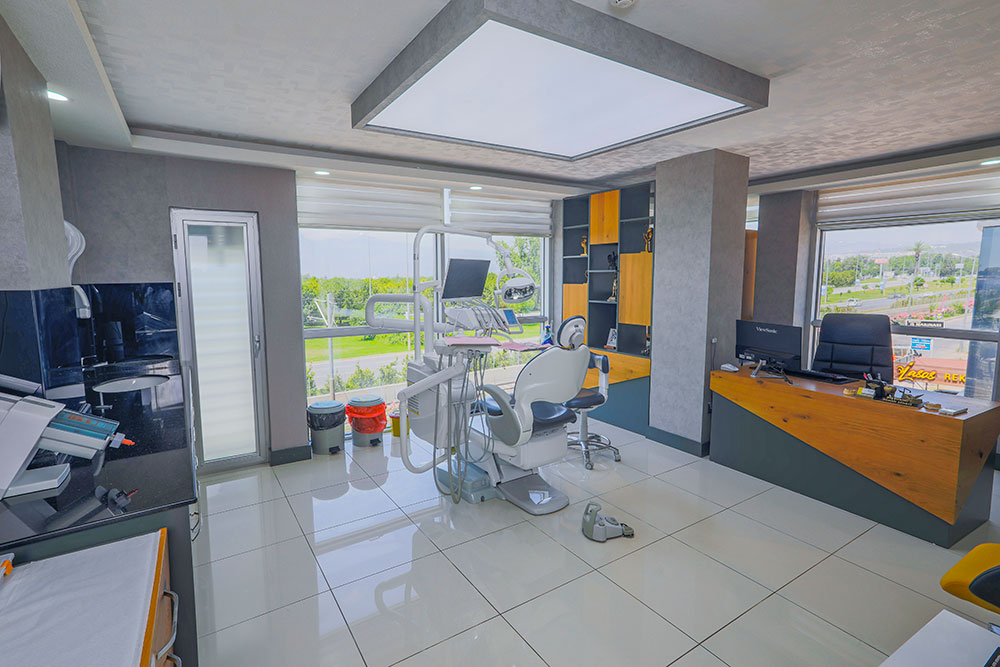
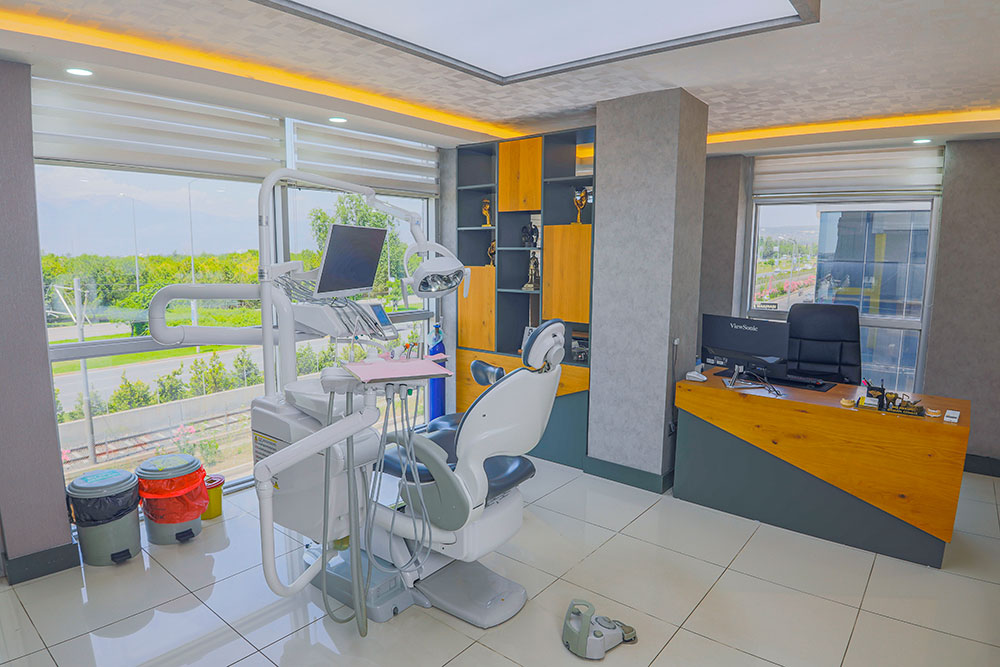
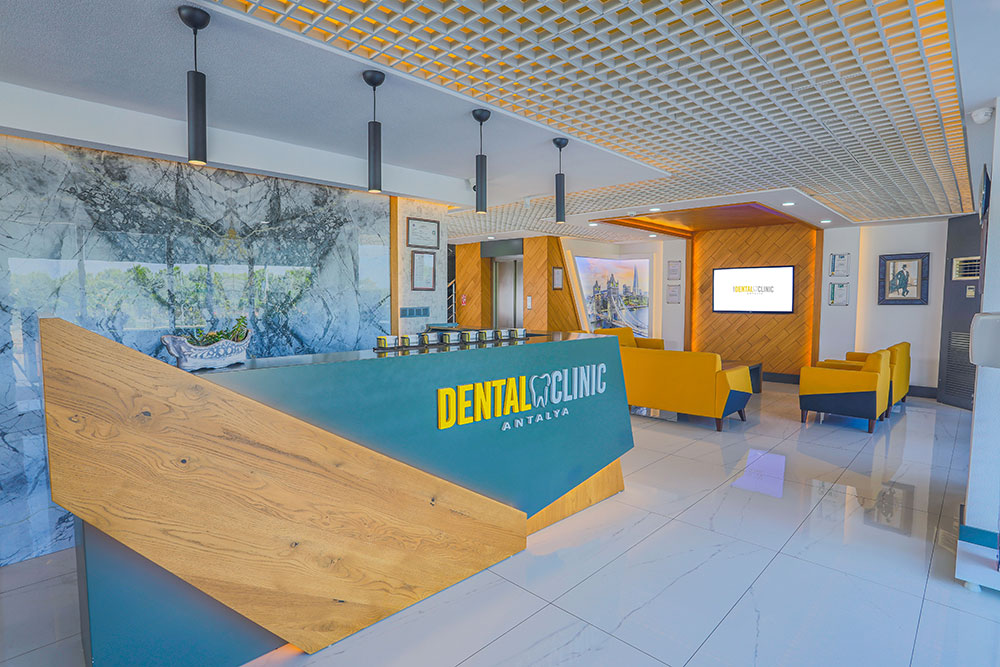
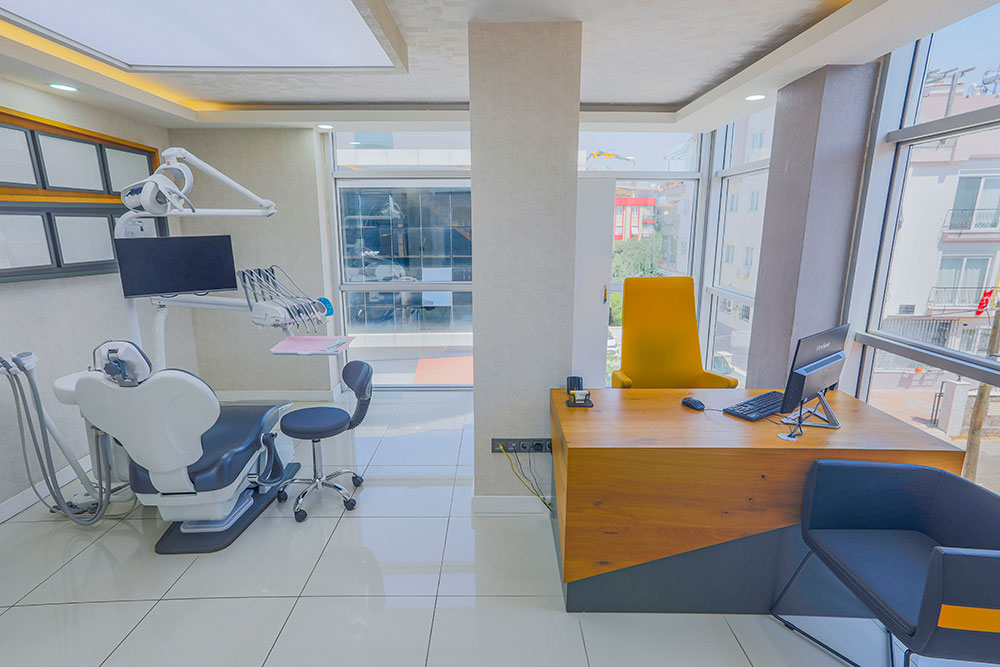
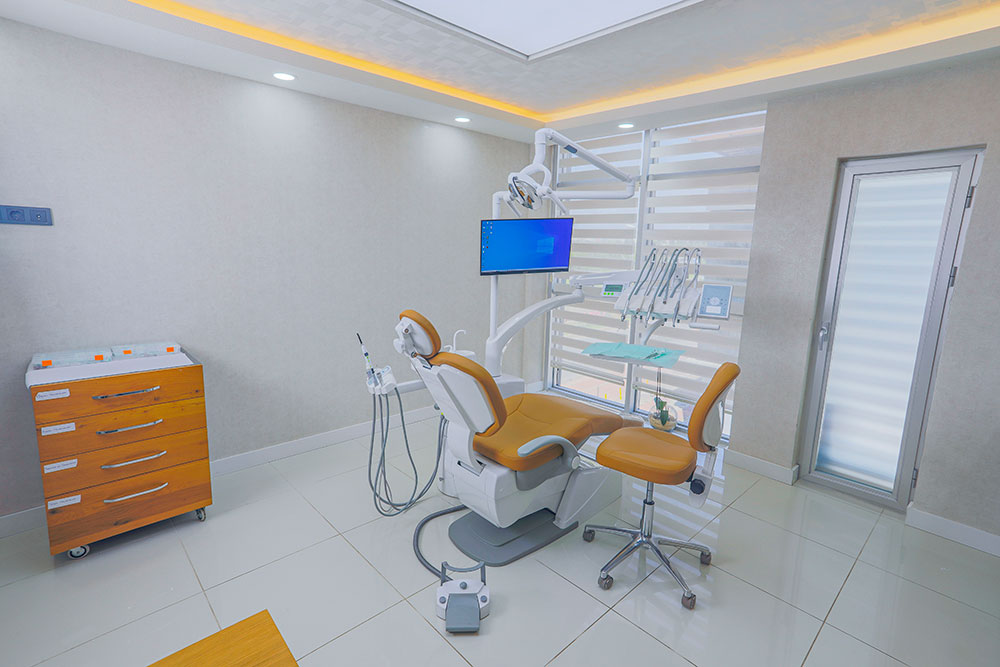
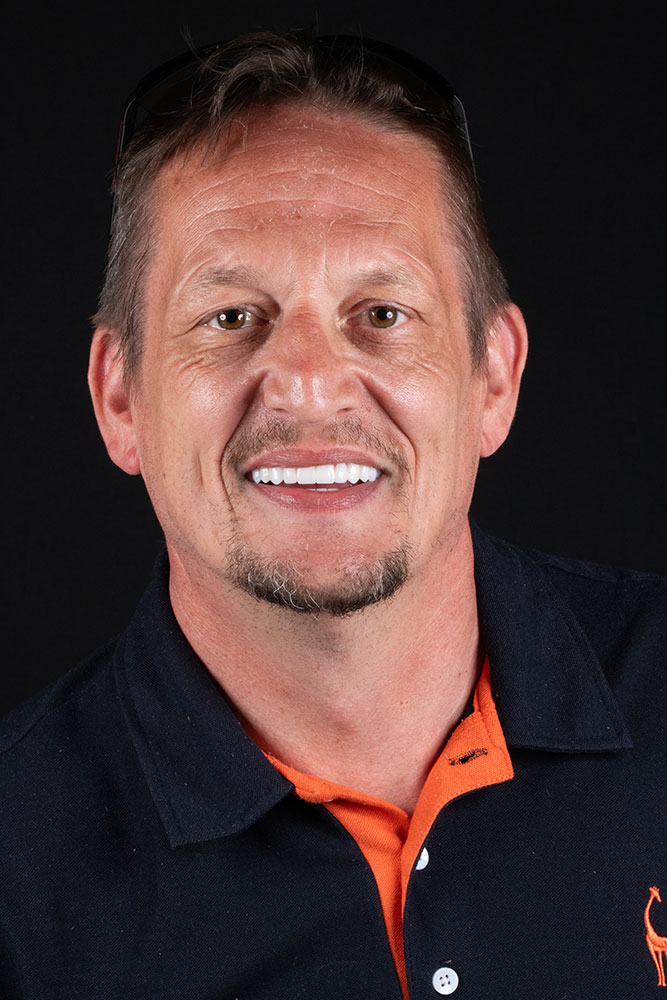
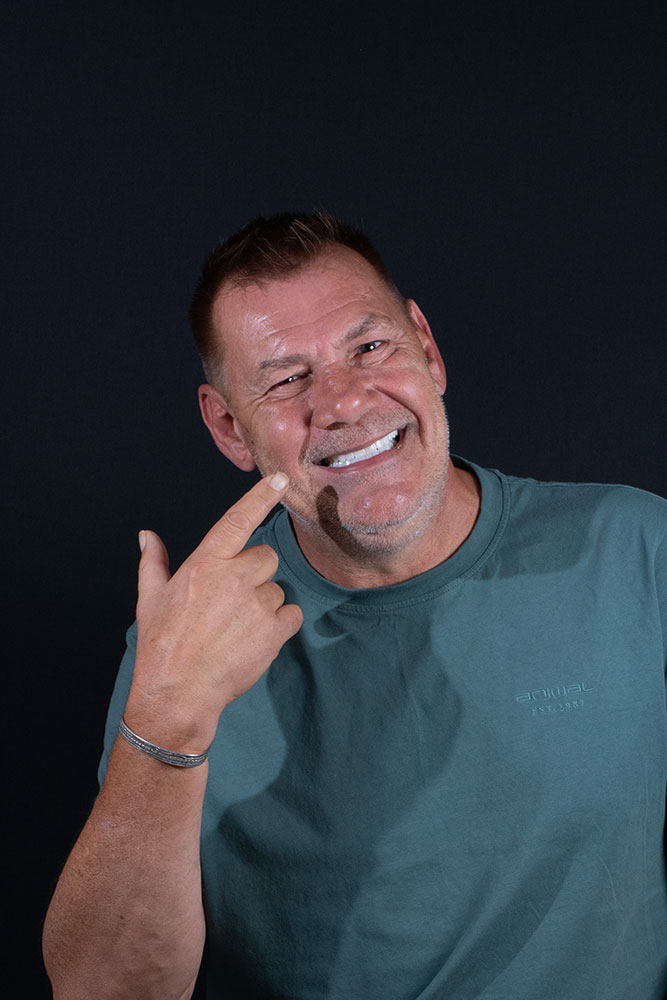
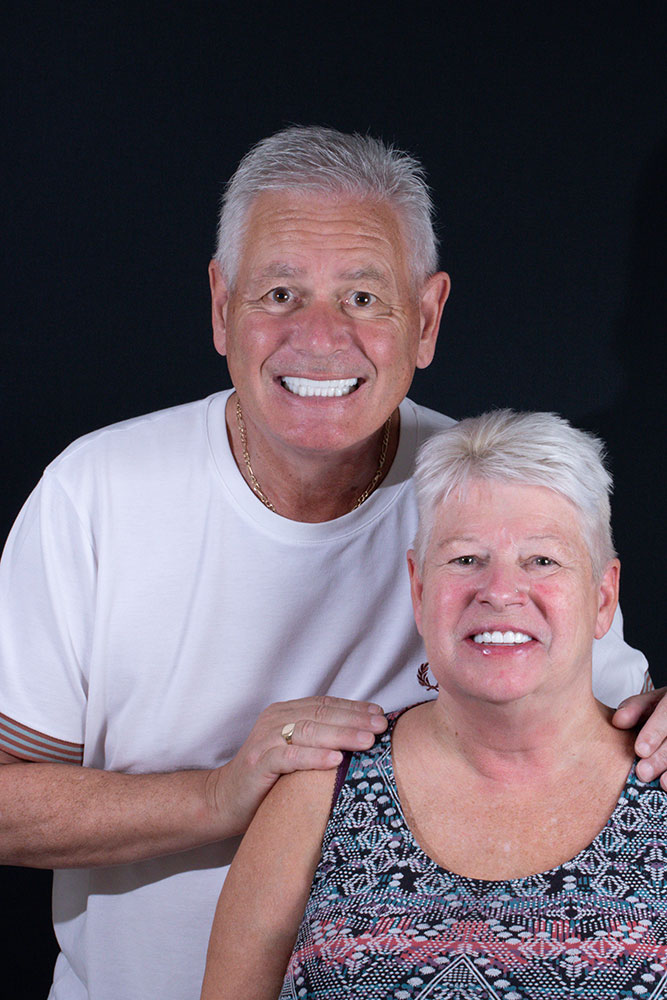
This is by far the easiest review I have ever done. Umut Dental Clinic is the one stop shop for everything dental which is so very important. These people are true professionals from the front door to the engine room and beyond. I have made friends with my dentist Dr Osman the head of Umut Dental Clinic and he leads by example and creates a fantastic experience and outcome for us their clients. I am more than happy to recommend Umut Dental Clinic for all your dental works and answer any of your questions. Make the right call. Call Umut Dental Clinic.
Jaw Fracture Treatment
3 Steps to a Healthy Smile
From your first message to your final check-up, we're with you at every stage of your treatment journey.
Online Consultation & Planning
Share your details and photos with us. Our patient advisors evaluate your case with our dentists and prepare a personalised treatment plan with clear timelines and pricing.
Arrival & Treatment
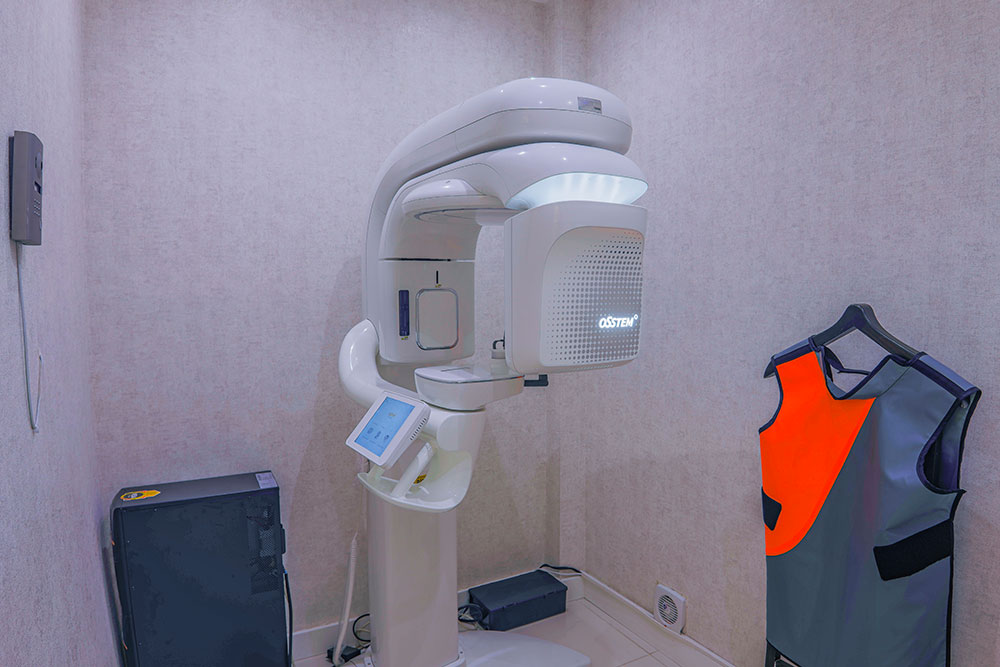
We help organise your travel and stay. Once you arrive, all examinations and treatments are carried out in our fully equipped clinic in Antalya.
Book AppointmentYour New Smile & Aftercare
Your treatment is completed as planned. Enjoy your healthy, confident smile, relax in Antalya — and stay in touch with us for aftercare once you're home.
Get a Free Quote
Jaw fracture treatment involves stabilising and healing a broken jawbone so that you can bite, chew, speak and open your mouth comfortably again. Treatment can range from careful monitoring and a soft diet for minor cracks, to splints, wiring of the teeth, or surgery with small plates and screws for more serious breaks. It is considered when the jawbone is cracked or displaced after an accident, fall, sports injury, assault or strong impact, and sometimes after severe tooth or jaw infections. On this page you will learn what a jaw fracture is, typical symptoms, how dentists and oral surgeons diagnose it, and the different treatment options. You will also find information about healing times, what recovery feels like, what you can eat, risk factors, and what to expect if you are planning jaw fracture treatment in Antalya as an international patient.
What Is Jaw Fracture Treatment?
Jaw fracture treatment is the medical and dental care used to stabilise and heal a broken jawbone so that the upper and lower teeth meet properly again and the joint can move normally. The jaw that most people refer to in this context is the lower jaw, called the mandible, but the upper jaw (maxilla) can also be fractured. Both types require careful assessment and a structured treatment plan.
The main goals of jaw fracture management are to:
- Return the bone fragments to their correct position (alignment)
- Hold the jaw steady while the bone heals (fixation)
- Protect the teeth, gums and jaw joint (temporomandibular joint, or TMJ)
- Restore chewing, speaking and facial appearance as far as possible
Treatment can be non-surgical or surgical. Non-surgical treatment may include a soft or liquid diet, dental splints, elastics or limited jaw movement for a period determined by your dentist or oral and maxillofacial surgeon. Surgical treatment (also called open reduction and internal fixation) usually involves repositioning the bone through a small incision and securing it with plates and screws.
The specific approach depends on factors such as the location of the break, whether the bone pieces have moved, how many teeth are present, your age and general health, and whether there are other facial injuries. Jaw fracture care often requires close follow-up, X-rays or scans, and cooperation from you in following diet and hygiene instructions to support safe healing.
What Causes a Jaw Fracture and What Are the Symptoms?
A jaw fracture is usually caused by a strong impact to the face that is powerful enough to crack or break the bone. The most common causes are traffic accidents, falls, sports injuries, workplace accidents and physical assaults. Less often, a jawbone weakened by cysts, tumours, advanced gum disease, or previous surgery can fracture with a smaller force than normal, for example when biting something hard.
Typical causes include:
- Road traffic accidents: Car, motorbike, scooter or bicycle collisions, especially without seatbelts or helmets.
- Falls: Slipping in the bathroom, falling from stairs or ladders, or fainting and hitting the chin or side of the face.
- Sports injuries: Contact sports such as football, rugby, boxing, martial arts, or accidents with balls, rackets or sticks.
- Assault: Punches, kicks or blows with objects to the face.
- Occupational injuries: Falls, machinery accidents or being struck by heavy objects.
Common symptoms of a jaw fracture can include:
- Pain in the jaw, especially when moving the mouth or chewing
- Swelling and bruising around the jaw, chin or cheeks
- Bleeding from the mouth, gums or a wound in the face
- Loose, broken or missing teeth near the injured area
- Difficulty closing your teeth together normally (the bite feels “off”)
- Limited mouth opening or feeling that the jaw is “stuck”
- Numbness in the lower lip or chin, which can indicate nerve involvement
- Clicking, grinding or shifting when you move the jaw
Severe fractures or combined facial injuries may also cause trouble breathing, swallowing or speaking clearly. If you experience severe or worsening pain, obvious facial deformity, heavy bleeding, fever, or difficulty breathing or swallowing, you should seek urgent dental or medical attention. Only imaging such as X-rays or CT scans and an examination can confirm the diagnosis and guide the appropriate treatment plan.
More about Jaw Fracture Treatment
Who Needs Jaw Fracture Treatment?
Anyone with a confirmed or strongly suspected break in the jawbone needs professional jaw fracture treatment, because untreated fractures can heal in the wrong position and lead to long-term problems. Even if pain seems manageable, a hidden or partially displaced fracture may still interfere with your bite, jaw joint and facial symmetry as it heals.
People who are especially likely to need active treatment include those who have:
- Displaced fractures: The bone fragments are out of alignment and the teeth no longer meet correctly.
- Multiple fractures: More than one break in the jawbone, which can make the jaw unstable.
- Open fractures: The bone is exposed through a cut in the skin or gum, increasing the risk of infection.
- Associated tooth injuries: Broken, loose or missing teeth near the fracture line.
- Difficulty chewing, talking or opening the mouth: Functional problems usually require active stabilisation.
Sometimes a very small, non-displaced fracture can be managed with observation, soft diet and regular reviews. This is usually considered only if the teeth still come together correctly, the joint is stable, and you can keep the area clean. The dentist or oral and maxillofacial surgeon decides this after a full examination and imaging.
Certain conditions may mean that treatment needs to be adapted. For example, people with uncontrolled diabetes, bleeding disorders, severe osteoporosis, or those taking some medications that affect bone or blood clotting may require closer monitoring or timing adjustments. Pregnant patients may need specific imaging and anaesthesia planning.
Children and adolescents with jaw fractures require special attention because their bones are still growing. The goal is to treat the fracture while protecting growth centres and developing teeth. For older adults, reduced bone quality and general health issues may influence whether more conservative or surgical options are safer. The final decision about who needs which type of jaw fracture treatment is always made individually after clinical and radiological evaluation.
How Is a Jaw Fracture Diagnosed?
A jaw fracture is diagnosed through a combination of medical history, physical examination of the face and mouth, and imaging tests such as X-rays or CT (computed tomography) scans. Diagnosis aims to confirm that the bone is broken, identify its exact location and pattern, and reveal any associated injuries to teeth, nerves or other facial bones.
The process usually begins with a discussion of how the injury occurred. You are often asked when and how the trauma happened, whether you lost consciousness, and which symptoms you have noticed, such as pain, bite changes, or numbness. This information helps the dentist or oral and maxillofacial surgeon understand the likely type of injury and whether other parts of the body may be affected.
Clinical examination includes:
- Inspecting the face for swelling, bruising and asymmetry
- Gently feeling (palpating) the jawbone to check for tenderness, steps or irregularities
- Assessing how your upper and lower teeth fit together when you bite
- Checking your range of mouth opening and jaw movement
- Testing sensation of the lower lip and chin to evaluate nerve function
- Examining teeth and gums for fractures, mobility, or cuts
Imaging is essential to confirm a suspected fracture. Common imaging methods are:
- Panoramic X-ray (OPG): A single large X-ray showing both jaws, often used as an initial overview.
- Periapical or occlusal X-rays: Smaller images focused on specific areas or teeth near the suspected fracture.
- CT scan: Provides detailed three-dimensional views, particularly useful for complex fractures, involvement of the jaw joint, or multiple facial injuries.
The dentist or surgeon interprets these images to see the number of fracture lines, how far the bone has moved, and whether the fracture involves the tooth sockets, nerves or the joint. This information is essential for planning treatment, as some simple fractures can be managed with limited intervention, while others require surgery and more structured fixation. Follow-up imaging may be taken during the healing process to monitor bone union and detect any complications at an early stage.
How Does Jaw Fracture Treatment Work?
Jaw fracture treatment works by realigning the broken bone segments and holding them steady long enough for natural bone healing to take place. Bone heals by forming new tissue that bridges the fracture, and this requires stability, good blood supply and protection from infection or repeated trauma.
The first step is usually stabilisation and pain control in an emergency setting. This can include supporting the jaw with bandaging, avoiding unnecessary jaw movement, and sometimes temporary wiring or splints. Serious breathing difficulties, large open wounds or heavy bleeding are managed immediately and may require emergency medical care before definitive dental treatment.
After imaging and examination, a treatment plan is created. The main methods of stabilising a fractured jaw are:
- Closed treatment: The fracture is aligned without opening the skin or gum over the bone. Teeth may be joined together using arch bars, wires or elastics (intermaxillary fixation) to act as a “natural splint”. In some cases, removable splints are used.
- Open reduction and internal fixation: The surgeon accesses the bone directly through small incisions inside the mouth or on the face, repositions the fragments, and fixes them with plates and screws.
The choice depends on whether the bone pieces can be aligned with the teeth and soft tissues alone, or whether direct access is needed. For example, if your teeth are in good condition and the fracture line is favourable, closed treatment might be enough. If teeth are missing, the fracture is badly displaced, or the jaw joint is involved, surgical stabilisation is more likely.
During healing, you are usually advised to follow a soft or liquid diet, maintain careful oral hygiene, and avoid activities that strain the jaw such as hard chewing, yawning widely, or contact sports. Regular check-ups allow the dentist or surgeon to monitor your progress, adjust elastics or appliances, and decide when fixation can be removed. With good cooperation and aftercare, many jaw fractures heal over several weeks, although complete recovery of comfort and strength may take longer.
Does Jaw Fracture Treatment Require Surgery?
Jaw fracture treatment does not always require surgery; some fractures can be managed with non-surgical methods, but many displaced or complex fractures do need surgical stabilisation for safe healing. The decision is based on the position of the bone fragments, your bite, the involvement of the jaw joint, and your overall health and preferences.
Non-surgical (conservative) treatment may be considered when:
- The fracture is non-displaced or only slightly displaced
- Your upper and lower teeth still meet correctly
- The jaw joint is stable and movements are acceptable
- You can reliably follow a soft diet and aftercare instructions
- There are medical reasons to reduce the length or complexity of surgery
Conservative options can include intermaxillary fixation (wiring or elastic bands holding the teeth together), removable splints, and strict instructions about diet and activity. These approaches usually still need regular follow-up and sometimes small adjustments in the dental chair.
Surgical treatment is more likely when:
- The fracture is clearly displaced or unstable
- The bite is disturbed and cannot be corrected without opening the fracture site
- There are multiple fractures or combined facial injuries
- The fracture involves the jaw joint, tooth roots or important nerves in a complex way
- There is an open fracture or bone exposure, with higher infection risk
Surgery often involves open reduction and internal fixation under local or general anaesthesia. The surgeon repositions the bone segments and secures them using plates and screws so that the jaw is stable enough to allow some function while healing. Some patients may still need short-term elastics between the upper and lower teeth after surgery, but often for a shorter duration than with purely conservative treatment.
Your dentist or oral and maxillofacial surgeon will discuss the benefits and risks of each approach with you. Sometimes there is more than one reasonable option, and the final plan is tailored to the specific fracture pattern, dental status, and your medical condition. The aim is always to balance functional recovery, comfort, healing time and safety.
How Long Does Jaw Fracture Treatment Take?
Jaw fracture treatment usually takes several weeks from the time of injury to the point where the bone is considered solid, and full recovery of comfort and function can take several months. The exact timeline varies depending on the severity and location of the fracture, your age and general health, whether surgery is needed, and how closely you follow aftercare guidance.
Bone healing itself often takes around 4–8 weeks for many jaw fractures, but this is only a general range. Children and young adults may heal faster, while healing can be slower in older adults or people with health conditions that affect bone or blood supply. Smokers or those with uncontrolled medical conditions may also experience prolonged healing.
A typical treatment timeline might look like this:
- First 1–7 days: Diagnosis, emergency stabilisation, imaging, and planning. Swelling and bruising are usually most noticeable in this period.
- Week 1–2: Surgery or conservative stabilisation is carried out. Pain and swelling gradually decrease with appropriate care.
- Week 2–6: The jaw remains fixed or partially fixed. You may be on a liquid or soft diet, and attend check-ups to monitor healing and adjust appliances or elastics.
- Week 6–8: Many fractures are stable enough to remove fixation and begin gentle jaw exercises, as advised by the dentist or surgeon.
By a few months, most people are back to normal daily activities, although heavy biting or contact sports might still be restricted until the clinician is confident that the bone is fully strong. Some minor stiffness, altered sensation or sensitivity can remain for longer and often improves gradually.
Follow-up visits are important to track progress and identify any early complications such as delayed healing, infection or bite problems. Treatment plans and timeframes are always individual, so the dentist or oral surgeon will explain what you can reasonably expect in your specific situation and adjust the schedule if needed.
What Is Recovery Like After Jaw Fracture Treatment?
Recovery after jaw fracture treatment is usually gradual and involves adapting your eating, oral hygiene and daily activities while the bone heals. Most people experience some discomfort, swelling and temporary changes in how they speak and chew, especially in the first days and weeks. With time and careful self-care, these symptoms generally lessen.
Right after treatment, you may notice:
- Swelling and bruising around the jaw, chin or cheeks
- Soreness when moving the mouth
- Difficulty eating and speaking if the jaw is wired or held with elastics
- Temporary numbness or tingling of the lower lip or chin in some cases
Pain and swelling tend to be strongest in the first few days and then gradually reduce. Your dentist or surgeon may recommend pain relief and, when necessary, prescribe medication. Sleeping with your head slightly elevated on extra pillows can sometimes help reduce swelling.
Oral hygiene is very important during recovery. You are usually advised to clean your teeth gently with a soft toothbrush and, when possible, use appropriate mouth rinses recommended by your dentist. If your jaws are wired together or you have splints in place, cleaning around the wires and between teeth is essential to reduce the risk of gum problems and infection.
Activity levels are usually limited at first. Strenuous exercise, contact sports and any risk of facial impact should be avoided until your clinician confirms that the jaw is strong enough. Yawning widely, chewing hard foods or biting on objects such as pens can also put pressure on the healing bone and should be avoided. Gentle jaw movement and, later, specific exercises may be suggested to prevent stiffness and help restore full opening.
Emotional and practical challenges are also common. For example, some people find liquid or soft diets frustrating or feel self-conscious about temporary changes in speech or appearance. Planning meals, using nutritional drinks and asking for support from family or friends can make this period more manageable.
If you notice increasing pain, bad taste or odour from the mouth, fever, new swelling, difficulty breathing or swallowing, or loosening of wires or plates, you should contact your dentist or seek urgent medical care. Regular follow-up appointments help make sure that recovery is on track and that any problems are addressed early.
What Can You Eat After Jaw Fracture Treatment?
After jaw fracture treatment, you usually need to follow a liquid or soft diet for several weeks to protect the healing bone and avoid stressing the fixation. The exact diet depends on the type of fracture, whether your jaws are wired or held with elastics, and your stage of recovery, and it is always guided by your dentist or surgeon.
When your jaws are wired together or movement is very limited, foods must be blended to a thin consistency that can be sipped through a straw or taken with a small spoon. Suitable options can include:
- Milkshakes or smoothies without seeds or hard pieces
- Blended soups, broths and pureed vegetables
- Liquid nutritional supplements or yoghurts (if tolerated)
- Puréed fruits without skins or pips
Once your clinician allows, you can usually move to a soft, non-chewy diet that does not require strong biting. Examples include:
- Mashed potatoes, soft pasta or well-cooked rice
- Scrambled eggs, soft fish or minced meats in sauces
- Soft cheeses, smooth yoghurts and puddings
- Well-cooked vegetables that can be mashed with a fork
Foods to avoid typically include anything hard, crunchy, sticky or very chewy, such as nuts, raw carrots, crusty bread, tough meats, chewing gum and hard sweets. Biting directly with the front teeth or on the fracture side is usually discouraged until your dentist confirms that the bone is strong enough.
Staying well hydrated is important for healing. If you struggle to consume enough calories or protein, especially when wired, your dentist or doctor may suggest ways to enrich your liquids or refer you for nutritional support. Some people benefit from taking more frequent small meals instead of three large ones.
You should also take care to keep the mouth as clean as possible after eating. Rinsing gently with water or a recommended mouthwash can help remove food residues from wires, splints and around the teeth. Any changes in diet, difficulties swallowing, or unexplained weight loss should be discussed during your follow-up appointments so that your plan can be adapted safely.
What Are the Risks and Possible Complications?
Jaw fracture treatment, like any surgical or non-surgical intervention, carries certain risks and possible complications. Most patients heal without serious problems, but it is important to understand what can happen so you can recognise warning signs early and follow instructions that help reduce risks.
Potential complications include:
- Infection: Bacteria can enter through cuts in the skin or mouth, or around plates, screws or wires. Signs can include increased pain, redness, swelling, discharge, bad taste or fever. Good oral hygiene and, when appropriate, prescribed medication help reduce this risk.
- Delayed healing or non-union: In some cases, the fracture may heal slowly or not fully unite. This can be influenced by smoking, medical conditions, poor diet or repeated trauma to the area. Further stabilisation or additional procedures may be required.
- Malocclusion (bite problems): If the bones do not heal in the correct position, the upper and lower teeth may not fit together properly, causing chewing difficulties or jaw strain. Sometimes minor adjustments to teeth or orthodontic treatment can help; in other cases, further surgery is considered.
- Nerve disturbances: The nerve that supplies feeling to the lower lip and chin runs in the lower jaw. Fractures or surgery can irritate or damage this nerve, leading to numbness or tingling. This often improves over time but can occasionally persist.
- Jaw stiffness or limited opening: Scarring, muscle tension or joint changes can restrict movement. Gentle exercises prescribed by your clinician can help restore range of motion.
- Problems related to plates or screws: Hardware can sometimes be felt under the skin or inside the mouth, or may loosen. In some cases, removal or replacement is recommended.
General risks related to anaesthesia and any surgery, such as bleeding, swelling or rare reactions, are discussed with you during pre-operative planning. Non-surgical treatment also has possible issues, such as discomfort from wires or elastics, difficulty maintaining oral hygiene, and risk of weight loss if eating becomes challenging.
Warning signs that require prompt dental or medical attention include severe or increasing pain, sudden changes in your bite, new swelling after an initial improvement, fever, difficulty swallowing or breathing, or bleeding that does not stop. Open communication with your dentist or oral and maxillofacial surgeon and attending all follow-up appointments help detect and manage possible complications at an early stage.
What Affects Healing After a Jaw Fracture?
Healing after a jaw fracture is influenced by a combination of local factors at the fracture site and your general health and lifestyle. Some of these factors can be adjusted, and doing so can help support more predictable recovery and reduce the chance of complications.
Key factors that affect healing include:
- Type and severity of the fracture: Simple, non-displaced fractures often heal more easily than multiple or highly displaced fractures, or those involving the jaw joint or tooth sockets.
- Accuracy of alignment and fixation: When the bone segments are repositioned accurately and held stable, the body can lay down new bone more efficiently.
- Blood supply: Good blood flow to the bone is essential. Severe trauma, previous surgery, radiation therapy to the area, or certain medical conditions can compromise circulation.
- Oral hygiene: Clean teeth and gums reduce the bacterial load around the fracture and any hardware, lowering infection risk.
- Smoking and tobacco use: Smoking is widely known to delay bone and soft tissue healing and increase infection risk. Stopping or reducing smoking around the time of treatment is strongly encouraged.
- General health and nutrition: Conditions such as uncontrolled diabetes, immune system disorders, osteoporosis or poor nutrition can slow healing. Adequate protein, vitamins and minerals support bone repair.
Your cooperation with treatment instructions is also crucial. Following diet recommendations, avoiding chewing on hard foods, wearing elastics or splints as advised, and attending scheduled check-ups all help keep the fracture stable and monitored. For example, chewing hard food on the injured side too early can disturb the fracture and delay healing.
Age plays a role as well. Children and young adults often heal more quickly, but growth plates and developing teeth must be protected. Older adults may heal more slowly and may have more complex health considerations.
Certain medicines that influence bone metabolism or blood clotting can affect healing and bleeding risk; your dentist or surgeon will usually ask for a full list of medications and may coordinate with your physician. If you notice unexpected changes, such as a new “crackling” feeling, increasing pain after initial improvement, or persistent numbness, you should inform your clinician. Early adjustment of the treatment plan can sometimes prevent more serious problems later.
Jaw Fracture Treatment in Antalya: Travel, Stay and Follow-Up
Jaw fracture treatment in Antalya involves careful coordination of medical care with travel and accommodation, especially for international patients. Because a fractured jaw often needs fairly prompt attention, many patients arrive shortly after the injury, or they are referred from another clinic once the diagnosis is made. Treatment usually requires at least one main procedure and follow-up visits, which should be considered when planning your stay.
Before travelling, it is helpful to gather and share as much information as possible, such as medical reports, X-rays, CT scans and details of any initial emergency care. This allows the receiving team to assess the likely treatment needs and timing. At Umut Dental Clinic Antalya, patients can share their details and X-rays for an online consultation before planning travel.
The length of stay in Antalya depends on the complexity of the fracture and the chosen treatment approach. For surgical treatment, many patients are advised to remain nearby for at least several days to two weeks to allow for early post-operative checks and possible adjustment of elastics or splints. More complex cases or those with combined facial injuries may require a longer local stay or coordination with a nearby hospital.
During your time in Antalya, you should plan for a comfortable place to rest, safe access to soft or liquid foods, and transport to your appointments. Travel after jaw fracture surgery is usually permitted once your dentist or surgeon confirms that your condition is stable and you can manage your diet, hygiene and any prescribed medications during the journey.
Follow-up after returning home is an important part of jaw fracture care. Your treating dentist in Antalya can usually provide written reports, imaging and instructions for your local dentist or oral surgeon. For example, if arch bars or certain plates need to be reviewed or removed at a later stage, this can be arranged with a clinician near your home. International patients often benefit from clear communication between the Antalya clinic and their local healthcare providers to ensure continuity of care and safe long-term monitoring of bone healing, bite function and jaw joint comfort.
The information on this page is for general education only and does not replace an examination, diagnosis or treatment. See a dentist for any concerns about your oral health.
Our Clinic
Every smile tells a story — and we've been part of thousands of them for over 17 years.
Located in the heart of Antalya, our clinic combines trusted experience with the latest dental technology. Our skilled and caring dentists create healthy, natural and long-lasting results — and from your first consultation to your final check-up, you'll feel cared for not just as a patient, but as part of our family.
- Specialist Dentists
- Latest Technology
- Modern, Hygienic Clinic
- Patient Coordinators
Our Services
Comprehensive cosmetic and restorative dentistry, planned around you.

Smile Makeover
A complete, natural-looking smile design planned around your face and goals.
Learn more
Dental Implants
A permanent replacement for missing teeth with a titanium root and natural crown.
Learn more
All-on-4 Implants
A full fixed arch of teeth supported by just four implants.
Learn more
All-on-6 Implants
A full fixed arch on six implants for extra stability and support.
Learn more
Laminate Veneers
Ultra-thin porcelain shells that refine the shape and shade of your teeth.
Learn more
Dental Crowns
Strong, aesthetic caps that protect and restore damaged teeth.
Learn more
Dental Bridges
A fixed solution that fills the gap left by one or more missing teeth.
Learn more
Teeth Whitening
A safe, professional treatment for a brighter, fresher smile.
Learn moreBehind Every Smile, a Story
Hundreds of patients have walked through our doors and left with far more than a new smile — they left with confidence. Let us write your story, too.
Trusted by Patients Around the World
Real experiences from real Umut Dental Clinic patients.
My visit to Umut dental clinic was amazing.
FATIH SUNAR was my dentist he is an amazing dentist, i wasn't the easiest of patients through nerves.
I couldn't be happier with the overall service i received.
I would whole heartily recommend this clinic for any treatments.
Thankyou
I was quite nervous before I sat in the chair, but once there i was made feel comfortable and relaxed.
I had quite a bit of work done and what I really liked was the speed my dentist worked at,, I was out of the chair with 7 implants in less than 2 hours ..
The place is spotless , the equipment is more than up to date.
The price I was quoted was the price I paid. I will return for yearly check ups as I wouldnt want anyone else looking after me.
Well done to a very professional team !!
My doctor was Faith Sunar, I'm very pleased with how professional he was and how much care he took in his work to make sure I was happy with my new teeth.
They corrected my problems and give me a new set as my old ones were not fitting properly, which was under my gaurentee.
I was seen each day for 4 days , they made sure everything was perfect before I flew back home to England uk.
The clinic was exceptionally clean and spotless.
Beyza was very helpfull to our needs and spoke very good English , she was very kind from start to finish.
Is definitely 100./. Recommend this dentist practice to anyone I'd give them 10/10.
Had excellent treatment with UMUT - extremely well organised and professional. I was talked through the procedure all the way through, given medication which made the process pain free and bearable. My dentist was lovely and only happy when everything was absolutely perfect. When you have so much choice of dentistry in Antalya, it can feel like a very hard decision to make but I would totally recommend this clinic. Thanks again to my fabulous dentist Tugce Aricetin
What a perfect clinic from start to finish I would recommend them to anyone around the world so professional hygiene is amazing on my life you would think you was in a clinic were the famous people go the United Kingdom doesn't even come close to Umut dental clinic I couldn't be happier 12 out of 10 best thing I've ever done so happy thank you umut thank thank you and thank you Dentist Tugce and thank you to the whole team
it was great service and very helpfull friendly team also the transport to clinic was excellent. the hotel also was nice and friendly people and nice breakfast. i'm looking forward to visit Antalya and all the nice people in april again, very beutifull beach also. thank you for helping me and i hope to see you in april for finishing
I had dental treatment at Umut Clinic Antalya, and I can confidently say—three years later—that this clinic truly delivers on its promise of quality and guarantee. The results of my treatment have remained excellent over time, and I'm still very happy with everything they did.
The entire team is extremely friendly, professional, and caring. The dentists are highly trained and very experienced, which immediately gave me a sense of trust and security. They took time to explain everything clearly and made sure I felt comfortable throughout the process.
What also sets Umut Zahnklinik apart is their exceptional service for international patients. From airport pickup to accommodation support, everything was well-organized and stress-free. You really feel taken care of from start to finish.
I can highly recommend Umut Zahnklinik to anyone looking for high-quality dental care in Turkey. A great clinic with lasting results and a warm, welcoming team!
Meet Our Doctors
Experienced clinicians dedicated to natural, healthy and long-lasting smile outcomes.

Dr. Osman Cengiz
Clinic Founder
Dr. Ayşe Dilara Yüzgeç
Dentist
Dr. Fatih Sunar
Dentist
Dr. Tuğba Taş Mammadov
Dentist
Dr. Melisa Köse
Dentist
Dr. Abdullah Zeki Ceylan
Dentist
Dr. Merve Yıldırım
Dentist
Dr. Samet Dönmez
DentistOnline Consultation
Leave your contact information and we will contact you soon.