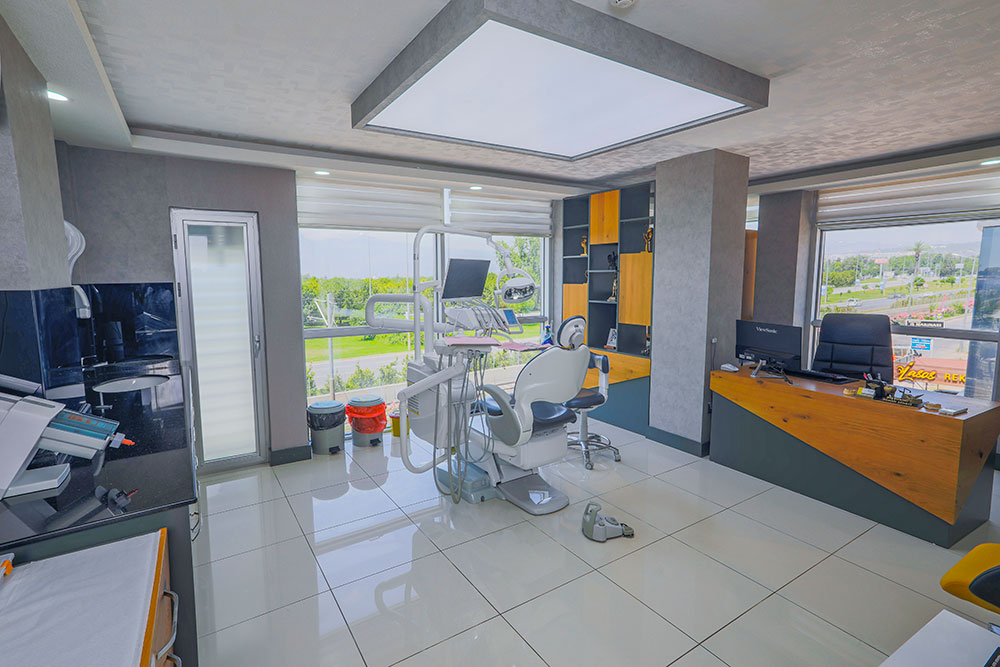
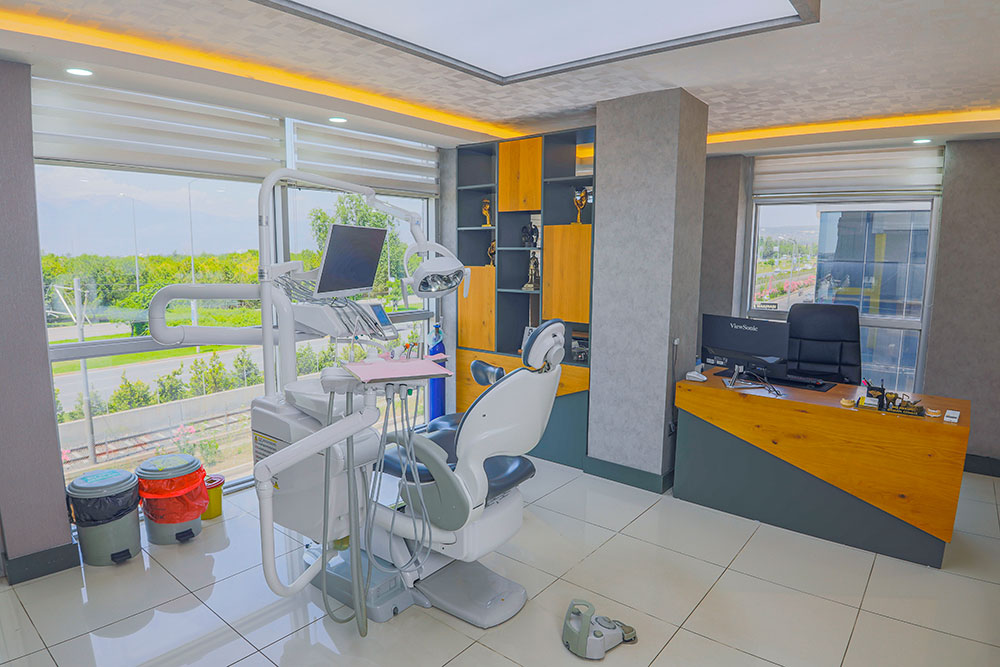
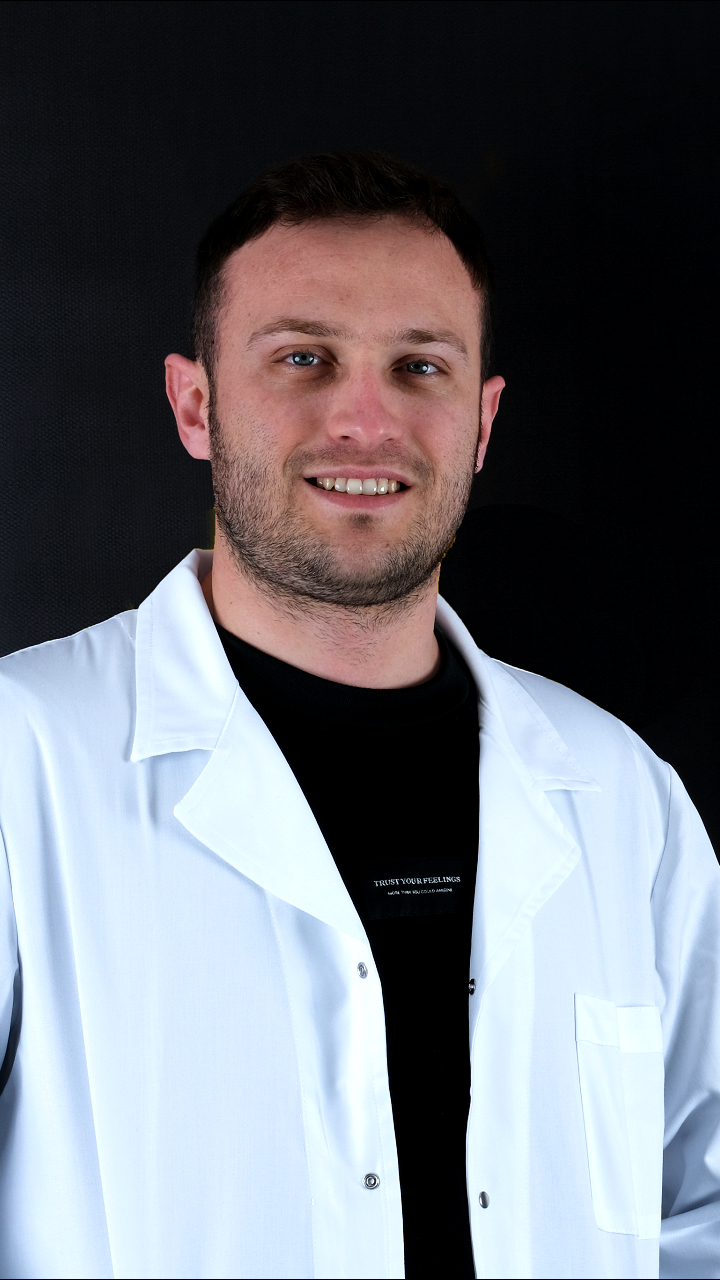
This is by far the easiest review I have ever done. Umut Dental Clinic is the one stop shop for everything dental which is so very important. These people are true professionals from the front door to the engine room and beyond. I have made friends with my dentist Dr Osman the head of Umut Dental Clinic and he leads by example and creates a fantastic experience and outcome for us their clients. I am more than happy to recommend Umut Dental Clinic for all your dental works and answer any of your questions. Make the right call. Call Umut Dental Clinic.
Routine Oral Check-Up Antalya Turkey
3 Steps to a Healthy Smile
From your first message to your final check-up, we're with you at every stage of your treatment journey.
Online Consultation & Planning
Share your details and photos with us. Our patient advisors evaluate your case with our dentists and prepare a personalised treatment plan with clear timelines and pricing.
Arrival & Treatment
We help organise your travel and stay. Once you arrive, all examinations and treatments are carried out in our fully equipped clinic in Antalya.
Book AppointmentYour New Smile & Aftercare
Your treatment is completed as planned. Enjoy your healthy, confident smile, relax in Antalya — and stay in touch with us for aftercare once you're home.
Get a Free Quote
A routine oral check-up is a planned visit to the dentist to assess the health of your teeth, gums and mouth, even if you do not have pain or visible problems. It is usually recommended every 6–12 months, depending on your individual needs. During a check-up, the dentist examines each tooth, the gums, tongue and other soft tissues, and may recommend X-rays if necessary to see areas that are not visible to the eye. These visits help detect tooth decay, gum disease, early signs of infection and oral cancer at a stage when treatment is generally simpler and more comfortable. On this page, you will learn what a routine dental check-up includes, who should have one, how often, what to expect during the appointment, and how to look after your mouth between visits.
What is a routine oral check-up?
A routine oral check-up is a preventive dental visit where the dentist examines your mouth to monitor your oral health, identify early problems and plan any necessary treatment. It is not only for dealing with pain; it is a structured assessment to keep your teeth, gums and jaw joints as healthy as possible over the long term.
During a standard check-up, the dentist usually asks about your general health, medications, and any dental symptoms such as sensitivity, bleeding gums or bad breath. This medical and dental history helps identify risk factors, for example dry mouth, smoking or diabetes, which can influence your oral health and treatment choices.
The clinical part of the check-up involves looking at each tooth, checking existing fillings, crowns and bridges, and examining the gums for signs of gingivitis (gum inflammation) or periodontitis (inflammation and loss of the support around the tooth). The dentist also examines the tongue, cheeks, palate and lips to look for ulcers, white or red patches, and any changes that may require monitoring or further tests.
For some patients, a routine oral examination may include checking the way the upper and lower teeth fit together (the bite), as well as screening the jaw joints and facial muscles for tenderness, clicking or limited opening. X-rays may be recommended if there are areas of concern or if enough time has passed since the last radiographs. The main aim of the check-up is prevention: catching issues before they become painful, complex or costly to treat.
Why are regular dental check-ups important?
Regular dental check-ups are important because they allow early detection and management of oral problems before they become severe, painful or difficult to treat. Many dental diseases, such as tooth decay and gum disease, can develop quietly with few or no early symptoms, so waiting for pain is often waiting too long.
Tooth decay typically starts in the enamel, the outer hard layer of the tooth. At this stage, you may not feel anything, but a dentist can often see or confirm early decay during a routine examination, sometimes with the help of X-rays. Treating a small cavity is usually less invasive and preserves more natural tooth structure than waiting until the decay reaches the nerve and needs root canal treatment or extraction.
Gum disease also progresses silently in many people. The first stage, gingivitis, may cause occasional bleeding when brushing but little pain. Without professional assessment and cleaning, this can progress to periodontitis, where the supporting bone and ligaments around the teeth are gradually destroyed. Regular check-ups and professional cleanings help control plaque and tartar, reduce inflammation and protect the supporting tissues.
These appointments also include an examination of the soft tissues and can help identify early signs of oral cancer or precancerous changes. While not every change is serious, early detection improves the chances that conditions can be treated effectively. Regular visits also give you a chance to ask questions, refresh your oral hygiene technique, adjust fluoride use, and receive tailored advice on diet, smoking cessation or grinding protection (night guards) when relevant.
More about Routine Oral Check-Up
Who should have a routine oral check-up and how often?
Everyone, from children to older adults, should have routine oral check-ups, but the recommended frequency depends on individual risk factors and current oral health. Most people benefit from a check-up every 6–12 months, while some need more frequent visits.
For children, regular dental examinations are important to monitor tooth eruption, detect early cavities and help build positive habits. First visits are often recommended by the time the first teeth appear or around the first birthday, then at intervals suggested by the dentist. Children with a high risk of decay, for example due to frequent snacking or sugary drinks, may need more frequent monitoring.
Adults with generally healthy teeth and gums, who brush and floss effectively and do not smoke, may be advised to attend once a year. However, many adults benefit from checking in every 6 months to maintain gum health and remove tartar. People with a history of gum disease, multiple restorations, dry mouth, diabetes, pregnancy or smoking may be advised to come more often, sometimes every 3–4 months for periodontal maintenance.
Older adults, especially those with missing teeth, loose teeth, dentures or medical conditions affecting the mouth, should maintain regular check-ups to manage changes in bone, gums and oral function. The exact interval is always decided after an examination and adjusted over time. If you have not seen a dentist for several years, booking a routine oral check-up is a sensible first step to understand your current situation and options.
When should a check-up be postponed?
A routine oral check-up can sometimes be postponed or rescheduled when certain health situations would make the visit uncomfortable, unsafe or less useful, but urgent dental problems should not be ignored. The decision is best made by discussing your specific condition with the dental team.
If you have an acute general illness with fever, severe sore throat, flu-like symptoms or a contagious infection, it is usually better to delay a non-urgent check-up until you feel better, both for your comfort and to protect others. However, if at the same time you experience severe toothache, swelling, or difficulty swallowing or breathing, you should contact a dentist or emergency service promptly, as these can be signs of a serious dental infection.
Certain medical conditions, such as uncontrolled diabetes, unstable heart disease, recent major surgery, or certain blood disorders, may require adjustments to timing and planning. In some cases, your physician and dentist will coordinate to decide when it is safe to proceed and whether any precautions are needed. For example, patients on blood thinners or with immune system problems may need closer medical supervision, especially if any dental treatment is likely to cause bleeding.
During pregnancy, routine examinations and preventive care are generally considered safe and are often encouraged, but some elective treatments and X-rays may be postponed or carefully timed. If you are pregnant or trying to conceive, inform the dentist so that the visit can be adapted. If you have recently had COVID-19 or another significant respiratory infection, ask when it is appropriate to attend, based on local guidelines. When in doubt, explain your situation in advance so your appointment can be adjusted rather than avoided completely.
What happens during a routine oral check-up?
During a routine oral check-up, the dentist follows a structured sequence to assess your mouth, discuss any concerns and create or update your treatment plan if needed. The visit typically starts with a short conversation about your general health, medications, allergies and any recent changes, such as new symptoms, dental trauma or pregnancy.
The clinical examination usually begins with an assessment of the soft tissues: lips, cheeks, tongue, palate, floor of the mouth and the back of the throat. The dentist looks for ulcers, white or red patches, lumps or areas that do not heal as expected. This screening helps detect infections, irritations from sharp teeth or dentures, and potential early signs of oral cancer.
Next, each tooth is examined using a small mirror and dental probe. The dentist checks for visible decay, wear, cracks, defective fillings, and the condition of existing crowns or dental bridges. The gums are assessed for colour, swelling and bleeding, and sometimes a periodontal probe is used to measure the depth of the pockets around the teeth, which helps diagnose gum disease.
The dentist may also evaluate your bite (occlusion) by asking you to close your teeth together and move your jaw in different directions. Jaw joints and chewing muscles may be palpated (gently pressed) to check for tenderness, clicking or restricted movement. If necessary, X-rays or a panoramic film are taken or updated. After the examination, findings are explained in clear language: what is healthy, what needs monitoring, and what requires treatment. You can discuss options, likely time frames, and any concerns about appearance, chewing or sensitivity. Simple preventive procedures, such as a professional cleaning, fluoride application or oral hygiene instruction, may be provided in the same visit, depending on time and your specific needs.
Do I need X-rays or a panoramic dental film?
You only need dental X-rays or a panoramic film if the dentist considers them necessary to properly assess your teeth, jaws and surrounding structures; they are not automatically required at every routine oral check-up. Radiographs help reveal problems that cannot be seen in a standard visual examination, such as decay between teeth, infections at the tooth roots, bone loss around the teeth, or hidden teeth under the gums.
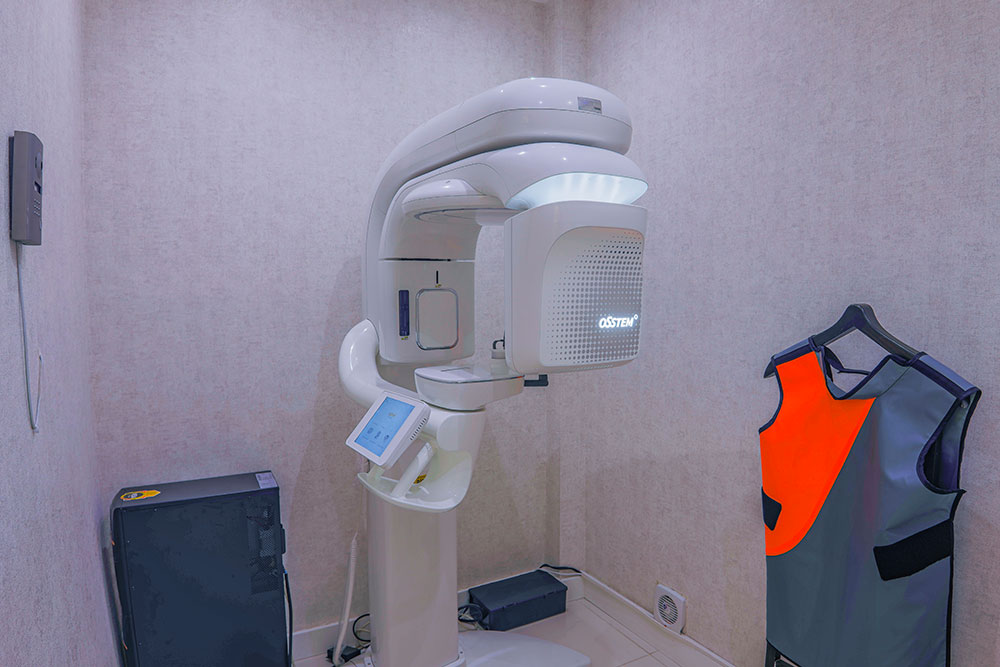
There are different types of dental X-rays. Small intraoral films are often used to examine specific teeth or small areas closely, while a panoramic film shows both jaws, all teeth, and parts of the sinuses and jaw joints in a single image. A panoramic X-ray can be especially useful for evaluating wisdom teeth, planning dental implant placement, or assessing overall bone structure.
Radiation doses used in dental imaging are generally low, and modern equipment aims to minimise exposure. Even so, X-rays are only taken when the expected diagnostic benefit outweighs the small associated risk. People with a higher risk of dental disease, such as those with multiple fillings, previous root canal treatments or gum disease, may need X-rays more often than those with a very low risk profile.
Pregnancy is an important consideration. If you are or might be pregnant, always inform your dentist. In many cases, routine X-rays are postponed unless they are essential for dealing with urgent problems. When radiographs are needed, protective measures are used according to current safety guidelines. The decision to take X-rays is individual, and you are encouraged to ask why a particular image is recommended and how it will help with your diagnosis or treatment planning.
How long does a routine oral check-up take?
A routine oral check-up usually takes about 20–45 minutes, although the exact duration depends on your oral health, the complexity of your case and whether any additional procedures, such as a professional cleaning or X-rays, are done at the same time. For a first visit or if you have not seen a dentist for several years, the appointment may be longer to allow for a thorough history and examination.
The initial part of the visit is spent updating your medical and dental information and discussing your concerns. This may include questions about pain, sensitivity, bleeding gums, previous treatments, medications and lifestyle habits that affect your mouth, such as smoking or grinding your teeth. Taking a few minutes to talk through these topics helps the dentist focus the examination and tailor advice to your situation.
The clinical examination of teeth, gums and soft tissues usually takes most of the appointment. If X-rays are recommended, there is extra time needed to position you correctly, take the images and review them. For some patients, a simple scaling and polishing to remove plaque and tartar can be completed in the same visit, while for others—especially with advanced gum disease or large amounts of tartar—separate or longer appointments are often scheduled.
Time is also needed at the end to explain findings, answer questions and discuss treatment options. For example, if a cracked tooth or failing filling is discovered, the dentist may outline possible solutions such as a filling, inlay or dental crown, including approximate treatment sequence and number of visits. If you have limited time because of travel or work, informing the clinic in advance helps with planning and may allow combining several steps in fewer appointments when clinically appropriate.
Does a routine oral check-up hurt?
A routine oral check-up is not designed to be painful, but you may feel brief discomfort or sensitivity during some parts of the examination, especially if your gums are inflamed or your teeth are already sensitive. Many people feel only mild sensations, such as pressure from instruments and stretching of the cheeks or lips.
During the check-up, the dentist uses a small mirror and a pointed instrument to explore the tooth surfaces and check for soft spots, rough fillings or plaque. This probing is usually felt as light pressure. If a tooth has a deep cavity or exposed dentine, you may feel a short, sharp sensitivity, which actually helps the dentist identify problem areas. Gentle probing of the gums can cause slight bleeding or tenderness if there is gum inflammation, which is a sign that plaque and tartar have irritated the tissue.
If you are very anxious or have had difficult experiences in the past, saying this at the beginning of the appointment is helpful. The dentist can then work more slowly, explain each step, and offer pauses if anything feels too intense. Topical anaesthetics or local anaesthesia are sometimes used for specific procedures that go beyond a simple check-up, such as deep cleaning or restorative work, but they are not usually needed for the examination alone.
Pain that continues after the appointment, significant swelling, or biting discomfort that appears suddenly are not expected after a routine examination and should be reported. These symptoms may signal an underlying infection, trauma from biting or an unrelated dental problem that requires targeted treatment. A check-up aims to detect such issues early so they can be addressed before they result in strong pain.
What can a dentist detect during a check-up?
During a routine oral check-up, a dentist can detect a wide range of conditions affecting your teeth, gums, jaw and oral soft tissues, often at an early stage when changes are subtle. This early detection is a key reason these visits are so valuable for long-term oral health.
Common findings include tooth decay, worn or cracked teeth, and failing fillings or crowns. Small cavities may appear as discoloured spots or soft areas that you cannot see or feel yourself. Worn or chipped edges can show that you grind or clench your teeth at night, prompting a discussion about protective devices such as night guards. Old restorations may have gaps at their edges where bacteria can enter and cause recurrent decay underneath.
Gum conditions are another major area. The dentist can identify gingivitis through signs of redness, swelling and bleeding upon gentle probing or brushing, and can diagnose periodontitis by measuring periodontal pockets and noting gum recession or loose teeth. These findings guide decisions about professional cleaning, deep scaling or referral to a periodontist if needed.
The soft tissues of the mouth are examined for ulcers, traumatic lesions, fungal infections and suspicious patches or lumps. While many of these are benign irritations from biting, sharp teeth or dentures, some may require further testing or referral to an oral medicine specialist. The dentist also observes your bite relationships and jaw movement, which can reveal temporomandibular joint (TMJ) disorders, habits like nail-biting, or problems related to missing teeth. In combination with X-rays, a check-up can also uncover impacted wisdom teeth, bone changes, sinus-related issues and, when relevant, the condition of any existing implants or prostheses.
What happens if treatment is needed after the check-up?
If treatment is needed after a routine oral check-up, the dentist will explain the findings, discuss the available options and help you prioritise which issues should be addressed first. The aim is to create a clear, step-by-step plan that fits your oral health needs, medical situation and time frame.
For small cavities, a simple filling may be recommended. If decay has reached the nerve of the tooth, root canal treatment or extraction might be necessary. Worn, cracked or heavily restored teeth could benefit from protective restorations such as onlays or crowns. Gum disease may require professional cleaning, scaling and root planing, and in more advanced cases, ongoing periodontal maintenance visits at shorter intervals.
When several teeth are missing or damaged, the dentist may discuss options such as comprehensive smile rehabilitation, dentures or implant-supported solutions, depending on bone quality, general health and your expectations. Each choice has advantages, limitations, treatment times and maintenance requirements, which should be explained in understandable language so you can make an informed decision.
For those traveling from abroad or with limited time, the plan may be adjusted to combine compatible procedures in the same visit or to stage treatments over multiple trips where necessary. Any urgent problems, such as infections, severe pain, broken teeth with sharp edges or abscesses, are usually treated as a priority. The dentist will also advise on pain management, oral hygiene and temporary measures you can take at home between appointments. No plan should be considered final until you have had the chance to ask questions and the dentist has confirmed that it is appropriate for your overall health.
How can I prepare for a dental check-up in Antalya?
Preparing for a dental check-up in Antalya involves organising your health information, travel schedule and expectations so that your appointment time is used efficiently and comfortably. Before your trip, gather any relevant dental records, such as recent X-rays, treatment notes or information about previous extractions, root canal treatments or large restorations. Bringing this information, either digitally or on paper, helps the dentist understand your history more quickly.
If you take regular medications or have chronic health conditions—such as diabetes, heart disease, autoimmune disorders or bleeding problems—prepare a list with names and doses, and note any allergies. This allows the dentist to assess potential interactions and precautions, especially if procedures beyond a simple examination are needed. Inform the clinic in advance if you are pregnant, have had recent surgery or are using blood thinners, as this may influence timing and the type of treatment that can be safely carried out.
From a travel perspective, it is wise to avoid scheduling a first dental appointment immediately after a long flight when you may be tired or dehydrated. Leave some flexibility in your itinerary in case follow-up visits are recommended. For example, you may have your initial check-up early in your stay, so that any needed treatments can be planned on the following days if suitable.
On the day of the appointment, brush your teeth and floss as usual, but do not worry about making them appear “perfect”; the dentist needs to see the real condition. Arrive a bit early to complete any forms without rush. At Umut Dental Clinic Antalya, patients can share their details and X-rays for an online consultation before planning travel, which can be especially helpful for those considering more complex work like implants or extensive restorations.
What helps maintain oral health between check-ups?
Maintaining oral health between check-ups depends on consistent daily care, sensible lifestyle choices and attention to early warning signs. The foundation is effective plaque control through toothbrushing and interdental cleaning. Brushing twice a day with a fluoride toothpaste and using floss or interdental brushes once a day helps remove plaque from both the tooth surfaces and between teeth, where cavities and gum disease often start.
Diet plays a major role. Limiting the frequency of sugary foods and drinks, especially between meals, reduces the constant acid attacks that weaken tooth enamel. Sipping sweet beverages over long periods or frequently snacking on sticky sweets is particularly harmful. Drinking water, especially after meals, helps rinse away food particles and supports saliva in neutralising acids.
Other lifestyle habits also influence oral health. Smoking and high alcohol intake are linked to gum disease, delayed healing and oral cancer risk. Cutting down or quitting smoking and moderating alcohol can significantly benefit your mouth and overall health. If you grind or clench your teeth, especially at night, discussing a protective mouthguard with a dentist may prevent wear, cracks and jaw discomfort.
Pay attention to signs such as bleeding gums, persistent bad breath, sensitivity to hot or cold, or sores that do not heal within about two weeks. These can be early indicators of problems that deserve professional assessment rather than waiting for your next routine visit. Lastly, regular professional care, including a scheduled check-up and recommended cleanings, works hand in hand with your home care. By combining both, you support stable, comfortable oral health over many years.
The information on this page is for general education only and does not replace an examination, diagnosis or treatment. See a dentist for any concerns about your oral health.
Our Clinic
Every smile tells a story — and we've been part of thousands of them for over 17 years.
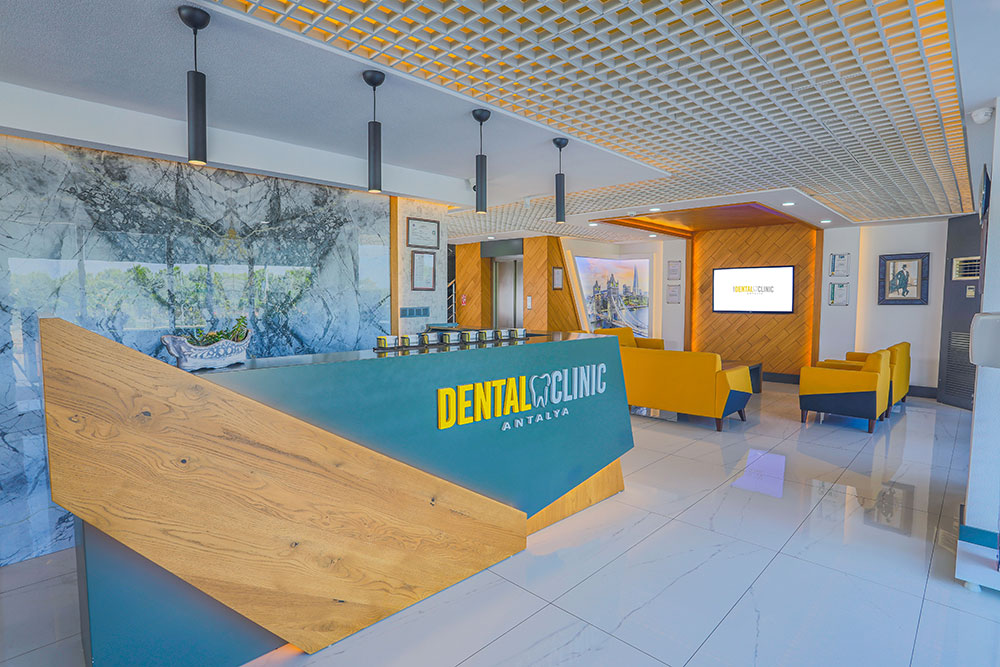
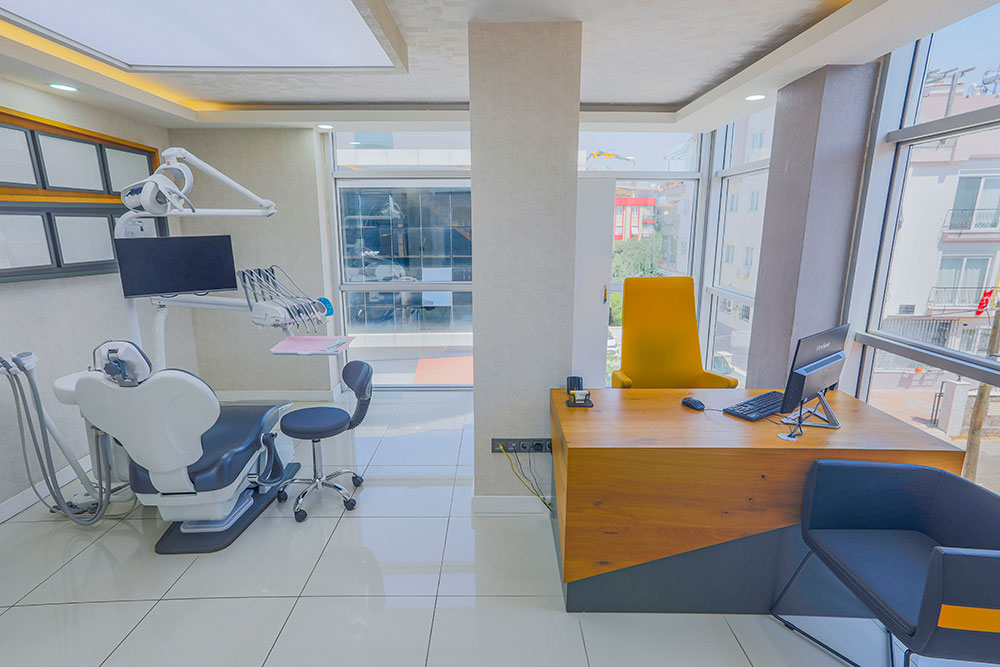
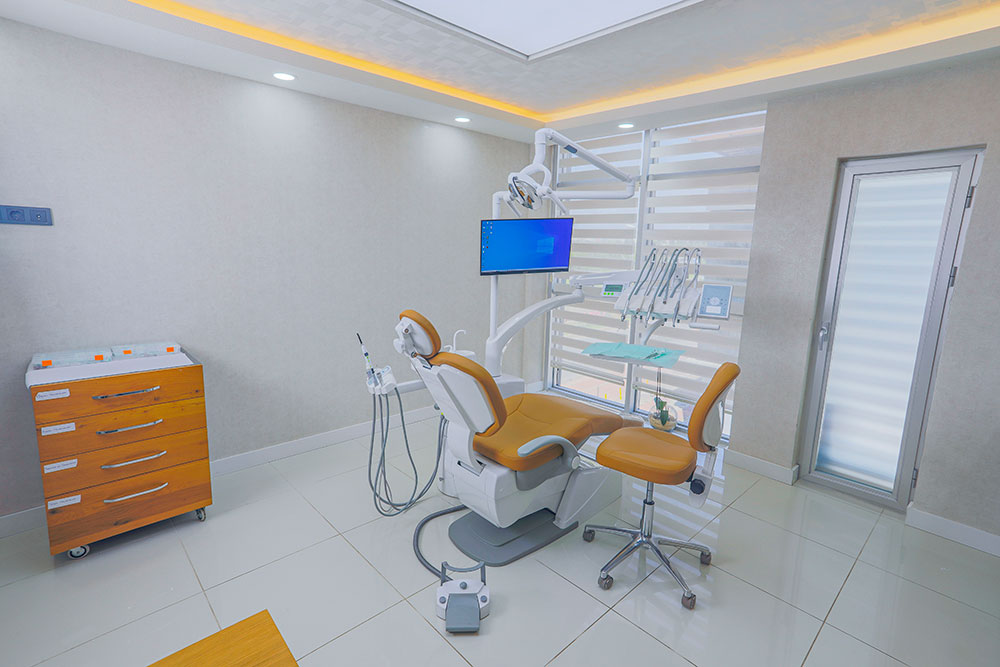
Located in the heart of Antalya, our clinic combines trusted experience with the latest dental technology. Our skilled and caring dentists create healthy, natural and long-lasting results — and from your first consultation to your final check-up, you'll feel cared for not just as a patient, but as part of our family.
- Specialist Dentists
- Latest Technology
- Modern, Hygienic Clinic
- Patient Coordinators
Our Services
Comprehensive cosmetic and restorative dentistry, planned around you.

Smile Makeover
A complete, natural-looking smile design planned around your face and goals.
Learn more
Dental Implants
A permanent replacement for missing teeth with a titanium root and natural crown.
Learn more
All-on-4 Implants
A full fixed arch of teeth supported by just four implants.
Learn more
All-on-6 Implants
A full fixed arch on six implants for extra stability and support.
Learn more
Laminate Veneers
Ultra-thin porcelain shells that refine the shape and shade of your teeth.
Learn more
Dental Crowns
Strong, aesthetic caps that protect and restore damaged teeth.
Learn more
Dental Bridges
A fixed solution that fills the gap left by one or more missing teeth.
Learn more
Teeth Whitening
A safe, professional treatment for a brighter, fresher smile.
Learn moreBehind Every Smile, a Story
Hundreds of patients have walked through our doors and left with far more than a new smile — they left with confidence. Let us write your story, too.
Trusted by Patients Around the World
Real experiences from real Umut Dental Clinic patients.
My visit to Umut dental clinic was amazing.
FATIH SUNAR was my dentist he is an amazing dentist, i wasn't the easiest of patients through nerves.
I couldn't be happier with the overall service i received.
I would whole heartily recommend this clinic for any treatments.
Thankyou
I was quite nervous before I sat in the chair, but once there i was made feel comfortable and relaxed.
I had quite a bit of work done and what I really liked was the speed my dentist worked at,, I was out of the chair with 7 implants in less than 2 hours ..
The place is spotless , the equipment is more than up to date.
The price I was quoted was the price I paid. I will return for yearly check ups as I wouldnt want anyone else looking after me.
Well done to a very professional team !!
My doctor was Faith Sunar, I'm very pleased with how professional he was and how much care he took in his work to make sure I was happy with my new teeth.
They corrected my problems and give me a new set as my old ones were not fitting properly, which was under my gaurentee.
I was seen each day for 4 days , they made sure everything was perfect before I flew back home to England uk.
The clinic was exceptionally clean and spotless.
Beyza was very helpfull to our needs and spoke very good English , she was very kind from start to finish.
Is definitely 100./. Recommend this dentist practice to anyone I'd give them 10/10.
Had excellent treatment with UMUT - extremely well organised and professional. I was talked through the procedure all the way through, given medication which made the process pain free and bearable. My dentist was lovely and only happy when everything was absolutely perfect. When you have so much choice of dentistry in Antalya, it can feel like a very hard decision to make but I would totally recommend this clinic. Thanks again to my fabulous dentist Tugce Aricetin
What a perfect clinic from start to finish I would recommend them to anyone around the world so professional hygiene is amazing on my life you would think you was in a clinic were the famous people go the United Kingdom doesn't even come close to Umut dental clinic I couldn't be happier 12 out of 10 best thing I've ever done so happy thank you umut thank thank you and thank you Dentist Tugce and thank you to the whole team
it was great service and very helpfull friendly team also the transport to clinic was excellent. the hotel also was nice and friendly people and nice breakfast. i'm looking forward to visit Antalya and all the nice people in april again, very beutifull beach also. thank you for helping me and i hope to see you in april for finishing

I had dental treatment at Umut Clinic Antalya, and I can confidently say—three years later—that this clinic truly delivers on its promise of quality and guarantee. The results of my treatment have remained excellent over time, and I'm still very happy with everything they did.
The entire team is extremely friendly, professional, and caring. The dentists are highly trained and very experienced, which immediately gave me a sense of trust and security. They took time to explain everything clearly and made sure I felt comfortable throughout the process.
What also sets Umut Zahnklinik apart is their exceptional service for international patients. From airport pickup to accommodation support, everything was well-organized and stress-free. You really feel taken care of from start to finish.
I can highly recommend Umut Zahnklinik to anyone looking for high-quality dental care in Turkey. A great clinic with lasting results and a warm, welcoming team!
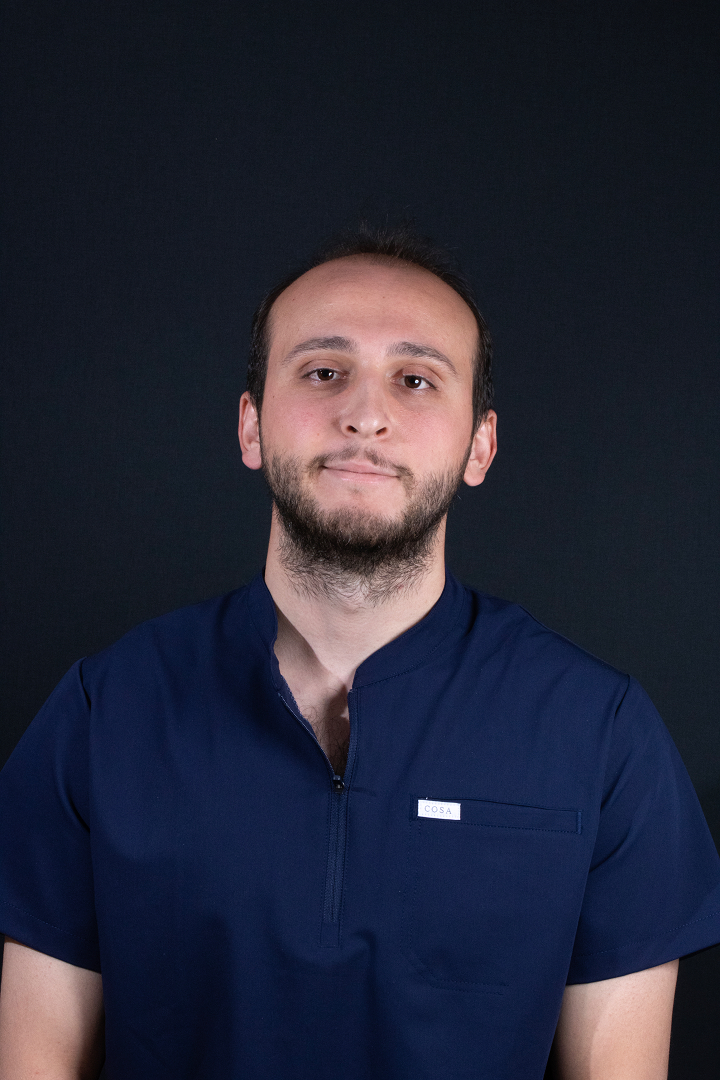
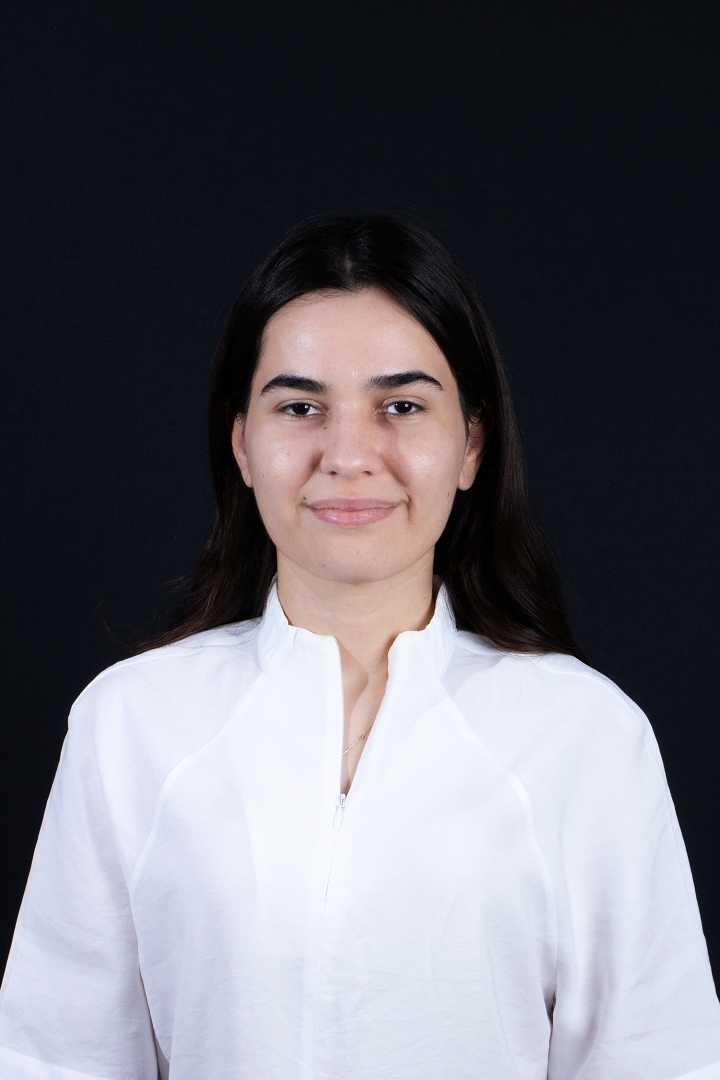
Meet Our Doctors
Experienced clinicians dedicated to natural, healthy and long-lasting smile outcomes.

Dr. Osman Cengiz
Clinic Founder
Dr. Ayşe Dilara Yüzgeç
Dentist
Dr. Fatih Sunar
Dentist
Dr. Tuğba Taş Mammadov
Dentist
Dr. Melisa Köse
Dentist
Dr. Abdullah Zeki Ceylan
Dentist
Dr. Merve Yıldırım
Dentist
Dr. Samet Dönmez
DentistOnline Consultation
Leave your contact information and we will contact you soon.